
TOC
- 1. What Is Rhodochrosite?
- 2. Rhodochrosite Meaning & History
- 3. Rhodochrosite Properties
- 4. Colors, Sources & Value
- 5. Rhodochrosite Care & How to Identify
- 6. Rhodochrosite Meaning & Symbolism
- 7. Rhodochrosite FAQ
- 7-1. What is rhodochrosite made of?
- 7-2. Is rhodochrosite good for rings and everyday wear?
- 7-3. Is rhodochrosite dyed or treated?
- 7-4. Can rhodochrosite get wet?
- 8. Shop Rhodochrosite at KenKenGems

What Is Rhodochrosite?
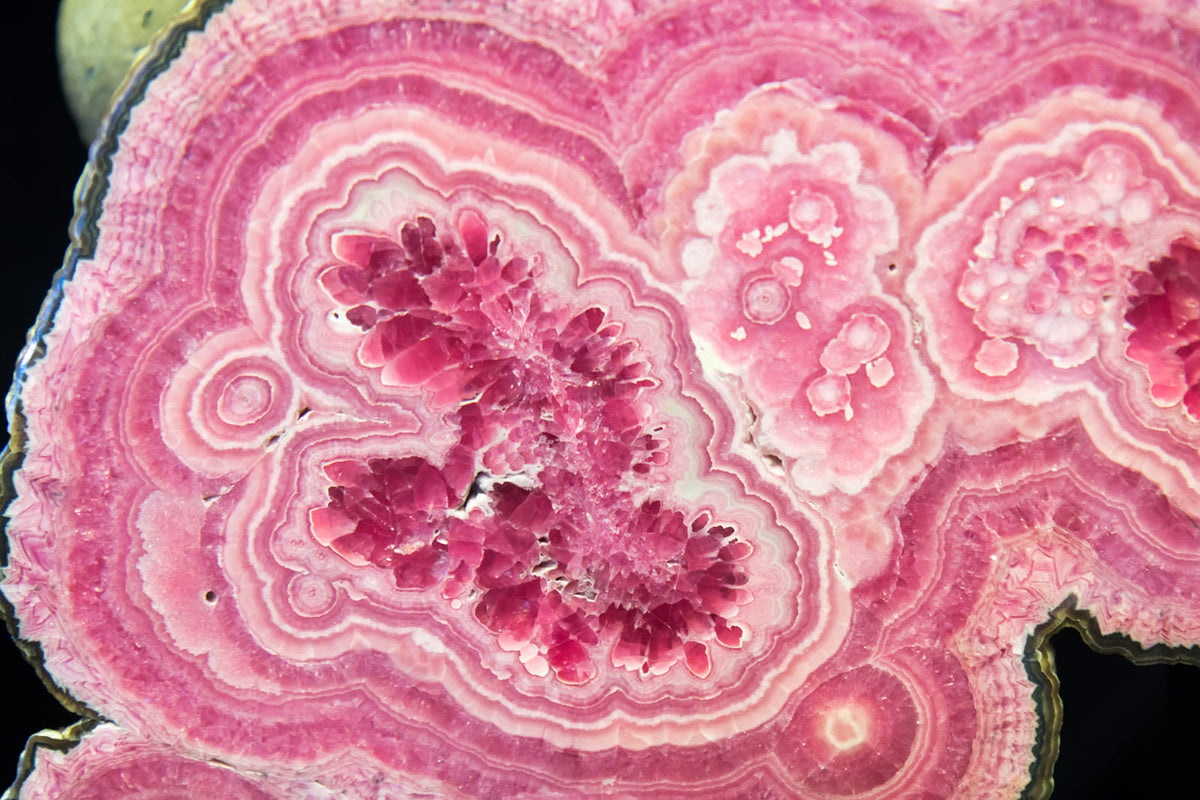
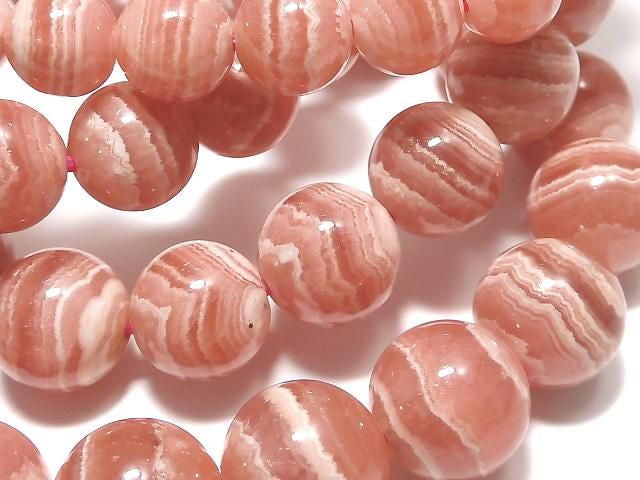
Rhodochrosite is a manganese carbonate mineral (MnCO3) prized for its warm color, which ranges from soft pink to deep rose-red. In most gem material the color is broken up by bands of white, so polished pieces often show a striped or ribboned pattern. When rhodochrosite forms as stalactites and is cut into slices, those bands appear as beautiful concentric rings.
The mineral was first shaped into ornaments by the Incas, who admired its rosy color, and it is still widely known by the nickname "Inca Rose." It is a relatively soft, cleavable stone, which makes it a favorite for cabochons, beads, and carvings rather than hard-wearing rings. Because of that softness it also rewards a little extra care, which we cover below.
Rhodochrosite Meaning & History
The name rhodochrosite comes from two Greek words, rhodon (rose) and chrosis (coloring), a fitting nod to the stone’s rosy hue. Native Americans of the Andes called it the Inca Rose, and the modern name came into wide use in the 20th century after explorers rediscovered old Inca mines and the pink gems worked there.
In Andean folklore, rhodochrosite is often called the "rose of the Incas." One well-known legend tells of a cave-dwelling spirit who loved an earthly woman; to comfort her longing for the outdoors, he is said to have covered his cave walls with countless delicate pink blossoms that turned to stone as rock roses – the rhodochrosites we know today. Stories like this are folklore, told for their charm rather than as history.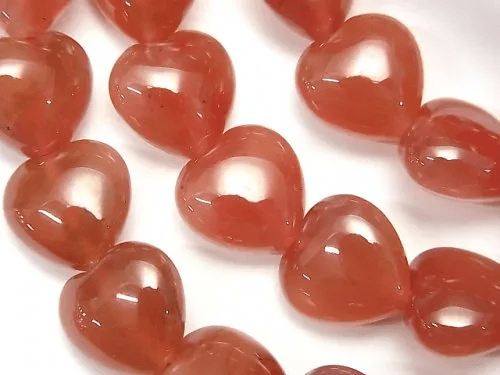
Rhodochrosite Properties
Rhodochrosite is the manganese member of the calcite mineral group, and its rosy color comes directly from manganese in its makeup. It grows in several habits – well-formed crystals, rounded botryoidal masses, and the banded stalactitic material used for those familiar ringed slices. The alternating pink and white layers come from changes in composition as the mineral formed. It is important to understand its physical traits before buying or wearing it.
| Property | Detail |
|---|---|
| Mineral | Rhodochrosite (manganese member of the calcite group) |
| Chemical composition | Manganese carbonate, MnCO3 |
| Color | Pink to rose-red, often banded with white |
| Crystal system | Trigonal |
| Mohs hardness | 3.5–4 (soft – handle with care) |
| Cleavage | Perfect rhombohedral cleavage (splits easily; brittle) |
| Luster | Vitreous to pearly |
| Common cuts | Cabochons, beads, and slices (rarely faceted) |
| Main sources | Argentina (Capillitas), Colorado USA (Sweet Home Mine), South Africa, Peru |
Two properties matter most in practice: rhodochrosite is soft (Mohs 3.5–4) and it has perfect cleavage, meaning it can split cleanly along flat planes. Together these make it prone to scratches and chips, which is why it is usually cut as cabochons and beads rather than faceted for rings.
Colors, Sources & Value
Rhodochrosite’s value is driven mostly by color and pattern. Even, saturated rose-red is the most sought-after, while banded pink-and-white material is popular for cabochons, beads, and decorative slices. Transparent, well-formed red crystals are rare and are prized chiefly by mineral collectors.
- Argentina (Capillitas Mine): the classic source of banded stalactitic rhodochrosite, cut into slices that show concentric pink and white rings.
- Colorado, USA (Sweet Home Mine): famous for fine, deep-red transparent crystals; rhodochrosite is Colorado’s official state mineral.
- South Africa and Peru: additional sources of both crystal specimens and banded material used in jewelry.
When comparing stones, look at the richness of the color, the attractiveness of the banding, and the polish. Because fine red crystal material is scarce, most rhodochrosite sold for jewelry is the banded pink type, which offers its distinctive rosy pattern at an accessible price.

Rhodochrosite Care & How to Identify
Because rhodochrosite is soft (Mohs 3.5–4), has perfect cleavage, and is a carbonate, it needs gentle handling. Clean it only with a soft, barely damp cloth – avoid prolonged soaking, and never use ultrasonic or steam cleaners. Keep it away from acids (including household cleaners, perfume, and sweat), heat, and hard knocks, all of which can dull, etch, or split the stone. Store it separately so harder gems cannot scratch it, and choose earrings, pendants, or brooches over everyday rings.
Disclosure and identification. Because it is soft and fragile, rhodochrosite is sometimes stabilized, impregnated, dyed to deepen its color, reconstituted from smaller pieces, or backed with another material to strengthen thin slices. These are legitimate treatments only when disclosed. Natural banded rhodochrosite shows soft, irregular pink-and-white bands and a slightly waxy-to-glassy polish; overly uniform, unnaturally vivid color can signal dyeing, and a very lightweight or seam-lined piece may be reconstituted or backed. When you buy, ask the seller in writing whether the stone is natural or treated, and whether it has been dyed, stabilized, reconstituted, or backed.
Rhodochrosite Meaning & Symbolism
These are traditional beliefs, not medical claims. Rhodochrosite is not medicine and cannot diagnose, treat, cure, or prevent any illness. For any health concern, consult a qualified professional.
In crystal lore, rhodochrosite is often called a stone of the heart in an emotional, symbolic sense – associated with warmth, compassion, and self-acceptance. Traditionally it is believed to encourage love and connection, to support emotional healing and a gentle sense of comfort, and to help people approach change with an open mind. Many owners simply enjoy it as a meaningful, rosy keepsake.
In South American tradition it has long been linked with affection and passionate feeling, which is one reason it earned the name Inca Rose. In chakra tradition it is usually associated with the heart center. All of these associations come from folklore and personal practice, not from science, and none of them describe any physical or medical effect.

Rhodochrosite FAQ
What is rhodochrosite made of?
Rhodochrosite is manganese carbonate (MnCO3), a member of the calcite mineral group. Its pink to rose-red color comes from manganese, and the white bands seen in many pieces come from changes in composition as the mineral formed.
Is rhodochrosite good for rings and everyday wear?
It is fairly soft (Mohs 3.5–4) and has perfect cleavage, so it scratches and chips more easily than harder gems. It is best enjoyed in earrings, pendants, brooches, and beads, or in rings that are worn occasionally and protected from knocks.
Is rhodochrosite dyed or treated?
It can be. Because it is soft and fragile, rhodochrosite is sometimes dyed, stabilized, impregnated, reconstituted, or backed to make it more durable or more vivid. These treatments are fine when disclosed, so ask your seller in writing whether a stone is natural or treated.
Can rhodochrosite get wet?
Keep water contact brief. Rhodochrosite is a carbonate that is sensitive to acids, heat, and prolonged moisture, so avoid soaking it and skip ultrasonic or steam cleaners. Wipe it with a soft, barely damp cloth instead. It is a decorative gemstone and should not be used to prepare anything for drinking.
Shop Rhodochrosite at KenKenGems
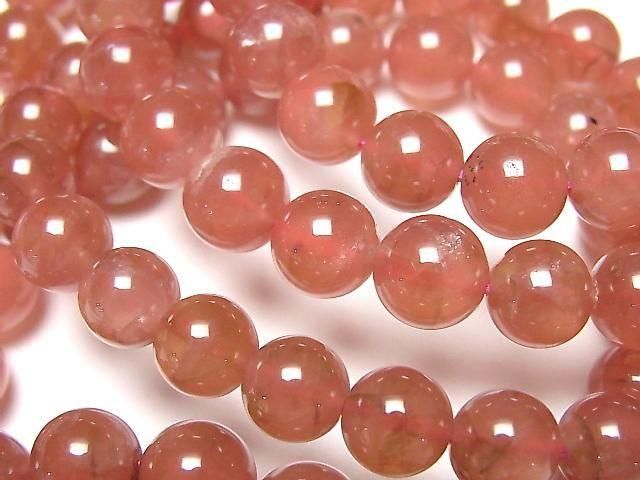
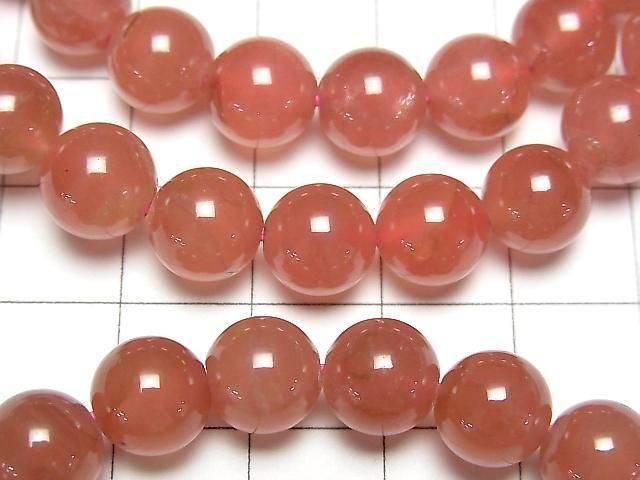
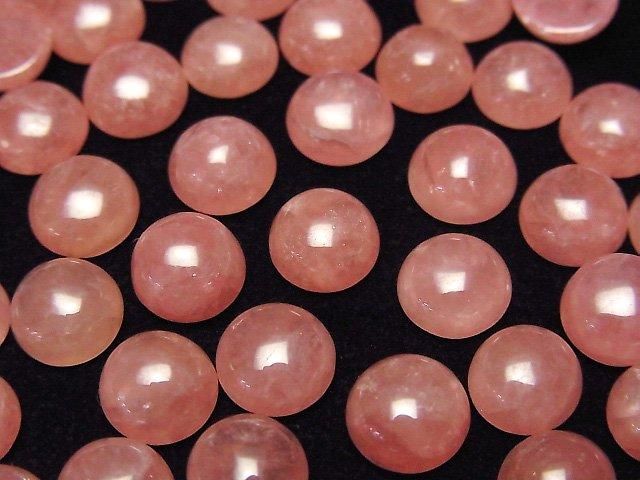
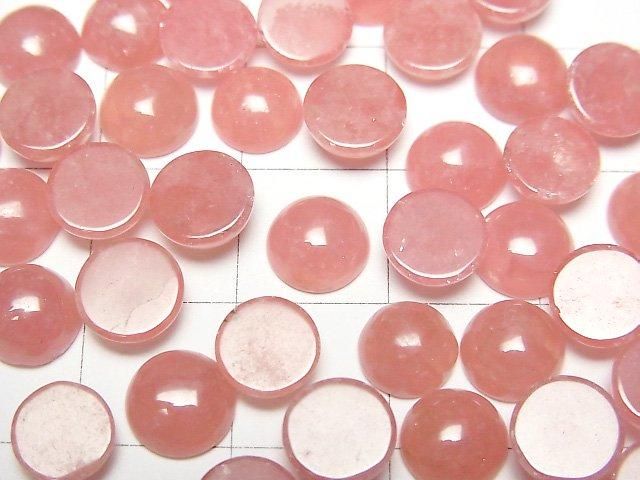
At KenKenGems we carry a wide rhodochrosite collection to suit different projects – strands, half-strands, cabochons, and loose pieces for both wear-ready and DIY jewelry. Collectors will find distinctive banded and crystal material from sources such as Argentina and Peru. Explore the current selection and choose a genuine rhodochrosite for your next design.


![[One of a kind] Rhodochrosite AAA- Cabochon 1pc No.129](http://store.kenkengems.com/cdn/shop/files/190532985.jpg?v=1772528410&width=640)
![[One of a kind] Rhodochrosite AAA- Cabochon 1pc No.129](http://store.kenkengems.com/cdn/shop/files/190532985_o1.jpg?v=1772528391&width=640)

![[One of a kind] Argentine Rhodochrosite AAAA Round 10mm Bracelet No.204](http://store.kenkengems.com/cdn/shop/files/188704619_4b4f5c7f-193f-457f-9011-0f92b770c43f.jpg?v=1761032595&width=640)
![[One of a kind] Argentine Rhodochrosite AAAA Round 10mm Bracelet No.204](http://store.kenkengems.com/cdn/shop/files/188704619_o1_ce57520b-3478-4354-940e-da8e69145392.jpg?v=1761032601&width=640)
![[One of a kind] Rhodochrosite AAA- Cabochon 1pc No.124](http://store.kenkengems.com/cdn/shop/files/190532968.jpg?v=1772528530&width=640)
![[One of a kind] Rhodochrosite AAA- Cabochon 1pc No.124](http://store.kenkengems.com/cdn/shop/files/190532968_o1.jpg?v=1772528512&width=640)
![[One of a kind] Rhodochrosite AAA- Cabochon 1pc No.120](http://store.kenkengems.com/cdn/shop/files/190532964.jpg?v=1772528651&width=640)
![[One of a kind] Rhodochrosite AAA- Cabochon 1pc No.120](http://store.kenkengems.com/cdn/shop/files/190532964_o1.jpg?v=1772528633&width=640)
![[One of a kind] Rhodochrosite AAA- Cabochon 1pc No.110](http://store.kenkengems.com/cdn/shop/files/189646382.jpg?v=1765865392&width=640)
![[One of a kind] Rhodochrosite AAA- Cabochon 1pc No.110](http://store.kenkengems.com/cdn/shop/files/189646382_o1.jpg?v=1765865398&width=640)
![[One of a kind] Peruvian Rhodochrosite AAA Beads 2pcs Set No.1](http://store.kenkengems.com/cdn/shop/files/190102549.jpg?v=1772535204&width=640)
![[One of a kind] Peruvian Rhodochrosite AAA Beads 2pcs Set No.1](http://store.kenkengems.com/cdn/shop/files/190102549_o1.jpg?v=1772535190&width=640)



![[One of a kind] Rhodochrosite AAA- Cabochon 1pc No.125](http://store.kenkengems.com/cdn/shop/files/190532969.jpg?v=1772528498&width=640)
![[One of a kind] Rhodochrosite AAA- Cabochon 1pc No.125](http://store.kenkengems.com/cdn/shop/files/190532969_o1.jpg?v=1772528484&width=640)


