

TOC
- 1. What Is Amber?
- 2. Amber History and Meaning
- 3. Amber Physical and Chemical Properties
- 4. Types and Colors of Amber
- 5. Real vs Fake Amber: How to Tell
- 6. Where Is Amber Found?
- 7. Amber Meaning and Symbolism
- 8. Amber Value and Price
- 9. How to Care for Amber
- 10. Amber FAQ
- 10-1. What is amber?
- 10-2. How can I tell if amber is real?
- 10-3. What is the difference between amber and copal?
- 10-4. Is blue amber real?
- 10-5. Are amber teething necklaces safe for babies?
- 10-6. How much is amber worth?
- 10-7. Can amber get wet?
- 10-8. How do I care for amber?
- 11. Buying Amber from KenKenGems

What Is Amber?
Amber is the fossilized resin of ancient trees, not a stone or mineral in the usual sense. Over millions of years, sticky resin oozed from prehistoric conifers, hardened, lost its volatile compounds, and polymerized into the warm, translucent solid we know today. Because resin was sticky, amber sometimes preserves insects, plant fragments, and air bubbles — tiny time capsules that make each piece unique. Light and warm to the touch, amber has been valued as a gem and ornament since the Stone Age.

Amber History and Meaning
Amber has been prized since the Neolithic, when it could be gathered near the surface and carved with simple tools. The Roman writer Pliny the Elder correctly deduced that it was hardened tree resin — noting its insect inclusions and resinous smell when burned — and amber appears as far back as Homer's Odyssey. The English name comes, by way of Latin, from the Arabic "anbar." Across cultures it has symbolized warmth, light, and preserved memory, which is a large part of its enduring appeal.

Amber Physical and Chemical Properties
Amber is an amorphous organic solid — chiefly carbon, hydrogen, and oxygen — that formed from tree resin roughly 40–50 million years ago, with some specimens close to 100 million years old. It is soft (about 2–2.5 on the Mohs scale), so it scratches easily and is a questionable choice for rings unless protected, though the harder Burmese amber (burmite) can even be faceted. Rubbed with cloth, amber builds a static electric charge — the property that gave us the word "electron" (Greek "elektron," amber). Baltic amber contains succinic acid, a natural component of the resin; this is a compositional fact, not a health claim. Colors range from pale yellow and honey to cognac brown, with rare green and blue varieties.

Types and Colors of Amber
Amber is graded by origin and color, and knowing the main types helps you buy wisely:
- Baltic amber (succinite): the classic honey-to-cognac amber from the Baltic region; the most traded type
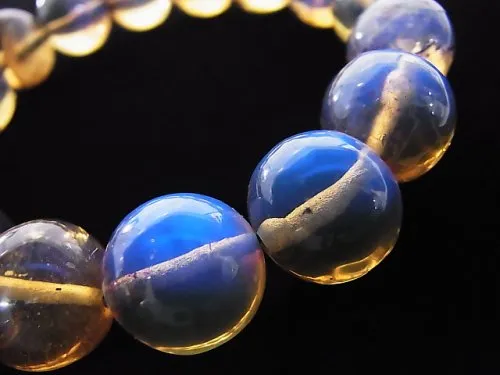
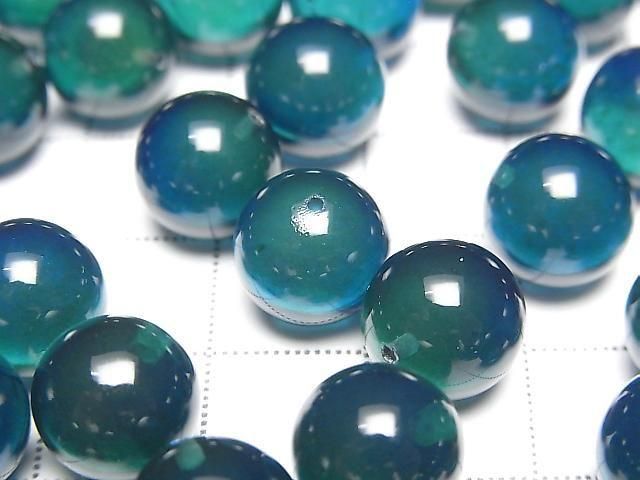
- Dominican amber: from the Dominican Republic, including the rare and prized blue amber that glows under UV/sunlight
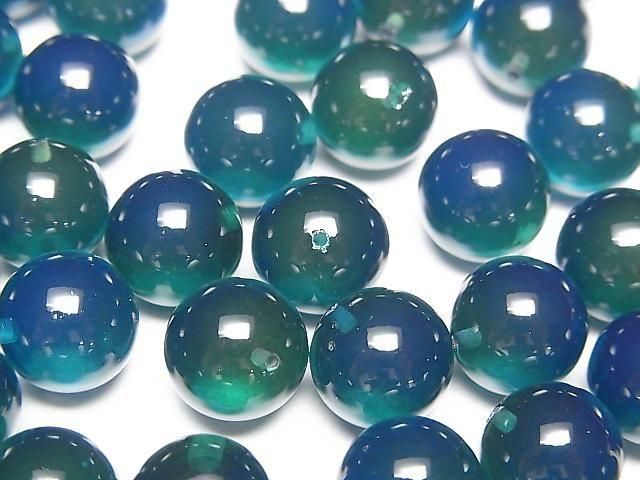
- Green amber: natural green tones, sometimes enhanced by treatment (which should be disclosed)
- Burmite (Burmese amber): older and harder, sometimes faceted
- Cognac, cherry, and butterscotch: common color/clarity descriptions
A key distinction: copal is young, immature resin (thousands of years old, not fully fossilized) and is not the same as amber. Reputable sellers separate true amber from copal, pressed/reconstituted amber, and imitations.
Real vs Fake Amber: How to Tell
Amber is widely imitated by plastic, glass, and copal, so a few checks help — though a lab or experienced dealer is the final word. Genuine amber is very light and warm to the touch (glass feels cold and heavy), often floats in a saltwater solution (about 2 tablespoons of salt per cup of water) while most plastics and glass sink, and many pieces fluoresce under UV light (Dominican blue amber glows strikingly). Real inclusions look natural and randomly posed, whereas "too perfect" insects can signal a fake. Avoid the hot-needle test on stones you want to keep, since it damages the surface. Because it is porous and soft, amber is easy to fake, so buy from sellers who disclose whether material is natural, pressed (reconstituted), treated, or imitation.
Where Is Amber Found?
The largest amber deposits ring the Baltic Sea — mainly Russia (Kaliningrad), Poland, and the Baltic States — where amber-bearing "blue earth" is worked to recover succinite. Smaller sources include Myanmar (burmite), Mexico, and the United States, while the Dominican Republic is famed for rare, transparent blue amber. Because most amber is redeposited far from where the original trees grew, deposits are often coastal and worked by both mining and beach collection.
Amber Meaning and Symbolism
In folklore and crystal tradition, amber is associated with warmth, light, comfort, and protection, and it has been used as a talisman since ancient times. It is essential to be clear that these are cultural beliefs, not medical facts: amber is not a medicine and does not diagnose, treat, cure, or prevent any illness — including anything related to inflammation, the thyroid, tumors, or a baby's health — and it is no substitute for professional care.
- Traditionally seen as a stone of warmth, optimism, and creativity
- Historically carried or burned as incense for protection and good luck in folklore
- A symbol of preserved memory and connection to the ancient past
- Often chosen simply for its glowing beauty and light weight
A safety note on baby amber necklaces: amber "teething" necklaces are marketed for infants, but health authorities including the U.S. FDA warn against them because of the real risk of choking and strangulation. We do not recommend amber necklaces for babies. These are traditional beliefs, not medical claims.

Amber Value and Price
Amber is affordable compared with mineral gems, with value driven by color, clarity, size, inclusions, and origin. Rare Dominican blue amber and well-preserved insect inclusions command the highest prices; ordinary honey and cognac Baltic amber is inexpensive. As a rough guide, small polished Baltic pieces and bead strands often run about USD $10–$60 (CAD $14–$80), fine clear or naturally colored stones cost more, and museum-grade insect-in-amber specimens can reach hundreds or thousands. Pressed (reconstituted) amber is cheaper than solid natural amber and should be disclosed. Treat any figure as general guidance rather than a fixed quote.

How to Care for Amber
Amber is soft and organic, so it needs gentle care to keep its glow.
- Clean with a soft, slightly damp cloth; avoid ultrasonic and steam cleaners
- Keep it away from perfume, hairspray, solvents, and other chemicals, which can dull or craze the surface
- Avoid prolonged heat and direct sunlight, which can darken or crack amber over time
- Store separately from harder gems to prevent scratches, ideally in a soft pouch
- Put amber jewelry on last, after cosmetics and fragrance
Amber FAQ
Quick answers to the questions people most often ask about amber.
What is amber?
Amber is fossilized tree resin — an organic gem, not a mineral — formed over tens of millions of years. It is light and warm to the touch and can preserve ancient insects and plants.
How can I tell if amber is real?
Real amber is light and warm, often floats in salt water, and frequently glows under UV light, while plastic and glass feel heavier or colder. Buy from sellers who disclose whether material is natural, pressed, treated, or imitation.
What is the difference between amber and copal?
Copal is young, immature resin (thousands of years old) that has not fully fossilized, so it is softer and less stable than true amber. It should be labeled as copal, not amber.
Is blue amber real?
Yes. Rare Dominican blue amber is genuine amber that shows a blue glow under UV light and sunlight. It is one of the most valuable amber types.
Are amber teething necklaces safe for babies?
No. Health authorities including the FDA warn against amber teething necklaces because of choking and strangulation risks. They are not recommended for infants.
How much is amber worth?
It varies widely. Ordinary Baltic honey amber is inexpensive, while rare blue amber and specimens with well-preserved insects can be worth hundreds or thousands.
Can amber get wet?
A quick splash is fine, but avoid soaking and keep amber away from chemicals, perfume, and prolonged heat, which can damage it.
How do I care for amber?
Wipe with a soft cloth, avoid ultrasonic cleaners and chemicals, keep it out of strong heat and sunlight, and store it apart from harder gems.
Buying Amber from KenKenGems
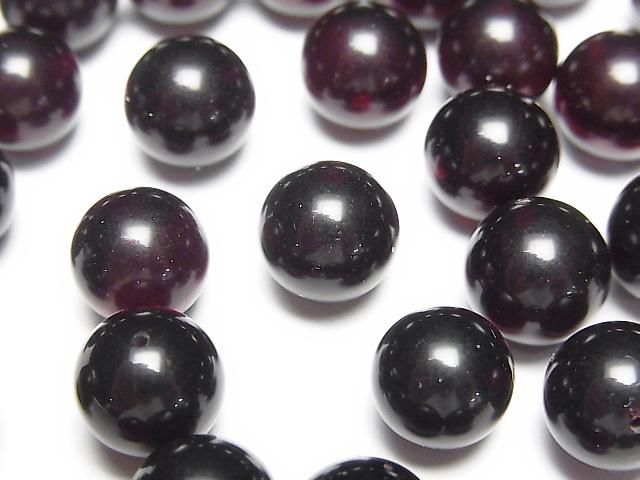
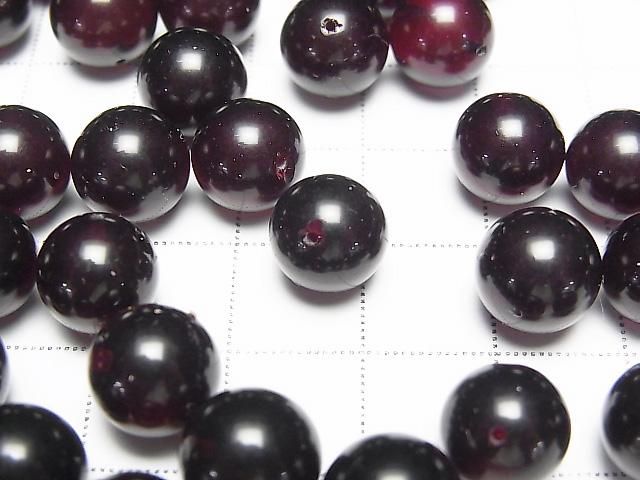
When buying amber, choose by color and type — Baltic honey and cognac, natural green, or rare Dominican blue — and check how the seller describes any treatment or whether a piece is pressed (reconstituted). KenKenGems offers amber as beads, cabochons, strands, and loose stones, drilled and undrilled, described honestly as natural, treated, or pressed so you know exactly what you are getting.

![[One of a kind] Baltic Amber Pendant Silver925 No.101](http://store.kenkengems.com/cdn/shop/files/187715411.jpg?v=1755574955&width=640)
![[One of a kind] Baltic Amber Pendant Silver925 No.101](http://store.kenkengems.com/cdn/shop/files/187715411_o1.jpg?v=1755574961&width=640)
![[One of a kind] Baltic Amber Pendant Silver925 No.102](http://store.kenkengems.com/cdn/shop/files/187715413.jpg?v=1755574967&width=640)
![[One of a kind] Baltic Amber Pendant Silver925 No.102](http://store.kenkengems.com/cdn/shop/files/187715413_o1.jpg?v=1755574967&width=640)
![[One of a kind] Blue color Amber Tube & Round Bracelet No.4](http://store.kenkengems.com/cdn/shop/files/191069625.jpg?v=1776768773&width=640)
![[One of a kind] Blue color Amber Tube & Round Bracelet No.4](http://store.kenkengems.com/cdn/shop/files/191069625_o1.jpg?v=1776768759&width=640)
![[One of a kind] Baltic Amber Pendant Silver925 No.105](http://store.kenkengems.com/cdn/shop/files/187715417.jpg?v=1755574998&width=640)
![[One of a kind] Baltic Amber Pendant Silver925 No.105](http://store.kenkengems.com/cdn/shop/files/187715417_o1.jpg?v=1755575004&width=640)
![[One of a kind] Baltic Amber Pendant Silver925 No.114](http://store.kenkengems.com/cdn/shop/files/187715428.jpg?v=1755575106&width=640)
![[One of a kind] Baltic Amber Pendant Silver925 No.114](http://store.kenkengems.com/cdn/shop/files/187715428_o1.jpg?v=1755575112&width=640)
![Baltic Amber Rice Nugget [Drilled Hole] 10pcs](http://store.kenkengems.com/cdn/shop/files/191777324.jpg?v=1779788835&width=640)
![Baltic Amber Rice Nugget [Drilled Hole] 10pcs](http://store.kenkengems.com/cdn/shop/files/191777324_o1.jpg?v=1779788815&width=640)
![[One of a kind] Baltic Amber Pendant Silver925 No.112](http://store.kenkengems.com/cdn/shop/files/187715425.jpg?v=1755575088&width=640)
![[One of a kind] Baltic Amber Pendant Silver925 No.112](http://store.kenkengems.com/cdn/shop/files/187715425_o1.jpg?v=1755575082&width=640)
![[One of a kind] Blue Amber Pendant Silver925 No.188](http://store.kenkengems.com/cdn/shop/files/187942369.jpg?v=1755583254&width=640)
![[One of a kind] Blue Amber Pendant Silver925 No.188](http://store.kenkengems.com/cdn/shop/files/187942369_o1.jpg?v=1755583344&width=640)
![[One of a kind] Blue color Amber Tube & Round Bracelet No.3](http://store.kenkengems.com/cdn/shop/files/191069598.jpg?v=1776768807&width=640)
![[One of a kind] Blue color Amber Tube & Round Bracelet No.3](http://store.kenkengems.com/cdn/shop/files/191069598_o1.jpg?v=1776768792&width=640)
![[One of a kind] Blue color Amber Tube & Round Bracelet No.6](http://store.kenkengems.com/cdn/shop/files/191069638.jpg?v=1776768712&width=640)
![[One of a kind] Blue color Amber Tube & Round Bracelet No.6](http://store.kenkengems.com/cdn/shop/files/191069638_o1.jpg?v=1776768698&width=640)


