TOC
- 1. What Is Agate?
- 2. The History and Meaning of Agate
- 2-1. Agate Spiritual Meaning
- 3. Agate Properties: Physical and Chemical
- 4. Types of Agate
- 4-1. Crazy Lace Agate
- 4-2. Onyx Agate
- 4-3. Sardonyx Agate
- 4-4. Moss Agate
- 4-5. Dendritic Agate
- 4-6. Flower Agate
- 4-7. Fire Agate
- 4-8. Blue Lace Agate
- 4-9. Tree Agate
- 4-10. Botswana Agate
- 4-11. Indian Agate & Other Varieties
- 5. Agate Healing Properties
- 6. Agate Metaphysical Properties
- 6-1. Agate and the Chakras
- 6-2. Agate Benefits
- 7. How to Identify and Care for Agate (Real vs Dyed)
- 8. Agate Value: What Affects the Price
- 9. Frequently Asked Questions About Agate
- 9-1. What is agate?
- 9-2. What does agate mean?
- 9-3. Is agate dyed?
- 9-4. Which chakra is agate?
- 9-5. Is agate a crystal or a rock?
- 9-6. Can agate get wet?
- 9-7. Is agate expensive?
- 10. Shop Agate at KenKenGems

What Is Agate?
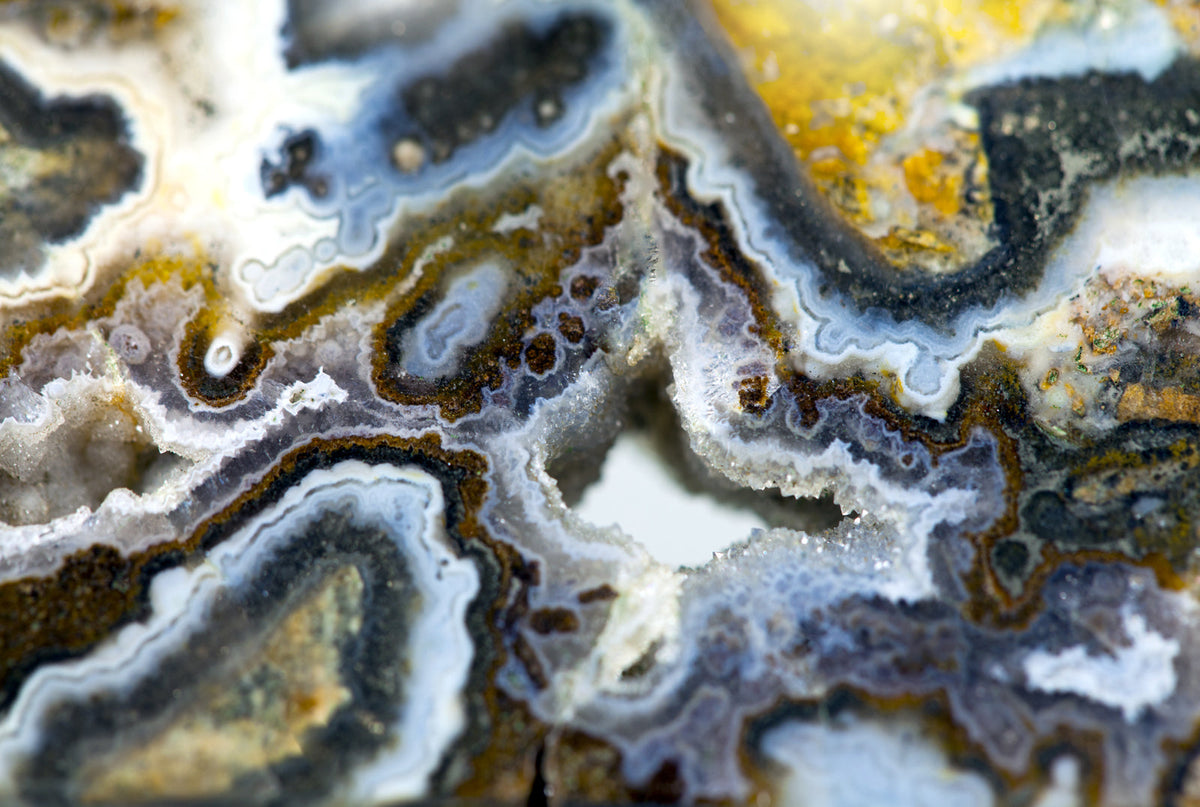
Agate is a banded variety of chalcedony — a microcrystalline form of quartz (SiO2) — that forms in the cavities of volcanic rock. Often called agate rock or agate gemstone, it is defined by its patterning: layered bands and concentric stripes in countless colors, so that a single cross-section can reveal mountains, landscapes, eyes, or abstract swirls found in no other stone.
With more than a hundred named varieties, agate offers exceptional variety, which is exactly why it is a long-time favorite for jewelry and collecting. As a chalcedony, it is a mineral (crystal) material rather than a rock in the geological sense.

The History and Meaning of Agate
The meaning of agate centers on stability, balance, and protection — a grounding stone valued since antiquity. Agate is an ancient gem, first described in the 3rd century BC by the Greek philosopher Theophrastus, who is said to have named it after the Achates River in Sicily (another theory links the name to the Greek word for "happy"). Agate crafts have been found in Egyptian tombs and ancient burials across Europe, and our ancestors believed the stone could ward off storms, encourage vivid dreams, and protect crops — the Romans associated it with Ceres, goddess of the harvest.

Agate Spiritual Meaning
Spiritually, agate is regarded as a stone of grounding and quiet balance. In crystal tradition it is described as steadying scattered energy, smoothing emotional ups and downs, and encouraging a calm, harmonious outlook. Because its bands build up slowly over time, agate is also seen as a symbol of patience and steady growth. These are cultural and spiritual associations rather than proven effects.
Agate Properties: Physical and Chemical
Among its defining properties, agate is a silica (SiO2) gemstone dominated by chalcedony, formed as mineral-rich solutions slowly build up layers inside volcanic cavities. This layering creates its banded, concentric structure, with different bands showing different colors and degrees of translucency — which is why cut cross-sections reveal unique, never-repeating patterns. Agate has a hardness of 6.5–7.0 on the Mohs scale, takes a glassy polish, and ranges from partially translucent to fully opaque.
| Property | Value |
|---|---|
| Mineral class | Chalcedony (microcrystalline quartz) |
| Chemical formula | SiO2 |
| Hardness (Mohs) | 6.5 – 7.0 |
| Structure | Banded / concentric layers |
| Transparency | Translucent to opaque |
| Luster | Vitreous (glassy); waxy fracture |
| Origin | Volcanic cavities |
Types of Agate
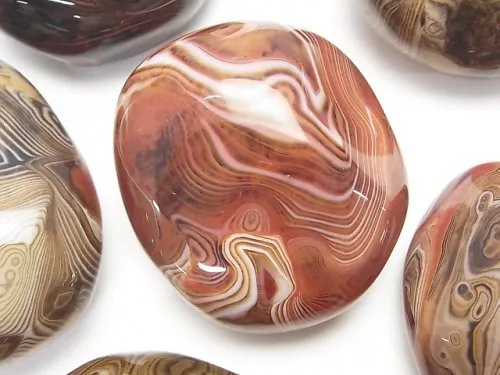
Agate comes in more than a hundred varieties, so it is impossible to give one answer to "what does agate look like?" Below are the most popular and searched-for types, each with its traditional meaning. Most common colors run from milky white, blue, and gray to yellow, pink, and black.
Crazy Lace Agate
Crazy lace agate — also called Mexican agate — shows complex, swirling bands in brown, beige, gray, black, gold, and pastel tones, colored by iron and aluminum. Its bright, energetic patterning gives it a traditional meaning of joy, laughter, and optimism, earning it the nickname the "laughter stone."

Onyx Agate
Onyx agate has straight, parallel bands (unlike the concentric patterns of most agates). While classic onyx is black and white, onyx agate can appear in many colors. It shares onyx's traditional associations with protection and grounding.

Sardonyx Agate
Sardonyx agate combines reddish "sard" bands (orange, yellow, tan, brown) with black and white layers. Traditionally it is seen as a stone of strength and protection.

Moss Agate
Moss agate is a translucent green-and-gray stone with moss-like inclusions of iron or manganese oxide (technically it lacks true banding). Long associated with nature and abundance, moss agate is traditionally called the "gardener's stone" and a symbol of new beginnings and growth.

Dendritic Agate
Dendritic agate is a translucent stone marked by fern- or tree-branch patterns (dendrites) of iron or manganese oxide. Traditionally it is seen as a stone of fullness and peace, associated with growth and staying rooted through change.

Flower Agate
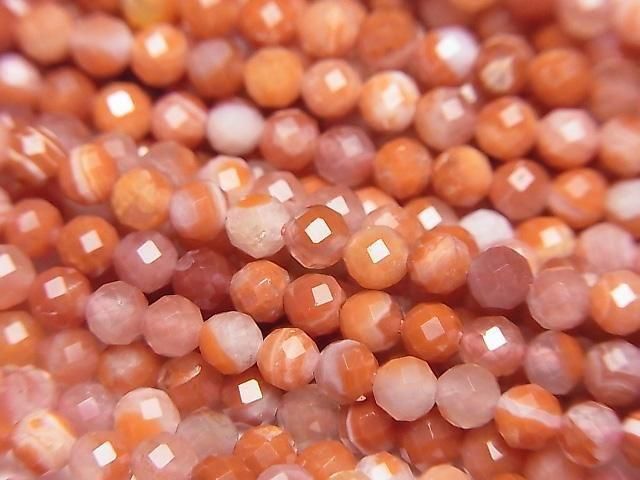
Flower agate is a soft, peachy chalcedony with plume-like inclusions that bloom like tiny flowers. It carries a traditional meaning of growth, blossoming potential, and pursuing your dreams — one of the most popular modern agate varieties.

Fire Agate
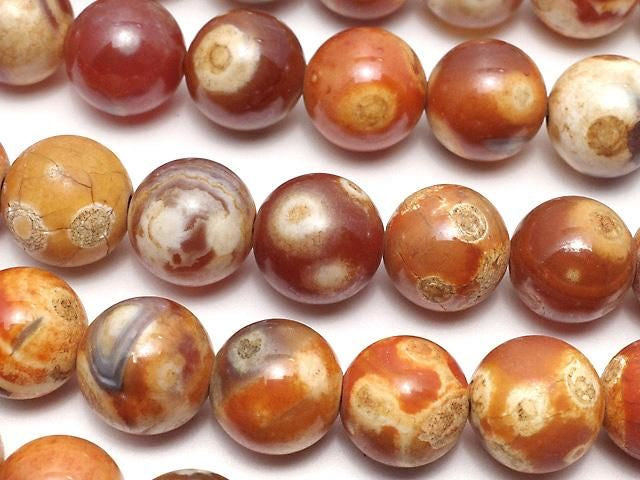
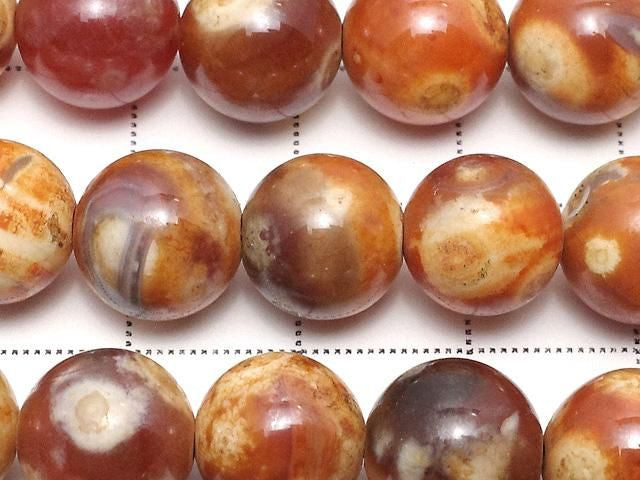
Fire agate shimmers with an iridescent, flame-like play of color created by thin layers over hematite. Traditionally it is regarded as a protective, grounding stone linked to vitality and passion.

Blue Lace Agate
Blue lace agate is a gentle, sky-blue agate with delicate white lacy banding — one of the most sought-after varieties. Associated in tradition with calm communication and the throat chakra, it is prized as a soothing "stone of expression."
Tree Agate
Tree agate is an opaque white stone veined with green dendritic inclusions. Closely related to moss agate, it is traditionally seen as a stone of grounding, stability, and connection to nature.
Botswana Agate
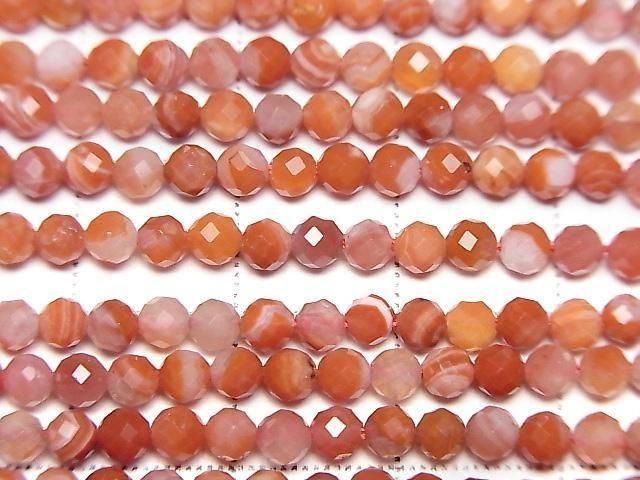
Botswana agate shows fine gray, pink, and apricot banding and is among the more prized varieties. Traditionally it is called the "comfort stone," associated with support during change and letting go of what no longer serves you.

Indian Agate & Other Varieties
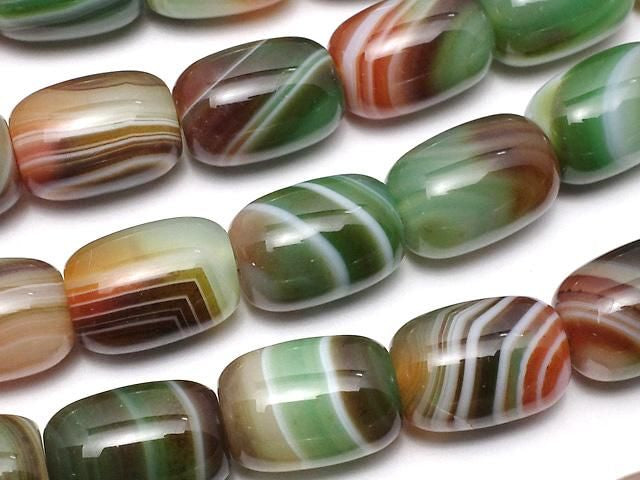
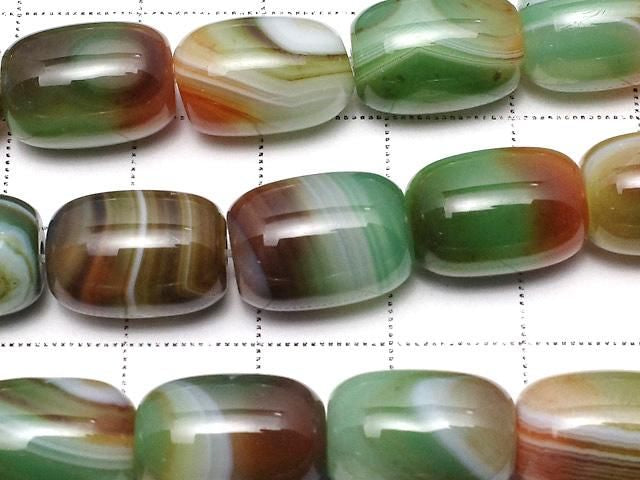
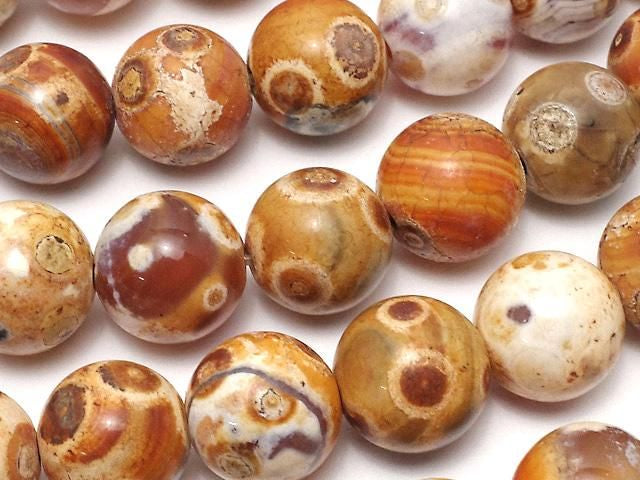
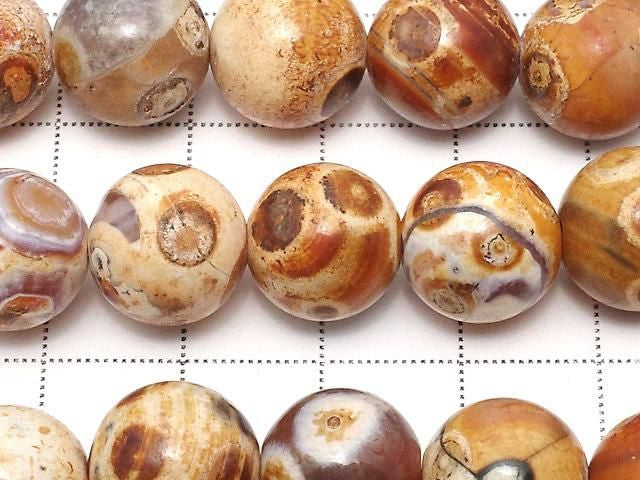
Indian agate is a banded chalcedony in earthy greens and warm browns, often layered with cream or white. In crystal lore it is traditionally associated with grounding, balance, and a steady, settled feeling.

Tibetan agate is a marbled black-and-white stone with bold, high-contrast patterning. In tradition it is regarded as a protective, grounding stone and is often chosen as a symbolic talisman.

Beyond these, dozens more agates are named for their patterns or origins. A few of the most searched-for varieties, each with its traditional folkloric meaning:
- Fortification agate — concentric, angular bands resembling the walls of a fort; traditionally linked to protection and firm boundaries.
- Iris agate — very fine banding that flashes a rainbow iridescence in transmitted light; associated in lore with hope and inner light.
- Star agate — banding that radiates in a star-like pattern; traditionally seen as a stone of guidance and aspiration.
- Landscape (scenic) agate — inclusions that resemble scenery or distant horizons; associated with perspective and calm reflection.
- Rainbow agate — bright multicolored banding; traditionally connected to joy, positivity, and uplifted spirits.
- Brazilian agate — large, finely banded agate (often dyed for jewelry); associated with stability and grounding.
- African agate — vividly banded agate, frequently dyed in strong colors; traditionally linked to vitality and energy.
Where colors look intense and perfectly uniform, the material has usually been dyed — a common, accepted treatment that reputable sellers disclose (see the identification section below).
Agate Healing Properties
In crystal-healing tradition, agate is described as a stabilizing, grounding stone associated with calm, balance, and a sense of steadiness. It is important to understand these as traditional beliefs and personal practices, not medical facts.
Important: agate and other crystals are not medicine. They cannot diagnose, treat, cure, or prevent any illness, and they are not a substitute for professional medical or mental-health care.
Within those traditions, people keep agate close as a symbolic anchor — a reminder to slow down and find equilibrium. Any sense of calm that comes from a mindful routine is a personal experience rather than a property of the stone itself. These are traditional beliefs, not medical claims.

Agate Metaphysical Properties
Among its traditional metaphysical properties, agate is valued in folklore as a stone of balance and protection. In crystal lore it is associated with:
- protection from loss and unnecessary expense
- spiritual growth and steady energy
- self-confidence and eloquence
- help with decision-making
- hope and strength to move on or start again
More broadly, agate is regarded in tradition as a symbol of harmony — a metaphor sometimes phrased as "a sound body and a settled mind." This is a cultural and spiritual belief rather than an established fact or a health claim; these are traditional beliefs, not medical claims.

Agate and the Chakras
Agate is generally considered a grounding, balancing stone, and different types are linked to different chakras in tradition: blue lace agate to the throat chakra (communication), moss and tree agate to the heart chakra (nature and growth), and darker or banded agates to the root chakra (stability). Practitioners choose an agate whose color matches the center they want to focus on.
Agate Benefits
Within crystal lore, agate is associated with:
- Grounding and emotional balance
- A sense of protection and security
- Calm focus and steadiness
- Harmony and patience
These descriptions reflect spiritual traditions and personal experiences, not proven physical or psychological effects, and are not medical claims.
How to Identify and Care for Agate (Real vs Dyed)
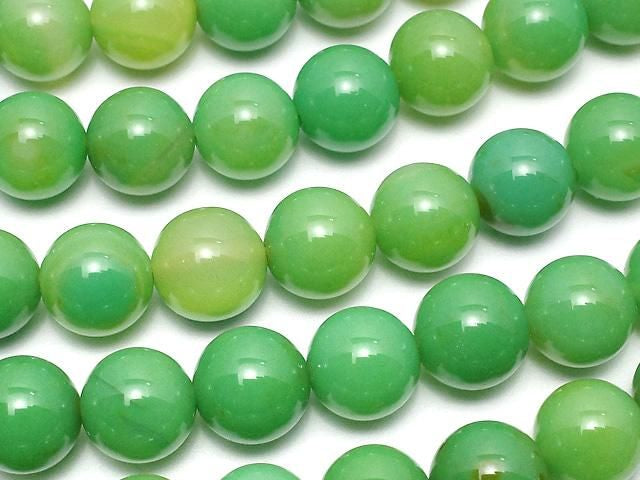
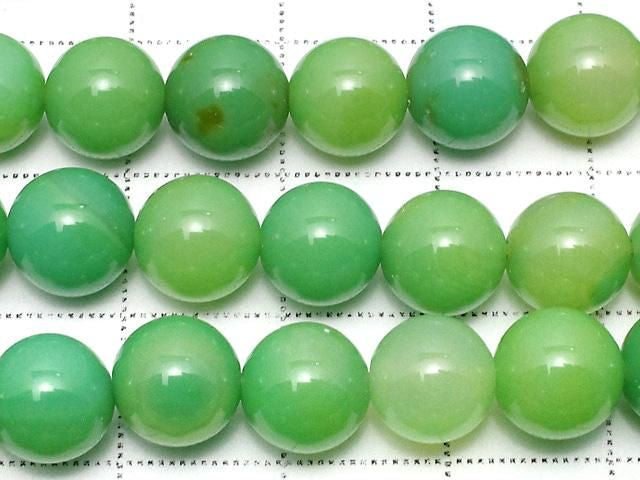
Much of the vividly colored agate on the market is dyed — a common, usually stable treatment that should be disclosed. Natural agate and dyed agate are both legitimate; the key is honest disclosure so you know what you are buying. How to tell:
- Color: intensely uniform blue, pink, purple, or green agate is often dyed; natural agate colors tend to be softer and more varied.
- Dye pooling: color that concentrates along cracks or band edges suggests dye.
- Bands: genuine agate shows layered or concentric banding; a perfectly even color with no structure is a red flag.
- Hardness: real agate is quartz-hard (6.5–7) and won't scratch with steel.
Care is simple: clean with mild soap and lukewarm water, avoid harsh chemicals and ultrasonic cleaners (especially for dyed stones), and keep vividly dyed pieces out of prolonged direct sunlight to preserve color.
Agate Value: What Affects the Price
Agate is one of the more affordable gemstones, which is part of its appeal — but prices still vary widely by type and quality. Most tumbled stones and simple beads are inexpensive, while rare patterns, large clean slabs, and fine cabochons can command much more. Value is a matter of individual quality, so prices vary and cannot be guaranteed. The main factors:
- Variety and rarity: common banded and moss agates are budget-friendly, while sought-after types such as fire agate, fine crazy lace, and top Botswana agate cost more.
- Pattern and color: sharp, well-defined banding, balanced color, and eye-catching "scenes" (landscape, iris, plume) raise value.
- Size and cut: larger stones and skilled cabochon or slab cutting that showcases the pattern add to the price.
- Natural vs dyed: naturally colored agate is generally valued above dyed material of the same type; disclosure matters for both fairness and price.
- Clarity and finish: freedom from cracks and pits, plus a clean, glassy polish, all contribute.
Because agate is graded on individual pattern rather than a fixed scale, the best approach is to buy the piece whose color and pattern you love, at a price that fits your budget.
Frequently Asked Questions About Agate
What is agate?
Agate is a banded variety of chalcedony quartz (SiO2) that forms in volcanic cavities, known for its layered, colorful patterns.
What does agate mean?
Agate is traditionally a stone of stability, balance, and protection, associated in folklore with grounding and calm. These are cultural beliefs, not medical claims.
Is agate dyed?
Often, yes. Much brightly colored agate is dyed — a common, stable treatment that reputable sellers disclose. Natural agate colors tend to be softer and more varied.
Which chakra is agate?
It depends on the type: blue lace agate to the throat, moss and tree agate to the heart, and darker agates to the root chakra in crystal tradition.
Is agate a crystal or a rock?
Agate is a microcrystalline quartz (chalcedony), so it is a mineral/crystal material rather than a rock in the geological sense.
Can agate get wet?
Yes, briefly. Agate is durable (6.5–7 Mohs); avoid harsh chemicals and long soaks, especially for dyed stones.
Is agate expensive?
Usually no — agate is one of the more affordable gemstones. Rare patterns, fine fire agate, and large clean slabs cost more, but individual quality varies, so prices are not guaranteed.
Shop Agate at KenKenGems
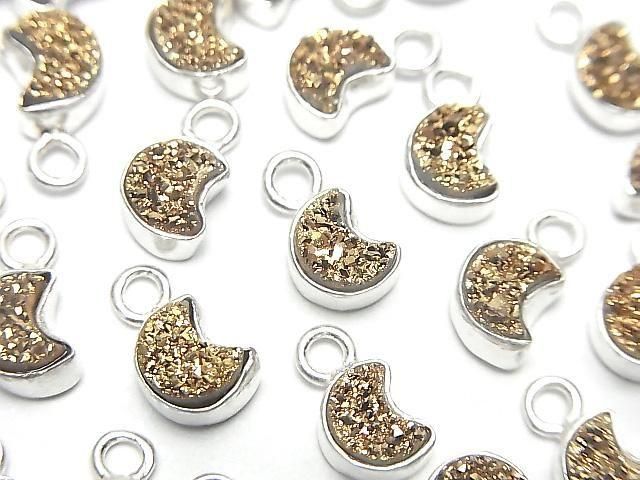
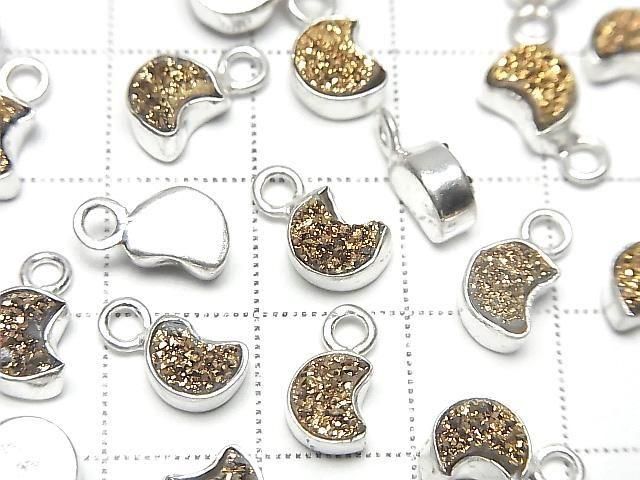
If you want beautiful, affordable jewelry, agate is a great choice. KenKenGems supplies dozens of varieties — fire agate, moss agate, crazy lace agate, and many more — as strands, one-of-a-kind individual stones, pendants, and loose stones. Every piece is chosen for pattern, color, and quality, priced in USD, and shipped across the US and Canada. Explore our full agate collection to find the pattern that speaks to you.


![Red Agate Cube 8x8x8mm [Half Drilled Hole] 4pcs](http://store.kenkengems.com/cdn/shop/files/190231804.jpg?v=1771929384&width=640)
![Red Agate Cube 8x8x8mm [Half Drilled Hole] 4pcs](http://store.kenkengems.com/cdn/shop/files/190231804_o1.jpg?v=1771929370&width=640)
![Druzy Agate Heart Charm [White] Silver Color 3pcs](http://store.kenkengems.com/cdn/shop/files/42Q24a.jpg?v=1789356914&width=1280)
![Druzy Agate Heart Charm [White] Silver Color 3pcs](http://store.kenkengems.com/cdn/shop/files/42Q24b.jpg?v=1789356852&width=1280)
![Red Agate Cube 6x6x6mm [Half Drilled Hole] 4pcs](http://store.kenkengems.com/cdn/shop/files/190205743.jpg?v=1771930286&width=640)
![Red Agate Cube 6x6x6mm [Half Drilled Hole] 4pcs](http://store.kenkengems.com/cdn/shop/files/190205743_o1.jpg?v=1771930272&width=640)