TOC
Malachite is a banded green copper mineral, and its meaning in crystal tradition comes down to one word: transformation. It is regarded as a stone of protection, positive change, and prosperity — worn for courage during big life changes and kept on desks as a merchant's stone.
This guide covers what malachite means, its healing and metaphysical properties, its physical properties (color, hardness, and how it forms), safety facts, how to use and care for it, how to tell real malachite from fake, and what it is worth in US dollars — written by a gemstone bead wholesaler that handles and grades malachite every day.
- 1. What Is Malachite? Definition and Meaning at a Glance
- 1-1. Malachite Quick Facts
- 2. Malachite Meaning and Symbolism
- 2-1. Malachite Spiritual Meaning
- 2-2. What Does Malachite Symbolize in Different Cultures?
- 3. Malachite Healing Properties and Benefits: Emotional, Metaphysical, and Physical
- 3-1. Emotional and Mental Benefits
- 3-2. Malachite Metaphysical Properties: Protection, Prosperity, and Creativity
- 3-3. Traditional Physical Associations
- 3-4. Malachite Chakra Connections
- 3-5. Malachite Zodiac Signs and Birthstone Month
- 3-6. Best Crystals to Pair with Malachite
- 4. Malachite Physical Properties: Color, Hardness, and How It Forms
- 4-1. Malachite Color and Patterns: Why Is Malachite Green?
- 4-2. Malachite Hardness and Durability
- 4-3. Malachite vs. Azurite, Chrysocolla, and Other Green Stones
- 5. Is Malachite Toxic? Safety Facts for Wearing and Handling It
- 6. Where Is Malachite Found?
- 7. The History of Malachite: 9,000 Years of the Green Stone
- 8. How to Use Malachite
- 8-1. Wearing Malachite Jewelry
- 8-2. Malachite for Your Home, Office, and Travel
- 8-3. Using Malachite for Meditation
- 8-4. Malachite Beads for Jewelry Making: Sizes, Stringing, and Settings
- 9. How to Clean, Cleanse, and Care for Malachite
- 9-1. Can Malachite Go in Water, Sunlight, or Salt?
- 10. Real vs. Fake Malachite: Natural, Synthetic, and Imitation Explained
- 10-1. Natural, Stabilized, Synthetic, and Imitation Malachite: What the Labels Mean
- 11. Raw Malachite vs. Polished Malachite: Which Should You Buy?
- 12. Malachite Value: How Much Is It Worth?
- 13. Frequently Asked Questions About Malachite
- 14. Shop Malachite Beads, Cabochons, and Loose Stones at KenKenGems
- 14-1. Shop the Malachite Collection — Beads for Jewelry Making

What Is Malachite? Definition and Meaning at a Glance
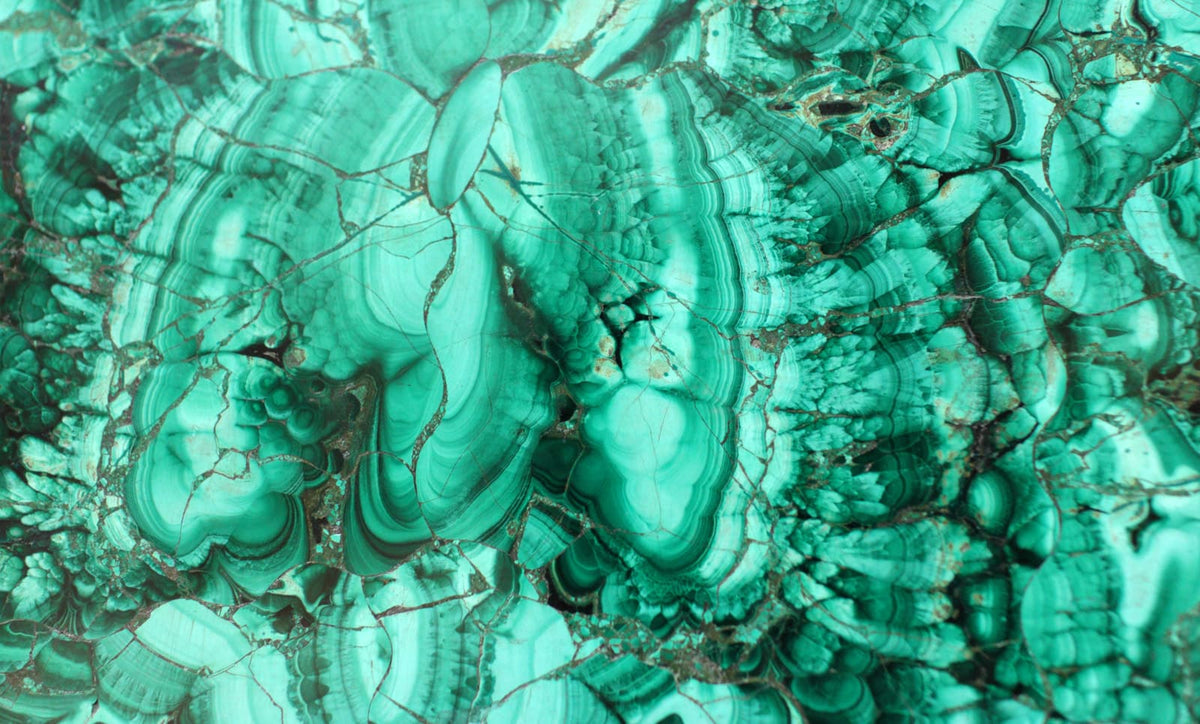
By definition, malachite is a copper carbonate hydroxide mineral — a green stone that forms where copper ore weathers, growing in layers that create its signature banded, swirling patterns. No two stones share the same pattern, which is why malachite has been carved, beaded, and worn since antiquity.
Its name comes from Greek: either malache (“mallow,” for its leaf-green color) or malakos (“soft,” for its low hardness) — scholars cite both. In crystal traditions, malachite is the stone of transformation: a protective, heart-centered stone associated with positive change, courage, and prosperity.
Pronounced MAL-uh-kite, the stone is also sold as “Congo malachite” (named for its main source today) and in natural two-mineral combinations such as azurite-malachite and chrysocolla malachite, which are covered in the color section below.

Malachite Quick Facts
| Mineral | Copper carbonate hydroxide (Cu2CO3(OH)2) |
| Crystal system | Monoclinic; usually forms as banded masses, botryoidal crusts, or silky fibers rather than single crystals |
| Color | Light to deep green with darker banding; opaque |
| Pattern | Concentric bands, swirls, and “bullseye” orbs |
| Hardness (Mohs) | 3.5–4 (soft — scratches easily and has perfect cleavage; handle with care) |
| Specific gravity | 3.6–4.0 (noticeably heavy for its size — a quick authenticity clue) |
| Luster | Silky on fibrous material, dull to earthy on rough; polished pieces take a bright shine |
| Chakra | Heart (also solar plexus) |
| Zodiac Signs | Commonly linked to Taurus, Scorpio, Capricorn |
| Birthstone | Not a modern birthstone; occasionally listed as an alternative December stone |
| Main Sources | DR Congo (most gem material today), Zambia, Namibia, Australia, Mexico, USA (Arizona, historic) |
| Keywords | Transformation, protection, growth, prosperity |
| Care Note | Avoid water, acids, and household cleaners |
| Typical US price | Tumbled stones $3–$25; bead strands $10–$60; cabochons from about $1 each (see the value section) |
Malachite Meaning and Symbolism
The core malachite meaning is transformation. Its layered bands record the stone’s slow growth, ring by ring — a natural symbol of gradual, lasting change. Malachite’s deep green also ties it to nature, renewal, and abundance. Two nicknames capture both ideas: the “stone of transformation” and, for its eye-like rings, the “peacock stone.”
In modern crystal practice, malachite represents:
- Transformation and the courage to change
- Protection — traditionally said to absorb negative energy
- Growth, renewal, and connection to nature
- Prosperity and bold decision-making (it’s nicknamed a merchant’s or entrepreneur’s stone)
- An open, resilient heart
Because of these associations, malachite is a popular companion for career moves, new ventures, travel, and any season of deliberate change.

Malachite Spiritual Meaning
Spiritually, malachite is regarded as a truth-teller and a guardian. Practitioners describe it as a stone that surfaces buried emotions and old patterns so they can finally be released — gentle in color, direct in effect. It is also a traditional traveler’s talisman: folklore holds that malachite protects those on the road and in the air, and one old legend claims the stone would break to warn its owner of approaching danger.
What Does Malachite Symbolize in Different Cultures?
Malachite’s symbolism has stayed remarkably consistent for thousands of years: protection first, then power, renewal, and wealth.
- Ancient Egypt: green was the color of new life and regeneration. Malachite was ground into eye paint and carved into amulets, and its green was linked with fertility and protection.
- Greece and Rome: tradition holds that malachite was hung over cradles and worn by children as a charm against harm — the root of its later reputation as a “guardian stone.”
- Medieval Europe: worn to ward off the evil eye and to encourage restful sleep; alchemists valued it as a copper mineral.
- Imperial Russia: after huge deposits were found in the Ural Mountains, malachite became a symbol of imperial wealth. In Ural folklore — collected in Pavel Bazhov’s “The Malachite Casket” tales — the stone is the treasure of the Mistress of the Copper Mountain.
- North America today: crystal practice frames malachite as the entrepreneur’s stone for business owners and the traveler’s stone for frequent flyers.
Malachite Healing Properties and Benefits: Emotional, Metaphysical, and Physical

In crystal healing tradition, malachite is called an emotional deep-cleaner: the stone people reach for when they’re ready to face what they’ve been avoiding and finally move forward. Its energy is described as strong and stirring rather than soothing — a catalyst, not a comfort blanket.
A note on the famous “elixir of life”: medieval alchemists did mix their potions in malachite bowls, but that’s history, not a how-to. Do not soak malachite in drinking water (see the safety section below).
Important note: the malachite benefits described below reflect metaphysical traditions and personal practice, not medical science. Crystals are not a substitute for professional medical or mental-health care.
Emotional and Mental Benefits
Malachite is most often used for emotional breakthrough work. Practitioners turn to it to:
- Surface and release buried emotions, old wounds, and stale patterns
- Build the confidence to set boundaries and speak honestly
- Steady the heart through grief, breakups, and major transitions
- Break cycles of self-sabotage in love, money, and habits
- Encourage focus and decisive thinking at work
Because its energy is considered intense, many people wear malachite for focused periods — a challenging week, a negotiation, a move — rather than around the clock, pairing it with gentler stones like rose quartz for balance.
Malachite Metaphysical Properties: Protection, Prosperity, and Creativity

Metaphysically, malachite is one of the great protective stones. Practitioners believe it:
- Absorbs negative energy and shields the wearer — like an energetic bodyguard
- Fuels transformation, willpower, and the courage to break old patterns
- Supports prosperity: as a traditional merchant’s stone, it’s kept on desks and in offices to encourage clear decisions and business growth
- Sparks creativity in artists, writers, and makers
- Guards travelers — a use dating back centuries
One traditional note: because malachite is said to absorb negativity rather than dissipate it, practitioners recommend cleansing it more often than most stones (see the care section for water-free methods).
Traditional Physical Associations
In folk and energy-healing traditions, malachite has been associated with the heart, the liver and detoxification, women’s cycles, and general vitality — associations that echo its long history in early medicine. Again, these are traditional beliefs rather than proven medical effects: enjoy malachite as part of a mindful self-care ritual, not as treatment.
Malachite Chakra Connections
Malachite is first and foremost a heart chakra stone — its green energy is used to open the heart, release stored hurt, and restore emotional balance. Many practitioners also place it on the solar plexus chakra to strengthen willpower and confidence during deep emotional work. Worn as a pendant near the chest, it keeps both centers within its influence throughout the day.
Malachite Zodiac Signs and Birthstone Month
Malachite is not one of the modern birthstones — December’s official stones are turquoise, zircon, and tanzanite — although some gem lists offer it as an alternative December stone. It is most often linked to Taurus, Scorpio, and Capricorn — earth-and-transformation signs that match the stone’s themes of steady growth and deep change. As with most crystals, traditions consider it beneficial for any sign, particularly during periods of reinvention.
Best Crystals to Pair with Malachite
Malachite pairs most naturally with the copper minerals it grows beside — azurite, chrysocolla, and turquoise — which share its protective, heart-centered associations and its blue-green palette in jewelry. For emotional balance, practitioners soften malachite’s intensity with rose quartz; for grounding and extra protection they add tiger’s eye or black tourmaline; and for clarity and “amplification” they combine it with clear quartz. In bead designs, malachite also looks striking against lapis lazuli and gold-filled spacers.
Malachite Physical Properties: Color, Hardness, and How It Forms
Malachite is a copper carbonate hydroxide mineral — copper makes up roughly 57% of its weight, which is why it served as a copper ore for millennia. It forms in the weathered, oxidized zones above copper deposits: mineral-rich water seeps through cavities in the rock and deposits copper, layer upon layer. Those slow-grown layers are exactly what create malachite’s concentric bands and “bullseye” patterns when the stone is cut. Because it grows in these same oxidized zones, malachite is often found intergrown with azurite, chrysocolla, cuprite, and native copper.
Malachite Color and Patterns: Why Is Malachite Green?
Malachite is always green — copper is the coloring element, and the mineral simply does not occur in other colors. Shades range from pale spring green to a green so dark it reads as black, and most pieces show several shades at once. What sets one stone apart from another is the pattern:
- Banded (ribbon) malachite: parallel stripes of light and dark green — the most common bead and cabochon pattern
- Bullseye (orbicular) malachite: concentric rings cut across stalactite-like growths; the most prized pattern for cabochons
- Fibrous or “velvet” malachite: needle-like fibers with a silky sheen; on rare cut stones this produces a cat’s-eye effect
- Botryoidal malachite: rounded, grape-like crusts seen on raw specimens
- Azurite-malachite (azurmalachite): natural blue-and-green combination with azurite
- Chrysocolla malachite: natural teal-and-green combination with chrysocolla, popular for one-of-a-kind cabochons
Two things sold under the malachite name are not the mineral: “purple malachite” or “red malachite” beads are dyed or entirely different materials, and “malachite green” is a synthetic dye used in aquariums and labs that has nothing to do with the stone.
Malachite Hardness and Durability
Malachite rates 3.5–4 on the Mohs scale, which makes it a soft gemstone: easy for lapidaries to carve, but vulnerable to scratches, knocks, and chemicals. For comparison, a steel knife blade is about 5.5 and ordinary household dust contains quartz at 7, so malachite can be scratched by everyday wear. It also has perfect cleavage (it can split along flat planes if struck) and reacts with acids — a drop of vinegar will fizz faintly on an unpolished edge. Acids and ammonia can literally etch or dissolve its surface — a key reason malachite needs more thoughtful care than harder gems (see the care section below).
What this means in practice: malachite is an excellent stone for pendants, earrings, brooches, and beads worn on low-impact days, and a poor choice for everyday rings unless it is protected by a bezel setting.
Malachite vs. Azurite, Chrysocolla, and Other Green Stones
Malachite is easy to confuse with the minerals it grows with and with other green gems. The quickest tells are the banding and the weight.
| Stone | Color | Mineral type | Mohs | How to tell it apart |
| Malachite | Light to dark green with bands | Copper carbonate | 3.5–4 | Banded or bullseye pattern; heavy; never blue |
| Azurite | Deep royal blue | Copper carbonate | 3.5–4 | Same family, but blue; often intergrown with malachite |
| Chrysocolla | Blue-green to teal, usually unbanded | Copper silicate | 2–4 (harder when quartz-rich) | Softer, more turquoise-like color; no concentric bands |
| Green aventurine | Medium green with glittery flecks | Quartz | 6.5–7 | Sparkly mica inclusions; much harder; no bands |
| Nephrite jade | Even, waxy green | Silicate (amphibole) | 6–6.5 | Uniform color; tough; no bands |
| Dyed howlite or magnesite | Flat green, often with gray veins | Borate / carbonate | 3–4 | Web-like veins instead of bands; color rubs off with acetone |
Is Malachite Toxic? Safety Facts for Wearing and Handling It
Short answer: polished malachite is safe to wear and handle. The copper is locked inside the stone, and normal contact with skin poses no known risk.
The real precautions are these:
- Never inhale malachite dust — cutting, grinding, or drilling releases copper-bearing particles that are harmful. Lapidaries work it wet with protective gear. If you drill malachite beads at home, do the same
- Never make malachite “gem water” or elixirs by soaking the stone in drinking water — copper can leach into liquid, especially if the water is acidic. If you want a malachite-charged water ritual, use the indirect method (stone outside the glass)
- Keep small stones away from children and pets who might swallow them
- Raw and fibrous malachite sheds more loose particles than polished pieces, so wash your hands after handling rough specimens and keep them off kitchen surfaces
Handled sensibly, malachite is no more dangerous than any other decorative mineral — the scare stories online mostly confuse dust and ingestion risks with ordinary wear.

Where Is Malachite Found?
Today, the overwhelming majority of gem-quality malachite comes from the copper belt of the Democratic Republic of the Congo (DRC), with additional production in Zambia and Namibia. Historic Russian deposits in the Ural Mountains — the source of the tsars’ malachite — are largely worked out, which makes antique Ural material collectible. Other notable sources include Australia, Mexico, Morocco, and the United States, where Arizona’s great copper mines (Bisbee and Morenci among them) produced some of North America’s most famous malachite and azurite specimens.
For buyers in the US and Canada, this matters in one practical way: very little gem malachite is produced in North America today, so almost every bead strand and cabochon on the market is Congolese material cut and polished in Asia. “Congo malachite” has therefore become shorthand for standard, good-quality malachite rather than a special variety.
The History of Malachite: 9,000 Years of the Green Stone
Malachite is one of humanity’s oldest gemstones. Beads unearthed at Jericho date back more than 9,000 years, and the ancient Egyptians mined malachite in the Sinai as early as around 4000 BC — grinding it into eye pigment (Cleopatra is said to have favored it) and lining pharaohs’ headdresses with the stone in the belief it helped them rule wisely. In the Middle Ages, Europeans wore malachite against the evil eye. The mineral entered the scientific record in 1747, when it was described and named by the mineralogist J.G. Wallerius.
Malachite also served as Europe’s principal green pigment from antiquity until about 1800, when synthetic greens replaced it; ground malachite green survives in Egyptian tomb paintings and medieval manuscripts, and museum conservators still study it today.
Malachite’s most glamorous era came in 18th- and 19th-century Russia, when huge deposits in the Ural Mountains supplied the tsars’ workshops. Entire tabletops, vases, and even the columns and panels of the Winter Palace’s famous Malachite Room were veneered in Ural malachite — a display of luxury that made the stone an icon across Europe.

How to Use Malachite
What is malachite good for in daily life? Its uses fall into three categories: wearing it, placing it in your work or living space, and using it in focused rituals like meditation. Because malachite is soft and energetically intense, the “right” way to use it is a little different from harder, gentler stones — here’s how.
Wearing Malachite Jewelry
Pendants, earrings, and brooches are the smartest ways to wear malachite: they keep the stone near the heart chakra and away from the knocks and scrapes that rings and bracelets endure daily. If you love malachite beads on the wrist, save them for lower-impact days and remove them before workouts, dishes, and cleaning — household chemicals are this stone’s worst enemy.
Malachite for Your Home, Office, and Travel
On a desk or in a home office, malachite is the classic prosperity stone — tradition holds that a piece near your workspace supports clear decisions, sales, and business growth, which is why it’s nicknamed the entrepreneur’s stone. In the home, practitioners place it in living areas to absorb tension and refresh the room’s energy. And for travel, a small tumbled malachite in your carry-on continues a centuries-old tradition of the traveler’s guardian stone.
Using Malachite for Meditation
For meditation, practitioners hold a malachite palm stone or rest a tumbled piece over the heart for five to ten minutes while focusing on a single change they want to make. Because malachite is described as intense, most people keep sessions short, follow with a grounding stone such as smoky quartz or hematite, and cleanse the malachite afterward using one of the dry methods in the care section. Keep the stone away from water and lotions during the practice.
Malachite Beads for Jewelry Making: Sizes, Stringing, and Settings
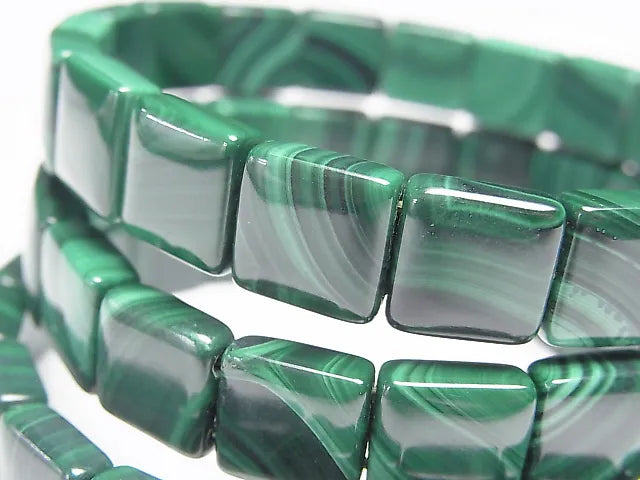
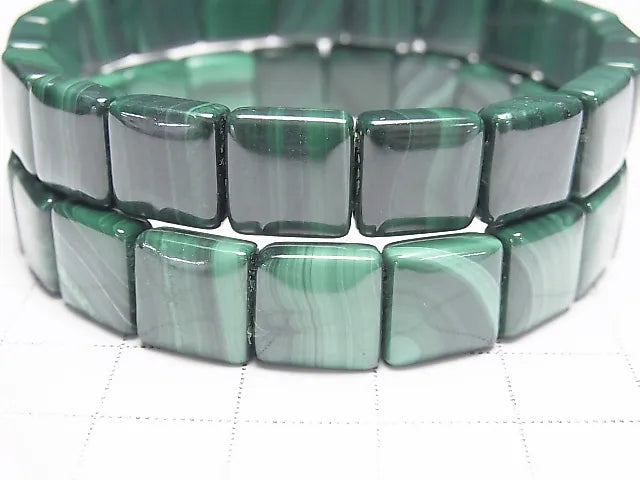
For jewelry makers, malachite beads reward gentle handling: string them on sturdy silk or flexible 49-strand beading wire (0.018–0.019 in / 0.46–0.48 mm) with knots or spacers to prevent bead-on-bead wear, and wipe them with a dry cloth after wearing. 6 mm to 10 mm rounds and flat coins show off the banding best.
A few supplier-side notes that rarely appear in crystal guides:
- Sizes and yields: a standard 15-inch (37–38 cm) strand holds roughly 95 beads at 4 mm, 63 at 6 mm, 47 at 8 mm, or 38 at 10 mm. Tiny 1.5 mm disc (heishi) beads suit delicate layering necklaces; 12–14 mm rounds make statement bracelets
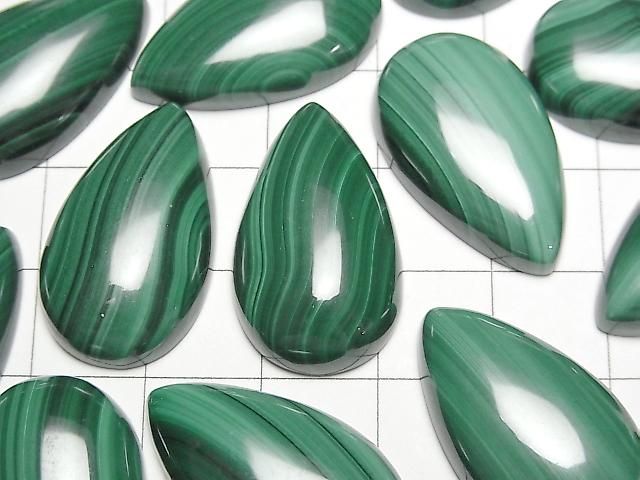
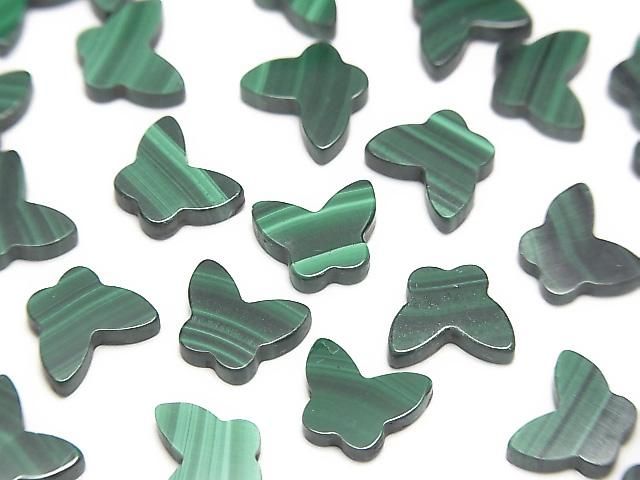
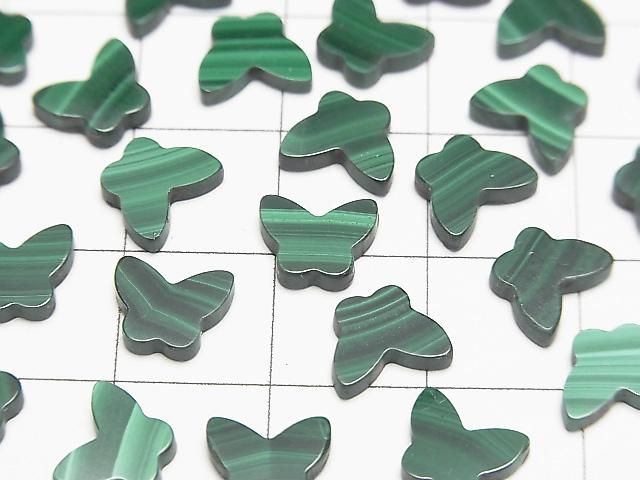
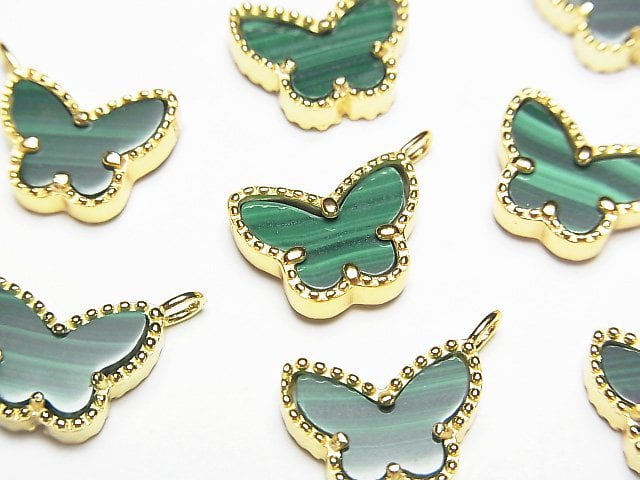
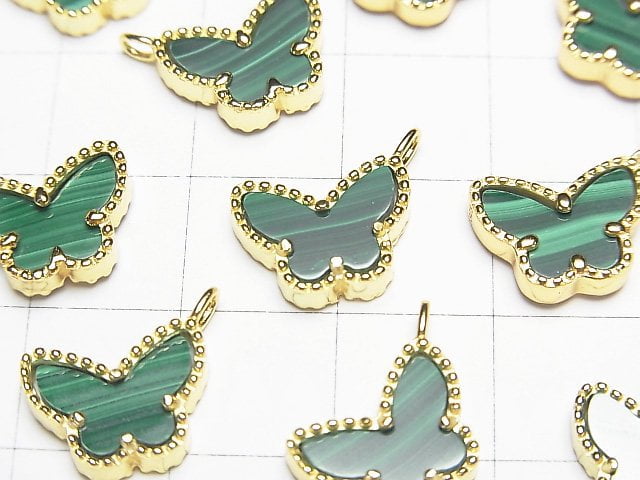
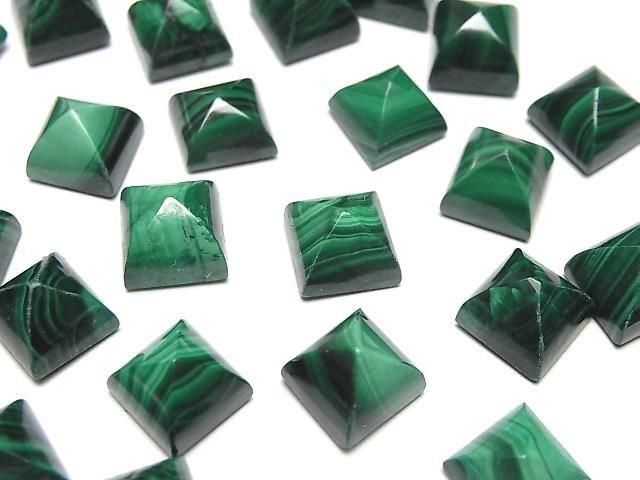
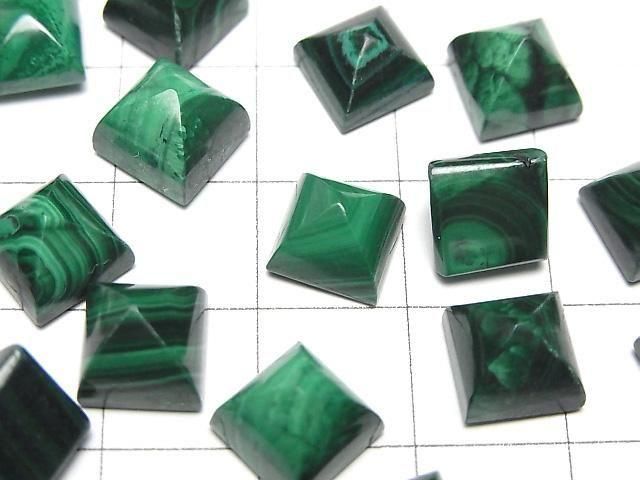
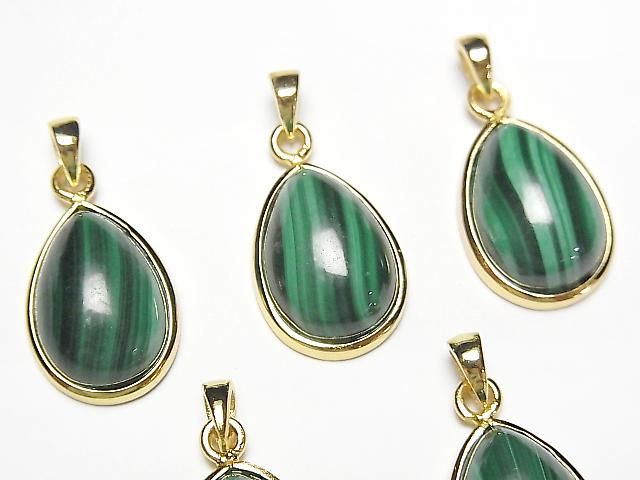
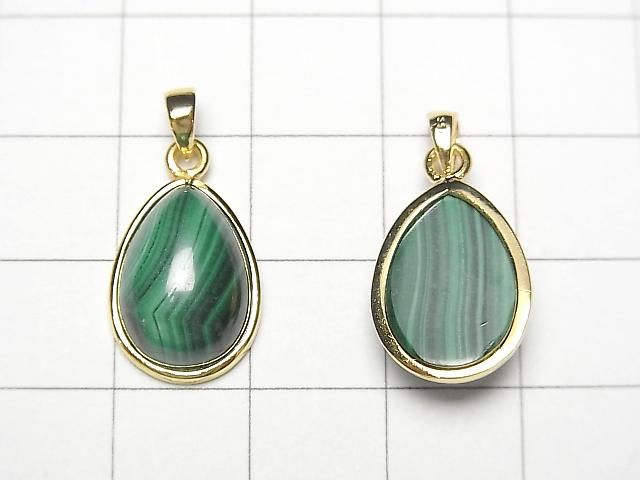
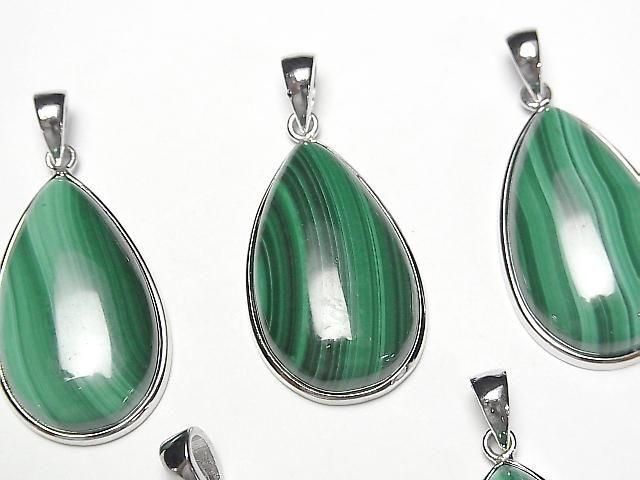
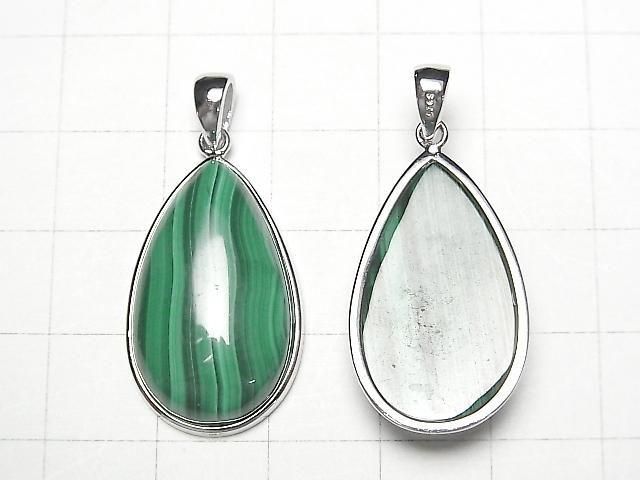
- Cabochons: malachite cuts beautifully into 4 × 4 mm to 30 × 20 mm cabochons. Use bezel settings rather than prong settings — prongs concentrate pressure on a soft stone — and avoid acidic or ammonia-based flux and cleaners near the stone
- Half-drilled drops: ideal for earrings and pendants; set them with a two-part epoxy on a peg, never with cyanoacrylate (super glue), which can cloud the surface
- Drilling: always drill wet with a diamond bit and wear a respirator; never dry-drill malachite
- Treatments: most commercial malachite beads are lightly stabilized (resin-impregnated) to seal micro-pores and improve polish. This is an accepted trade practice, but it should be disclosed — look for suppliers that state it
- Grading: at KenKenGems, AAA malachite means tight, high-contrast banding with a clean, pit-free polish; AA++ allows slightly softer contrast or minor surface pits at a lower price
How to Clean, Cleanse, and Care for Malachite
Malachite’s number-one care rule: keep it dry. Avoid soaking, showers, swimming, and salt water — and never use acids, ammonia, or household cleaners, which can permanently etch the surface. Skip ultrasonic and steam cleaners too. To clean it physically, simply wipe with a soft, dry (or barely damp) cloth and dry immediately. Store malachite separately from harder gems like quartz to prevent scratches.
For energetic cleansing, use water-free methods: rest it on a selenite plate, pass it through incense or sage smoke, use sound from a singing bowl, or set it in moonlight overnight. Practitioners who believe malachite absorbs negativity recommend cleansing it after intense days — and these dry methods let you do that as often as you like without harming the stone.
Can Malachite Go in Water, Sunlight, or Salt?
- Water: a quick wipe with a damp cloth is fine; soaking, showering, and swimming are not. Repeated wetting dulls the polish and can loosen stabilizing resin on beads, and copper can leach into standing water
- Sunlight: malachite’s color is stable and will not fade in normal daylight, but avoid leaving it on a hot dashboard or windowsill for hours — heat can stress the stone and any resin treatment. A few hours of morning sun for “charging” is harmless
- Salt: skip both salt-water baths and dry-salt burials. Salt is abrasive on a stone this soft and draws moisture into the surface. Use selenite, smoke, sound, or moonlight instead
Real vs. Fake Malachite: Natural, Synthetic, and Imitation Explained
Because fine malachite banding is so distinctive, imitations are common — mostly plastic, resin, or glass with printed swirls. Quick checks:
- Temperature and weight: real malachite is dense (noticeably heavy for its size) and feels cold at first touch, warming slowly. Plastic feels light and warms instantly
- Study the banding: natural bands are irregular — they vary in width, wobble, and form imperfect bullseyes. Imitations repeat the same neat stripes across every bead
- Color depth: real malachite shows many greens in one stone, from spring green to near-black. A single flat green suggests dye or resin
- Price: genuine malachite is affordable but never dirt-cheap by the strand; “malachite” at suspiciously low prices is usually reconstituted powder in resin or pure imitation
- The vinegar test: a tiny drop of white vinegar on the drill hole or an unpolished edge will fizz very faintly on real malachite (it is a carbonate); plastic and glass do nothing. Wipe it off immediately — acid etches the surface
- The acetone test: dyed howlite or magnesite “malachite” will leave green on a cotton swab dampened with acetone; natural malachite will not
- Buy from suppliers who state the material and source
Natural, Stabilized, Synthetic, and Imitation Malachite: What the Labels Mean
When you shop for malachite beads, you will see four kinds of product. Knowing the difference is the single best protection against overpaying.
- Natural malachite: mined stone that has only been cut and polished. Bands are irregular and the stone is heavy and cold to the touch
- Stabilized (resin-impregnated) natural malachite: natural stone sealed with a clear resin to fill micro-pores and strengthen it for drilling. Still genuine malachite; the treatment should be disclosed on the product page
- Synthetic or reconstituted malachite: crushed malachite or copper compounds bonded in resin, or fully man-made material, molded into beads. Bands are usually too even and repeat from bead to bead. It is legitimate for budget designs as long as it is labeled — at KenKenGems it is listed as “Synthetic Malachite” and priced well below natural strands
- Imitation malachite: dyed howlite or magnesite, glass, or plastic with printed swirls. Not malachite at all, and it should never be sold under the plain name
US and Canadian buyers can lean on the FTC Jewelry Guides: sellers are expected to disclose treatments and synthetic or imitation status, so a listing that says only “malachite” for a $3 strand is a red flag.

Raw Malachite vs. Polished Malachite: Which Should You Buy?
Raw malachite is the stone as it comes out of the ground — rough chunks and botryoidal crusts, sometimes still attached to azurite or host rock. Polished malachite is the same mineral cut into beads, cabochons, tumbled stones, palm stones, and carvings. Neither is “better”; they serve different purposes.
| Form | Best for | Watch out for | Typical US price |
| Raw specimens | Display, altars, collectors, wire-wrapping | Sheds dust — wash hands after handling; fragile crusts; not for everyday jewelry | $10–$50 for small pieces; $100+ for fine botryoidal specimens or 10-piece rough sets |
| Tumbled and palm stones | Meditation, carry stones, gifts | Polish dulls with water; keep dry | $3–$25 |
| Beads (strands) | Bracelets, necklaces, earrings | Soft — string with spacers; avoid rings | $10–$60 per 15-inch strand depending on grade and size |
| Cabochons | Rings, pendants, bezel settings | Use bezels, not prongs | $1–$50 each; more for large bullseye or chrysocolla-malachite pieces |
If you are buying malachite for its meaning rather than for jewelry, a tumbled stone or small raw piece is the most affordable entry point. If you are making jewelry, buy graded strands or cabochons so the banding and polish are consistent across the piece.
Malachite Value: How Much Is It Worth?
Malachite is abundant, so it stays affordable — but quality varies widely. Typical US retail ranges:
- Tumbled stones and palm stones: about $3–$25
- Bead strands (15–16 in): roughly $10–$60 depending on banding quality and cut
- Cabochons: a few dollars to about $50; large pieces with crisp bullseye patterns more
- Carvings, boxes, and specimen pieces: from tens of dollars into the hundreds for fine work
- Azurite-malachite and chrysocolla-malachite combinations: priced at a premium for their two-tone beauty
Value is driven by the pattern — tight, high-contrast banding and well-centered “bullseyes” command the best prices — along with color saturation, polish quality, and size. Antique Russian (Ural) malachite is a collector category of its own.
To give real numbers, here is how malachite is priced at KenKenGems as of this update (USD, wholesale-friendly quantities):
- AAA 6 mm rondelle beads: about $17 per 15-inch strand
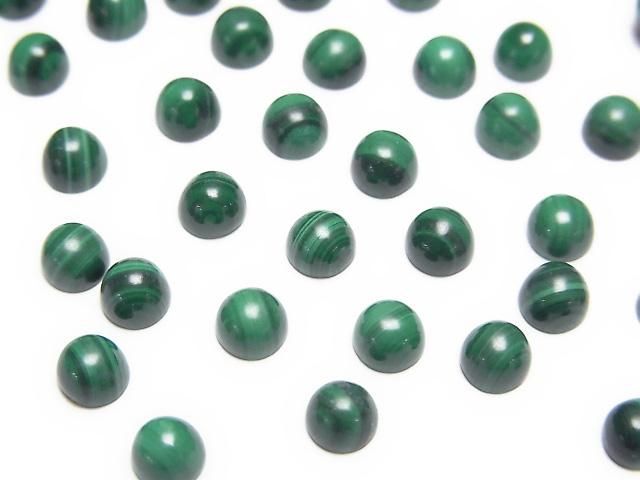
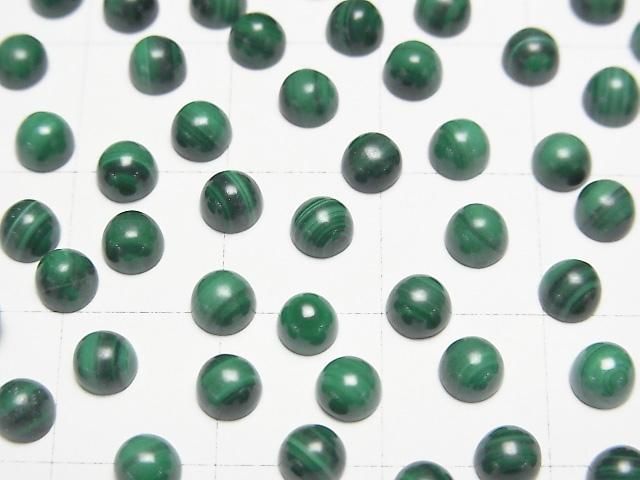
- AAA oval and round cabochons (4–7 mm): about $4–$5 per pack of 5
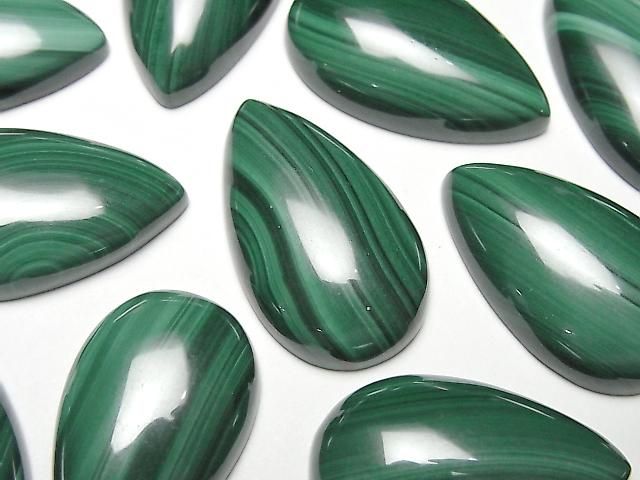
- AAA pear cabochons (20–30 mm): about $9–$18 per pack of 2
- AA++ 14 mm round bead bracelet: about $40
- One-of-a-kind chrysocolla malachite cabochons: $25–$50 each
- Synthetic malachite bead strands: under $10
- Rough stone sets (10 pieces): about $100
Prices change with the market, but the ratios are a useful benchmark: if a “natural AAA” strand is priced like the synthetic one, look closer.

Frequently Asked Questions About Malachite
What is malachite good for?
Malachite is used for transformation, protection, and prosperity — releasing old emotional patterns, shielding against negativity, and supporting confident decisions. It’s a favorite desk stone for business owners and a traditional travel amulet.
Is malachite toxic to wear?
No — polished malachite is safe to wear and handle. The precautions concern dust (never inhale particles from cutting or drilling), soaking it in drinking water, and keeping small stones away from children and pets.
Can malachite go in water?
It’s best not to get malachite wet. Water dulls its polish over time, and the stone should never be soaked — especially not for “gem water.” Clean it with a soft dry cloth and cleanse it with water-free methods like selenite, smoke, or moonlight.
What chakra is malachite associated with?
Primarily the heart chakra; practitioners also use it on the solar plexus chakra for willpower and confidence.
Is malachite rare or expensive?
No — malachite is abundant and affordable, with most beads and tumbled stones costing just a few dollars. Fine bullseye patterns, large carvings, azurite-malachite combinations, and antique Russian material cost more.
How can I tell if my malachite is real?
Real malachite is heavy and cold to the touch, with irregular, varied banding and multiple shades of green. Lightweight beads with perfectly repeating stripes are plastic or resin imitations.
Who should wear malachite?
In crystal tradition, malachite suits anyone going through deliberate change — a new job, a business launch, a move, or emotional recovery — and people who travel often. Because its energy is described as intense, practitioners suggest that highly sensitive people start with short wearing periods and pair it with a gentler stone such as rose quartz.
Can I wear malachite every day?
You can, but choose the piece wisely. Pendants and earrings are safe for daily wear; bracelets and rings take knocks and should come off for workouts, dishes, and cleaning. Many practitioners also prefer to wear malachite for focused periods and cleanse it regularly rather than wearing it around the clock.
What is the difference between malachite and azurite?
Both are copper carbonate minerals with the same hardness (3.5–4), and they often grow together. Malachite is always green and usually banded; azurite is deep blue. Specimens that show both are sold as azurite-malachite or azurmalachite.
What zodiac sign is malachite associated with?
Malachite is most often linked to Taurus, Scorpio, and Capricorn. It is not a modern birthstone, although some lists offer it as an alternative December stone.
Where can I buy real malachite beads?
Buy from a supplier that states the material (natural, stabilized, or synthetic), the source, and a quality grade. KenKenGems lists malachite by grade (AAA and AA++), labels synthetic malachite separately, and ships to the United States and Canada with prices in USD.
Shop Malachite Beads, Cabochons, and Loose Stones at KenKenGems
Ready to bring malachite’s one-of-a-kind banding into your designs? KenKenGems is a Japan-based gemstone bead supplier trusted by jewelry makers worldwide, and every malachite strand we list is hand-selected for pattern quality and clean polish. You’ll find:
- Malachite bead strands — rounds, coins, and fancy shapes that showcase the banding
- Cabochons with crisp bullseye and ribbon patterns for rings and pendants
- Loose stones for one-of-a-kind pieces
- Natural chrysocolla malachite cabochons, rough specimens, and clearly labeled synthetic malachite for budget designs
Prices are listed in USD, and we ship to the United States and Canada — with free worldwide shipping on orders over US$300.


![Malachite AAA Drop (Smooth) 15x10mm [Half Drilled Hole] 1pc](http://store.kenkengems.com/cdn/shop/files/183379800.jpg?v=1735377655&width=640)
![Malachite AAA Drop (Smooth) 15x10mm [Half Drilled Hole] 1pc](http://store.kenkengems.com/cdn/shop/files/183379800_o1.jpg?v=1735377649&width=640)
![Malachite AAA Fruit Charm [Apple] 2pcs](http://store.kenkengems.com/cdn/shop/files/184219243.jpg?v=1741098471&width=640)
![Malachite AAA Fruit Charm [Apple] 2pcs](http://store.kenkengems.com/cdn/shop/files/184219243_o1.jpg?v=1741098475&width=640)
![[One of a kind] Malachite Rough Stone 10pcs set No.2](http://store.kenkengems.com/cdn/shop/files/183206348.jpg?v=1732077320&width=640)
![[One of a kind] Malachite Rough Stone 10pcs set No.2](http://store.kenkengems.com/cdn/shop/files/183206348_o1.jpg?v=1732077314&width=640)