

TOC
- 1. What Is Sodalite?
- 2. The History and Meaning of Sodalite
- 2-1. Sodalite Spiritual Meaning
- 3. Sodalite Properties: Physical and Chemical
- 3-1. Raw Sodalite vs Polished Sodalite
- 3-2. Blue, Sunset & Hackmanite Sodalite Varieties
- 4. Sodalite Deposits
- 5. Sodalite Healing Properties and Benefits
- 5-1. Emotional and Mental Benefits of Sodalite
- 6. Metaphysical Properties of Sodalite
- 6-1. Sodalite and the Throat Chakra
- 6-2. Sodalite Zodiac & Birthstone Associations
- 7. How to Use Sodalite: Jewelry, Meditation & Home
- 8. How to Cleanse and Care for Sodalite
- 9. Sodalite Value: What Affects the Price
- 10. Sodalite vs Lapis Lazuli & Azurite
- 11. Frequently Asked Questions About Sodalite
- 11-1. What is sodalite good for?
- 11-2. What does sodalite mean spiritually?
- 11-3. Which chakra is sodalite?
- 11-4. Can sodalite go in water?
- 11-5. Is blue sodalite the same as lapis lazuli?
- 11-6. What is sunset sodalite?
- 11-7. How do you cleanse sodalite?
- 12. Sodalite for Sale by KenKenGems

What Is Sodalite?
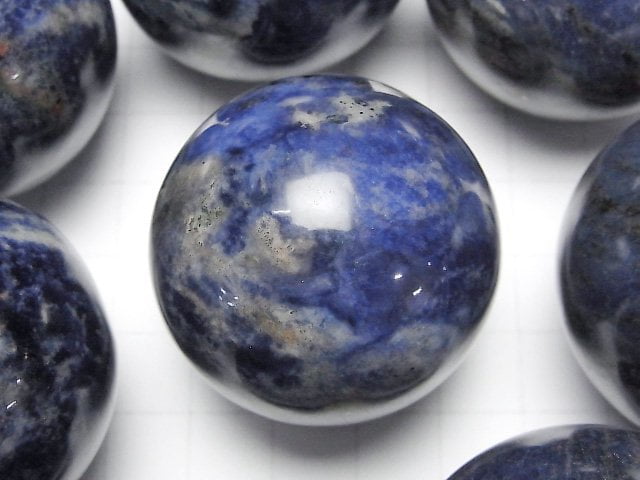
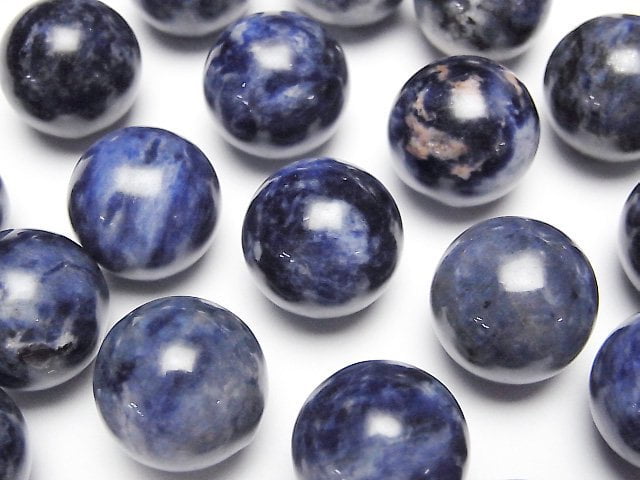
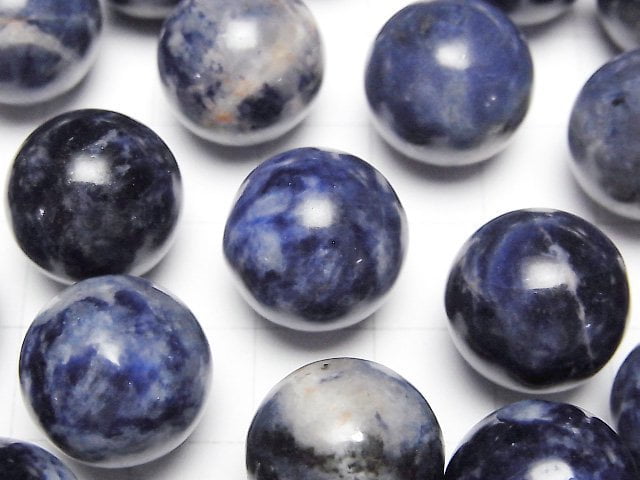
Sodalite is a rich royal-blue crystal — a chlorine-bearing sodium aluminosilicate — best known for the white calcite veining that streaks through its deep blue body. Valued for both its color and its long association with calm and clear communication, the sodalite crystal is widely used in meditation, jewelry, and crystal collecting. Some varieties even glow under UV light or shift color in sunlight.
Long treasured by the indigenous peoples of the Americas, sodalite was largely overlooked in the Old World for centuries. When mineralogists finally studied it, they were struck by its unusual qualities. Glowing under ultraviolet light and changing color in sunlight, blue sodalite appeals to gem collectors, designers, and anyone drawn to an out-of-the-ordinary stone. If you are looking for a distinctive blue gem, sodalite fits the bill.

The History and Meaning of Sodalite
The meaning of sodalite centers on truth, insight, and clear communication — a stone often described as helping the mind and the voice work as one. Its name combines *soda* (for the sodium in the mineral) and the Greek *lithos*, meaning stone. Sodalite also carries a few alternative and trade names, including alomite and Princess Blue (older trade names for Canadian material), and it is closely related to afghanite and hackmanite.
Sodalite was first described in 1811, when the Scottish chemist Thomas Thomson studied a specimen from Greenland. He identified it as a chlorine-bearing sodium aluminosilicate and classified the mineral among the feldspathoids.
Although sodalite has been scientifically recognized for only about 200 years, it was used long before that. Ancient civilizations often grouped it with lazurite and prized it for its color and ornamental appeal. Egyptian artisans crafted ritual objects and jewelry from blue stones, and the Inca used similar material for temple cladding, small carvings, and blue pigment.
After the European conquest of the Americas, sodalite faded from wider use, as colonizers saw little commercial value in it. In a way this preserved it: because sodalite deposits are relatively few, the fields of the Americas have not been heavily depleted.

Sodalite Spiritual Meaning
Spiritually, sodalite is often called the "stone of truth." In crystal lore it is believed to unite logic and intuition, quiet a busy mind, and give you the courage to speak your inner truth with confidence. Because of these associations, sodalite is a popular companion for meditation, journaling, and honest self-reflection. These are traditional beliefs, not medical claims.
Sodalite Properties: Physical and Chemical
Sodalite is a chlorine-bearing sodium aluminosilicate that forms in pegmatites and alkaline igneous rocks. Among its most distinctive properties, it has a medium Mohs hardness of about 5.5–6.0, yet it remains relatively soft and brittle. Other characteristic features include:
- UV fluorescence — many blue stones glow orange under ultraviolet light
- poor cleavage, sometimes visible as fine cracks in the stone
- a dull vitreous to waxy luster when polished
Sodalite is translucent to opaque and shows a white streak; its trademark whitish spots and veins come from admixtures of calcite and albite. The most common color is royal blue, but sodalite can also appear in shades of gray, green, pink, yellow, and (rarely) red.
One of the most remarkable varieties darkens when exposed to daylight and returns to its original color in the dark — a reversible effect called tenebrescence. These color-changing crystals, discovered in the early 20th century by the Finnish geologist Viktor Hackman, were named hackmanite in his honor.
| Property | Value |
|---|---|
| Mineral class | Feldspathoid (tectosilicate) |
| Chemical formula | Na8(Al6Si6O24)Cl2 |
| Hardness (Mohs) | 5.5 – 6.0 |
| Color | Royal blue with white veining; also gray, green, pink, yellow |
| Luster | Dull vitreous to waxy |
| Transparency | Translucent to opaque |
| Crystal system | Cubic (isometric) |
| Special optical effects | UV fluorescence; tenebrescence (hackmanite) |

Raw Sodalite vs Polished Sodalite
Raw sodalite is the stone in its natural, uncut state — rough royal-blue masses streaked with white, often more affordable and popular for crystal grids and display. Polished sodalite (tumbled stones, cabochons, and beads) reveals a soft waxy sheen and the full depth of the blue. Both are the same mineral; many people choose raw pieces for a natural, grounding look and polished pieces for jewelry and everyday carry.
Blue, Sunset & Hackmanite Sodalite Varieties
"Sodalite" covers a small family of blue stones and related varieties. Knowing the main types makes shopping easier:
- Blue sodalite the classic and most widely sold form: deep royal blue with white calcite veining, used for beads, cabochons, and tumbled stones.
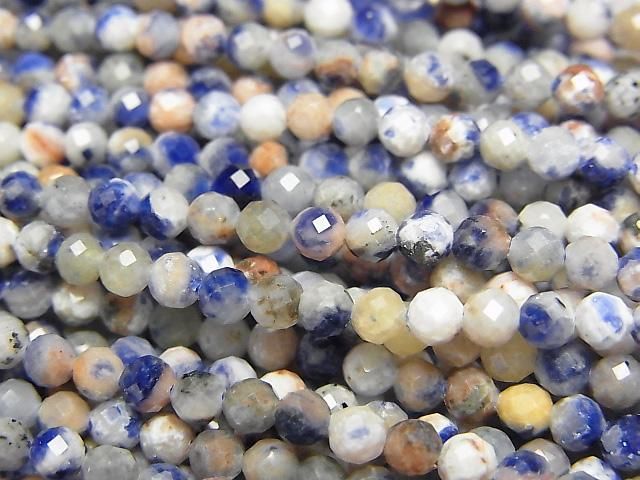
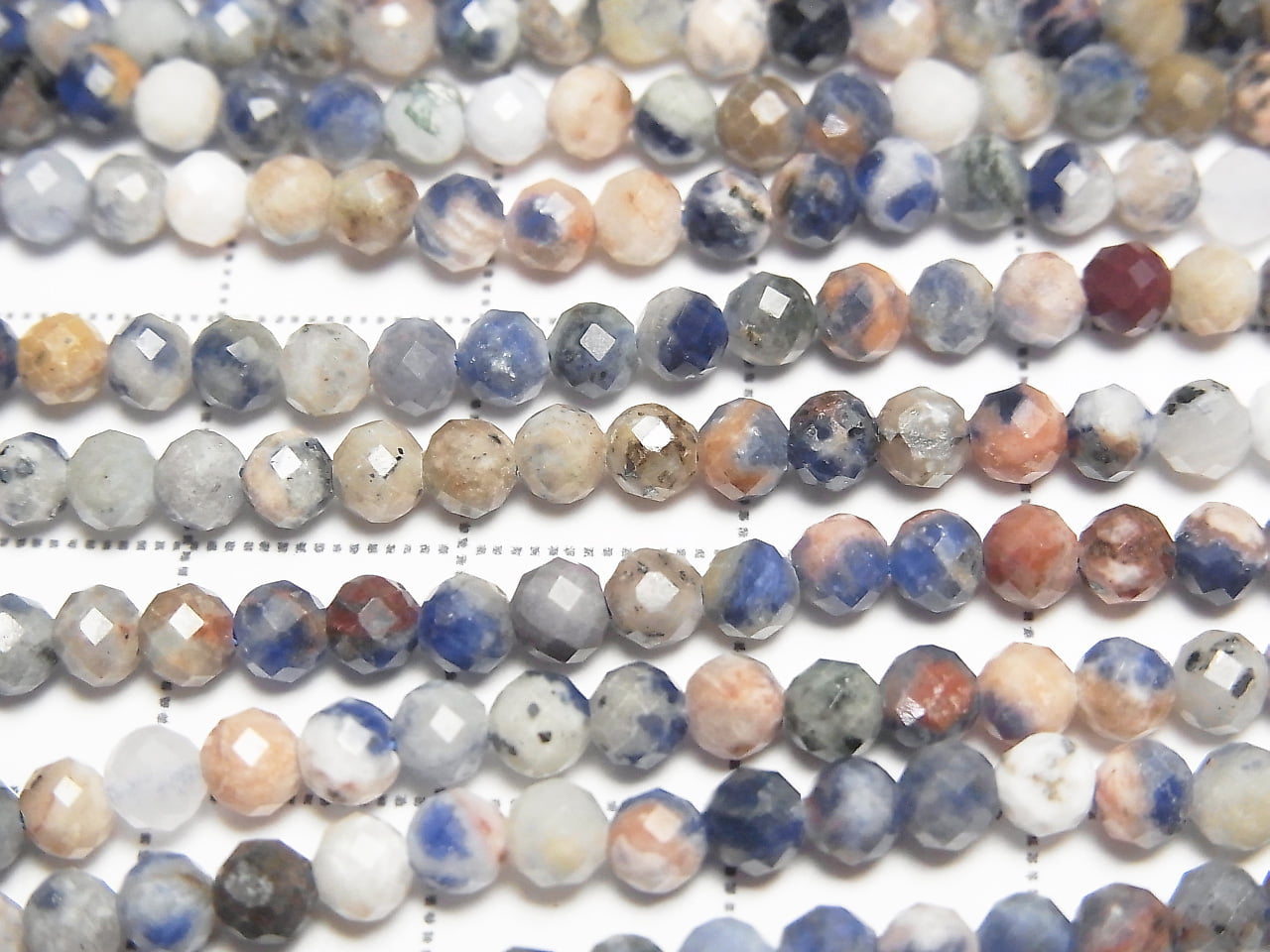
- Sunset sodalite a warmer, mixed-color material showing peachy, orange, and gray tones alongside blue, popular for tumbles and jewelry; color and patterning vary from piece to piece.
- Hackmanite a tenebrescent variety that changes color with light. Fresh Greenlandic hackmanite is pale and turns violet in daylight, while Myanmar (Burmese) material is often creamy and shifts to purple or rose-red in sunlight, fading again in the dark.
Because natural sodalite varies so much in tone and veining, no two cabochons look exactly alike. Any color-change (tenebrescence) or UV fluorescence described here is a natural optical property of the stone, not the result of dyeing or treatment.
Sodalite Deposits
Sodalite is a relatively rare rock-forming mineral, found on several continents but rarely in abundance. In igneous rocks it crystallizes from sodium-rich magmas; in pegmatites it occurs as coarse-grained masses. Major deposits are located in northern Namibia, Greenland, Brazil, the USA, Canada, southern Italy, and Russia, while fine specimens also come from Myanmar and India.
Hackmanite is mined chiefly in Myanmar and Greenland. Freshly quarried Greenlandic material is pale but takes on a purple hue under daylight, while stones from Myanmar start creamy and turn rich purple to rose-red in sunlight.

Sodalite Healing Properties and Benefits
In crystal lore, sodalite is treasured as a "thinking stone" linked with a calm, clear head and honest expression. Across generations of folk tradition it has been kept for reflection, meditation, and emotional balance rather than for any physical cure. The associations below come from cultural and metaphysical writings, not from science. These are traditional beliefs, not medical claims.
Traditional crystal practitioners have long associated blue sodalite with a feeling of calm and steadiness — a stone kept nearby to help release the tension of a busy day and to encourage restful sleep untroubled by unsettling dreams. In folklore its deep blue color is also connected with the throat and with clear, truthful speech. These are spiritual and folkloric associations only, and sodalite is not a substitute for professional medical care. These are traditional beliefs, not medical claims.

Emotional and Mental Benefits of Sodalite
Sodalite is especially valued in crystal lore as a stone for the mind. Traditionally, people have kept it in the hope that it may:
- Quiet a racing mind and everyday mental over-stimulation
- Encourage clear thinking, focus, and level-headed judgment
- Support honest communication and self-expression
- Build confidence and ease nerves before speaking in public
*Note: These are traditional beliefs, not medical claims.*
Metaphysical Properties of Sodalite
In metaphysical tradition, sodalite has a reputation as a stone that supports insight and intuition. Practitioners — from beginners to experienced meditators — have long kept it as a focus stone said to help them explore their inner potential and settle into the meditative state prized by yogis. These are traditional beliefs, not medical claims.
In astrological folklore, sodalite is often linked with those born in April, May, and late November, though tradition holds it can be enjoyed by any zodiac sign. It is a popular choice among entrepreneurs, writers, students, and teachers. Blue sodalite is said to encourage courage, perseverance, and quick thinking, and to help those who struggle to find words express themselves with poise. These are traditional beliefs, not medical claims.
Sodalite and the Throat Chakra
Sodalite is one of the classic throat-chakra (Vishuddha) stones. In crystal lore its blue energy is said to open and balance the throat center, easing the fear of speaking and helping you communicate your truth with calm clarity. It is also associated with the third-eye chakra, said to deepen intuition and insight. Many people wear sodalite as a necklace or rest it near the throat during meditation to focus on this center. These are traditional beliefs, not medical claims.

Sodalite Zodiac & Birthstone Associations
Sodalite is not a traditional modern birthstone, but in crystal folklore it is frequently connected with the air-influenced zodiac signs — particularly Sagittarius — and, more loosely, with Virgo. Followers of astrology sometimes pair it with the element of water or air, depending on the source. These pairings are cultural associations rather than fixed rules, so choose sodalite because you love its color and meaning, whatever your sign. These are traditional beliefs, not medical claims.
How to Use Sodalite: Jewelry, Meditation & Home
There are many everyday ways to enjoy sodalite, whether you value it for its look or its symbolism:
- Jewelry wear sodalite as a necklace, pendant, or bracelet to keep the blue stone close; a necklace also sits naturally near the throat chakra for those who follow that tradition.
- Meditation & journaling hold a tumbled stone or place one nearby during quiet reflection or writing to help you focus your thoughts.
- Home & workspace set a raw piece or sphere on a desk or shelf as a calming focal point; sodalite's deep blue pairs well with clear quartz and lapis lazuli in crystal grids.
- Carry stone keep a small tumbled sodalite in a pocket or pouch (a soft pouch helps protect the fairly soft surface from scratches).
However you use it, sodalite is valued as a decorative and symbolic companion. These are traditional beliefs, not medical claims.
How to Cleanse and Care for Sodalite
Sodalite is fairly soft (Mohs 5.5–6) and somewhat porous, so it needs gentle handling:
- Water avoid prolonged soaking and salt water, which can dull or damage the stone. A quick rinse under running water is fine; dry it promptly.
- Cleaning wipe with a soft, slightly damp cloth. Skip harsh chemicals, ultrasonic cleaners, and steamers.
- Storage keep sodalite in a soft pouch or lined box, away from harder gems that could scratch it.
- Sunlight limit long, direct sun exposure to help preserve color, especially for lighter or sunset material.
For those who follow crystal traditions, popular ways to cleanse and "recharge" sodalite include resting it in gentle moonlight, on a bed of dry quartz, or passing it briefly through cleansing smoke. These are folkloric practices, not scientific processes. These are traditional beliefs, not medical claims.
Sodalite Value: What Affects the Price
Sodalite is an affordable semi-precious stone, which is part of its appeal. Several factors influence what a given piece is worth:
- Color even, saturated royal blue is the most sought-after; very pale or heavily gray material is usually less valued.
- Veining & pattern attractive, balanced white calcite veining can add character, while cloudy or cracked areas lower value.
- Variety color-changing hackmanite and clean sunset sodalite can command more than ordinary blue material.
- Cut & finish well-polished cabochons, beads, and carvings cost more than rough because of the labor involved.
- Size & clarity larger, crack-free pieces with a smooth finish are harder to source and priced accordingly.
Because sodalite is often used as a lower-cost alternative to lapis lazuli, it offers a lot of blue-stone beauty for the money. Always look for clear disclosure of any dyeing, stabilization, or backing so you know exactly what you are buying.
Sodalite vs Lapis Lazuli & Azurite
Sodalite is easily confused with other blue stones, especially lapis lazuli. Here is a quick way to tell them apart:
| Stone | Color | Key clue | Hardness (Mohs) |
|---|---|---|---|
| Sodalite | Royal blue with white calcite veining | No gold flecks; white streaks | 5.5 – 6 |
| Lapis lazuli | Deeper ultramarine blue | Golden pyrite flecks | 5 – 5.5 |
| Azurite | Electric to greenish blue | Often soft and powdery | 3.5 – 4 |
The simplest test: if a blue stone shows gold sparkles, it is most likely lapis lazuli (from pyrite), not sodalite. Plain blue with white streaks and no gold is sodalite. Note that small amounts of sodalite can occur within lapis lazuli, so mixed specimens do exist.
Frequently Asked Questions About Sodalite
What is sodalite good for?
In crystal lore, sodalite is kept as a stone of calm, focus, and honest communication, and it is a favorite for meditation and throat-chakra practice. It is also a beautiful, affordable blue stone for jewelry and display. These are traditional beliefs, not medical claims.
What does sodalite mean spiritually?
Sodalite is known as the "stone of truth." In folk tradition it is said to unite logic and intuition and to encourage speaking and living authentically. These are traditional beliefs, not medical claims.
Which chakra is sodalite?
Sodalite is mainly associated with the throat chakra (Vishuddha) and is also linked with the third-eye chakra in crystal tradition.
Can sodalite go in water?
Brief contact is usually fine, but sodalite is porous and fairly soft, so avoid prolonged soaking and salt water. Rinse quickly if needed and dry it promptly.
Is blue sodalite the same as lapis lazuli?
No. Sodalite has white calcite veining and no gold flecks, while lapis lazuli shows golden pyrite inclusions. Sodalite is often used as a more affordable alternative to lapis.
What is sunset sodalite?
Sunset sodalite is a mixed-color variety showing warm peach, orange, and gray tones alongside blue. Patterning varies from stone to stone, which makes each piece unique.
How do you cleanse sodalite?
For everyday care, wipe it with a soft, slightly damp cloth and store it away from harder stones. In crystal tradition, people also "cleanse" it with gentle moonlight or dry quartz — folkloric practices rather than scientific ones.
Sodalite for Sale by KenKenGems
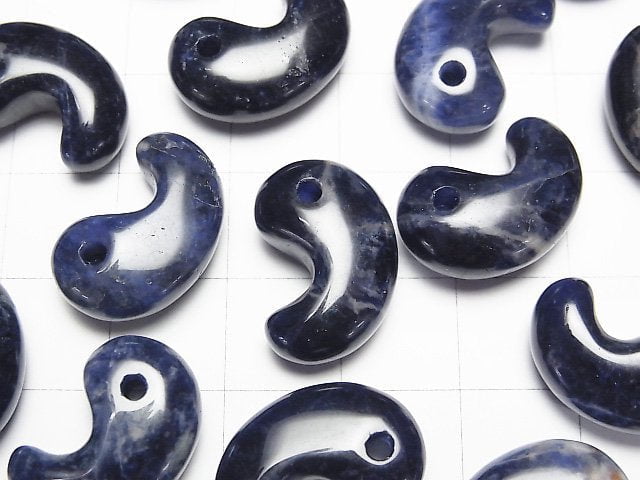
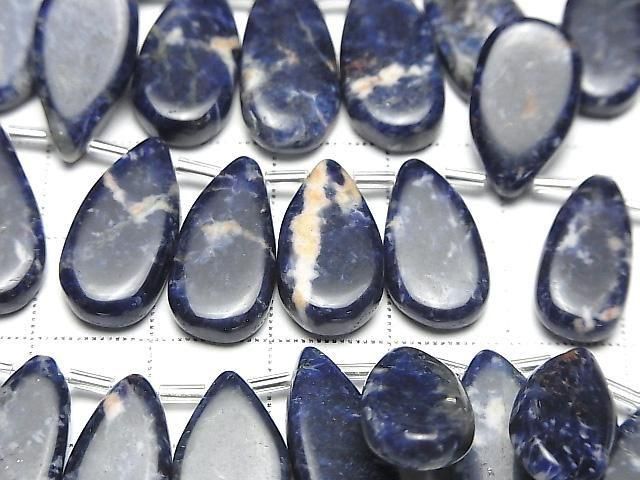
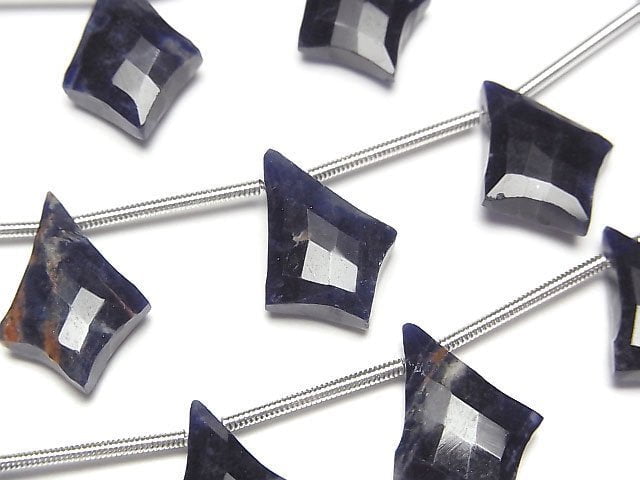
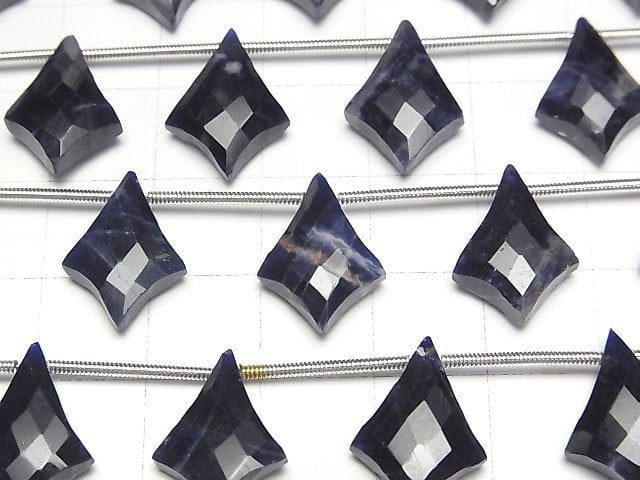
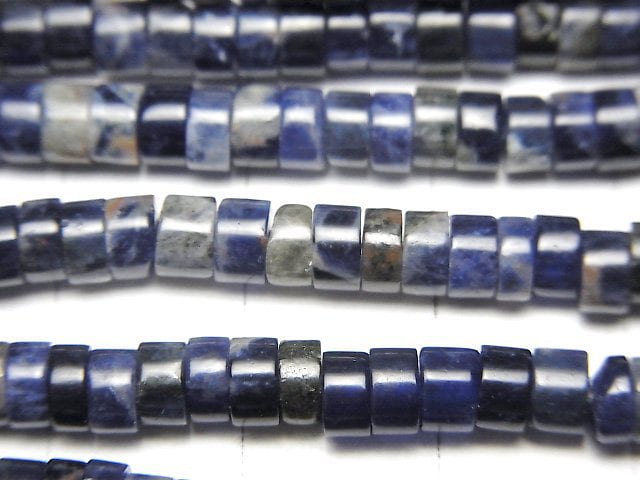
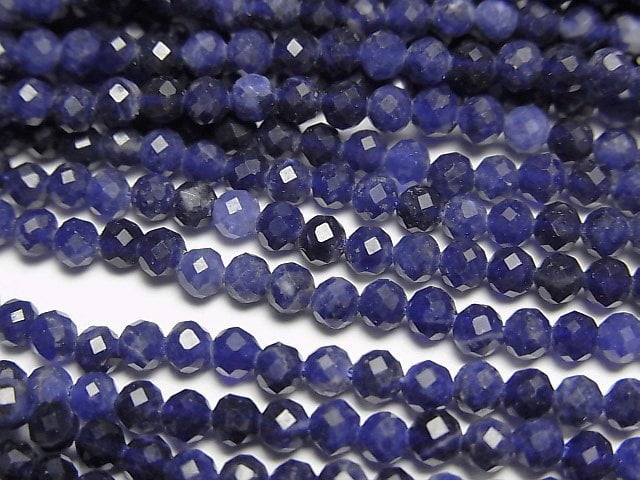
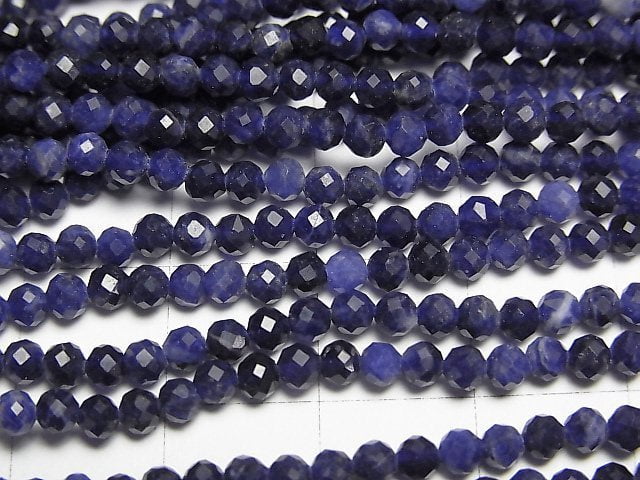
Sodalite echoes the color of the night sky, and at KenKenGems it is wonderfully affordable, too. Explore our selection of sodalite: bead strands, individual stones, and loose gems in many shapes, including orbs, chips, cubes, tubes, ovals, diamonds, and other faceted and cabochon cuts. Sodalite is not something you see in everyone's jewelry — we can help you stand out, with budget-friendly prices and carefully selected quality.







![[One of a kind] Lazurite in Sodalite Loose Stone Faceted 1pc No.9](http://store.kenkengems.com/cdn/shop/files/191694485.jpg?v=1779174594&width=640)
![[One of a kind] Lazurite in Sodalite Loose Stone Faceted 1pc No.9](http://store.kenkengems.com/cdn/shop/files/191694485_o1.jpg?v=1779174579&width=640)


![[One of a kind] Lazurite in Sodalite Loose Stone Faceted 1pc No.8](http://store.kenkengems.com/cdn/shop/files/191694484.jpg?v=1779174626&width=640)
![[One of a kind] Lazurite in Sodalite Loose Stone Faceted 1pc No.8](http://store.kenkengems.com/cdn/shop/files/191694484_o1.jpg?v=1779174611&width=640)


