

TOC
- 1. What Is Libyan Desert Glass?
- 2. Origin of Libyan Desert Glass
- 3. The History of Libyan Desert Glass
- 4. Libyan Desert Glass Properties: Physical and Chemical
- 5. The Value of Libyan Desert Glass
- 6. Libyan Desert Glass Meaning and Spiritual Properties
- 7. Libyan Desert Glass Healing Properties
- 8. Libyan Desert Glass Metaphysical Properties
- 8-1. Libyan Desert Glass Benefits
- 9. How to Identify Real Libyan Desert Glass
- 10. Frequently Asked Questions About Libyan Desert Glass
- 10-1. What is Libyan Desert Glass?
- 10-2. What is Libyan Desert Glass good for?
- 10-3. What does Libyan Desert Glass mean?
- 10-4. Is Libyan Desert Glass rare?
- 10-5. Which chakra is Libyan Desert Glass?
- 10-6. How can I tell if it's real?
- 10-7. Is Libyan Desert Glass good for rings?
- 10-8. Can Libyan Desert Glass get wet?
- 11. Shop Libyan Desert Glass at KenKenGems

What Is Libyan Desert Glass?
Libyan Desert Glass is a natural silica glass — a type of tektite (natural impact glass) — found in the Great Sand Sea along the Egypt–Libya border. Pale yellow to honey-colored and up to about 98% silica, it formed when desert sand was melted by intense heat roughly 28–29 million years ago, making it far older than human civilization. It is a genuinely rare, naturally occurring material (reserves are estimated at only around 1,400 tons) and is famous for adorning the scarab centerpiece of Tutankhamun's pectoral necklace, which is one reason collectors prize it so highly.

Origin of Libyan Desert Glass
The leading scientific explanation is a meteorite impact (or a related cosmic event) about 28–29 million years ago. Intense heat — on the order of 1,600–2,000 °C — melted the desert sand across a wide area, and as it cooled it formed glass; wind and sand later polished the fragments smooth. Support for a cosmic origin comes from dark inclusions in some pieces that contain meteorite-associated elements such as iron, nickel, cobalt, and unusually high iridium, which is rare in Earth's crust.
For decades researchers debated two ideas: a slow-cooling terrestrial origin and a high-temperature impact origin. The slow-cool argument (studies in 1983–1984) pointed to fossil-bearing rock inclusions, relatively high water content, and the absence of an obvious crater large enough to explain the scattered glass field.
The impact view gained ground through the 1990s. In 1996, a team led by Christian Koeberl identified lechatelierite (a high-temperature melt product of quartz) and baddeleyite (a breakdown product of zircon) in the glass — minerals that form only at extreme temperatures. Fission-track dating in the same era placed the glass at roughly 27 million years, plus or minus 2 million, with about 29 million years widely cited today.
The 2013 Chelyabinsk airburst over Russia inspired an alternative: that a massive atmospheric airburst (rather than a ground-impacting meteorite) superheated the sand, which would also explain the missing crater. More recent work has tilted back toward a true impact: a 2019 study by Aaron Cavosie and Christian Koeberl reported reidite, a shock-formed high-pressure phase of zircon detectable through electron backscatter diffraction (EBSD), which points to pressures reached only in a meteorite impact. The nearby Kebira Crater has been proposed as a candidate source, though no crater has been confirmed. Research is ongoing.

The History of Libyan Desert Glass
Humans have used Libyan Desert Glass for thousands of years — prehistoric desert dwellers knapped it into sharp tools, and around 1300 BC it was carved into the scarab at the heart of Tutankhamun's famous pectoral. After fading from the record for centuries, it was rediscovered in 1932 by British explorer Patrick Clayton while surveying the Great Sand Sea, and its impact origin was studied intensively through the late 20th century and beyond.
Explore authenticated pieces in our Libyan Desert Glass collection.

Libyan Desert Glass Properties: Physical and Chemical
Libyan Desert Glass is among the purest natural glasses, roughly 98% silica, with the remaining ~2% including trace material of likely extraterrestrial origin. As a tektite it has a Mohs hardness of about 5–6 — durable enough for jewelry — and ranges from near-clear to a milky, honey-yellow that earned it the nickname "Sun of the Libyan Desert." It cuts and polishes readily, though many pieces are left in their natural shape to emphasize their origin.
| Property | Value |
|---|---|
| Type | Tektite / impactite (natural impact glass) |
| Composition | ~98% silica (SiO₂) |
| Hardness (Mohs) | 5 – 6 |
| Color | Pale yellow to honey; sometimes near-colorless |
| Transparency | Transparent to translucent |
| Inclusions | Bubbles, wisps; dark meteorite-related bands |
| Age | ~28–29 million years |
| Main source | Great Sand Sea, Egypt–Libya border |

The Value of Libyan Desert Glass
Libyan Desert Glass is valued for its rarity, clarity, and story. As a general guide, clear, evenly colored pieces command the highest prices, while inclusions are not necessarily a flaw — dark swirls that are literally remnants tied to the impact event can actually raise a piece's appeal and value. Larger, cleaner stones and pieces with attractive natural shapes are the most sought-after. Because supply is finite and the source is a single ancient event, fine material tends to hold its value; as with any collectible, though, future prices can't be guaranteed. Prices are typically quoted in USD.
Libyan Desert Glass Meaning and Spiritual Properties
In crystal tradition, the meaning of Libyan Desert Glass centers on transformation, manifestation, and personal power. Its golden color and cosmic origin are linked in folklore to the solar plexus chakra — confidence, willpower, and the drive to turn ideas into action — and some also connect it to the third eye. It is often described as a "manifestation" stone for setting and pursuing goals. These are cultural and spiritual associations rather than proven effects. These are traditional beliefs, not medical claims.
Libyan Desert Glass Healing Properties
In crystal-healing tradition, Libyan Desert Glass is described as a warm, uplifting stone traditionally associated with confidence and a sense of calm. It is important to understand these as traditional beliefs and personal practices, not medical facts. These are traditional beliefs, not medical claims.
Important: Libyan Desert Glass and other crystals are not medicine. They cannot diagnose, treat, cure, or prevent any illness — including blood pressure, diabetes, or eating disorders — and are not a substitute for professional medical care.
Within those traditions, people keep the stone as an empowering token for meditation and goal-setting. Any sense of calm or motivation from a mindful routine is a personal experience rather than a property of the stone.

Libyan Desert Glass Metaphysical Properties
Among its traditional metaphysical associations, Libyan Desert Glass is regarded in folklore as a stone of vision, protection, and higher awareness. It is said to have been used in ritual and by shamans as a bridge to the spirit world, and today it is associated with clarity, good decisions, protection from negativity, and expanded understanding. Astrologically it is often linked to Aries and Cancer. These are cultural and spiritual beliefs rather than established facts, not medical claims.

Libyan Desert Glass Benefits
Within crystal lore, Libyan Desert Glass is traditionally associated with:
- Confidence, willpower, and motivation
- Manifestation and goal-setting
- Mental clarity and good decision-making
- A sense of protection and higher perspective
These descriptions reflect spiritual traditions and personal experiences, not proven physical or psychological effects. These are traditional beliefs, not medical claims.
How to Identify Real Libyan Desert Glass
Because it's rare and valuable, imitations made from ordinary yellow glass appear online. Libyan Desert Glass is a natural material, not a man-made glass, so accurate identification matters. Checks that help:
- Color and clarity: authentic pieces are pale yellow to honey, sometimes with a milky quality; an overly bright, uniform "neon" yellow is suspicious.
- Inclusions: genuine stones often contain wisps, tiny bubbles, or dark meteorite-related bands; perfectly clean, flawless "glass" with round mold bubbles is a red flag.
- Texture and shape: rough pieces show natural, wind-polished surfaces rather than mold seams or faceted casting.
- Source: buy from sellers who state origin; ask specifically about rings and set pieces, since settings can hide tells.
When in doubt, request origin information. For care, Libyan Desert Glass is best cleaned with lukewarm water and a soft cloth; brief contact with water is fine, but avoid harsh chemicals, ultrasonic cleaners, and long soaks, and dry it afterward.
Frequently Asked Questions About Libyan Desert Glass
What is Libyan Desert Glass?
It is a rare natural silica glass (a tektite / impactite) formed by a meteorite event in the Sahara about 28–29 million years ago. It is a natural material, not man-made glass.
What is Libyan Desert Glass good for?
In crystal tradition it's used for confidence, manifestation, and clarity, and linked to the solar plexus chakra. These are traditional beliefs, not medical claims.
What does Libyan Desert Glass mean?
In folklore its meaning centers on transformation, personal power, and manifestation, reflecting its golden color and cosmic origin. These are cultural associations, not proven effects.
Is Libyan Desert Glass rare?
Yes. Total reserves are estimated at only about 1,400 tons, and it comes from a single remote source in the Great Sand Sea.
Which chakra is Libyan Desert Glass?
It is mainly associated with the solar plexus chakra, and sometimes the third eye.
How can I tell if it's real?
Look for honey-yellow color, natural wisps or dark meteorite bands, and wind-polished surfaces; flawless, neon-yellow "glass" with round mold bubbles may be an imitation.
Is Libyan Desert Glass good for rings?
It can be, at Mohs 5–6, but it is softer than quartz, so protective settings and everyday care help. Ask sellers to confirm the stone is natural, especially in set pieces.
Can Libyan Desert Glass get wet?
Brief contact is fine; avoid harsh chemicals, ultrasonic cleaners, and long soaks, and dry it after cleaning.
Shop Libyan Desert Glass at KenKenGems
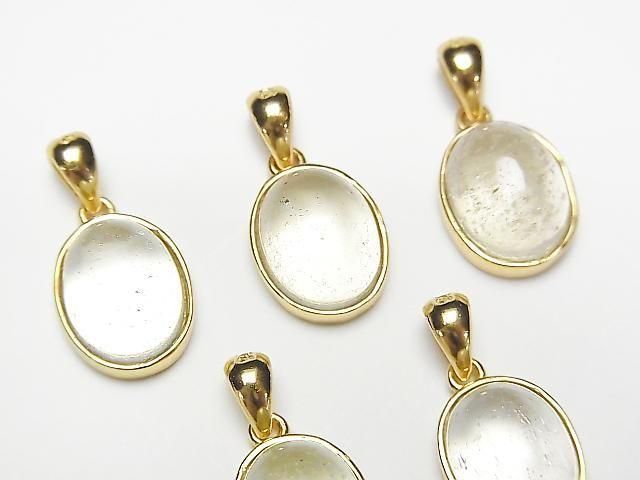
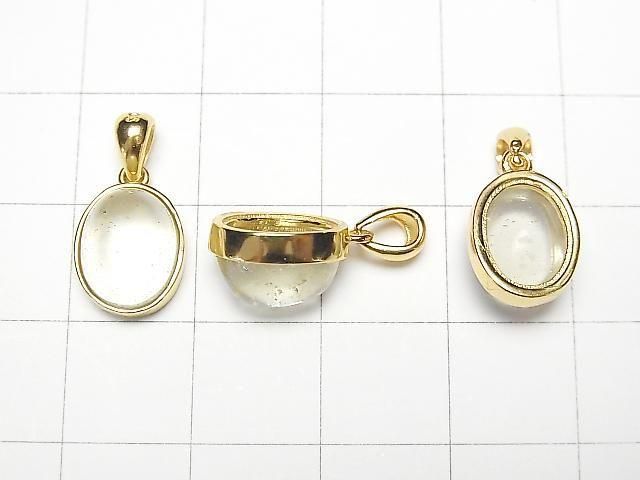
Rare and captivating, Libyan Desert Glass is a highlight of the KenKenGems collection. We carefully cut and polish these golden stones to preserve their natural beauty, and every piece is one of a kind. Choose uncut nuggets, cabochons, and freeform cuts, or wear-ready pieces like silver-set pendants and bead bracelets — each authenticity-guaranteed, priced in USD, and shipped across the US and Canada. Explore the collection to own a genuine piece of the desert's cosmic history.


![Libyan Desert Glass Rough Rock Nugget 1strand beads (Bracelet) NO.2 [One of a kind]](http://store.kenkengems.com/cdn/shop/files/192883253_022e9312-b986-48e8-99ad-f80a969ba7ce.jpg?v=1787224227&width=1280)
![Libyan Desert Glass Rough Rock Nugget 1strand beads (Bracelet) NO.2 [One of a kind]](http://store.kenkengems.com/cdn/shop/files/192883253_o1_c12f7a9f-b42a-4514-b1f4-c334c5433bf0.jpg?v=1787224217&width=1280)
![Libyan Desert Glass Double Point Pendant 18KGP NO.38 [One of a kind]](http://store.kenkengems.com/cdn/shop/files/192262295.jpg?v=1784631132&width=640)
![Libyan Desert Glass Double Point Pendant 18KGP NO.38 [One of a kind]](http://store.kenkengems.com/cdn/shop/files/192262295_o1.jpg?v=1784631114&width=640)
![Libyan Desert Glass Double Point Pendant 18KGP NO.39 [One of a kind]](http://store.kenkengems.com/cdn/shop/files/192262297.jpg?v=1784631098&width=640)
![Libyan Desert Glass Double Point Pendant 18KGP NO.39 [One of a kind]](http://store.kenkengems.com/cdn/shop/files/192262297_o1.jpg?v=1784631085&width=640)
![Libyan Desert Glass Double Point Pendant 18KGP NO.40 [One of a kind]](http://store.kenkengems.com/cdn/shop/files/192262298.jpg?v=1784631071&width=640)
![Libyan Desert Glass Double Point Pendant 18KGP NO.40 [One of a kind]](http://store.kenkengems.com/cdn/shop/files/192262298_o1.jpg?v=1784631053&width=640)


