
TOC
- 1. What Is Angelite?
- 2. Angelite Meaning & History
- 3. Angelite Properties
- 4. Angelite Sources & Value
- 5. Angelite Care & How to Identify
- 5-1. How to Care for Angelite (Keep It Dry)
- 5-2. Natural vs Dyed or Imitation Angelite
- 6. Angelite Meaning & Symbolism
- 7. Angelite FAQ
- 7-1. What is angelite?
- 7-2. What is angelite made of?
- 7-3. Is angelite a real gemstone?
- 7-4. Can angelite get wet?
- 7-5. Where is angelite found?
- 7-6. How can you tell if angelite is real?
- 7-7. What does angelite mean in crystal lore?
- 7-8. Is angelite expensive?
- 8. Shop Angelite at KenKenGems

What Is Angelite?
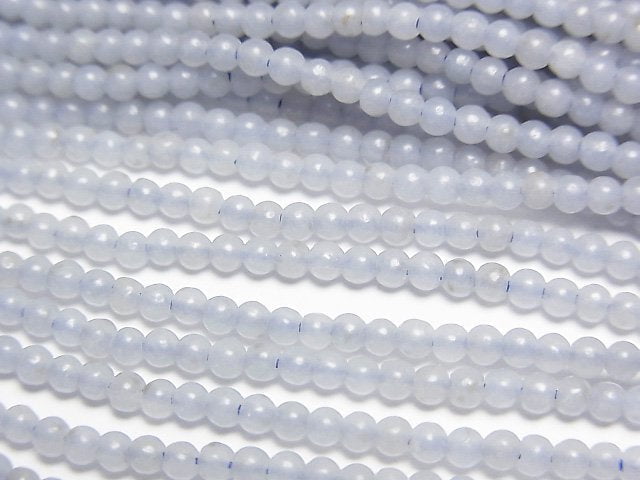
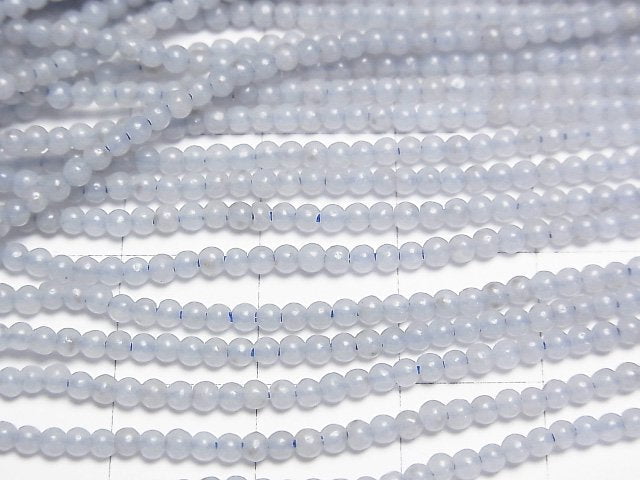
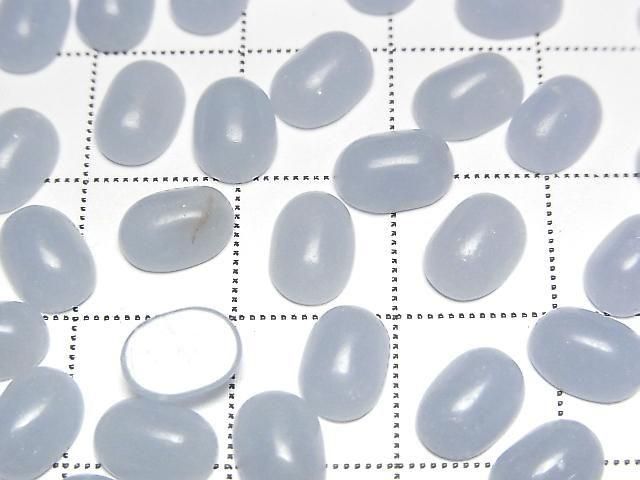
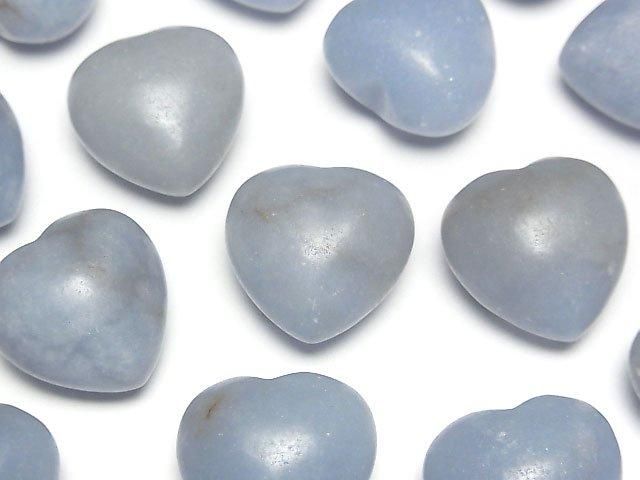
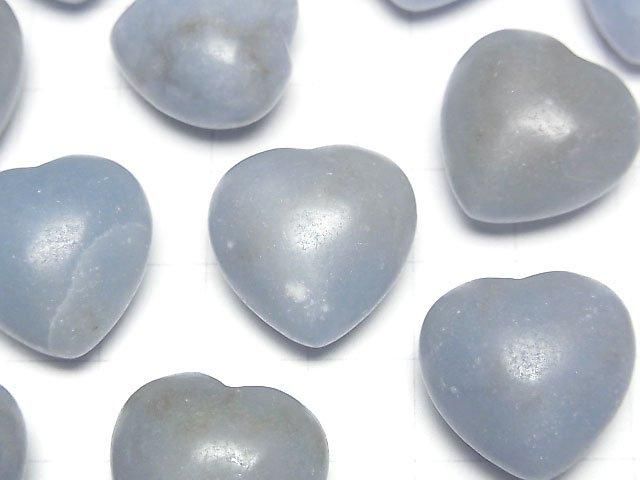
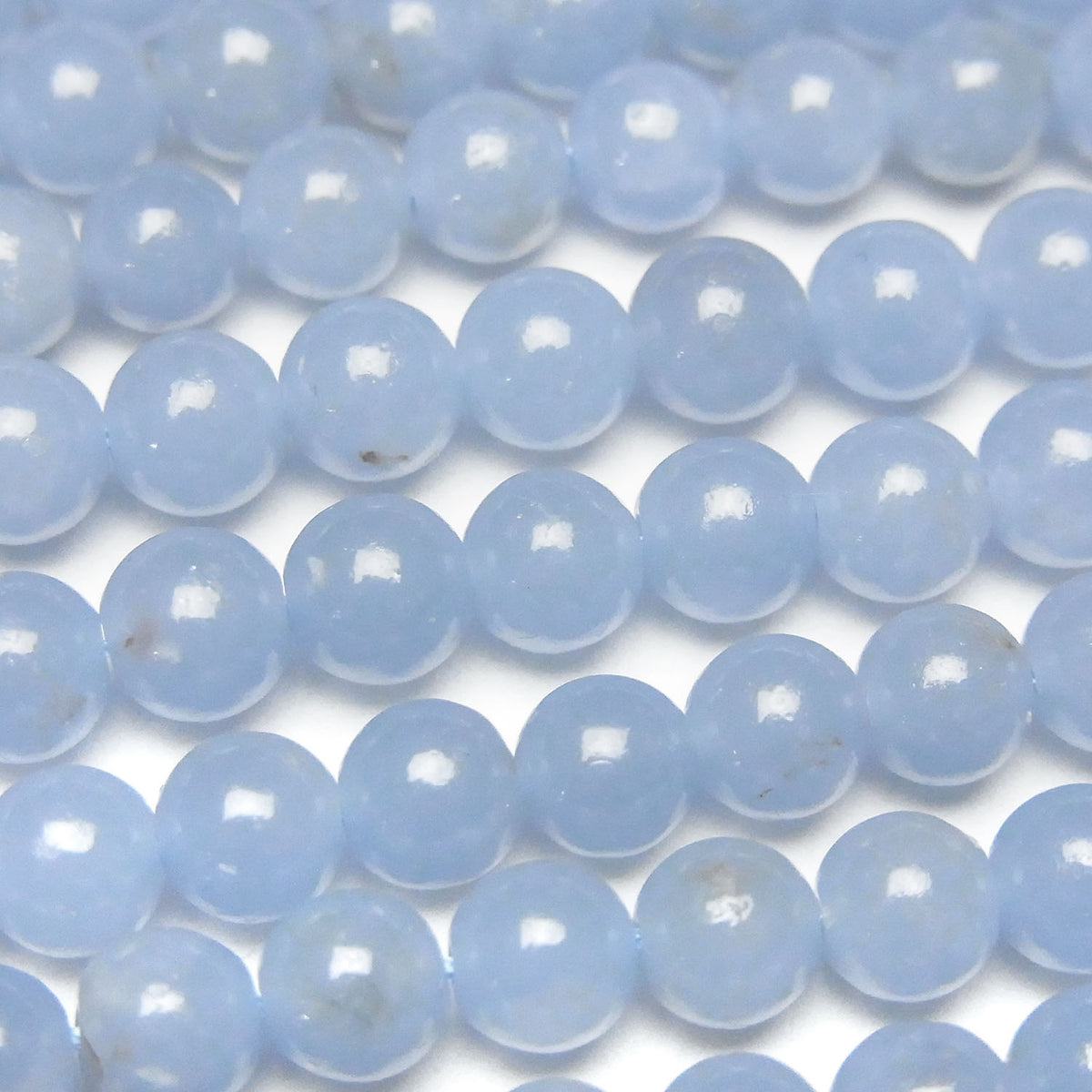
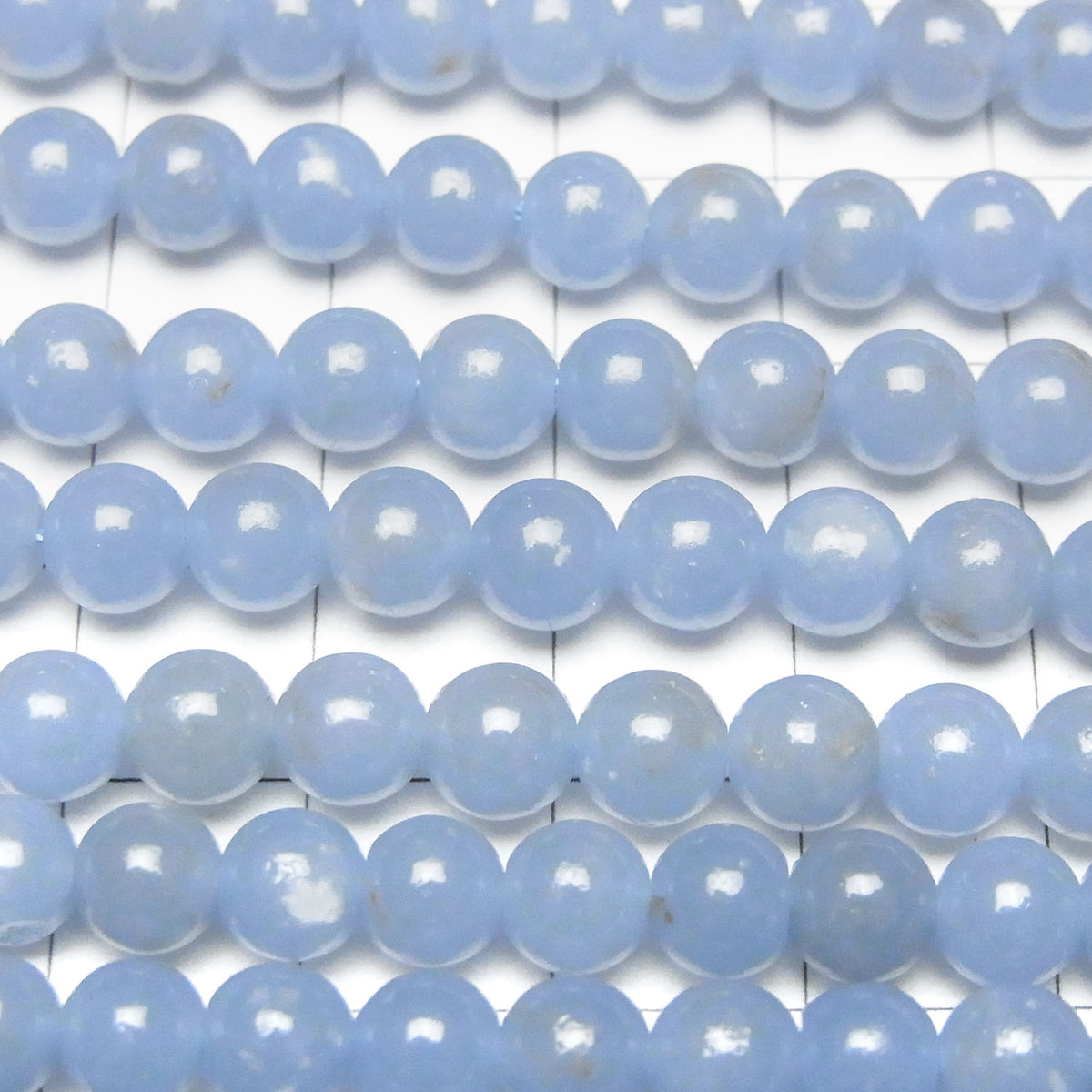
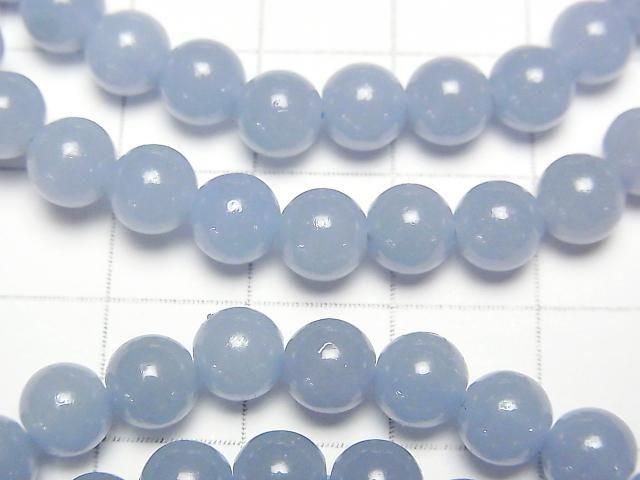
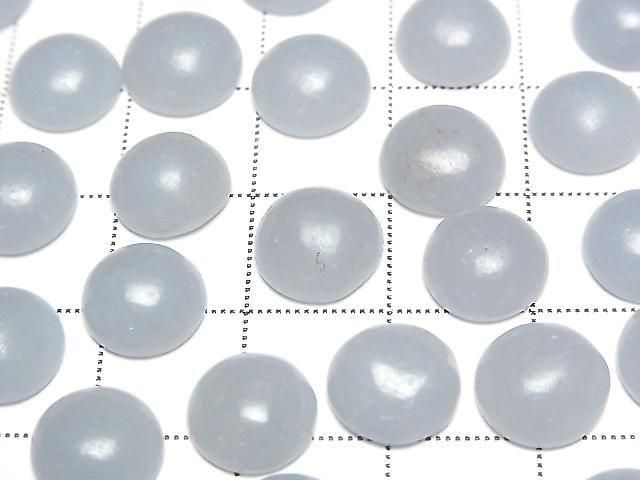
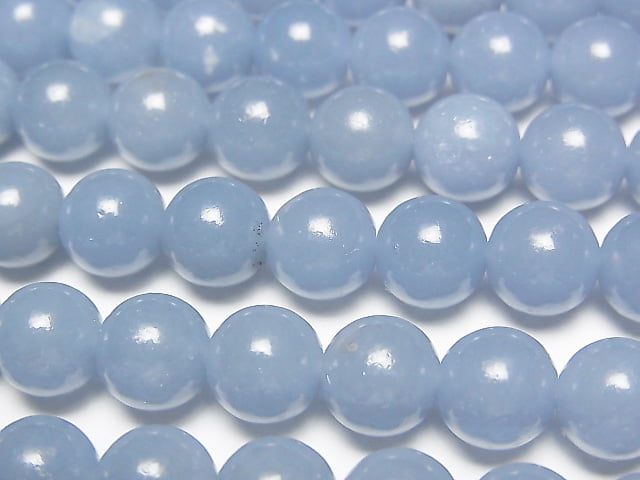
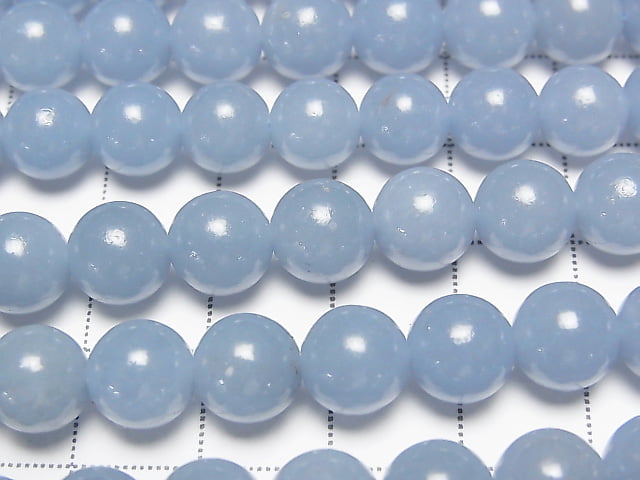
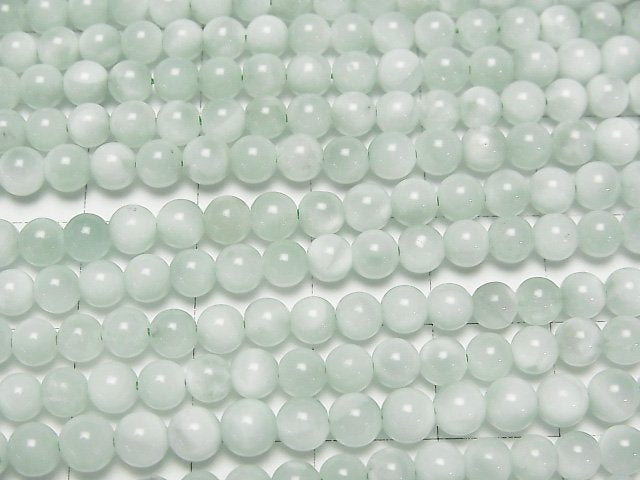
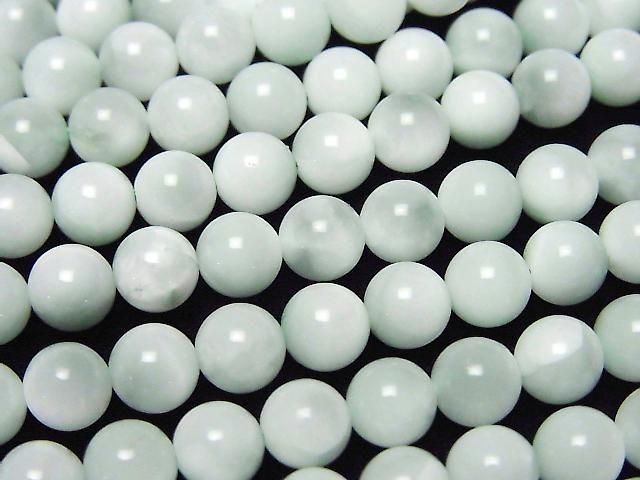
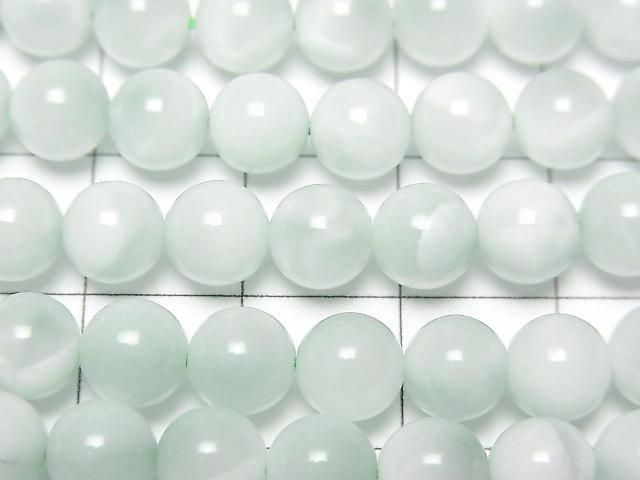
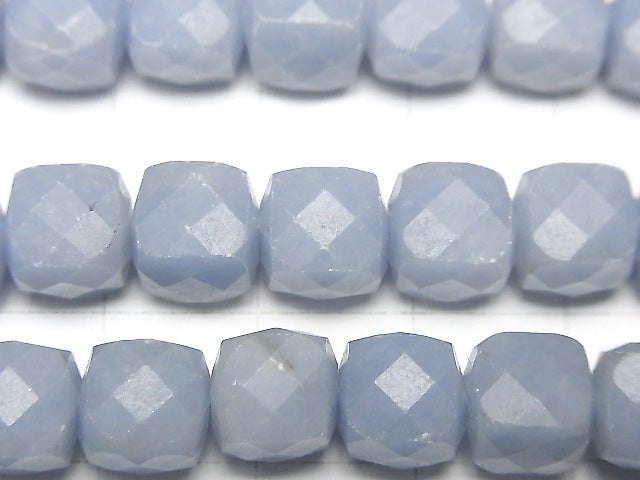
Angelite is the trade name for a pale blue, compact (massive) form of the mineral anhydrite — calcium sulfate, chemical formula CaSO4. Its gentle, sky-blue body is often threaded with soft white veining that many people compare to angel wings, which is where the marketing name comes from. Most angelite is opaque to slightly translucent, with a quiet pearly-to-waxy sheen when polished.

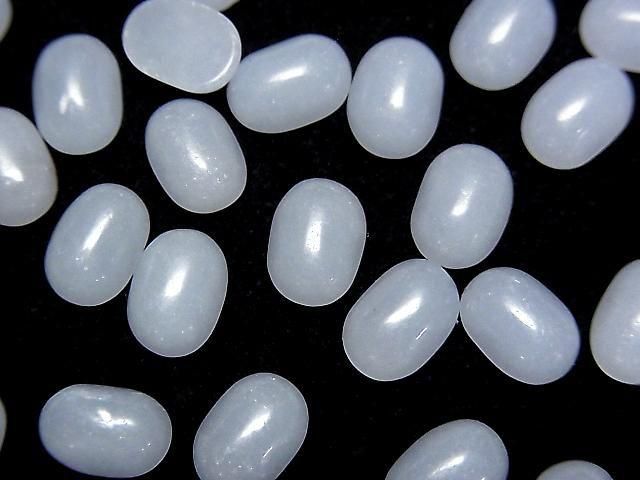
Because it is a soft stone (about 3 to 3.5 on the Mohs scale), angelite is almost always cut as cabochons, beads, tumbled stones, and small carvings rather than faceted rings. It is prized for its calming color rather than for hardness or sparkle. Angelite is closely related to — but not the same as — celestite, another pale blue sulfate mineral, and the two are often admired together by collectors.
Angelite Meaning & History
Angelite is a young gemstone by geological standards. The mineral was first documented in the Alps — near Tirol in Austria — where gemologists identified it as a variety of anhydrite. At the time the blue stone drew little interest. That changed in 1987, when notable pale blue material was found in Peru, alongside other minerals in South American deposits. Peru remains the best-known source of the soft blue stone we call angelite today.
Under the official mineral classification, the stone is simply anhydrite. Sellers felt that name was hard to market, so they coined the trade name angelite, drawing on the ancient Greek *angelos*, meaning "angel." The name nods to the mineral’s most common color — a light, sky-like blue — and to the white veins that can resemble feathered wings. It helps to keep the two names straight: "anhydrite" is the mineral species (which can also be gray, lilac, beige, or reddish), while "angelite" refers specifically to the blue to gray-blue material sold for jewelry and decoration.
Angelite belongs to the sulfate family and is chemically close to celestite (celestine), a related pale blue sulfate mineral — the two are often compared, though celestite is a strontium sulfate and typically forms clearer crystals. In crystal lore, angelite meaning centers on peace, calm, and gentle communication, themes we return to later in this guide.

Angelite Properties
Angelite is a compact form of anhydrous calcium sulfate. It usually occurs as a fine-grained mass, and its gemological character explains both how it looks and how it must be cared for. The table below summarizes its key properties.
| Property | Detail |
|---|---|
| Mineral species | Anhydrite |
| Trade name | Angelite (pale blue to gray-blue anhydrite) |
| Composition | Calcium sulfate, CaSO4 |
| Crystal system | Orthorhombic (usually massive / fine-grained) |
| Mohs hardness | 3–3.5 (soft — scratches easily) |
| Color | Pale sky-blue to gray-blue with white, milky, or light-gray veining |
| Luster | Pearly, waxy, to slightly glassy |
| Transparency | Opaque to slightly translucent |
| Water sensitivity | Water-sensitive — prolonged water contact converts anhydrite back toward gypsum |
| Typical cuts | Cabochons, beads, tumbled stones, and carvings |
| Main sources | Peru, USA, Italy, Chile, Mexico, Austria |
Two properties matter most in daily use. First, angelite is soft — at Mohs 3 to 3.5 it is well below quartz (7) and scratches easily, so it is better suited to necklaces, earrings, and pendants than to rings that take knocks. Second, it is water-sensitive: prolonged contact with water gradually reverses the mineral back toward gypsum, so the stone can absorb moisture, swell slightly, soften, and lose its polish over time. Keeping angelite dry is the single most important part of caring for it (see the care section below).

Angelite Sources & Value
Angelite is found in several countries, but the pale blue material collectors want is not especially widespread. The main sources are:
- Peru — the best-known source of gem- and bead-quality blue angelite
- United States — notable anhydrite deposits
- Italy, Chile, Mexico, and Austria — smaller occurrences
Despite its limited supply, angelite remains one of the more affordable blue stones. The figures below are approximate market ranges in US dollars (with rough CAD equivalents) and change with size, quality, and availability:
- Bead strands: often around USD $8–$15 (roughly CAD $11–$21) per strand, with simple round strands sometimes under $10.
- Small cabochons and tumbled stones: typically a few dollars each.
- Larger cabochons, carved shapes, and fine specimens: more, depending on size and workmanship.
The main value drivers are an even, appealing sky-blue color, attractive white veining, and a clean polish. Treat all prices as general guidance rather than fixed quotes, and buy from sellers who photograph each piece clearly.
Angelite Care & How to Identify
Angelite is a beautiful but delicate stone, so a little know-how helps you both look after it and buy with confidence. The two things to remember are that it is soft and that it does not get along with water.
How to Care for Angelite (Keep It Dry)
Angelite is water-sensitive, which shapes almost every care rule. Prolonged contact with water slowly converts the anhydrite back toward gypsum, so the stone can soften, swell, and lose its polish. Follow these guidelines:
- Keep it dry. Do not soak angelite, and do not make "gem water" or crystal elixirs with it — prolonged water contact can degrade the stone (and it is not intended for anything you drink).
- Clean it only with a soft, dry or barely damp cloth, then dry it right away — no ultrasonic or steam cleaners, and no soaking in cleaning solutions.
- Remove angelite jewelry before washing, showering, swimming, exercising, or applying lotions and perfumes.
- Because it is soft (Mohs 3–3.5), store it separately from harder stones such as quartz, topaz, and diamond so it does not get scratched.
- Keep it out of prolonged direct sunlight and away from sudden temperature changes.
Natural vs Dyed or Imitation Angelite
Angelite’s soft, chalky blue can be imitated by dyed stones, so it helps to know what to look for. Some blue material sold in bead and tumbled form is actually dyed howlite or magnesite (both naturally white and porous), or other dyed stone colored to mimic angelite. Use these checks:
- Color and pattern: genuine angelite has a soft, slightly uneven sky-blue with natural white or gray veining; a very saturated, perfectly even blue can be a sign of dye.
- Look for dye traces: dye often concentrates in cracks and pits, showing as darker blue lines that look painted rather than natural veining.
- Ask about identity and treatment: a reputable seller should state that a stone is natural angelite (blue anhydrite) and disclose any dyeing or other treatment in writing.
- Be cautious with scratch tests: angelite is soft, but leave any testing to a professional rather than risking a finished piece.
If a listing will not confirm whether a stone is natural angelite or dyed material, approach it with caution.

Angelite Meaning & Symbolism
These are traditional beliefs, not medical claims. Angelite is not medicine and cannot diagnose, treat, cure, or prevent any illness.
Angelite has a gentle reputation in crystal lore that matches its soft blue color. Because of its name and sky-like shade, it is traditionally seen as a "stone of awareness" linked with peace, calm, and gentle communication. In spiritual traditions it is often associated with serenity, compassion, and a feeling of connection — which is where popular ideas about "angel" energy and guidance come from. Commonly cited traditional associations include:
- A sense of calm, peace, and emotional balance
- Encouraging clear, compassionate communication and self-expression
- Support for meditation, reflection, and a feeling of spiritual connection
- A symbol of gentleness, hope, and reassurance
In astrological folklore, angelite is most often linked with Aquarius, though it is enjoyed by people of every sign. Older folklore also treated angelite as a protective talisman — kept as a charm for good fortune, or placed near a child as a symbol of care. All of these are cultural and folkloric associations, not statements of scientific or medical fact. Angelite is best enjoyed as a calming, meaningful stone rather than as any kind of remedy.

Angelite FAQ
What is angelite?
Angelite is the trade name for a pale blue, compact form of the mineral anhydrite (calcium sulfate, CaSO4). It is known for its soft sky-blue color and white, wing-like veining, and it is usually cut as cabochons, beads, and tumbled stones for jewelry and decoration.
What is angelite made of?
Angelite is anhydrite — anhydrous calcium sulfate, CaSO4. "Angelite" is a marketing name for the blue to gray-blue variety of that mineral; the same species can also occur in gray, lilac, beige, or reddish colors.
Is angelite a real gemstone?
Yes. Angelite is a genuine natural mineral (blue anhydrite), though it is soft and water-sensitive, so it is treated as a decorative and collector stone rather than a durable everyday ring stone. Be aware that some blue material sold as angelite is actually dyed howlite, magnesite, or other stone, so buy from sellers who disclose treatments.
Can angelite get wet?
It is best to keep angelite dry. Angelite is water-sensitive: prolonged contact with water slowly converts the anhydrite back toward gypsum, so the stone can soften, swell, and lose its polish. Wipe it only with a soft, dry or barely damp cloth, avoid soaking, and do not use it to make gem water or elixirs.
Where is angelite found?
The best-known source of blue angelite is Peru. Anhydrite also occurs in the United States, and in smaller amounts in Italy, Chile, Mexico, and Austria.
How can you tell if angelite is real?
Natural angelite has a soft, slightly uneven sky-blue color with natural white or gray veining and a Mohs hardness of about 3 to 3.5, so it is soft. A very saturated, perfectly even blue — or dye pooling in cracks — can indicate dyed material such as howlite or magnesite. Buy from sellers who state the mineral identity and disclose any dyeing.
What does angelite mean in crystal lore?
In crystal lore, angelite is traditionally associated with peace, calm, gentle communication, and a feeling of spiritual connection, which is where its "angel" symbolism comes from. These are traditional beliefs, not medical or scientific claims.
Is angelite expensive?
Angelite is one of the more affordable blue stones. Bead strands often cost around USD $8–$15 (roughly CAD $11–$21), with simple round strands sometimes under $10, while larger cabochons and carvings cost more. Prices vary with size, color, and quality.
Shop Angelite at KenKenGems
Looking to add this calming sky-blue stone to your collection or your next jewelry project? KenKenGems offers a hand-selected range of angelite at friendly prices, including:
- Angelite bead strands and half-strands for jewelry making
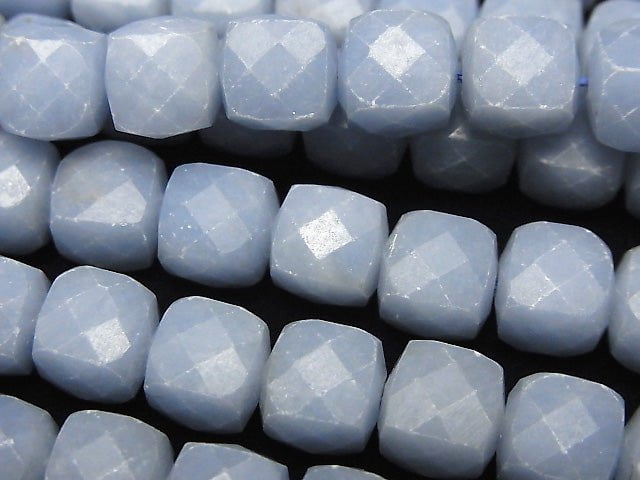
- Loose cabochons and faceted stones, including cubes and round cuts
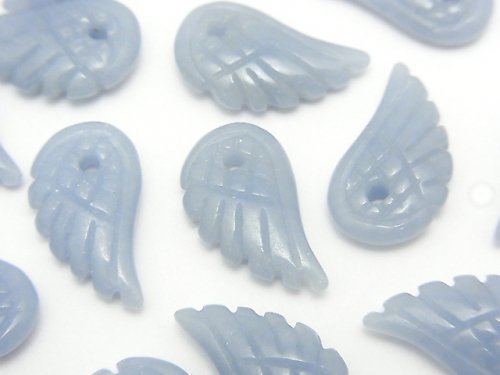
- Fancy cuts such as angel wings, carved drops, hearts, and roses
- One-of-a-kind pieces chosen for even color and attractive veining
Every piece is selected for its color, veining, and finish, so you can find genuine angelite that suits your style — just remember to keep it dry so it stays beautiful. Explore the full angelite collection and pick your favorite.