TOC
- 1. What Is Nuummite?
- 2. Nuummite Meaning & History
- 3. Nuummite Properties
- 4. Nuummite Colors, Sources & Value
- 5. Nuummite Care & How to Identify
- 6. Nuummite in Astrology & Symbolism
- 7. Nuummite Meaning & Metaphysical Properties
- 8. Nuummite FAQ
- 8-1. How can you tell if nuummite is real?
- 8-2. Where does nuummite come from?
- 8-3. Is nuummite treated?
- 8-4. Is nuummite hard enough for jewelry?
- 9. Shop Nuummite at KenKenGems

What Is Nuummite?
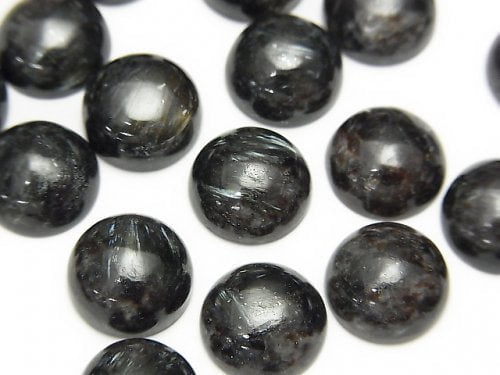
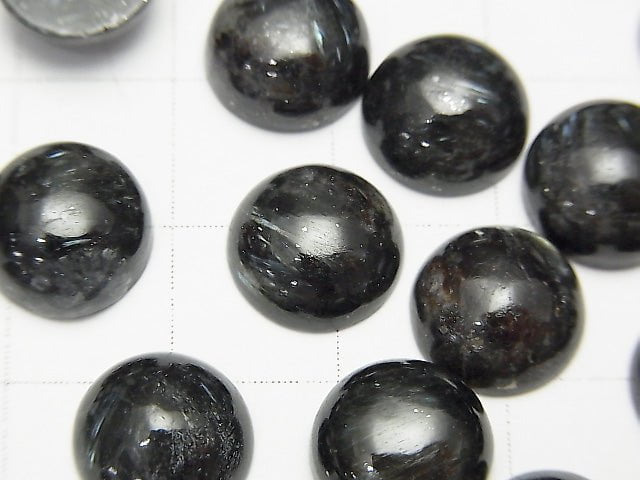
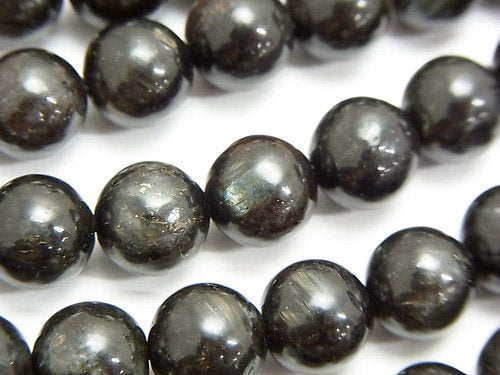
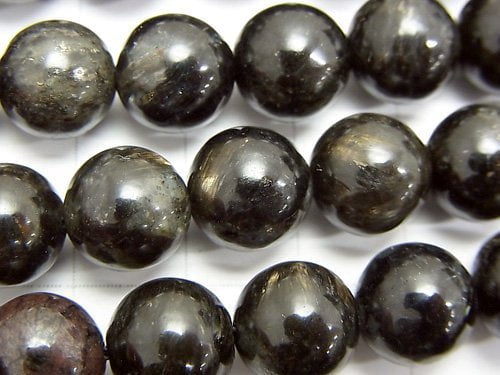
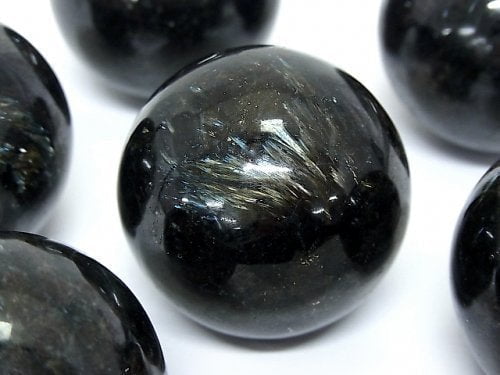
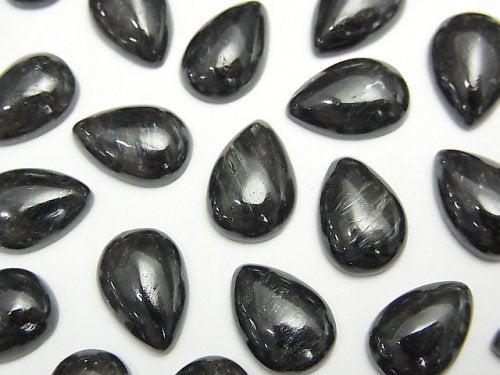
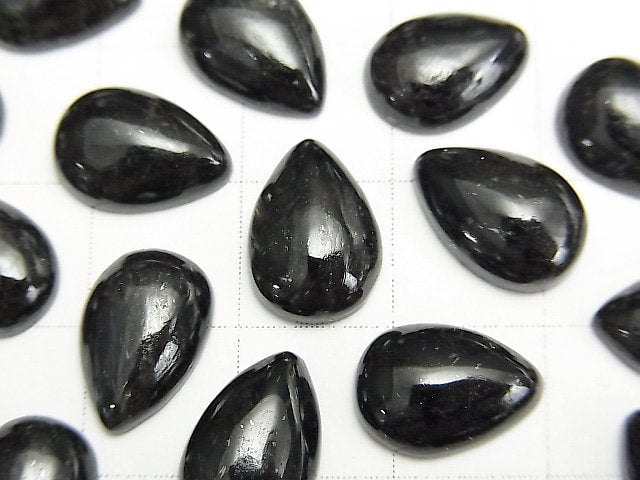
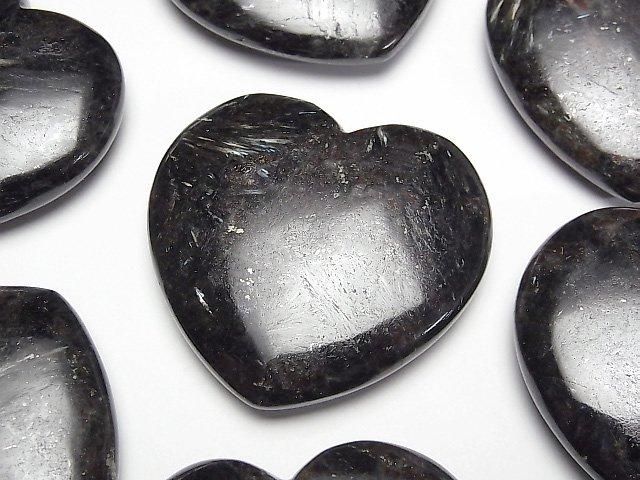
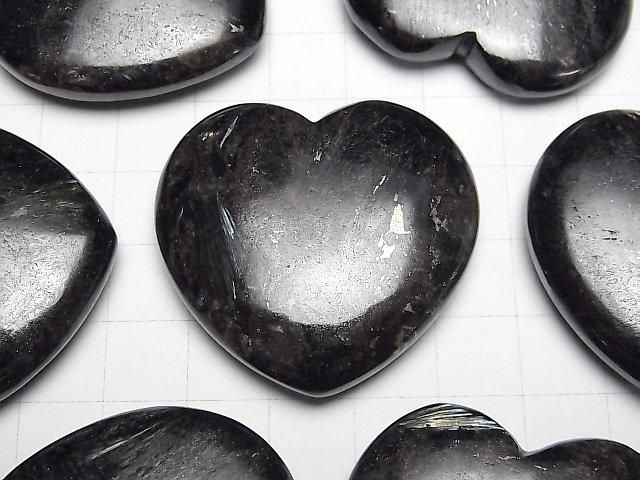
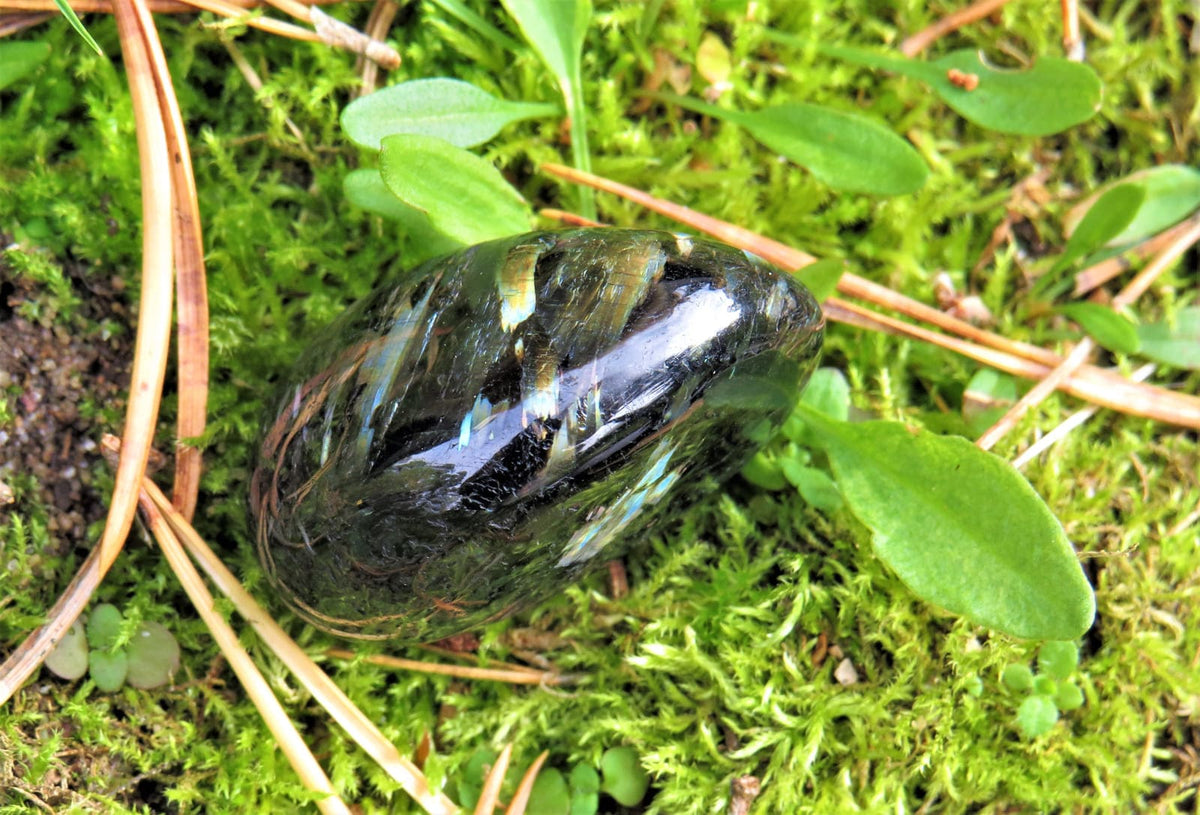
Nuummite is an ancient, iridescent metamorphic rock made mainly of two amphibole minerals – anthophyllite and gedrite. It is usually deep gray to black, and when it catches the light it flashes with metallic bands of gold, bronze, copper, blue, and violet. This shimmer, similar to the labradorescence seen in labradorite, comes from light reflecting off tiny needle-like crystals (lamellae) locked inside the stone.
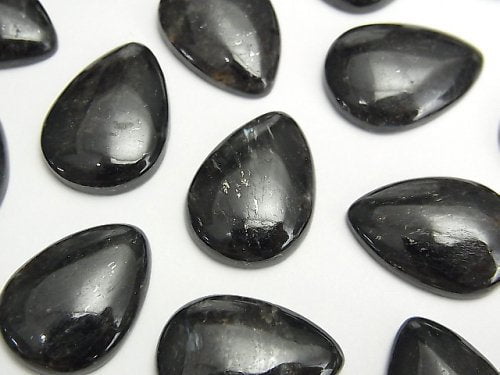
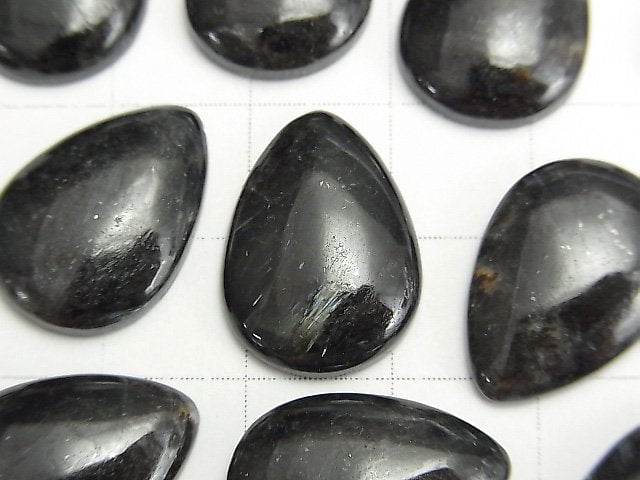
Rather than a single mineral, nuummite is a naturally intergrown combination of amphiboles, which is why it is described as a rock. It is one of the oldest gem materials on Earth – the classic Greenlandic material is dated to roughly three billion years old. Cutters usually shape it into cabochons rather than faceted stones, because a smooth, polished dome shows off the play of color far better than facets do.

Nuummite Meaning & History
Nuummite takes its name from Nuuk, the capital region of Greenland, where the classic material was first documented and where the finest examples still come from. Although the rock itself formed billions of years ago, it only reached the international gem and jewelry trade in the early 1980s. The original Greenlandic deposits are remote – reachable mainly by boat and workable only during the short window each year when the ground is not frozen – which has always kept genuine material relatively scarce.
Similar iridescent anthophyllite-gedrite rock sold under the name "nuummite" has since been reported from other localities, including parts of North America, Scandinavia, and elsewhere, though collectors generally regard Greenlandic stone as the benchmark. In folklore, nuummite is sometimes nicknamed the "Sorcerer's Stone" – a traditional, storytelling nickname tied to its dark color and mysterious inner fire, not a statement about any real power.

Nuummite Properties
Nuummite is a metamorphic rock rather than a single crystal, so its properties reflect the amphiboles it is built from. Its two main components are anthophyllite and gedrite, both part of the amphibole group, along with trace minerals such as pyrite, copper, and garnet that can add spots of color. On the Mohs scale it sits at roughly 5.5 to 6, which is on the softer side for a gemstone, so it is best suited to pendants, earrings, and pins rather than rings that take daily wear.
The stone is opaque, takes a bright polish, and is prized above all for its iridescence – the moving flashes of gold, blue, and violet that appear as the stone is tilted. Because that effect lives just beneath the surface, cabochons and smooth beads display it best.
| Property | Detail |
|---|---|
| Material type | Metamorphic rock (an intergrowth of amphiboles) |
| Main components | Anthophyllite and gedrite (amphibole group) |
| Age / origin | One of Earth’s oldest gem materials (~3 billion years); classic source Nuuk, Greenland |
| Mohs hardness | ~5.5–6 (relatively soft – handle with care) |
| Optical effect | Iridescence (labradorescence-like flashes from included lamellae) |
| Color | Deep gray to black with gold, bronze, copper, blue, and violet flashes |
| Transparency / luster | Opaque; sub-metallic to vitreous when polished |
| Typical treatment | Usually untreated (natural) |
Nuummite Colors, Sources & Value
Most nuummite is dark gray to black, and the value comes from the iridescence rather than a body color. Stones with bright, wide bands of gold, blue, and violet flash across a large area are the most desirable, while dull or patchy specimens are worth less. Origin also plays a part: genuine Greenlandic material is generally the most sought after.
Nuummite is an affordable to mid-range gem. The figures below are approximate market ranges in US dollars and vary with size, quality of the flash, origin, and availability.
- Small polished cabochons and beads: roughly $20–$50 each.
- Larger cabochons and designer pieces set in silver: often around $100 or more.
- Top-grade Greenlandic stones with strong, full-coverage iridescence: priced higher and sought by collectors.
Because nuummite has a following, cheaper black stones – including larvikite – are sometimes sold as nuummite. Ask about origin and, for higher-value pieces, request documentation. The next section explains how to tell genuine nuummite from imitations.

Nuummite Care & How to Identify
Because nuummite is relatively soft (Mohs ~5.5–6), treat it gently. Store it separately so harder gems cannot scratch it, and take off rings or bracelets during rough work. Clean it with lukewarm water and a soft cloth; a quick rinse is fine, but avoid prolonged soaking, harsh chemicals, and ultrasonic or steam cleaners. Keep it out of hard knocks, which can chip the polished surface.
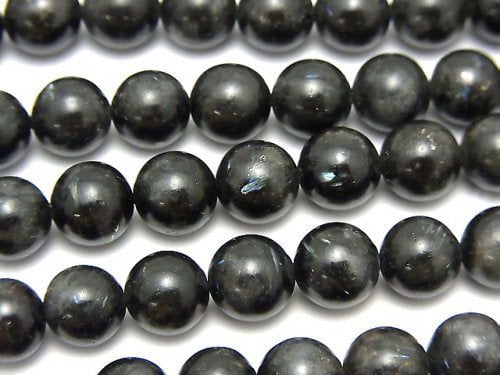
To identify genuine nuummite, look for its characteristic iridescence: as you tilt the stone under a light, real nuummite shows moving flashes of gold, bronze, blue, and violet against a dark gray-to-black background, and it is opaque. A stone with a flat, painted-looking sheen, an even blue shimmer with no dark base (often larvikite), or an obviously glassy or dyed look may be an imitation or a substitute. Greenlandic material is the classic benchmark, so for higher-value pieces ask the seller about origin and treatment status in writing, and request documentation when you can.
Nuummite in Astrology & Symbolism
These are traditional beliefs, not medical claims. Nuummite is not medicine and cannot diagnose, treat, cure, or prevent any illness.
In astrological tradition, nuummite is often linked with the fire, water, and earth elements, and is sometimes named as a fitting stone for Aries and Sagittarius, with Pisces also mentioned. These pairings come from folklore and personal practice, not from science, and nuummite is not one of the classic birthstones.
As a symbol, the "Sorcerer's Stone" is traditionally associated with mystery, grounding, and self-reflection – a natural fit for a dark stone with hidden inner fire. Many people simply enjoy it as a meaningful, conversation-starting gem.
Nuummite Meaning & Metaphysical Properties
These are traditional beliefs, not medical claims. Nuummite is not medicine and cannot diagnose, treat, cure, or prevent any illness; consult a qualified professional for any health concern.
In crystal lore, nuummite – the folklore "Sorcerer's Stone" – is traditionally viewed as a grounding, protective stone. It is believed by practitioners to help a person feel centered, to encourage inner strength, and to support focus and self-discovery. Some traditions describe it as a stone for shadow work and personal insight.
These associations come from folklore, metaphysical writing, and personal practice, not from scientific evidence. Nuummite is a beautiful decorative gemstone; enjoy it for its rarity, its age, and its remarkable play of color rather than for any physical effect.
Nuummite FAQ
How can you tell if nuummite is real?
Genuine nuummite is opaque and deep gray to black, and it shows moving iridescent flashes of gold, bronze, blue, and violet as you tilt it under a light. A flat, painted-looking sheen, an even blue shimmer with no dark base, or a glassy, dyed appearance can signal an imitation or a substitute such as larvikite. For higher-value pieces, ask the seller about origin and treatment status.
Where does nuummite come from?
The classic and most prized nuummite comes from the Nuuk region of Greenland, which is where the stone gets its name. Similar iridescent anthophyllite-gedrite material sold as "nuummite" has also been reported from other localities, but Greenlandic stone is generally regarded as the benchmark.
Is nuummite treated?
Nuummite is usually natural and untreated – its iridescence is a built-in optical effect, not something added. Stones are simply cut and polished, most often into cabochons or beads. As always, it is wise to confirm treatment status with your seller.
Is nuummite hard enough for jewelry?
Nuummite is relatively soft at about 5.5 to 6 on the Mohs scale, so it is well suited to pendants, earrings, and pins that avoid hard knocks, and less ideal for everyday rings. Store it away from harder gems and clean it gently with lukewarm water and a soft cloth.
Shop Nuummite at KenKenGems
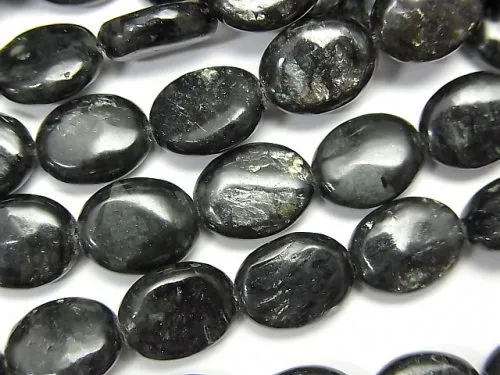
Nuummite is not something you see for sale every day. Our collection features cut-and-polished cabochons, beads, and strands chosen for their iridescent flash – squares, ovals, pears, rounds, and freeform shapes that are drilled and ready for your jewelry projects. Browse the current selection of one-of-a-kind stones and sets, and add a genuine iridescent gem to your collection or your next design.