TOC
- 1. What Is Lepidolite?
- 2. Lepidolite Meaning and History
- 3. Lepidolite Properties and Identification
- 4. Lepidolite Meaning in Crystal Lore
- 4-1. Lepidolite Metaphysical and Spiritual Meaning
- 4-2. Lepidolite Chakra Associations
- 4-3. Lepidolite Zodiac Signs and Birthstone Use
- 5. Lepidolite vs. Amethyst and Purple Mica: How to Tell Them Apart
- 6. Lepidolite Colors, Types, and Value
- 7. How to Use and Care for Lepidolite
- 8. Lepidolite FAQs
- 8-1. What is lepidolite good for?
- 8-2. Does lepidolite contain lithium, and is it safe to wear?
- 8-3. Can lepidolite go in water?
- 8-4. What is the difference between lepidolite and amethyst?
- 8-5. Where is lepidolite found?
- 9. Lepidolite for Sale at Kenkengems

What Is Lepidolite?
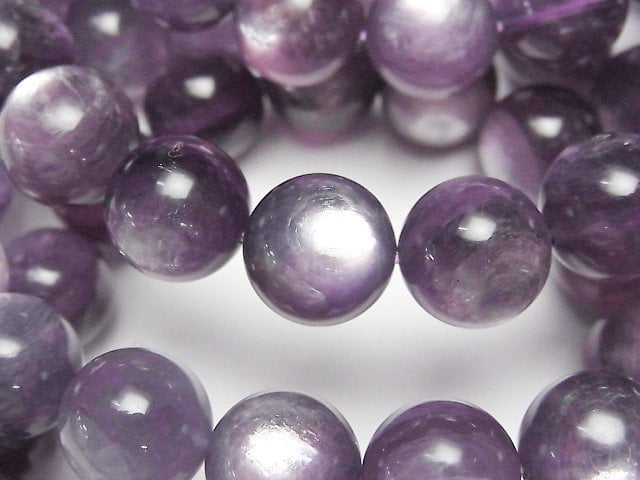
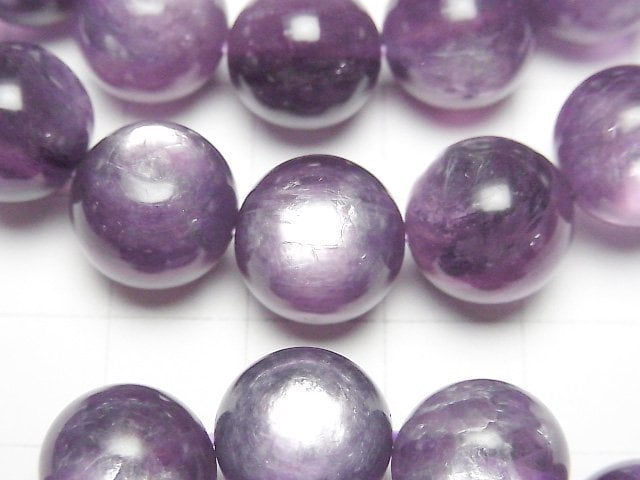
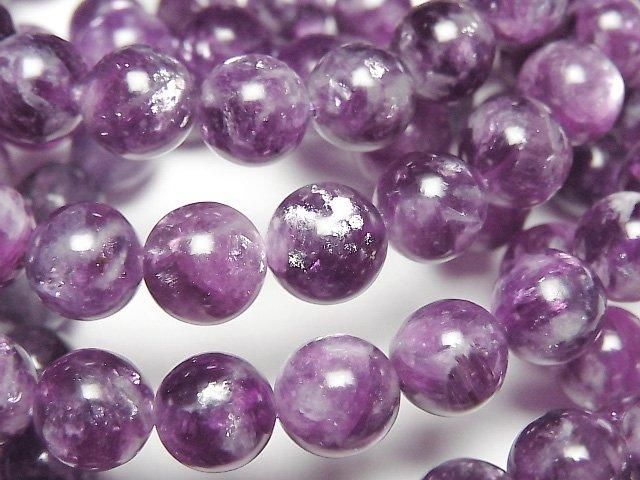
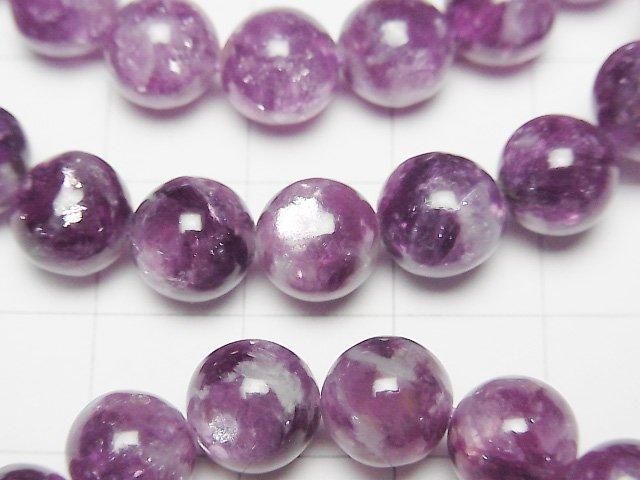
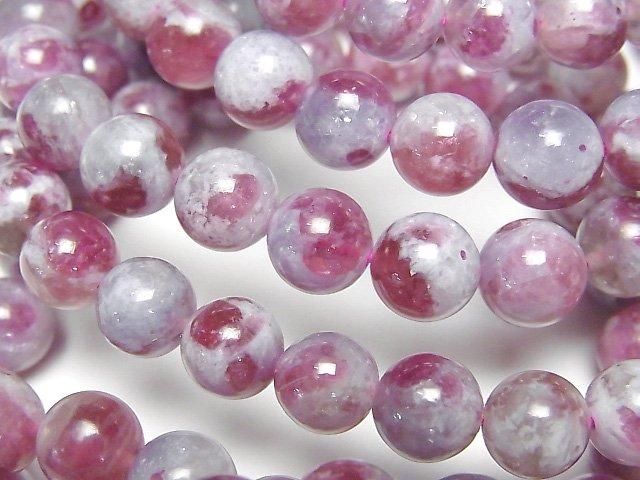
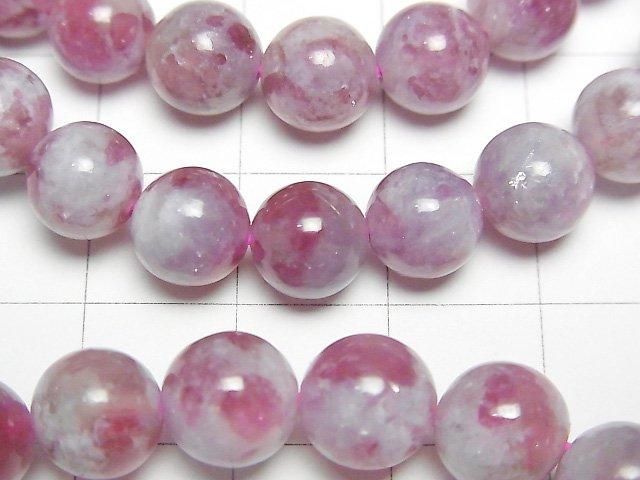
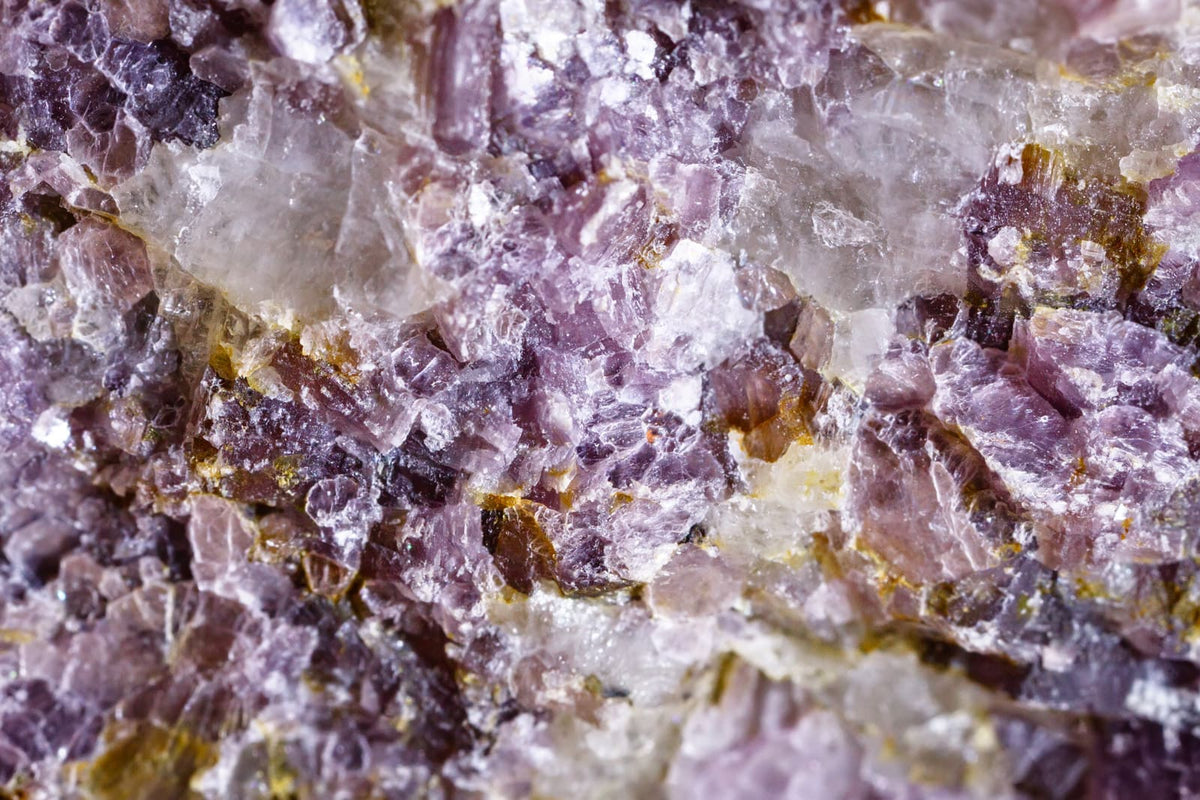
Lepidolite is a lithium-rich purple mica, best known in crystal lore as a stone of calm and emotional balance. Pronounced luh-PID-uh-lite, it owes its lilac-to-violet color to traces of manganese, and its gentle reputation to the natural lithium locked inside its structure. In this guide you'll learn the meaning of lepidolite, its folkloric and metaphysical associations, how it differs from amethyst, how to care for this soft stone, and what to look for when choosing lepidolite beads and cabochons for jewelry making.

Lepidolite is a lithium-bearing mineral of the mica group, known for its soft lilac, lavender, and purple colors. It is the most abundant lithium-bearing mineral and has long been mined as a secondary source of lithium — the same lightweight metal used in rechargeable batteries and in pharmaceutical mood-stabilizing medicines. The lithium in the mineral is chemically bound and has no medicinal effect when the stone is worn or held; the shared name is simply why crystal traditions so often link lepidolite with calm.
| Property | Detail |
|---|---|
| Mineral family | Mica (phyllosilicate) |
| Chemical formula | K(Li,Al)3(Al,Si)4O10(F,OH)2 |
| Color | Lilac, pink, purple; also gray, yellow, or nearly colorless |
| Mohs hardness | 2.5–3 (soft) |
| Luster | Pearly to vitreous |
| Chakras (crystal lore) | Heart, third eye, crown |
| Zodiac (crystal lore) | Often linked to Libra and Capricorn |
| Main sources | Brazil, Madagascar, Russia, and North America (California, South Dakota, Manitoba) |
Lepidolite Meaning and History
The name lepidolite comes from the Greek words "lepis" (scale) and "lithos" (stone), a nod to the mineral's flaky, scale-like mica structure. German chemist Martin Heinrich Klaproth first described it in 1792 and initially called it "lilalite" after its lilac color. In modern crystal traditions, lepidolite is often nicknamed the "peace stone" or "grandmother stone" for its nurturing, calming associations, and you may also see it sold as Lavender Stone or Lithium Mica.
Lepidolite also holds a real place in science history. In 1861, chemists Robert Bunsen and Gustav Kirchhoff processed about 330 lb (150 kg) of lepidolite and, in doing so, discovered the element rubidium. Today the mineral is still valued industrially as a secondary ore of lithium used in batteries, glass, and ceramics — a rare case where a crystal's symbolic meaning (calm) and its real chemistry (lithium) share the same word.

Lepidolite Properties and Identification
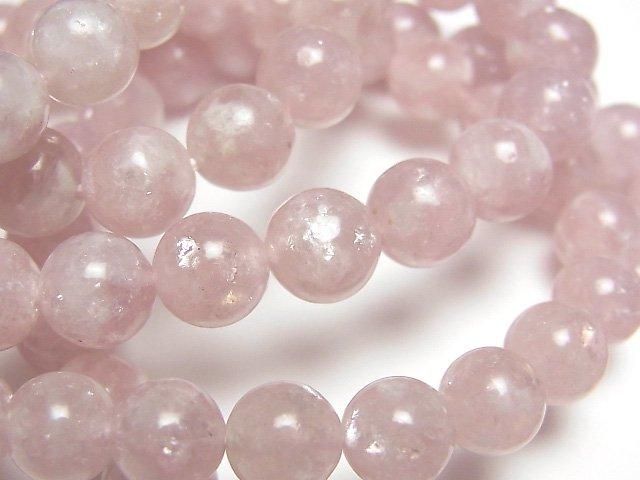
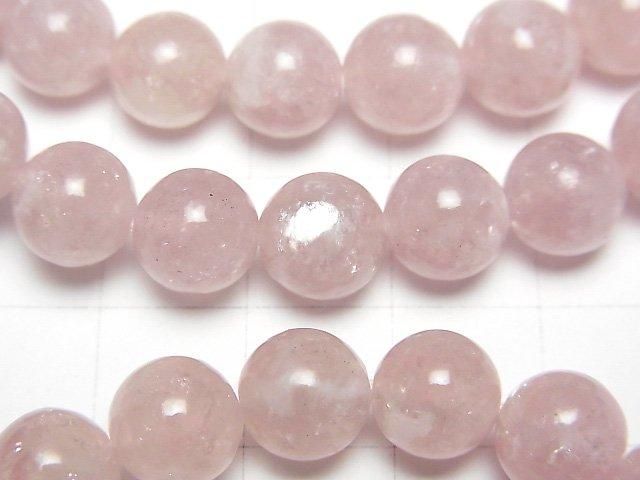
Lepidolite is a potassium-lithium-aluminum silicate — chemical formula K(Li,Al)3(Al,Si)4O10(F,OH)2 — that forms in lithium-rich granite pegmatites, often alongside tourmaline, spodumene, and amblygonite. Its signature pink-to-purple color comes from traces of manganese; pure mica would be nearly colorless. The mineral grows as stacked "books" of thin, flexible sheets, as sparkly fine-grained masses, and occasionally as rosettes.
How to identify lepidolite: look for (1) a lilac-to-purple color, (2) a pearly, glittery luster from countless mica flakes, and (3) softness — at 2.5–3 on the Mohs scale it can be scratched far more easily than quartz, and it splits into thin flexible sheets along its perfect cleavage. It also shows subtle pleochroism, shifting shade slightly with the viewing angle.
A note on treatments and lookalikes (FTC accuracy): most lepidolite on the market is natural and untreated, but because the stone is soft and crumbly, some fine-grained or bead material is stabilized (resin-bonded) to hold together, and occasional pieces are dyed to deepen the purple. Reputable sellers disclose any dyeing or stabilization, so ask before you buy. "Lepidolite in quartz" is a genuine natural intergrowth (mica flakes within harder quartz), not a treatment. See section 5 for how to separate lepidolite from amethyst and other purple minerals.
Where it's found: major deposits occur in Brazil (Minas Gerais), Madagascar, Russia, and Afghanistan. North America has notable sources too, including the historic pegmatite mines of San Diego County, California, the Black Hills of South Dakota, and the Tanco Mine at Bernic Lake, Manitoba, Canada.
Lepidolite Meaning in Crystal Lore
In crystal traditions, lepidolite is best known as a stone of calm. It is traditionally associated with peace, emotional balance, and gentle transitions, and many people keep a tumbled stone on a nightstand or in a pocket as a symbolic "worry stone." These associations come from folklore and personal practice, not from science. Lepidolite is not a treatment for anxiety, mood, sleep, or any medical or mental-health condition, and it should never replace professional care. These are traditional beliefs, not medical claims.
You may read that lepidolite is "calming because it contains lithium." It is true that lepidolite naturally contains lithium, and that a purified, pharmaceutical form of lithium is used in prescription mood medicines. But the trace lithium locked inside the crystal structure is chemically inert to the body and has no medicinal effect when the stone is worn or held. The connection is symbolic — a shared name — not a therapeutic one.
Popular ways people enjoy it: holding a palm stone during meditation or slow breathing; keeping a piece near the bed as part of a wind-down ritual; or wearing lepidolite jewelry as a personal, visual reminder to pause during a busy day.

Lepidolite Metaphysical and Spiritual Meaning
In metaphysical practice, lepidolite is viewed as a stone of transition and emotional release — a companion, believers say, for letting go of old patterns, softening frustration, and finding steadiness during change. Practitioners often describe it as gentle enough for beginners and for evening use, in contrast to more energizing crystals.
It is also considered a relationship-friendly stone in crystal lore, associated with patient communication and mutual understanding between partners. As with all metaphysical properties, these meanings come from folklore and modern crystal practice rather than science — enjoy them as tradition and personal ritual. These are traditional beliefs, not medical claims.

Lepidolite Chakra Associations
In chakra practice, lepidolite is most often linked to the heart, third eye, and crown chakras. Practitioners connect the heart placement with emotional comfort, the third eye with quieting mental chatter, and the crown with a sense of peace and perspective. A common approach is to rest a flat piece over the heart or forehead during a short meditation, or simply to wear it as a pendant. These are symbolic, tradition-based practices, not medical treatments.
Lepidolite Zodiac Signs and Birthstone Use
Lepidolite is not an official birthstone, but its lilac-purple color makes it a popular alternative or companion to amethyst, February's birthstone. Astrologically, sources most often connect lepidolite with Libra and Capricorn — Libra for its balancing symbolism, and Capricorn as a reminder for hard workers to rest. If you were born in another month or sign, there's no rule against it: in modern crystal practice, lepidolite is considered a universally gentle stone.
Lepidolite vs. Amethyst and Purple Mica: How to Tell Them Apart
The quickest way to tell lepidolite from amethyst is hardness: amethyst is quartz (Mohs 7) and will scratch glass, while lepidolite (Mohs 2.5–3) is soft, flaky, and has a pearly shimmer rather than glassy transparency.
| Lepidolite | Amethyst | |
|---|---|---|
| Mineral family | Mica (phyllosilicate) | Quartz |
| Mohs hardness | 2.5–3 | 7 |
| Luster | Pearly, glittery | Vitreous (glassy) |
| Typical look | Opaque to translucent, flaky sparkle | Transparent to translucent crystal |
| Best jewelry use | Pendants, earrings, occasional-wear beads | Everyday rings, bracelets, beads |
And "purple mica"? In most cases, purple mica and lepidolite are the same thing — lepidolite is simply the lithium-rich purple member of the mica family. Lepidolite can also resemble phosphosiderite, another soft lavender stone; the difference is composition (iron phosphate vs. lithium mica) and lepidolite's telltale mica glitter. When shopping, make sure each stone is named for what it actually is — natural lepidolite, amethyst, or phosphosiderite — rather than by color alone.
Lepidolite Colors, Types, and Value
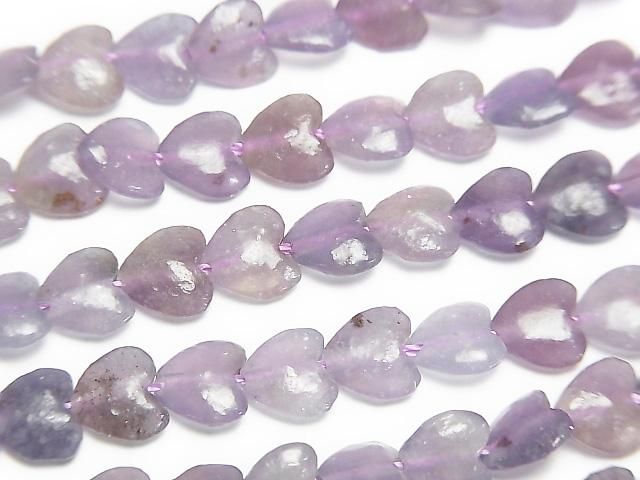
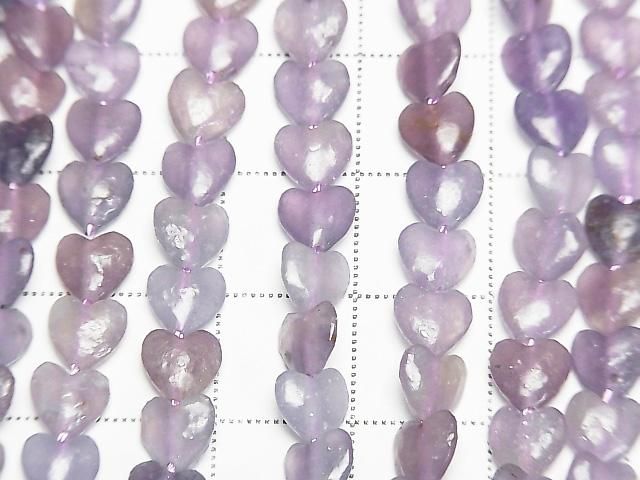
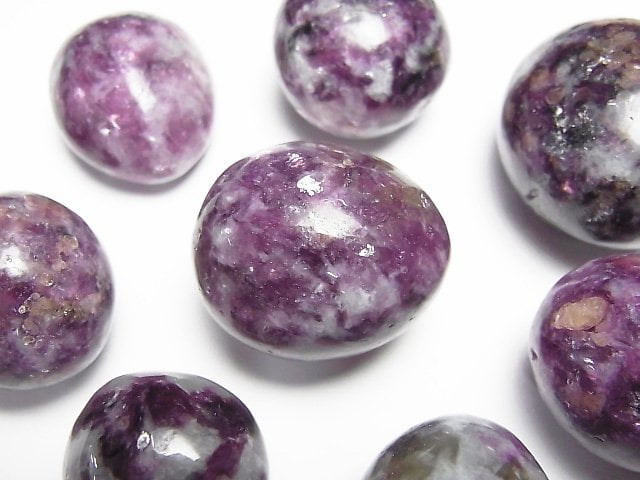
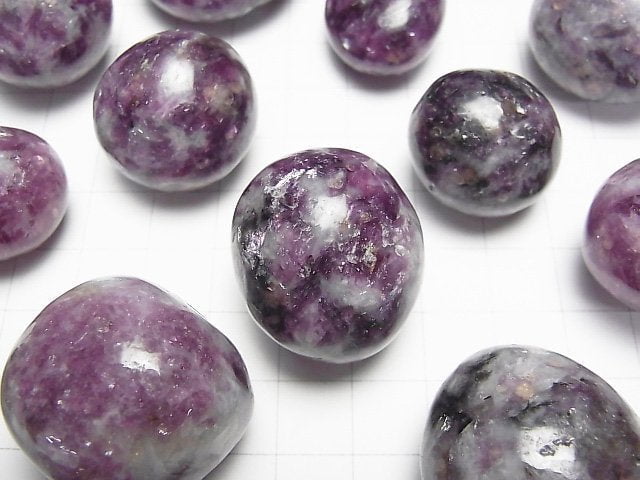
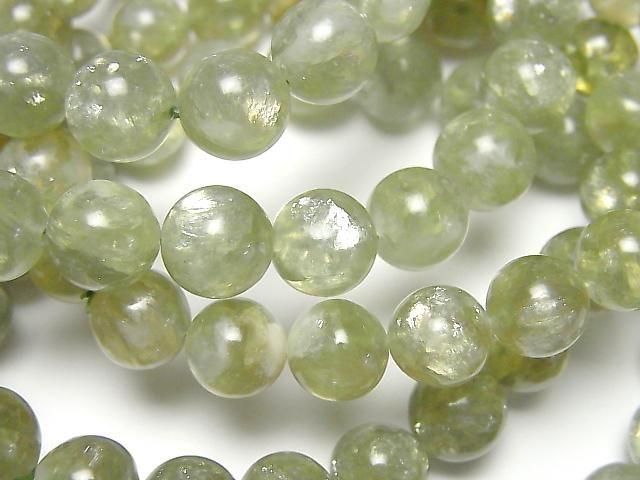
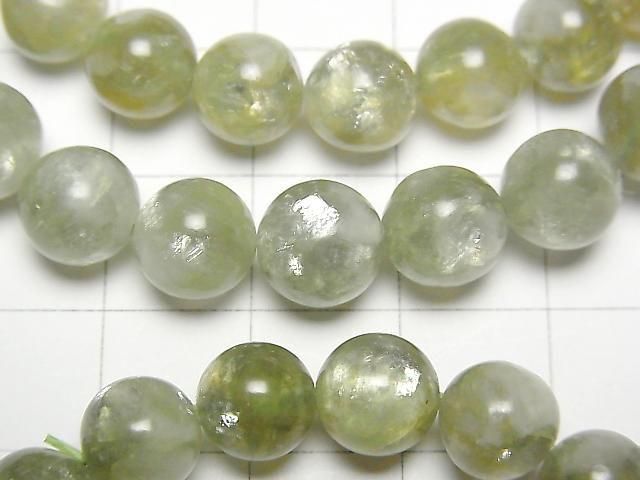
Lepidolite's value is driven mainly by color and structure: saturated lilac-to-purple stones are the most sought after, while gray, yellow, or nearly colorless material is common and inexpensive. The purple and pink hues come from manganese; white streaks are usually quartz or albite, and green flecks often indicate tourmaline inclusions.
Types you'll see for sale:
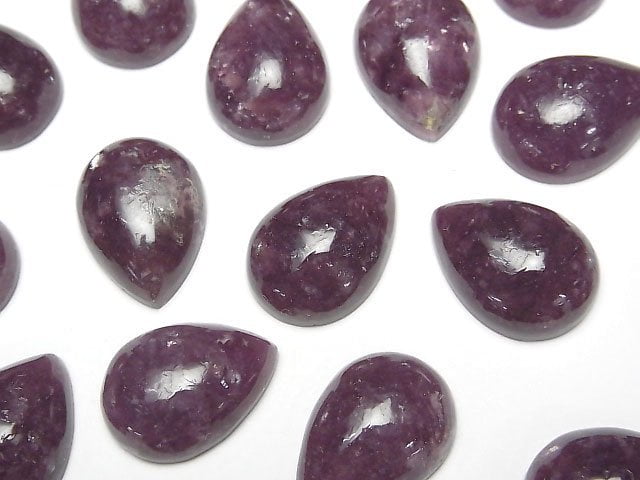
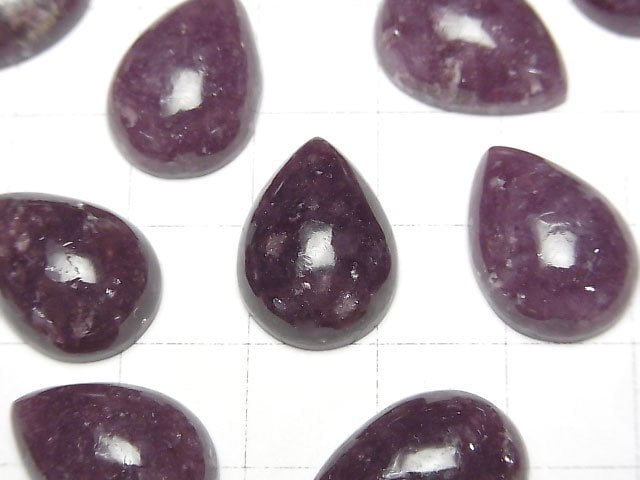
- Lepidolite in quartz: mica flakes locked inside harder quartz. This is the most durable form and the best choice for beads and cabochons that will be worn regularly.
- Massive (fine-grained) lepidolite: dense purple material used for tumbled stones, palm stones, spheres, and carvings.
- Lepidolite "books": raw stacked-sheet specimens prized by mineral collectors rather than jewelers.
As gemstones go, lepidolite is affordable in USD terms — most tumbled stones and bead strands cost far less than comparable amethyst — which makes it an easy stone to experiment with in jewelry designs. Translucency, even color, and a clean polish push prices up; crumbly, dull, or heavily included material should cost less. Prices vary with the market and cannot be guaranteed.

How to Use and Care for Lepidolite
Treat lepidolite gently — at Mohs 2.5–3 with perfect cleavage, it is one of the softest stones used in jewelry. Follow these rules to keep it beautiful:
- Keep water exposure brief. Wipe with a soft, dry or slightly damp cloth; never soak it, and never use ultrasonic or steam cleaners. Prolonged water contact can cause flaking and dullness.
- Store it separately from harder stones (quartz, amethyst, garnet) that can scratch it. A soft pouch or lined compartment works well.
- Remove it during rough activity. Take lepidolite rings or bracelets off before workouts, cleaning, or gardening.
Jewelry-design tips (from our bead workshop): lepidolite shines in low-impact pieces — pendants, earrings, and necklaces — where it won't knock against surfaces. For bracelets, choose quartz-rich lepidolite beads for durability, use a slightly thicker stringing cord, and add metal spacers so beads don't grind against each other. Drill holes in soft stones can be delicate, so avoid forcing wire through a tight hole.
Lepidolite FAQs
What is lepidolite good for?
In crystal traditions, lepidolite is valued above all as a symbol of calm and a companion for meditation and quiet moments. Practically, it's also a beautiful, affordable purple stone for pendants, earrings, and worry/palm stones. Its wellness associations are belief-based folklore, not medical advice, and lepidolite is not a treatment for any condition.
Does lepidolite contain lithium, and is it safe to wear?
Yes — lepidolite is the most common lithium-bearing mineral, and yes, it is safe to wear. The lithium is chemically locked into the stone's crystal structure, so normal handling and wearing release nothing into your skin and have no medicinal effect. Just avoid inhaling dust if you ever cut or sand the raw material.
Can lepidolite go in water?
It's best to keep lepidolite out of water. As a soft, layered mica (Mohs 2.5–3), it can flake, dull, or crumble with soaking. Clean it with a soft, dry or barely damp cloth, and skip ultrasonic cleaners, steam, and saltwater entirely.
What is the difference between lepidolite and amethyst?
They're different minerals that happen to share a purple color. Amethyst is hard, glassy quartz (Mohs 7) suited to everyday jewelry; lepidolite is a soft, pearly lithium mica (Mohs 2.5–3) better for pendants, earrings, and meditation stones. A simple scratch test, or lepidolite's mica glitter, tells them apart.
Where is lepidolite found?
Lepidolite forms in lithium-rich granite pegmatites. Key sources include Brazil, Madagascar, Russia, and Afghanistan, plus North American deposits in San Diego County, California, the Black Hills of South Dakota, and the Tanco Mine in Manitoba, Canada.
Lepidolite for Sale at Kenkengems
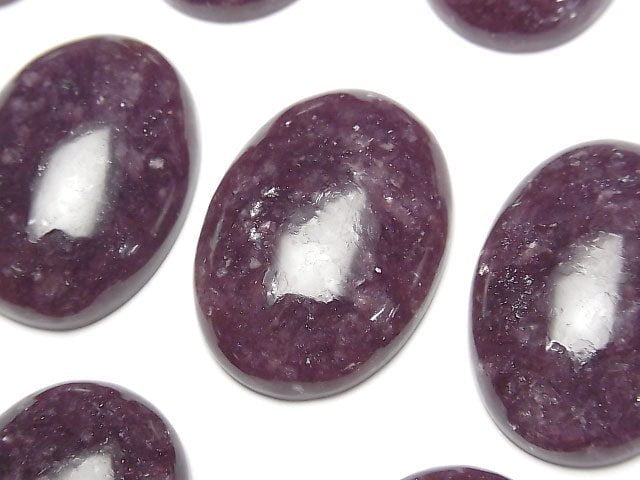
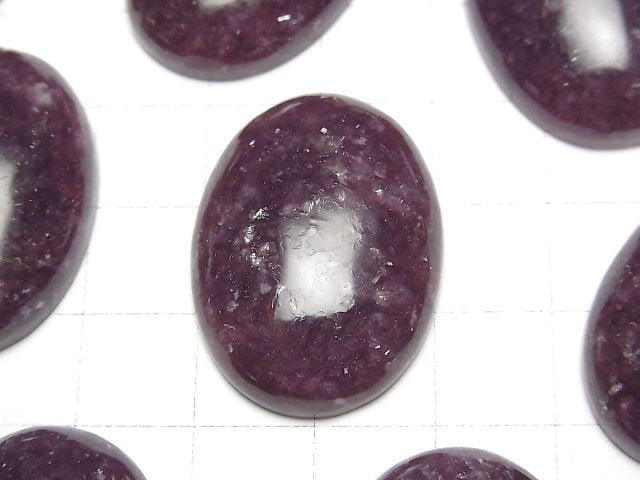
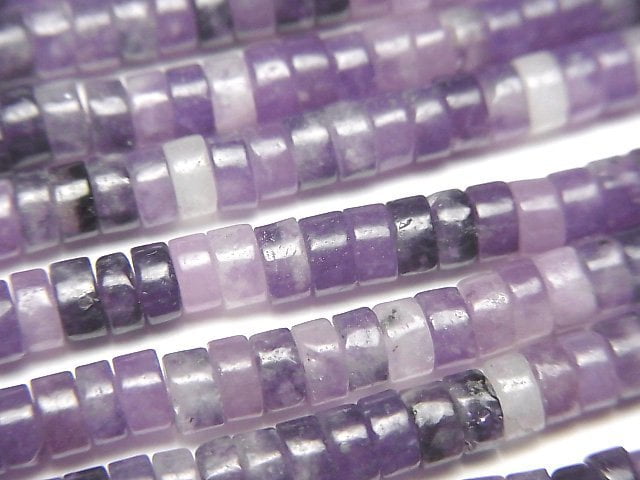
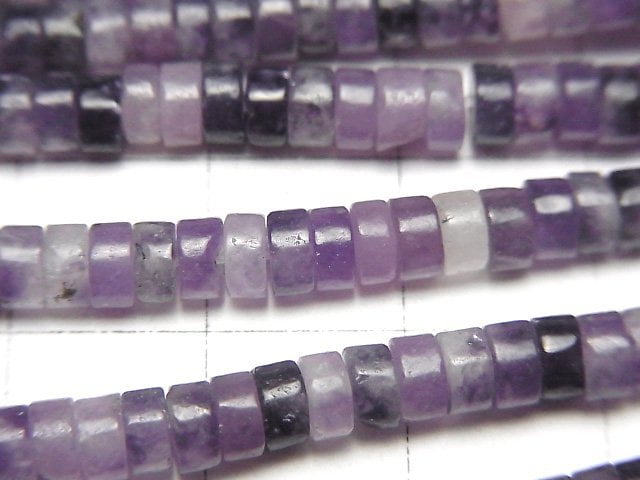
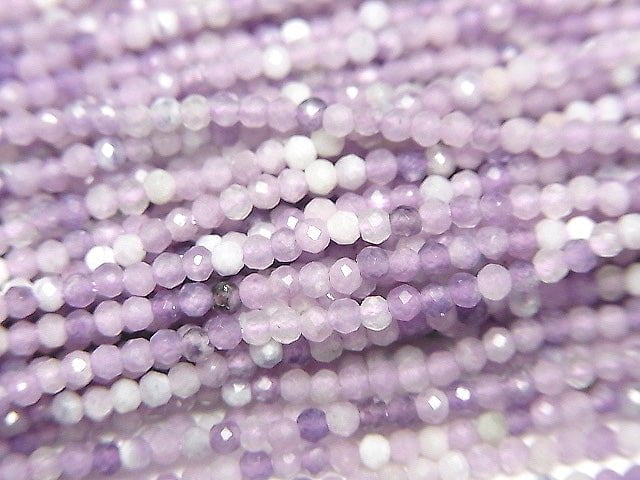
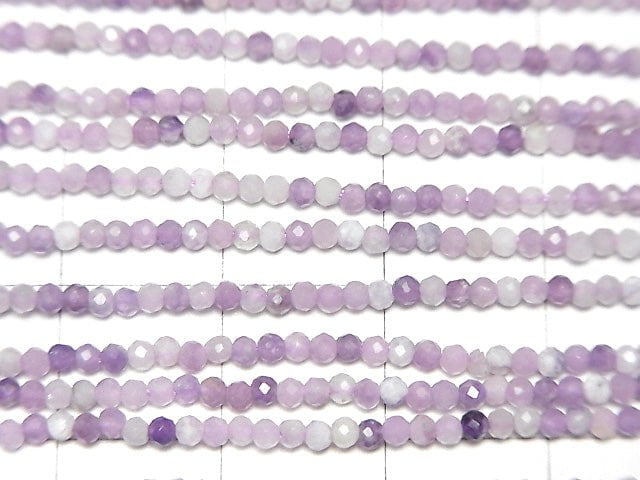
Ready to work with lepidolite? Kenkengems supplies lepidolite beads, cabochons, and loose stones at wholesale prices for jewelry designers and crystal lovers across the United States and Canada. You'll find strands in lilac, purple, cherry, and quartz-included varieties, in shapes from smooth rounds to faceted rondelles.
When choosing a strand, use our close-up photos to check color evenness and translucency, confirm the bead size and drill hole against your cord or wire, and note the strand length listed on each product page. Prices display in USD or CAD at checkout, we ship worldwide, and orders over USD $300 ship free.

Related reading: Amethyst · Phosphosiderite vs. Lepidolite · Sugilite · Charoite