TOC
Amethyst is a purple variety of quartz and one of the world's most popular crystals – the traditional February birthstone, prized for calm, clarity, and spiritual protection. In this guide, you'll learn what amethyst means, its healing and metaphysical properties, the main colors and varieties (from pink to chevron amethyst), how much amethyst is worth, and how to choose, cleanse, and care for your stone.
- 1. What Is Amethyst?
- 2. Amethyst Meaning and Symbolism
- 2-1. February Birthstone and Zodiac Signs
- 3. The Legend and History of Amethyst
- 4. Physical and Chemical Properties of Amethyst
- 5. Amethyst Colors and Varieties
- 5-1. Pink Amethyst
- 5-2. Chevron Amethyst
- 5-3. Green Amethyst (Prasiolite)
- 5-4. Ametrine, Vera Cruz, and Other Varieties
- 6. Amethyst Healing Properties and Benefits
- 6-1. Emotional and Mental Benefits
- 6-2. Physical Healing Associations
- 6-3. How to Use Amethyst
- 7. Metaphysical Properties of Amethyst
- 7-1. Chakra Associations
- 7-2. Best Crystal Pairings
- 8. How Much Is Amethyst Worth?
- 9. How to Identify Real Amethyst
- 10. How to Cleanse and Care for Amethyst
- 11. Where Is Amethyst Found?
- 12. Frequently Asked Questions About Amethyst
- 13. Shop Authentic Amethyst at KenKenGems

What Is Amethyst?
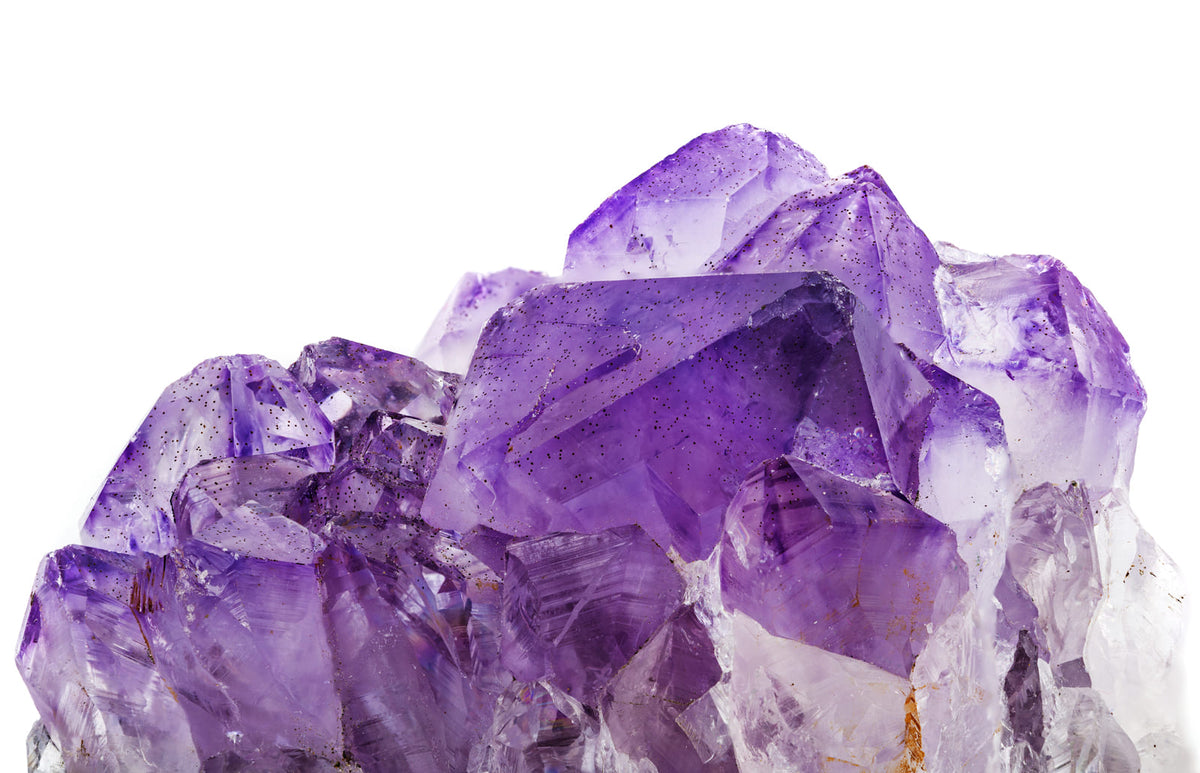
Amethyst is a violet-to-purple variety of quartz (silicon dioxide) – so yes, amethyst is both a mineral and a crystal, and it belongs to the quartz family. Its color comes from trace amounts of iron combined with natural irradiation inside the Earth.
With a hardness of 7 on the Mohs scale, amethyst is durable enough for everyday jewelry, which helped make it the most valued quartz variety and one of history's most beloved gemstones – worn by royalty, clergy, and collectors from ancient Greece to today.
Amethyst Meaning and Symbolism
The core amethyst meaning is calm, clarity, and spiritual protection. The name comes from the Greek "amethystos" – "not intoxicated" – and the stone has symbolized sobriety, self-control, and a clear mind for over two thousand years. In modern crystal traditions, amethyst represents:
- Peace and stress relief – quieting a busy mind
- Intuition and spiritual awareness
- Protection from negative energy
- Clarity for better decisions and healthier habits
Its royal purple color also carries an old association with nobility and dignity – the reason amethyst appears in crown jewels and bishops' rings alike.
February Birthstone and Zodiac Signs
Amethyst is the traditional birthstone for February, making it one of the most gifted gemstones in the U.S. and Canada – especially for birthdays and Valentine's Day. In astrology, it is most closely associated with Aquarius and Pisces, and it has long been linked to St. Valentine, who was said to wear an amethyst ring.
The Legend and History of Amethyst
According to Greek and Roman legend, a maiden named Amethyste was saved from the wrath of the wine god (Dionysus to the Greeks, Bacchus to the Romans) when the goddess turned her into a pillar of clear crystal; the remorseful god poured wine over the stone, staining it purple. Believing the gem could prevent intoxication, ancient Greeks drank from amethyst-studded cups and wore amethyst rings at feasts.
The stone's prestige continued for centuries: it appears in royal collections and religious regalia, and Catholic bishops traditionally wear amethyst rings as a symbol of purity and devotion. Until large Brazilian deposits were found in the 19th century, amethyst was as costly as ruby or emerald.

Physical and Chemical Properties of Amethyst
Amethyst's geology explains its color, durability, and value.
| Property | Value |
|---|---|
| Mineral class | Quartz (silicon dioxide, SiO2) |
| Hardness (Mohs) | 7 |
| Crystal system | Trigonal |
| Color | Lilac to deep violet-purple; color from iron traces + natural irradiation |
| Luster | Vitreous |
| Transparency | Transparent to translucent |
| Pleochroism | Weak to moderate (hue shifts with viewing angle and lighting) |
Amethyst crystallizes at relatively low temperatures (roughly 140–390 °F / 60–200 °C), often lining volcanic cavities as druzy coatings and geodes. Slow growth in iron-rich fluids also produces its famous color zoning – bands of deeper and paler purple within a single crystal.

Amethyst Colors and Varieties
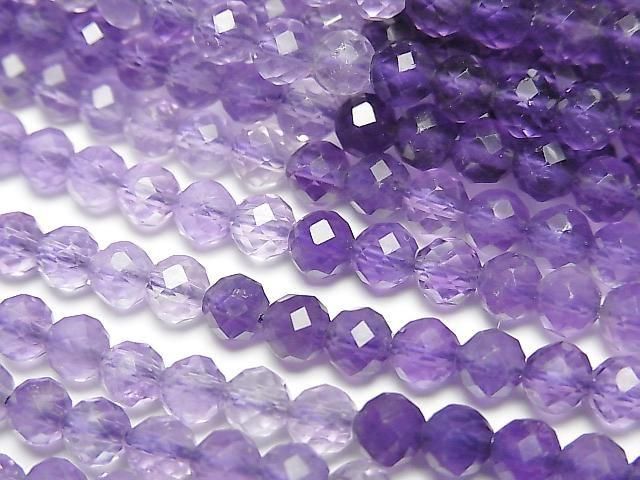
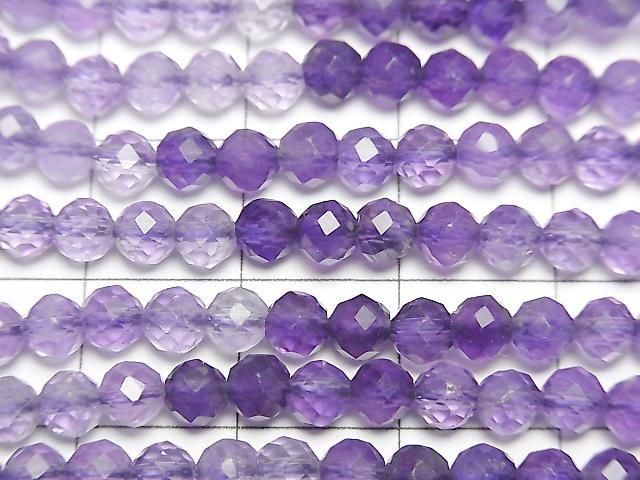
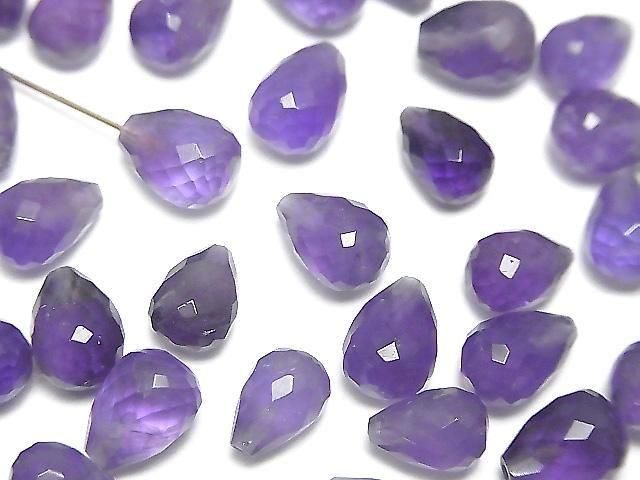
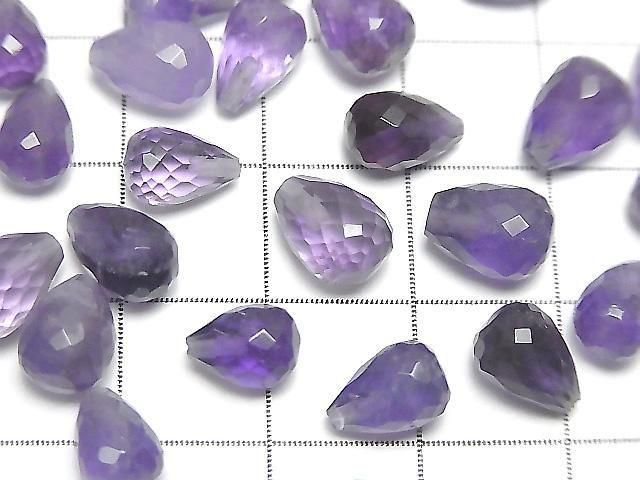
Amethyst ranges from pale lilac to deep, saturated purple – the darkest, red-flashing stones (often called "Siberian color") are the most valuable. Heating changes the color: above about 480 °F (250 °C) amethyst turns yellow-orange, which is how most commercial citrine is actually produced. Beyond color grades, several named varieties are popular with North American collectors:
Pink Amethyst
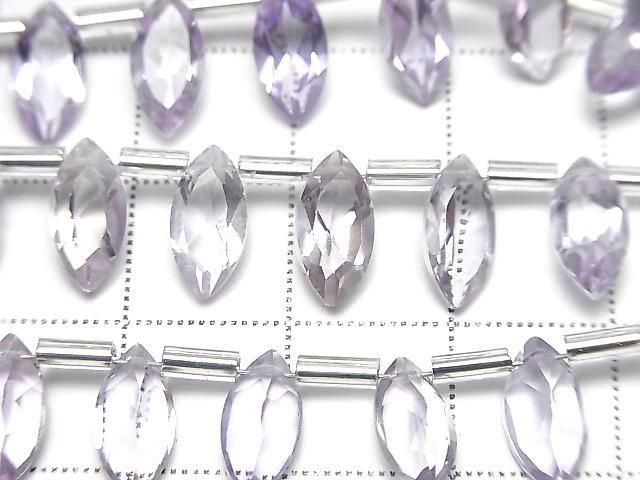
A soft, milky-pink variety colored by hematite inclusions, found mainly in Patagonia, Argentina and southern Brazil. Pink amethyst is relatively new to the market and is prized for druzy slabs and geodes – in crystal traditions it carries a gentler, heart-centered version of amethyst's calming energy.
Chevron Amethyst
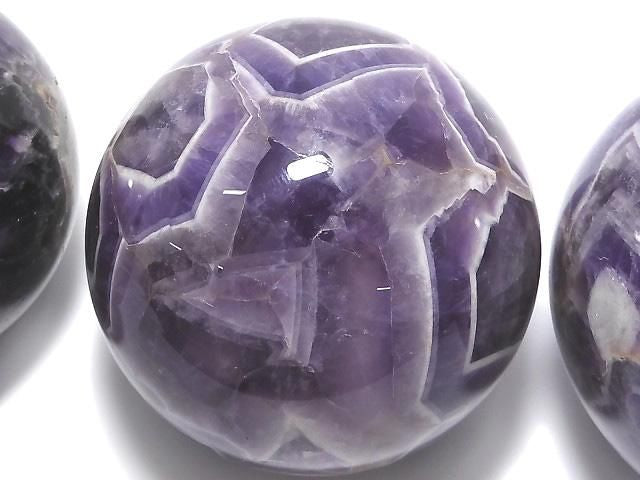
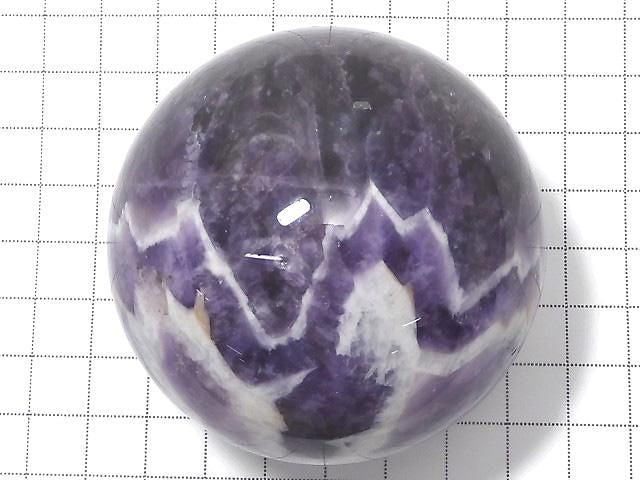
Chevron amethyst (also called banded or dog-tooth amethyst) shows striking V-shaped bands of purple amethyst and white quartz. In metaphysical practice it is considered especially strong for the third-eye chakra, intuition, and dream work.
Green Amethyst (Prasiolite)
Prasiolite, widely sold as "green amethyst," is a leek-green quartz. Natural prasiolite is rare – most on the market is produced by heat-treating amethyst – so reputable sellers disclose the treatment. Its soft green color makes it a popular, affordable alternative for spring and heart-chakra jewelry. Learn more in our green amethyst guide.

Ametrine, Vera Cruz, and Other Varieties
Ametrine combines amethyst purple and citrine yellow in a single bicolor crystal (mainly from Bolivia). Vera Cruz amethyst from Mexico forms elegant, pale, elongated crystal points loved by collectors. You may also see locality names like Brandberg (Namibia) or Thunder Bay (Canada) used for distinctive regional material.
Amethyst Healing Properties and Benefits
In crystal healing tradition, amethyst is regarded as a master stone of calm – the go-to crystal for stress relief, restful sleep, and mental clarity. Its benefits are described across three levels: emotional, physical, and spiritual.
Emotional and Mental Benefits
Practitioners traditionally use amethyst to:
- Calm anxiety, overthinking, and everyday stress
- Support deep, restful sleep and ease nightmares (a stone under the pillow or on the nightstand is a classic use)
- Sharpen focus and clear mental fog for better decision-making
- Support self-control – its ancient "sobriety stone" reputation makes it a companion for breaking unwanted habits
Physical Healing Associations
Folk and lithotherapy traditions associate amethyst with relaxation of the nervous system, relief from tension headaches, and better sleep quality.
Note: These are traditional beliefs, not medical claims. Amethyst should never replace professional healthcare – consult a physician for any medical condition.
How to Use Amethyst
- Wear it: amethyst jewelry (bracelets, pendants, rings) keeps its calming energy with you all day – and at Mohs 7 it stands up to daily wear.
- Sleep with it: place a tumbled stone on the nightstand or under the pillow for restful sleep.
- Meditate: hold a stone or gaze at a cluster to settle the mind before meditation.
- Style your space: an amethyst geode or cluster in the living room or office is both décor and an anchor of calm.

Metaphysical Properties of Amethyst
Metaphysically, amethyst is one of the great spiritual stones: it is believed to heighten intuition, deepen meditation, and shield the aura from negative energy. It is also a traditional stone of faithful love – associated with St. Valentine and long favored to protect and strengthen committed relationships – while supporting personal growth and connection to higher wisdom.
Chakra Associations
Amethyst resonates with the third-eye chakra (intuition, insight) and the crown chakra (spiritual connection). Placing amethyst at the brow or crown during meditation is the classic way to work with these centers; chevron amethyst is considered especially potent for the third eye.
Best Crystal Pairings
Amethyst pairs well with clear quartz (amplifies and clarifies), rose quartz (adds heart-softening energy for the classic "calm + love" combo), and citrine (its sunny quartz sibling – together they mirror natural ametrine, balancing relaxation with optimism).
How Much Is Amethyst Worth?
Amethyst is one of the most affordable major gemstones. As a general guide in USD:
- Tumbled stones and beads: a few dollars per piece; strands typically $5–25
- Faceted gems (good color, eye-clean): about $20–30 per carat, with top "Siberian" deep purple reaching $40–50+ per carat
- Clusters and geodes: from about $20 for small pieces to hundreds of dollars for large cathedral geodes
Color drives value most: deep, evenly saturated purple with red or blue flashes commands the premium, while pale lavender is the most budget-friendly. Because amethyst is plentiful, large stones stay affordable – unlike ruby or sapphire, price per carat rises little with size.

How to Identify Real Amethyst
Real amethyst is affordable, but glass imitations and mislabeled stones still circulate online. Quick checks before you buy:
- Color zoning: natural amethyst almost always shows subtle bands or patches of lighter and deeper purple; perfectly uniform color suggests glass or synthetic material.
- Hardness: at Mohs 7, amethyst scratches glass easily.
- Bubbles: round air bubbles inside the stone mean glass, not quartz.
- Temperature: genuine quartz feels cool to the touch and warms slowly.
- Too-good "citrine": bright orange "citrine" is very often heat-treated amethyst – reputable sellers will tell you.
How to Cleanse and Care for Amethyst
Physical care: clean with lukewarm water, mild soap, and a soft cloth. Amethyst is durable (Mohs 7), but keep it away from prolonged direct sunlight – UV exposure gradually fades the purple color. Avoid sudden temperature changes and store away from harder stones like topaz and diamond.
Energetic cleansing: practitioners favor moonlight, sound, or placing the stone on selenite. A brief rinse is fine; skip long soaks and salt water.
Where Is Amethyst Found?
Most of the world's amethyst comes from Brazil and Uruguay, where volcanic geodes can reach room size; Zambia produces deeply saturated gems, and Russia's Ural Mountains gave the legendary "Siberian" color grade its name. North America has notable sources too: Thunder Bay, Ontario is home to Canada's largest amethyst deposit (amethyst is Ontario's official mineral), and it is also the state gemstone of South Carolina.
Frequently Asked Questions About Amethyst
What is amethyst good for?
Amethyst is used primarily for calm and clarity – easing stress, supporting restful sleep, and sharpening focus. It's also the February birthstone and a popular protective stone.
What does amethyst do spiritually?
Spiritually, amethyst is believed to open the third-eye and crown chakras, deepen meditation and intuition, and shield the aura from negative energy.
Is amethyst a quartz?
Yes. Amethyst is the purple variety of quartz (silicon dioxide), colored by trace iron and natural irradiation. That also makes it both a mineral and a crystal.
Can amethyst go in water or sunlight?
Brief contact with water is fine – quartz is water-safe for cleaning. Prolonged direct sunlight is the real risk: UV light slowly fades amethyst's purple color, so store it out of bright sun.
Who should wear amethyst?
Anyone can wear amethyst, but it's especially loved by people seeking calm under stress, better sleep, or support with focus and self-discipline – and, of course, anyone born in February.
Shop Authentic Amethyst at KenKenGems
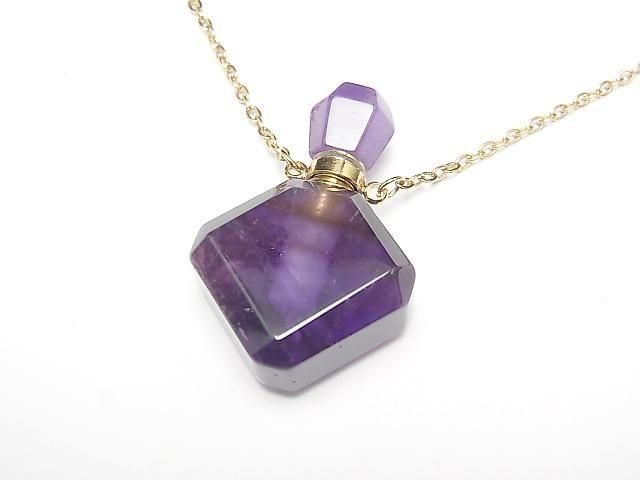
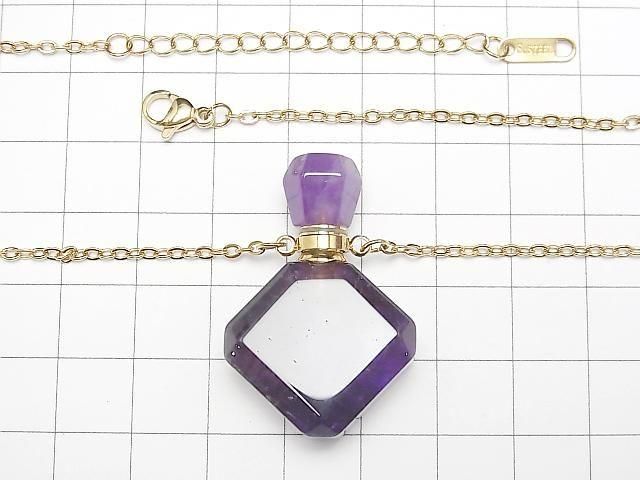
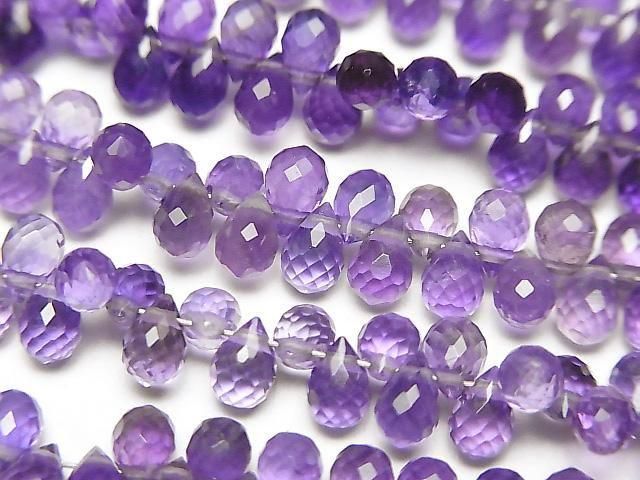
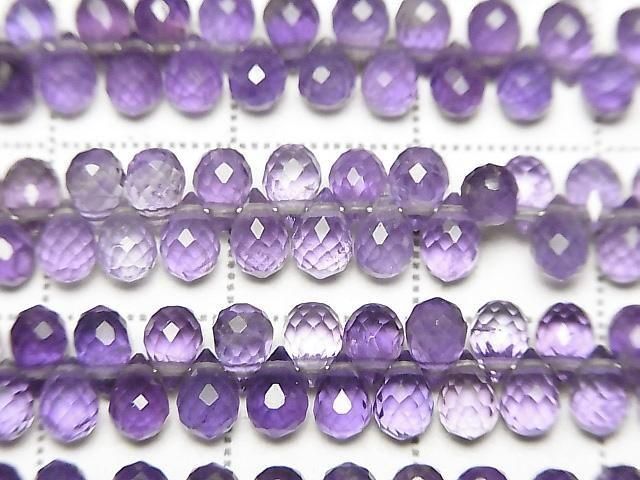
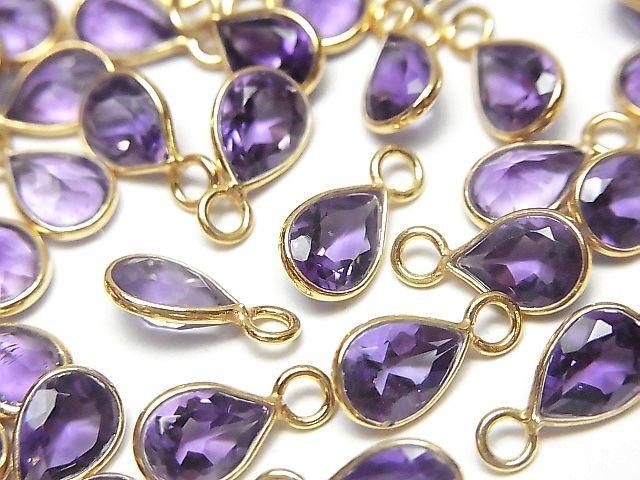
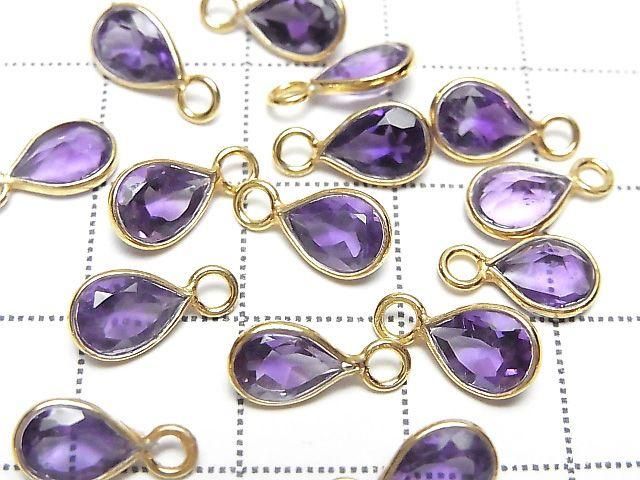
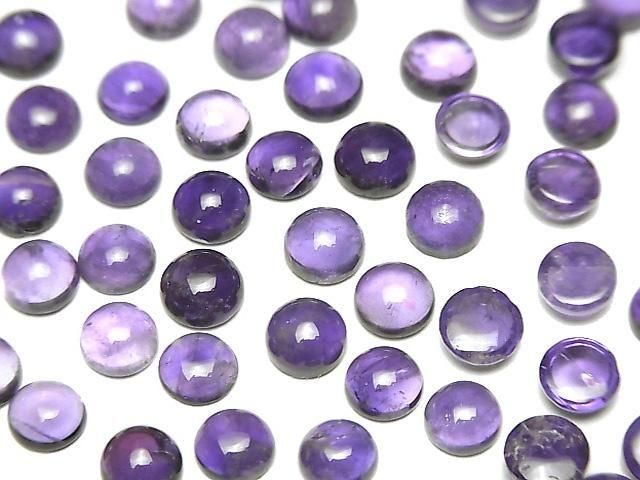
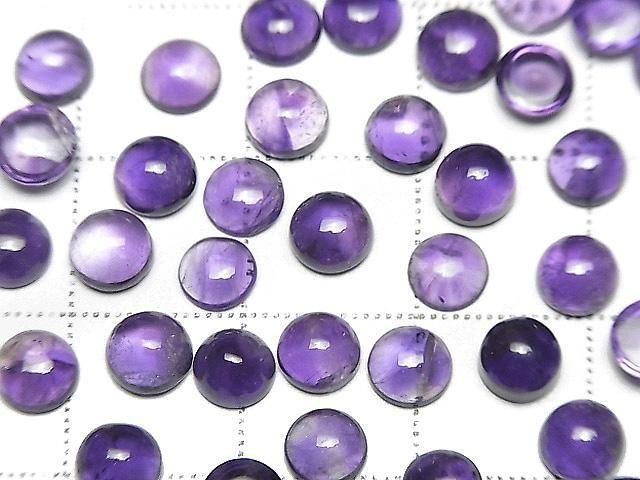
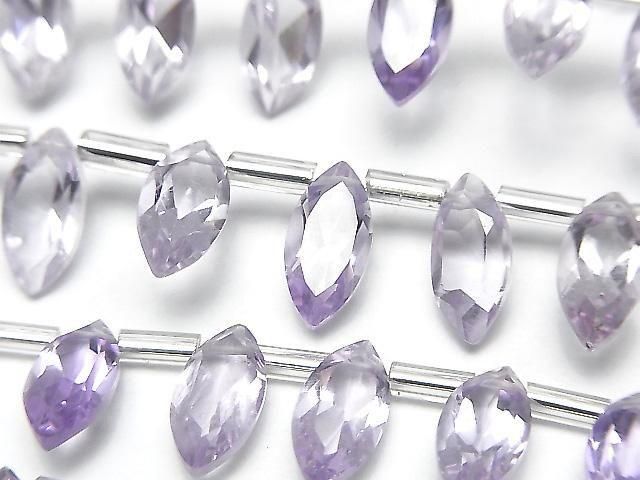
Ready to bring home the February birthstone? KenKenGems offers jewelry-grade amethyst in every form – faceted loose gems, beaded strands, cabochons, nuggets, and one-of-a-kind druzy pieces – from pale lavender to intense royal purple. Every strand is hand-inspected in Japan, priced for jewelry makers, and shipped quickly to the U.S. and Canada.




![[One of a kind] Phantom Amethyst Moldavite Pendant 18KGP No.22](http://store.kenkengems.com/cdn/shop/files/190432345.jpg?v=1776756893&width=640)
![[One of a kind] Phantom Amethyst Moldavite Pendant 18KGP No.22](http://store.kenkengems.com/cdn/shop/files/190432345_o1.jpg?v=1776756880&width=640)