
TOC
- 1. Hematite Meaning at a Glance
- 2. What Is Hematite?
- 3. Hematite Spiritual Meaning and Symbolism
- 3-1. Hematite and the Root Chakra
- 3-2. Hematite Zodiac, Planet, and Element Associations
- 3-3. Hematite Ring Meaning
- 3-4. Hematite Benefits for Men and Women
- 4. Hematite Properties: Color, Streak, Hardness, and Magnetism
- 4-1. Hematite on the Mohs Hardness Scale
- 4-2. Is Hematite Magnetic?
- 4-3. Hematite vs Magnetite, Obsidian, Jet, and Bloodstone
- 5. Hematite Healing Properties and Wellness Beliefs
- 6. What Is Hematite Used For?
- 7. Types of Hematite and Related Stones
- 7-1. Specular Hematite, Kidney Ore, and Iron Rose
- 7-2. Black Hematite and Copper Hematite Meaning
- 7-3. Hematite Quartz: A Different Stone
- 8. How to Use Hematite
- 9. How to Cleanse and Care for Hematite
- 10. How to Tell If Hematite Is Real
- 11. Hematite Price and Value
- 12. Buying Hematite Beads and Stones from KenKenGems
- 13. Hematite FAQ
- 13-1. What is the meaning of hematite?
- 13-2. What does hematite do spiritually?
- 13-3. What is hematite used for?
- 13-4. What is hematite good for?
- 13-5. How hard is hematite on the Mohs scale?
- 13-6. Is hematite magnetic?
- 13-7. Can hematite get wet?
- 13-8. How much does hematite cost?
- 13-9. What color is hematite?
- 13-10. How can I tell if hematite is real?
- 13-11. How do you cleanse hematite?
- 13-12. Is hematite the same as bloodstone?
- 13-13. What chakra is hematite associated with?
- 13-14. Is hematite safe for everyday jewelry?
- 14. Final Thoughts on Hematite

Hematite Meaning at a Glance
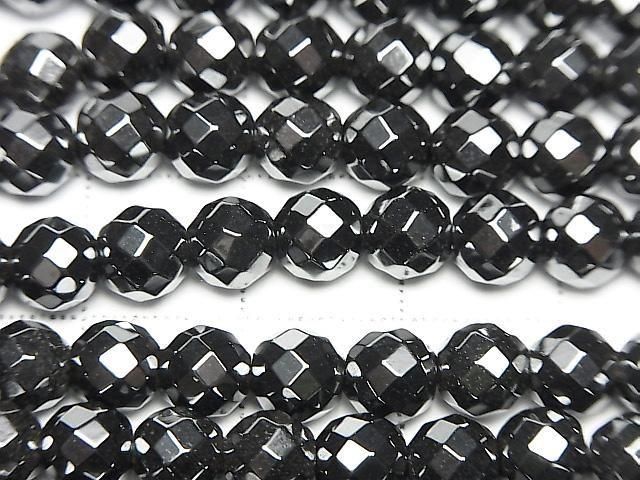
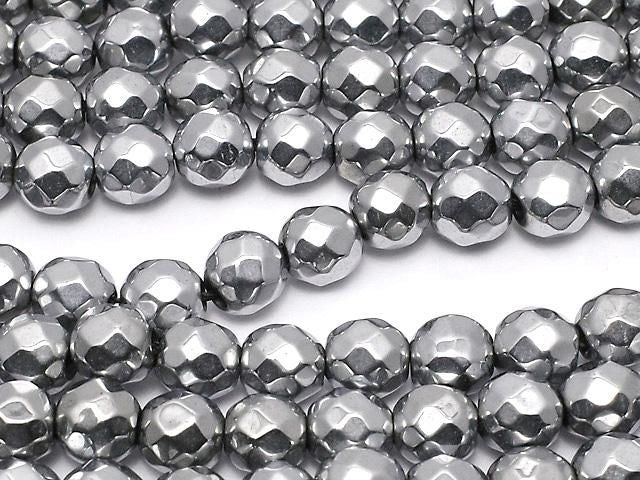
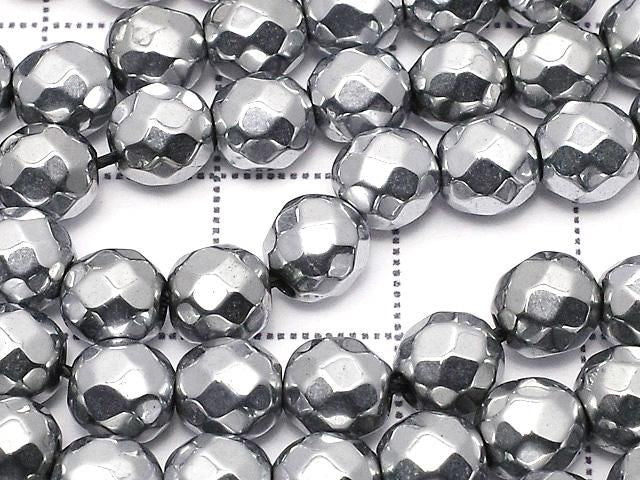
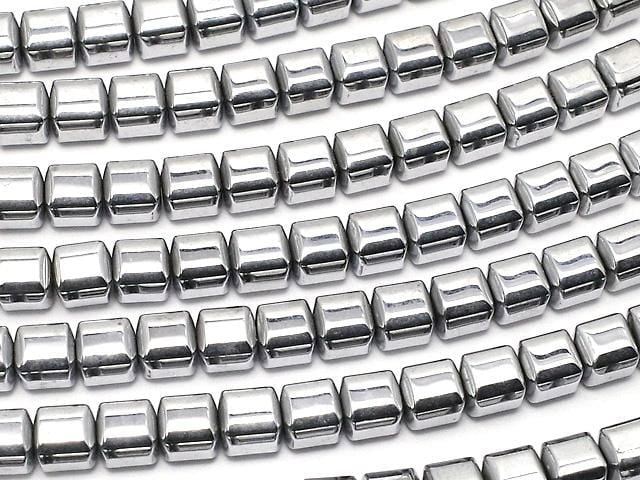
Hematite meaning centers on grounding, protection, courage, and clear focus. It is an iron oxide mineral that usually appears black to steel-gray with a metallic-to-earthy luster, yet its diagnostic red to reddish-brown streak is why its name is tied to blood. If you are choosing hematite for jewelry, meditation, or beadwork, the most practical things to know are that it feels noticeably heavy for its size, should be kept dry, and is often confused with man-made magnetic look-alikes.
Quick guide:
- Meaning: grounding, protection, stability, courage, and mental clarity
- Mineral family: iron oxide (Fe2O3)
- Common colors: black hematite, steel-gray, silver-gray, and reddish brown in earthy forms
- Streak: red to reddish-brown (its most reliable identification clue)
- Mohs hardness: about 5-6.5 in metallic varieties; earthy "red ochre" forms are much softer
- Specific gravity: about 5.3, so it feels heavy for its size
- Best uses: bracelets, beads, grounding stones, and dark metallic accents in jewelry
- Care: avoid soaking, saltwater, steam, harsh chemicals, and ultrasonic cleaners

What Is Hematite?
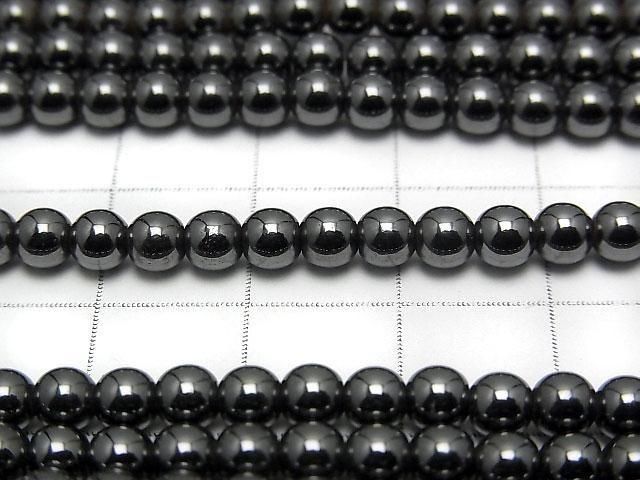
Hematite (pronounced "HEE-muh-tite" or "HEM-uh-tite") is a naturally occurring iron oxide mineral with the formula Fe2O3. It is not quartz, glass, or bloodstone; it is an opaque, iron-rich mineral that has been used for thousands of years as an iron ore, a red pigment, and a material for beads, cabochons, and carvings. Mineral references such as Mindat and the University of Minnesota describe hematite as opaque, commonly steel-gray to black in crystalline forms and rust-red in earthy forms, with a luster ranging from splendent metallic to dull earthy.
For shoppers, the simplest description is this: hematite is a dense, dark metallic stone with a hidden red streak. Its name comes from the Greek word "haima," meaning blood, a reference to the red color of its powder rather than to the surface color you usually see.
Hematite Spiritual Meaning and Symbolism
Hematite's spiritual meaning is protection through grounding. In crystal tradition, it is used to help settle scattered thoughts, encourage courage, and bring attention back to the body and the present moment. The blood association comes from the Greek word haima and from the stone's red streak, not from hematite being a bloodstone. Historically it also served as a pigment and as a protective amulet, and today many people wear it as a personal reminder of strength, boundaries, and stability.
Spiritual and metaphysical meanings commonly associated with hematite include:
- Grounding and root-chakra support
- Protection and a sense of energetic boundaries
- Courage, confidence, and resilience
- Focus, discipline, and practical decision-making
- Balance between emotional intensity and calm, rational action
In modern crystal practice and ritual work, hematite is most often chosen for grounding and anchoring energy after meditation. These are traditional cultural beliefs, not medical claims, and they are not a substitute for professional advice.

Hematite and the Root Chakra
Hematite is most often linked with the root chakra because its symbolism is about safety, steadiness, and physical presence. For a simple practice, hold a hematite stone in your hand, place both feet on the floor, and focus on slow breathing for a few minutes. The stone’s weight and cool, metallic feel can act as a tactile cue to pause, reset, and act from a calmer state.
Hematite Zodiac, Planet, and Element Associations
In crystal lore, hematite is traditionally associated with the zodiac signs Aries and Aquarius, the planet Mars, and the element of Earth. These pairings are cultural and symbolic rather than scientific: the Mars link reflects the planet’s iron-rich, rust-red surface (much of it literally colored by hematite), while the Earth element mirrors the stone’s grounding reputation. Many people simply choose hematite because its steady, weighty feel matches the qualities they want to focus on, regardless of birth chart.
Hematite Ring Meaning
A hematite ring usually symbolizes protection, focus, and grounded confidence. Because solid hematite can be brittle, rings carved entirely from the stone should be treated more gently than metal bands: avoid hard knocks, prolonged water exposure, and dropping them on tile or concrete. If a "hematite" ring is strongly magnetic or snaps to other metal, it is most likely man-made magnetic hematite (often sold as hematine), not natural hematite, and it should be described that way.
Hematite Benefits for Men and Women
The meanings people associate with hematite are not gender-specific. Searches like "hematite benefits for men" usually point to themes such as confidence, stamina, courage, and focus, but those symbolic associations apply to anyone. In jewelry, hematite’s dark metallic look makes it a popular choice for minimalist bracelets, men’s styles, and neutral unisex designs. Any "benefits" here refer to traditional symbolism and personal preference, not to physical or medical effects.
Hematite Properties: Color, Streak, Hardness, and Magnetism
Hematite’s properties are easiest to understand when you separate its mineral facts from its crystal meanings. Its meaning may be grounding and protection, but its physical identity comes from an iron-oxide composition, high density, an opaque appearance, and a red-to-brown streak. The table below summarizes the key data points, drawn from standard mineral references.
| Property | What to know |
|---|---|
| Mineral class | Oxide mineral |
| Chemical formula | Fe2O3 (ferric iron oxide, roughly 70% iron by weight) |
| Color | Black, steel-gray, silver-gray; red to rust-red in earthy forms |
| Luster | Splendent metallic, sub-metallic, dull, or earthy |
| Streak | Red to reddish-brown — the single most reliable ID clue |
| Mohs hardness | About 5–6.5 in metallic varieties; earthy "red ochre" is very soft (<2) |
| Specific gravity | About 5.3 (feels heavy for its size) |
| Transparency | Opaque |
| Cleavage | None |
| Magnetism | Natural hematite is weakly magnetic at most; strong attraction usually means magnetite content or man-made magnetic hematite / hematine |

Hematite on the Mohs Hardness Scale
On the Mohs hardness scale, metallic hematite sits at about 5 to 6.5, which makes it harder than glass (about 5.5) but softer than quartz (7). Earthy, powdery forms known as red ochre are far softer and can be scratched with a fingernail. In practical terms, hematite is durable enough for beads and bracelets but can still scratch, chip, or crack on impact, so it is best kept away from harder gemstones and hard knocks. Its high specific gravity (around 5.3) is often a better everyday identifier than hardness, because genuine hematite feels distinctly heavier than plastic or glass imitations of the same size.
Is Hematite Magnetic?
Natural hematite is not normally strongly attracted to a household magnet. Some specimens show weak magnetism, especially when they contain magnetite or other impurities, but strong attraction is a warning sign that the item is "magnetic hematite," hematine, or another manufactured material. For retail buyers the safest wording is simple: natural hematite may be weakly magnetic, while strongly magnetic beads should be clearly labeled as magnetic or man-made.
Hematite vs Magnetite, Obsidian, Jet, and Bloodstone
Hematite is often confused with other dark stones, but a few quick checks — especially the streak test — tell them apart. Rubbing a sample across unglazed porcelain reveals the underlying powder color, which is the most dependable clue.
| Stone | How it differs from hematite | Streak |
|---|---|---|
| Magnetite | Strongly magnetic; often mixed with hematite | Black |
| Obsidian | Volcanic glass; lighter, glassy, not iron-heavy | White / none |
| Jet | Organic fossilized material; much lighter and warmer to the touch | Brown |
| Bloodstone | Green chalcedony with red spots; unrelated despite the name | White |
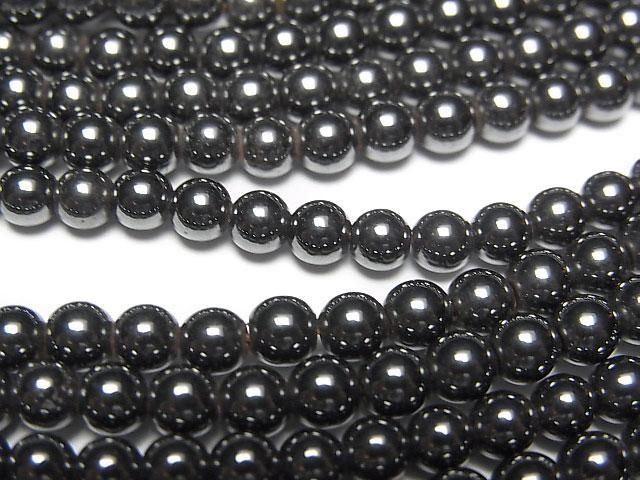
| Hematite | Dense and heavy with a metallic-to-earthy luster | Red to reddish-brown |
Hematite Healing Properties and Wellness Beliefs
In crystal tradition, hematite is associated with strength, focus, and emotional grounding, largely because of its iron content and blood-colored streak. It is important to be clear about what that does and does not mean. Hematite is not a medicine and is not a treatment for any condition. Claims that it can treat blood pressure, circulation, pregnancy, pain, addiction, or any illness are not supported by scientific evidence and should be avoided.
A responsible and more useful way to describe hematite’s "healing properties" is as a mindfulness tool: many people use it to support grounding routines, stress awareness, self-confidence, and personal focus. It can complement meditation or a wellness practice, but it should never replace medical advice, diagnosis, or treatment from a qualified professional. These are traditional beliefs, not medical claims.

What Is Hematite Used For?
Hematite is used in three broad ways: industrially, decoratively, and in personal crystal practice. Industrially it is the world’s most important iron ore — more than 90% of the iron mined in North America comes from hematite deposits — and its powdered red-ochre form has colored paints and pigments for thousands of years, from cave art to the classic red barn. Those uses are why hematite matters far beyond the jewelry counter.
For makers and crystal users, hematite is valued where its weight, metallic shine, and grounding symbolism can be felt or seen:
- Jewelry: bracelets, spacer beads, and dark metallic accents paired with sterling silver, black onyx, or tiger’s eye
- Meditation and grounding: a tumbled stone carried in a pocket or held during practice
- Home and office: a desk or shelf piece used as a visual cue to refocus and set boundaries
- Carvings and décor: specular and kidney-ore hematite shaped into ornaments and cabochons
Types of Hematite and Related Stones
Hematite appears in several forms, and the names matter when you are buying beads or finished pieces. Knowing the difference helps you match the material to your project and avoid surprises about color or finish.
- Specular hematite (specularite): shiny, micaceous, mirror-like hematite with a sparkling metallic surface
- Kidney ore: botryoidal hematite in rounded, kidney-like masses
- Iron rose: platy hematite crystals arranged like the petals of a rose
- Red ochre: earthy, powdery hematite used historically as pigment
- Hematite quartz: quartz with hematite inclusions — often red, orange, or yellow and translucent, visually very different from solid black hematite
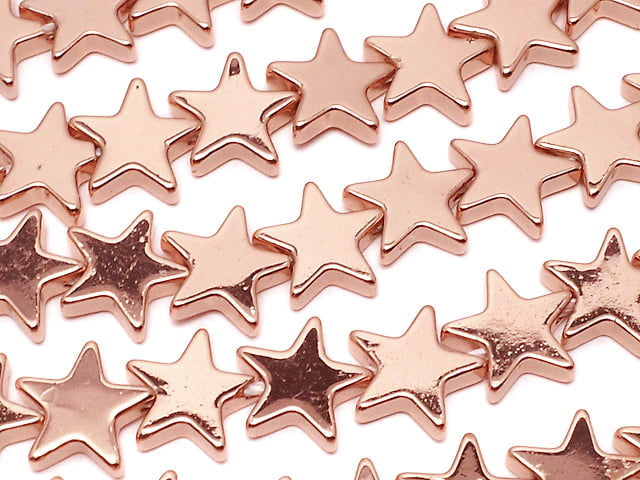
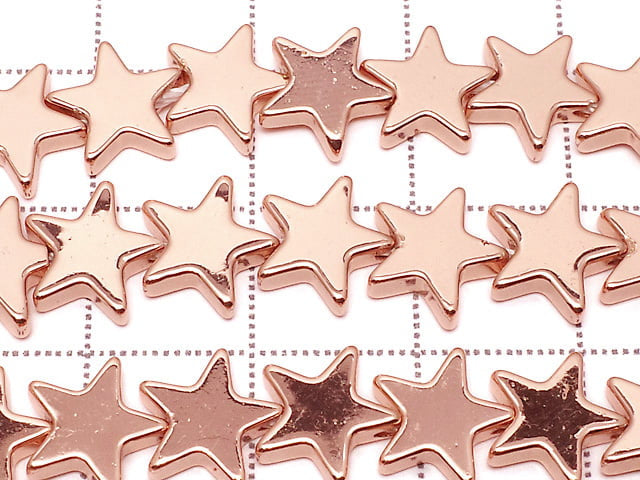
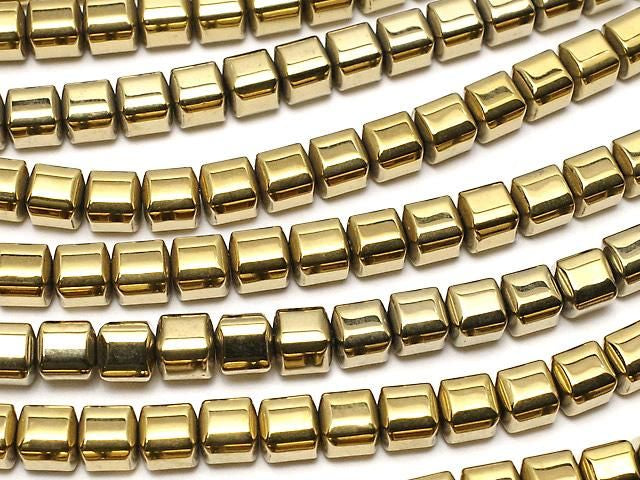
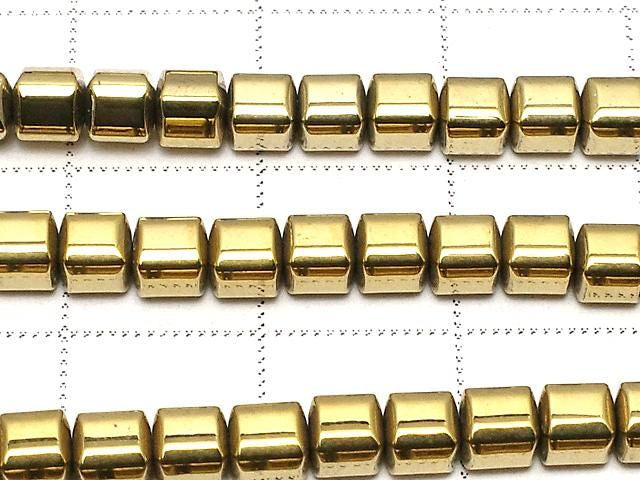
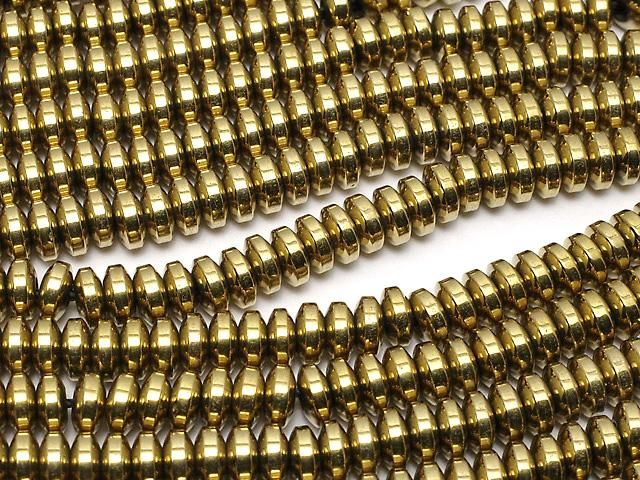
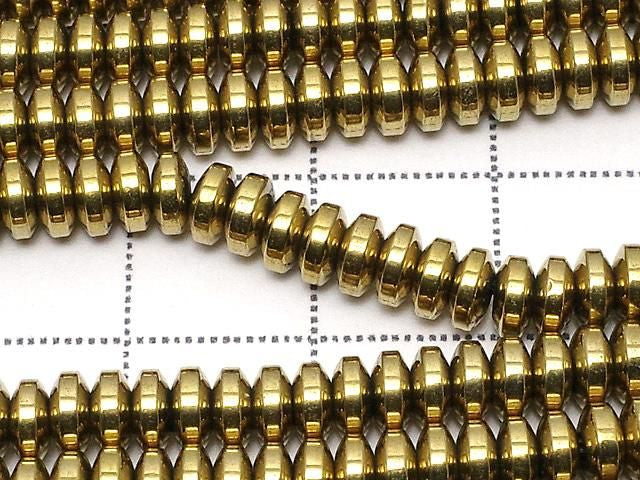
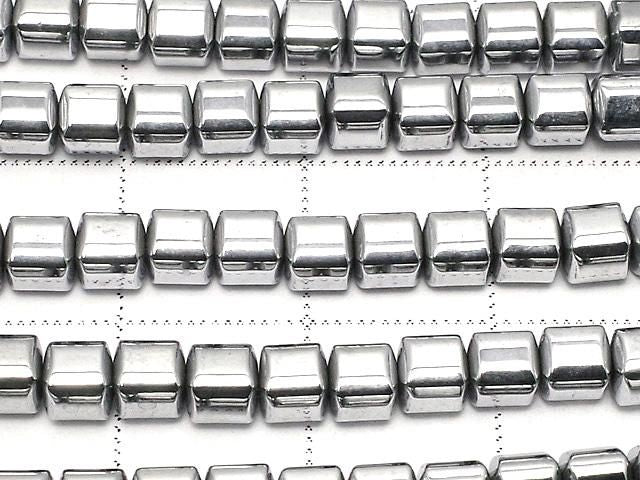
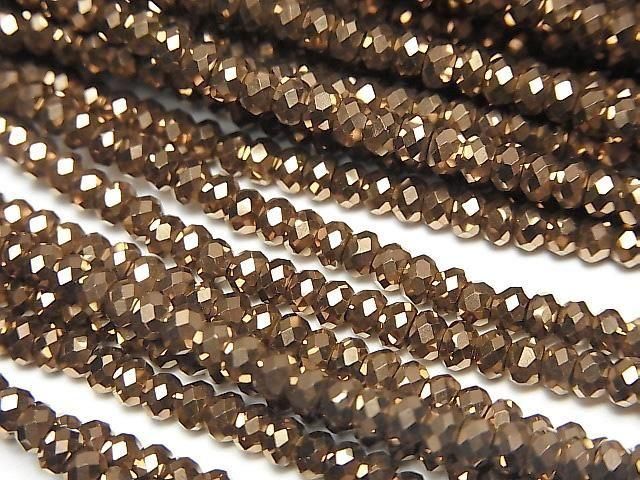
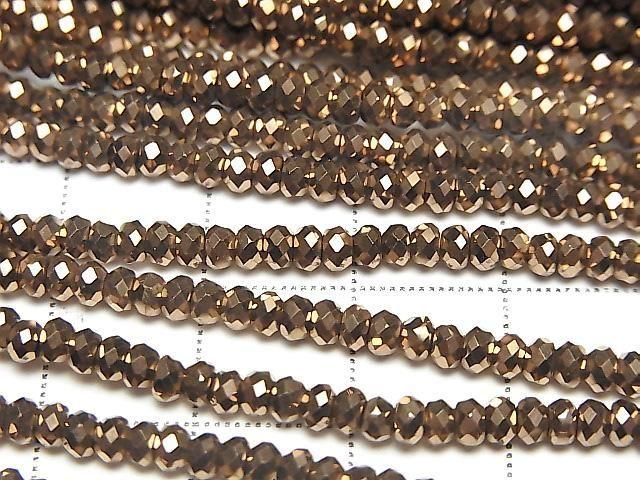
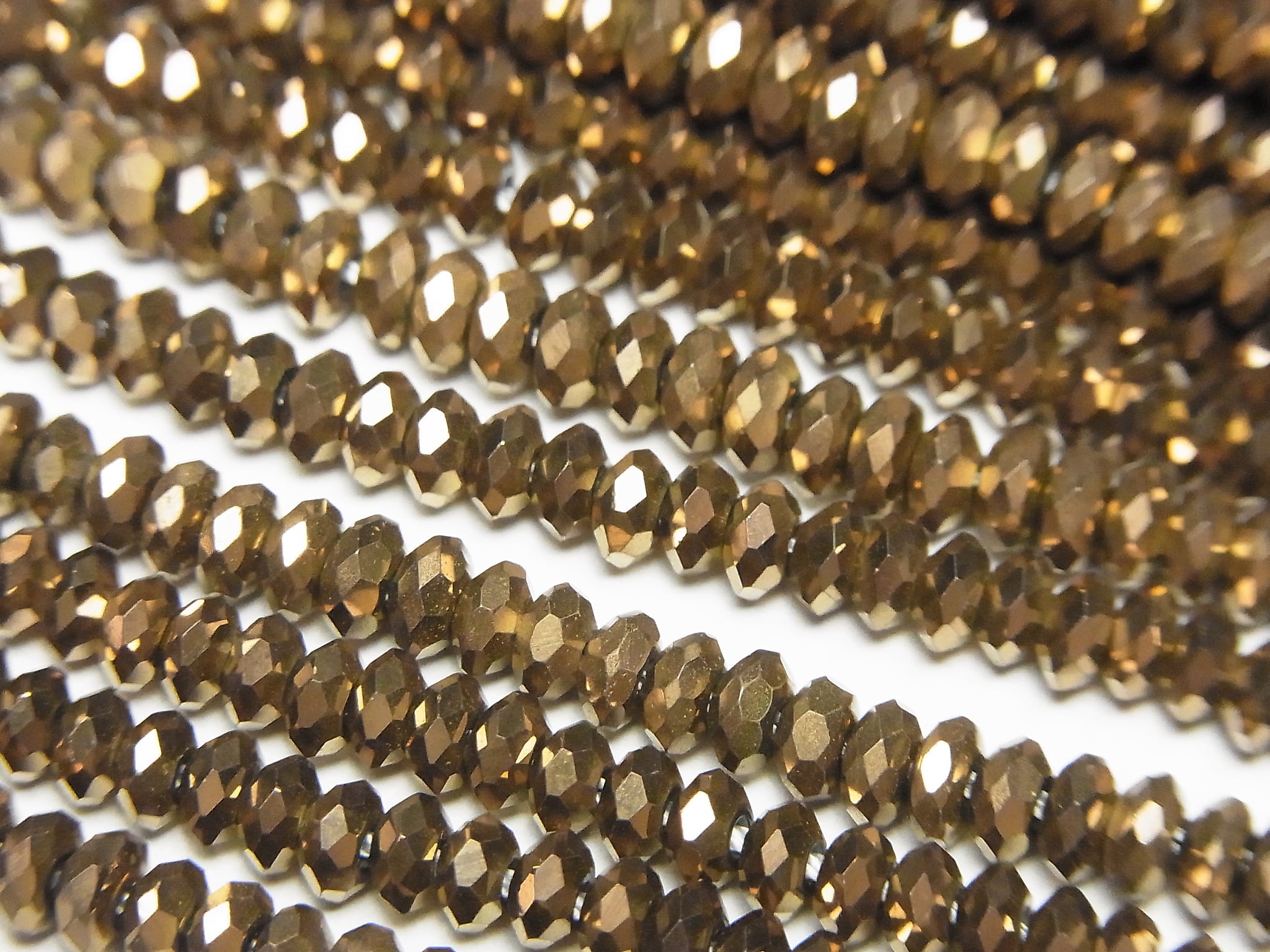
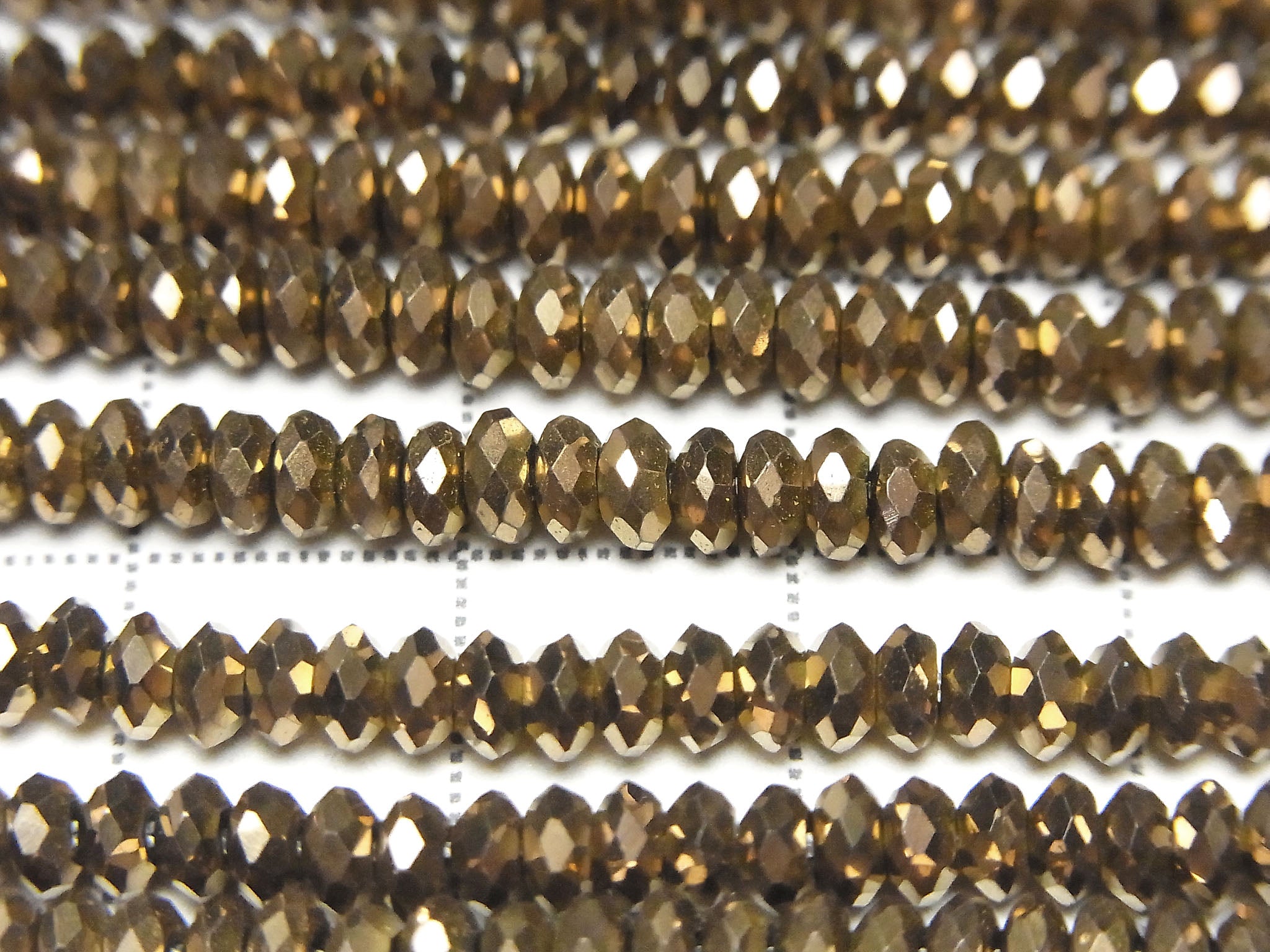
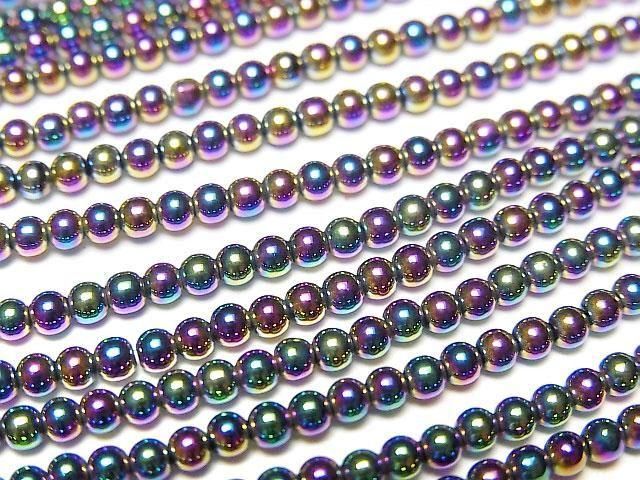
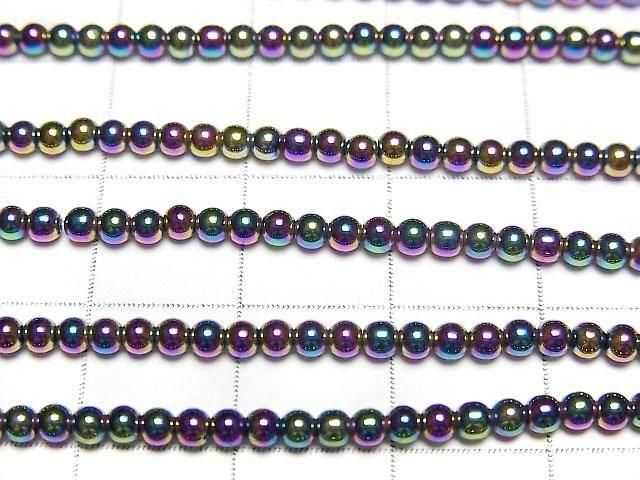
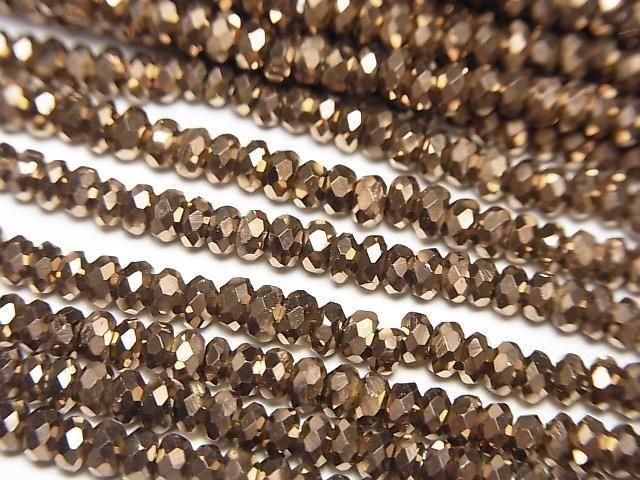
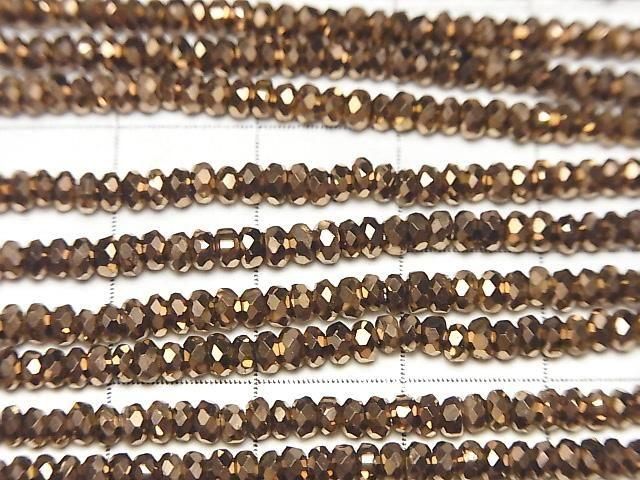
- Rainbow, gold, copper, or iridescent hematite: usually coated, plated, or treated beads; beautiful for design, but the finish should be disclosed as a coating rather than a natural color
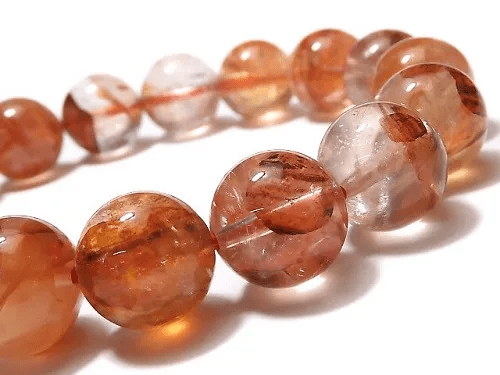
Hematite Quartz
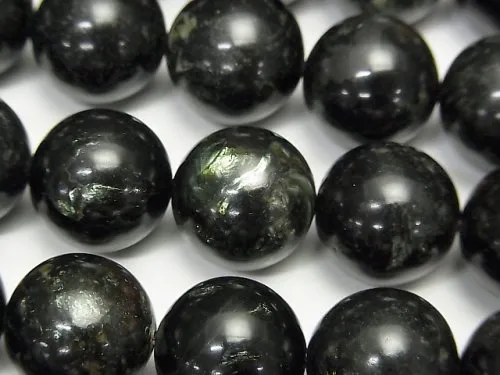
Iron Mica
Specular Hematite, Kidney Ore, and Iron Rose
These are the collector- and jewelry-favorite natural forms. Specular hematite (specularite) has a glittering, mirror-like surface created by countless tiny plates and is popular for statement cabochons and carvings. Kidney ore forms smooth, rounded lobes as fibrous crystals grow into open space, giving each piece an organic shape. Iron rose is a striking arrangement of flat crystals resembling rose petals, prized more as a mineral specimen than as a bead. If you are specifically after these, look for listings that name the variety directly. You can explore dedicated options in our hematite and hematite quartz selections.
Black Hematite and Copper Hematite Meaning
Black hematite meaning emphasizes protection, grounding, and focused energy, because the dark metallic color feels solid and shield-like. Copper hematite meaning is usually read as that same grounding symbolism combined with the warm, creative look of a copper-toned finish. Since copper, gold, rainbow, and iridescent hematite are typically surface coatings rather than natural colors, treat the color as a design choice, and expect a reputable seller to state the material and any treatment.
Hematite Quartz: A Different Stone
Hematite quartz is not the same material as solid black hematite. It is clear or milky quartz that contains fine hematite inclusions, which tint it red, orange, or golden and keep it translucent rather than opaque. It is lighter, harder (quartz is 7 on the Mohs scale), and better suited to designs that want warm, included color instead of a dark metallic look. Because it behaves so differently, we keep it in a separate hematite quartz collection so you can shop the right stone for the effect you want.
How to Use Hematite
Use hematite in a way that matches your goal — wear it for an all-day reminder, carry it for meditation, or design with it for a dark metallic accent.
- Wear: hematite bracelets and rings keep the stone visible and tactile
- Carry: a pocket stone or bead strand works as a grounding object during stressful moments
- Meditate: hold hematite in the palm or near the feet for root-chakra practice
- Design: pair black hematite beads with sterling silver, black onyx, tiger’s eye, garnet, or clear quartz for contrast
- Ritual use: in crystal and energy work, hematite is chosen for grounding and protection rather than attraction or emotional opening
How to Cleanse and Care for Hematite
Keep hematite dry and clean it gently. Because hematite is an iron oxide, prolonged water exposure, saltwater, humidity, or harsh chemicals can contribute to surface changes or rust-like oxidation, especially on lower-quality, coated, or damaged pieces. A quick accidental splash is not the same as soaking, but regular water contact is best avoided.
Care tips:
- Wipe with a soft, dry cloth after wearing
- Avoid soaking, saltwater cleansing, steam, bleach, and ultrasonic cleaners
- Store separately from harder gemstones to reduce scratches
- Do not drop hematite rings or beads, since the stone can be brittle
- For spiritual cleansing, use smoke, sound, breathwork, selenite, or intention instead of water
How to Tell If Hematite Is Real
The most reliable at-home clues for real hematite are weight, streak, and a healthy skepticism about strong magnets. Use them together rather than relying on any single test.
- Weight: genuine hematite feels distinctly heavy for its size (specific gravity around 5.3); light, warm pieces are often glass or plastic
- Streak: a red to reddish-brown mark on unglazed porcelain is the classic mineral test — but it can scratch the stone, so avoid it on finished jewelry you want to keep pristine
- Magnet: strong snap-to attraction usually means magnetic hematite or hematine, not natural hematite
- Surface: look for a metallic-to-earthy luster; a perfectly uniform rainbow or copper sheen is typically a coating
When buying beads, choose sellers who clearly describe whether the material is natural, coated, dyed, or magnetic. Honest disclosure is the best protection against surprises.
Hematite Price and Value
Hematite is one of the more affordable stones, which is part of its appeal for jewelry makers. Because it is abundant, natural hematite beads are usually inexpensive by the strand rather than priced as a fine gem, and value is driven by finish, cut, and craftsmanship more than by rarity.
- Natural bead strands: commonly a few US dollars per strand (roughly USD $3–$12 / CAD $4–$16), depending on bead size, shape, and length
- Specular and polished cabochons: higher per piece for the mirror-like sparkle
- Hand-carved pieces and fine specimens: priced well above plain beads for the labor and quality
- Coated (rainbow, gold, copper) beads: priced for the decorative finish, not as natural color
Prices vary by supplier, size, and current market conditions, so treat these as general guidance rather than fixed quotes. When comparing listings, weigh bead size, strand length, and finish together instead of choosing on price alone.
Buying Hematite Beads and Stones from KenKenGems
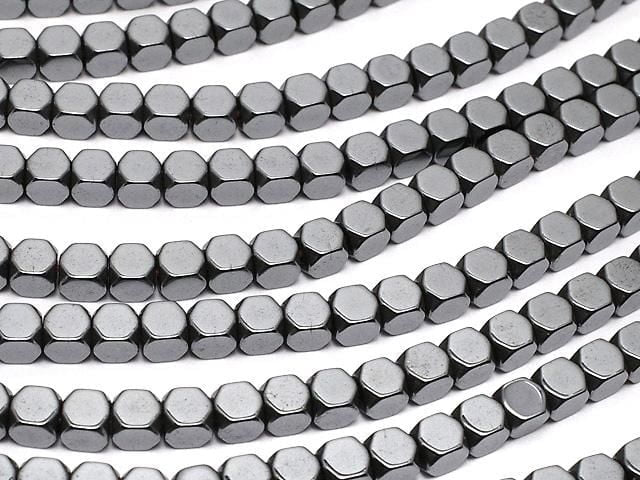
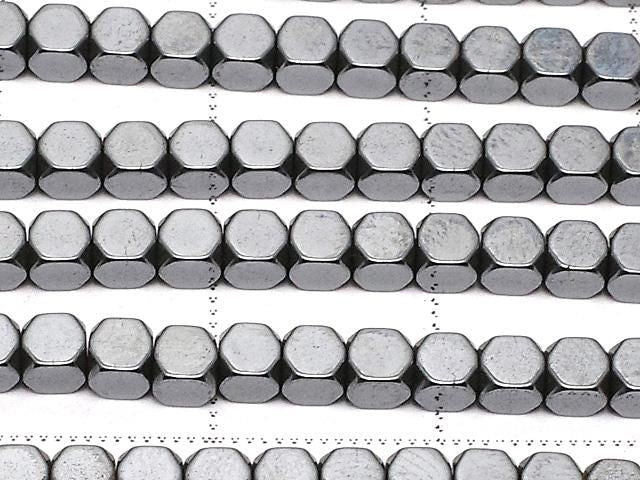
When buying hematite beads, match the stone type to your project before choosing on price alone. Natural hematite is ideal for a clean, metallic black or steel-gray look. Coated hematite adds gold, copper, rainbow, or iridescent color for statement designs. Hematite quartz is the choice when you want red, orange, or yellow inclusions in translucent quartz.
For U.S. and Canadian jewelry makers, also check bead size in millimeters, strand length in inches, hole size, coating notes, and whether the item is sold by the strand, half strand, pair, or piece. Many strands run about 15 inches (roughly 38 cm), so it helps to keep both units in mind when planning a design.

Hematite FAQ
Below are quick answers to the questions people most often ask about hematite meaning, properties, magnetism, price, and care.
What is the meaning of hematite?
The meaning of hematite is grounding, protection, strength, and focus. It is associated with the root chakra and with staying steady under pressure. Its name and symbolism come from its red streak and iron content, even though polished hematite usually looks black or silver-gray.
What does hematite do spiritually?
Spiritually, hematite is used as a grounding stone. People use it to feel more centered, set energetic boundaries, and return to practical action after stress or meditation. These are traditional crystal beliefs, not medical claims.
What is hematite used for?
Hematite is used industrially as the main ore of iron and as a red pigment, and personally for jewelry, grounding-themed crystal practice, minimalist bracelets, and dark metallic accents. Many people also carry a tumbled piece as a tactile reminder to focus.
What is hematite good for?
Hematite is good for jewelry making, grounding-focused crystal practice, and neutral, unisex designs. It is prized for its heavy feel and metallic shine rather than for any medical effect.
How hard is hematite on the Mohs scale?
Metallic hematite is about 5 to 6.5 on the Mohs scale — harder than glass but softer than quartz. Earthy red-ochre hematite is much softer. It is durable enough for beads but can still chip or scratch on impact.
Is hematite magnetic?
Natural hematite is weakly magnetic at most. If a bead or ring snaps strongly to a magnet, it is likely magnetic hematite, hematine, or magnetite, and it should be labeled as such.
Can hematite get wet?
Hematite should not be soaked. A brief splash is usually fine, but regular water contact, saltwater, pools, showers, and ultrasonic cleaners are not recommended because the iron content can oxidize.
How much does hematite cost?
Natural hematite is inexpensive, often just a few US or Canadian dollars per bead strand. Specular, carved, and fine-quality pieces cost more, and coated beads are priced for their decorative finish.
What color is hematite?
Hematite can appear black, dark gray, silver-gray, steel-gray, reddish brown, or rust-red. Black hematite is most common in beads and jewelry, while earthy hematite often looks red or brown.
How can I tell if hematite is real?
Look for a heavy feel, a metallic-to-earthy luster, and a red to reddish-brown streak. Use streak tests carefully because they can mark the stone, and remember that strong magnetism usually means the item is not natural hematite.
How do you cleanse hematite?
Clean hematite physically with a soft, dry cloth. For energetic cleansing, use smoke, sound, breathwork, selenite, or intention rather than water.
Is hematite the same as bloodstone?
No. Hematite is an iron oxide mineral, while bloodstone is a green chalcedony with red spots. They share blood-themed symbolism but are different stones.
What chakra is hematite associated with?
Hematite is most commonly associated with the root chakra, the energy center linked with safety, stability, and physical grounding.
Is hematite safe for everyday jewelry?
Hematite can be worn daily, especially as beads or accents, but it is more brittle than tougher gems. Remove it before showering, swimming, workouts, or work that risks impact.
Final Thoughts on Hematite
Hematite is easiest to appreciate when you hold both sides of the stone in mind: it is a real iron-oxide mineral with a red streak and a long history as pigment and iron ore, and it is also a popular grounding stone in modern crystal practice. Choose natural hematite for its classic black metallic look, coated hematite for color, or hematite quartz for warm, included tones. For beadwork and jewelry projects, start with the KenKenGems hematite collection and check each listing for size, finish, and strand details before you order.