
TOC
- 1. What Is Apatite?
- 2. The History of Apatite
- 3. Apatite Properties
- 3-1. Apatite Colors and Varieties
- 3-2. Apatite on the Mohs Hardness Scale
- 4. Where Is Apatite Found?
- 5. Apatite in Jewelry
- 6. Apatite Meaning and Symbolism
- 7. Apatite Value and Price
- 8. How to Care for Apatite
- 9. How to Tell If Apatite Is Real
- 10. Apatite FAQ
- 10-1. What is apatite?
- 10-2. What is apatite good for?
- 10-3. How hard is apatite?
- 10-4. Is apatite expensive?
- 10-5. What colors does apatite come in?
- 10-6. Can apatite get wet?
- 10-7. How can I tell apatite from Paraiba tourmaline?
- 10-8. How do I care for apatite?
- 11. Buying Apatite from KenKenGems

What Is Apatite?
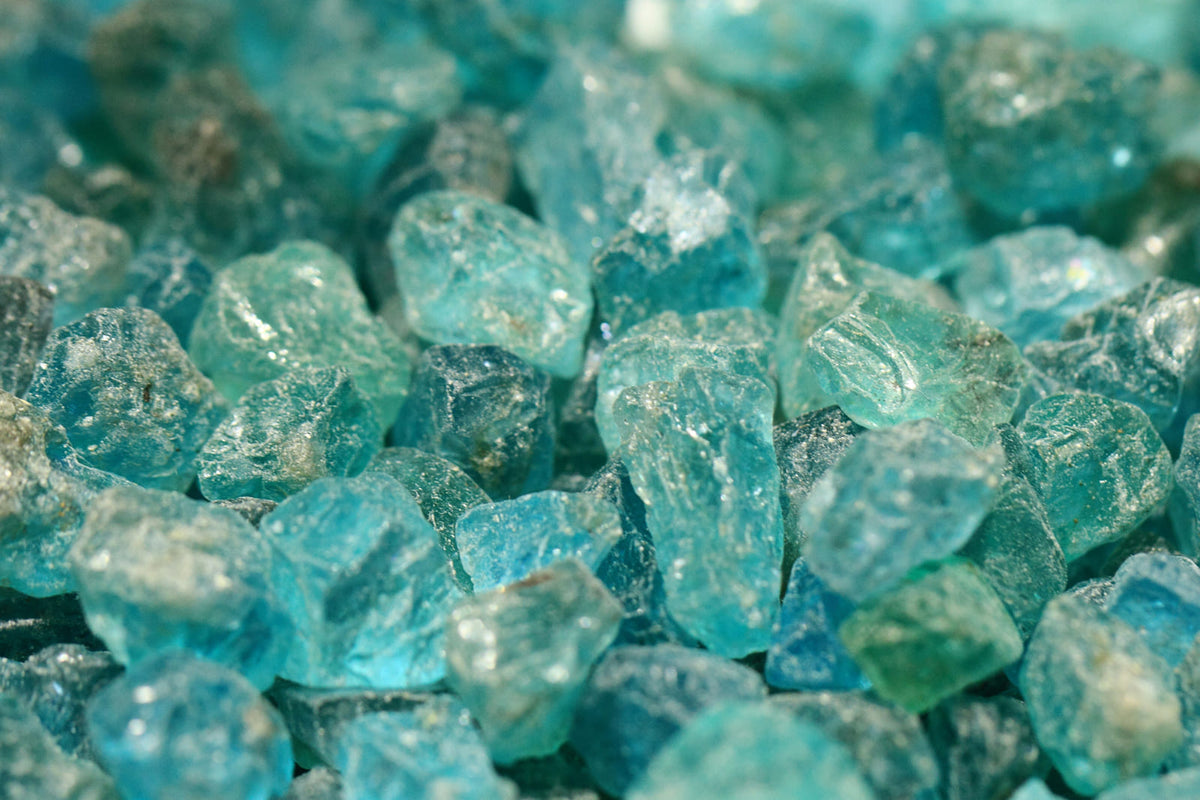
Apatite is a calcium phosphate mineral (chemically Ca5(PO4)3(F,Cl,OH)) that comes in an unusually wide range of colors. Its name comes from the Greek "apatao," meaning "to deceive," because it is so often confused with other gems such as topaz, beryl, tourmaline, and peridot. For a long time, only trained gemologists could tell it apart — which is exactly how it earned its trickster reputation. Today it is prized in its own right, above all as vivid neon-blue and green stones.

The History of Apatite
Apatite was recognized as a distinct mineral only in 1788, when the German geologist Abraham Gottlob Werner named it. Because the stone mimics so many others, earlier cultures used and traded it without knowing what it really was, and it was singled out as its own mineral group only at the end of the 18th century. Werner chose the name from the Greek for "deceive," neatly capturing centuries of mistaken identity.
Apatite Properties
Apatite is calcium phosphate — the same mineral family that makes up the enamel of your teeth and the bulk of bone. In gem form it is rarely pure; trace elements create its colors, with magnesium lending green or blue and iron adding yellow. Some stones show chatoyancy (a cat's-eye effect), and many apatites are notably luminescent, glowing or shifting color under ultraviolet or different wavelengths of light.

Apatite Colors and Varieties
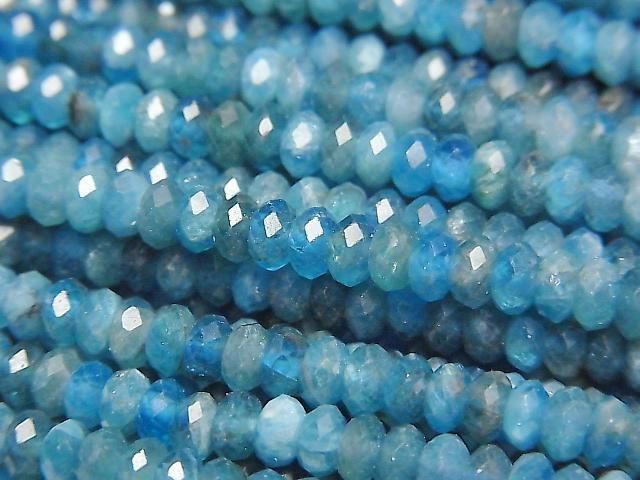
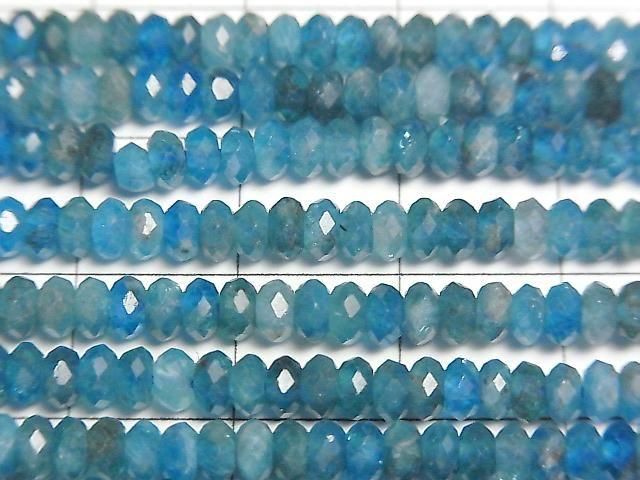
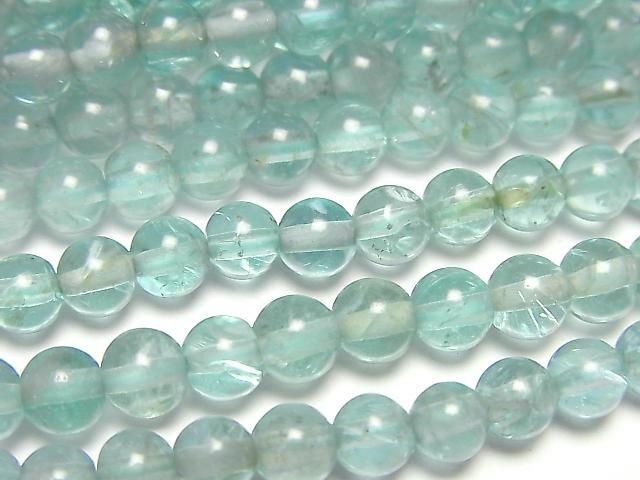
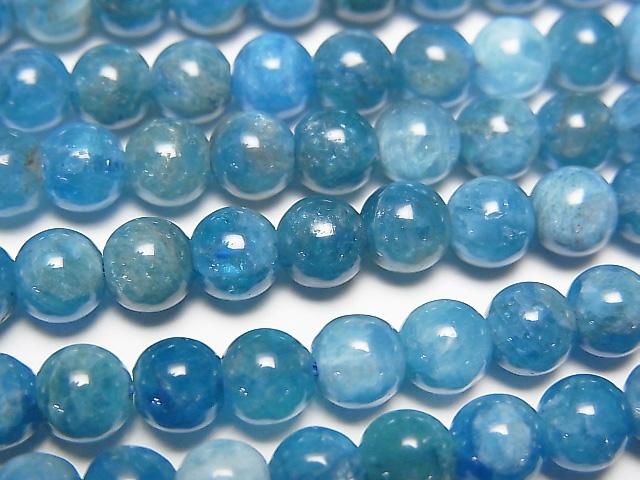
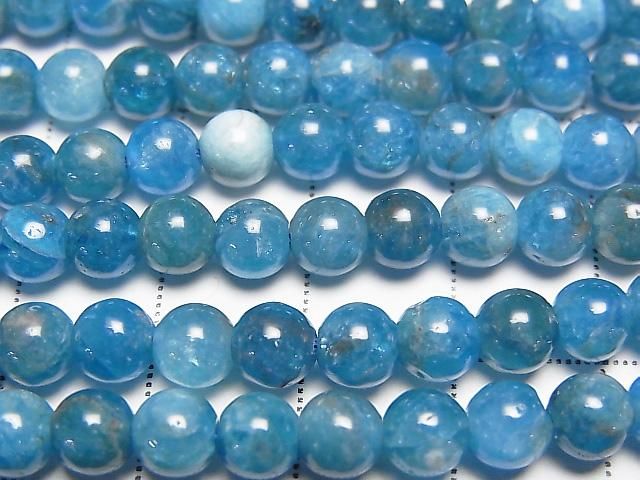
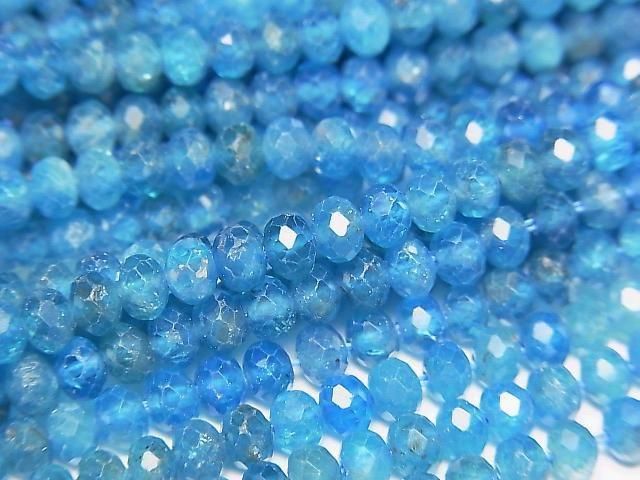
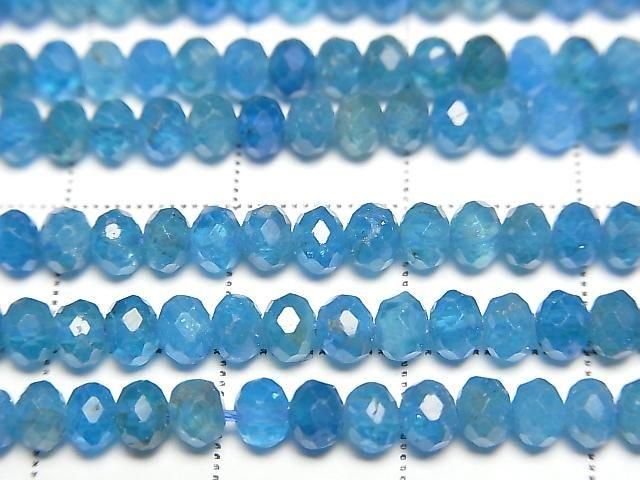
By chemistry, apatite falls into three end-members: fluorapatite (fluorine-bearing, the most common and most colorful — violet, pink, yellow), chlorapatite (chlorine-bearing, often green or gray), and hydroxylapatite (water-bearing, white to blue). By color, the market favorites are vivid neon blue and green (sometimes called "asparagus" apatite), along with yellow, pink, violet, and rare cat's-eye stones. Because blue and green apatite are searched for in their own right, we cover them in dedicated pages — see our apatite collection for those colors.

Apatite on the Mohs Hardness Scale
Apatite is soft for a gemstone: it sits at 5 on the Mohs scale (in fact, apatite is the reference mineral for 5 on the scale), and some specimens test even softer, around 3–4. That means it scratches easily and is more fragile than quartz (7) or sapphire (9). It is also sensitive to heat, sharp knocks, and acids. For that reason apatite is best kept out of everyday rings and reserved for earrings, pendants, and occasional-wear pieces.
Where Is Apatite Found?
Apatite is mined worldwide, and each source tends to yield a signature color. Mexico is known for bright yellow stones; Brazil and Madagascar for the coveted neon blue and blue-green (often marketed as "Paraiba-like"); Myanmar and Sri Lanka for cat's-eye material; and Maine in the U.S. for purple crystals. Other notable sources include Canada, India, Kenya, and Namibia. Because color and origin drive value, reputable sellers describe both.
Apatite in Jewelry
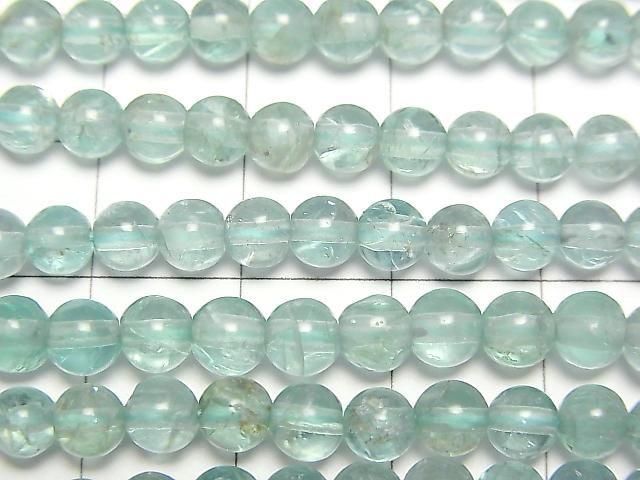
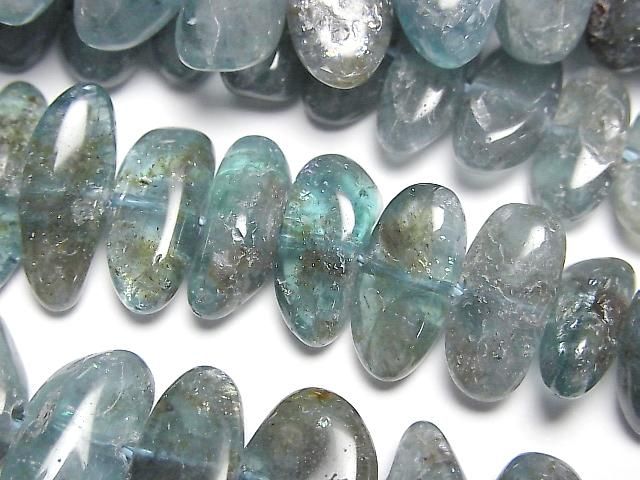
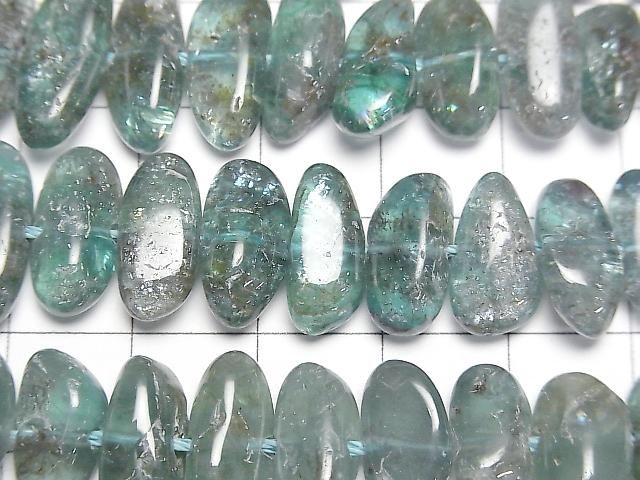
Because apatite is soft and brittle, it shines in low-impact jewelry rather than daily-wear rings. Faceted apatite maximizes its neon color and fire, while cabochons show off cat's-eye stones; both work well in pendants and earrings where the setting protects the gem. Beads, often pre-drilled, are popular for bracelets and necklaces. Whatever the form, treat apatite gently: avoid impact, heat, ultrasonic cleaners, and acidic or abrasive contact.

Apatite Meaning and Symbolism
In crystal tradition, apatite is thought of as a stone of motivation, clarity, and self-expression. It is important to be clear that these are cultural and folkloric beliefs, not medical facts: apatite is not a medicine and does not diagnose, treat, cure, or prevent any illness, and it should never replace professional care.
With that in mind, here is how apatite is described in crystal lore:
- Traditionally associated with focus, ambition, and clear communication
- In crystal lore, linked with the throat and third-eye chakras
- Often carried by people who want a symbolic reminder to stay motivated
- Blue apatite in particular is associated with expression and learning in folklore
These are traditional beliefs, not medical claims. Most people simply enjoy apatite as a vivid, meaningful stone.

Apatite Value and Price
Apatite is an affordable colored gem whose value is driven mostly by color, then clarity, cut, and size. The most prized is vivid, saturated neon blue-green ("Paraiba-like") from Brazil and Madagascar, followed by clean neon blue and rich green; pale or included stones are inexpensive. As a rough guide, commercial faceted apatite often runs about USD $10–$80 per carat (CAD $14–$110), while top neon material can reach several hundred dollars per carat. Faceted stones generally cost more than cabochons because good rough is hard to cut. Treat any figure as general guidance rather than a fixed quote.
How to Care for Apatite
Handle apatite gently and keep it away from heat, chemicals, and hard knocks. Because it is soft (Mohs 5) and brittle, it needs more care than most gems.
- Clean only with mild soap, lukewarm water, and a soft cloth — never ultrasonic or steam cleaners
- Avoid acids, perfumes, and household chemicals, which can etch or dull the surface
- Protect it from sharp temperature changes and direct heat
- Store separately from harder gems to prevent scratches
- Take off apatite jewelry before cleaning, exercising, or manual work
How to Tell If Apatite Is Real
Genuine apatite can be identified by a mix of clues, but because it looks like several other gems, a lab test is the only certainty for high-value stones. Practical signs: apatite is relatively soft (it can be scratched by quartz), often shows a distinctive neon glow, and frequently fluoresces under UV light. It is easily confused with Paraiba tourmaline, blue topaz, and blue zircon, which are harder and priced very differently, so a suspiciously cheap "Paraiba" may in fact be apatite. Buy from sellers who identify the species and disclose any treatment.
Apatite FAQ
Quick answers to the questions people most often ask about apatite.
What is apatite?
Apatite is a calcium phosphate mineral that comes in many colors, most notably neon blue and green. Its name means "to deceive" because it is easily confused with gems like topaz and tourmaline.
What is apatite good for?
As a gem, apatite is used for vivid, affordable jewelry — especially earrings, pendants, and beads. In crystal lore it is a symbolic stone of focus and self-expression, not a medical remedy.
How hard is apatite?
Apatite is 5 on the Mohs scale — the reference mineral for that level — and some stones are softer. It scratches and chips easily, so it suits low-impact jewelry rather than everyday rings.
Is apatite expensive?
Generally no. Most apatite is affordable, though vivid neon blue-green "Paraiba-like" stones from Brazil and Madagascar can command several hundred dollars per carat.
What colors does apatite come in?
Blue, green, neon blue-green, yellow, pink, violet, white, and rare cat's-eye. Neon blue and green are the most sought after.
Can apatite get wet?
Brief contact with water is fine, but avoid soaking, hot water, and acidic or chemical exposure. Clean gently and dry it promptly.
How can I tell apatite from Paraiba tourmaline?
They look alike but differ in hardness and price. Apatite is softer (Mohs 5) and much less expensive; a lab test confirms the species for valuable stones.
How do I care for apatite?
Keep it away from heat, chemicals, and impact; clean with mild soap and a soft cloth; skip ultrasonic and steam cleaners; and store it apart from harder gems.
Buying Apatite from KenKenGems
When buying apatite, choose by color first — decide whether you want neon blue, green, yellow, or a cat's-eye — then weigh clarity, cut, and size, and check how the seller describes any treatment. KenKenGems supplies loose apatite (drilled and undrilled), cabochons, faceted stones, strands, and settings in a wide range of colors. Looking for a specific hue? Explore our apatite collection for blue and green options.

![[One of a kind] High Quality Colorless Apatite Loose Stone Faceted 1pc No.11](http://store.kenkengems.com/cdn/shop/files/190629511.jpg?v=1776757513&width=640)
![[One of a kind] High Quality Colorless Apatite Loose Stone Faceted 1pc No.11](http://store.kenkengems.com/cdn/shop/files/190629511_o1.jpg?v=1776757529&width=640)
![[One of a kind] High Quality Green Apatite AAA Loose Stone Faceted 1pc No.15](http://store.kenkengems.com/cdn/shop/files/191542731.jpg?v=1779172072&width=640)
![[One of a kind] High Quality Green Apatite AAA Loose Stone Faceted 1pc No.15](http://store.kenkengems.com/cdn/shop/files/191542731_o1.jpg?v=1779172061&width=640)
![[One of a kind] High Quality Colorless Apatite Loose Stone Faceted 1pc No.19](http://store.kenkengems.com/cdn/shop/files/190629524.jpg?v=1776757633&width=640)
![[One of a kind] High Quality Colorless Apatite Loose Stone Faceted 1pc No.19](http://store.kenkengems.com/cdn/shop/files/190629524_o1.jpg?v=1776757647&width=640)
![[One of a kind] Blue Apatite Round 8mm Bracelet No.6](http://store.kenkengems.com/cdn/shop/files/191339624.jpg?v=1779180326&width=640)
![[One of a kind] Blue Apatite Round 8mm Bracelet No.6](http://store.kenkengems.com/cdn/shop/files/191339624_o1.jpg?v=1779180311&width=640)
![[One of a kind] High Quality Colorless Apatite Loose Stone Faceted 6pcs Set No.20](http://store.kenkengems.com/cdn/shop/files/190629525.jpg?v=1776757674&width=640)
![[One of a kind] High Quality Colorless Apatite Loose Stone Faceted 6pcs Set No.20](http://store.kenkengems.com/cdn/shop/files/190629525_o1.jpg?v=1776757660&width=640)
![[One of a kind] High Quality Green Apatite AAA Loose Stone Faceted 1pc No.2](http://store.kenkengems.com/cdn/shop/files/190738267.jpg?v=1776778073&width=640)
![[One of a kind] High Quality Green Apatite AAA Loose Stone Faceted 1pc No.2](http://store.kenkengems.com/cdn/shop/files/190738267_o1.jpg?v=1776778060&width=640)
![[One of a kind] High Quality Colorless Apatite Loose Stone Faceted 1pc No.7](http://store.kenkengems.com/cdn/shop/files/190629506.jpg?v=1776757453&width=640)
![[One of a kind] High Quality Colorless Apatite Loose Stone Faceted 1pc No.7](http://store.kenkengems.com/cdn/shop/files/190629506_o1.jpg?v=1776757466&width=640)


