TOC
- 1. What Is Shungite?
- 2. Types of Shungite: Elite, Regular, and Matte
- 3. Shungite Properties
- 4. The History of Shungite
- 5. Where Is Shungite Found?
- 6. Shungite Meaning and Symbolism
- 7. Does Shungite Really Work? Water and EMF Claims
- 8. Shungite Value, Price, and How to Care for It
- 9. Shungite FAQ
- 9-1. What is shungite?
- 9-2. What is the difference between elite and regular shungite?
- 9-3. Does shungite protect against EMF or purify water?
- 9-4. What does shungite mean spiritually?
- 9-5. How hard is shungite?
- 9-6. Is shungite expensive?
- 9-7. Where does shungite come from?
- 9-8. How do I clean shungite?
- 10. Buying Shungite from KenKenGems

What Is Shungite?
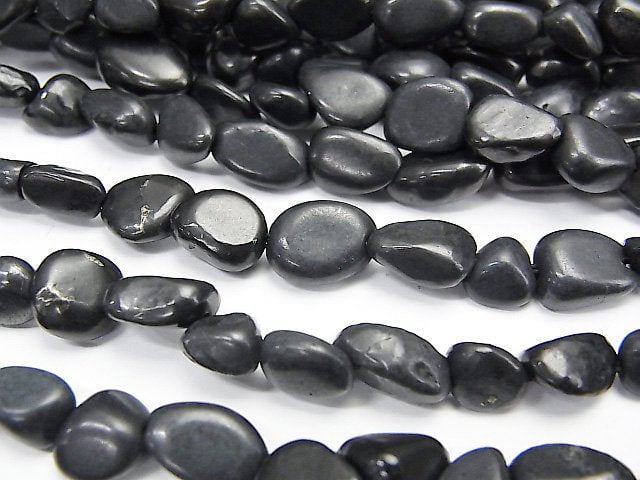
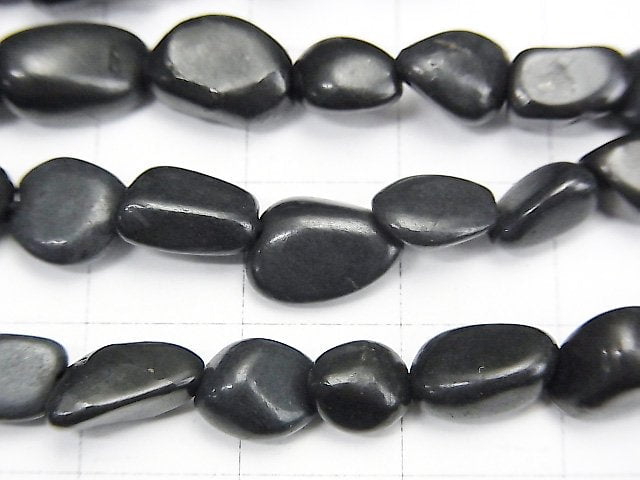
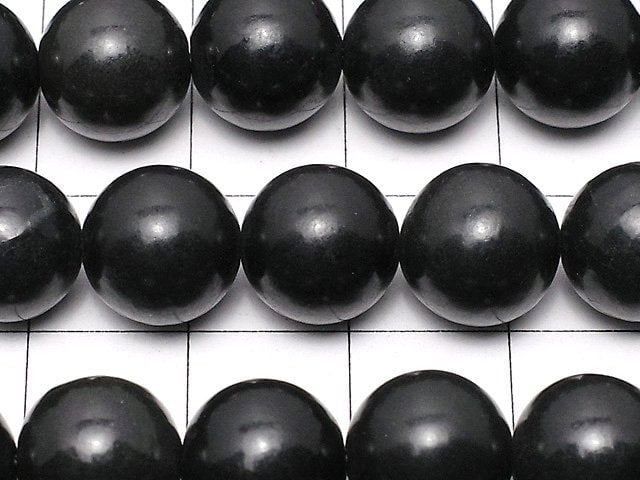
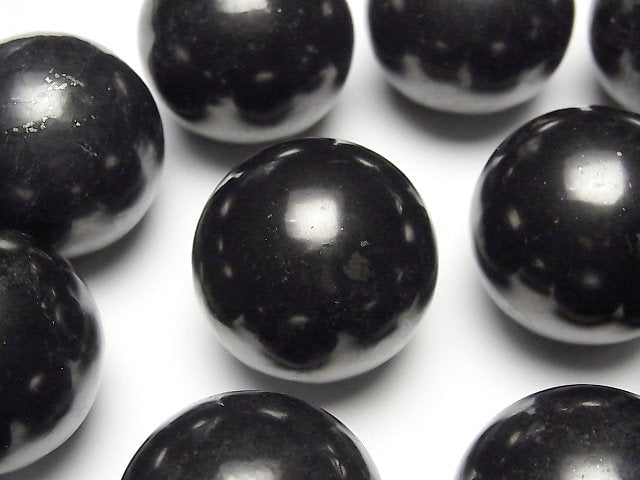
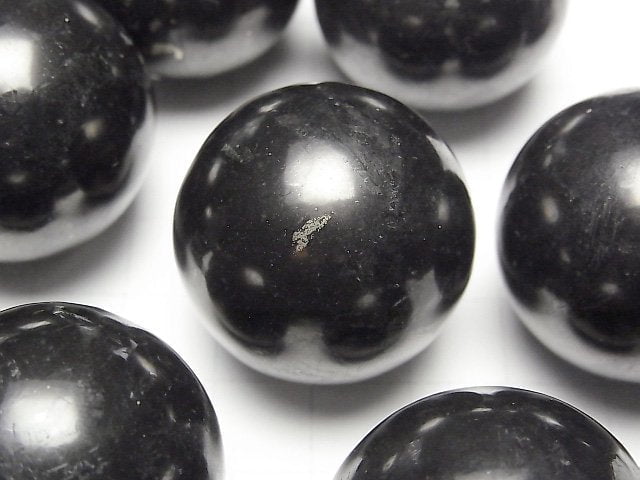
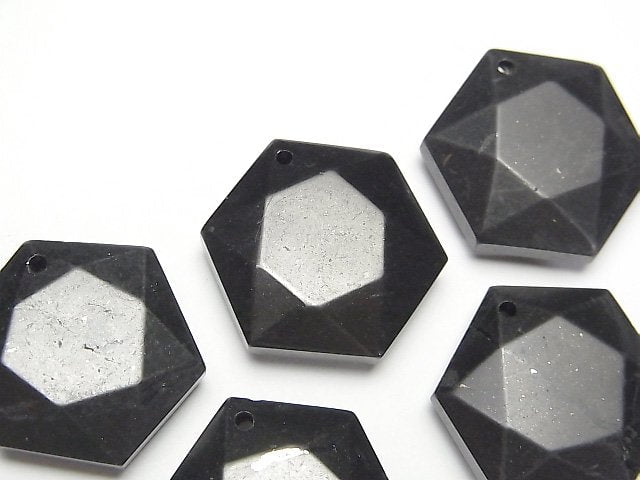
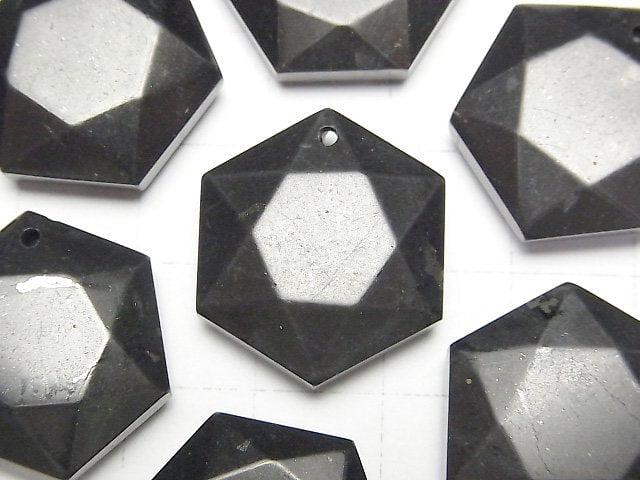
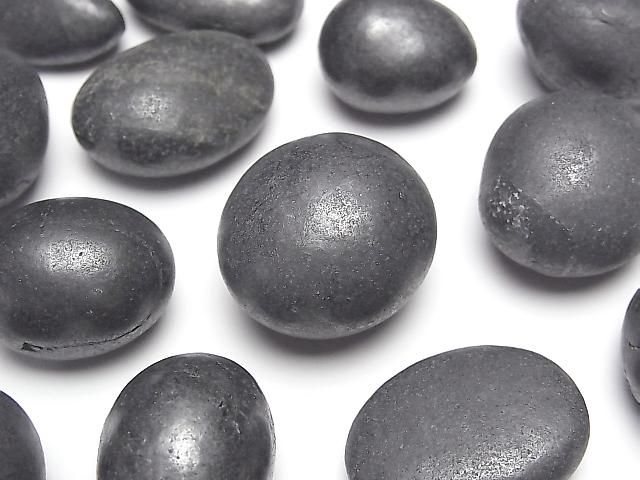
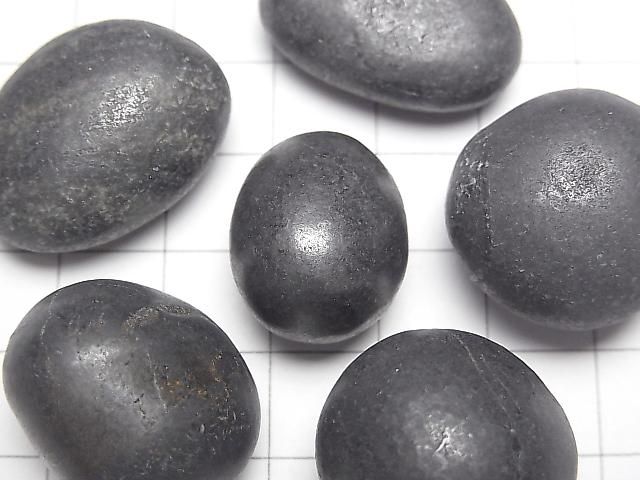
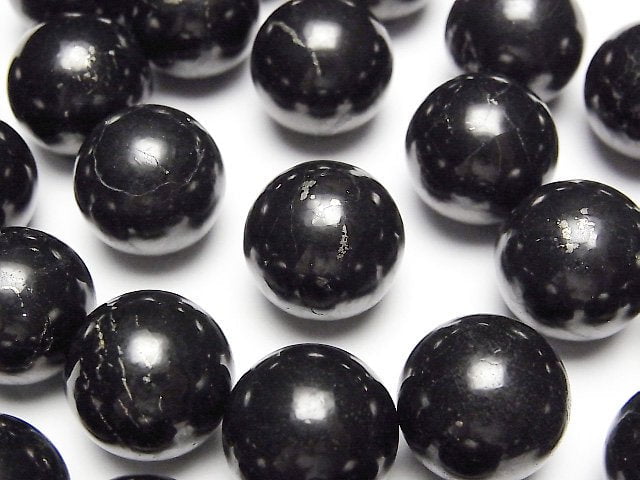
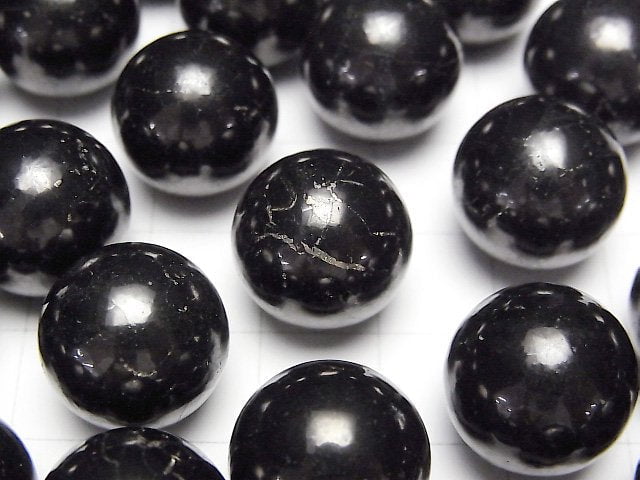
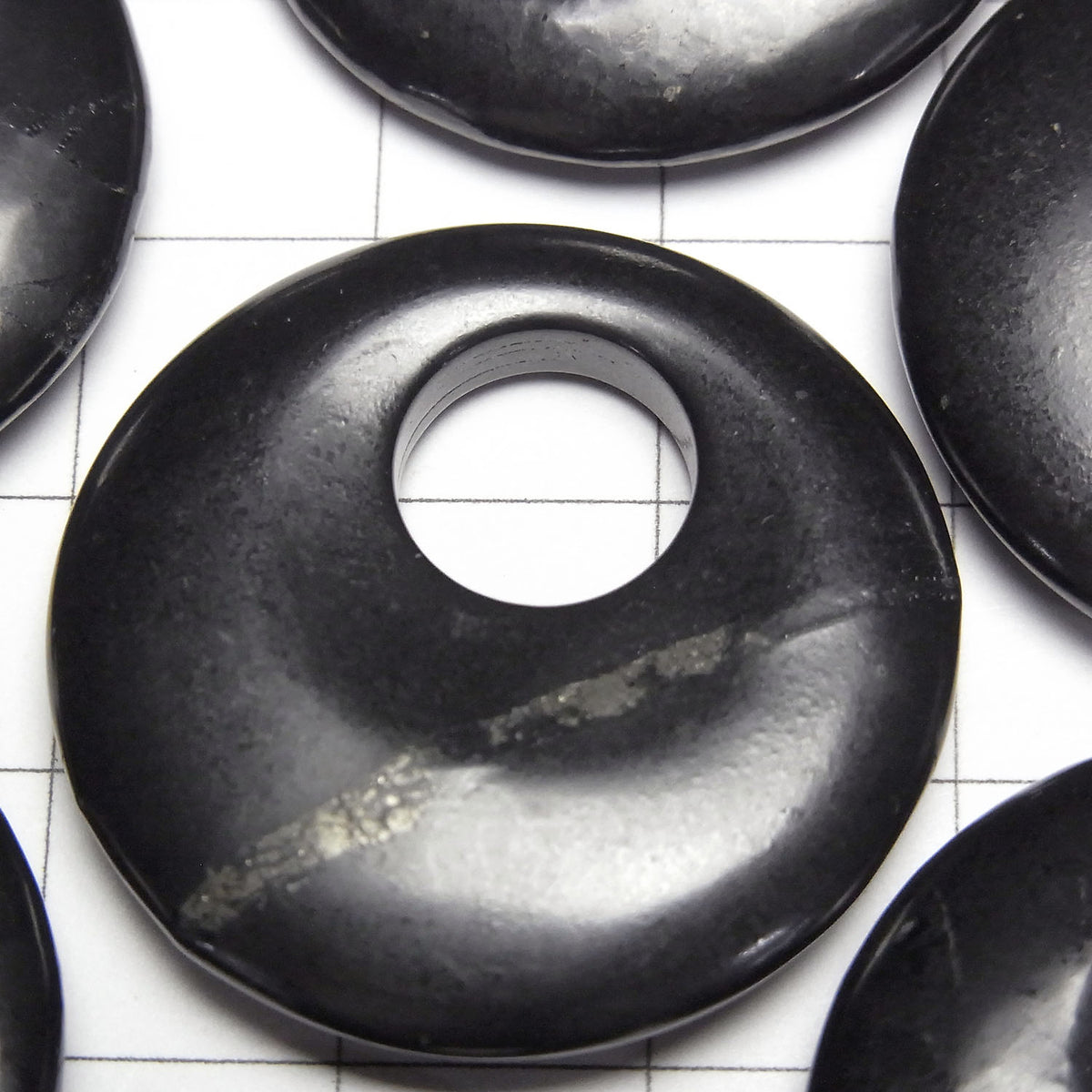
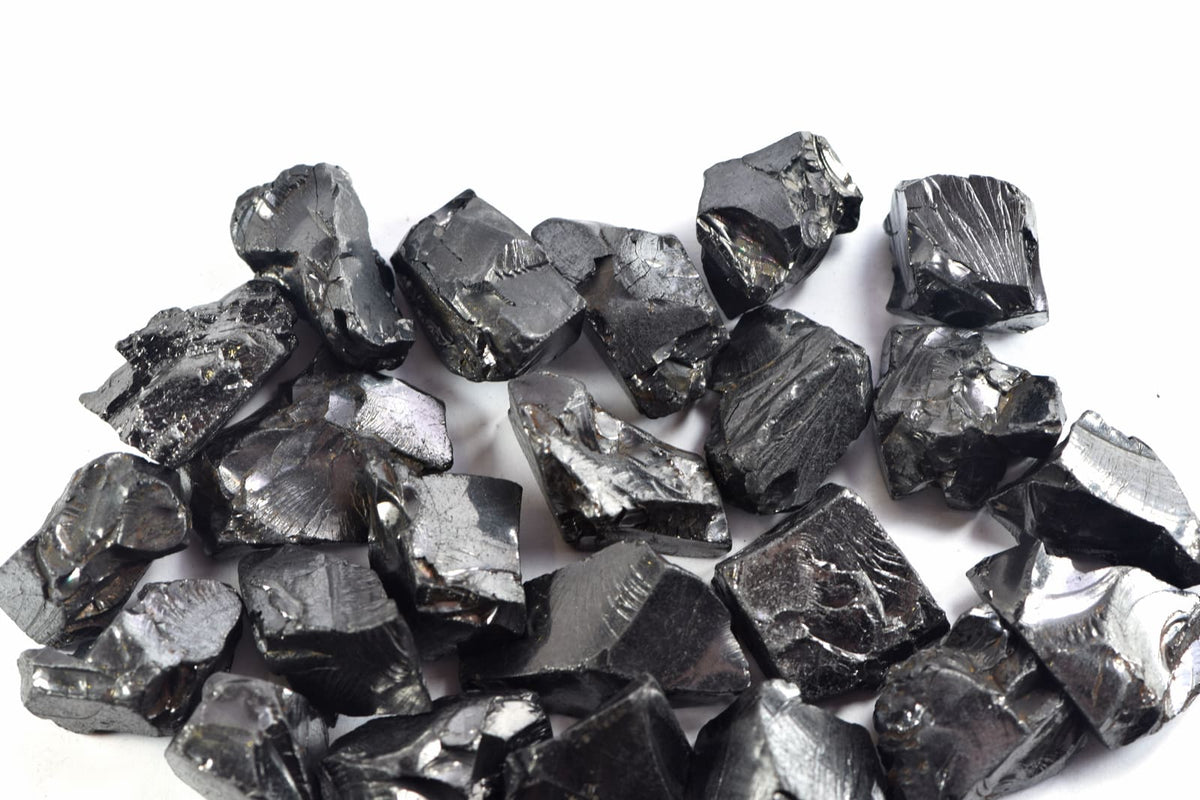
Shungite is a natural, carbon-rich rock — not a crystal in the usual sense — that ranges from lustrous silvery-black to dull matte black. It comes almost exclusively from the Shunga area of Karelia in northwestern Russia, and its deposits are extraordinarily old, dating to the Precambrian roughly two billion years ago. Unlike coal, harder shungite does not smear or leave dust on your hands. Scientifically, it is notable for its carbon structure, which can include fullerenes (such as C60); its striking look and rarity are what make it popular for beads, carvings, and collector pieces.

Types of Shungite: Elite, Regular, and Matte
Shungite is graded mainly by carbon content, which drives both its look and its use. Collectors and jewelers care about three practical categories:
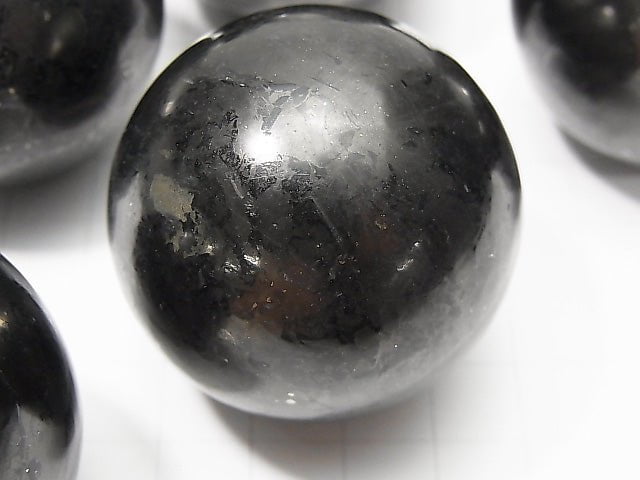
- Elite (noble) shungite — Type I: roughly 90–98% carbon, silvery and lustrous, brittle and comparatively rare; used for premium tumbled pieces and collector specimens
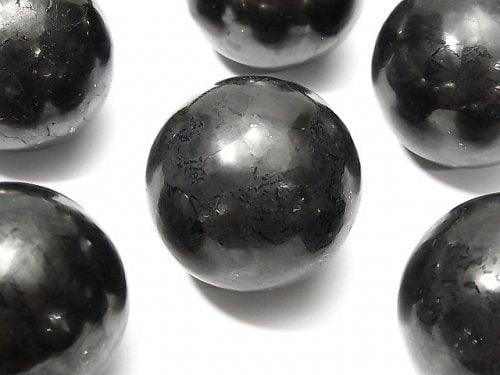
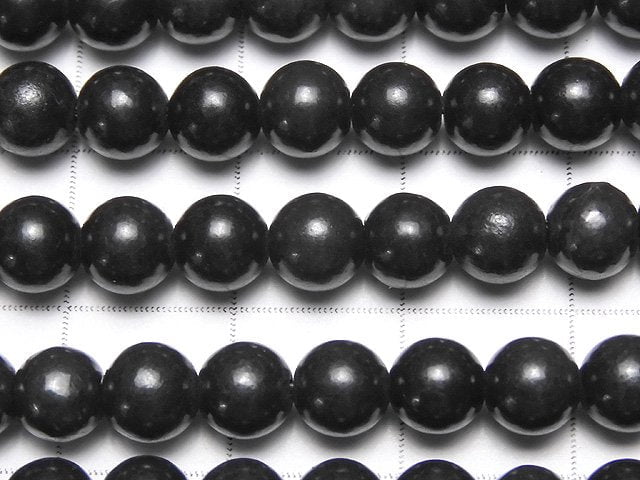
- Regular shungite — Type II/III: roughly 30–70% carbon, black and less shiny; the everyday material for pyramids, spheres, and beads
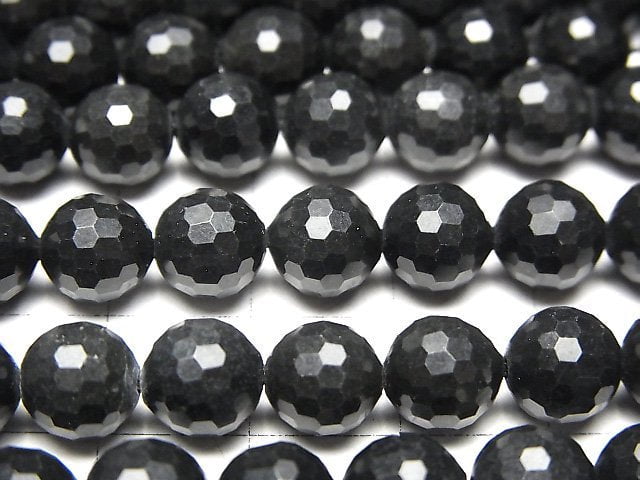
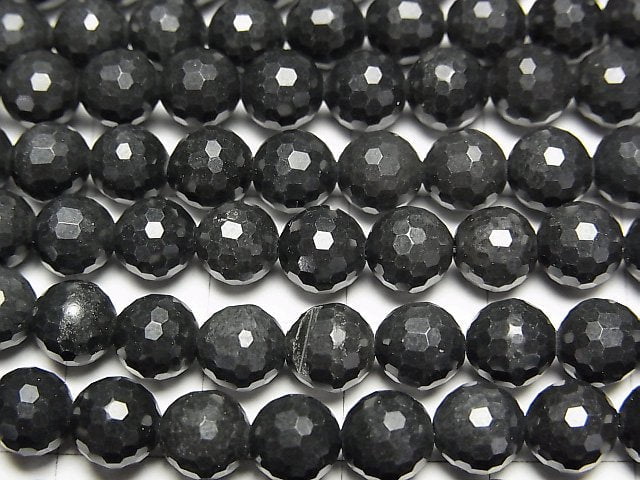
- Matte / low-carbon shungite: under about 40% carbon, dark gray to brownish with more mineral impurities; mostly industrial rather than decorative
If you specifically want the shiny, high-carbon material, look for it labeled "elite" or "noble" — we cover it in more depth on its own page within our shungite collection.

Shungite Properties
Shungite's properties come from its unusual carbon-based makeup rather than a typical crystal lattice. The table sums up what matters for buyers.
| Property | What to know |
|---|---|
| Type | Carbon-rich rock (not a single mineral) |
| Carbon content | ~30% up to ~98% (elite/noble) |
| Color | Silvery-black (elite) to matte black; low grades gray-brown |
| Luster | Metallic/lustrous in elite; dull in regular/matte |
| Mohs hardness | About 3.5–4 (soft; handle with care) |
| Notable | Electrically conductive; may contain fullerenes (C60) |
| Origin | Almost exclusively Shunga, Karelia, Russia |

The History of Shungite
Shungite takes its name from the Karelian village of Shunga, where it was first found; it was described as early as 1792 and studied in the 1870s by the mineralogist Alexander Inostrantsev, who classed it within the non-crystalline carbon family. Local tradition long tied the stone and its spring water to the region's health resorts — including a well-known legend about a Romanov ancestor and the springs near Lake Onega, and Peter the Great's interest in "healing" Karelian waters. These are historical folk stories rather than documented medical facts, and we present them as lore, not as claims that shungite or its water treats anything.
Where Is Shungite Found?
Gem and decorative shungite is essentially a single-source stone: the main deposits lie in Karelia, Russia, on the northern side of Lake Onega, where reserves are estimated in the hundreds of millions to about a billion tons. Smaller carbon-rich occurrences have been reported elsewhere (for example, Kazakhstan), but the Karelian material is what the market means by "shungite." This narrow origin is part of what makes genuine shungite comparatively uncommon.
Shungite Meaning and Symbolism
In folklore and modern crystal practice, shungite is traditionally regarded as a grounding, protective stone. These are cultural beliefs, not medical or scientific facts: shungite is not a medicine, it does not diagnose, treat, cure, or prevent any illness, and claims that it purifies water for health benefits or shields people from electromagnetic fields are not supported by scientific evidence.
Described purely as tradition, shungite is:
- Traditionally associated with grounding and a sense of protection
- Used in crystal practice as a dark, "anchoring" stone after meditation
- A popular shape for decorative pyramids and spheres kept in homes and offices
- Valued by collectors for its rarity and unusual carbon makeup
These are traditional beliefs, not medical claims.

Does Shungite Really Work? Water and EMF Claims
Honesty is the best policy here: the popular claims that shungite purifies drinking water for health or protects you from EMF (Wi‑Fi, phones, 5G) are not backed by reliable scientific evidence, and reference sources describe them as pseudoscientific. Shungite's carbon does have genuine industrial uses — it has been used in water filtration and metallurgy — but that is not the same as a proven health benefit, and it does not make shungite an EMF shield. We share this so you can buy shungite for what it truly is: a rare, striking carbon stone with rich folklore, chosen for its look, its story, and its place in crystal tradition rather than for any medical or protective effect.
Shungite Value, Price, and How to Care for It
Shungite is generally affordable, with price driven mostly by type and craftsmanship. Regular shungite pyramids, spheres, and bead strands are inexpensive — often around USD $10–$40 (CAD $14–$55) for common pieces — while lustrous elite/noble shungite and larger carved items cost more per gram because the high-carbon material is scarcer.
Care is simple, but remember shungite is soft (Mohs ~3.5–4):
- Wipe with a soft, dry or barely damp cloth; avoid ultrasonic cleaners
- It can leave a light residue when new — rinse briefly and dry, rather than soaking
- Store away from harder gems to prevent scratches and from hard knocks that can chip it
- Keep elite shungite especially gentle, as it is brittle
Shungite FAQ
Quick answers to the questions people most often ask about shungite.
What is shungite?
Shungite is a rare, carbon-rich black rock from Karelia, Russia, dating back about two billion years. It ranges from lustrous "elite" shungite to matte regular shungite and is used for beads, pyramids, and collector pieces.
What is the difference between elite and regular shungite?
Elite (noble) shungite is silvery, lustrous, and very high in carbon (about 90–98%) but brittle and rarer. Regular shungite is black, less shiny, lower in carbon, and used for most pyramids, spheres, and beads.
Does shungite protect against EMF or purify water?
These popular claims are not supported by reliable scientific evidence and are widely described as pseudoscientific. Shungite carbon has industrial filtration uses, but that is not a proven health or EMF-protection benefit.
What does shungite mean spiritually?
In crystal lore it is traditionally seen as a grounding, protective stone. These are cultural beliefs, not medical claims.
How hard is shungite?
Shungite is soft, about 3.5–4 on the Mohs scale, so it scratches and chips easily and needs gentle handling.
Is shungite expensive?
Regular shungite is inexpensive; lustrous elite/noble shungite and large carvings cost more because high-carbon material is scarcer.
Where does shungite come from?
Almost all decorative shungite comes from the Shunga area of Karelia, Russia, near Lake Onega.
How do I clean shungite?
Wipe it with a soft cloth, rinse briefly rather than soaking, avoid ultrasonic cleaners, and store it away from harder stones.
Buying Shungite from KenKenGems
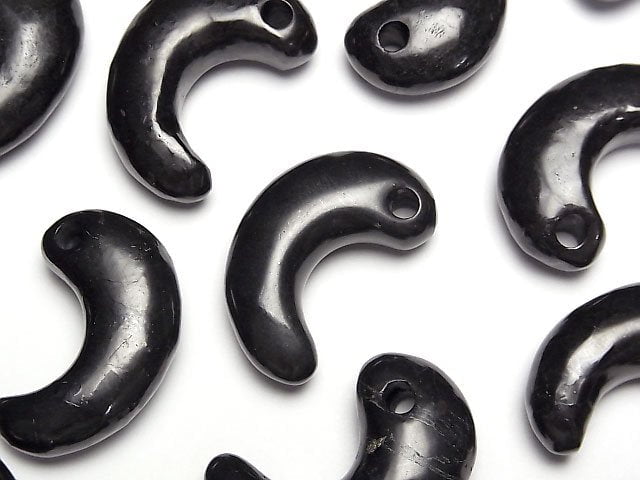
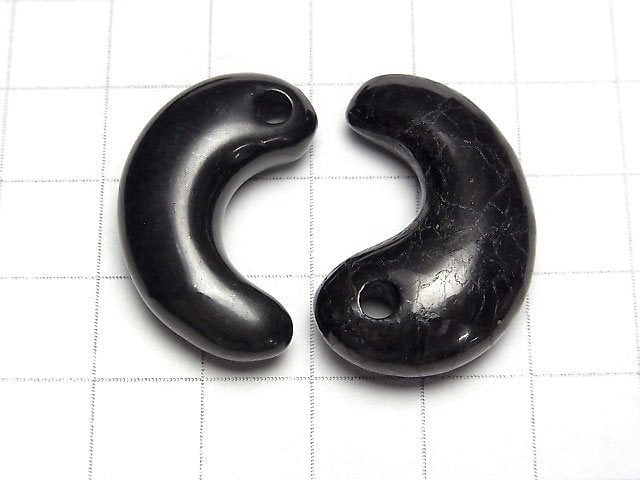
When buying shungite, first decide whether you want lustrous elite/noble material or classic regular shungite, then choose a form to match your project — drilled round beads and coma-shaped beads for jewelry, or spheres and pyramids in larger sizes for decor and collections. KenKenGems supplies hand-selected shungite in both types, drilled and ready to use, with the grade described so you know exactly what you are getting.