
TOC
- 1. What Is Mookaite? Quick Facts
- 2. Mookaite Meaning and History
- 2-1. Is Mookaite Rare?
- 2-2. Mookaite Value and Price
- 3. Mookaite Geology and Physical Properties
- 3-1. How Mookaite Forms
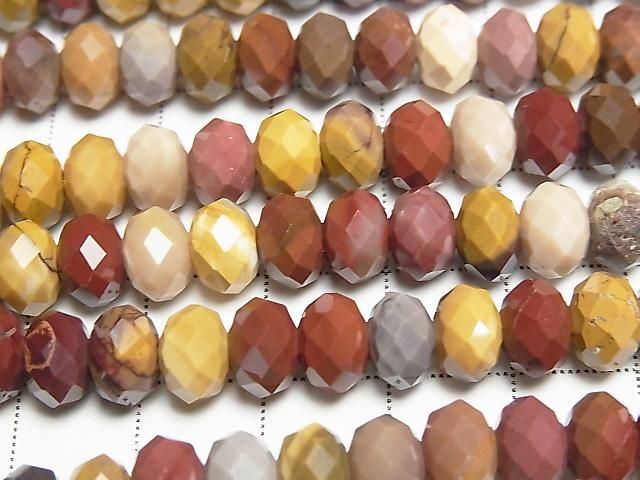
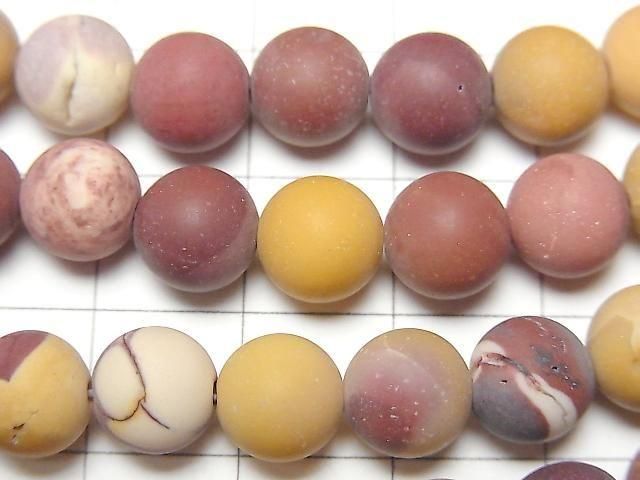
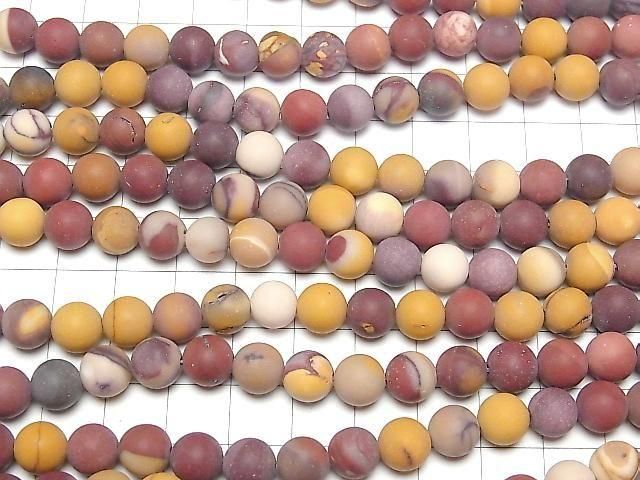
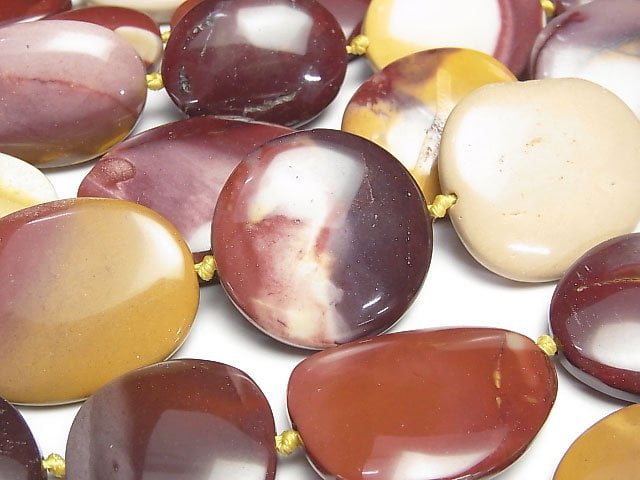
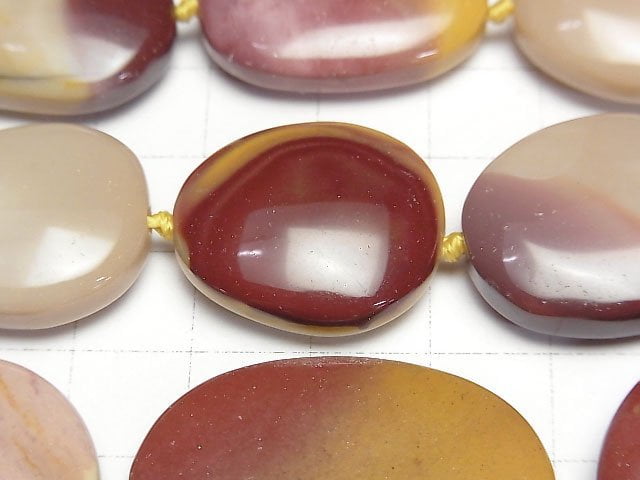
- 3-2. Colors, Patterns, and Varieties
- 3-3. Hardness and Durability
- 3-4. Mookaite vs. Jasper and Other Stones
- 4. Mookaite Healing Properties (Folklore)
- 5. Mookaite Metaphysical and Spiritual Meaning
- 5-1. Mookaite and the Chakras
- 5-2. Mookaite Zodiac Signs and Birthstone
- 6. How to Use Mookaite
- 6-1. In Jewelry Making
- 6-2. For Meditation and Everyday Carry
- 6-3. How to Clean and Care for Mookaite
- 7. How to Identify and Buy Genuine Mookaite
- 8. Mookaite FAQ
- 8-1. What is mookaite good for?
- 8-2. Is mookaite a real jasper?
- 8-3. Where does mookaite come from?
- 8-4. Can mookaite go in water?
- 8-5. Is mookaite dyed or treated?
- 8-6. What chakra and zodiac is mookaite associated with?
- 9. Shop Mookaite Beads and Cabochons at Kenkengems

What Is Mookaite? Quick Facts
Mookaite (pronounced MOO-kite, sometimes misspelled "mookite" or listed as "Mooka jasper") is a vividly colored Australian jasper found in only one place on Earth: the Kennedy Range region of Western Australia. In crystal traditions it is known as a stone of vitality, grounding, and living in the present moment. This guide covers exactly what mookaite is, where it comes from, its folkloric meaning and metaphysical associations, how rare it really is, and how to choose genuine mookaite beads and cabochons for your jewelry designs.

Mookaite is a silicified radiolarite: a sedimentary rock formed from the silica skeletons of microscopic marine plankton (radiolarians) that settled on an ancient seafloor during the Cretaceous Period. Although it is sold worldwide as "Mookaite Jasper" or "Australian Jasper," it is not a true jasper in the strict geological sense; the trade name stuck because of its jasper-like opacity, appearance, and durability. Its warm colors come from natural iron oxides in the stone, not from any dye, and reputable mookaite is sold untreated.
| Property | Detail |
|---|---|
| Mineral family | Microcrystalline quartz / chalcedony (silicified radiolarite) |
| Chemical formula | SiO2 (with iron oxide coloring) |
| Mohs hardness | 6.5-7 |
| Colors | Red, burgundy, mustard yellow, cream, white, brown, mauve/purple |
| Luster | Dull to glassy when polished; opaque |
| Locality | Mooka Creek, Kennedy Range, Western Australia (single known source) |
| Treatment | None typical; natural iron-oxide color (no dye or heat) |
| Chakras (lore) | Root, Solar Plexus |
| Zodiac (lore) | Leo (also linked to Virgo, Scorpio) |
| Care | Durable; clean with mild soap and water; avoid harsh chemicals |
Mookaite Meaning and History
Mookaite takes its name from Mooka Creek on Mooka Station, a remote sheep station in the Kennedy Range region of Western Australia—the only place in the world where this stone is found. "Mooka" comes from a local Aboriginal word often translated as "running water," a reference to the freshwater springs that cross the area. Long before mookaite reached the lapidary market in the mid-20th century, Indigenous Australians are said to have used this hard, predictable-fracturing stone as a tool material.
In modern crystal traditions, mookaite has come to symbolize strength, adventure, and connection to the earth—a folkloric meaning inspired by the ancient, sun-baked landscape it comes from. It is sometimes called a "stone of new beginnings" for its associations with change and fresh starts. These are cultural and spiritual associations rather than proven properties.

Is Mookaite Rare?
Yes—mookaite is genuinely rare in origin. The entire world supply comes from a single geological formation, the Windalia Radiolarite, near Gascoyne Junction in Western Australia. Extraction is small-scale and difficult: the most colorful material occurs in nodules within crumbly clay, and much of it fractures during recovery.
That said, rarity of origin does not mean high prices. Because demand is modest compared with stones like turquoise, finished mookaite beads and cabochons remain affordable—typically a few dollars to around $30 USD per strand—making it one of the more affordable single-origin gemstones on the market.
Mookaite Value and Price
Mookaite is one of the more accessible collector and jewelry stones. Value is driven mainly by color contrast, pattern, polish quality, and size rather than by carat weight. As a general guide for North American buyers:
- Bead strands (15.5 in): roughly $5-$30 USD, depending on shape, size, and grade
- Polished palm stones & tumbles: about $8-$25 USD each
- Cabochons: a few dollars for small ovals up to $30+ for large, sharply patterned pieces
- Large display slabs & bookends: $50 to several hundred USD
The most sought-after mookaite shows bold, high-contrast blends of red, mustard, and cream with a mirror polish. Uniform single-color or muddy pieces sell for less. Prices vary by supplier and market conditions and cannot be guaranteed.
Mookaite Geology and Physical Properties
Mookaite formed roughly 100 million years ago, when much of inland Australia lay beneath a shallow Cretaceous sea. Its geology explains both its colors and its durability.

How Mookaite Forms
Countless radiolarians—plankton with intricate silica skeletons—rained down onto the seafloor as ooze. Over millions of years the ooze compacted and was replaced by microcrystalline quartz. Iron oxides and hydroxides carried by groundwater then stained the rock: higher iron content produced deep reds and burgundies, partially oxidized zones turned mustard yellow and brown, and purer silica remained cream or white. The bands and swirls you see in a polished mookaite bead are a literal record of that ancient seafloor chemistry—and this natural iron-oxide coloring is why quality mookaite needs no dye. Some nodules even preserve fossil impressions of shells such as ammonites and belemnites.
Colors, Patterns, and Varieties
Mookaite ranges from solid single-color stones to boldly patterned material. Common types include:
- Solid red or yellow — clean, single-color pieces
- Banded — layered stripes recording sediment history
- Brecciated — angular fragments naturally re-cemented by silica, creating a mosaic look
- Spotted or "floral" — dappled multicolor patterns
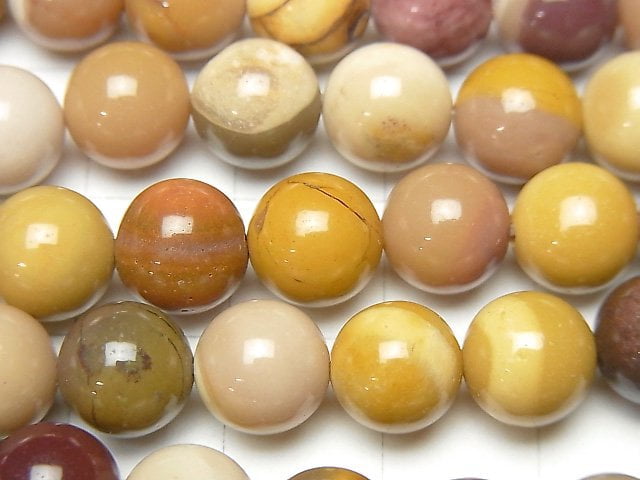
Multicolored pieces with sharp contrast—red against mustard and cream—are the most sought-after for beads and cabochons. Rarer hues include mauve, purple, and soft gray.
Hardness and Durability
With a Mohs hardness of 6.5-7, mookaite is hard enough for everyday jewelry, including bracelets and rings that take regular contact. It is opaque, takes an excellent glassy polish, and typically does not require stabilization or treatment—what you see is entirely natural color from iron oxides. Any material described as dyed or color-enhanced should be disclosed as such by the seller.
Mookaite vs. Jasper and Other Stones
Shoppers often search for "mookaite jasper," so it helps to understand how mookaite relates to true jasper and other lookalikes:
| Stone | What it is | Key difference |
|---|---|---|
| Mookaite | Silicified radiolarite (fossil plankton silica), SiO2 | Australia-only origin; sold as a "jasper" by trade custom |
| True jasper | Opaque variety of chalcedony (microcrystalline quartz) | Found worldwide; mookaite is jasper-like but not a true jasper geologically |
| Agate | Translucent, banded chalcedony | Often translucent with fine banding; mookaite is opaque |
| Dyed howlite/magnesite | Soft stone dyed bright colors | Neon or uniform saturated color; a common imitation to avoid |
Bottom line: "Mookaite Jasper" is the accepted commercial name, and the stone behaves like jasper in hardness and polish, but geologically it is a silicified radiolarite unique to Western Australia.
Mookaite Healing Properties (Folklore)
In crystal healing traditions, mookaite is considered a stone of vitality and grounded strength. Practitioners traditionally associate it with themes such as:
- Emotional steadiness — believed to ease fear of change and encourage decisiveness
- Living in the present — believed to help release worry about the future and "what ifs"
- Motivation — traditionally linked to overcoming procrastination and reconnecting with personal goals
- A sense of adventure — in crystal folklore mookaite is sometimes called a stone of "eternal youth," meaning embracing life’s changes with curiosity rather than fear
These associations reflect crystal folklore and personal practice, not scientific or medical fact. These are traditional beliefs, not medical claims. Mookaite is not a treatment for any condition and should never replace professional medical care.
Mookaite Metaphysical and Spiritual Meaning
Metaphysically, mookaite is valued in crystal lore as a grounding stone that is believed to connect personal willpower with the energy of the earth. It is often recommended by practitioners for people navigating change—new jobs, moves, or creative projects—because its energy is said to encourage courage, flexibility, and trust in one’s own decisions. These are traditional spiritual associations, not proven effects.

Mookaite and the Chakras
In chakra traditions, mookaite is most strongly associated with the Root Chakra (grounding, security) and the Solar Plexus Chakra (personal will, confidence). Its earthy reds are said to anchor energy to the body, while its golden yellows are linked to determination and self-discipline. Some practitioners also use it at the Sacral Chakra to spark creativity. To work with mookaite, many people hold a palm stone or wear a bead bracelet during meditation and focus on a decision they have been postponing.
Mookaite Zodiac Signs and Birthstone
Mookaite is most commonly linked to Leo, whose bold, sun-colored energy is said to mirror the stone’s palette. Some traditions also connect it with Virgo and Scorpio. Mookaite is not a traditional monthly birthstone, which makes it a distinctive alternative gift for anyone who loves warm, earthy colors.
How to Use Mookaite
Mookaite’s durability and bold colors make it one of the more versatile stones for both jewelry making and everyday spiritual practice. Here are the most popular ways to use it.
In Jewelry Making
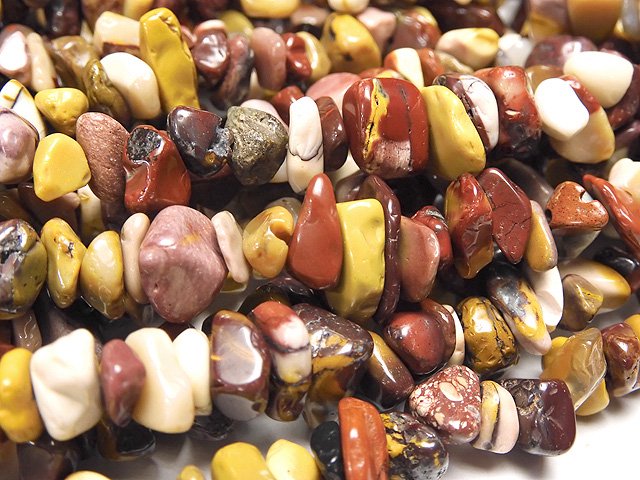
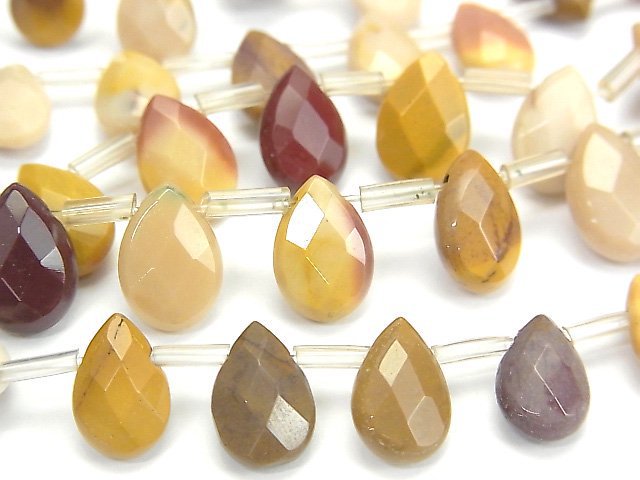
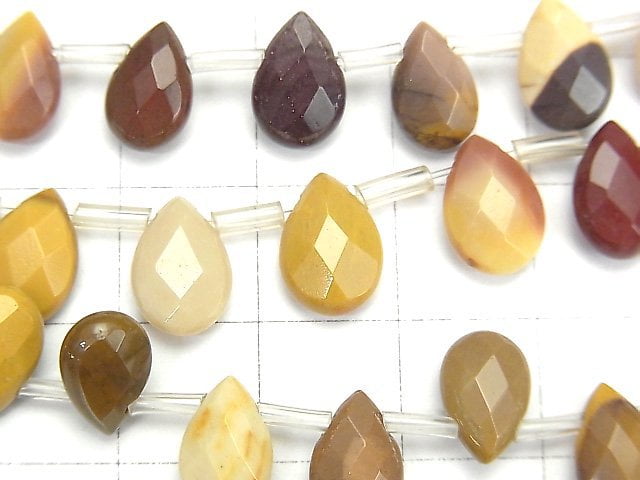
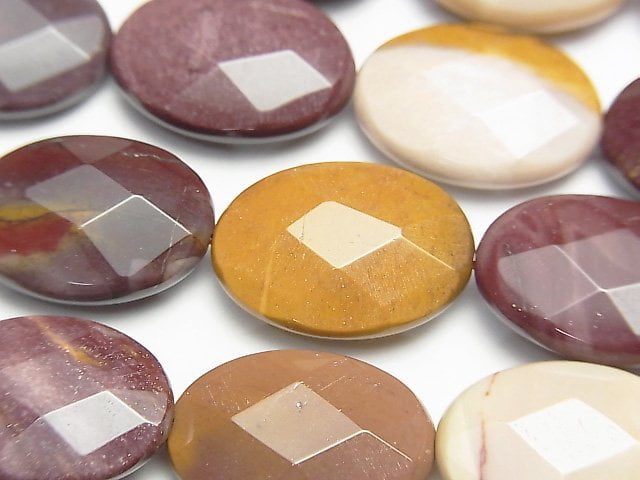
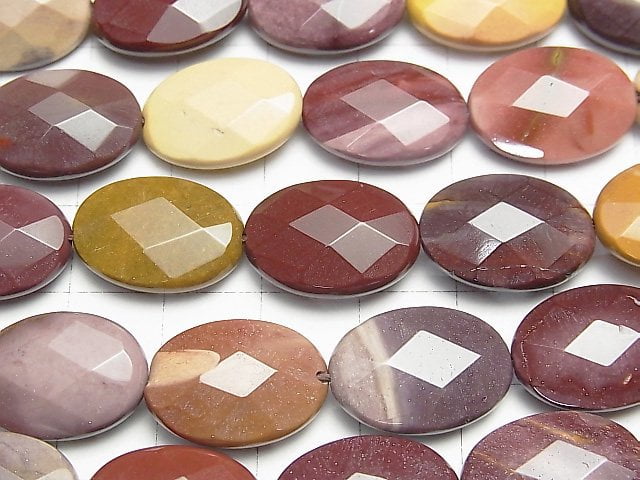
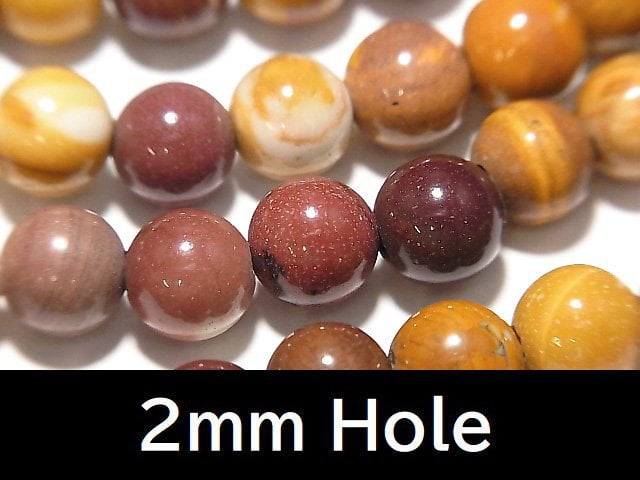
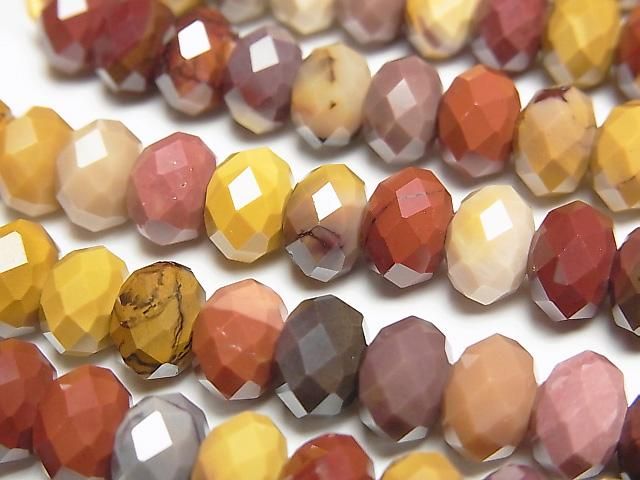
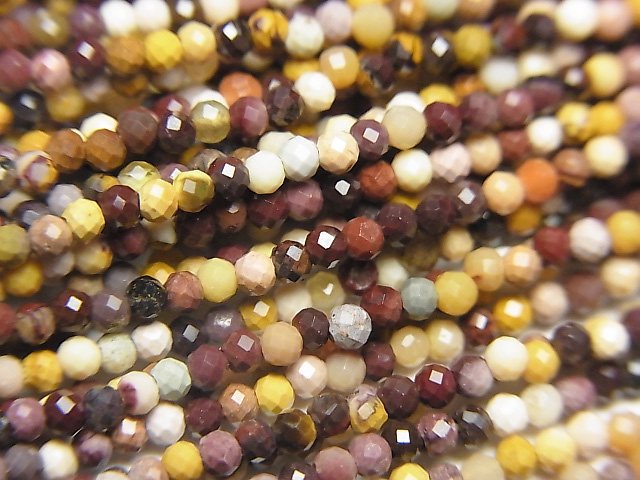
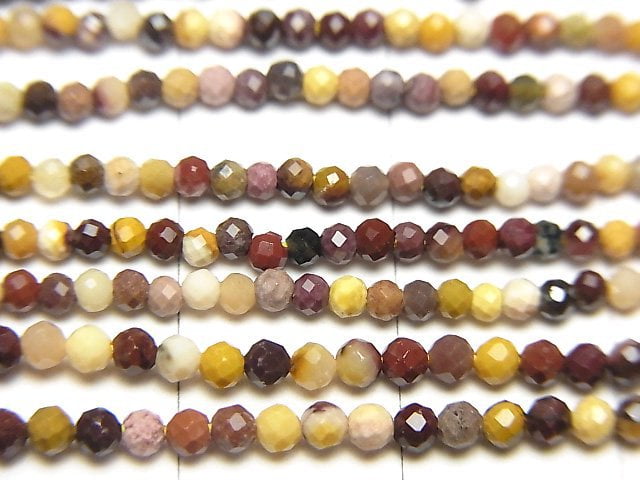
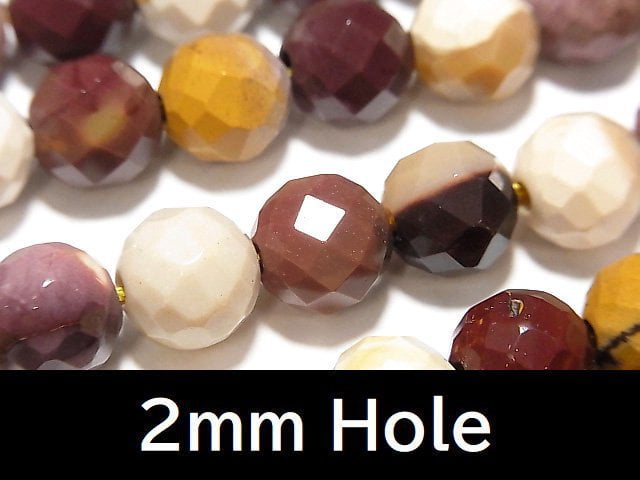
Mookaite is a favorite among jewelry designers because every bead is unique and, in genuine material, no dye or treatment is involved. Popular cuts include smooth rounds (6-10 mm), faceted rounds, nuggets, chips, and kite-shaped cabochons, usually sold on 15.5-inch strands. Its warm palette pairs beautifully with brass and gold-filled findings, and it complements turquoise, smoky quartz, and carnelian in multi-stone designs. At Mohs 6.5-7, it stands up well to daily-wear bracelets—a practical advantage over softer stones like malachite or fluorite. Browse our mookaite beads to compare shapes and colors.
For Meditation and Everyday Carry
Carry a tumbled mookaite in your pocket during stressful transitions, or hold one during meditation while focusing on a single present-moment sensation—breath, sound, or the stone’s weight in your hand. Many people place mookaite on a desk or shelf as a visual reminder to stay grounded through busy days.
How to Clean and Care for Mookaite
Clean mookaite with warm water, mild soap, and a soft cloth—that’s all it needs. It is safe for brief rinsing, but avoid long soaks for brecciated pieces, which can have natural micro-fractures, and keep it away from harsh household chemicals. Unlike sun-sensitive stones such as amethyst, mookaite’s iron-based colors are stable and won’t fade in normal light. Store beads separately from harder stones (like sapphire or topaz) to prevent scratches.
How to Identify and Buy Genuine Mookaite
Because all mookaite comes from one source, identification is easier than for most gemstones—but knowing what to look for still protects your budget. Genuine mookaite is opaque with a glassy polish and shows the characteristic red-mustard-cream palette; colors are rich but never neon. Be cautious of "mookaite" in bright turquoise, hot pink, or uniform saturated colors, which usually indicates dyed howlite or magnesite rather than genuine stone.
Typical North American prices run: bead strands $5-$30 USD depending on shape and grade; polished palm stones $8-$25; large display pieces $50 to several hundred dollars. When comparing suppliers, check whether the seller grades quality transparently, using a clear quality-rating system, and photographs actual strands rather than stock images.

Mookaite FAQ
What is mookaite good for?
In crystal traditions, mookaite is used for grounding, motivation, and staying present during change. Practically, it is an excellent jewelry stone: durable (Mohs 6.5-7), naturally colored, and affordable despite coming from a single source in Western Australia. These are traditional beliefs, not medical claims.
Is mookaite a real jasper?
Not in the strict geological sense. Mookaite is a silicified radiolarite—a sedimentary rock built from fossil plankton skeletons—while true jasper is an opaque variety of chalcedony. In the gem trade, however, "Mookaite Jasper" is the accepted commercial name, and its hardness and polish behave just like jasper.
Where does mookaite come from?
Only one place: the Windalia Radiolarite formation around Mooka Creek in the Kennedy Range region of Western Australia, near Gascoyne Junction. No other commercial source exists anywhere in the world, which makes its Australian origin a genuine selling point.
Can mookaite go in water?
Yes, briefly. At Mohs 6.5-7 and being non-soluble quartz, mookaite tolerates rinsing and short contact with water. Avoid prolonged soaking—especially for brecciated pieces with natural fracture lines—and dry it after cleaning.
Is mookaite dyed or treated?
Genuine mookaite is not dyed or heat-treated; its red, mustard, and cream colors come from natural iron oxides. Neon or unnaturally uniform colors usually signal dyed howlite or magnesite sold as "mookaite." A reputable seller will disclose any treatment.
What chakra and zodiac is mookaite associated with?
In crystal lore, mookaite is linked primarily to the Root and Solar Plexus chakras, and to the zodiac sign Leo (with some traditions adding Virgo and Scorpio). It is not a traditional birthstone, which makes it a distinctive gift choice. These are traditional beliefs, not medical claims.
Shop Mookaite Beads and Cabochons at Kenkengems
Ready to design with mookaite? Kenkengems has supplied gemstone beads to jewelry makers worldwide since 2006, sourcing directly and grading every strand under our transparent quality-rating system. Our mookaite collection includes round beads, faceted rounds, cube and twist facets, nuggets, chips, and kite cabochons—sold by the strand, half strand, or as loose stones, at wholesale prices with free worldwide shipping on orders over $300 USD. Every listing is photographed from actual stock, so the colors you see are the colors you receive.



![1strand $8.79! Mookaite Round 8mm [2mm hole] 1strand beads (aprx.14inch / 35cm)](http://store.kenkengems.com/cdn/shop/files/115613672_o1.jpg?v=1726815888&width=640)


![Mookaite 64 Faceted Round 10 mm [2 mm hole] 1strand beads (aprx.15 inch / 38 cm)](http://store.kenkengems.com/cdn/shop/files/64312551_o1.jpg?v=1716803458&width=640)
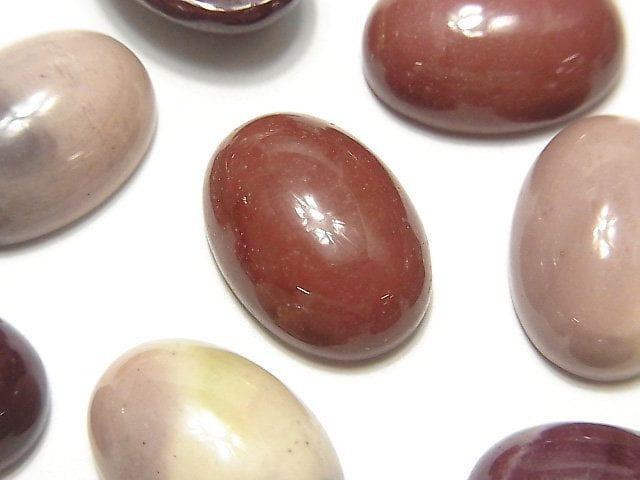
![Mookaite Cabochon [10 x 8] [14 x 10] [18 x 13] [30 x 22] 4pcs](http://store.kenkengems.com/cdn/shop/files/125077464_o1.jpg?v=1726729249&width=640)