TOC
- 1. What Is Charoite?
- 2. Charoite Meaning & History
- 3. Charoite Properties
- 4. Charoite Colors & Patterns
- 5. Charoite Value
- 6. Charoite Care & How to Identify
- 6-1. How to Care for Charoite
- 6-2. Natural vs Dyed or Imitation Charoite
- 7. Charoite Meaning & Symbolism
- 8. Charoite FAQ
- 8-1. What is charoite?
- 8-2. Where is charoite found?
- 8-3. What does charoite mean in crystal lore?
- 8-4. Is charoite rare and valuable?
- 8-5. How can you tell if charoite is real?
- 8-6. Can charoite get wet?
- 9. Shop Charoite at KenKenGems

What Is Charoite?
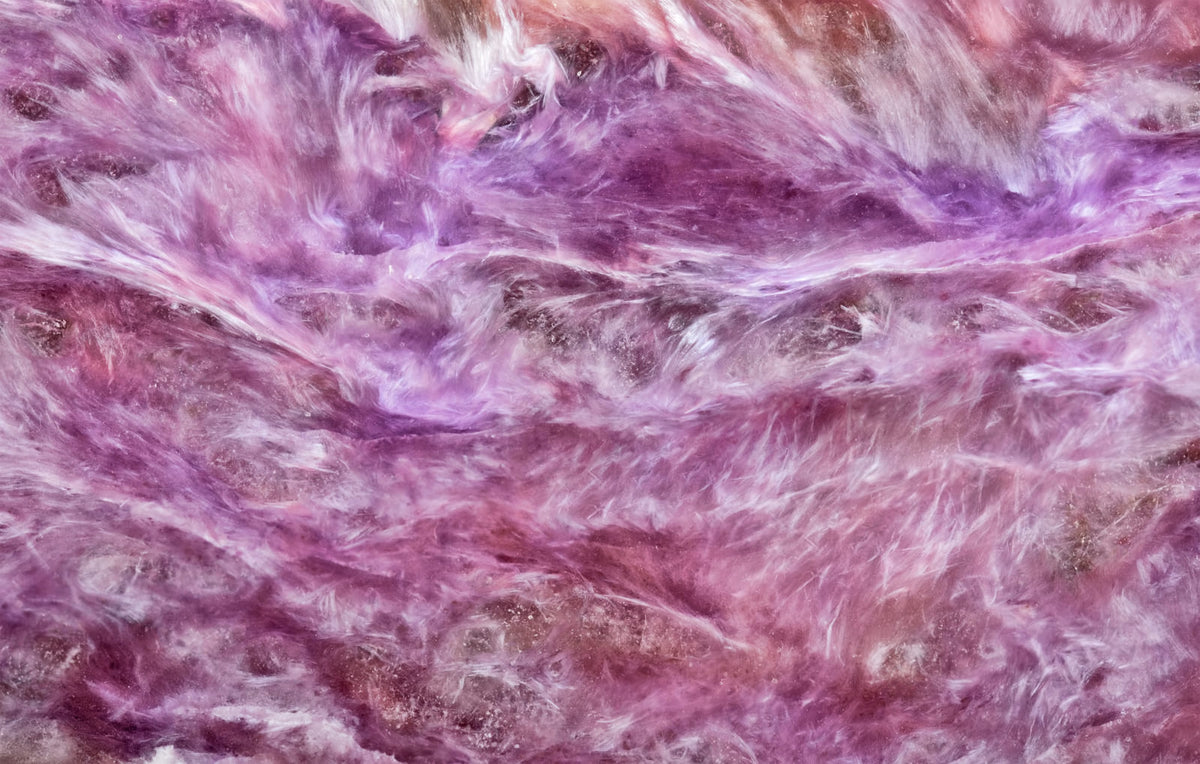
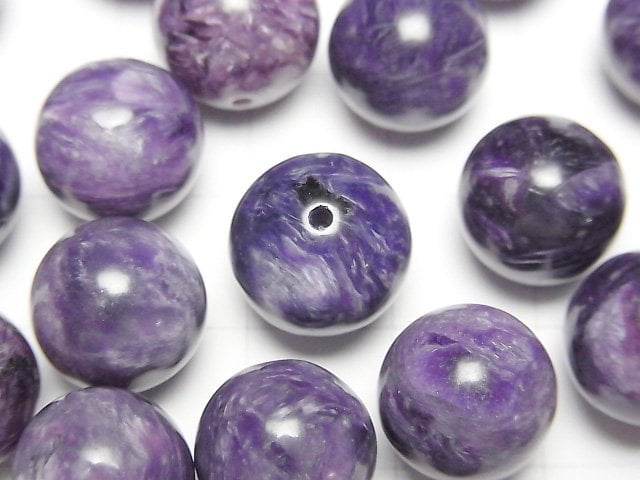
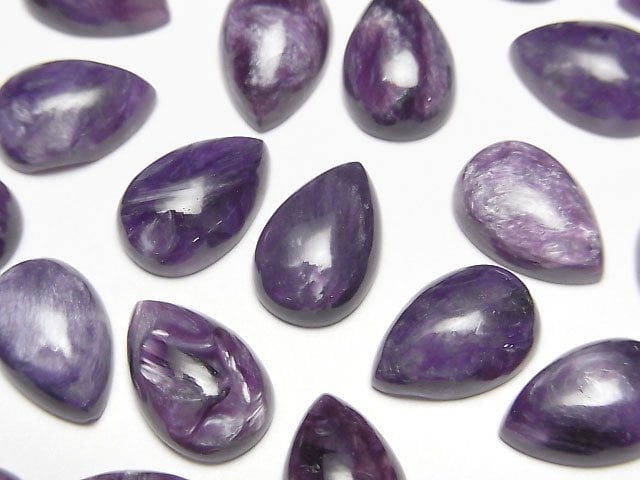
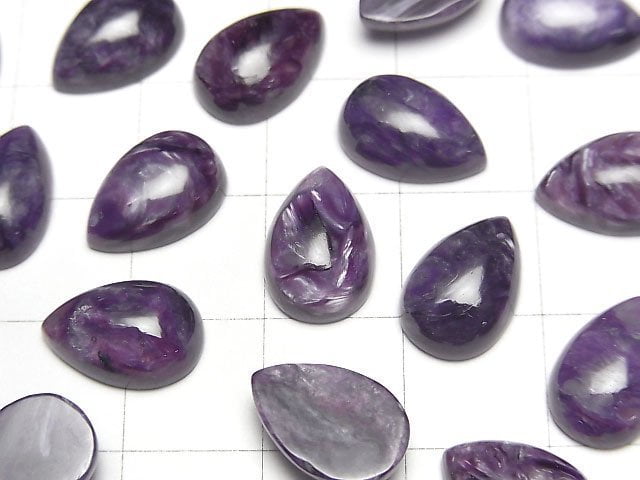
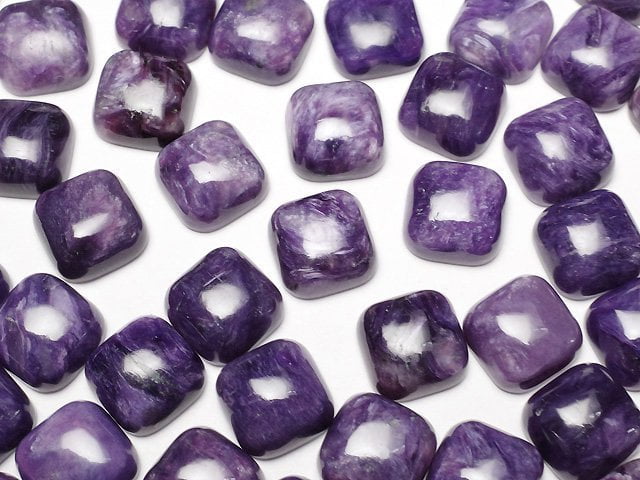
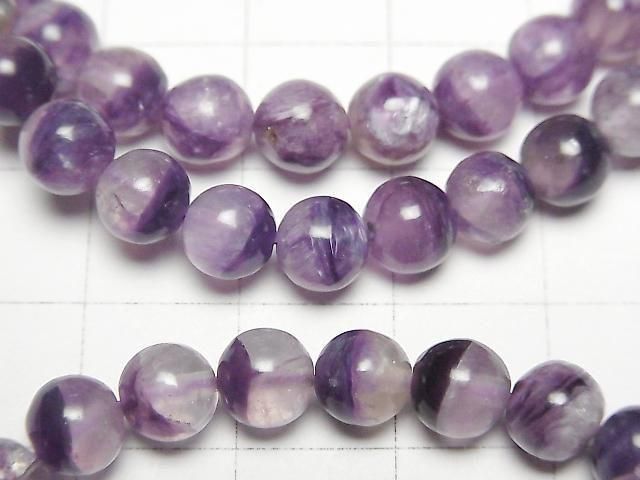
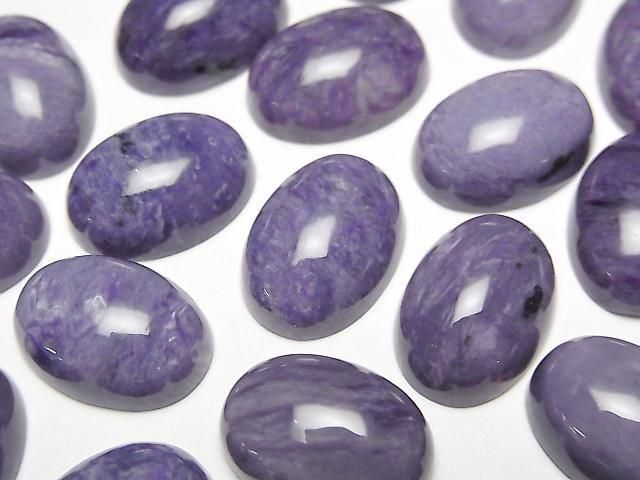
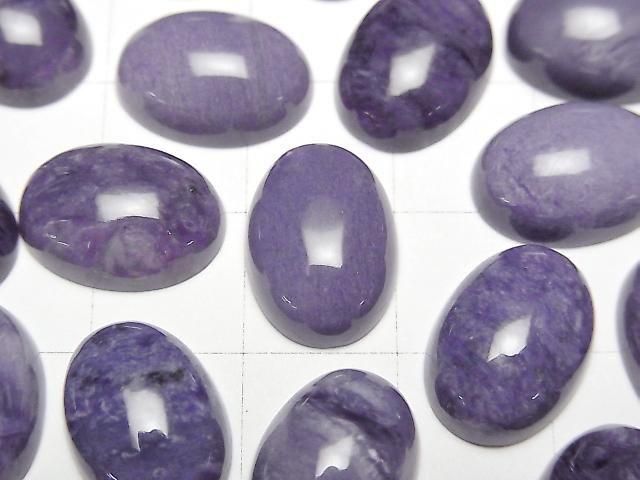
Charoite (pronounced "CHAR-oh-ite") is a rare purple to violet gemstone and a complex silicate mineral. It is famous for its flowing, swirling patterns — deep purple and lilac marbled with white, gray, black, and sometimes orange — a look that has earned it nicknames such as the "Lilac Stone of Siberia." Most charoite is opaque, with a soft, silky sheen when polished, and it is almost always cut as cabochons or beads rather than faceted gems.

What makes charoite unusual is where it comes from. Genuine charoite is found in only one place on Earth: a remote area of Siberia in far-eastern Russia. That single-source origin, combined with its one-of-a-kind swirled color, is what makes a charoite stone so distinctive. Because it is scarce and comes from a single deposit, some purple material sold as charoite is actually dyed or imitation, so it pays to know what to look for (covered further down this guide).
Charoite Meaning & History
Charoite is a young gemstone by geological standards — it was only formally recognized in the twentieth century. The first specimens were noted in the late 1940s in Yakutia (the Sakha Republic), a remote region of Siberia, and were at first mistaken for another mineral. It was not until the 1970s that geologists studied the purple stone closely and confirmed it was a species new to science. In 1978 it was officially described and named charoite.
The name is usually linked to the Chara River, which flows through the region where the stone is found, near the Murun Massif on the border of Yakutia and the Irkutsk area. In local folklore the name is also connected to the old word "chary," meaning charm or enchantment — a fitting story for a stone whose swirling color looks almost hand-painted. In crystal lore, charoite meaning centers on transformation and calm, themes we return to later in this guide.
Charoite Properties
Charoite is a complex hydrated silicate, and its chemistry is what gives the stone both its purple color and its distinctive silky, swirled appearance. The table below summarizes its key gemological properties.
| Property | Detail |
|---|---|
| Mineral class | Silicate (complex hydrated silicate) |
| Composition | Potassium, sodium, calcium, barium and strontium silicate |
| Crystal system | Monoclinic (typically fibrous, massive aggregates) |
| Mohs hardness | 5–6 (relatively soft — handle with care) |
| Color | Purple to violet, swirled with white, gray, black and orange |
| Cause of color | Trace manganese |
| Luster | Vitreous to silky or pearly; some pieces show a chatoyant cat’s-eye sheen |
| Transparency | Usually opaque; only rarely translucent |
| Typical cuts | Cabochons, beads, tumbled stones and carvings |
| Source | Single known deposit near the Chara River, Sakha (Yakutia), Siberia, Russia |
Because charoite is relatively soft and often fibrous, it is prized for its color and swirling pattern rather than for brilliance, and cutters orient each piece to bring out its best flow of purple, white and black.

Charoite Colors & Patterns
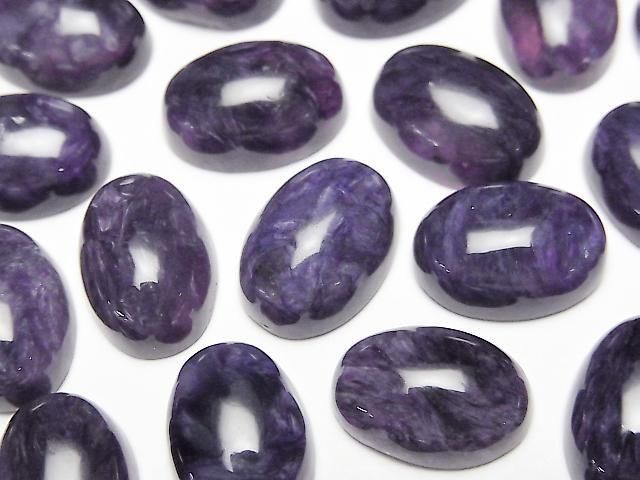
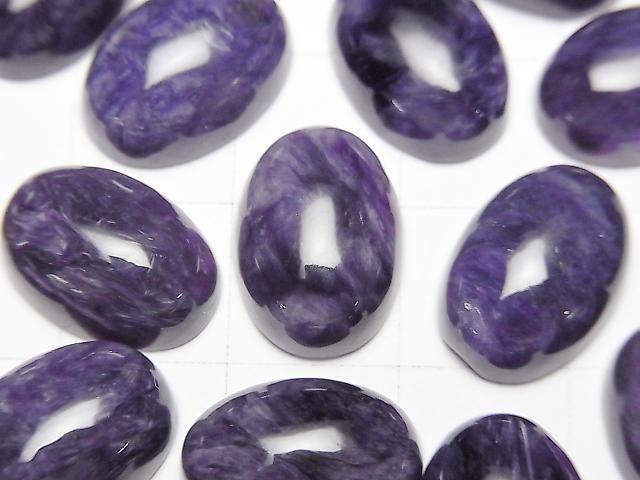
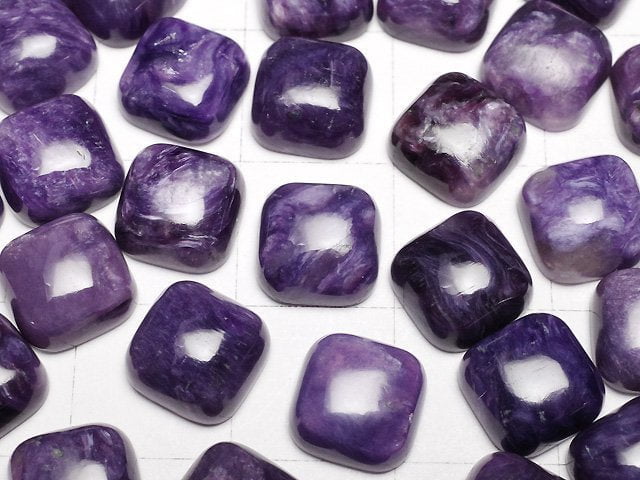
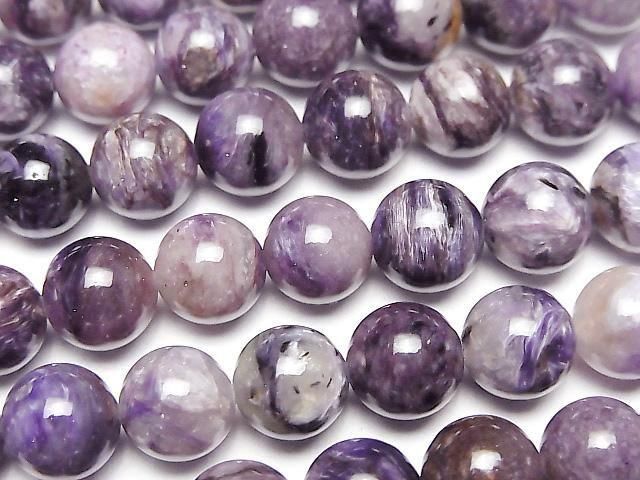
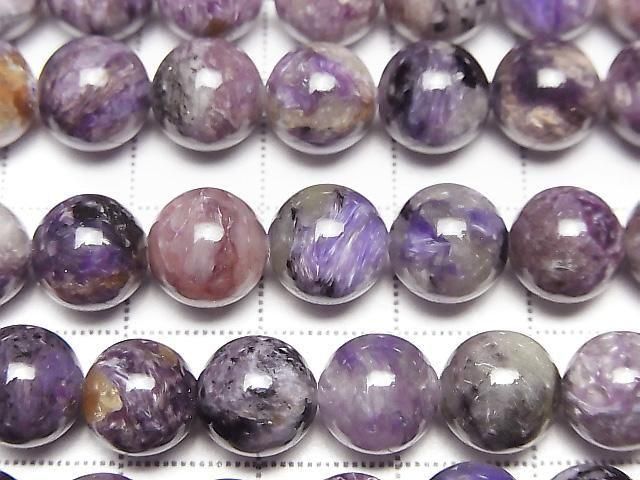
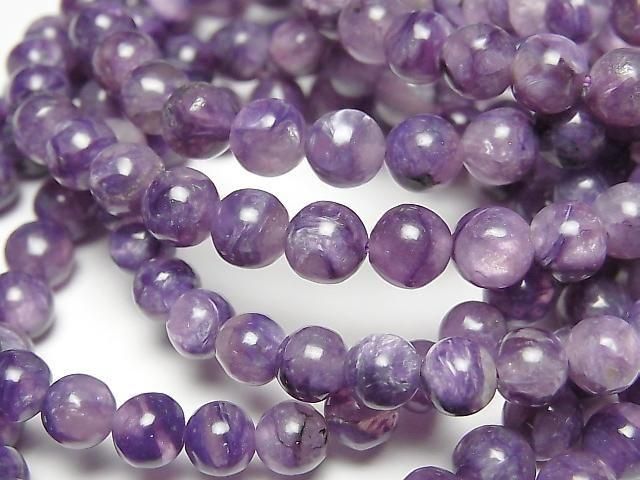
Charoite is best known for its rich purple color, but no two stones are alike. The base ranges from soft lilac and lavender to deep royal violet, and this purple comes from trace manganese. Across that background run swirls and veins of white (feldspar), gray, black, and occasional orange or honey tones, giving each stone its signature marbled, almost fibrous look.
Collectors often describe charoite patterns in two broad styles. "Radiant" or chatoyant pieces have fewer inclusions and a silky, pearly sheen that shifts as the stone is turned. "Landscape" pieces show more dramatic swirls — purple waves threaded with white and black that can resemble a river running through rock, which is where much of the stone’s appeal comes from.
Because the color and pattern vary so much from piece to piece, charoite is valued as a one-of-a-kind decorative stone. When you choose a cabochon or a strand of beads, you are really choosing a unique combination of swirl, contrast and sheen.

Charoite Value
Charoite prices vary widely with color, pattern, size, and quality. The figures below are approximate market ranges in US dollars and change with grade and availability:
- Small cabochons and tumbled stones: roughly $10–$40 per piece.
- Standard cabochons: roughly $50–$80 per piece.
- Larger cabochons, fine beads and pieces with strong "landscape" swirl or a chatoyant sheen: often $100 or more.
- Exceptional carvings and specimens with vivid, evenly swirled color are scarce and priced well above these ranges.
The biggest value drivers are color saturation and pattern quality. A vivid purple stone with a clear, flowing white-and-black swirl and a silky sheen will typically command a premium over a pale, muddy, or evenly colored piece of the same size. Note that some inexpensive purple stones sold as "charoite" are dyed or imitation, so an unusually low price can be a warning sign — see the identification tips below.
Charoite Care & How to Identify
Because genuine charoite comes from a single, remote source and is relatively soft, a little know-how helps you both look after your stone and buy with confidence.
How to Care for Charoite
Charoite is relatively soft (Mohs 5–6), so gentle handling keeps it looking its best:
- Clean with lukewarm water and a soft cloth — avoid ultrasonic and steam cleaners.
- Keep it away from harsh chemicals, perfumes, and household cleaners.
- Store it separately from harder stones such as quartz, topaz and diamond so it does not get scratched.
- Take off charoite jewelry before manual work, exercise, or swimming.
- Limit long spells of direct sunlight, which can slowly dull the purple color.
Natural vs Dyed or Imitation Charoite
Because natural charoite is rare and single-source, dyed and imitation material does appear in the market — often dyed purple stones, or lookalikes such as dyed jasper, that mimic charoite’s color but not its true swirl. Some genuine, more crumbly charoite is also stabilized (impregnated with resin) to make it easier to cut and wear, which is fine when it is disclosed. Use these checks before you buy:
- Pattern: genuine charoite shows a flowing, fibrous swirl of purple, white and black; a flat, evenly colored purple with no white "flow" is a warning sign.
- Color depth: natural stones shift between light and dark purple, not a single printed-looking tone.
- Sheen: many real pieces have a soft, silky or chatoyant sheen along the fibers.
- Hardness: at Mohs 5–6 charoite is fairly soft, so leave any scratch testing to a professional rather than risking a finished piece.
- Source and disclosure: buy from established sellers who state that a stone is natural charoite and disclose any dyeing or stabilization in writing.
A reputable seller should always be able to tell you whether a stone is natural charoite, dyed, stabilized, or an imitation. If that information is missing, approach the listing with caution.
Charoite Meaning & Symbolism
These are traditional beliefs, not medical claims. Charoite is not medicine and cannot diagnose, treat, cure, or prevent any illness.
In crystal lore, charoite is often called a "Stone of Transformation" and is traditionally associated with calm, acceptance of change, and a sense of inner balance. Its purple color links it, in tradition, with the third-eye and crown chakras, and many people simply keep it as a beautiful reminder of the qualities they want to focus on. Commonly cited traditional associations include:
- A feeling of calm and grounding during periods of change
- Encouraging insight, intuition, and self-reflection
- A sense of emotional balance and letting go of worry
- Inspiration for creative and imaginative work
In astrology, folklore traditionally connects charoite with Venus and links it to signs such as Libra, Gemini, and Aquarius, though it is enjoyed by people of every sign. All of these are cultural and folkloric associations, not statements of scientific or medical fact — charoite is best enjoyed as a striking, meaningful gemstone rather than as any kind of remedy.

Charoite FAQ
What is charoite?
Charoite is a rare purple silicate mineral found in only one place on Earth: a remote area of Siberia in far-eastern Russia. It is known for its swirling purple, white and black patterns and is usually cut as cabochons or beads for jewelry.
Where is charoite found?
Genuine charoite comes from a single known deposit near the Chara River in the Sakha Republic (Yakutia), Siberia, Russia. This single-source origin is a big part of what makes the stone so rare and distinctive.
What does charoite mean in crystal lore?
In crystal lore, charoite is often called a "Stone of Transformation" and is traditionally associated with calm, acceptance of change, and intuition. These are traditional beliefs, not medical or scientific claims.
Is charoite rare and valuable?
Yes. Because it comes from a single Siberian deposit, charoite is genuinely scarce. Approximate prices range from around $10 for small tumbled stones to $80 or more for good cabochons, with the finest swirled or chatoyant pieces priced higher. Values vary with color and pattern.
How can you tell if charoite is real?
Natural charoite shows a flowing swirl of purple, white and black and a soft, silky sheen, with a Mohs hardness of 5–6. A flat, evenly colored purple stone with no white "flow" may be dyed or imitation. Buy from sellers who state the mineral identity and disclose any dyeing or stabilization.
Can charoite get wet?
A quick rinse in lukewarm water is fine, but charoite should not be soaked. Avoid salt water and harsh chemicals, and dry the stone with a soft cloth after rinsing. Enjoy it as a decorative gemstone rather than something to prepare water for drinking.
Shop Charoite at KenKenGems
Looking to add this rare purple stone from Siberia to your collection or your next jewelry project? KenKenGems offers a hand-selected range of charoite, including:
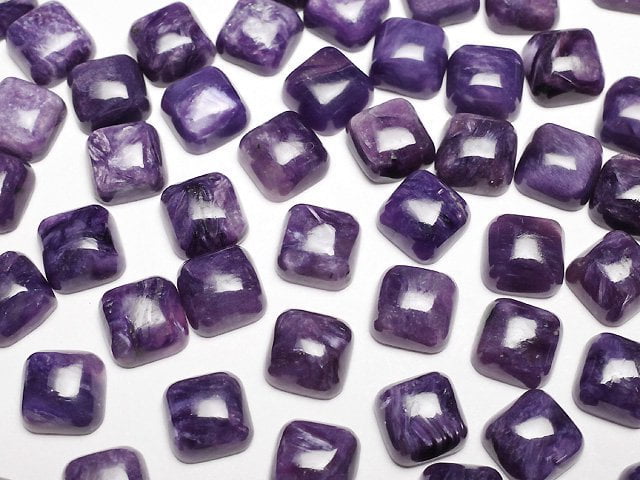
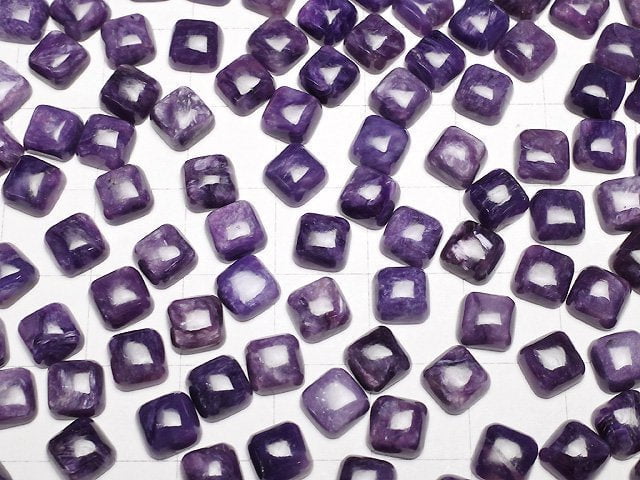
- Charoite cabochons in a variety of shapes and sizes
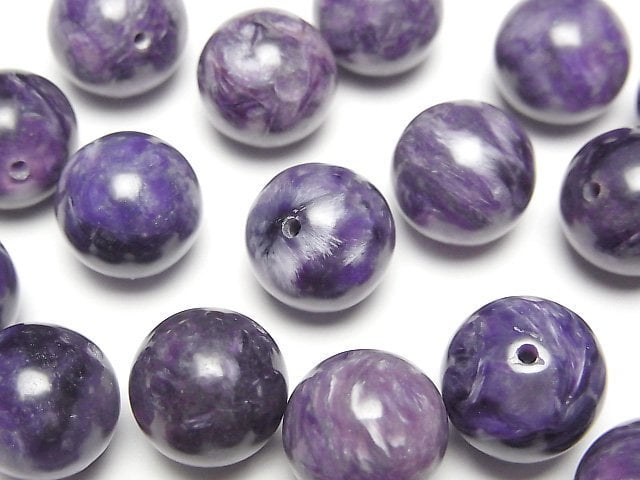
- Polished charoite bead strands for jewelry making
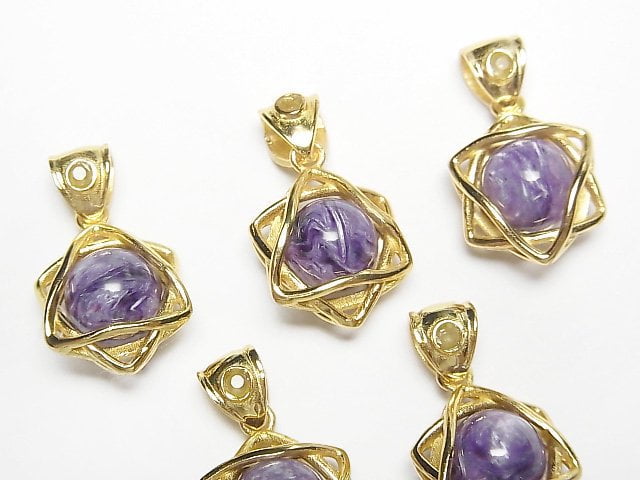
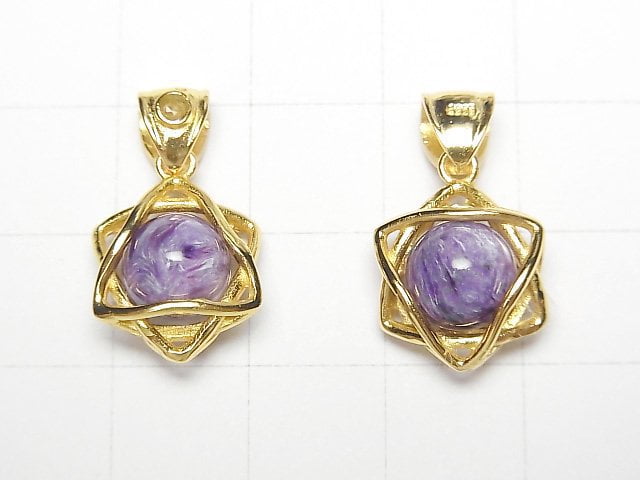
- Finished charoite bracelets, necklaces and pendants
- One-of-a-kind carvings and collector specimens
Every piece is chosen for its color, swirl, and finish, so you can find a genuine charoite stone that suits your style. Explore the full charoite collection and pick your favorite.


![[One of a kind] Charoite AAA Round 21mm Bracelet No.5](http://store.kenkengems.com/cdn/shop/files/188081848.jpg?v=1758613792&width=640)
![[One of a kind] Charoite AAA Round 21mm Bracelet No.5](http://store.kenkengems.com/cdn/shop/files/188081848_o1.jpg?v=1758613782&width=640)
![[One of a kind] Charoite AAA Round 20mm Bracelet No.1](http://store.kenkengems.com/cdn/shop/files/188081817.jpg?v=1758613678&width=640)
![[One of a kind] Charoite AAA Round 20mm Bracelet No.1](http://store.kenkengems.com/cdn/shop/files/188081817_o1.jpg?v=1758613684&width=640)
![[One of a kind] Charoite AAA Round 21mm Bracelet No.3](http://store.kenkengems.com/cdn/shop/files/188081836.jpg?v=1758613733&width=640)
![[One of a kind] Charoite AAA Round 21mm Bracelet No.3](http://store.kenkengems.com/cdn/shop/files/188081836_o1.jpg?v=1758613744&width=640)