TOC
- 1. What Is Citrine? Definition and Meaning at a Glance
- 1-1. Citrine Quick Facts
- 2. Citrine Meaning and Symbolism: Abundance, Confidence, and Joy
- 2-1. What Does Citrine Symbolize?
- 2-2. Citrine Spiritual Meaning
- 2-3. Citrine Meaning by Color: Yellow, Golden, Madeira, and Smoky Citrine
- 3. Citrine Healing Properties and Benefits
- 3-1. Emotional and Mental Benefits: Confidence, Abundance, and Motivation
- 3-2. Citrine Chakra: Solar Plexus and Sacral
- 3-3. Citrine Metaphysical and Manifestation Properties
- 3-4. Citrine Birthstone and Zodiac Signs
- 4. Citrine Physical Properties: Hardness, Color, and Composition
- 5. Natural vs. Heat-Treated Citrine: What to Know Before You Buy
- 5-1. How to Tell Natural Citrine from Heated Amethyst: 5 Checks
- 5-2. Does Heat-Treated Citrine Have the Same Meaning?
- 6. The History and Lore of Citrine
- 7. Where Is Citrine Found?
- 8. How to Use Citrine: Jewelry, Home, Work, and Meditation
- 8-1. Wearing Citrine and Placing It at Home or Work
- 8-2. Manifestation and Meditation with Citrine
- 9. Citrine Beads for Jewelry Making: A Buyer’s Guide
- 9-1. Popular Citrine Bead Shapes and Sizes
- 9-2. How to Judge Citrine Bead Quality
- 9-3. How Much Do Citrine Beads Cost?
- 9-4. Working with Citrine: Tips for Designers
- 10. How to Clean, Cleanse, and Care for Citrine
- 11. Frequently Asked Questions About Citrine
- 11-1. What is citrine good for?
- 11-2. What does citrine mean spiritually?
- 11-3. Is my citrine natural or heat-treated?
- 11-4. Is heat-treated citrine real citrine?
- 11-5. Can citrine go in the sun, and does it fade?
- 11-6. Does citrine need to be cleansed?
- 11-7. What chakra is citrine associated with?
- 11-8. Is citrine expensive or rare?
- 11-9. Is citrine the same as topaz?
- 12. Shop Citrine Beads, Faceted Stones, and Cabochons at KenKenGems
- 12-1. Wide variety of our Citrine collection
- 13. Reviewed by Kenkengems Gemstone Editorial Team

Citrine Meaning, Properties, and Uses: The Complete Guide for Buyers and Jewelry Makers
Citrine meaning centers on abundance, confidence, and positivity. This golden variety of quartz has been nicknamed the “merchant’s stone” for centuries because of its association with prosperity, and in crystal traditions it is used to support manifestation, motivation, and a sunny outlook. Citrine is also a durable, affordable gemstone (7 on the Mohs scale) and one of the two November birthstones. One fact matters more than any other when you buy it: most citrine sold today is heat-treated amethyst, not naturally yellow quartz.
This guide explains citrine stone meaning and symbolism, its healing and metaphysical properties, its physical properties, how to tell natural citrine from heated stone, how to use and care for it, and how to choose citrine beads for jewelry making.

What Is Citrine? Definition and Meaning at a Glance
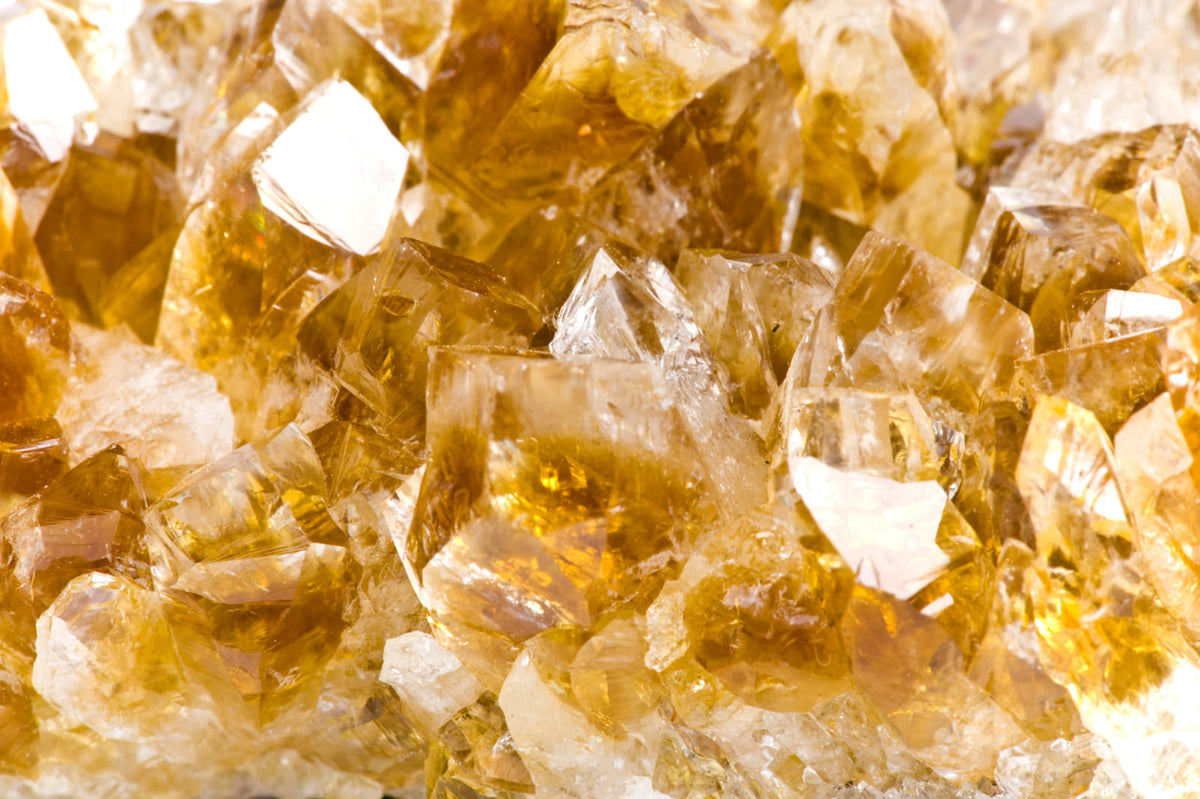
By definition, citrine is the yellow, gold, or orange variety of quartz (silicon dioxide, SiO2). Its warm color is linked to trace iron and to aluminum-related color centers in the crystal, and it belongs to the same mineral family as clear quartz, amethyst, and smoky quartz — in fact, most citrine on the market is amethyst that has turned golden with heat (more on that below).
In crystal traditions, citrine is the stone of abundance and manifestation: a bright, uplifting crystal linked to confidence, creativity, success, and a positive outlook. Durable (Mohs 7) and affordable, it’s a favorite for everyday jewelry and for anyone drawn to its sunny energy.
Citrine Quick Facts
| Item | Detail |
| Mineral | Quartz variety (silicon dioxide, SiO2) |
| Color | Pale yellow to gold, orange, and madeira brown |
| Hardness (Mohs) | 7 |
| Crystal System | Trigonal |
| Specific Gravity | 2.65 |
| Refractive Index | 1.544–1.553 |
| Cleavage | None (conchoidal fracture) — resists chipping in everyday wear |
| Chakra | Solar plexus |
| Zodiac Signs | Commonly linked to Scorpio (November), Leo, Aries, Gemini, Libra |
| Birthstone | November (with topaz) |
| Main Sources | Brazil (leading source), Uruguay, Zambia, Madagascar, Bolivia (ametrine), Russia, USA |
| Nicknames | Merchant’s stone, money stone, success stone |
| Keywords | Abundance, confidence, positivity, manifestation |
| Good to Know | Most commercial citrine is heat-treated amethyst or smoky quartz — ask sellers to disclose treatment |
Citrine Meaning and Symbolism: Abundance, Confidence, and Joy
The core citrine meaning is abundance. Its golden, sun-like color ties it to prosperity, success, confidence, and joy — which is why it’s nicknamed the merchant’s stone and the stone of manifestation. Citrine’s energy is described as bright and motivating, the crystal equivalent of a sunny morning.
What Does Citrine Symbolize?
Citrine symbolizes prosperity, personal power, and optimism. In modern crystal practice, citrine represents:
- Abundance, prosperity, and success
- Manifestation — turning goals and intentions into action
- Confidence, self-worth, and personal power
- Positivity, optimism, and joy
- Creativity and motivation
Because of these themes, citrine is a favorite for entrepreneurs, creatives, and anyone working toward a goal or fresh start. In the merchant’s-stone tradition, shopkeepers kept a piece of citrine in the cash drawer — today’s equivalent is a small tumbled stone on a desk, in a wallet, or next to a laptop.
Citrine Spiritual Meaning
Spiritually, citrine is regarded as a stone of light and personal power. Practitioners believe it clears self-doubt and negativity, replacing them with confidence, motivation, and a clear sense of direction. It’s often called one of the few crystals that never needs cleansing because it’s said to transmute negative energy rather than absorb it. Many people work with citrine to set intentions, build the mindset for success, and stay optimistic during change.
Citrine Meaning by Color: Yellow, Golden, Madeira, and Smoky Citrine
Every shade of citrine shares the same core meaning of abundance, but crystal practitioners often assign slightly different emphases by color. Citrine spans a warm spectrum from pale yellow to deep amber, and these are the varieties worth knowing:
- Lemon / yellow citrine — light, bright yellow; the classic natural color. Yellow citrine meaning leans toward clarity, mental focus, and new beginnings.
- Golden citrine — rich honey-gold, the most popular for jewelry. Associated with confidence, generosity, and success — the classic “merchant’s stone” shade.
- Madeira citrine — deep orange to reddish-brown, named after the wine; highly prized. Madeira citrine meaning is tied to willpower, ambition, and sustained drive; it is almost always produced by heating amethyst.
- Orange citrine — vivid orange, usually heat-created. Orange citrine meaning adds creativity and sacral-chakra energy to citrine’s usual optimism.
- Smoky citrine — a natural blend of smoky brown and citrine gold. Smoky citrine meaning combines grounding with abundance, and it is one of the few colors that is usually natural.
- Ametrine — a natural two-tone of amethyst purple and citrine gold, mined mainly in Bolivia. Read more in our ametrine meaning and properties guide (/blogs/ametrine/ametrine_stone_meaning_properties).
Color is largely a matter of taste, though deep, even, richly saturated stones without whitish zones command the best prices. Note that “lemon quartz,” the neon yellow-green stone sold under a similar name, is irradiated clear quartz rather than citrine — see our lemon quartz guide (/blogs/lemon-quartz/lemon-quartz-stone-properties-meaning).

Citrine Healing Properties and Benefits
In crystal healing tradition, citrine is the great mood-lifter: practitioners reach for it to boost confidence, dissolve self-doubt, and bring a sense of warmth and optimism to daily life. Its energy is described as bright, energizing, and motivating — a natural fit for goal-setting and fresh starts.
Important note: the citrine benefits described below reflect metaphysical traditions and personal practice, not medical science. Crystals are not a substitute for professional medical or mental-health care.
Emotional and Mental Benefits: Confidence, Abundance, and Motivation
Citrine is above all a stone for mindset and momentum. Practitioners use it to:
- Build confidence and self-worth before big moments
- Set and hold intentions around money, career, and goals
- Lift low mood and counter negative self-talk with optimism
- Spark creativity and motivation when starting something new
- Support a positive, abundant outlook day to day
A popular practice: keep citrine on a desk or in a workspace (or, in the merchant’s-stone tradition, in a cash register or wallet) as a daily reminder of your goals and a nudge toward action.
Citrine Chakra: Solar Plexus and Sacral
Citrine is the signature stone of the solar plexus chakra (Manipura), the energy center of personal power, confidence, and willpower. Its golden color is used to activate and balance this chakra, helping you feel capable, motivated, and in control of your direction. Some practitioners also connect citrine to the sacral chakra for creativity. Worn or placed over the upper stomach during meditation, it’s said to reignite drive and self-belief.
Citrine Metaphysical and Manifestation Properties
Metaphysically, citrine is best known as a manifestation and abundance stone. Practitioners believe it:
- Amplifies intentions around prosperity, success, and opportunity
- Attracts wealth and helps maintain it (the classic merchant’s-stone tradition)
- Clears negative energy and self-doubt without needing cleansing itself
- Boosts personal willpower, generosity, and confidence
- Energizes creative and business pursuits
Citrine is a popular choice for manifestation grids, vision boards, and workspaces, where its sunny energy is used to keep goals front and center.
Citrine Birthstone and Zodiac Signs
Citrine is a traditional November birthstone (alongside topaz), making it a popular fall birthday gift. It appears on the modern birthstone list maintained by Jewelers of America and the American Gem Trade Association (AGTA), and it is widely chosen as a more affordable alternative to yellow topaz. Astrologically, it’s most often linked to Scorpio (the November sign), Leo, Aries, Gemini, and Libra — signs that resonate with its confident, sunny, outgoing energy. As with most crystals, traditions consider citrine beneficial for any sign, especially when you want a boost of optimism or motivation.
Citrine Physical Properties: Hardness, Color, and Composition
Citrine is a hard, wearable gem — 7 on the Mohs scale, like all quartz — so it resists everyday scratches and suits rings, bracelets, and necklaces. For context, citrine hardness sits above steel (about 5.5) and window glass, and just below topaz (8), which is one reliable way to separate the two stones. Its color, ranging from pale lemon to deep golden-orange, is usually attributed to trace iron, although gemologists note the cause of natural citrine’s color is not fully settled — aluminum-based color centers similar to those in smoky quartz are also involved. The deep reddish-brown “madeira” tones are especially prized. Clarity is usually excellent, with a bright, glassy luster.
Key gemological properties of citrine (source: Wikipedia, GIA):
| Property | Citrine |
| Chemical composition | SiO2 (silicon dioxide), quartz group |
| Mohs hardness | 7 |
| Specific gravity | 2.65 |
| Refractive index | 1.544–1.553 (birefringence 0.009) |
| Luster | Vitreous (glassy) |
| Cleavage / fracture | None / conchoidal |
| Transparency | Transparent to translucent |
| Pleochroism | Natural citrine: weak dichroism (two shades of yellow). Heat-treated amethyst: none |
| Stability | Color can fade or change with prolonged strong sunlight or heat |
One care point worth knowing: citrine’s color can fade with prolonged, strong sunlight, so it’s best to enjoy it as jewelry you wear rather than a stone you leave in a sunny window. Naturally colored citrine is fairly rare; the deep, even colors you see most often are the result of heat treatment, which we explain next.

Natural vs. Heat-Treated Citrine: What to Know Before You Buy
Here’s the single most important thing to understand about citrine: most of it on the market is heat-treated amethyst or smoky quartz, not naturally yellow stone. Heating turns purple amethyst into gold, orange, or reddish-brown citrine. This is a long-accepted, stable treatment — the color is permanent and the stone is real quartz — but it’s not the same as naturally colored citrine, and it should be priced and disclosed accordingly.
Amethyst loses its violet color when heated to roughly 200–300°C (about 400–570°F); the iron already present in the amethyst oxidizes and produces yellow to orange-brown tones, sometimes called “burnt amethyst.” Natural citrine, by contrast, tends to be pale, and true natural citrine geodes essentially do not exist — the bright orange “citrine” geodes and cathedrals sold everywhere are heated amethyst from Brazil.
| Feature | Natural citrine | Heat-treated amethyst / smoky quartz |
| Color | Soft, even pale yellow to golden; sometimes smoky or greenish tints | Deeper yellow, orange, red-orange, or brown; often more saturated |
| Color distribution | Fairly even, may show smoky zones or phantoms | Color zoning: deepest at crystal tips, whitish or clear at the base |
| Crystal form | Single points, clusters, massive quartz | Geodes, druzy, cathedrals — almost always heated |
| Dichroism | Weak dichroism (two yellow shades under a dichroscope) | None |
| Rarity and price | Rare; commands a premium, especially in larger sizes | Abundant and inexpensive |
| Is it real quartz? | Yes | Yes — genuine quartz with a permanent color, but not natural citrine |
How to Tell Natural Citrine from Heated Amethyst: 5 Checks
Use these five checks together; no single one is conclusive without lab testing:
- Color: natural citrine is usually a soft, even pale-to-golden yellow; heat-treated stones are often deeper, with orange or reddish-brown tones and sometimes a slightly “burnt” concentration of color near the crystal tips
- Clarity and form: heated amethyst points may show whitish bases and a color gradient — and any citrine geode, druzy, or cathedral is heated by default
- Price: large, deeply colored “citrine” at a very low price is almost always heated
- Dichroism: a gemologist with a dichroscope can see two shades of yellow in natural citrine; heated amethyst shows one. For high-value pieces, a report from GIA or another independent lab settles the question
- Ask: reputable sellers will tell you whether a stone is natural or heat-treated. In the United States, the FTC Jewelry Guides call for disclosing gemstone treatments that are not permanent, that require special care, or that significantly affect value, and the AGTA’s industry disclosure code marks heated stones with an “H.” Whether or not disclosure is legally required for a given stone, a trustworthy seller will answer the question plainly
Neither is fake — but if natural color matters to you, buy from sellers who disclose treatment. Also check the name: irradiated “lemon quartz” and iron-stained yellow quartz are sometimes sold as citrine, but neither is citrine in the strict gemological sense.
Does Heat-Treated Citrine Have the Same Meaning?
Most crystal practitioners say yes: heated citrine is still quartz, and its meaning — abundance, confidence, and positivity — is treated as the same in everyday practice. Purists prefer natural citrine for its gentler color and rarity, and some believe an untreated stone carries a “cleaner” energy. There is no scientific basis for either position, so the honest answer is that it comes down to personal preference and budget. For jewelry making, heated citrine is the practical choice: the color is permanent, the supply is consistent, and strands cost a fraction of natural material.
The History and Lore of Citrine
Citrine has been treasured since antiquity, but for centuries it was mistaken for topaz — sold as “golden topaz” or “Spanish topaz” because almost any golden-yellow stone was called “topaz” before modern mineralogy separated quartz (hardness 7) from true topaz (hardness 8). Its name comes from the French citron (lemon), by way of the Latin citrus, and the word “citrine” appears in English as early as the 14th century.
Citrine’s most enduring nickname is the merchant’s stone or money stone: shopkeepers once tucked it into cash drawers to attract prosperity and keep wealth flowing. Quartz gems including citrine were carved and worn in ancient Egypt, Greece, and Rome, Queen Victoria was reportedly fond of the stone, and it enjoyed a revival in Art Deco jewelry of the 1920s and 1930s. Citrine has long been associated with success, generosity, and good fortune — themes that still define its meaning today.

Where Is Citrine Found?
Most citrine comes from Brazil, the world’s leading source of both natural citrine and the heat-treated amethyst sold as citrine, along with Bolivia (home of natural ametrine), Madagascar, Uruguay, Russia, and Zambia. In the United States, citrine is also found, though Brazil supplies most of what reaches the market. The famous deep-orange “madeira” material comes mainly from Uruguay, Zambia, Madagascar, and Brazil’s Rio Grande do Sul, and most of it is heat-treated amethyst, while Bolivia’s Anahí mine is the classic source of natural ametrine and pale natural citrine.
How to Use Citrine: Jewelry, Home, Work, and Meditation
What is citrine good for in daily life? Its uses fall into three categories: wearing it, placing it in your space, and using it in focused practices like manifestation or meditation. Here’s how to make the most of the abundance stone.
Wearing Citrine and Placing It at Home or Work
Wearing citrine keeps its confident, sunny energy with you — rings, bracelets, and pendants all work, and at Mohs 7 it handles daily wear well (just keep it out of prolonged direct sun to protect the color). For jewelry makers, citrine is a versatile warm accent; faceted rounds and briolettes sparkle, while tumbled nuggets suit casual designs (see the bead buyer’s guide below).
For abundance, tradition places citrine where money moves: a cash register, wallet, or the “wealth corner” of a home or office (the far-left corner from the entrance, in feng shui). A citrine cluster on a desk is a popular way to keep goals and motivation in view.
Manifestation and Meditation with Citrine
For manifestation, hold citrine while you set a clear intention — many people write a goal and place the stone on top, or add citrine to a manifestation grid or vision board. For meditation, rest it over the solar plexus and visualize warm, golden light building confidence and drive. Even a few minutes a day helps anchor the habit. Citrine pairs well with clear quartz (to amplify intentions) and smoky quartz (to stay grounded while you dream big), and with pyrite or green aventurine in abundance grids.

Citrine Beads for Jewelry Making: A Buyer’s Guide
Citrine is one of the most versatile warm-toned gemstone beads: hard enough for bracelets and rings, inexpensive enough for full strands, and available in everything from 2 mm faceted rounds to chunky rough nuggets. Here is what to look for when you buy citrine beads, based on what we see every day as a wholesale supplier.
Popular Citrine Bead Shapes and Sizes
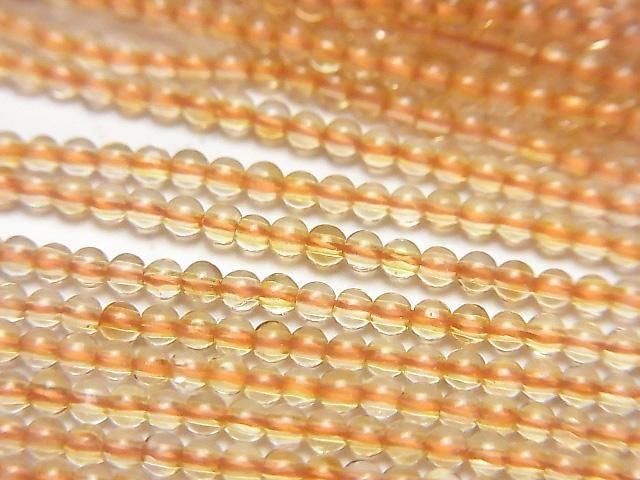
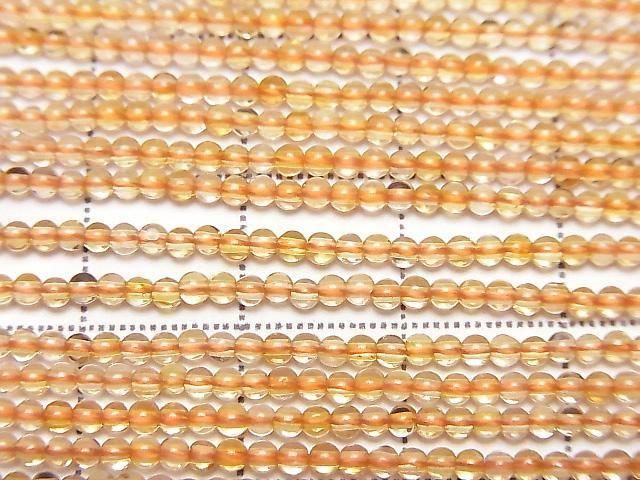
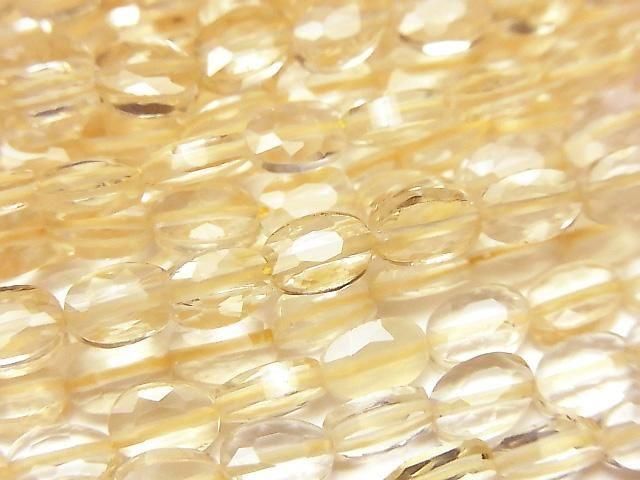
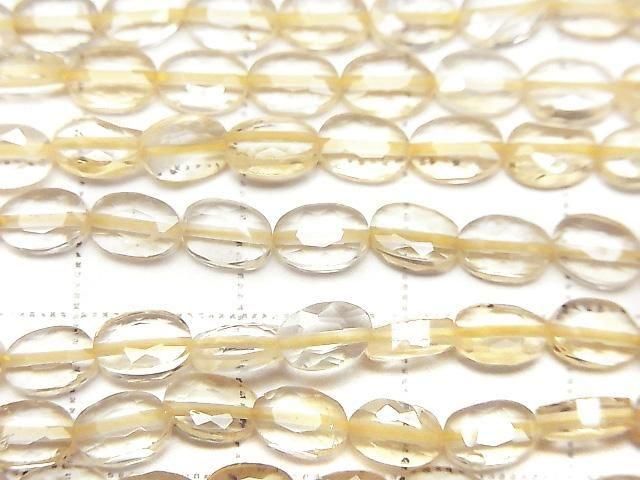
- Faceted rounds (2–10 mm): 2–4 mm for delicate layering necklaces and earrings, 6–8 mm for bracelets and statement strands, 10 mm and up for bold pieces
- Faceted rondelles (3–8 mm): the most sparkle per dollar; ideal for spacers and “sparkle” strands
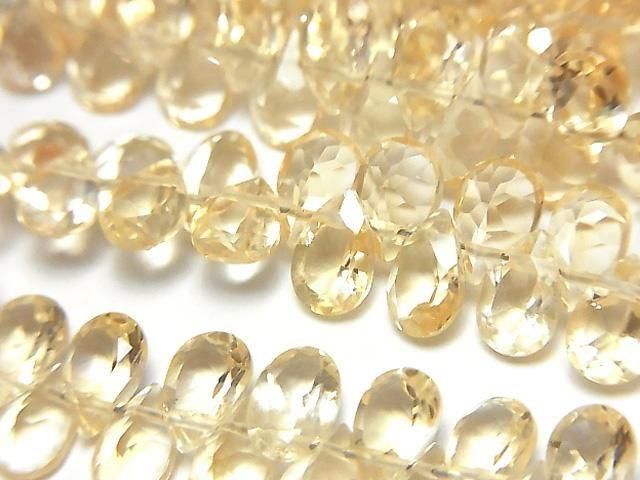
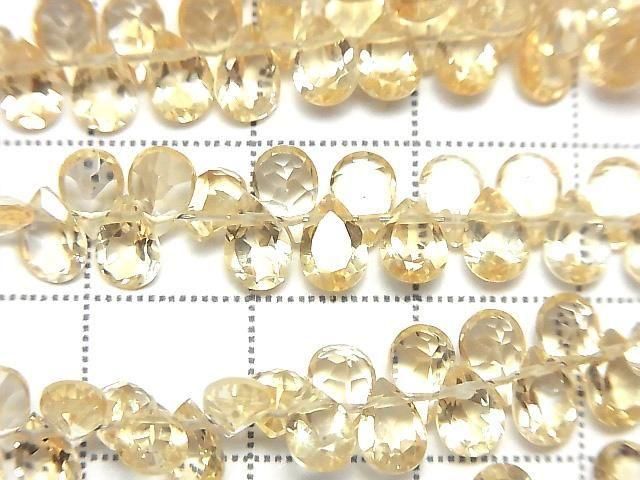
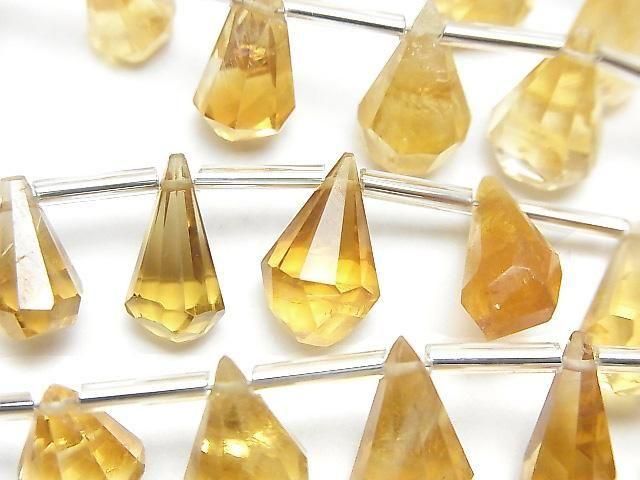
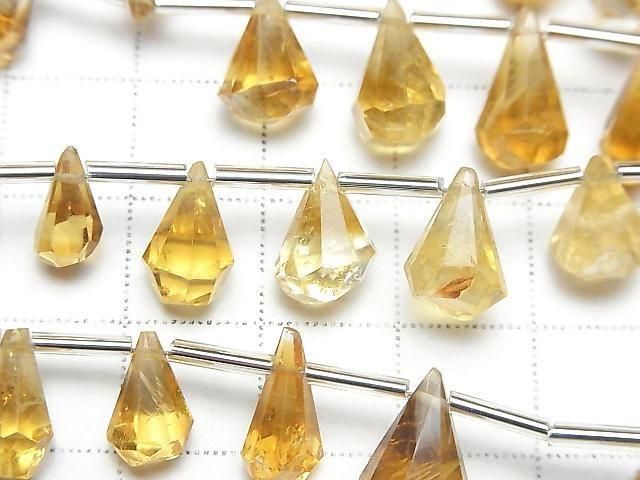
- Briolettes and faceted drops (about 6×4 to 12×8 mm): top-drilled or half-drilled for earrings, pendants, and cluster designs
- Cubes, ovals, and pear shapes: geometric and modern; often cut in color gradations from pale to deep gold
- Rough nuggets and chips: organic, boho-style strands; usually the most affordable way to use citrine
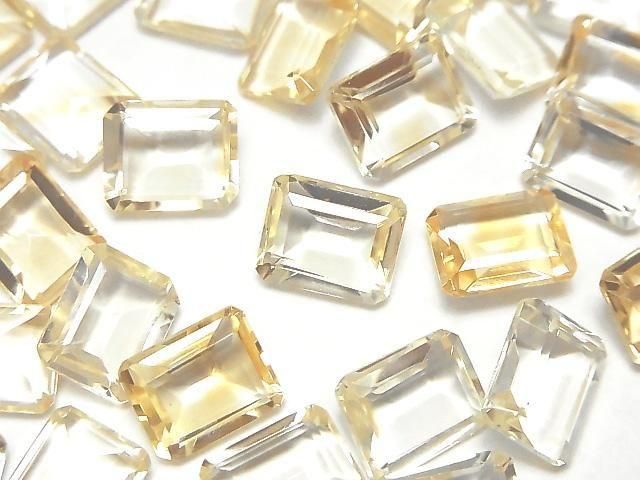
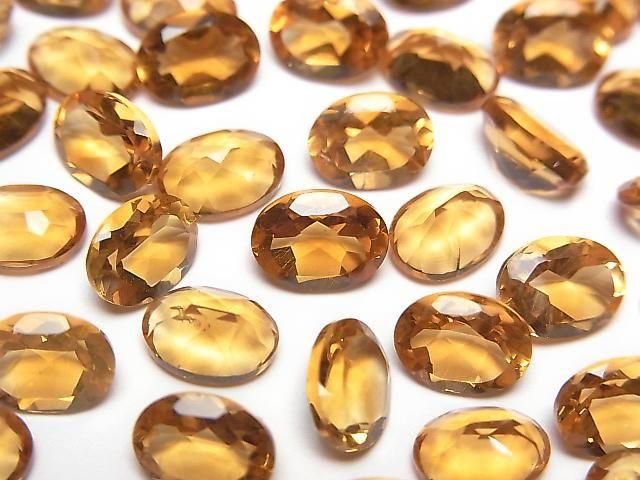
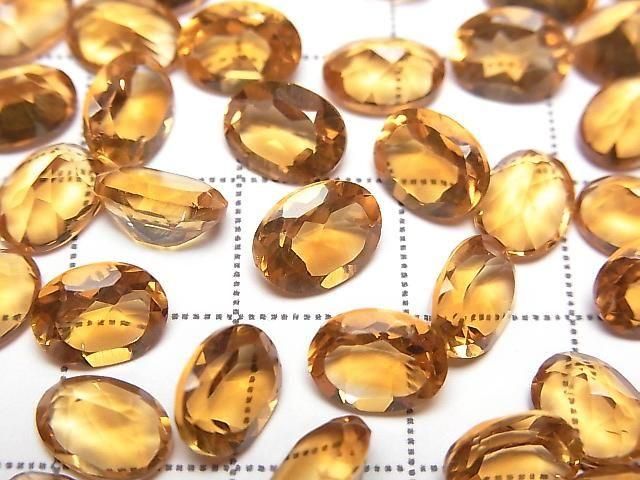
- Loose faceted stones and cabochons: for bezel settings, prong settings, and rings
A standard strand is about 15 inches (38 cm). As a rule of thumb, that gives you roughly 95 beads at 4 mm, 63 at 6 mm, and 47 at 8 mm — enough for one bracelet plus earrings, or a short necklace, from a single strand.
How to Judge Citrine Bead Quality
Grades such as A, AA, and AAA are assigned by each seller rather than by an industry standard, so compare the stones themselves rather than the label. The points that actually separate a good strand from a mediocre one:
- Color: even saturation from bead to bead; pale natural citrine and deep golden heated citrine are both desirable, but a strand should not mix the two unless it is cut as a deliberate gradation
- Clarity: eye-clean stones with no clouding, cracks, or heavy inclusions; a few phantoms or smoky zones are acceptable in natural material and can be attractive
- Cut: crisp, aligned facets and consistent bead size along the strand; poorly calibrated beads make a bracelet look uneven
- Drill holes: straight, centered holes with no chipping at the edges; holes on 4–8 mm beads are typically about 0.8–1.0 mm, which fits standard beading wire and most silk or nylon cords
- Treatment disclosure: know whether you are buying natural or heated citrine so you can describe your finished jewelry accurately to your own customers
How Much Do Citrine Beads Cost?
Working with Citrine: Tips for Designers
- Keep it away from heat: never torch, kiln, or steam citrine, and avoid heat-setting resin near it — heat is exactly what changes quartz color
- Ultrasonic cleaners are generally safe for citrine, according to GIA, but steam cleaning is not recommended
- Pair warm metals: gold-filled and brass findings flatter golden citrine; sterling silver suits pale lemon citrine
- Classic combinations: citrine with amethyst (an “ametrine” look), smoky quartz, clear quartz, garnet, or carnelian for fall and holiday collections — November birthstone jewelry sells well from September on
- Display carefully: avoid leaving citrine jewelry in a sunlit shop window for months; rotate stock to protect the color
Browse our citrine bead collection (/collections/citrine) for faceted rounds, rondelles, briolettes, nuggets, loose stones, and cabochons, with prices in USD and shipping to the United States and Canada.
How to Clean, Cleanse, and Care for Citrine
Physical care: citrine is hard (Mohs 7) and easy to keep — wash with mild soap and lukewarm water and dry with a soft cloth. GIA notes that ultrasonic cleaners are usually safe for citrine, while steam cleaning should be avoided. The one real rule is light: keep citrine out of prolonged direct sunlight and high heat, both of which can fade its color over time. Store it away from harder stones to avoid scratches.
For energetic cleansing, citrine is famously low-maintenance — many practitioners believe it doesn’t accumulate negative energy the way other stones do, so it rarely needs cleansing. If you like to cleanse it anyway, use gentle methods like smoke, sound, or a selenite plate rather than long sun exposure.

Frequently Asked Questions About Citrine
What is citrine good for?
Citrine is used for confidence, abundance, and motivation. People wear it or keep it in their workspace to support goals around money and success, lift their mood, and stay positive — it’s nicknamed the merchant’s stone and the stone of manifestation.
What does citrine mean spiritually?
Spiritually, citrine is regarded as a stone of light, personal power, and manifestation. Practitioners believe it clears self-doubt and negativity and supports confidence, optimism, and a clear sense of direction.
Is my citrine natural or heat-treated?
Most citrine sold is heat-treated amethyst, which turns deep gold, orange, or reddish-brown. Natural citrine is usually a softer, even yellow. Both are real quartz; if natural color matters to you, buy from sellers who disclose treatment.
Is heat-treated citrine real citrine?
Heat-treated citrine is real quartz with a permanent color, so it is genuine as a gemstone, but it is not natural citrine in the strict gemological sense. It should be sold at a lower price than natural citrine and, ideally, with the treatment disclosed.
Can citrine go in the sun, and does it fade?
Briefly is fine, but avoid prolonged direct sunlight and high heat — citrine can fade over time. It’s better worn or displayed away from sunny windows.
Does citrine need to be cleansed?
Many practitioners believe citrine is one of the few stones that doesn’t need regular cleansing, since it’s said to transmute rather than absorb negative energy. You can still cleanse it gently if you prefer.
What chakra is citrine associated with?
The solar plexus chakra, the center of confidence and personal power — which is why citrine is linked to willpower, motivation, and self-belief. Some practitioners also connect it to the sacral chakra for creativity.
Is citrine expensive or rare?
Commercial citrine is inexpensive because heated amethyst is abundant; strands and faceted stones are among the most affordable quartz gems. Natural, untreated citrine is genuinely rare and costs significantly more, especially in large, clean pieces.
Is citrine the same as topaz?
No. Citrine is a quartz; “golden topaz” and “Spanish topaz” are old, inaccurate names for citrine. Real topaz is a different, harder mineral (Mohs 8 versus 7), and both are November birthstones. Read our topaz meaning and properties guide (/blogs/topaz/topaz-meaning-properties-crystal) for the comparison.
Shop Citrine Beads, Faceted Stones, and Cabochons at KenKenGems
Ready to bring citrine’s sunny energy into your designs? KenKenGems is a Japan-based gemstone supplier trusted by jewelry makers worldwide, and our citrine is hand-selected for color and clean cutting. You’ll find:
- Citrine bead strands and sets — rounds, faceted cuts, briolettes, and nuggets
- Faceted stones in pear, marquise, and other shapes for statement pieces
- Cabochons and loose stones for custom jewelry
Great value, too: a large (20+ ct) expertly faceted citrine can cost under $40. Prices are listed in USD, and we ship to the United States and Canada. Looking for citrine’s quartz relatives? Explore our amethyst (/collections/amethyst), ametrine (/collections/ametrine), and smoky quartz (/collections/smoky-quartz) collections.
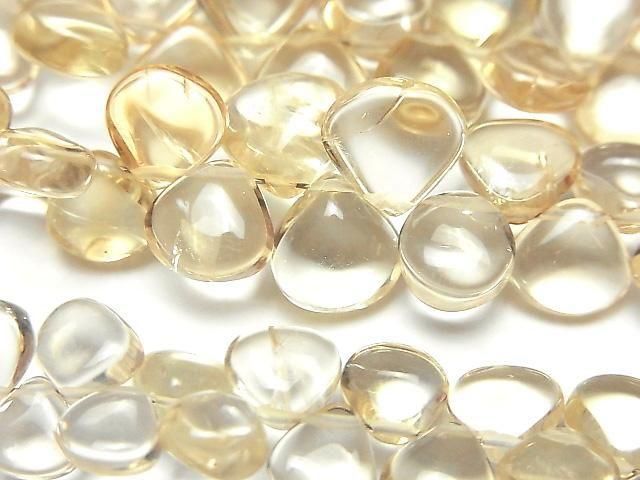
Wide variety of our Citrine collection


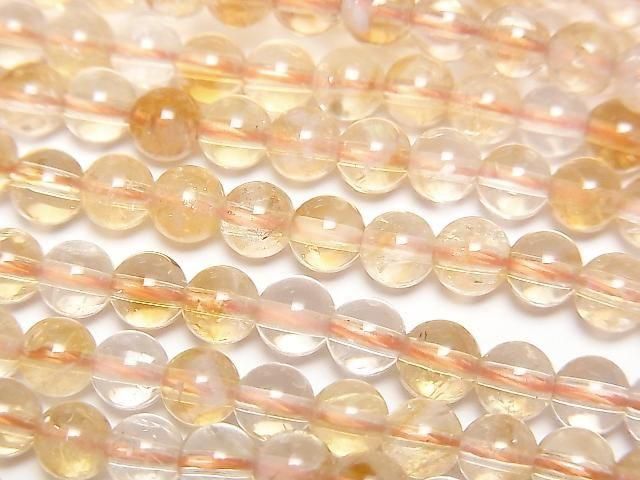
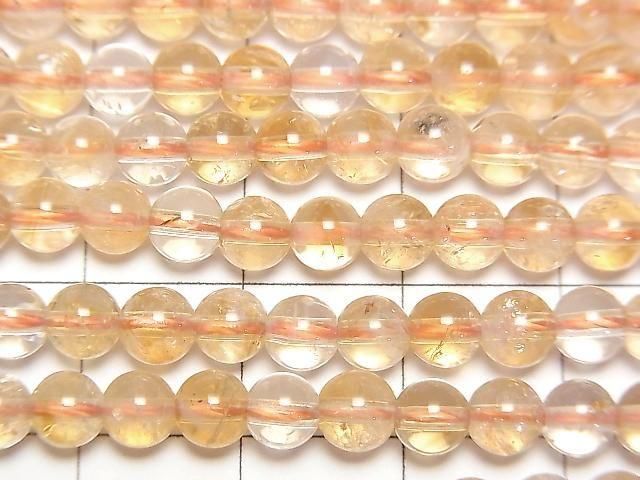



![High Quality Citrine AAA Round-Oval Faceted [Double Hole] 1strand beads (7 pcs)](http://store.kenkengems.com/cdn/shop/files/189729140.jpg?v=1766485018&width=640)
![High Quality Citrine AAA Round-Oval Faceted [Double Hole] 1strand beads (7 pcs)](http://store.kenkengems.com/cdn/shop/files/189729140_o1.jpg?v=1766485014&width=640)
![High Quality Citrine AAA- Pear Shape [Large] 1strand beads (aprx. 15 inches/38 cm)](http://store.kenkengems.com/cdn/shop/files/188899459.jpg?v=1761641122&width=640)
![High Quality Citrine AAA- Pear Shape [Large] 1strand beads (aprx. 15 inches/38 cm)](http://store.kenkengems.com/cdn/shop/files/188899459_o1.jpg?v=1761641116&width=640)