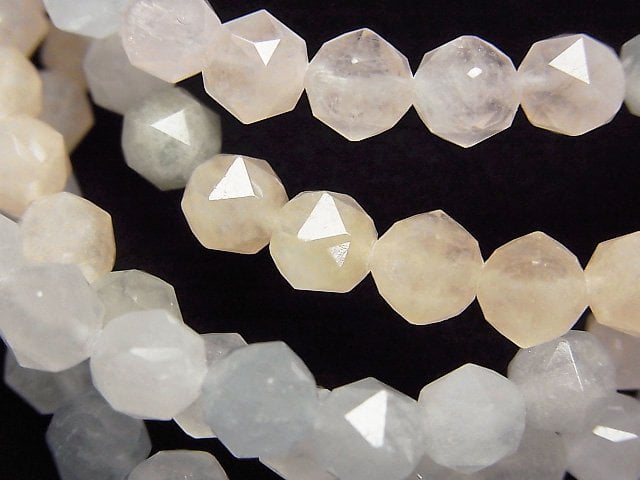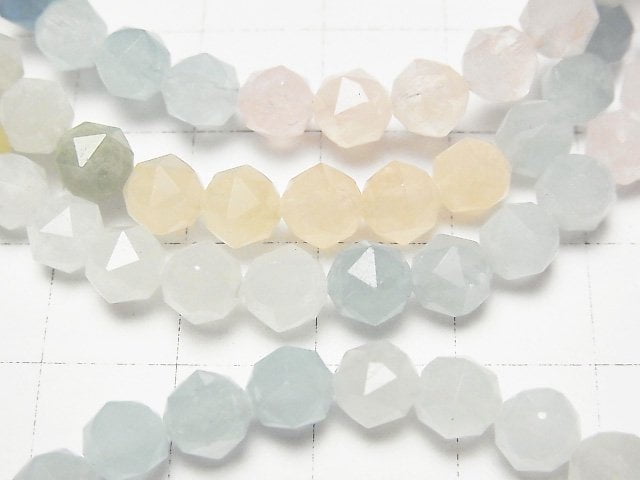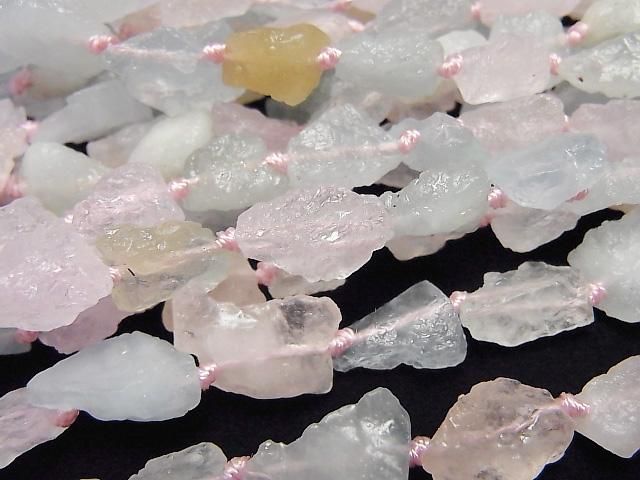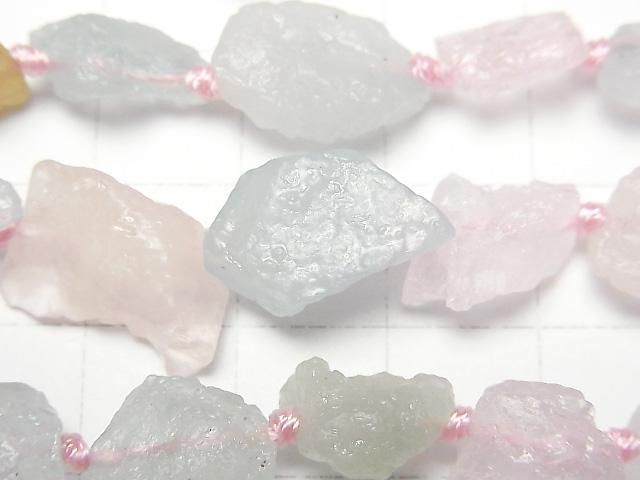
TOC
- 1. What Is Beryl?
- 2. Beryl at a Glance: Key Properties
- 3. Beryl Meaning & Symbolism
- 4. Beryl Spiritual Meaning & Metaphysical Properties
- 5. Beryl Properties: Composition, Hardness & Crystal Form
- 6. Beryl Colors & Gem Varieties
- 6-1. Emerald: Green Beryl
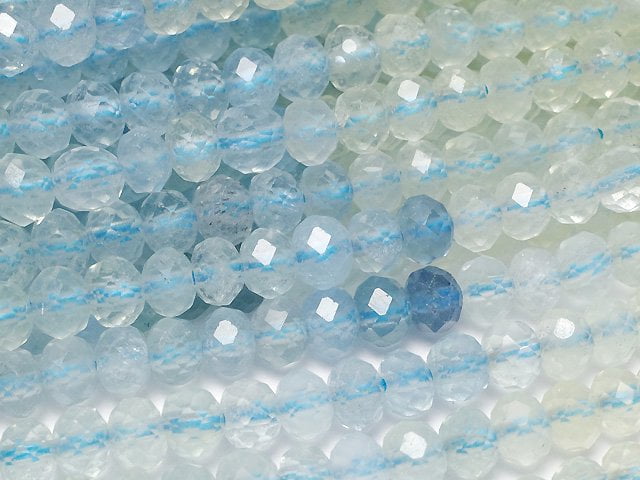
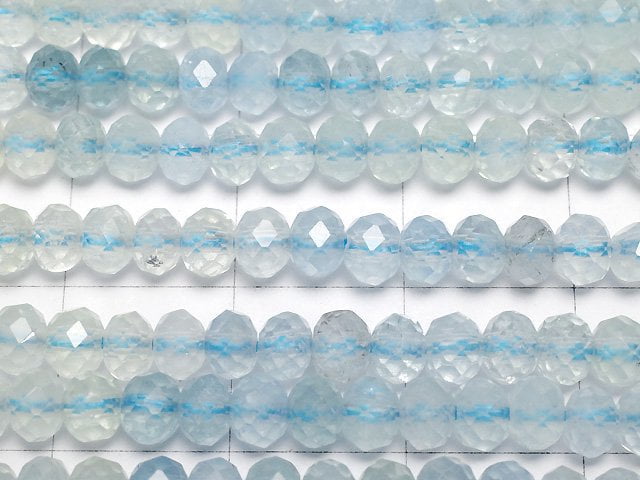
- 6-2. Aquamarine: Blue to Blue-Green Beryl
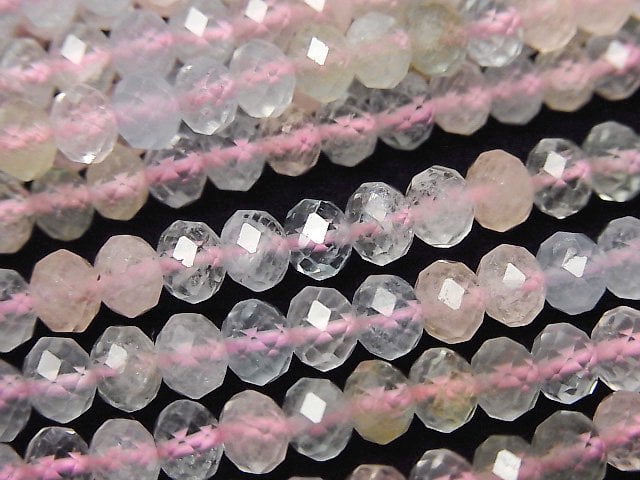
- 6-3. Morganite: Pink to Peach Beryl
- 6-4. Heliodor & Golden Beryl
- 6-5. Goshenite: Colorless Beryl
- 6-6. Red Beryl (Bixbite)
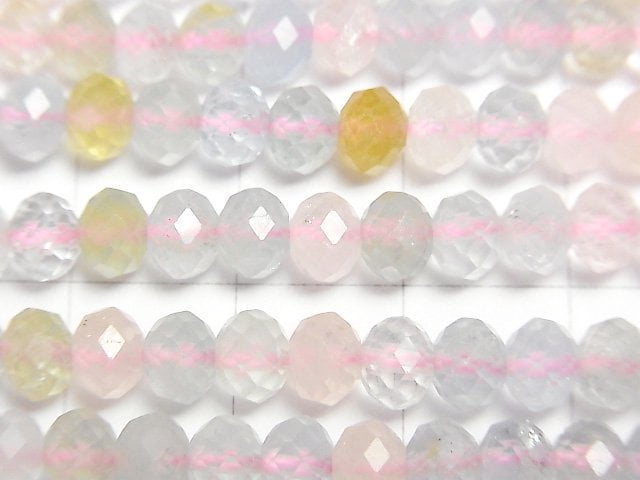
- 6-7. Maxixe & Other Beryls
- 7. Beryl Treatments & How to Identify
- 8. What Affects Beryl Value
- 9. How to Care for Beryl Jewelry
- 10. Beryl FAQ
- 10-1. What is beryl?
- 10-2. What is the difference between beryl, emerald and aquamarine?
- 10-3. What colors does beryl come in?
- 10-4. Is beryl treated?
- 10-5. What is the meaning of beryl?
- 10-6. Is beryl good for jewelry making?
- 11. Shop Beryl at KenKenGems

What Is Beryl?
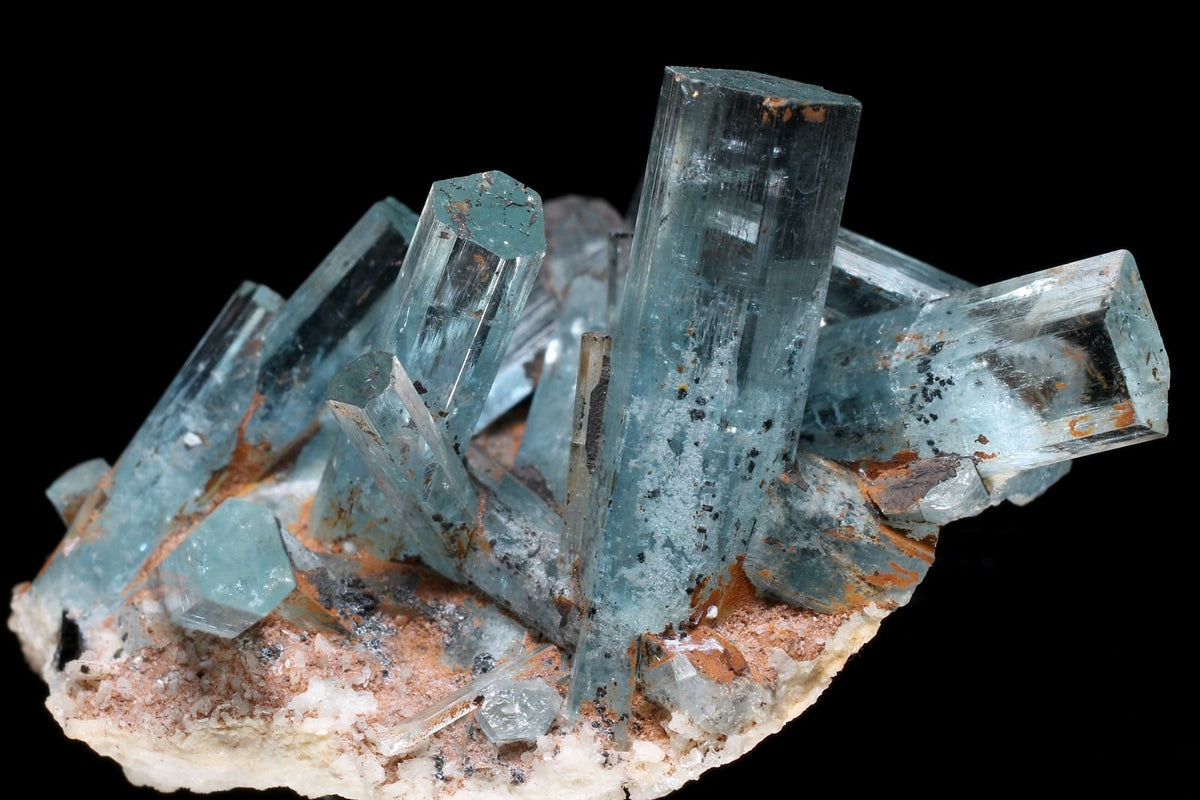
Beryl is a single mineral species — a beryllium aluminum silicate with the chemical formula Be3Al2Si6O18 — whose colored gem varieties include some of the most famous stones in the world. Emerald, aquamarine, morganite, heliodor (golden beryl), goshenite and red beryl are all varieties of the same mineral, separated mainly by the trace elements that give each one its color. Pure beryl is actually colorless; the colors come from tiny amounts of chromium, vanadium, iron or manganese.
Beryl crystallizes in the hexagonal system, often as well-formed six-sided prisms, and it is hard and durable at 7.5 to 8 on the Mohs scale. That combination of good hardness and a wide color range is why the beryl family is so widely used in jewelry, from faceted gems to beads and cabochons.

Beryl at a Glance: Key Properties
Here are the key properties of beryl at a glance:
| Property | Beryl details |
|---|---|
| Mineral class | Beryl group / cyclosilicate (ring silicate) |
| Chemical formula | Be3Al2Si6O18 (beryllium aluminum silicate) |
| Mohs hardness | 7.5–8 (hard, but brittle with imperfect cleavage) |
| Crystal system | Hexagonal (commonly six-sided prisms) |
| Luster | Vitreous (glassy) |
| Colors | Colorless, green, blue, blue-green, yellow, pink, peach, red |
| Specific gravity | Approximately 2.6–2.9 |
| Gem varieties | Emerald, aquamarine, morganite, heliodor / golden beryl, goshenite, red beryl |
| Common uses | Gemstones, beads, jewelry and mineral specimens |
Beryl Meaning & Symbolism
These are traditional beliefs, not medical claims. Beryl is not medicine and cannot diagnose, treat, cure, or prevent any illness. For any health concern, please consult a qualified healthcare professional.
In crystal lore, beryl has traditionally been thought of as a stone of clarity, calm communication and gentle confidence. Because the beryl family appears in so many colors, its symbolism is often described as flexible: green beryl is traditionally linked with renewal, blue beryl with peaceful communication, pink beryl with tenderness, and golden beryl with optimism. Many people simply enjoy carrying or wearing beryl as a meaningful keepsake.
These associations come from folklore and cultural tradition rather than from science. They describe symbolic meaning and personal practice, not any physical or medical effect.
Beryl Spiritual Meaning & Metaphysical Properties
These are traditional beliefs, not medical claims. Beryl is not medicine and cannot diagnose, treat, cure, or prevent any illness. For any health concern, please consult a qualified healthcare professional.
In spiritual and metaphysical traditions, beryl is believed to be associated with clear intention, emotional balance and a bright, hopeful perspective. In chakra practice, different beryl colors are traditionally paired with different energy centers — for example, green with the heart and blue with the throat — and various colors are linked with different zodiac signs in astrology.
All of these are symbolic associations drawn from tradition and personal practice. They are not therapeutic claims, and beryl should never be used as a substitute for professional medical care.

Beryl Properties: Composition, Hardness & Crystal Form
Chemically, beryl is a beryllium aluminum silicate (Be3Al2Si6O18) that crystallizes in the hexagonal system, most often as six-sided prismatic crystals. It has a vitreous (glassy) luster, a specific gravity of roughly 2.6 to 2.9, and a Mohs hardness of about 7.5 to 8. That hardness makes beryl durable enough for everyday jewelry, but it is also somewhat brittle and has imperfect cleavage, so included or fractured stones — emerald in particular — should be handled with care.
Color is the property that decides which variety name a beryl stone carries, and color comes from trace elements: chromium and/or vanadium make green emerald, iron makes blue aquamarine and yellow heliodor, and manganese makes pink morganite and red beryl. Without these trace elements, beryl is colorless goshenite.

Beryl Colors & Gem Varieties
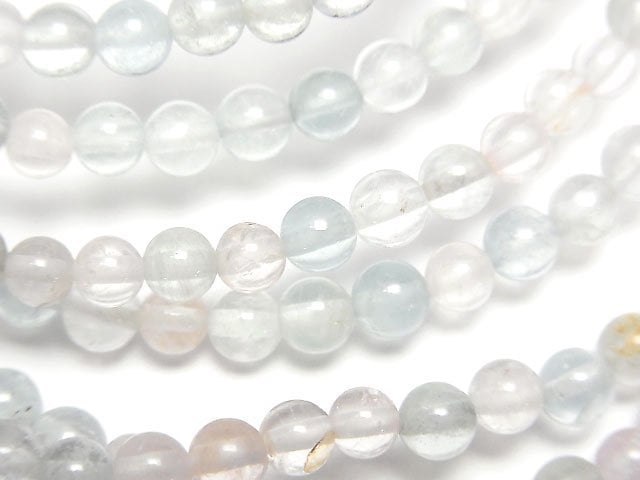
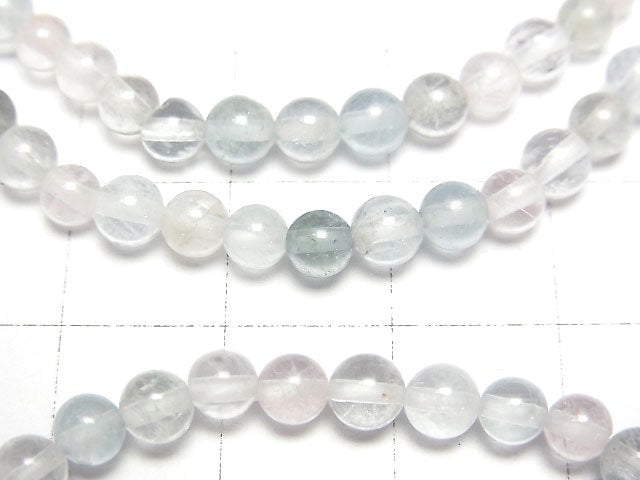
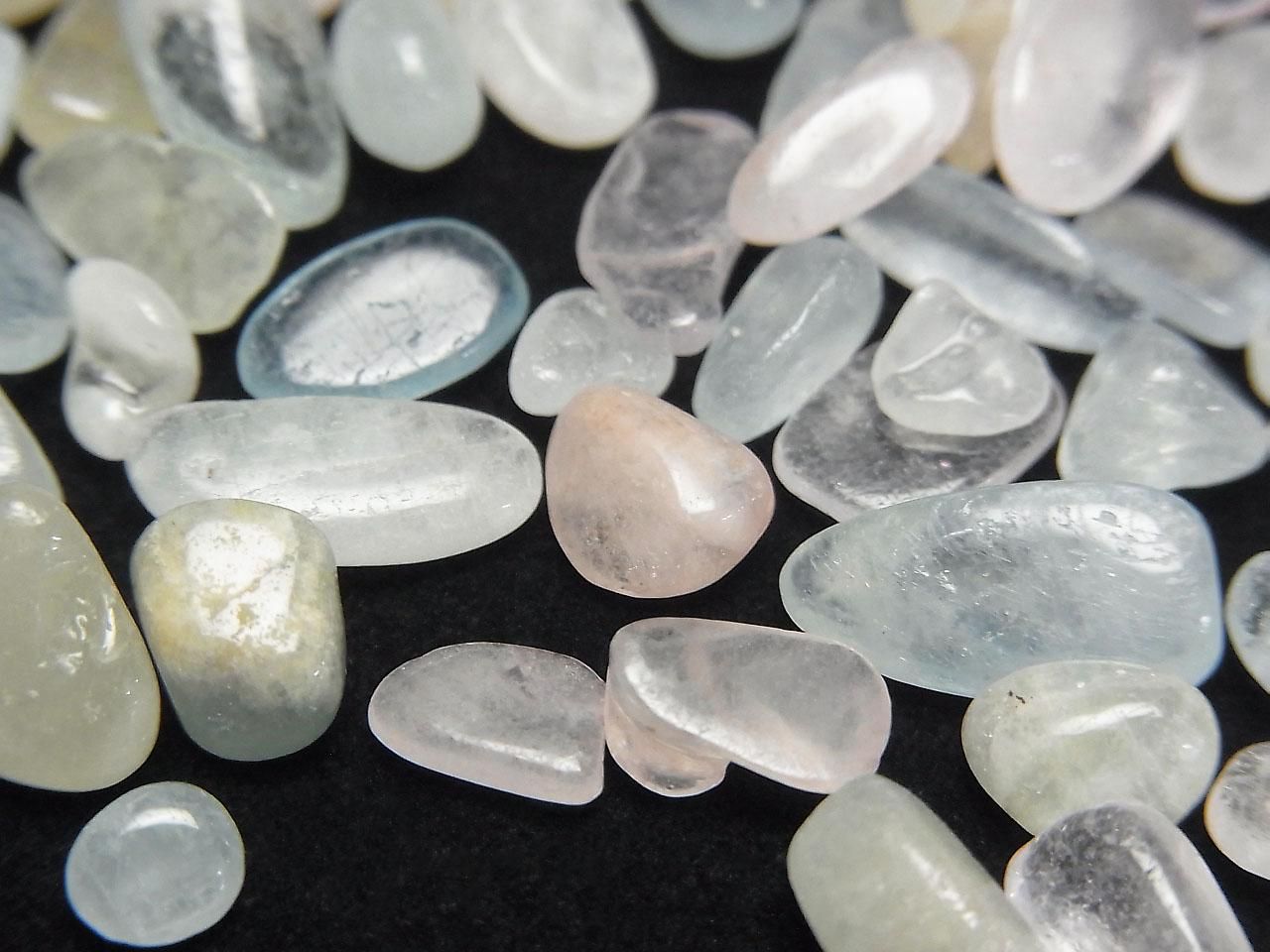
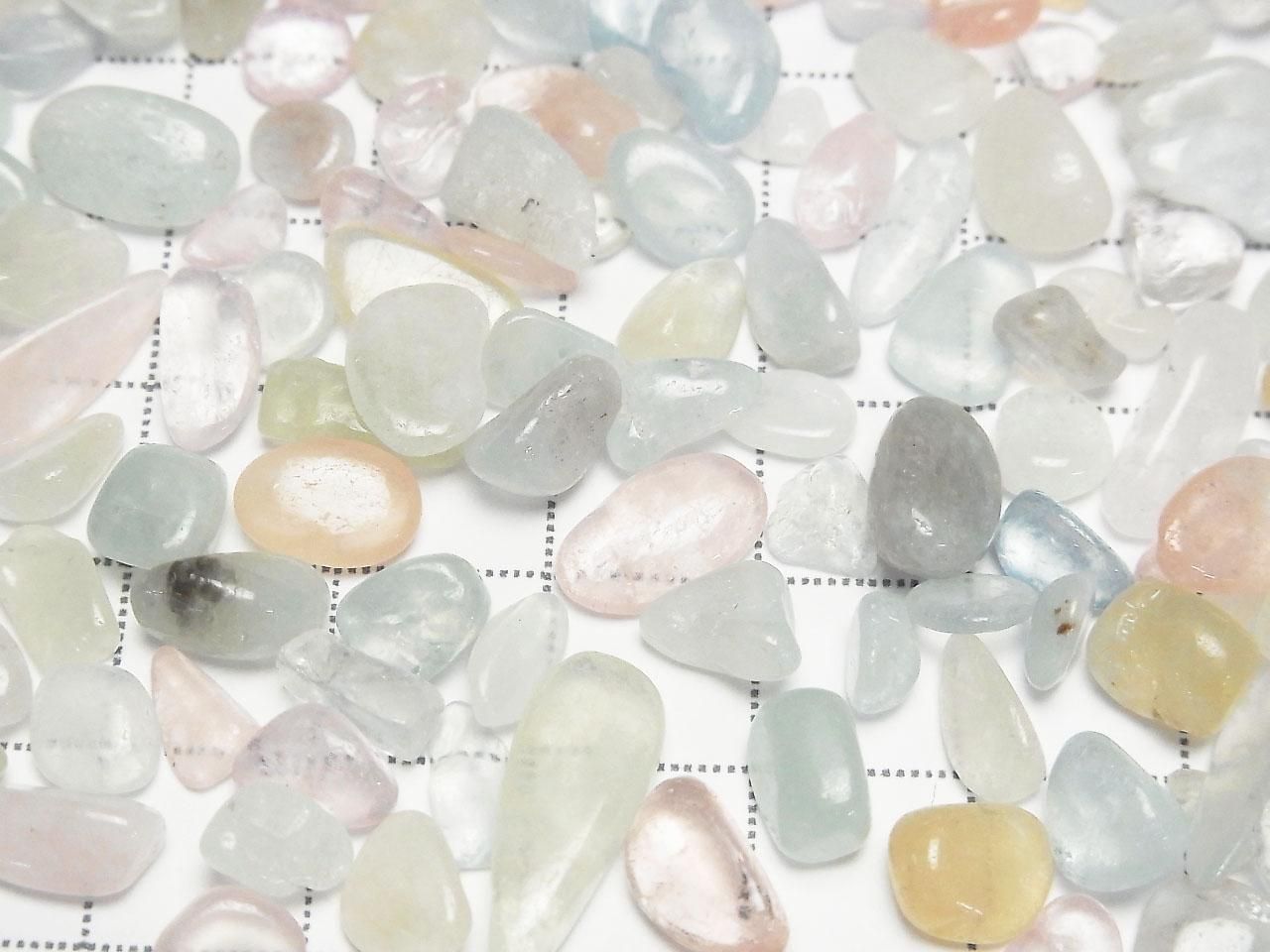
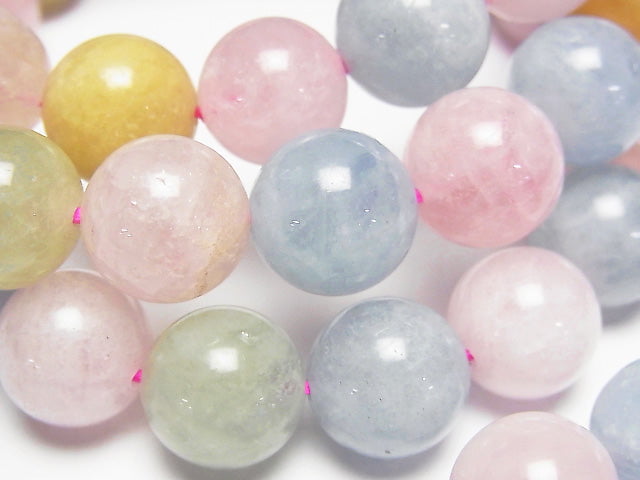
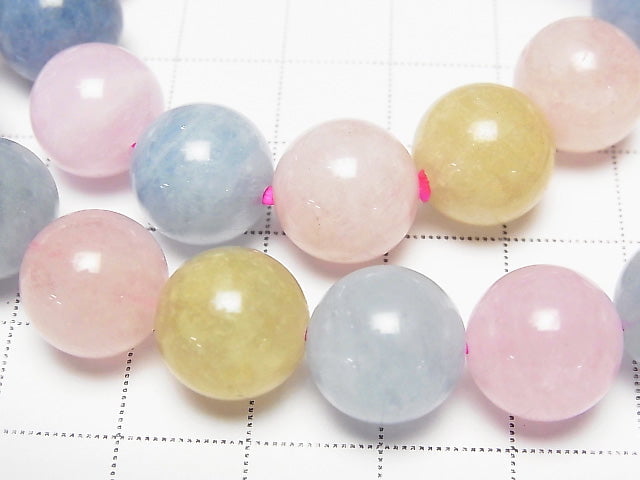
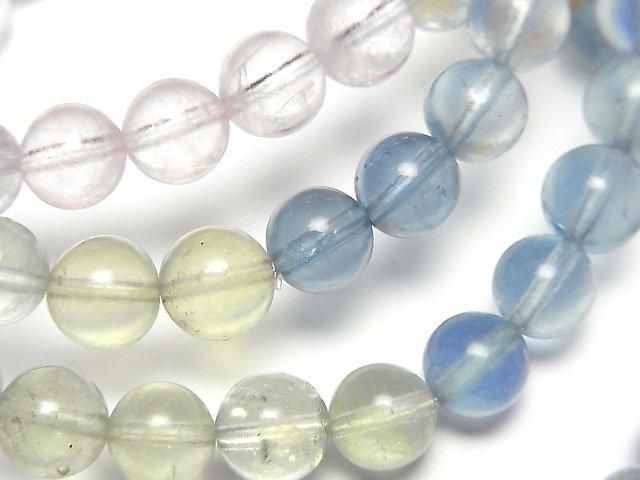
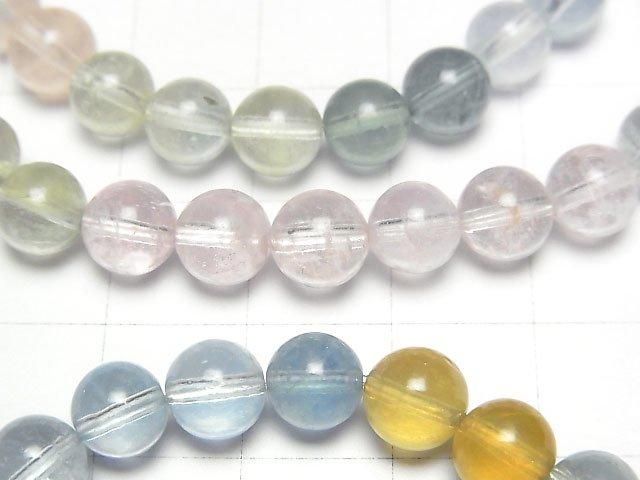
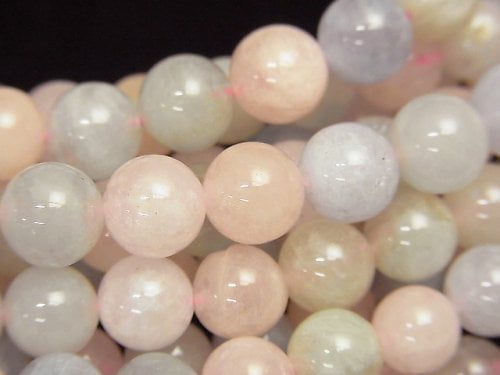
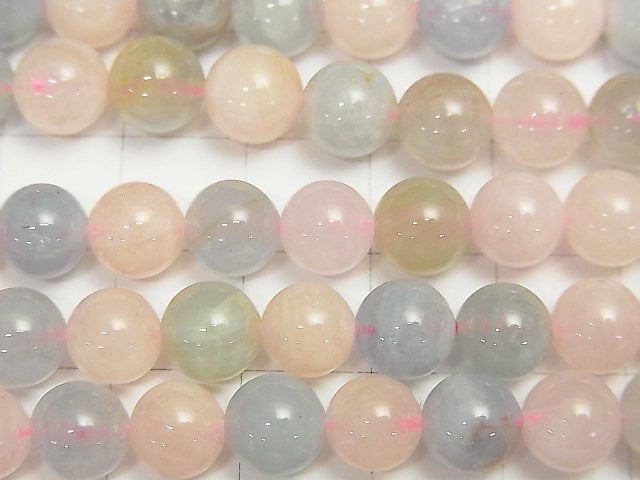
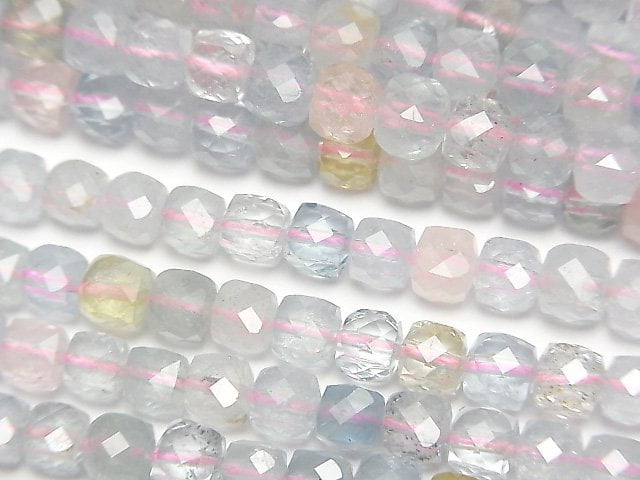
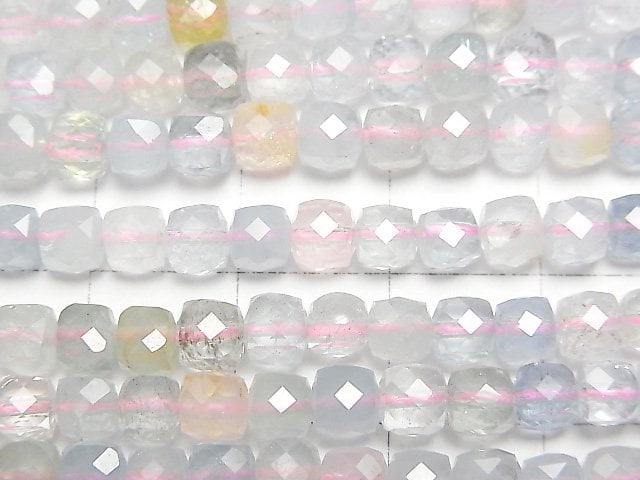
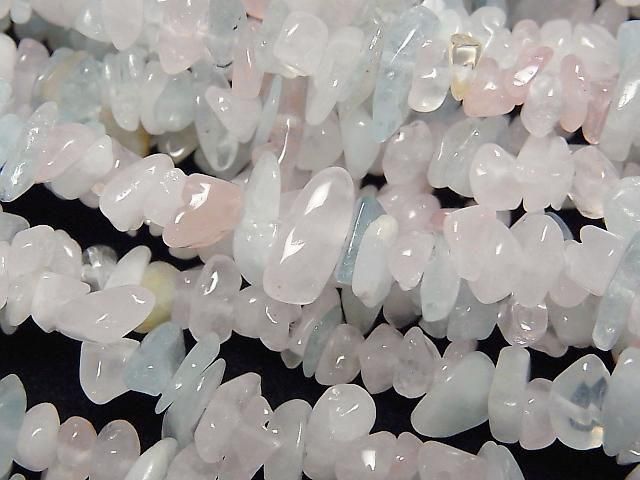
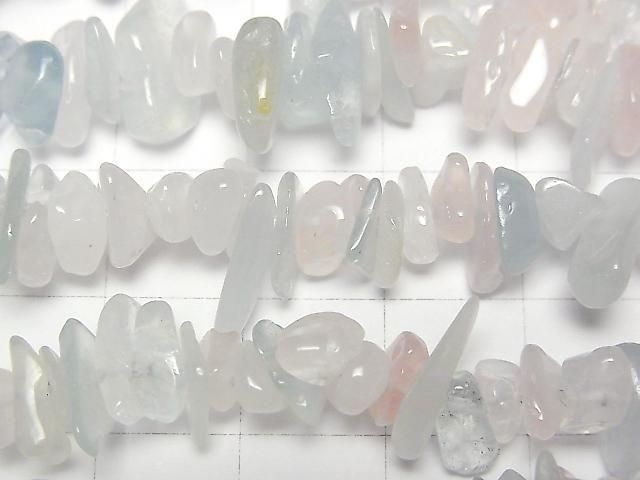
The reason the beryl family matters so much is that one mineral species produces several famous gemstones, each defined by its color. The trace elements inside the crystal decide the color, and the color decides the variety name. The main gem varieties of beryl are described below.

Emerald: Green Beryl
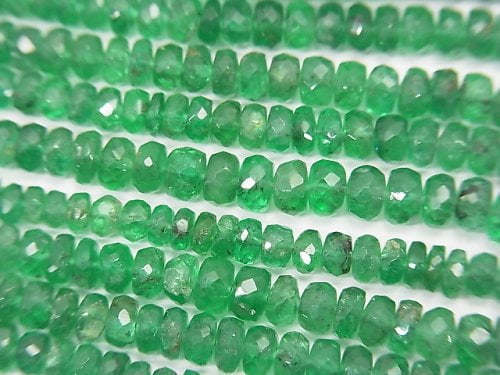
Emerald is the green variety of beryl, colored by chromium and/or vanadium. Its rich green is what separates emerald from paler green beryl. Most emerald on the market is treated: it is very commonly oiled or resin/fracture-filled to improve the look of surface-reaching inclusions. This is standard, but reputable sellers should disclose it, and treated emerald calls for gentler care.
Aquamarine: Blue to Blue-Green Beryl
Aquamarine is the blue to blue-green variety of beryl, colored by iron. Its cool, watery color makes it a popular choice for clean, airy jewelry designs. Much aquamarine is heat-treated to remove greenish or yellowish tints and leave a purer blue; this treatment is common, stable and permanent, and should be disclosed by the seller.
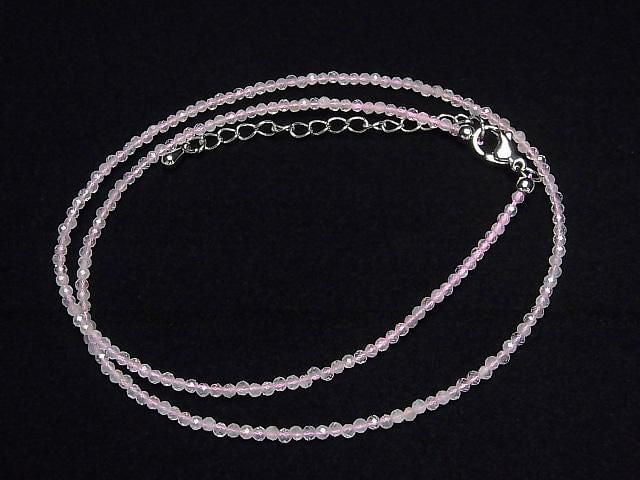
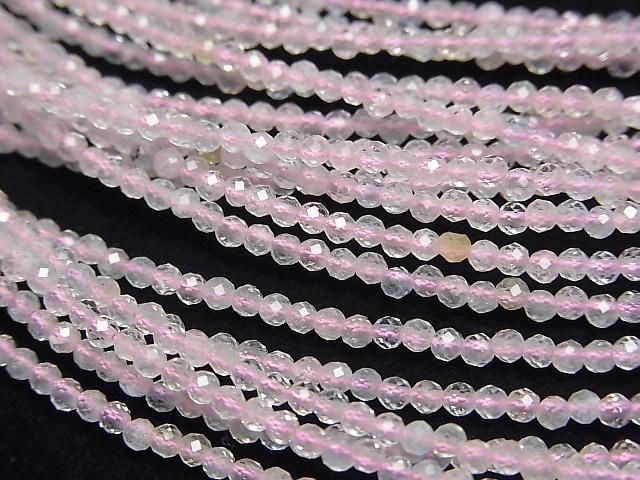
Morganite: Pink to Peach Beryl
Morganite is the pink to peach variety of beryl, colored by manganese. Its soft, romantic color suits warm and delicate designs. A large share of morganite is heat-treated to remove yellow-to-orange tints and produce a purer pink; the change is stable and standard, but it should be disclosed.
Heliodor & Golden Beryl
Heliodor, also called golden beryl, is the yellow to golden variety of beryl, colored by iron. Its shades run from pale lemon to warm honey-gold. Some yellow and golden beryl may be heat-treated or irradiated to adjust color; as with other beryls, any treatment should be disclosed at the point of sale. Browse the wider beryl family for golden tones.
Goshenite: Colorless Beryl
Goshenite is the colorless variety of beryl — essentially pure beryl with no coloring trace elements. Its clear, neutral look works well as an accent in beadwork and jewelry, and it is typically sold untreated. Even without color, goshenite is the same mineral species as the colored beryl varieties.
Red Beryl (Bixbite)
Red beryl is a rare red variety colored by manganese. The older trade name "bixbite" is now discouraged because it is easily confused with other beryls, so "red beryl" is the preferred name. Gem-quality material comes from only a few locations, so it is usually sold as a collector specimen or set in small pieces, and it is typically natural and untreated.
Maxixe & Other Beryls
Maxixe is a deep blue beryl whose color is produced by irradiation. Importantly, this color is unstable and can fade with exposure to light or heat, so maxixe should always be identified and its treated, fade-prone nature disclosed. Other beryls you may come across include cat’s-eye beryl (which shows a chatoyant "cat’s-eye" line), green beryl (light-to-medium green that is not rich enough to be called emerald), and rarer types such as bazzite and rosterite.
Beryl Treatments & How to Identify
Because beryl covers several gems, treatments vary by variety, and reputable sellers should disclose them. Here is what is common for each:
- Emerald – very commonly oiled or resin/fracture-filled to reduce the visibility of inclusions.
- Aquamarine – often heat-treated to remove greenish tints and produce a purer blue (stable).
- Morganite – often heat-treated to remove yellow-orange tints for a purer pink (stable).
- Heliodor / golden beryl – some material may be heat-treated or irradiated to adjust color.
- Blue beryl / Maxixe – deep blue produced by irradiation, but the color is unstable and can fade.
- Goshenite and red beryl – usually sold natural and untreated.
When buying beryl of any variety, it also helps to know how the material is classified:
- Natural beryl – mined beryl whose color has not been enhanced.
- Treated beryl – natural beryl that has been oiled, filled, heated or irradiated; this should be disclosed.
- Synthetic (lab-grown) beryl – has the same chemistry as natural beryl but is grown in a laboratory; lab-grown emerald and other lab-grown beryls must be described as synthetic or lab-grown.
- Imitation – glass or other materials made to look like a beryl gem; these are not beryl and should be labeled as imitation or simulant.
Telling natural, treated and lab-grown beryl apart reliably requires gemological testing. For an important purchase, ask the seller to state the variety and any treatment in writing, and consider an independent laboratory report for higher-value stones.
What Affects Beryl Value
Beryl value depends on the variety first and then on the usual gem factors: color, clarity, cut and carat weight. Among the varieties, fine emerald and rare red beryl command the highest prices, while aquamarine, morganite, heliodor and goshenite are generally more accessible. Within any variety, stronger and purer color, better clarity, a well-executed cut and larger size all add value.
Treatment and origin can also influence price, and a laboratory report matters most for higher-value stones such as fine emerald. Prices vary widely with the market, so treat any figures you see — including ours — as approximate ranges rather than fixed quotes.
How to Care for Beryl Jewelry
Clean most beryl jewelry with warm water, mild soap and a soft brush or cloth, then dry it with a soft cloth. Store beryl separately from harder gems such as diamond and sapphire so it does not get scratched, and keep it away from softer stones it could scratch in turn.
Avoid harsh chemicals, steam and sudden temperature changes. Be especially careful with emerald and any included or fractured stones: because emerald is usually oiled or resin-filled, ultrasonic and steam cleaning can damage it, so clean those pieces gently by hand.
Beryl FAQ
What is beryl?
Beryl is a mineral species — a beryllium aluminum silicate (Be3Al2Si6O18) — whose gem varieties include emerald, aquamarine, morganite, heliodor (golden beryl), goshenite and red beryl. It is hard (Mohs 7.5–8) and comes in many colors, which is why it is so widely used in jewelry.
What is the difference between beryl, emerald and aquamarine?
Beryl is the mineral species. Emerald is the green variety (colored by chromium and/or vanadium) and aquamarine is the blue variety (colored by iron). In other words, emerald and aquamarine are both beryl, but not all beryl is emerald or aquamarine.
What colors does beryl come in?
Pure beryl is colorless (goshenite). Trace elements create green (emerald), blue to blue-green (aquamarine), pink to peach (morganite), yellow to gold (heliodor) and red (red beryl). Some blue beryl, such as maxixe, is irradiated and can fade.
Is beryl treated?
It depends on the variety, and treatments should be disclosed. Emerald is usually oiled or resin/fracture-filled; aquamarine and morganite are often heat-treated; some blue beryl is irradiated (maxixe fades). Goshenite and red beryl are usually natural. Ask the seller whether a stone is natural, treated, or lab-grown.
What is the meaning of beryl?
In crystal lore, beryl is traditionally associated with clarity, calm communication and gentle confidence, with different colors carrying different symbolism. These are traditional beliefs, not medical claims — beryl is not medicine and cannot diagnose, treat, cure, or prevent any illness.
Is beryl good for jewelry making?
Yes. At 7.5–8 on the Mohs scale, beryl is hard enough for everyday jewelry and comes in a wide color range. Because it can be brittle, check for inclusions and fractures, and handle oiled emerald and included stones with extra care.
Shop Beryl at KenKenGems
The beryl family brings together many colors and jewelry-making possibilities — from green emerald and blue aquamarine to pink-peach morganite, golden heliodor and colorless goshenite. Explore the KenKenGems beryl collection and related gemstone collections to find stones for handmade bracelets, necklaces, earrings and custom designs.