
TOC
- 1. What Is Calcite?
- 2. History and Meaning of Calcite
- 3. Physical and Chemical Properties of Calcite
- 4. Types and Colors of Calcite
- 5. Where Is Calcite Found?
- 6. How to Identify Calcite
- 7. Calcite Value and Care
- 8. Calcite Meaning and Symbolism
- 9. Calcite FAQ
- 9-1. What is calcite?
- 9-2. What does calcite symbolize?
- 9-3. What are the types of calcite?
- 9-4. How can you tell if a stone is calcite?
- 9-5. Are pearls a type of calcite?
- 9-6. Is calcite valuable?
- 9-7. How do you care for calcite?
- 10. Buying Calcite from KenKenGems

What Is Calcite?
Calcite is a widespread yet beautiful mineral, found everywhere from the Egyptian pyramids to modern jewelry. It is a crystalline form of calcium carbonate (CaCO3) and one of the most abundant minerals in the Earth's crust. Collectors love it for its extraordinary range of colors and crystal shapes, and this guide explains why calcite deserves a place in any calcite collection or DIY jewelry project.

History and Meaning of Calcite
Calcite is the third most abundant mineral in the Earth's crust. The name appeared in the 19th century, from the Latin "calx," meaning lime, though lime spar has been used for thousands of years — the Egyptian pyramids and many classical structures relied on calcite-rich limestone and marble. Calcite has picked up many poetic nicknames over the centuries:
- Stone flower / stone rose — for crystal clusters that resemble petals
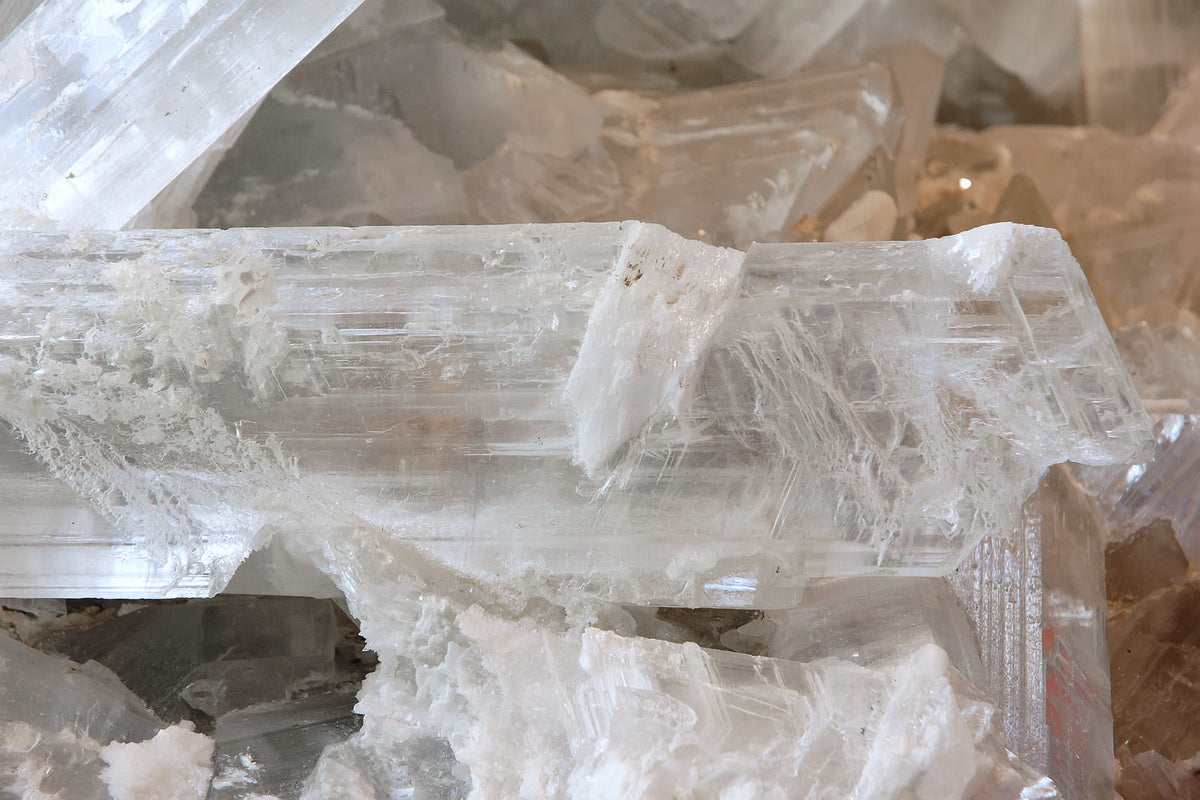
- Paper spar — for crystals so thin and transparent they look like paper
- Heavenly stone — for its color and brilliance
Because it is soft and fragile, calcite was rarely used for amulets or utensils — our ancestors preferred harder minerals — so few ancient calcite handicrafts survive. Its importance is undeniable, though: the Great Barrier Reef itself is built largely of calcium carbonate.

Physical and Chemical Properties of Calcite
Calcite is a crystalline form of calcium carbonate (CaCO3). Its crystals take many shapes — prismatic, lamellar (paper spar), rhombohedral, and the common scalenohedron, whose pointed crystals are nicknamed "dog-tooth spar." Two properties make calcite easy to recognize: strong double refraction (birefringence), best seen in clear "Iceland spar," where an image viewed through the crystal appears doubled; and a fizzing reaction to acid — even a drop of dilute acid makes calcite bubble, a classic field test that separates it from look-alikes.
| Property | Detail |
|---|---|
| Composition | Calcium carbonate, CaCO3 |
| Mohs hardness | 3 (soft) |
| Specific gravity | ~2.71 |
| Crystal system | Trigonal (scalenohedral; "dog-tooth spar") |
| Cleavage | Perfect in three directions (rhombohedral) |
| Optical effect | Strong double refraction (birefringence) |
| Diagnostic test | Effervesces (fizzes) in dilute acid |
| Luster / other | Vitreous; often fluorescent under UV |
With a hardness of just 3 and perfect cleavage, calcite is too soft and fragile to be a mainstream jewelry gemstone, which is why it is prized more by collectors and for ornamental pieces. Its color comes from trace ions — iron, manganese, cobalt, nickel, and rare earths — so calcite occurs in honey-yellow, orange, pink, green, blue, red, brown, gray, black, and colorless.

Types and Colors of Calcite
Mineralogists describe more than 700 varieties of calcite. For buyers, the most useful way to sort them is by color, since each color is popular in its own right (we cover the most searched colors in dedicated guides):
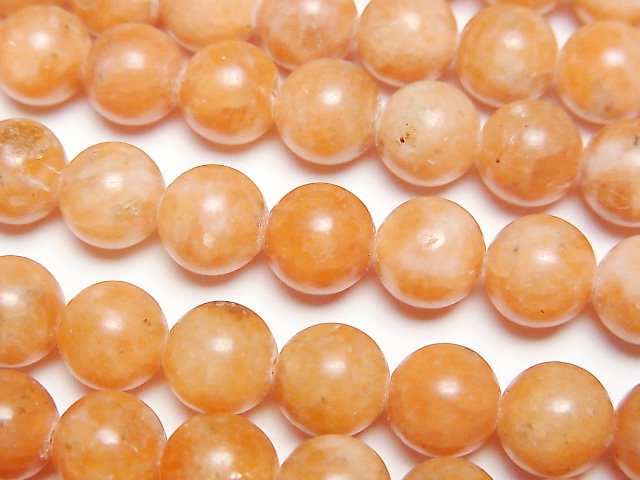
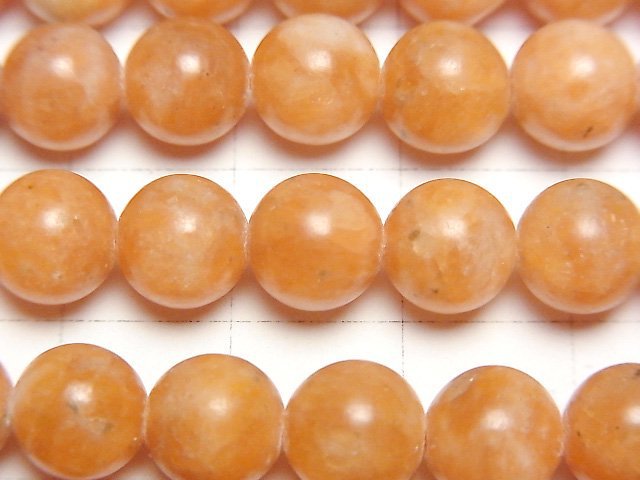
- Orange calcite — warm, glowing orange; one of the most popular varieties
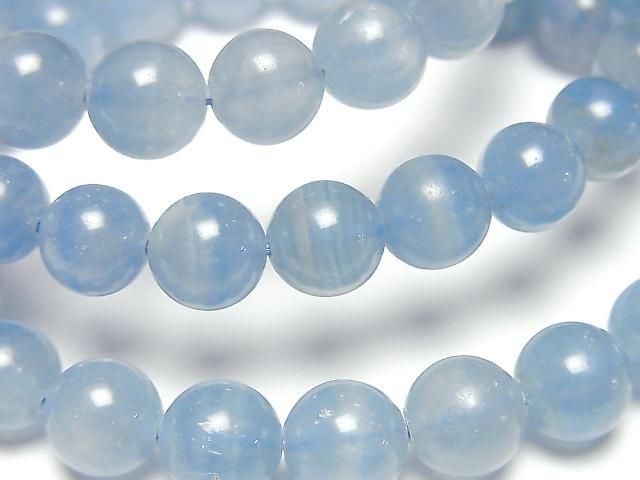
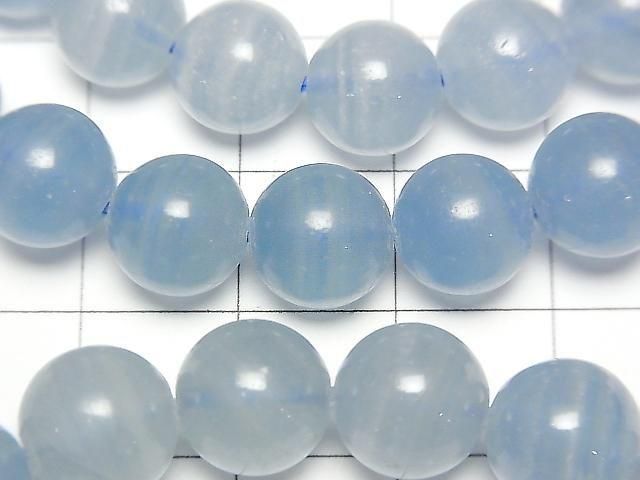
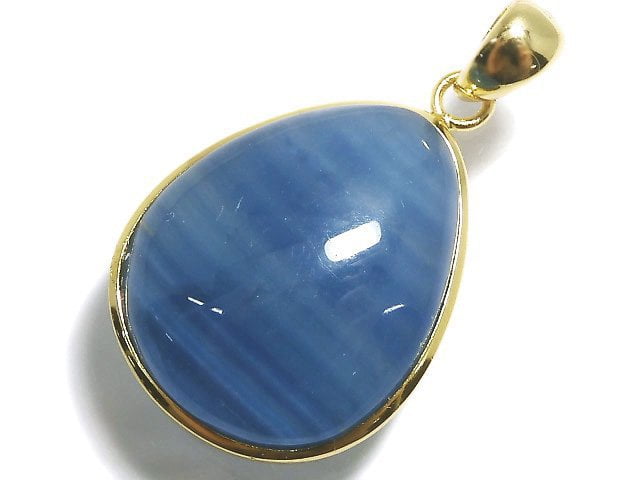
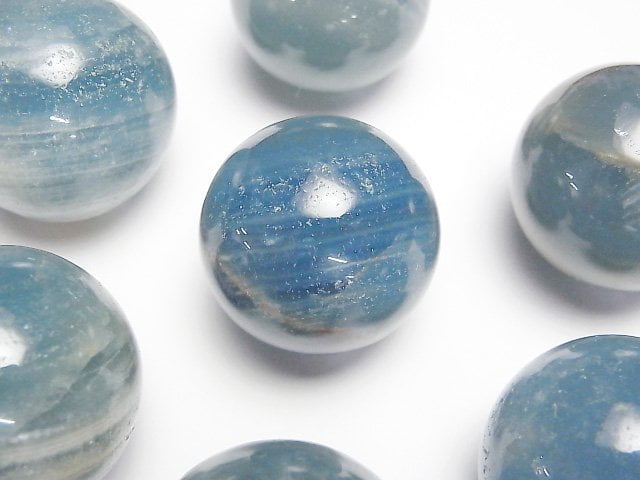
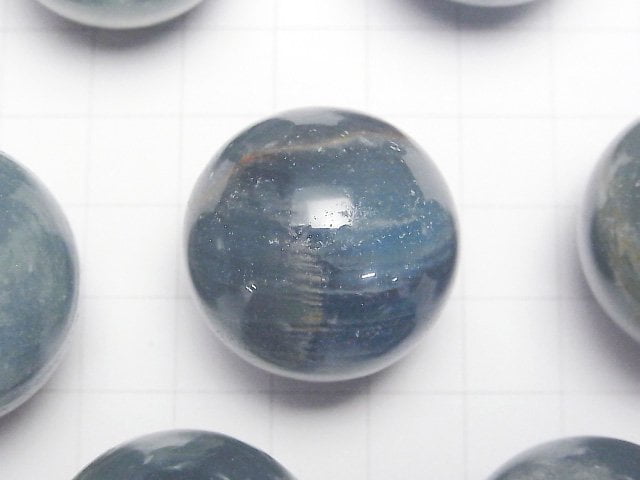
- Blue calcite — soft powder-blue, often with a white matrix (the trade name "Lemurian Aquatine" refers to a blue calcite)
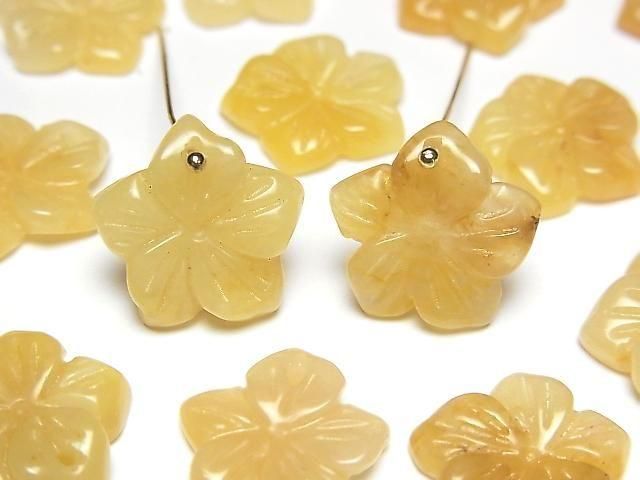
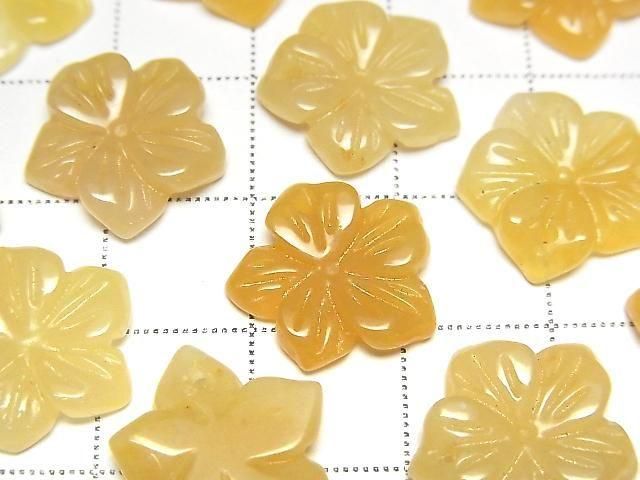
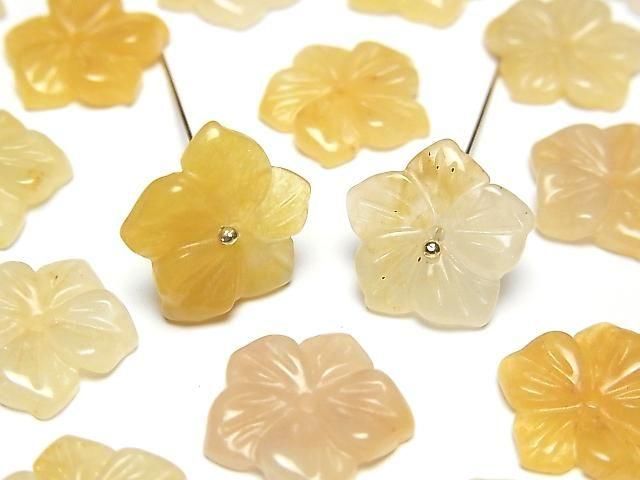
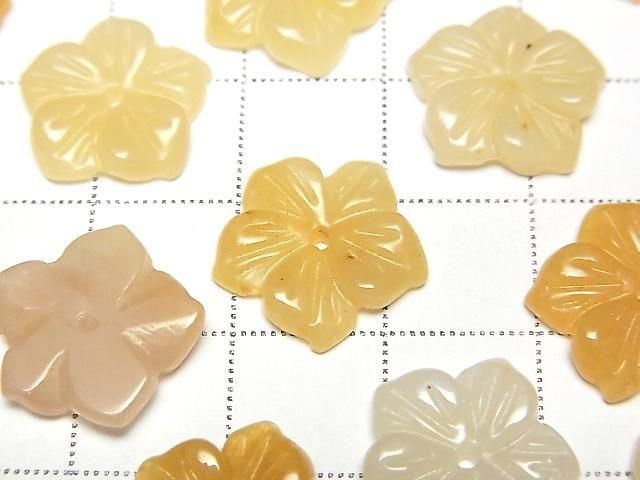
- Honey / golden calcite — translucent yellow-to-amber
- Green calcite — pale minty green
- Pink / mangano calcite — gentle pink from manganese
- Cobalto (cobaltoan) calcite — vivid raspberry-pink from cobalt
- Clear calcite (Iceland spar) — colorless and transparent, famous for double refraction
- Honeycomb, zebra, red, gray, and black calcite — banded, patterned, or dark varieties
Other named forms include antraconite (black, colored by bitumen), simbircite (a yellow-red translucent variety), marble onyx (banded ornamental calcite), and travertine (banded rock from evaporating spring water). One common myth to clear up: pearls are sometimes called a "variety of calcite," but this is incorrect — pearls are made mainly of aragonite, a different crystal form (polymorph) of calcium carbonate, together with the organic material conchiolin.

Where Is Calcite Found?
Calcite is mined all over the world — whole mountain ranges such as the Alps and the Andes are built largely of it. Huge transparent crystals were first found in Iceland (hence "Iceland spar") and later elsewhere, and major deposits occur in the United States, Mexico, Italy, Greece, Russia, and many other countries. Because it is so abundant, calcite is very affordable, with only rare colors and exceptional specimens commanding higher prices.
How to Identify Calcite
Calcite is easy to confuse with other minerals because of its many colors and forms, but a few simple checks identify it. The classic test is the acid reaction: a drop of dilute acid (even household vinegar, more slowly) makes calcite fizz as it releases carbon dioxide. Clear specimens show obvious double refraction — text viewed through the crystal appears doubled. Calcite is also soft (Mohs 3, easily scratched by a steel knife) and breaks along perfect rhombohedral cleavage into neat, angled fragments. Together these make calcite one of the more recognizable minerals.
Calcite Value and Care
Because calcite is abundant, it is inexpensive: tumbled stones and small clusters often run just a few dollars, while larger, well-formed specimens, vivid rare colors (such as cobaltoan pink), and gem-clear Iceland spar cost more. As a rough guide, most jewelry and decorative calcite falls in the USD $5–$50 range, with fine specimens higher. Treat any figure as general guidance rather than a fixed quote.
Calcite is soft and reactive, so it needs gentle care:
- Clean only with a soft, dry or barely damp cloth — avoid soaking
- Keep it away from acids and vinegar, which will etch and dissolve the surface
- Never use ultrasonic or steam cleaners
- Protect it from knocks, since perfect cleavage means it splits easily
- Store it separately from harder gems, and keep it out of prolonged direct sun
Calcite Meaning and Symbolism
In crystal lore, calcite is seen as an energizing, "cleansing" stone, and different colors are associated with different themes. It is important to understand that these are cultural and spiritual associations, not medical facts:
- Pink / mangano calcite — traditionally associated with gentleness, compassion, and emotional comfort
- Blue calcite — associated in lore with calm, communication, and creativity
- Orange calcite — associated with energy, confidence, and motivation
- Yellow / honey calcite — associated with focus, clarity, and meditation
- Green calcite — associated with balance and connection
- Black / gray calcite — associated with grounding and a sense of stability
Calcite is not a medicine and does not diagnose, treat, cure, or prevent any illness — it does not lower blood pressure, relieve pain, treat the digestive, reproductive, or nervous systems, or act as an antidepressant — and it is no substitute for professional care. These are traditional beliefs, not medical claims.

Calcite FAQ
Quick answers to the questions people most often ask about calcite.
What is calcite?
Calcite is a very common mineral made of calcium carbonate (CaCO3). It occurs in many colors and crystal forms and is known for double refraction and for fizzing in acid.
What does calcite symbolize?
In crystal lore, calcite is seen as an energizing, cleansing stone, with each color linked to themes like calm, confidence, or focus. These are traditional beliefs, not medical claims.
What are the types of calcite?
Popular varieties are sorted mainly by color — orange, blue, honey/golden, green, pink/mangano, cobaltoan, and clear (Iceland spar) — plus patterned forms like honeycomb and zebra calcite.
How can you tell if a stone is calcite?
Calcite fizzes in dilute acid, is soft (Mohs 3), breaks along rhombohedral cleavage, and clear pieces show double refraction.
Are pearls a type of calcite?
No. Pearls are made mainly of aragonite, a different crystal form of calcium carbonate, not calcite.
Is calcite valuable?
Calcite is generally inexpensive because it is abundant, though rare colors, large clean specimens, and fine Iceland spar are worth more.
How do you care for calcite?
Wipe it with a soft cloth, keep it away from acids, water, and ultrasonic cleaners, protect it from knocks, and store it apart from harder gems.
Buying Calcite from KenKenGems
Calcite may be common, but its beauty and variety make it well worth collecting. KenKenGems offers calcite in many colors — blue, orange, honey, green, pink, black, and more — and in shapes such as spheres, teardrops, pears, and ovals, as beads, strands, pendants, loose stones, and one-of-a-kind large pieces. If you are looking for quality yet affordable stones, browse our calcite collection to find the color and form that suits your jewelry or collection.


![[One of a kind] Cobalt Calcite Pendant Silver925 No.24](http://store.kenkengems.com/cdn/shop/files/187930460.jpg?v=1755584977&width=640)
![[One of a kind] Cobalt Calcite Pendant Silver925 No.24](http://store.kenkengems.com/cdn/shop/files/187930460_o1.jpg?v=1755584982&width=640)
![[One of a kind] Cobalt Calcite Pendant Silver925 No.9](http://store.kenkengems.com/cdn/shop/files/187661440.jpg?v=1755574609&width=640)
![[One of a kind] Cobalt Calcite Pendant Silver925 No.9](http://store.kenkengems.com/cdn/shop/files/187661440_o1.jpg?v=1755574616&width=640)
![[One of a kind] Cobalt Calcite Pendant Silver925 No.7](http://store.kenkengems.com/cdn/shop/files/187661438.jpg?v=1755574585&width=640)
![[One of a kind] Cobalt Calcite Pendant Silver925 No.7](http://store.kenkengems.com/cdn/shop/files/187661438_o1.jpg?v=1755574591&width=640)
![[One of a kind] Cobalt Calcite Pendant Silver925 No.4](http://store.kenkengems.com/cdn/shop/files/187661435.jpg?v=1755574549&width=640)
![[One of a kind] Cobalt Calcite Pendant Silver925 No.4](http://store.kenkengems.com/cdn/shop/files/187661435_o1.jpg?v=1755574555&width=640)
![[One of a kind] Natural Blue Calcite AAA Pendant 18KGP No.34](http://store.kenkengems.com/cdn/shop/files/179741729_o1.jpg?v=1721207707&width=640)
![[One of a kind] Natural Blue Calcite AAA Pendant 18KGP No.55](http://store.kenkengems.com/cdn/shop/files/182286862.jpg?v=1726554408&width=640)
![[One of a kind] Natural Blue Calcite AAA Pendant 18KGP No.55](http://store.kenkengems.com/cdn/shop/files/182286862_o1.jpg?v=1726554318&width=640)
![[One of a kind] Natural Blue Calcite AAA Pendant 18KGP No.58](http://store.kenkengems.com/cdn/shop/files/182286865.jpg?v=1726554288&width=640)
![[One of a kind] Natural Blue Calcite AAA Pendant 18KGP No.58](http://store.kenkengems.com/cdn/shop/files/182286865_o1.jpg?v=1726554198&width=640)


