TOC
- 1. What Is Bloodstone?
- 2. Bloodstone Meaning and Symbolism
- 2-1. Bloodstone in the Bible and Christian Lore
- 3. Bloodstone Origin and Formation
- 4. Types of Bloodstone
- 4-1. African Bloodstone
- 4-2. Indian Bloodstone
- 4-3. Plasma, Green Bloodstone, and Red Bloodstone
- 5. Bloodstone Properties at a Glance
- 6. Bloodstone Crystal and Spiritual Meaning
- 7. Bloodstone Jewelry, Beads, and Necklaces
- 8. How to Choose Natural Bloodstone
- 9. How to Care for Bloodstone Jewelry
- 10. Bloodstone for Sale from KenKenGems
- 11. Frequently Asked Questions About Bloodstone
- 11-1. What is bloodstone?
- 11-2. What are the different types of bloodstone?
- 11-3. Is bloodstone the same as jasper?
- 11-4. What does bloodstone mean spiritually?
- 11-5. Is bloodstone suitable for jewelry?
- 11-6. How can I tell if bloodstone is natural?

What Is Bloodstone?
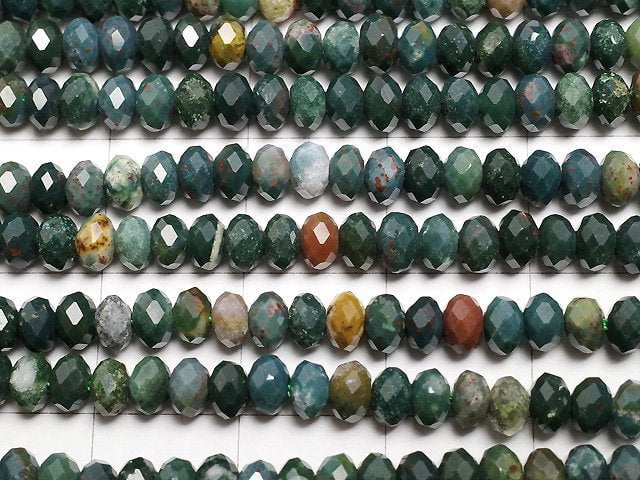
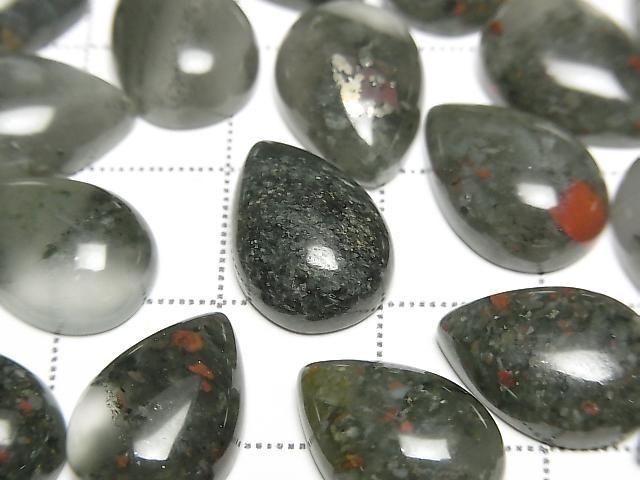
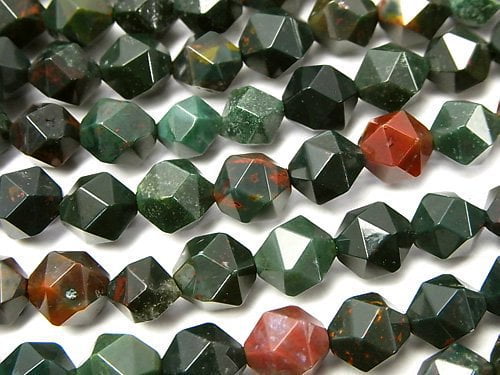
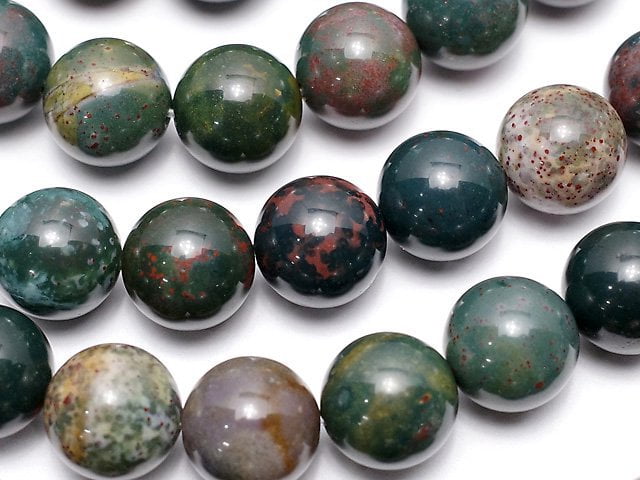
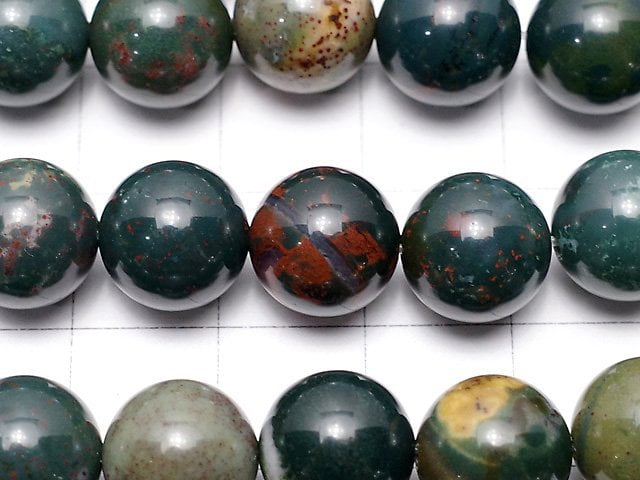
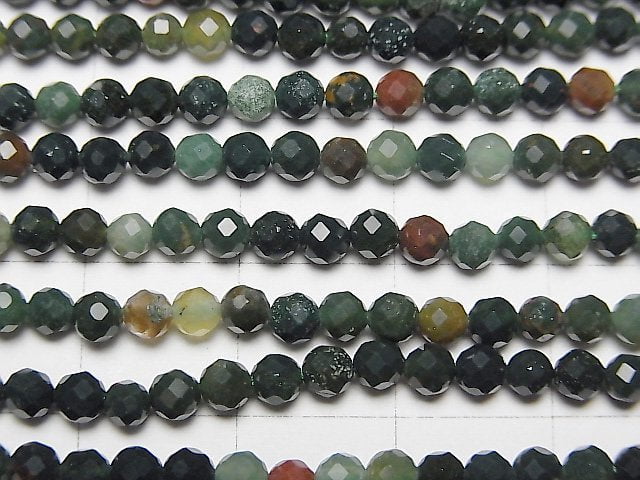
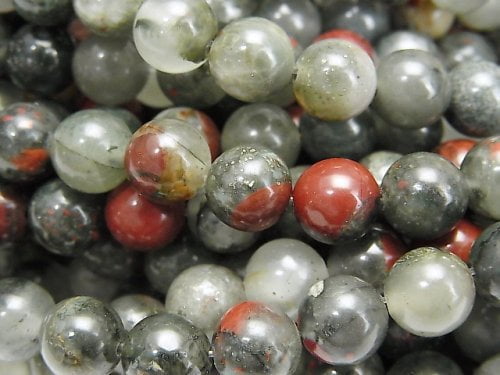
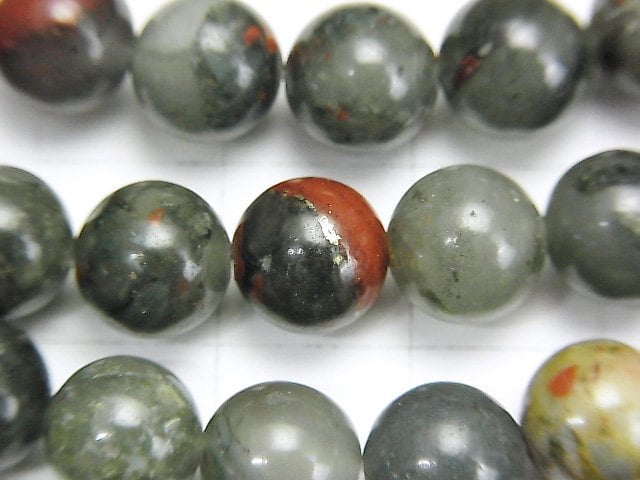
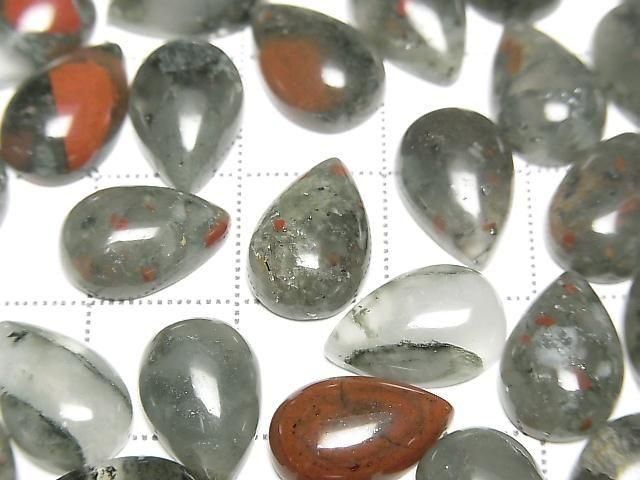
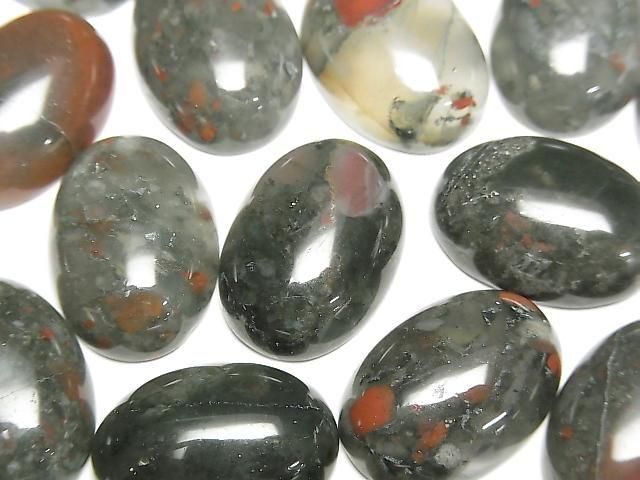
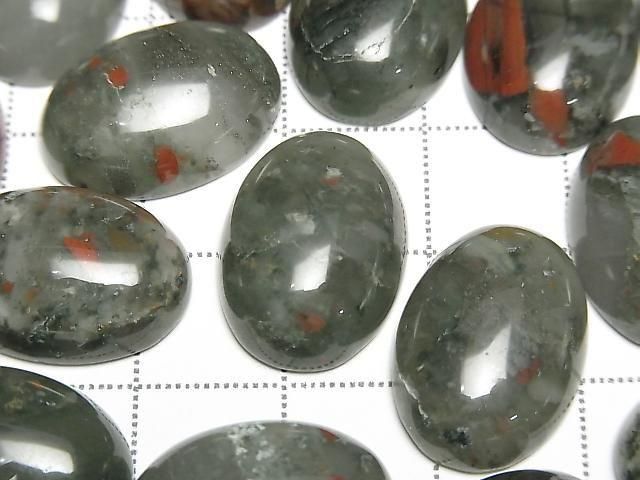
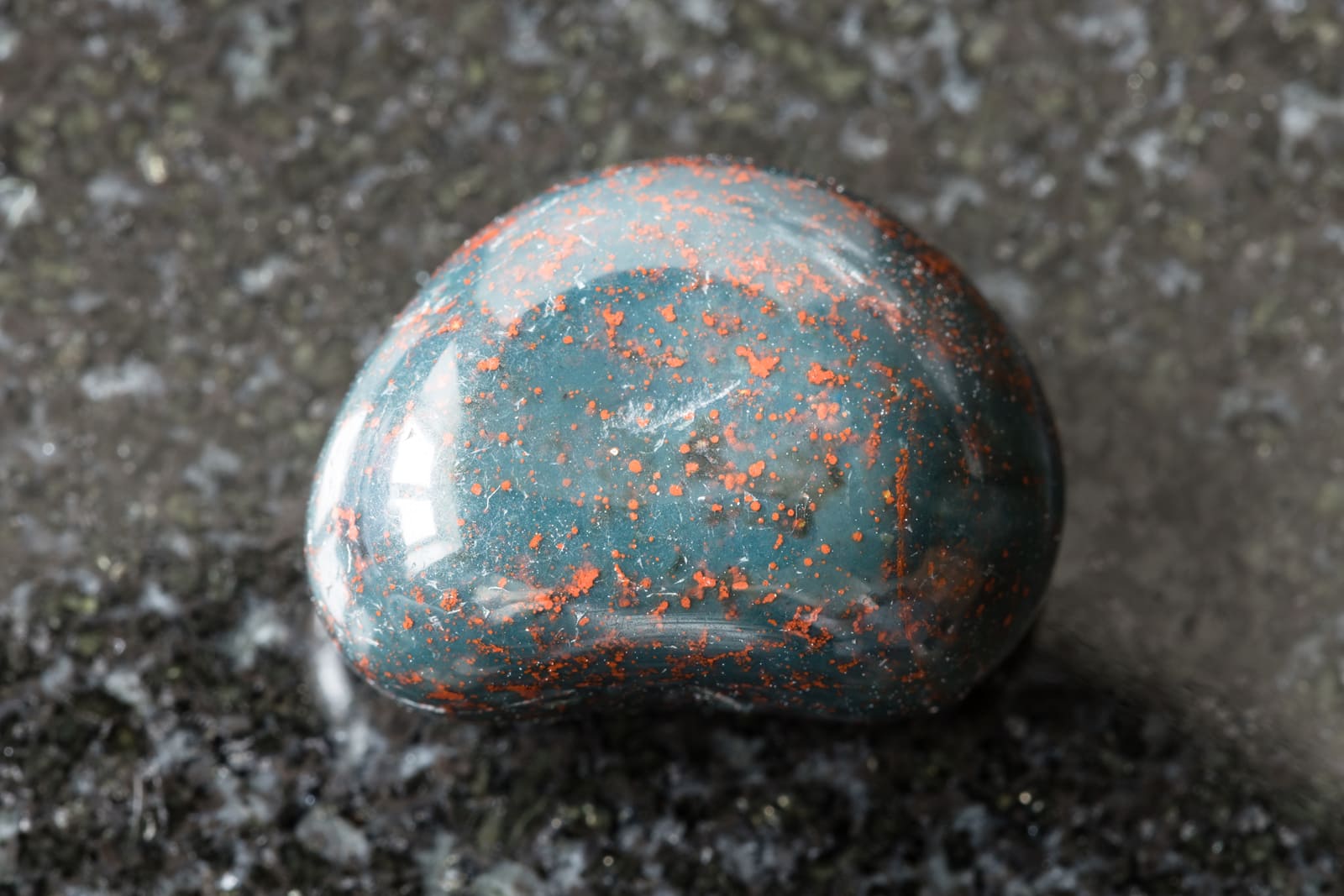
Bloodstone, also called heliotrope, is a dark green chalcedony or jasper-like gemstone with red, orange, yellow, or white spots. The red markings are commonly associated with iron oxide inclusions and give the stone its distinctive name.
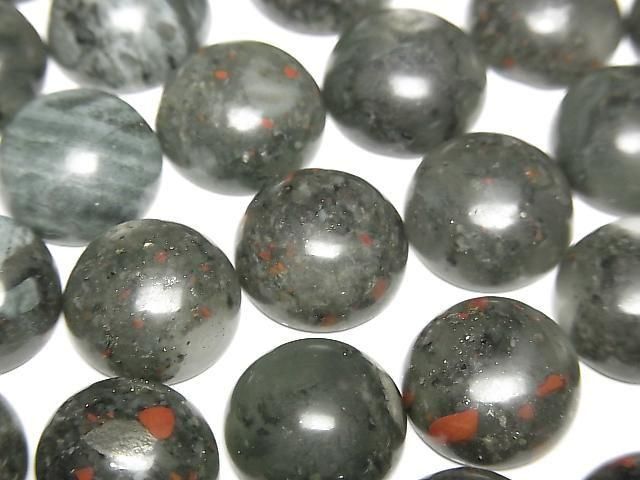
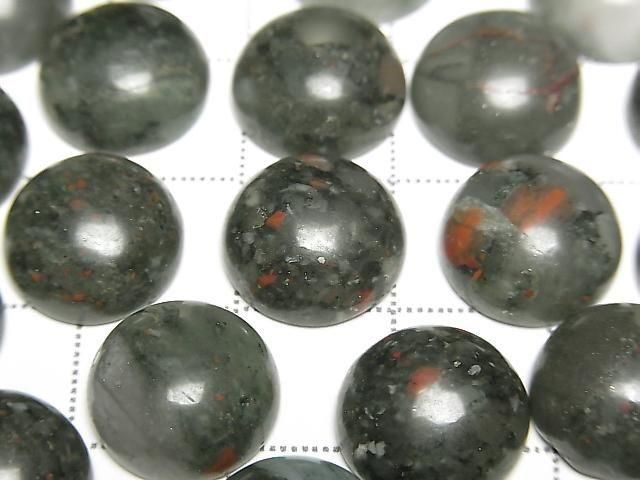
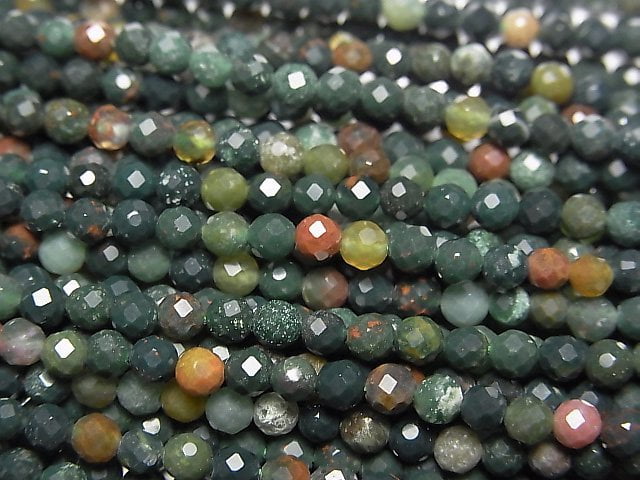
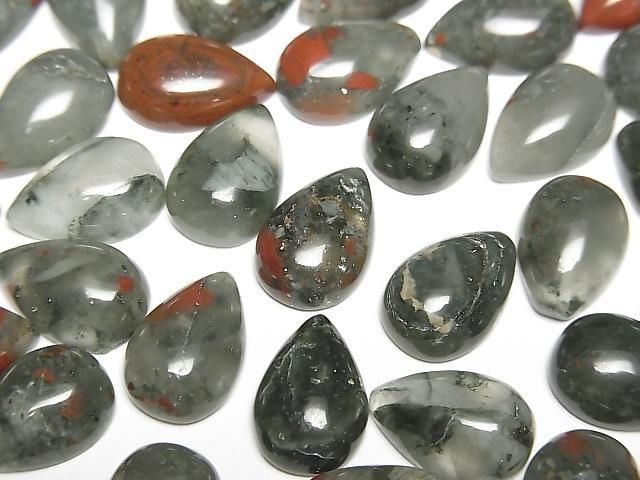
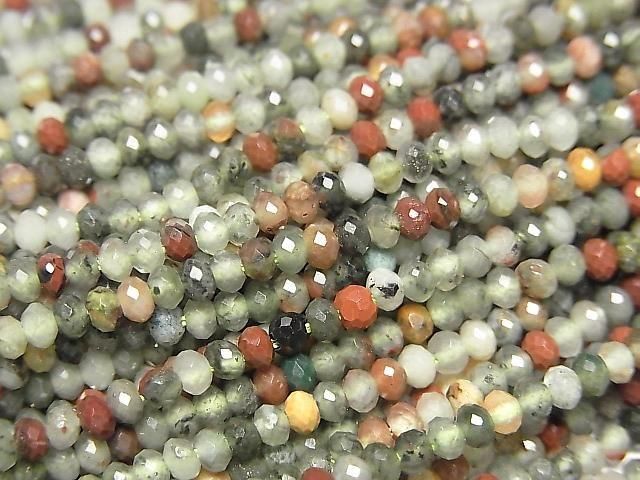
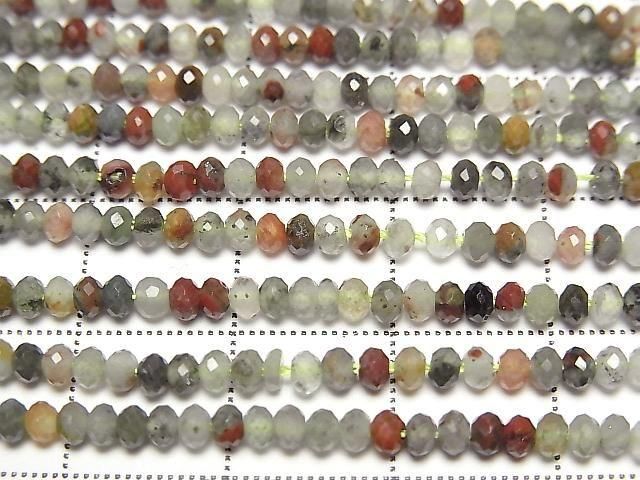
Because no two pieces show the same pattern, bloodstone is popular for gemstone beads, cabochons, pendants, necklaces, and one-of-a-kind jewelry. This guide explains bloodstone meaning, origin, types, and how to choose natural bloodstone for jewelry making.

Bloodstone Meaning and Symbolism
In gemstone and crystal lore, bloodstone is often associated with courage, grounding, steady focus, and renewal. Its green body color is commonly linked with nature, while the red spots are associated with action and bravery.
These meanings come from folklore, cultural symbolism, and personal interpretation. They are best enjoyed as inspiration for jewelry design or daily intention, not as medical advice or a substitute for professional care.
Bloodstone in the Bible and Christian Lore
Bloodstone is sometimes connected with Christian tradition. A medieval legend says that its red marks appeared when drops of Christ’s blood fell onto green jasper at the crucifixion.
This story is folklore rather than mineralogical fact, but it explains why bloodstone has been called the “martyr’s stone” and why it has appeared in religious carvings, seals, and decorative objects.

Bloodstone Origin and Formation
Mineralogically, bloodstone belongs to the quartz family and is generally described as a variety of chalcedony or jasper-like microcrystalline quartz. The name “heliotrope” comes from Greek words related to the sun and turning.
Bloodstone occurs in several parts of the world, including India, Brazil, Australia, South Africa, the United States, and Canada. Its pattern forms as silica-rich material develops in rock cavities or fractures and iron-bearing minerals create contrasting spots.

Types of Bloodstone
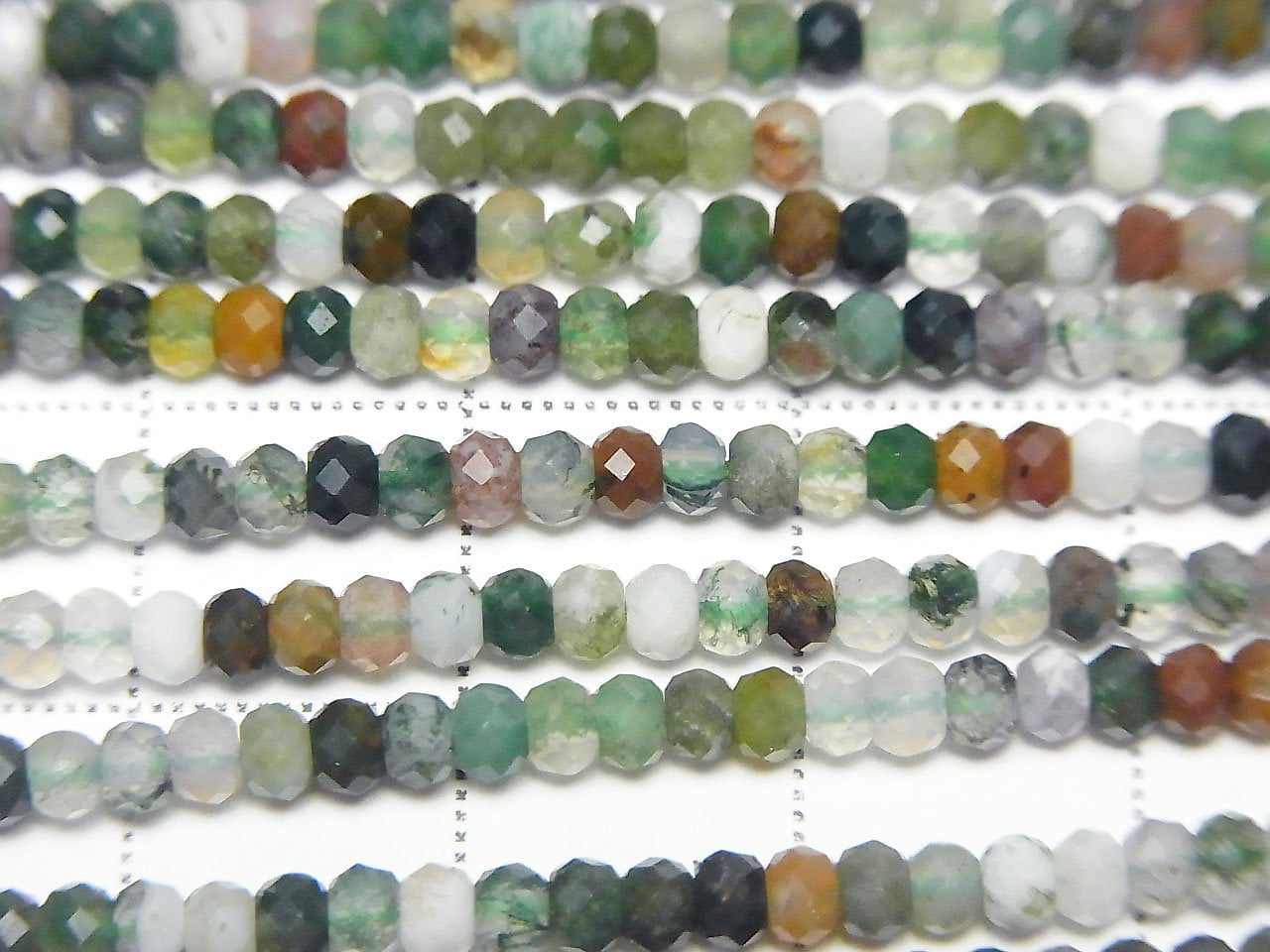
There are several trade names and visual types of bloodstone. Most are based on color, pattern, and locality rather than a single strict grading system. For shoppers, the key differences are the depth of green color, the amount of red spotting, and how evenly the pattern appears across beads or cabochons.
African Bloodstone
African bloodstone is a trade name often used for material with a deep green to gray-green base and bold red or earthy markings. It can create a dramatic look in bracelets, pendants, and larger statement beads.
Indian Bloodstone
Indian bloodstone is often considered the classic look: a dark green base with red, orange, yellow, white, or brown markings. It is commonly cut into cabochons, beads, strands, and small carvings.
Plasma, Green Bloodstone, and Red Bloodstone
Plasma is a green chalcedony with little or no red spotting, while “green blood stone” often refers to bloodstone pieces where the red marks are subtle. “Red bloodstone” usually describes material with stronger red spots, not a separate red gemstone species.
Natural bloodstone varies widely, so photos are important. When comparing bloodstone images, look for a balanced green base, visible contrast, and a polish that suits the design you want to make.

Bloodstone Properties at a Glance
- Mineral family: Quartz / chalcedony group
- Color: Dark green to greenish-blue with red, orange, yellow, white, or brown spots
- Transparency: Usually opaque to translucent
- Mohs hardness: About 6.5 to 7
- Common cuts: Beads, cabochons, carvings, pendants, and polished stones
- Popular uses: Bracelets, necklaces, signet rings, wire-wrapped pendants, and craft jewelry
Bloodstone Crystal and Spiritual Meaning
People who enjoy crystals often use bloodstone as a symbolic reminder of courage, patience, and staying grounded. Some keep it on a desk, carry a small polished stone, or wear it in jewelry as a personal talisman.
Because spiritual meanings vary by culture and individual experience, this section presents bloodstone symbolism as tradition and personal interpretation only.

Bloodstone Jewelry, Beads, and Necklaces
Bloodstone works well in jewelry because its earthy color palette pairs easily with gold-filled findings, sterling silver, brass, copper, black onyx, hematite, garnet, and clear quartz. The stone is especially popular for beaded bracelets, bloodstone necklaces, wire-wrapped pendants, and simple cabochon settings.
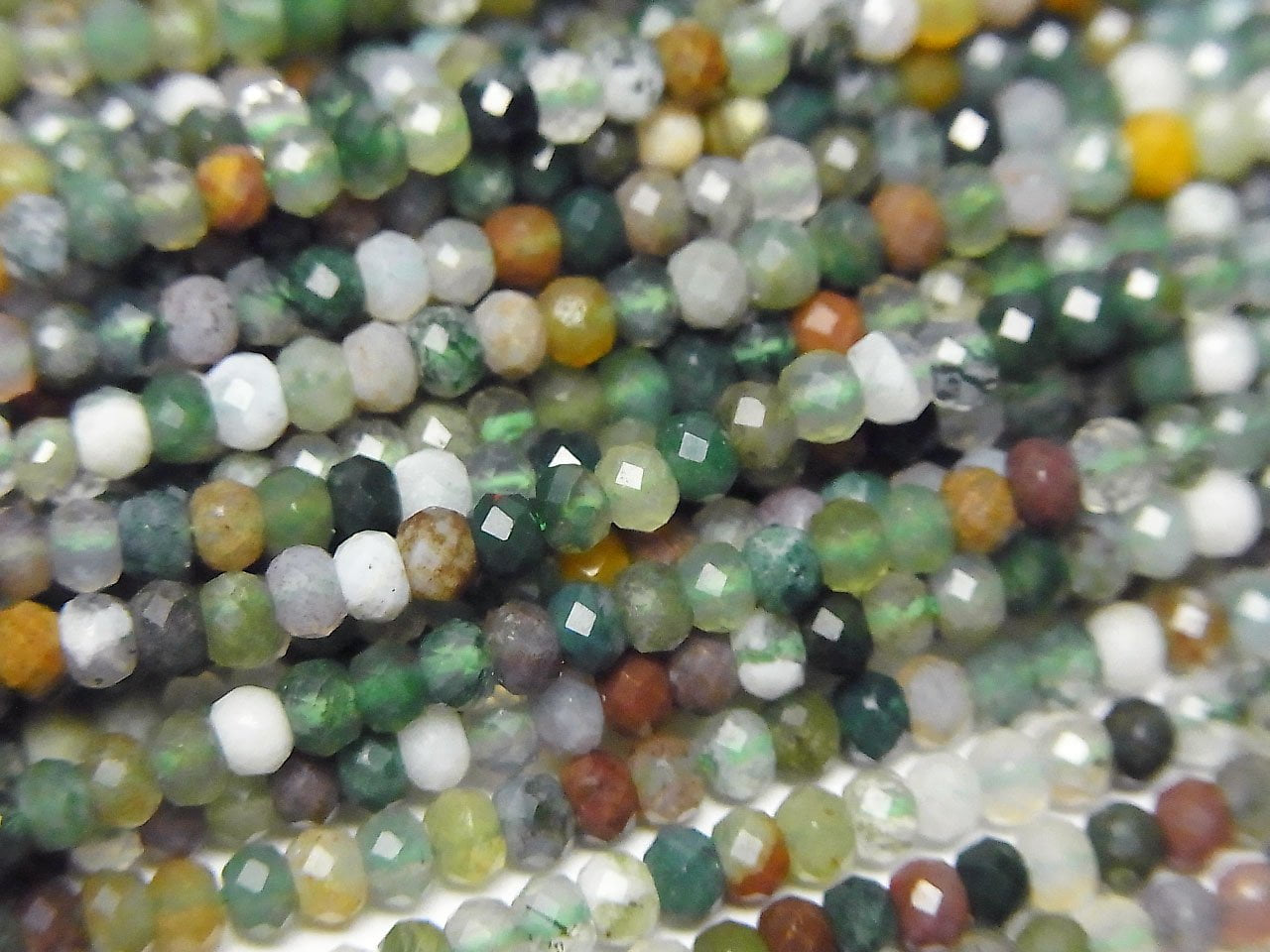
For a bloodstone necklace, choose beads with consistent sizing, clean drill holes, and spots that remain visible from multiple angles. Mixed strands can also be attractive when you want a natural, organic look.

How to Choose Natural Bloodstone
When choosing natural bloodstone, look for a saturated green base, clear contrast spots, smooth polish, and a shape that suits your design. Bead makers should also check drill-hole quality and strand consistency.
Natural patterns are not perfectly identical. Extremely uniform spots, unusual surface color, or color transfer during cleaning can be warning signs, so buy from a seller that provides clear photos and product details.
How to Care for Bloodstone Jewelry
Clean bloodstone jewelry with mild soap, lukewarm water, and a soft cloth or brush. Dry it well before storing.
To keep the polish looking its best, avoid harsh chemicals, long periods of direct sunlight, and storing bloodstone where it can rub against harder stones or metal parts.
Bloodstone for Sale from KenKenGems
KenKenGems offers natural bloodstone beads and gemstones for jewelry makers, collectors, and craft buyers. Each piece has its own mix of green base color and red or earthy markings, so you can choose the pattern that best fits your design.
Browse our bloodstone for sale collection to find strands, beads, pendants, and other bloodstone materials for your next project.

Frequently Asked Questions About Bloodstone
The following quick answers cover common questions about bloodstone meaning, types, jewelry use, and natural identification.
What is bloodstone?
Bloodstone is a dark green chalcedony or jasper-like quartz material with red, orange, yellow, or white spots. It is also known as heliotrope.
What are the different types of bloodstone?
Common trade names include African bloodstone, Indian bloodstone, plasma, green bloodstone, and red-spotted bloodstone. These names usually describe appearance, locality, or trade usage.
Is bloodstone the same as jasper?
Bloodstone is often described as chalcedony or jasper-like microcrystalline quartz. In shopping contexts, “bloodstone jasper” is common, but gemological sources may distinguish bloodstone from typical jasper textures.
What does bloodstone mean spiritually?
In crystal traditions, bloodstone is often associated with courage, grounding, and focus. These are symbolic meanings and should not be presented as medical or guaranteed effects.
Is bloodstone suitable for jewelry?
Yes. Bloodstone is widely used for beads, cabochons, pendants, bracelets, rings, and necklaces. Choose settings and stringing materials that protect the stone from hard impacts.
How can I tell if bloodstone is natural?
Natural bloodstone usually shows varied patterns rather than perfectly identical spots. Clear product photos, reliable descriptions, and seller transparency are important when buying natural bloodstone online.