
TOC
- 1. What Is Lapis Lazuli? An Introduction to the Blue Gemstone
- 1-1. Lapis Lazuli at a Glance: Quick Facts
- 1-2. Is Lapis Lazuli a Rock, a Mineral, or a Crystal?
- 2. Lapis Lazuli Meaning and Symbolism
- 2-1. What Does "Lapis Lazuli" Mean? (Etymology)
- 2-2. Lapis Lazuli Symbolism Across Cultures
- 3. The History of Lapis Lazuli
- 4. Physical and Gemological Properties of Lapis Lazuli
- 4-1. What Color Is Lapis Lazuli? Colors, Grades, and Appearance
- 4-2. Hardness and Durability
- 4-3. Where Is Lapis Lazuli Found? Mines and Deposits
- 5. Lapis Lazuli vs. Sodalite and Other Blue Stones
- 6. Metaphysical Properties of Lapis Lazuli
- 6-1. Chakra Associations
- 6-2. Zodiac Sign and Birthstone Connections
- 7. Lapis Lazuli Healing Properties: Tradition and Modern Perspective
- 7-1. How to Use Lapis Lazuli
- 8. How Much Is Lapis Lazuli Worth? Price and Value Guide
- 9. How to Tell Real Lapis Lazuli from Imitations
- 10. How to Care for and Cleanse Lapis Lazuli
- 11. Frequently Asked Questions About Lapis Lazuli
- 11-1. What does lapis lazuli do?
- 11-2. Is lapis lazuli expensive?
- 11-3. Can lapis lazuli go in water?
- 11-4. Is lapis lazuli a December birthstone?
- 11-5. Where is lapis lazuli found?
- 11-6. Is lapis lazuli the same as sodalite?
- 12. How to Choose Lapis Lazuli Beads for Jewelry Making — Shop at Kenkengems

What Is Lapis Lazuli? An Introduction to the Blue Gemstone
Lapis lazuli is a deep-blue metamorphic rock — not a single mineral — composed mainly of lazurite, usually flecked with golden pyrite and white calcite. Its meaning has stayed remarkably consistent for more than 6,000 years: truth, wisdom, and royalty. Today it remains one of the most popular blue stones for jewelry making. In this complete guide, you’ll learn lapis lazuli’s meaning and symbolism, its physical and metaphysical properties, what it’s worth in today’s market, how to tell real lapis from imitations and look-alikes such as sodalite, and how to choose beads and stones for your own designs.

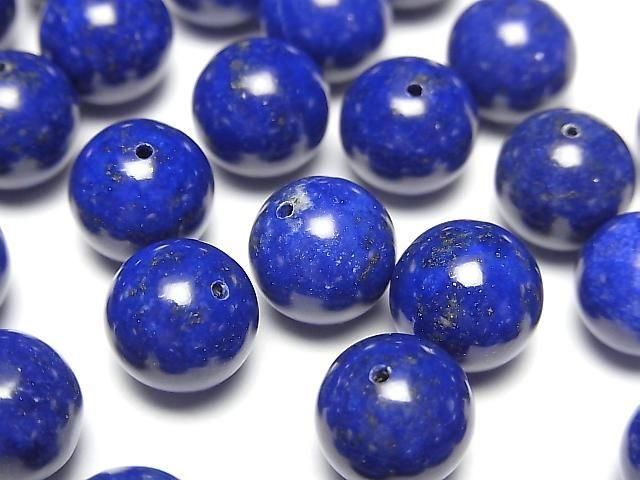
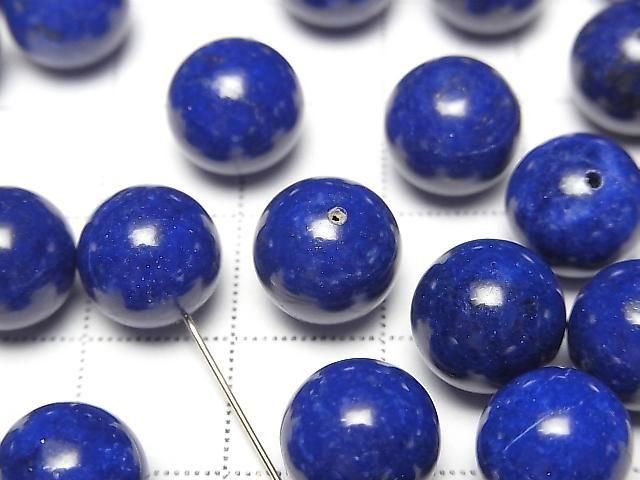
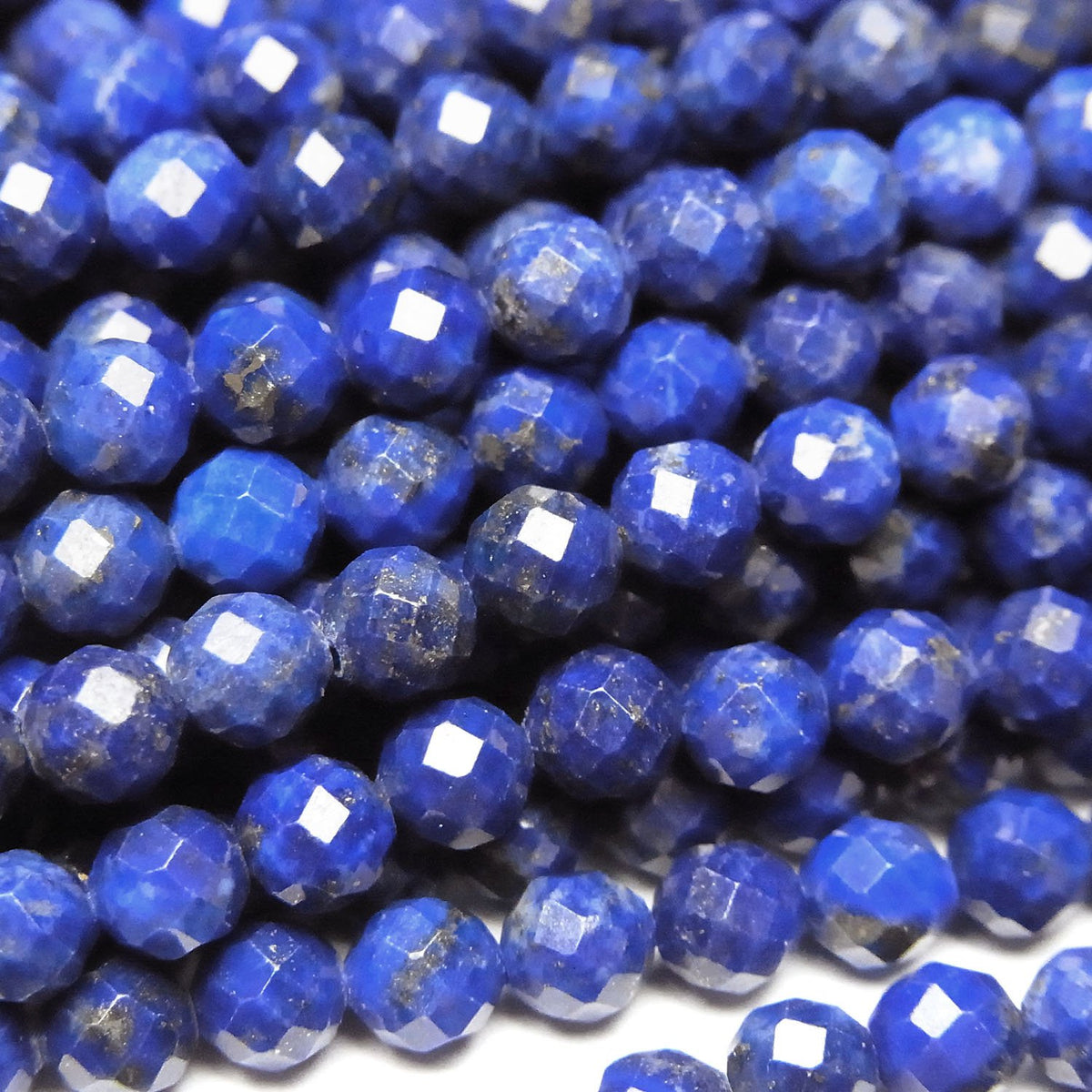
Lapis lazuli (often shortened to “lapis”) is an opaque, deep-blue rock formed by contact metamorphism, typically in crystalline limestone. Its signature ultramarine color comes from lazurite, a sulfur-bearing member of the sodalite mineral group. Most specimens also contain glittering golden pyrite and white calcite, which together create the famous “starry night sky” appearance.
Because it is a rock rather than a single crystal, no two pieces of lapis lazuli are exactly alike — the balance of blue lazurite, gold pyrite, and white calcite defines both its look and its value.

Lapis Lazuli at a Glance: Quick Facts
| Property | Detail |
|---|---|
| Classification | Rock (mineral aggregate) — primarily lazurite, with calcite and pyrite |
| Color | Deep ultramarine to violet-blue, with gold (pyrite) or white (calcite) accents |
| Hardness (Mohs) | 5–6 |
| Luster | Dull to waxy; takes a fine polish |
| Transparency | Opaque |
| Major Sources | Badakhshan (Afghanistan), Chile, Russia (Lake Baikal) |
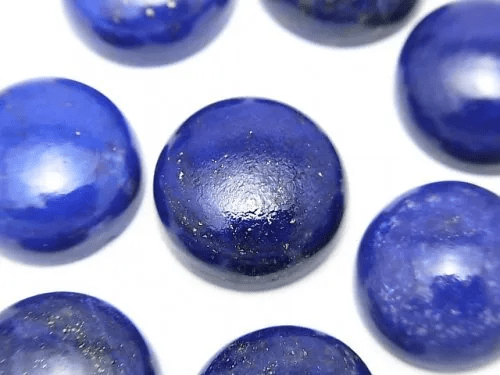
| Common Cuts | Cabochons, beads, carvings, inlay; faceted cuts also available |
| Symbolic Meaning | Truth, wisdom, communication, royalty |
| Birthstone | Traditional September birthstone; also an alternative December birthstone |
| Typical Price (USD) | Most bead strands about $5–$80; fine Afghan cabochons roughly $10–$20+ per carat |
| Source | GIA gem encyclopedia / Mindat.org |
Is Lapis Lazuli a Rock, a Mineral, or a Crystal?
Strictly speaking, lapis lazuli is a rock: an aggregate of several minerals. The blue mineral inside it is lazurite. In the crystal-healing and jewelry communities, however, it is commonly called a “crystal” or “gemstone,” and all three terms are widely used. When you see “lapis lazuli crystal” in shops, it almost always refers to this same lazurite-rich blue rock.

Lapis Lazuli Meaning and Symbolism
Lapis lazuli’s meaning is truth, wisdom, and connection to the heavens — core associations that have stayed remarkably consistent across almost every culture that encountered the stone for more than 6,000 years. Its sky-like blue made it a natural symbol of the divine, while its rarity tied it to royalty and power.
In modern crystal traditions, lapis lazuli is regarded as a stone of:
- Truth and honest self-expression — encouraging clear, confident communication
- Wisdom and insight — supporting learning, judgment, and self-awareness
- Inner peace — helping quiet mental noise and reveal what really matters
These attributions are spiritual and cultural beliefs rather than scientifically verified effects, but their continuity from ancient Egypt to today’s crystal community is rare among gemstones.
What Does "Lapis Lazuli" Mean? (Etymology)
The name combines the Latin lapis, meaning “stone,” with lazuli, derived from the Persian lāžward — the historical name for both the stone and the region where it was mined. The same root gave European languages their words for blue, including English “azure” and Spanish “azul.” In other words, this stone did not borrow its name from the color blue; the color blue borrowed its name from the stone.

Lapis Lazuli Symbolism Across Cultures
| Culture / Era | Symbolic Role of Lapis Lazuli |
|---|---|
| Ancient Egypt | Stone of the heavens and the gods; used in royal regalia and burial goods |
| Mesopotamia / Sumer | Associated with divinity and status; featured in epic literature and royal tombs |
| Renaissance Europe | Ground into ultramarine, the most precious blue pigment for sacred art |
| Modern Traditions | Truth, wisdom, communication; a popular meditation stone |
The History of Lapis Lazuli
Lapis lazuli is among the oldest gem materials used by humankind. The mines of Sar-e-Sang in Badakhshan, northeastern Afghanistan, have been worked for roughly 6,000 years or more and supplied the ancient world’s most important civilizations.
In ancient Egypt, lapis lazuli was reserved for the highest purposes: jewelry, amulets, and royal burial goods. The funerary mask of Tutankhamun (14th century BC) is inlaid with lapis lazuli among other precious materials — one of the most famous uses of the stone in history. In Mesopotamia, lapis appears in the royal tombs of Ur and is praised repeatedly in the Epic of Gilgamesh.
Centuries later, European artists ground the finest lapis into ultramarine, a pigment once more expensive than gold. Painters of the Renaissance and Dutch Golden Age — most famously Johannes Vermeer, in works such as Girl with a Pearl Earring — used it for the most important blues in their paintings. Natural ultramarine was so costly that it was often reserved for the robes of the Virgin Mary in religious art.
Sources: The Metropolitan Museum of Art / The British Museum / National Gallery
Physical and Gemological Properties of Lapis Lazuli
Lapis lazuli owes its character to the balance of three minerals: blue lazurite (colored by sulfur), golden pyrite, and white calcite. The proportion of each defines every stone’s unique appearance — and its value.

What Color Is Lapis Lazuli? Colors, Grades, and Appearance
Lapis lazuli is deep ultramarine to royal blue — a saturated, slightly violet blue so distinctive that “lapis blue” has become a color name in its own right. The most prized stones show an even, intense violet-blue with little or no white calcite. Fine golden pyrite flecks are often considered attractive and part of the stone’s identity, though excessive pyrite can dull the color, and visible white calcite generally lowers the value.
In the Afghan trade, stones have traditionally been graded by color and texture: “Nili” for the saturated violet-blue to indigo material (the most valuable), “Asmani” for sky-blue stones, and “Sufsi” for greenish material with more inclusions.
You will also see these variations in the North American market:
- Royal or midnight blue lapis — the classic, most sought-after look, usually Afghan material
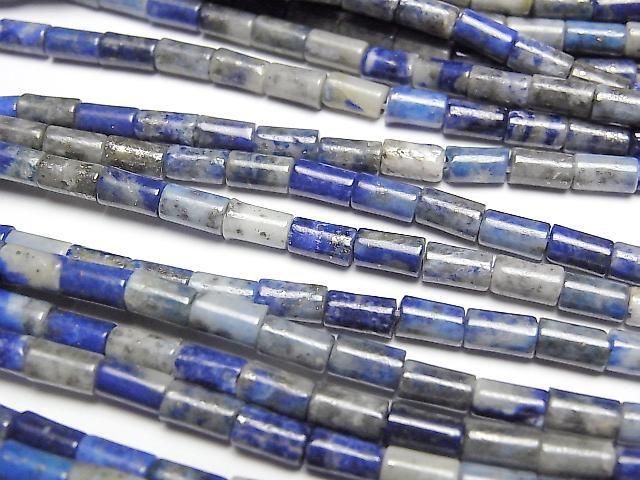
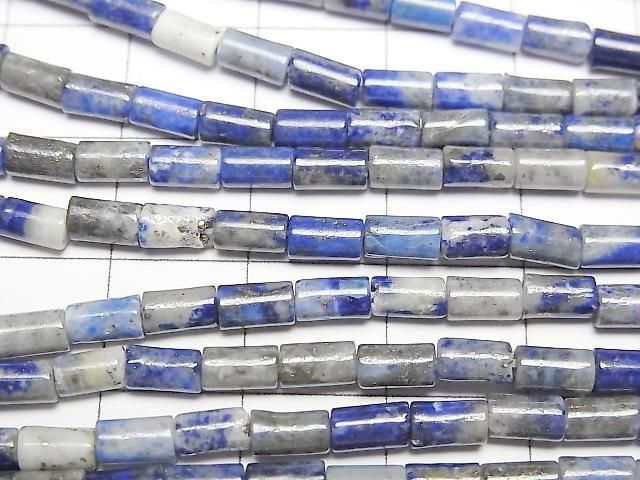
- Denim lapis — lighter, calcite-rich stone with a soft, jean-like blue; affordable and popular for casual designs
- Green-tinted lapis — material with less lazurite or more inclusions; budget-friendly but less valuable
Hardness and Durability
Lapis lazuli measures roughly 5–6 on the Mohs scale, softer than quartz (7). This makes it easy to carve and polish — one reason it is so often cut en cabochon — but it also means lapis jewelry can scratch with rough wear. Rings and bracelets need more care than pendants or earrings. Lapis is also porous and sensitive to acids and household chemicals (see the care section below).
Where Is Lapis Lazuli Found? Mines and Deposits
- Afghanistan (Badakhshan / Sar-e-Sang) — the historic and still most important source of fine, deep-blue material
- Chile (Andes, Coquimbo region) — typically lighter blue with more calcite
- Russia (west of Lake Baikal) — blue material often containing pyrite and calcite
- Smaller deposits are reported in several other countries, including the United States, Canada, Italy, and Mongolia
Source: GIA gem encyclopedia (lapis lazuli)

Lapis Lazuli vs. Sodalite and Other Blue Stones
The quickest way to tell lapis lazuli from look-alike blue stones is its golden pyrite flecks — sodalite, dumortierite, and azurite rarely or never show them.
| Property | Lapis Lazuli | Sodalite | Dumortierite | Azurite |
|---|---|---|---|---|
| What it is | Rock (lazurite + pyrite + calcite) | Single mineral | Single mineral | Copper carbonate mineral |
| Typical color | Saturated ultramarine to royal blue | Grayish- or violet-blue with white veins | Denim to navy blue | Vivid azure blue, often with green malachite |
| Golden pyrite flecks | Common — the signature look | Rare | No | No |
| Mohs hardness | 5–6 | 5.5–6 | About 7 | 3.5–4 |
| Typical price | Affordable to moderate | Budget-friendly | Budget-friendly | Moderate; usually too soft for everyday jewelry |
Sodalite causes the most confusion: it is a single mineral in the same mineral group as lazurite, usually darker and grayer than lapis, with white veining but almost never golden pyrite. Dumortierite reads more like denim blue, and azurite — though intensely blue — is much softer and often grows together with green malachite. If a “lapis” strand shows perfectly uniform blue with no pyrite and no calcite at a very low price, treat it with the same caution as any suspected imitation (see the section on spotting fakes below).
Metaphysical Properties of Lapis Lazuli
In crystal-healing traditions, lapis lazuli is considered one of the key stones for the mind and voice. Practitioners traditionally associate it with:
- Truthful, confident communication and self-expression
- Enhanced intuition, insight, and self-awareness
- Protection from negative energies and mental clarity during meditation
The following associations are widely shared beliefs within those traditions, offered here as cultural information rather than proven effects. These are traditional beliefs, not medical claims.

Chakra Associations
Lapis lazuli is most often linked to:
- The throat chakra — associated with communication, self-expression, and speaking one’s truth
- The third-eye chakra — associated with intuition, insight, and inner vision
Practitioners often choose lapis for meditation focused on clarity, honest communication, or study.
Zodiac Sign and Birthstone Connections
Lapis lazuli is frequently associated with Sagittarius. As a birthstone, it appears on traditional lists as a September birthstone — an association still common in the UK and on older American lists — and on several modern alternative lists as a December birthstone alongside turquoise, tanzanite, and zircon. Birthstone lists vary by country and by the organization publishing them, so if you were born in either month, you can wear lapis with confidence.
Lapis Lazuli Healing Properties: Tradition and Modern Perspective
Lapis lazuli has a long history in traditional medicine. Classical Persian sources — including the works of Avicenna — and medieval European texts describe it being powdered and used in remedies, and folk traditions have credited it with calming the mind, easing tension, and supporting restful sleep. These are historical and cultural traditions, described here for interest only.
Today, these uses are best understood as historical and spiritual traditions. There is no scientific evidence that lapis lazuli treats, cures, or prevents any medical condition, and it should never replace professional medical care. Many people simply find that wearing or holding a beautiful, meaningful stone supports a sense of calm and intention — and that, in itself, is a perfectly good reason to keep lapis close. These are traditional beliefs, not medical claims.
Note: The healing and metaphysical information in this article is provided for cultural and educational interest only. It is not medical advice.
How to Use Lapis Lazuli
There are several traditional ways to work with lapis lazuli:
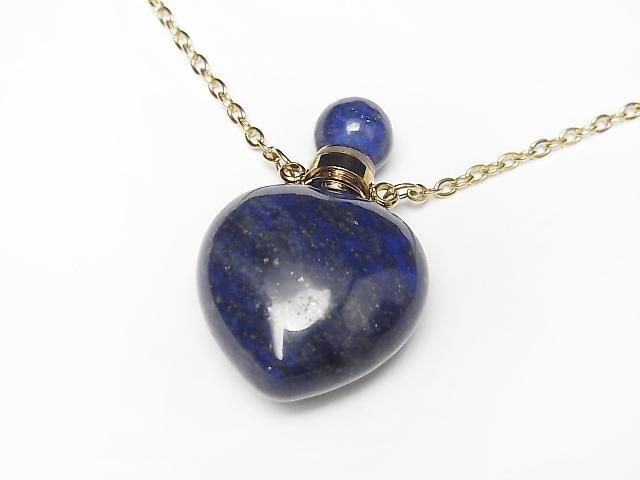
- Wear it as jewelry — necklaces and earrings keep the stone near the throat and third-eye areas favored in crystal traditions, and protect it better than rings
- Hold it during meditation or journaling, especially when working on communication or decision-making
- Keep it in your workspace as a visual reminder of clarity and focus while studying or writing

How Much Is Lapis Lazuli Worth? Price and Value Guide
Most lapis lazuli is surprisingly affordable. Commercial-grade beads and cabochons often cost less than $1 per carat, while fine, evenly colored Afghan material with little or no calcite can run roughly $10–$20 per carat or more. Exceptional carvings, antique pieces, and top “Nili”-grade stones command significantly higher prices.
What determines lapis lazuli’s value:
- Color — an even, saturated violet-blue (“royal blue”) with no visible calcite is the top grade
- Calcite — white patches or veins lower the value; fine material shows none
- Pyrite — small, evenly scattered golden flecks are prized; large dull patches reduce value
- Treatments — dyed, waxed, or reconstituted lapis is worth much less than untreated stone, so buy from sellers who disclose treatments
- Origin — Afghan (Badakhshan) material generally commands a premium over lighter Chilean stone
Typical ranges: tumbled stones about $2–$10 each; bead strands (approx. 15 inch / 38 cm) about $5–$80+, depending on grade, bead size, and cut; cabochons roughly $1 to $20+ per carat by grade; carvings and spheres from about $20 to several hundred dollars.
How to Tell Real Lapis Lazuli from Imitations
Because fine lapis is valuable, imitations are common — typically dyed howlite or magnesite, reconstituted stone, or synthetic “lapis” products. Use these checks before buying:
- Look for pyrite, not glitter: natural golden pyrite flecks are irregular and metallic; perfectly even, uniform sparkle can indicate an imitation
- Check the color distribution: natural lapis shows subtle variation and may include white calcite veins — a perfectly uniform, saturated blue at a very low price deserves caution
- Watch for dye: on dyed imitations, color may concentrate in surface cracks; a cotton swab with a little acetone may pick up dye (test only on stones you own, in an inconspicuous spot)
- Feel the weight and temperature: lapis feels dense and cool compared with plastic or resin imitations
- Buy from suppliers who disclose treatments and origin
For high-value purchases, a gemological laboratory report is the only definitive confirmation.

How to Care for and Cleanse Lapis Lazuli
Because lapis lazuli is relatively soft, porous, and often wax-treated, it needs gentle handling:
- Avoid prolonged soaking in water, and never use salt water — it can dull the polish and attack the calcite and pyrite
- Keep it away from acids, perfume, hairspray, and household chemicals; apply cosmetics before putting on lapis jewelry
- Clean with a soft, slightly damp cloth, then dry immediately
- Store separately from harder gems (quartz, sapphire, diamond) that can scratch it
- For energetic cleansing, prefer dry methods such as moonlight, sound, or placing it with quartz — not water or salt
Care guidance based on GIA gem care recommendations for lapis lazuli.
Frequently Asked Questions About Lapis Lazuli

What does lapis lazuli do?
In crystal traditions, lapis lazuli is believed to support truthful communication, wisdom, and inner calm. These are spiritual beliefs rather than scientifically proven effects; physically, it is simply a beautiful, historically important blue gemstone. These are traditional beliefs, not medical claims.
Is lapis lazuli expensive?
Prices vary widely with quality. Deep, even blue material with minimal calcite from Afghanistan commands premium prices, while lighter or calcite-rich stones and beads are very affordable — one reason lapis is so popular in handmade jewelry.
Can lapis lazuli go in water?
Brief contact with water is usually fine, but avoid soaking. Lapis is porous, relatively soft, and often wax-treated, so prolonged water — especially salt water — can dull its polish. Wipe with a damp cloth and dry immediately instead.
Is lapis lazuli a December birthstone?
Lapis lazuli appears on traditional lists as a September birthstone and on several alternative lists as a December birthstone, alongside turquoise, tanzanite, and zircon. Birthstone lists differ by country and organization, so both associations are in common use.
Where is lapis lazuli found?
The most important source is the Badakhshan region of Afghanistan, mined for thousands of years. Chile and Russia (near Lake Baikal) are the other major sources.
Is lapis lazuli the same as sodalite?
No, though they are related and often confused. Sodalite is a single mineral (usually darker, grayish-blue, without gold pyrite), while lapis lazuli is a rock whose main blue component, lazurite, belongs to the sodalite mineral group. The golden pyrite flecks are the quickest visual clue for lapis.
How to Choose Lapis Lazuli Beads for Jewelry Making — Shop at Kenkengems
When selecting lapis lazuli beads or loose stones for jewelry, start with three factors — color, calcite content, and cut — then match bead size to your design.
- Color: deep, even ultramarine blue commands the highest value; decide whether you want visible pyrite “stars” as a design feature
- Calcite content: less white calcite generally means a higher grade — but calcite-veined stones can be attractive and budget-friendly for casual designs
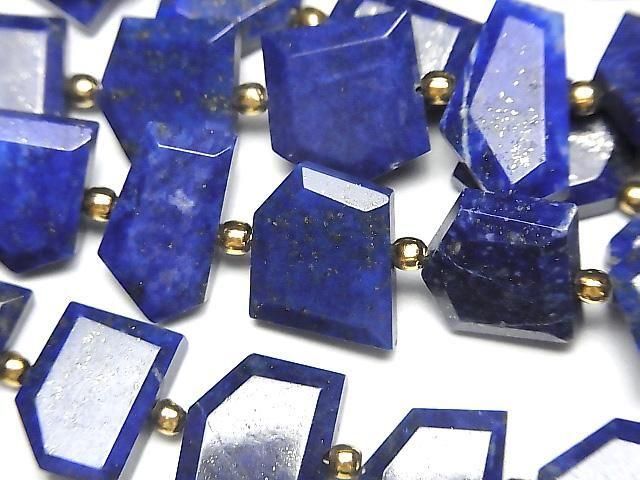
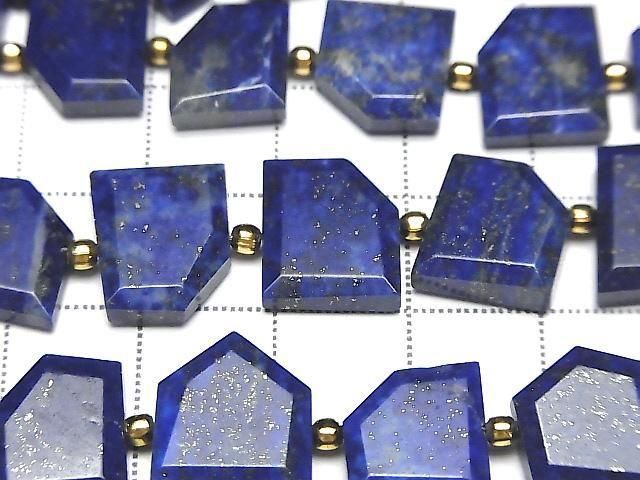
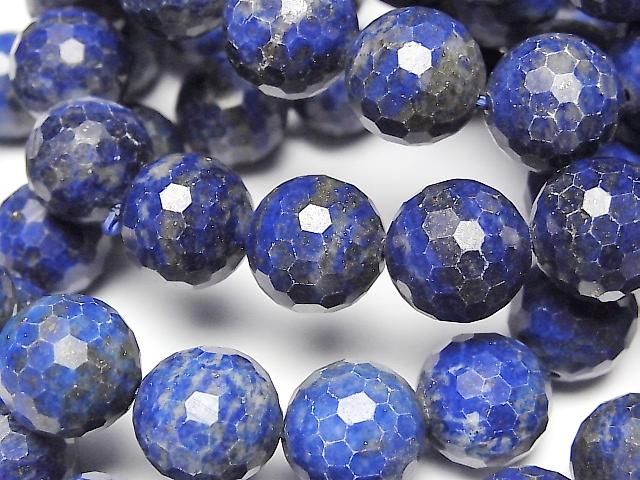
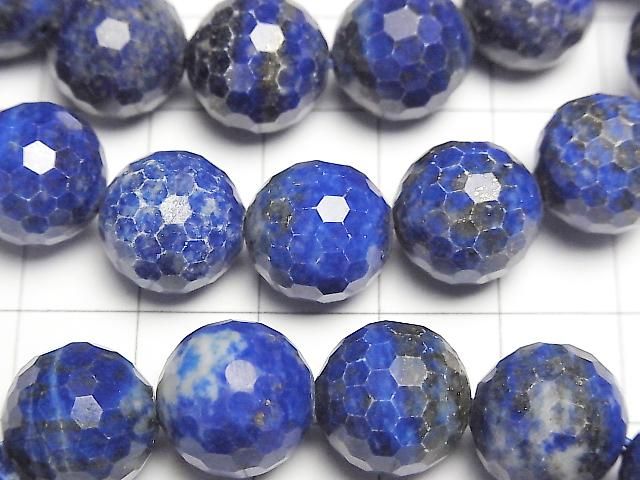
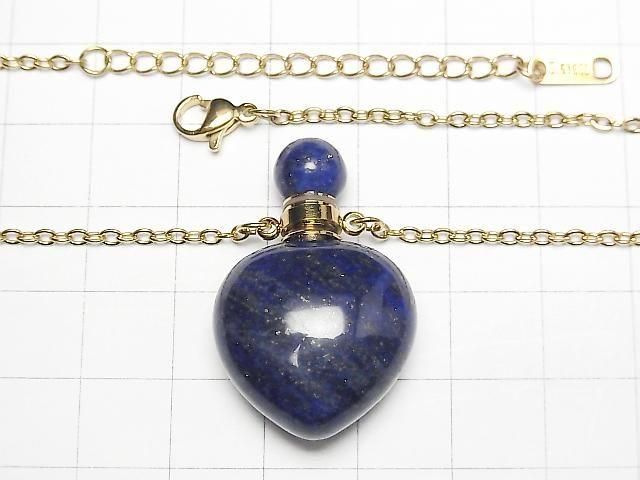
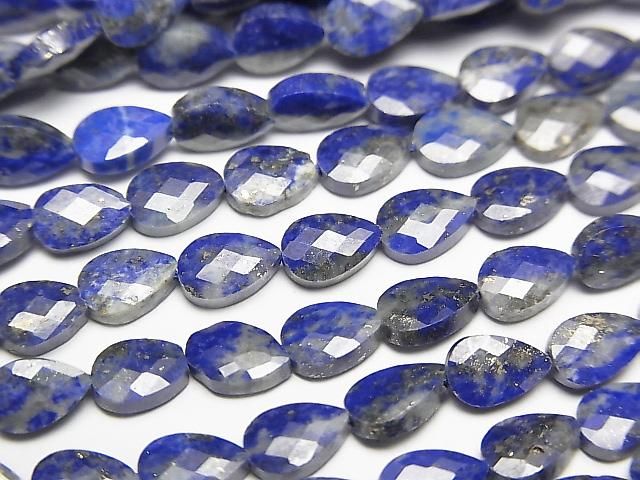
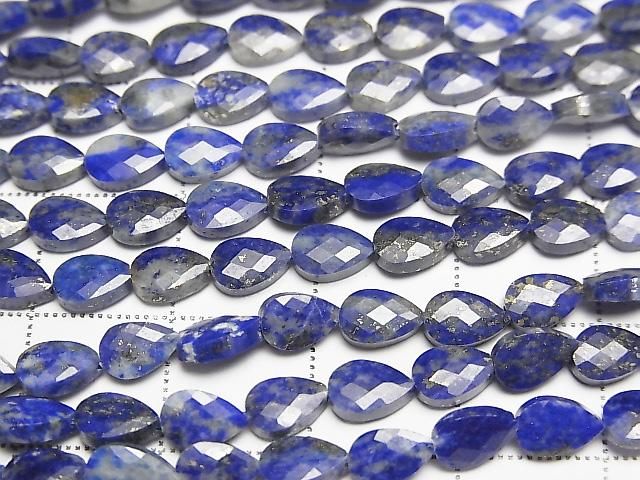
- Cut and shape: cabochons and smooth rounds suit classic looks, while faceted cuts (rounds, pears, drops, cubes, nuggets) add sparkle that opaque stones usually lack
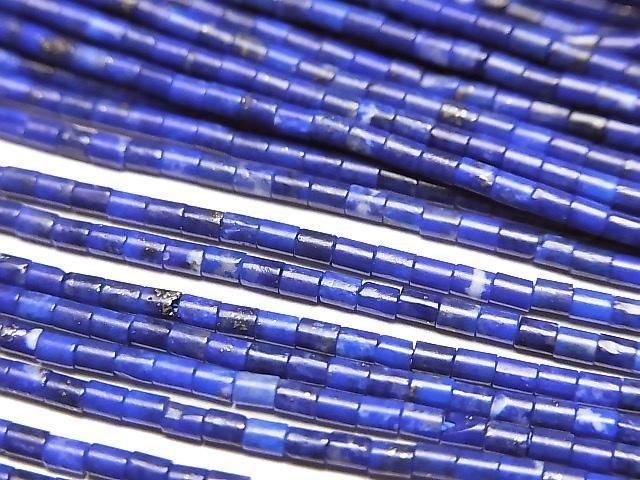
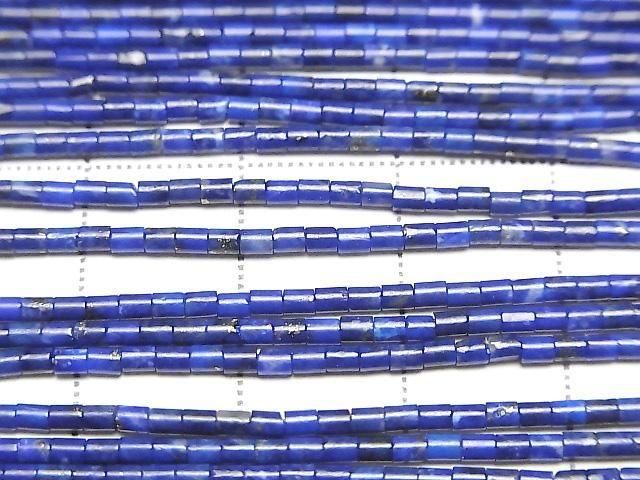
Bead-size guide: 2–3 mm for delicate layering necklaces and earring accents; 4–6 mm for minimalist bracelets and spacer sections; 8 mm for classic beaded bracelets (about 22–23 beads fit a 7 in / 18 cm wrist); 10–12 mm for bold statement necklaces and focal strands.
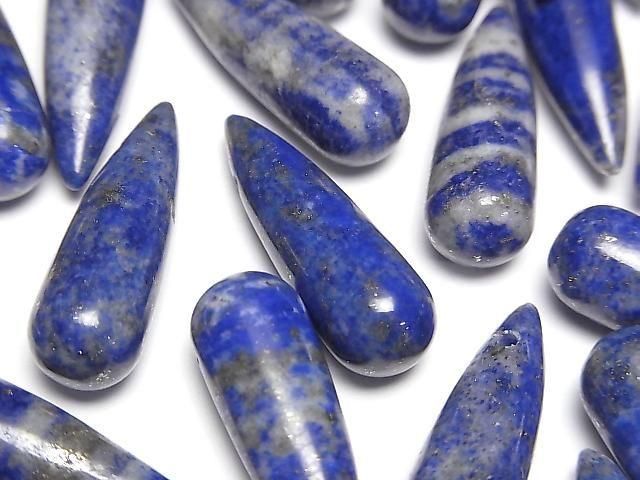
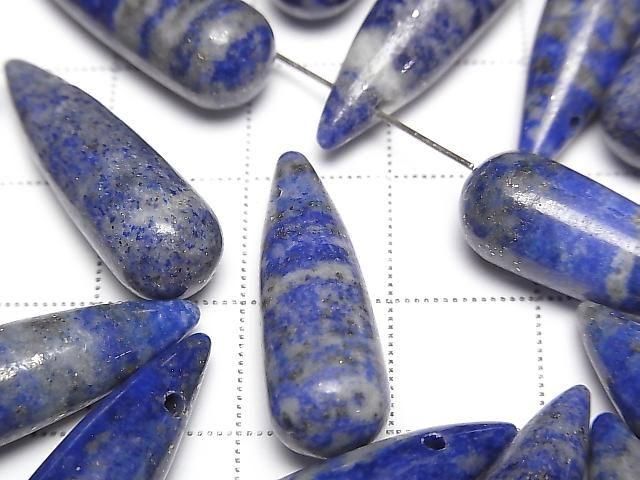
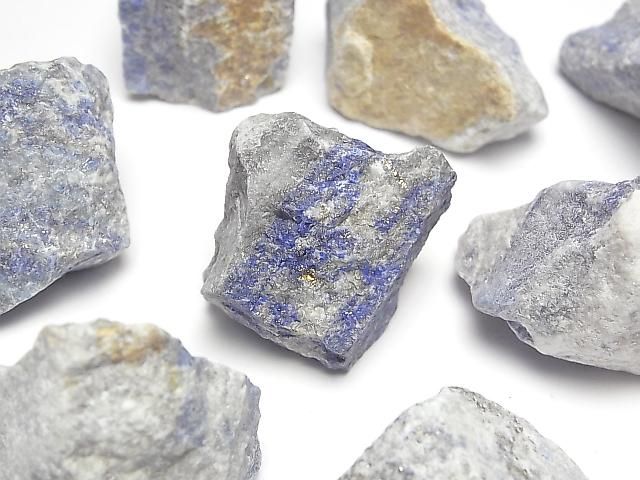
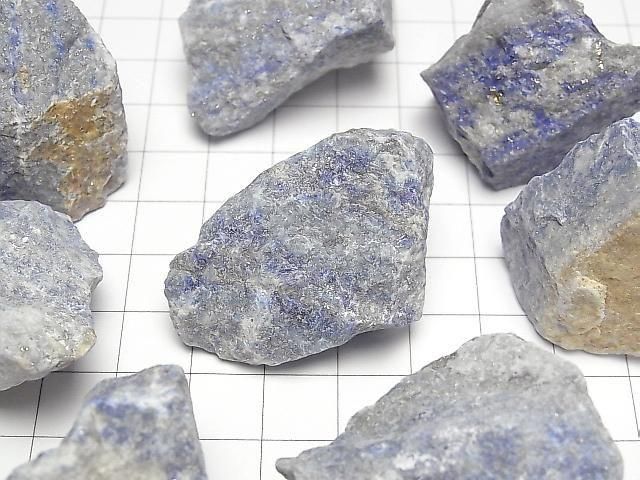
At Kenkengems, we supply Afghanistan-sourced lapis lazuli in strands, loose stones, and cabochons — including faceted shapes that are hard to find elsewhere. Every product is graded on our quality-rank scale (from A+ up to AAAA) — an in-house grading scale whose criteria are explained on that page — so designers can match material to their project and budget at wholesale prices, with free worldwide shipping on orders over US$300.


![Lapislazuli AA+ Cube 8x8x8mm [Half Drilled Hole] 4pcs](http://store.kenkengems.com/cdn/shop/files/190231024.jpg?v=1771929684&width=640)
![Lapislazuli AA+ Cube 8x8x8mm [Half Drilled Hole] 4pcs](http://store.kenkengems.com/cdn/shop/files/190231024_o1.jpg?v=1771929670&width=640)
![Lapislazuli AA++ Freeform Single-Sided Rose Cut [Double Hole] 1strand beads (12pcs)](http://store.kenkengems.com/cdn/shop/files/190435511.jpg?v=1774960779&width=640)
![Lapislazuli AA++ Freeform Single-Sided Rose Cut [Double Hole] 1strand beads (12pcs)](http://store.kenkengems.com/cdn/shop/files/190435511_o1.jpg?v=1774960766&width=640)