TOC
- 1. What Is Topaz?
- 2. Topaz Meaning & History
- 3. Topaz Properties
- 4. Topaz Colors & Types
- 4-1. Blue Topaz (Sky, Swiss & London)
- 4-2. White (Colorless) Topaz
- 4-3. Imperial (Precious) Topaz
- 4-4. Mystic Topaz
- 4-5. Yellow, Brown & Naming Cautions
- 5. Topaz Value
- 6. Topaz Care & How to Identify It
- 7. Topaz Meaning & Symbolism
- 8. Topaz FAQ
- 8-1. What is topaz?
- 8-2. Is blue topaz natural or treated?
- 8-3. What is mystic topaz?
- 8-4. What is imperial topaz?
- 8-5. Is "smoky topaz" real topaz?
- 8-6. What does topaz symbolize?
- 8-7. How do I care for topaz?
- 9. Shop Topaz at KenKenGems

What Is Topaz?
Topaz is a silicate mineral — an aluminum fluorosilicate — prized as a gemstone for its clarity, glassy luster, and wide color range. It is a hard, durable stone (Mohs hardness 8) that occurs colorless as well as in blue, yellow, brown, and other hues, which makes it a popular and generally affordable choice for jewelry. Topaz is a birthstone for November and a traditional gift for the 4th and 23rd wedding anniversaries. This guide covers topaz meaning and history, its physical properties, its colors and types, how it is treated, its value, care and identification, and its symbolism.
A quick note on names: blue is one of the most familiar topaz colors, but most vivid blue topaz on the market is colorless topaz that has been treated, and "mystic topaz" is topaz with a thin surface coating. We explain each of these clearly in the sections below.
Topaz Meaning & History
The name "topaz" is debated. Some trace it to Topazios, an island in the Red Sea (today Zabargad, or St. John's Island), whose earliest famous gems were actually peridot — long confused with topaz. Others link the word to the Sanskrit "tapas," meaning fire or heat, and still others to the Greek "topazos." All of these point to how long topaz has been valued.
Topaz has adorned jewelry and regalia since antiquity, appearing in the crowns and headdresses of rulers and among the twelve stones traditionally associated with the breastplate of the high priest described in the Bible. The Roman naturalist Pliny the Elder described a stone he called topaz in his "Natural History," though many experts now believe he was actually describing chrysolite (peridot). In symbolism, topaz has long been linked to warmth, honesty, and clarity of thought.

Topaz Properties
Topaz is an aluminum fluorosilicate with the chemical formula Al₂SiO₄(F,OH)₂. It is a transparent crystal with a bright, glassy luster and a hardness of 8 on the Mohs scale, so it resists scratching well. Importantly for anyone wearing it, topaz has perfect basal cleavage in one direction — meaning a sharp knock in the wrong spot can split the stone despite its high hardness, so it needs a little care (see the care section below).
Topaz often shows pleochroism, subtly different colors seen from different viewing angles, and stones cut en cabochon can occasionally display a cat's-eye effect.
| Property | Detail |
|---|---|
| Mineral | Topaz |
| Composition | Aluminum fluorosilicate, Al₂SiO₄(F,OH)₂ |
| Mohs hardness | 8 |
| Cleavage | Perfect basal (one direction) — avoid sharp blows |
| Luster | Vitreous (glassy) |
| Specific gravity | ~3.5 – 3.6 |
| Refractive index | ~1.61 – 1.64 |
| Crystal system | Orthorhombic |
| Optical effect | Pleochroic; occasional cat's-eye when cabochon-cut |

Topaz Colors & Types
Pure topaz is colorless. Trace elements, natural irradiation over geological time, and modern gem treatments give topaz its many colors. Because color is central to both beauty and value, it helps to know which topaz colors are natural, which are treated, and which are coated. Reputable sellers disclose treatments, as the U.S. FTC Jewelry Guides require.
Blue Topaz (Sky, Swiss & London)
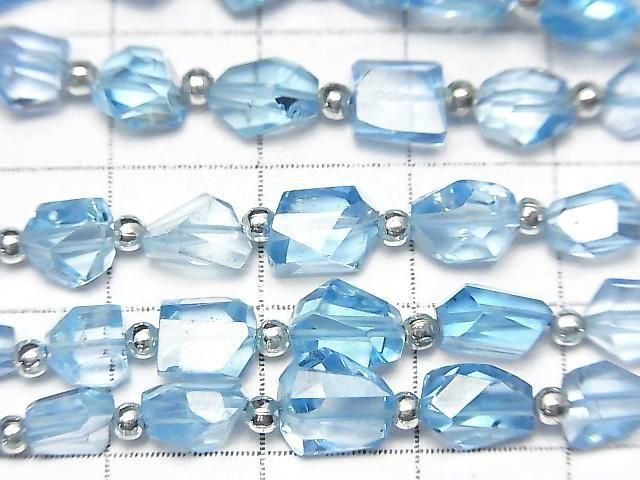
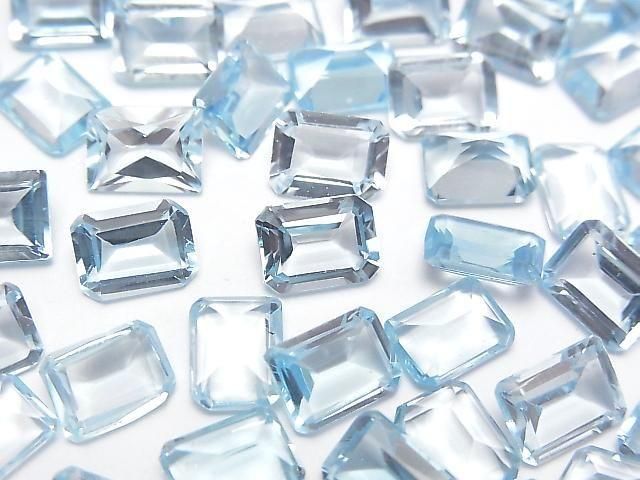
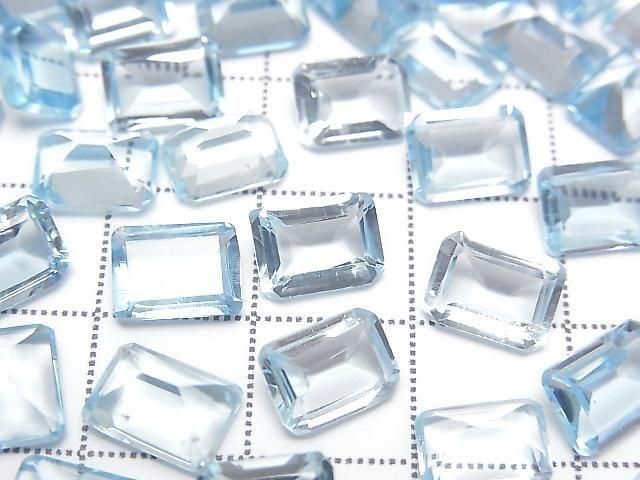
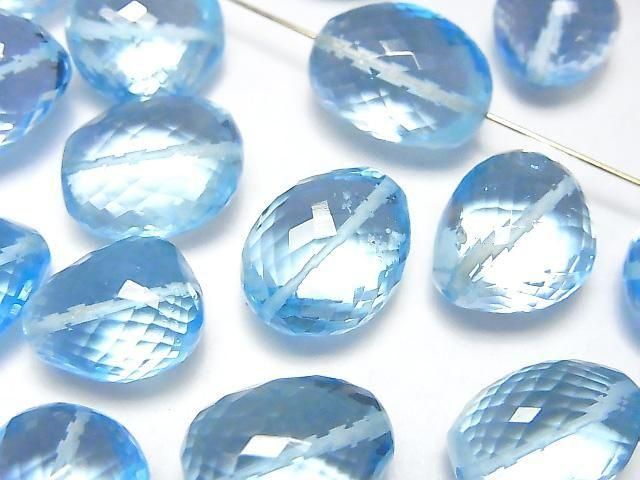
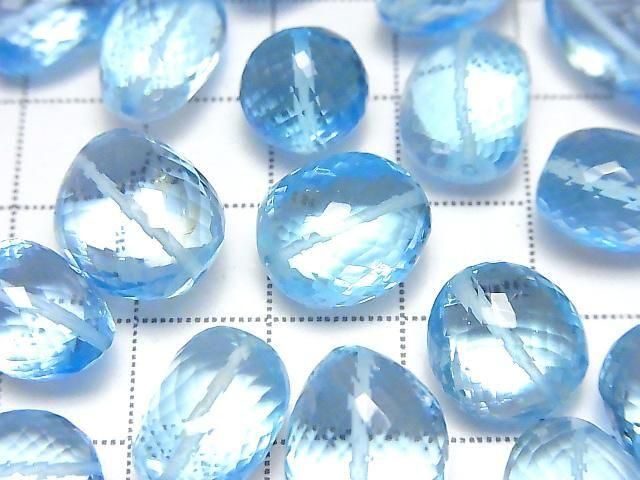
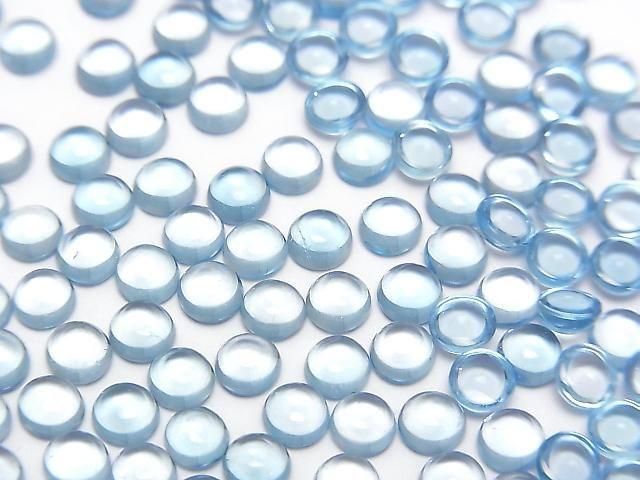
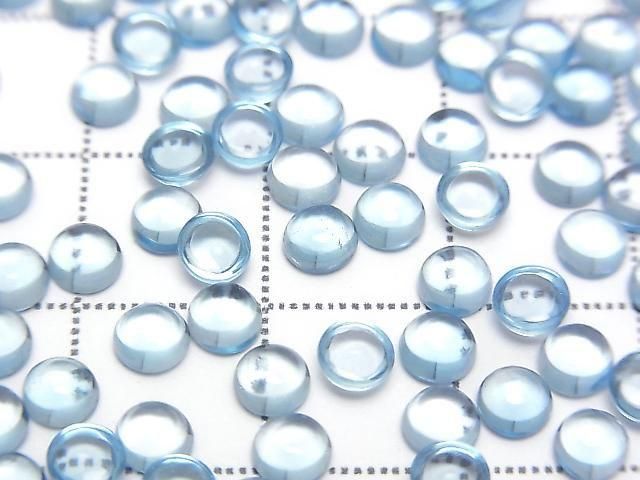
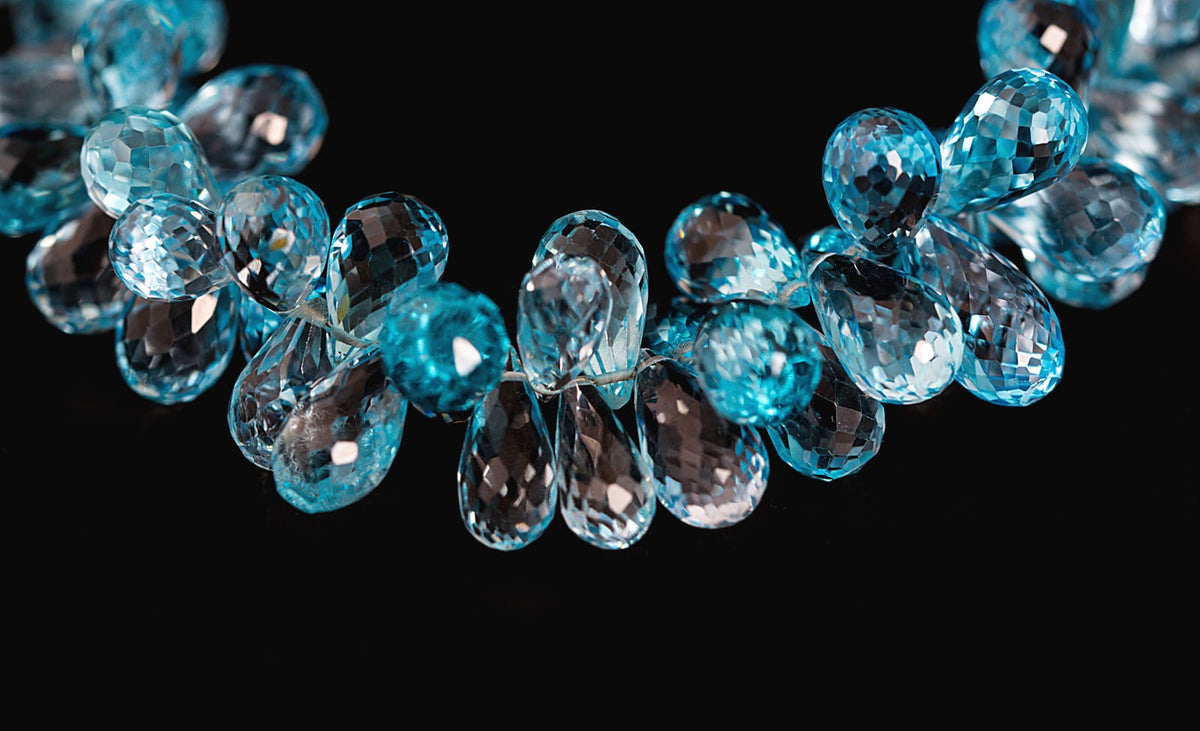
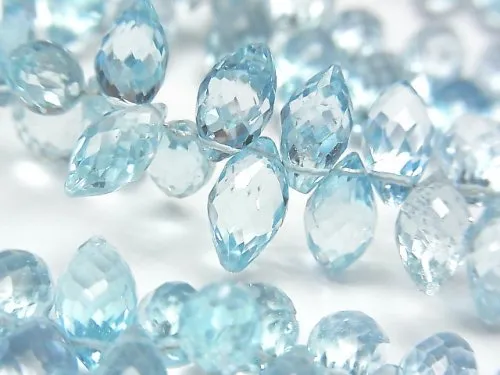
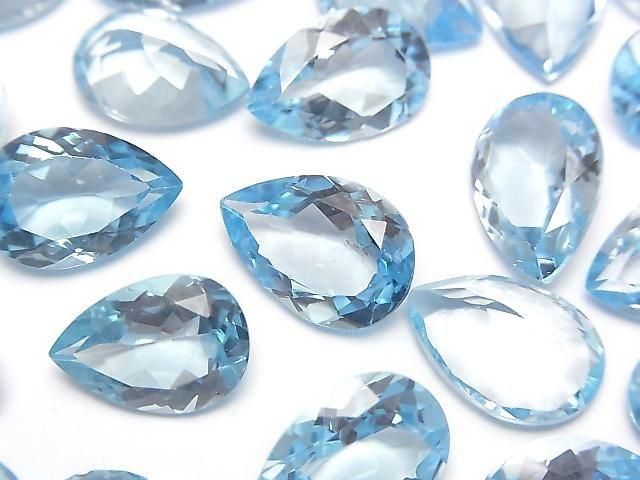
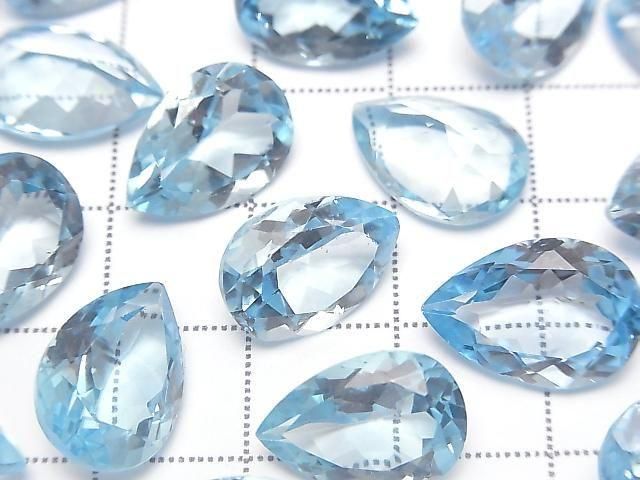
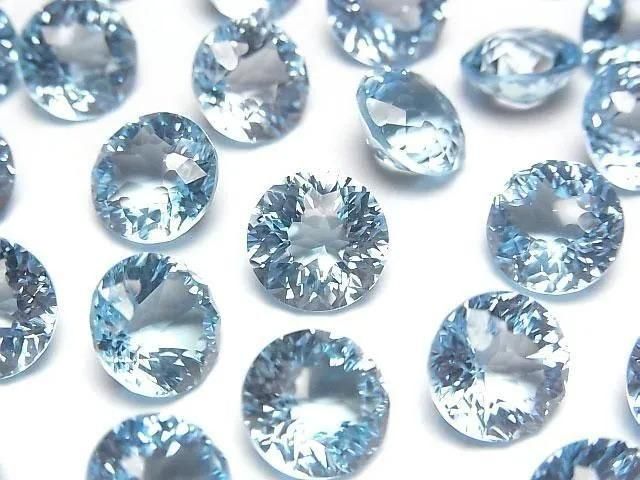
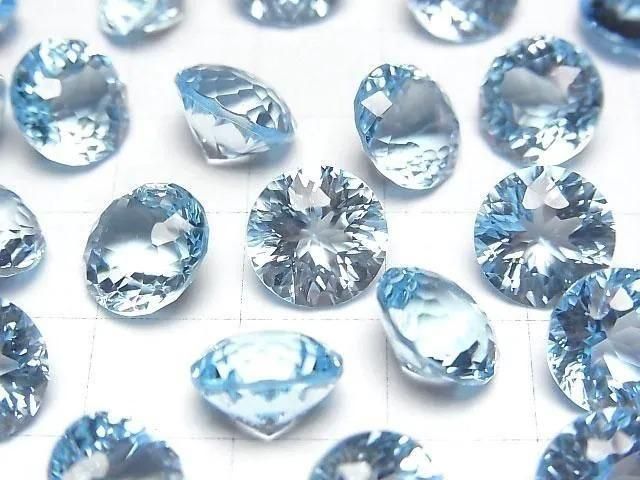
Blue is the most familiar topaz color, but strongly blue natural topaz is rare. The great majority of blue topaz on the market is colorless topaz that has been treated — typically by irradiation followed by heating — to produce a stable blue. This treated color is considered permanent under normal wear and should be disclosed at the point of sale. Blue topaz is sold in three trade color names, from lightest to deepest:
- Sky Blue topaz: a soft, pale light blue
- Swiss Blue topaz: a bright, vivid electric blue
- London Blue topaz: a deep, steely blue, sometimes with a gray or greenish undertone
These three are color grades, not different minerals — all are treated colorless topaz.


White (Colorless) Topaz
White topaz — more accurately colorless topaz — is common in nature and typically inexpensive. Its clarity makes it the usual starting material for treated colors, including most blue topaz. On its own, colorless topaz is sometimes used as an affordable, brilliant clear stone.

Imperial (Precious) Topaz
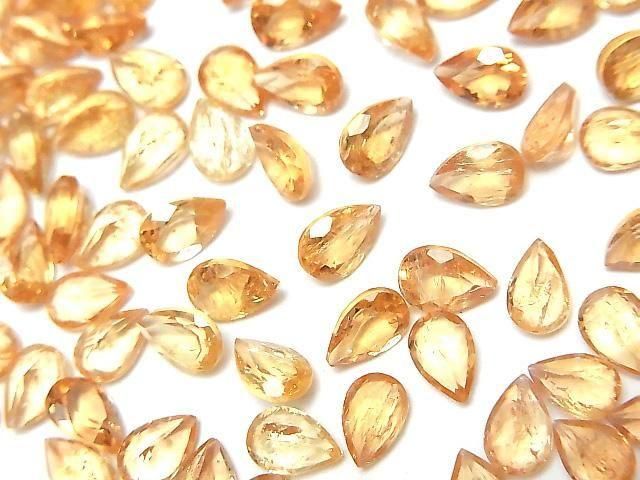
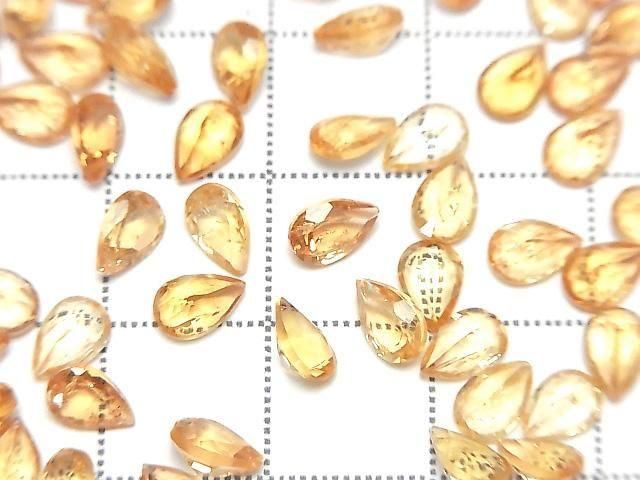
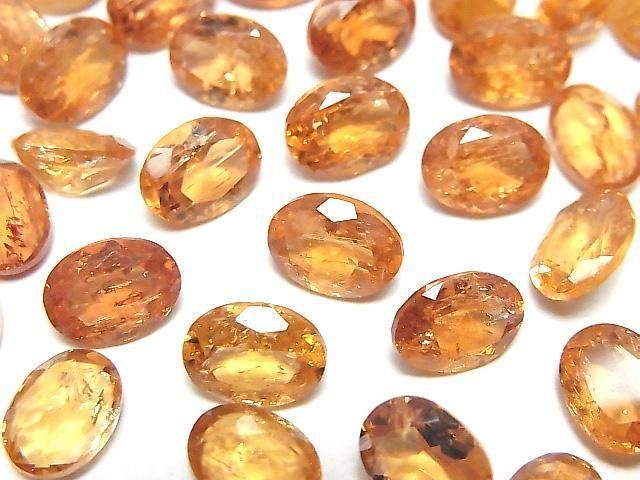
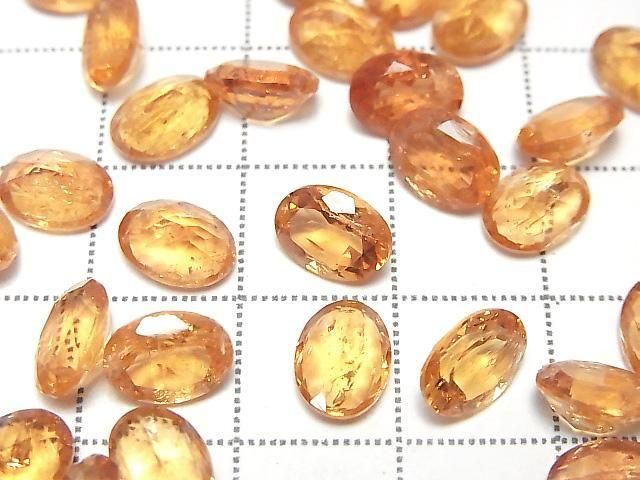
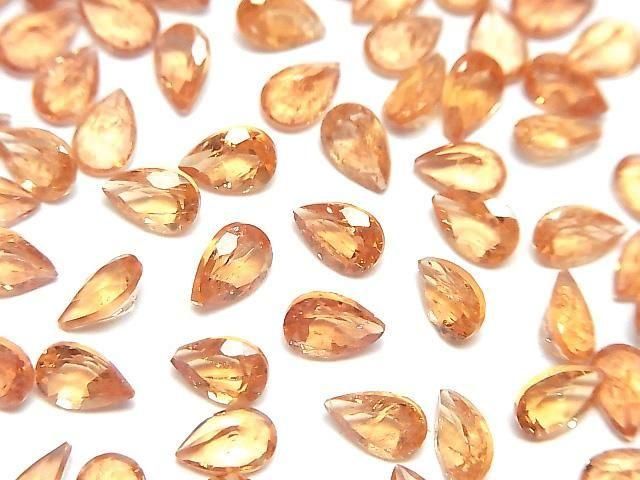
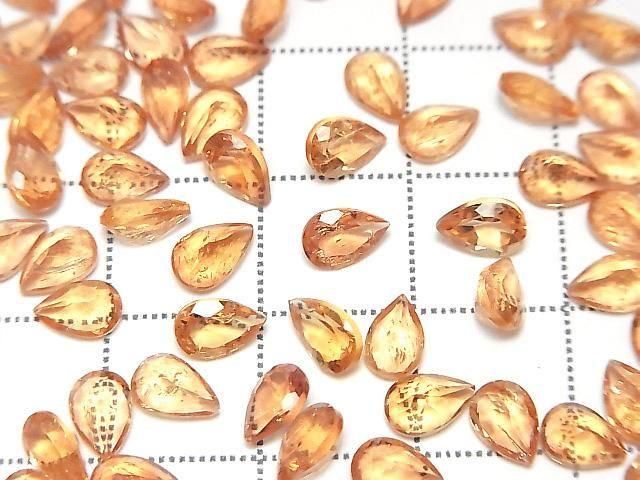
Imperial topaz (also called precious topaz) is the rarer, naturally colored variety, spanning golden yellow, orange, cognac, and pink to reddish tones. These colors are prized because they occur in nature rather than being produced by irradiation, and fine imperial topaz is the most valuable form of the gem. Some pink topaz is produced by heating certain brown or yellow stones, which should be disclosed when it applies.


Mystic Topaz
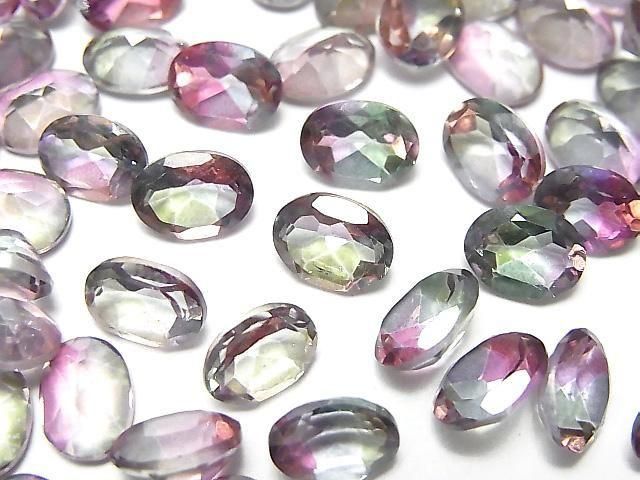
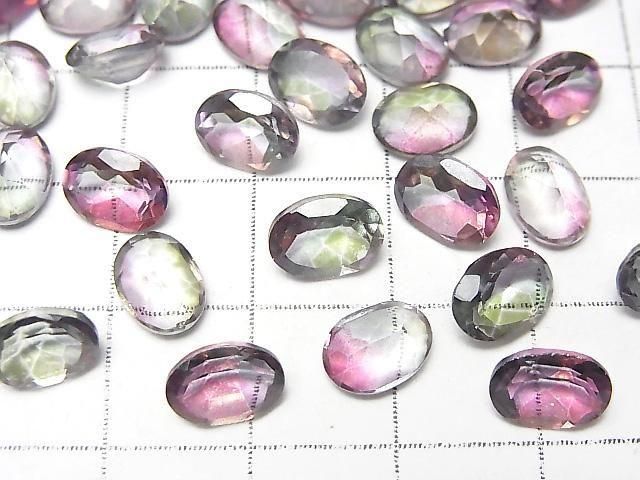
"Mystic topaz" is colorless topaz that has been given a thin metal-oxide coating on the surface (often applied over the pavilion), producing a vivid, rainbow, oil-slick play of color. The color comes from the coating, not from the stone itself, so it should be described as coated topaz. Because the coating is a thin surface layer, mystic topaz needs gentle care and can wear or scratch over time.

Yellow, Brown & Naming Cautions
Yellow and brown topaz are relatively common and budget-friendly, ranging through straw, champagne, and light-brown shades. A few naming cautions help avoid confusion in the market:
- "Smoky topaz" / "rauchtopaz": these are misnomers for smoky quartz — a different, softer, and cheaper mineral, not topaz at all.
- Citrine: yellow quartz is sometimes mislabeled as "topaz" (e.g. "Madeira topaz"); citrine is quartz, not topaz.
- Laboratory-grown / "nano" topaz: these are man-made stones with a topaz-like look; they should be described as synthetic or created rather than natural.
When in doubt, ask for the exact material and any treatment, and have a valuable stone checked by a gemologist.
Topaz Value
Topaz spans a wide price range, so it suits many budgets. Value is judged by familiar quality factors:
- Color: natural imperial and fine pink topaz command the most; treated blue and common yellow topaz are more affordable
- Clarity: topaz is usually eye-clean, so visible inclusions lower value
- Cut: a well-proportioned cut that returns light evenly adds value
- Carat: topaz occurs in large sizes, so price per carat can stay moderate even in bigger stones
As general guidance, treated blue and common yellow topaz are often modestly priced per carat, while fine natural imperial topaz sits at the higher end. Whether a stone is natural, treated, or coated has a large effect on value, which is one more reason disclosure matters. Treat any figure as guidance rather than a fixed quote.

Topaz Care & How to Identify It
Topaz is hard but has perfect cleavage, so a little care keeps it looking its best.
- Clean with warm water, mild soap, and a soft brush
- Avoid ultrasonic and steam cleaners, which can trigger cleavage or damage coatings (especially on mystic topaz)
- Protect it from sharp knocks, since a hard blow can split the stone along its cleavage
- Avoid prolonged heat and strong light, which can fade some colors
- Store it separately from harder gems to prevent scratches
To identify what you have, keep these distinctions in mind:
- Natural vs. treated: most vivid blue topaz is irradiated and heated colorless topaz; imperial and fine pink are usually natural
- Coated: "mystic topaz" is coated; its rainbow color sits on the surface
- Imitations & misnomers: "smoky topaz" is quartz, and some yellow "topaz" is citrine (also quartz)
- When it matters: for a significant purchase, ask for disclosure of any treatment and, if needed, a gemological report

Topaz Meaning & Symbolism
In folklore and crystal tradition — not medicine — topaz has long been associated with warmth, honesty, clarity, and joy. Different colors carry their own traditional themes.
- Traditionally regarded as a stone of confidence, optimism, and clear thinking
- In crystal lore, blue topaz is linked to calm and honest communication
- Golden and imperial topaz are traditionally associated with warmth, abundance, and self-assurance
- Historically, blue topaz was carried by sailors as a talisman for safe travel in folklore
- Often chosen simply for its beauty and its status as a November birthstone
A colorful old legend held that a topaz would change color in the presence of poison or a liar — a charming story, not a fact. These are traditional beliefs, not medical claims. Topaz is not medicine and cannot diagnose, treat, cure, or prevent any illness.
Topaz FAQ
Quick answers to the questions people most often ask about topaz.
What is topaz?
Topaz is an aluminum fluorosilicate gemstone, Al₂SiO₄(F,OH)₂, with a Mohs hardness of 8. It is colorless when pure and comes in blue, yellow, brown, pink, and other colors.
Is blue topaz natural or treated?
Most blue topaz is colorless topaz that has been treated by irradiation and heat to a stable blue. Sky, Swiss, and London Blue are trade color names for the treatment result, and reputable sellers disclose it.
What is mystic topaz?
Mystic topaz is colorless topaz with a thin metal-oxide coating that creates its rainbow color. The color is on the surface, so it should be described as coated and handled gently.
What is imperial topaz?
Imperial (precious) topaz is the rarer, naturally colored golden-to-pink variety. Because its color is natural, it is the most valuable form of topaz.
Is "smoky topaz" real topaz?
No. "Smoky topaz" and "rauchtopaz" are misnomers for smoky quartz, a different and softer mineral. Some yellow "topaz" is actually citrine, which is also quartz.
What does topaz symbolize?
In crystal lore, topaz is associated with confidence, clarity, and joy, and it is a November birthstone. These are traditional beliefs, not medical claims.
How do I care for topaz?
Clean it with warm soapy water and a soft brush, avoid ultrasonic and steam cleaners and sharp knocks because of its perfect cleavage, and store it apart from harder gems.
Shop Topaz at KenKenGems
When choosing topaz, pick the color you love — treated blue (Sky, Swiss, or London), natural yellow or brown, rare imperial, or coated mystic topaz — and confirm the seller discloses any treatment or coating. KenKenGems offers topaz as strands, loose stones, and beads for jewelry making, described honestly so you know exactly what you are getting. Browse our topaz collection to find the stone that suits your project.

![[One of a kind] High Quality Champagne Topaz AAA- Round 7-7.5mm Bracelet No.23](http://store.kenkengems.com/cdn/shop/files/190781847.jpg?v=1776774523&width=640)
![[One of a kind] High Quality Champagne Topaz AAA- Round 7-7.5mm Bracelet No.23](http://store.kenkengems.com/cdn/shop/files/190781847_o1.jpg?v=1776774507&width=640)
![[One of a kind] High Quality Champagne Topaz AAA- Round 8mm Bracelet No.13](http://store.kenkengems.com/cdn/shop/files/190403019.jpg?v=1772529773&width=640)
![[One of a kind] High Quality Champagne Topaz AAA- Round 8mm Bracelet No.13](http://store.kenkengems.com/cdn/shop/files/190403019_o1.jpg?v=1772529759&width=640)