

TOC
- 1. What Is Tourmaline?
- 2. Tourmaline Meaning and History
- 3. Physical and Chemical Properties
- 4. Tourmaline Colors and Varieties
- 5. Treatment and How to Identify Tourmaline
- 6. How to Care for Tourmaline
- 7. Tourmaline Healing Properties (Traditional Beliefs)
- 8. Tourmaline Metaphysical and Magical Properties (Folklore)
- 9. Tourmaline FAQ
- 9-1. Is tourmaline a precious or semi-precious stone?
- 9-2. How hard is tourmaline and can I wear it every day?
- 9-3. Is tourmaline treated?
- 9-4. What is watermelon tourmaline?
- 9-5. What is the difference between tourmaline colors?
- 10. Shop Tourmaline at KenKenGems

What Is Tourmaline?
Tourmaline is a boron silicate mineral prized for offering one of the widest color ranges of any gemstone. A single mineral species can appear in nearly every hue, and even a single crystal can show two or more colors at once. That variety, combined with a good hardness for daily wear, makes tourmaline a favorite for jewelry, beading, and gemstone collecting.
In this guide we cover what tourmaline is, its meaning and history, physical and chemical properties, the main colors and named varieties, how the material is treated and identified, care, and the traditional beliefs associated with it. For color-specific reading, see our black tourmaline article and browse the full tourmaline collection.

Tourmaline Meaning and History
Few gemstones offer as many colors as tourmaline. The mineral has been used and admired around the world for centuries, yet it was long confused with other stones, so it is not clear who first identified it as a distinct mineral. Red tourmaline, for example, was historically mistaken for ruby.
Tourmaline was brought to Europe from Ceylon (now Sri Lanka) by Dutch traders in the early 18th century. Its name comes from the Sinhalese word tourmali, meaning a stone that attracts ash. That name reflects tourmaline's piezoelectric and pyroelectric behavior: it can generate an electric charge under pressure or when its temperature changes. Dutch pipe smokers reportedly used charged tourmaline to draw ash from their pipes, and the French nicknamed it the Ceylon magnet.
Physical and Chemical Properties
Pure tourmaline is a silicate of aluminum and boron; trace elements produce its colors. Iron tends to give black, brown, and blue shades, manganese pink and red, and chromium and vanadium green. Because the color depends on chemistry, tourmaline occurs in an exceptional range of hues.
Tourmaline rates 7 to 7.5 on the Mohs scale, hard enough for most jewelry, but it can be brittle and sensitive to sharp knocks. Store pieces separately and handle them with reasonable care. Many tourmalines are strongly pleochroic, meaning they show different colors when viewed from different directions or under different lighting.
| Property | Detail |
|---|---|
| Mineral / group | Tourmaline group (e.g., elbaite, schorl, dravite) |
| Chemical composition | Complex boron aluminum silicate; color from trace Fe, Mn, Cr, V, Cu |
| Mohs hardness | 7 – 7.5 |
| Crystal system | Trigonal (elongated, often striated prisms) |
| Colors | Nearly all colors; also colorless, bi-color, and multi-color |
| Luster | Vitreous |
| Transparency | Transparent to opaque |
| Optical effects | Pleochroism; chatoyancy (cat’s eye) in some stones |
| Notable behavior | Piezoelectric and pyroelectric; can attract dust when charged |
Tourmaline Colors and Varieties
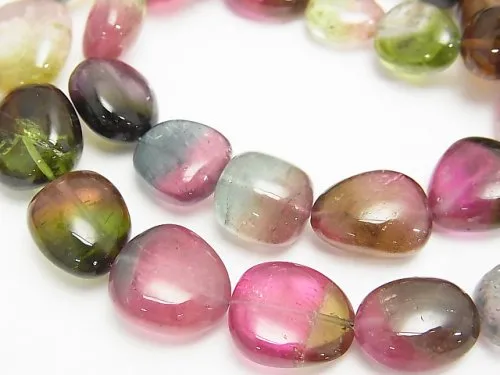
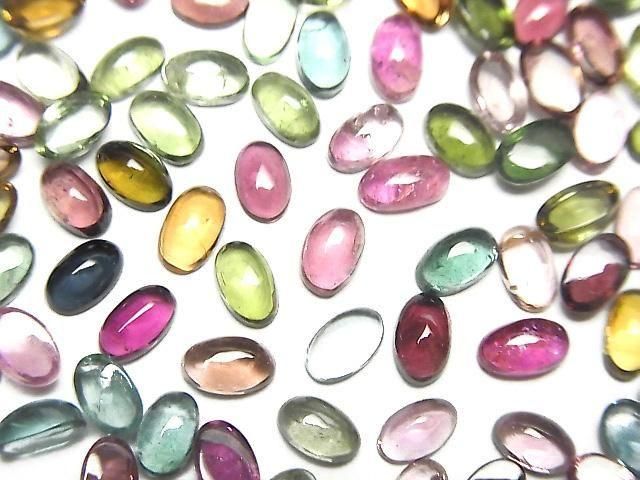
Beyond the colors of the rainbow, tourmaline can be black, brown, colorless, single-color, bi-color, or multi-color. Several color and species names are used in the trade:
- Elbaite – the elbaite species accounts for most gem tourmaline and includes many of the colored varieties below. It is named after the island of Elba, Italy, where it was first described.
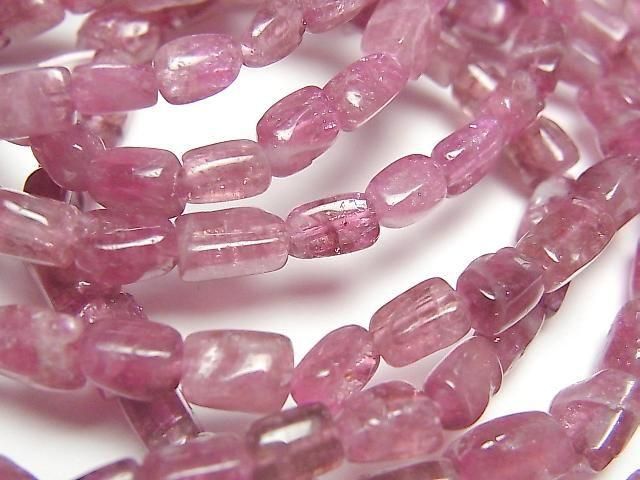
- Rubellite – pink to red tourmaline; strong, saturated reds can resemble ruby.
- Indigolite (indicolite) – blue tourmaline in various shades.
- Verdelite – green tourmaline.
- Paraiba – vivid blue-to-green tourmaline colored by copper (and manganese), first found in Paraíba, Brazil, and later in Mozambique and Nigeria; typically sold at a premium.
- Siberite – a name used for violet to reddish-violet tourmaline.
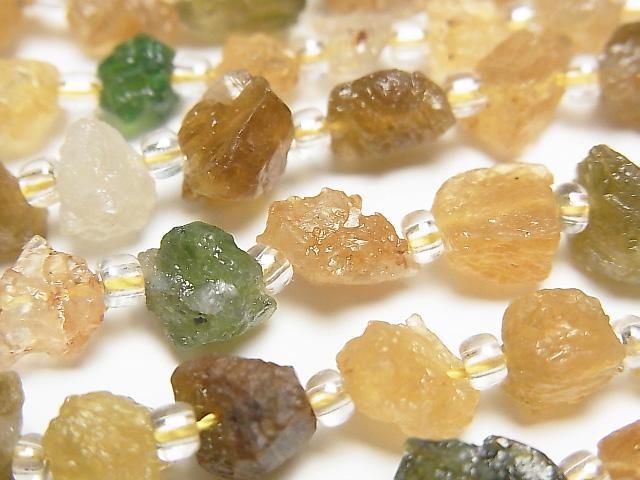
- Dravite – the dravite species, generally warm yellow to dark brown.
- Schorl – iron-rich black tourmaline; opaque to translucent. See our black tourmaline article.
- Achroite – rare colorless tourmaline.
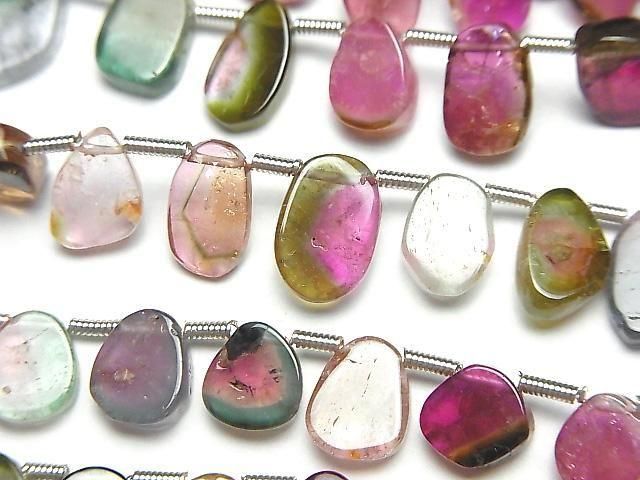
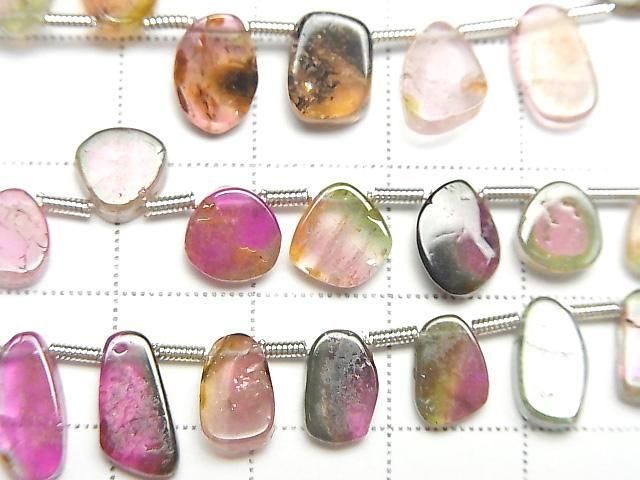
- Watermelon tourmaline – crystals that are pink or red in the center and green toward the outside (or the reverse).
Some tourmalines show a cat's eye effect (chatoyancy) from fine fibrous inclusions, most often in green and pink stones. Others shift hue between daylight and artificial light because of pleochroism. To compare hues side by side, browse the tourmaline collection.

Treatment and How to Identify Tourmaline
Under the FTC Jewelry Guides, treatments and product type should be disclosed. Tourmaline color is sometimes improved by heating, and certain stones are occasionally irradiated to alter or deepen color; some treated colors are stable while others may fade, so ask your seller. Knowing what you are buying helps set fair expectations:
- Natural tourmaline – mined material that is cut and polished, with any treatment disclosed.
- Treated tourmaline – natural stone whose color has been altered by heat or, less often, irradiation.
- Synthetic (lab-grown) – man-made material with essentially the same properties; gem-quality synthetic tourmaline is uncommon, so verify claims.
- Imitation – glass or another material made to look like tourmaline; it must be identified as an imitation.
A simple field clue comes from tourmaline's own electrical behavior: when a clean stone is warmed or rubbed, it can build a static charge and attract small bits of dust, paper, or ash. This piezoelectric and pyroelectric response is characteristic of tourmaline, though a gemological lab is the reliable way to confirm identity and detect treatment or synthetics.

How to Care for Tourmaline
Tourmaline is durable enough for everyday jewelry but benefits from sensible care. Clean it with warm water, mild soap, and a soft brush, then rinse and dry. Avoid ultrasonic and steam cleaners, especially on stones that may be treated or included, and keep tourmaline away from hard knocks and sudden temperature changes. Store pieces separately so harder gems do not scratch them.
Tourmaline Healing Properties (Traditional Beliefs)
These are traditional beliefs, not medical claims. Crystals are not medicine and cannot diagnose, treat, cure, or prevent any illness; consult a qualified professional.
In crystal-healing tradition, tourmaline is valued as a grounding and energizing stone, and different colors carry different associations. These ideas come from folklore and metaphysical practice, not from science, and are shared here for cultural interest only.
- Green tourmaline is traditionally associated with vitality, renewal, and a sense of well-being.
- Blue tourmaline (indigolite) is believed by practitioners to support balance and clear communication.
- Pink and red tourmaline are traditionally linked with the heart, warmth, and emotional comfort.
- Black tourmaline (schorl) is popularly regarded as a grounding, protective stone.
- Yellow tourmaline is believed in tradition to encourage calm and confidence.

Tourmaline Metaphysical and Magical Properties (Folklore)
These are traditional beliefs, not medical claims. Crystals are not medicine and cannot diagnose, treat, cure, or prevent any illness; consult a qualified professional.
Across folklore and metaphysical tradition, tourmaline colors have long carried symbolic meaning. The associations below are cultural beliefs, offered for interest rather than as statements of fact:
- Red and pink tourmaline are traditionally seen as symbols of love and loyalty.
- Green tourmaline is popularly associated with creativity and inspiration.
- Black tourmaline is regarded in folklore as a protective, grounding talisman.
- Blue tourmaline is traditionally linked with learning, intuition, and spiritual practice.
- Colorless and multi-color tourmaline are associated in tradition with balance and good fortune, and are popular choices for meditation.
Tourmaline FAQ
Is tourmaline a precious or semi-precious stone?
Tourmaline is usually classed as a semi-precious gemstone, though fine examples such as Paraiba and top rubellite can be very valuable. Value depends on color, clarity, size, and cut.
How hard is tourmaline and can I wear it every day?
Tourmaline is 7 to 7.5 on the Mohs scale, which suits most jewelry. It can be brittle, so protect it from hard knocks and store it away from harder gems.
Is tourmaline treated?
Some tourmaline is heated to improve color, and a smaller amount is irradiated. Reputable sellers disclose treatments under the FTC Jewelry Guides, so ask before you buy.
What is watermelon tourmaline?
Watermelon tourmaline is a variety with a pink or red center and a green outer layer (or the reverse), often cut in slices to show the color zoning.
What is the difference between tourmaline colors?
Color comes from trace elements: iron for black and blue, manganese for pink and red, chromium and vanadium for green, and copper for Paraiba. Named varieties include rubellite, indigolite, verdelite, dravite, schorl, and achroite.
Shop Tourmaline at KenKenGems
Tourmaline is an approachable gemstone, while especially fine specimens with deep color and clear color transitions can command higher prices. At KenKenGems you will find a wide selection of tourmaline in many colors, suitable for collecting, jewelry making, or as a gift.
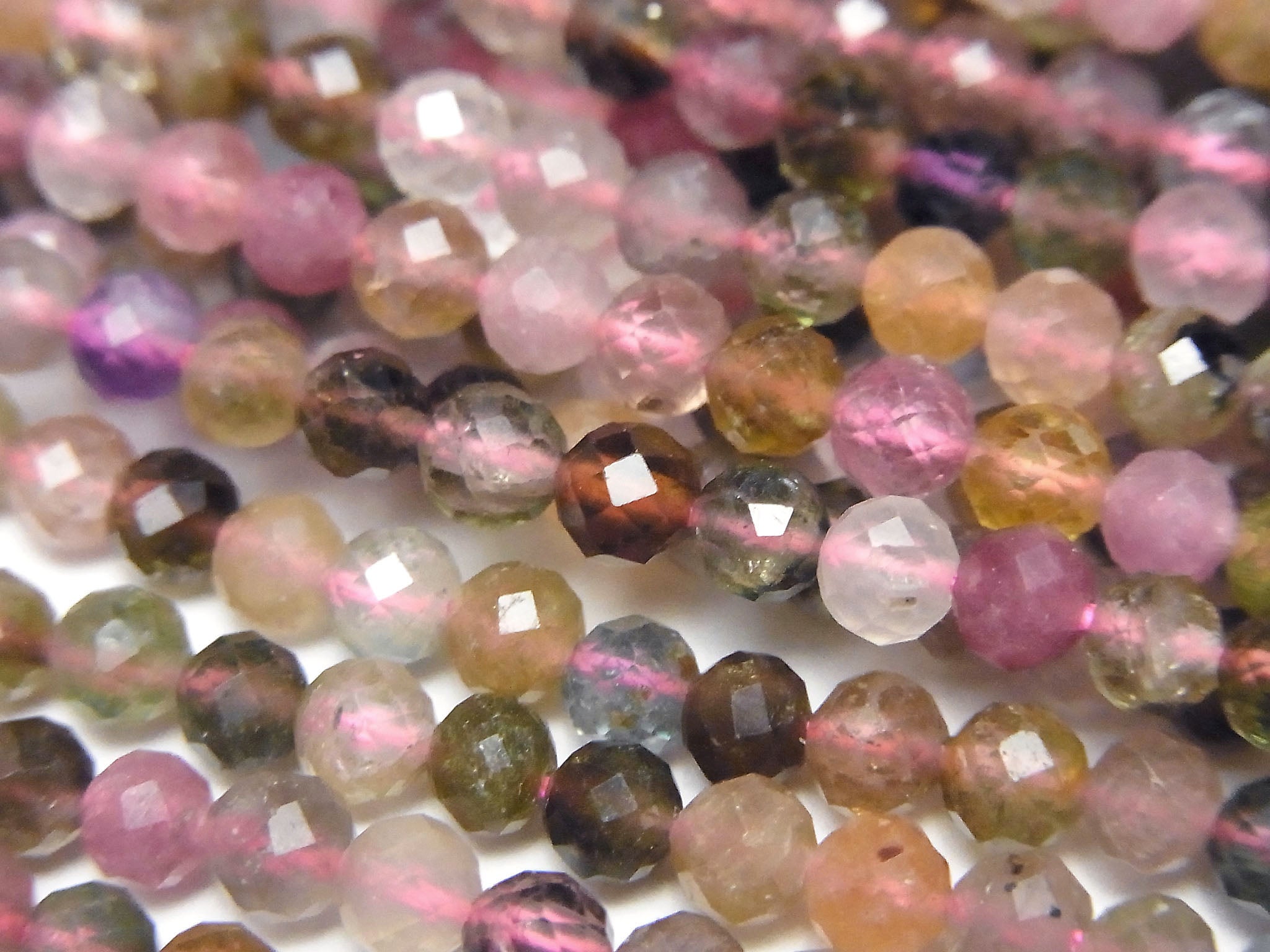
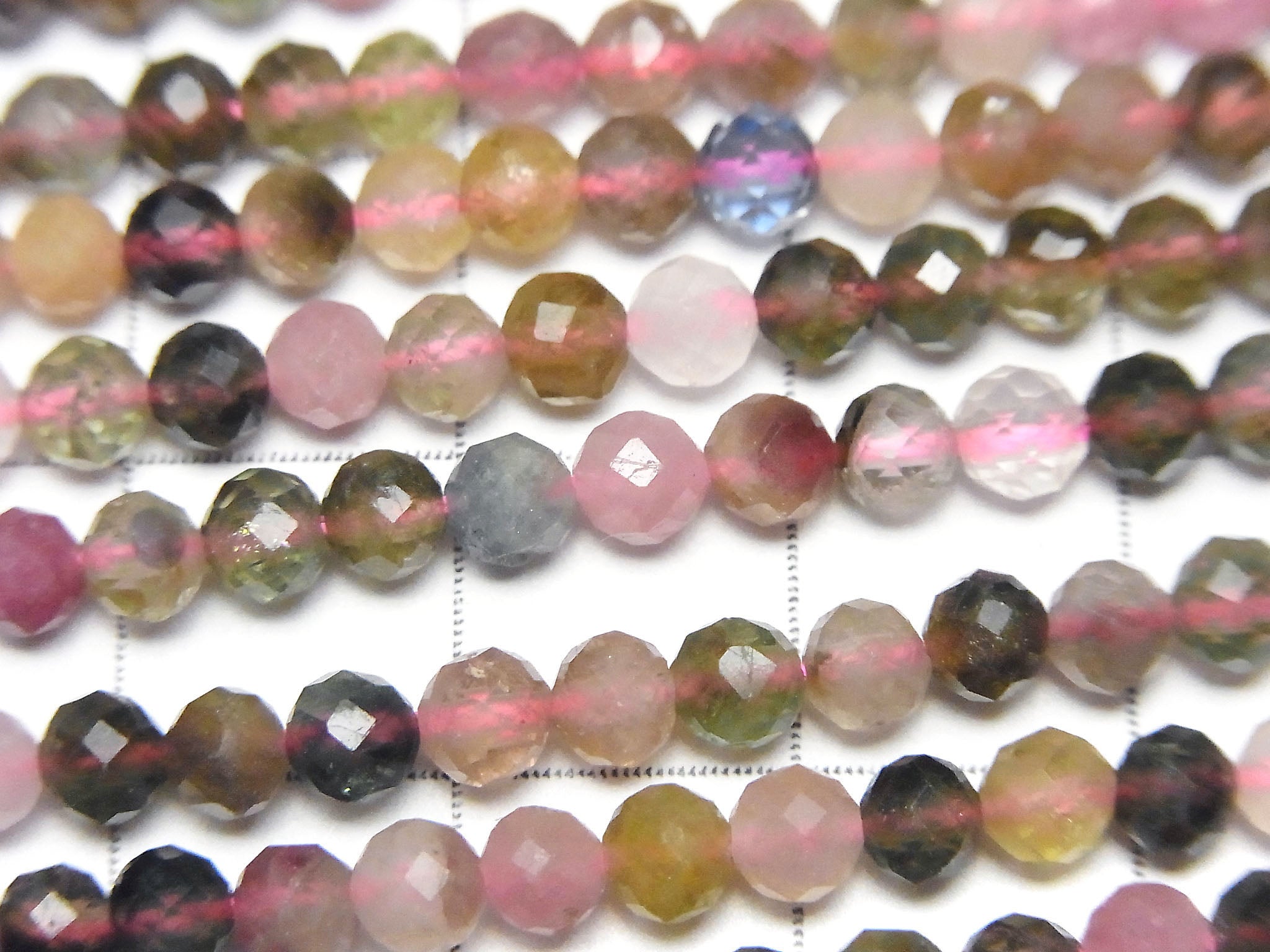
Alongside larger individual stones, we supply tourmaline beads in strands and half strands, loose gems, and finished jewelry in gold and silver settings. Browse the full tourmaline collection to see what is currently available.



![[One of a kind] Bi-color Tourmaline AA++ Round 10.5mm Bracelet No.9](http://store.kenkengems.com/cdn/shop/files/191709634.jpg?v=1779172571&width=640)
![[One of a kind] Bi-color Tourmaline AA++ Round 10.5mm Bracelet No.9](http://store.kenkengems.com/cdn/shop/files/191709634_o1.jpg?v=1779172552&width=640)



![[One of a kind] Bi-color Tourmaline AA++ Round 10mm Bracelet No.2](http://store.kenkengems.com/cdn/shop/files/191709617.jpg?v=1779172779&width=640)
![[One of a kind] Bi-color Tourmaline AA++ Round 10mm Bracelet No.2](http://store.kenkengems.com/cdn/shop/files/191709617_o1.jpg?v=1779172766&width=640)



![Black Tourmaline Rough Rock Nugget [M-L size] 1strand beads (Bracelet)](http://store.kenkengems.com/cdn/shop/files/191937707.jpg?v=1782828853&width=640)
![Black Tourmaline Rough Rock Nugget [M-L size] 1strand beads (Bracelet)](http://store.kenkengems.com/cdn/shop/files/191937707_o1.jpg?v=1782828833&width=640)
![[One of a kind] Bi-color Tourmaline AA++ Round 10.5mm Bracelet No.13](http://store.kenkengems.com/cdn/shop/files/191709657.jpg?v=1779172450&width=640)
![[One of a kind] Bi-color Tourmaline AA++ Round 10.5mm Bracelet No.13](http://store.kenkengems.com/cdn/shop/files/191709657_o1.jpg?v=1779172436&width=640)
![[One of a kind] High Quality Pink Tourmaline AAA Loose Stone Faceted 3pcs Set No.102](http://store.kenkengems.com/cdn/shop/files/190153561.jpg?v=1772534367&width=640)
![[One of a kind] High Quality Pink Tourmaline AAA Loose Stone Faceted 3pcs Set No.102](http://store.kenkengems.com/cdn/shop/files/190153561_o1.jpg?v=1772534352&width=640)


