- 1. What Is Phosphosiderite?
- 2. Phosphosiderite Meaning, Name, and History
- 3. Phosphosiderite Properties and Identification
- 4. Phosphosiderite Benefits and Metaphysical Meaning
- 5. Phosphosiderite vs. Lepidolite: How to Tell the Difference
- 6. Phosphosiderite Colors, Cuts, and Value
- 7. Phosphosiderite Beads, Cabochons, Rough, and Jewelry Uses
- 8. How to Care for Phosphosiderite
- 9. Phosphosiderite FAQs
- 9-1. What is phosphosiderite?
- 9-2. What is the meaning of phosphosiderite?
- 9-3. What are the main phosphosiderite properties?
- 9-4. Is phosphosiderite good for jewelry?
- 9-5. How do you tell phosphosiderite from lepidolite?
- 9-6. What is phosphosiderite rough?
- 10. Phosphosiderite for Sale at KenKenGems
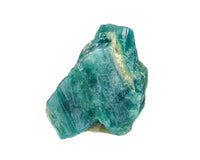
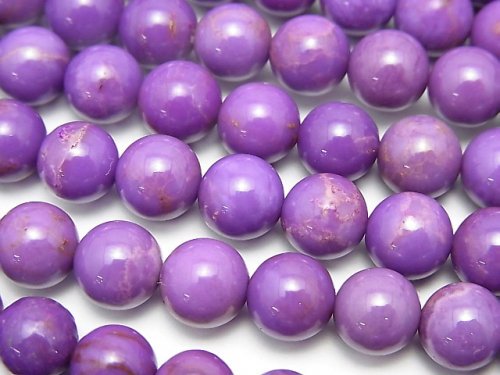
What Is Phosphosiderite?
Phosphosiderite
is a rare hydrated iron phosphate mineral, best known for its soft lavender, orchid-purple, pink, and sometimes reddish or greenish colors. Its name comes from phosphate and iron, the two elements that define the stone’s composition.
Because phosphosiderite is relatively soft and brittle, it is often chosen for beads, cabochons, pendants, earrings, carvings, and collector specimens rather than everyday impact-prone rings. This guide explains phosphosiderite meaning, mineral properties, colors, value factors, jewelry uses, and care tips for shoppers and jewelry makers.

Phosphosiderite Meaning, Name, and History
The word phosphosiderite combines “phospho,” referring to phosphate, and “sideros,” the Greek word for iron. The mineral was first described in the 19th century and received its formal name in 1890 after mineralogists connected the name to its phosphate-and-iron composition.
In crystal traditions, phosphosiderite meaning is often associated with calm reflection, emotional softness, meditation, and spiritual awareness. These meanings are cultural and metaphysical interpretations, so they should be presented as beliefs rather than guaranteed effects.

Phosphosiderite Properties and Identification
Phosphosiderite is a hydrated iron phosphate with the formula FePO4·2H2O. Key phosphosiderite properties include a monoclinic crystal system, vitreous luster, white streak, uneven fracture, and Mohs hardness of about 3.5 to 4.
Common colors include orchid purple, lavender, reddish violet, pink, brownish yellow, mossy green, and colorless material. Some stones show yellow vein-like markings from cacoxenite inclusions, and some specimens may show pleochroism, shifting from rose to red to nearly colorless depending on the viewing angle.
Quick identification checklist:
- Mineral group: phosphate mineral
- Formula: FePO4·2H2O
- Hardness: about 3.5–4 on the Mohs scale
- Luster: vitreous
- Streak: white
- Typical look: lavender to orchid-purple, sometimes with yellow veining

Phosphosiderite Benefits and Metaphysical Meaning
Many crystal enthusiasts describe phosphosiderite as a gentle stone for quiet focus, meditation, and emotional reset. It is also commonly connected with heart and third-eye chakra themes in metaphysical traditions.
To keep the wording safe, present phosphosiderite benefits as belief-based or symbolic uses: it is “associated with,” “often used for,” or “chosen by people who enjoy” calming and reflective crystal practices. These meanings are belief-based and not medical advice.
Phosphosiderite vs. Lepidolite: How to Tell the Difference
Phosphosiderite is sometimes confused with lepidolite because both can appear in soft purple tones and both are relatively delicate minerals. The easiest distinction is composition: phosphosiderite is an iron phosphate, while lepidolite is a lithium-rich mica.
Visual clues can also help. Phosphosiderite often leans orchid-purple, pinkish purple, or reddish violet and may show yellow veining. Lepidolite often has a mica-like, layered sparkle and may show a more silvery or flaky texture. When in doubt, compare seller photos, mineral data, and listed hardness before purchasing.

Phosphosiderite Colors, Cuts, and Value
Phosphosiderite value depends on color, polish, size, cut, translucency, surface condition, and how attractive the patterning looks in jewelry. Vivid lavender, orchid-purple, and evenly colored pinkish-purple pieces are especially popular, while yellow veining can add character when it is attractive and well balanced.
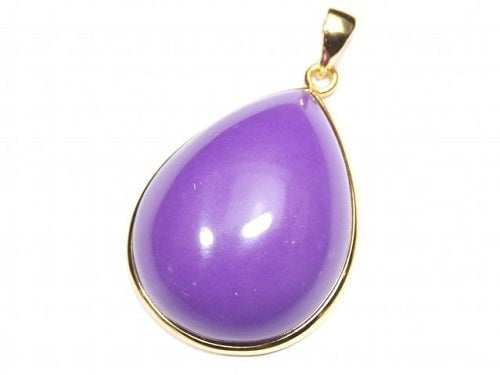
For jewelry, phosphosiderite is commonly cut as cabochons, beads, pendants, earrings, carvings, and decorative shapes. Rough phosphosiderite can also appeal to collectors because natural specimens show the stone’s color zoning and texture. Before buying, check size measurements, drill holes for beads, polish quality, visible cracks, and whether the piece has been coated or stabilized.

Phosphosiderite Beads, Cabochons, Rough, and Jewelry Uses
Phosphosiderite’s soft purple color works well in handmade jewelry, especially when paired with silver, gold-filled findings, pearls, moonstone, amethyst, rose quartz, or neutral beads. Beads are ideal for bracelets, necklaces, and earrings, while cabochons are suited to pendants, brooches, and protected settings.
Because phosphosiderite is softer than many everyday gemstones, it is best for designs that avoid heavy impact. For rings or bracelets, choose protective settings and avoid wearing the piece during sports, cleaning, gardening, or other rough activity.

How to Care for Phosphosiderite
Phosphosiderite is a delicate stone, so gentle care is important. Wipe it with a soft, dry or slightly damp cloth after use. For light cleaning, use cool to room-temperature water, mild soap, and a soft non-abrasive cloth, then dry it completely before storage.
Avoid heat, acids, harsh cleaners, steam cleaners, ultrasonic cleaners, and contact with harder stones. Store phosphosiderite separately in a pouch or lined box to reduce scratches. Do not ingest phosphosiderite, and do not use it for crystal elixirs.

Phosphosiderite FAQs
Add an FAQ block near the bottom and mark it up with FAQPage schema when possible.
What is phosphosiderite?
Phosphosiderite is a rare hydrated iron phosphate mineral with the formula FePO4·2H2O. It is best known for lavender, orchid-purple, pinkish-purple, and reddish-violet colors, sometimes with yellow veining.
What is the meaning of phosphosiderite?
In crystal traditions, phosphosiderite meaning is associated with calm reflection, meditation, emotional softness, and spiritual awareness. These are symbolic and belief-based meanings, not medical claims.
What are the main phosphosiderite properties?
Phosphosiderite properties include a monoclinic crystal system, vitreous luster, white streak, uneven fracture, and a Mohs hardness of about 3.5 to 4. Its typical colors include purple, pink, reddish violet, green, brownish yellow, and colorless varieties.
Is phosphosiderite good for jewelry?
Yes, phosphosiderite can be used for jewelry, especially beads, cabochons, pendants, earrings, and protected settings. Because it is relatively soft and brittle, avoid hard impact and store it away from harder gemstones.
How do you tell phosphosiderite from lepidolite?
Phosphosiderite is an iron phosphate, while lepidolite is a mica mineral. Phosphosiderite often appears orchid-purple to pinkish purple and may show yellow veining; lepidolite often has a mica-like, flaky or sparkly texture.
What is phosphosiderite rough?
Phosphosiderite rough is uncut or minimally worked material. Collectors and lapidary artists may choose rough pieces for their natural texture, color zoning, and potential for cabochons or decorative carvings.

Phosphosiderite for Sale at KenKenGems
Looking for phosphosiderite for sale? KenKenGems offers phosphosiderite beads, loose stones, cabochons, and jewelry-friendly materials for designers, collectors, and crystal lovers.
When choosing a piece, compare color, size, shape, finish, drill hole, strand length, and the photos shown on each product page. For customers shopping from the United States or Canada, clear measurements and close-up images can make it easier to choose the right stone for bracelets, earrings, necklaces, pendants, or collection pieces.
Browse available phosphosiderite items here!