
TOC
- 1. December Birthstone: Tanzanite, Zircon & Turquoise
- 2. Tanzanite: December's Violet-Blue Birthstone
- 3. Tanzanite Meaning & Symbolism
- 4. Zircon: The Brilliant December Birthstone (and What It Is Not)
- 5. Zircon Meaning & Symbolism
- 6. Turquoise: December's Sky-Blue Birthstone
- 7. Turquoise Meaning & Symbolism
- 8. Care & How to Identify: Natural vs. Treated vs. Synthetic vs. Imitation
- 9. December Birthstone FAQ
- 9-1. What is the birthstone for December?
- 9-2. What is the traditional December birthstone?
- 9-3. Why does December have so many birthstones?
- 9-4. Is tanzanite heat-treated?
- 9-5. Is zircon the same as cubic zirconia?
- 9-6. Is zircon radioactive and safe to wear?
- 9-7. Is my turquoise real or treated?
- 9-8. Which zodiac signs are born in December?
- 10. Shop December Birthstones at KenKenGems
products available in this collection.
Shop NowDecember Birthstone: Tanzanite, Zircon & Turquoise
December has a wonderfully varied set of birthstones. The modern list features three: violet-blue tanzanite, brilliant zircon (most prized in blue), and sky-blue turquoise. Older and alternative lists also include blue topaz and lapis lazuli, so anyone born this month has a genuine choice of color, look, and budget.
December spans two zodiac signs, Sagittarius (November 22 – December 21) and Capricorn (December 22 – January 19), which makes any of these stones a natural pick for a birthday gift, a holiday present, or a treat for yourself.
Below we explain what each stone actually is, its real colors and how they form, the common treatments you should know about before you buy, care tips, and the folklore collectors enjoy. You can browse them in our tanzanite collection, zircon collection, turquoise collection, and the full December birthstone collection.
Tanzanite: December's Violet-Blue Birthstone
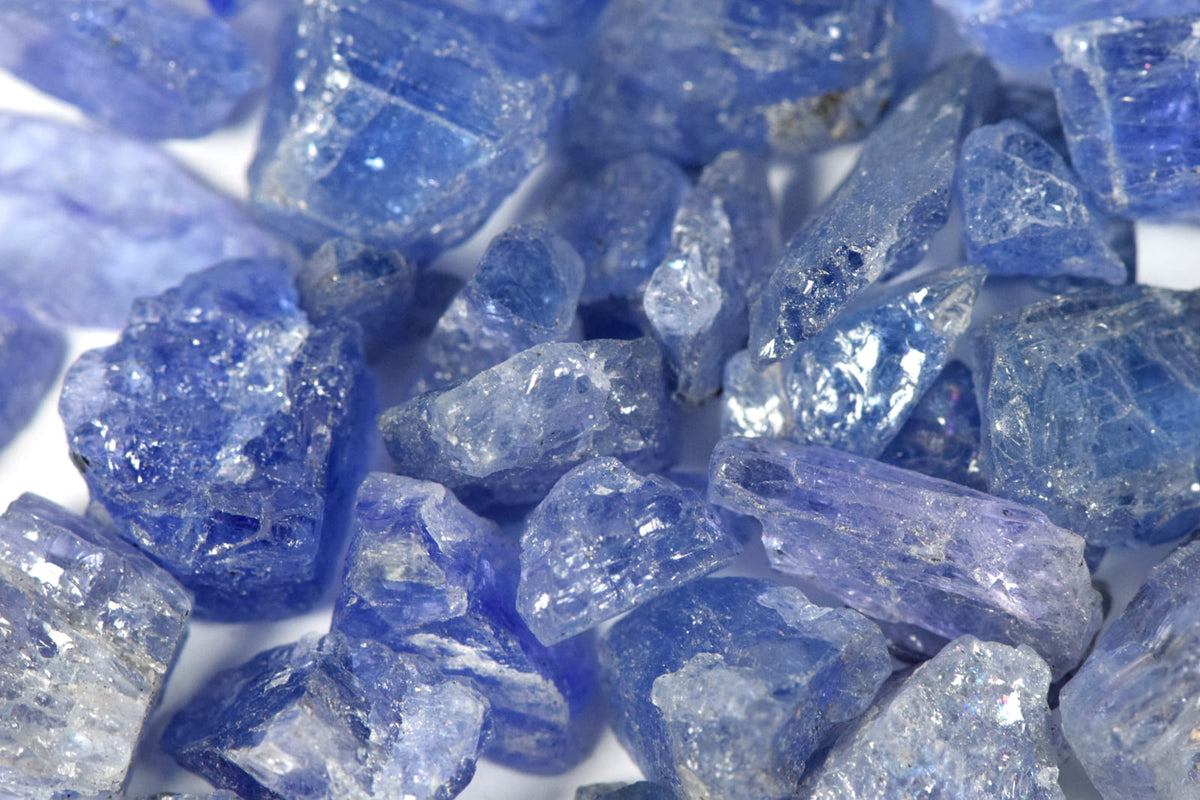
Tanzanite is the blue-to-violet variety of the mineral zoisite (a calcium aluminum silicate). It was discovered in 1967 near Mount Kilimanjaro and named for Tanzania, the only country where it is found. That single-source origin, plus its vivid color, is a big part of its appeal.
One of tanzanite's most distinctive traits is pleochroism: the same stone can show blue, violet, and burgundy flashes depending on the viewing angle. Its natural color ranges from deep sapphire-blue to purple, and it also occurs in lighter and more brownish or greenish tones.
Here is the key thing to know before buying: almost all tanzanite on the market is heat-treated. Most rough comes out of the ground brownish, and gentle heating brings out the prized blue-violet color. This is a stable, permanent, and universally accepted trade practice — but under FTC guidance it should be disclosed, so a reputable seller will confirm that a tanzanite is heated (the vast majority) or, in rare cases, unheated.
Care. Tanzanite is relatively soft at about 6.5 on the Mohs scale and can be sensitive to sharp knocks and sudden temperature changes. Avoid ultrasonic and steam cleaners; clean it with mild soap, lukewarm water, and a soft brush, and store it separately from harder stones so it does not get scratched.

Tanzanite Meaning & Symbolism
These are traditional beliefs, not medical claims. Crystals are not medicine and cannot diagnose, treat, cure, or prevent any illness; consult a qualified professional.
With that said, tanzanite has a fast-growing place in crystal lore. Because it was discovered so recently, it is often described as a stone of transformation and new perspective, and in crystal tradition it is believed to be associated with intuition, calm, and clear communication.
Its violet-blue color has made it a traditional favorite for reflection and meditation. These are cultural associations and symbolism, not scientific or medical facts.
- Symbolism: transformation, intuition, and calm (traditional associations).
- Zodiac: a popular modern choice for Sagittarius and Capricorn born in December.
- Everyday use: worn or displayed as a meaningful keepsake — not a health product.
Zircon: The Brilliant December Birthstone (and What It Is Not)
Zircon is a natural mineral, zirconium silicate (ZrSiO4), and it is one of the oldest minerals on Earth. Its name comes from the Persian "zargun" ("gold-colored"). Prized for its high brilliance and fire, gem zircon occurs in blue, colorless, golden, red, brown, and green.
Two important distinctions to clear up first:
- Zircon is NOT cubic zirconia (CZ). Cubic zirconia is a lab-made diamond simulant (synthetic cubic zirconium dioxide) with no natural counterpart. Zircon is a genuine, natural gemstone with a completely different chemistry, hardness, and optics. The similar names cause endless confusion, but they are not the same material.
- Zircon is NOT the element zirconium. Zirconium is a metal; zircon is a mineral (its silicate). The gemstone you wear is the mineral, not the raw metal.
Treatment. Much of the zircon on the market is heat-treated: heating common brownish rough produces the popular blue ("starlite"), colorless, and golden colors. This is a standard, stable trade practice, and under FTC guidance it should be disclosed, so ask your seller whether a stone is heated.
About radioactivity — the accurate picture. Zircon can contain tiny natural traces of uranium and thorium, which is why the topic comes up. In practice, the trace natural radioactivity in gem-quality zircon sold as jewelry is very low and considered safe to wear; faceted gem material is routinely tested and poses no meaningful risk to the wearer. (Heavily included, cloudy "low" zircon can be softer, which is a durability note, not a safety alarm.)
Care. Zircon is a moderately hard gem (about 6 to 7.5 on the Mohs scale) but can be brittle at facet edges. Avoid hard knocks and prolonged intense sunlight, clean it gently with mild soap and lukewarm water, and store it separately from harder stones.

Zircon Meaning & Symbolism
These are traditional beliefs, not medical claims. Crystals are not medicine and cannot diagnose, treat, cure, or prevent any illness; consult a qualified professional.
In crystal lore, zircon is one of the oldest talismans, traditionally believed to be associated with wisdom, honesty, and steady grounding for travelers. Its bright fire has long made it a symbol of clarity and vitality in folklore.
Different colors carry different traditional meanings — blue zircon is often linked with calm and harmony, and golden zircon with warmth and optimism. These are longstanding cultural associations, not scientific or medical facts.
- Symbolism: wisdom, clarity, and grounding (traditional associations).
- Zodiac: a classic December pick for Sagittarius and Capricorn.
- Everyday use: worn or kept as a meaningful gift or intention stone — not a health product.
Turquoise: December's Sky-Blue Birthstone
Turquoise is a hydrated copper aluminum phosphate — an opaque gem prized for its robin's-egg blue to green color, often crossed by dark veining called "matrix." Copper gives it the blue, while iron can push the color toward green. It has been treasured across Persia, Egypt, and the Americas for thousands of years.
This is essential to understand before you buy, because turquoise is one of the most-treated and most-imitated gems on the market:
- Natural turquoise is untreated mined stone. Fine, hard, naturally saturated material is relatively uncommon and valued accordingly.
- Stabilized / treated turquoise is genuine turquoise that has been impregnated with resin (and sometimes color) to harden porous stone and even out the color. Most turquoise on the market is stabilized, and under FTC guidance this treatment should be disclosed.
- Imitation turquoise is not turquoise at all — commonly dyed howlite or magnesite, or plastic and reconstituted powder pressed to look like it. These must be clearly labeled as imitation.
- Synthetic turquoise (lab-made with turquoise's chemistry) also exists and must be described as synthetic or lab-created.
A reputable seller will tell you whether a piece is natural, stabilized, reconstituted, synthetic, or imitation — the distinction is the single biggest factor in turquoise value.
Care. Turquoise is soft (about 5 to 6 on the Mohs scale) and porous, so it can be affected by heat, cosmetics, oils, and chemicals. Wipe it with a soft, slightly damp cloth, keep it away from ultrasonic cleaners and solvents, and store it away from prolonged strong sunlight, which can fade the color.

Turquoise Meaning & Symbolism
These are traditional beliefs, not medical claims. Crystals are not medicine and cannot diagnose, treat, cure, or prevent any illness; consult a qualified professional.
Turquoise carries some of the richest folklore of any gem. In many cultures it has been traditionally regarded as a protective good-luck stone: Persian tradition associated it with fortune and success, and it holds deep symbolic meaning in Native American and Tibetan traditions.
In crystal lore it is often believed to be a stone of friendship, communication, and calm — which is why it has long been given as a gift between friends. These are cultural beliefs and symbolism, not scientific or medical facts.
- Symbolism: protection, friendship, and calm (traditional associations).
- Zodiac: a favorite December stone for Sagittarius and Capricorn.
- Everyday use: worn or gifted as a meaningful keepsake — not a health product.
Care & How to Identify: Natural vs. Treated vs. Synthetic vs. Imitation
All three December birthstones come in several forms, and knowing the difference helps you buy with confidence and compare prices fairly:
| Stone | What to expect | Common treatment | Care (Mohs) |
|---|---|---|---|
| Tanzanite | Blue-violet zoisite | Almost always heat-treated (disclose) | Soft ~6.5; avoid knocks & ultrasonic |
| Zircon | Natural ZrSiO4; not CZ, not zirconium | Commonly heat-treated for blue/colorless | ~6-7.5; brittle edges; gentle cleaning |
| Turquoise | Copper aluminum phosphate | Mostly stabilized; beware dyed howlite/magnesite imitations | Soft ~5-6; porous; keep from chemicals |
- Natural: mined stone with its color from nature — least common and valued accordingly.
- Treated: genuine stone that has been heated (tanzanite, zircon) or stabilized (turquoise). Common, legitimate, and should be disclosed.
- Synthetic (lab-created): same chemistry as the natural mineral but grown in a lab; must be described as lab-created or synthetic.
- Imitation / simulant: a different material made to look like the gem — such as cubic zirconia for zircon or dyed howlite for turquoise; must be clearly labeled as imitation.
When you shop, ask for each stone's identity and any treatments in writing, and favor sellers who disclose them plainly. You can read how we grade and describe our stones on our quality rank guide.
December Birthstone FAQ
What is the birthstone for December?
December has three modern birthstones: tanzanite, zircon, and turquoise. Traditional and alternative lists also include blue topaz and lapis lazuli, so there is plenty of choice for a December baby.
What is the traditional December birthstone?
The oldest traditional December birthstones are turquoise and lapis lazuli, with blue topaz and zircon appearing on later lists. Tanzanite is the newest addition, added in 2002. Turquoise remains the classic traditional choice.
Why does December have so many birthstones?
Modern birthstone lists offer several stones for some months so shoppers have a choice of color, look, and price. For December that means violet-blue tanzanite, brilliant zircon, or sky-blue turquoise.
Is tanzanite heat-treated?
Almost all tanzanite is heat-treated. Most rough is brownish, and gentle heating brings out the prized blue-violet color. The treatment is stable and permanent, and reputable sellers should disclose it.
Is zircon the same as cubic zirconia?
No. Zircon is a natural gemstone (zirconium silicate, ZrSiO4). Cubic zirconia (CZ) is a lab-made diamond simulant with different chemistry. The similar names cause confusion, but they are entirely different materials. Zircon is also not the metal zirconium.
Is zircon radioactive and safe to wear?
Gem-quality zircon can contain tiny natural traces of uranium or thorium, but the radioactivity in faceted zircon sold as jewelry is very low and considered safe to wear. It poses no meaningful risk to the wearer.
Is my turquoise real or treated?
Most turquoise on the market is genuine but stabilized (resin-treated) to harden it. Some pieces sold as turquoise are actually dyed howlite or magnesite imitations. Ask the seller whether a stone is natural, stabilized, synthetic, or imitation before you buy.
Which zodiac signs are born in December?
December covers Sagittarius (through December 21) and Capricorn (from December 22), so all three birthstones make fitting birthday and holiday gifts.
Shop December Birthstones at KenKenGems
Whether you were born in December or you are shopping for a Sagittarius or Capricorn, any of these birthstones makes a beautiful, meaningful gift. At KenKenGems you will find hand-picked tanzanite, zircon, and turquoise — loose stones, faceted cuts, and gemstone beads — ready for jewelry making and collecting.
Browse the tanzanite collection, zircon collection, turquoise collection, or the full December birthstone collection to find your stone. We describe each stone's treatment status so you can buy with confidence.


