
TOC
- 1. What Is Rose Quartz? Definition and Meaning at a Glance
- 1-1. Rose Quartz Quick Facts
- 2. Rose Quartz Meaning: The Stone of Unconditional Love
- 2-1. Rose Quartz in History and Mythology
- 3. Rose Quartz Physical and Geological Properties
- 3-1. What Gives Rose Quartz Its Pink Color?
- 3-2. How Rose Quartz Forms
- 3-3. Star Rose Quartz: The Six-Rayed Star Effect
- 4. Where Is Rose Quartz Found?
- 5. Rose Quartz Healing Properties and Benefits (Folklore)
- 5-1. Emotional Comfort and Self-Love
- 5-2. Rose Quartz for Love and Relationships
- 5-3. Traditional Associations and Beauty Rituals
- 5-4. What Does Science Say About Rose Quartz?
- 6. Rose Quartz Metaphysical and Spiritual Properties
- 6-1. Heart Chakra Connection
- 6-2. Zodiac Signs and Birthstone Connections
- 7. How to Use Rose Quartz
- 7-1. Wearing Rose Quartz Jewelry
- 7-2. Meditation, Feng Shui, and Home Placement
- 7-3. What Crystals Pair Well with Rose Quartz?
- 8. How to Cleanse and Charge Rose Quartz
- 9. How to Tell If Rose Quartz Is Real
- 9-1. Is It Natural, Dyed, or Glass? Treatment and Imitation Disclosure
- 10. Types of Rose Quartz
- 11. Rose Quartz vs. Pink Quartz and Other Pink Stones
- 12. How Much Is Rose Quartz Worth?
- 13. Rose Quartz Bead Buying Guide (From a Wholesale Supplier)
- 14. Frequently Asked Questions About Rose Quartz
- 14-1. What is rose quartz good for?
- 14-2. Can rose quartz go in water?
- 14-3. Where should I place rose quartz in my home?
- 14-4. Is rose quartz rare or valuable?
- 14-5. Is rose quartz dyed or treated?
- 14-6. How can I tell if my rose quartz is real?
- 14-7. What is the difference between rose quartz and pink quartz?
- 14-8. Can rose quartz be in the sun?
- 14-9. What zodiac signs is rose quartz best for?
- 14-10. Is rose quartz a birthstone?
- 15. Shop Rose Quartz Beads, Cabochons, and Loose Stones at KenKenGems

What Is Rose Quartz? Definition and Meaning at a Glance
Rose quartz is a pink variety of quartz (silicon dioxide, SiO2) known in crystal traditions as the stone of unconditional love. For centuries it has been linked with compassion, self-love, and emotional comfort, which is why it remains one of the most popular crystals in North America today. In this complete guide, you'll learn what rose quartz means, its folkloric healing and metaphysical associations, how to use and cleanse it, how to tell real rose quartz from dyed or glass imitations, and what it's worth — plus where to find quality rose quartz beads and cabochons for your own jewelry projects.

By definition, rose quartz is a macrocrystalline quartz that typically forms in large, cloudy masses rather than well-defined crystals. It owes its soft pink color to microscopic mineral inclusions distributed through the stone. In crystal lore it is tied to the heart chakra, compassion, and emotional healing.
It is abundant, affordable, and durable enough for everyday jewelry (Mohs hardness 7), which is why it has been carved, beaded, and worn for more than 2,000 years.

Rose Quartz Quick Facts
| Property | Detail |
|---|---|
| Mineral | Quartz variety (silicon dioxide, SiO2) |
| Color | Pale pink to deep rose; generally stable, but can slowly fade under prolonged intense UV |
| Hardness (Mohs) | 7 |
| Luster | Vitreous (glassy) |
| Transparency | Translucent to opaque |
| Streak | White |
| Fracture | Conchoidal |
| Specific Gravity | 2.65 |
| Refractive Index | 1.544-1.553 |
| Crystal System | Trigonal |
| Crystal Habit | Massive (no natural crystal faces) |
| Chakra (lore) | Heart |
| Zodiac (lore) | Taurus, Libra (ruled by Venus) |
| Main Sources | Brazil, Madagascar, South Dakota (USA) |
| Keywords | Unconditional love, self-love, compassion, emotional comfort |
Rose Quartz Meaning: The Stone of Unconditional Love
The core rose quartz meaning is unconditional love — not only romantic love, but self-love, friendship, family bonds, and compassion for others. Its soft pink color has long symbolized tenderness, peace, and an open heart.
In modern crystal practice, rose quartz is traditionally associated with:
- Unconditional love and compassion
- Self-love, self-worth, and self-acceptance
- Forgiveness and the release of resentment
- Harmony in romantic, family, and friendship bonds
- Calm, comfort, and a sense of inner peace
Because its symbolism is gentle rather than intense, rose quartz is often the first crystal people choose when they want to invite more love — in any form — into their lives. These are traditional beliefs, not medical claims.
Rose Quartz in History and Mythology
Rose quartz has been treasured for millennia. Beads carved from rose quartz have been found in ancient Mesopotamia, and Assyrian jewelers were working the stone by around 800-600 BC. The Romans used carved rose quartz as ownership seals, and the ancient Egyptians prized it in beauty rituals — believing, as a matter of tradition, that it helped preserve a youthful complexion.
In Greek mythology, the stone is tied to Aphrodite and her mortal lover Adonis: when Adonis was attacked, the mingled blood of the lovers was said to have stained white quartz pink, making rose quartz an eternal symbol of love. Another tale credits Eros (Cupid) with bringing rose quartz to Earth as a gift to spread love among people.

Rose Quartz Physical and Geological Properties
Rose quartz is one of the tougher gemstones you can wear daily. It measures 7 on the Mohs hardness scale — hard enough to scratch glass and resist everyday wear — and typically forms in massive, cloudy chunks inside granite pegmatites. Clarity ranges from translucent to nearly opaque, and most material shows a soft, hazy glow caused by microscopic inclusions.
The color of natural massive rose quartz is generally stable in everyday light and does not noticeably fade with ordinary wear. That said, prolonged exposure to intense ultraviolet light can slowly weaken the color of some material, and the separate, rare crystalline variety known as "pink quartz" is distinctly light-sensitive (see Types of Rose Quartz below). Because large transparent pieces are uncommon, rose quartz is most often cut as cabochons, beads, spheres, and carvings rather than faceted gems.
What Gives Rose Quartz Its Pink Color?
The pink color was long attributed to trace titanium, iron, or manganese. However, more recent mineralogical research indicates that the color of massive rose quartz actually comes from nanoscale fibrous inclusions of a dumortierite-related borosilicate mineral distributed throughout the stone. These microscopic fibers also explain the characteristic haziness of rose quartz — and, when aligned, they create the star effect described below.
Rose quartz color ranges from the palest blush pink to a deep, rosy pink with lavender or peach undertones. Deeper, evenly saturated pink is scarcer and more valuable; very pale material is the most common and affordable. Many crystal guides still repeat the outdated titanium explanation — a quick way to gauge how carefully a source has done its homework.
How Rose Quartz Forms
Rose quartz forms deep underground in granite pegmatites — coarse-grained igneous rocks that crystallize from mineral-rich fluids at roughly 400-700°C (750-1,300°F). It grows as the massive quartz core of these pegmatites rather than in open pockets, so rose quartz is almost always anhedral: it forms solid chunks with no visible crystal faces. That is why you'll find rose quartz sold as rough blocks, tumbled stones, beads, and carvings, but essentially never as natural pointed crystals. (True crystal-shaped pink quartz does exist, but it is a rare, distinct variety — see the comparison section below.) As pegmatites weather away, durable fragments of rose quartz wash into soils and streams, which is how hobby collectors still find it in places like the Black Hills of South Dakota.
Star Rose Quartz: The Six-Rayed Star Effect
Some rose quartz displays asterism — a shimmering six-rayed star that glides across the surface when the stone is cut as a cabochon or sphere and viewed under a direct light source. The effect comes from oriented needle-like inclusions inside the stone: it has traditionally been attributed to fine rutile-like needles, while recent research links both the color and the star in massive rose quartz to the same fibrous dumortierite-related inclusions. Star rose quartz is more valuable than standard material and is especially popular for statement rings and pendants.
Buying tip: check the star under a single light source (a phone flashlight works well). A crisp, well-centered star commands the best price.

Where Is Rose Quartz Found?
Most of the world's rose quartz comes from Brazil (especially Minas Gerais) and Madagascar, which together supply the majority of gem- and bead-quality material. In North America, the best-known source is South Dakota's Black Hills — rose quartz has been South Dakota's official state mineral since 1966, and specimens are still collected there today. Smaller deposits occur in Maine, California, Namibia, Mozambique, India, and Japan.
Want to find rose quartz yourself? The pegmatite country around Custer, South Dakota, is the classic North American rockhounding destination, with fee-dig sites and rock shops throughout the Black Hills; pegmatite districts in Maine also produce collectible pieces. Always get permission before collecting on private land.
Origin has only a modest effect on price for standard material; color saturation and translucency matter far more. Deep, evenly colored pink from any locality is the most sought after.

Rose Quartz Healing Properties and Benefits (Folklore)
In crystal healing tradition, rose quartz is often called a stone of emotional comfort. Practitioners describe its energy as gentle, steady, and nurturing — the kind of presence many people like to keep nearby during stressful stretches or times of grief, as part of a self-care ritual.
Important note: the rose quartz associations described below reflect metaphysical traditions and personal practice, not medical science. These are traditional beliefs, not medical claims. Crystals are not a substitute for professional medical or mental-health care.
Emotional Comfort and Self-Love
Rose quartz is most often associated with matters of the heart directed inward. In crystal lore, practitioners work with it to:
- Encourage self-acceptance and quiet self-criticism
- Support a sense of calm during stress or emotional overwhelm
- Offer comfort through grief and after heartbreak
- Encourage forgiveness and the release of old resentments
- Invite a restful mood when kept at the bedside
Many people simply hold a tumbled stone during difficult moments as a physical reminder to treat themselves with the same kindness they offer others. These are traditional beliefs, not medical claims.
Rose Quartz for Love and Relationships
As the classic love stone, rose quartz crystals for love are traditionally used both to attract new romance and to deepen existing bonds. Common practices include wearing a rose quartz pendant near the heart, placing a pair of stones in the bedroom to symbolize a partnership, and gifting rose quartz jewelry as a token of lasting affection — a popular Valentine's Day and anniversary gift across the US and Canada. In crystal lore, its open-hearted symbolism isn't limited to romance: the same gentle energy is said to encourage warmer communication with family, stronger friendships, and calmer moments at work.
Traditional Associations and Beauty Rituals
In folk tradition, rose quartz has long been valued as a soothing, comforting stone to keep close during quiet, restful moments. The ancient Egyptian association with beauty rituals still echoes today, and rose quartz facial rollers and gua sha tools are a familiar part of many North American self-care routines — enjoyed for the cool, calming feel of the polished stone and the small ritual of slowing down.
These uses are cultural and self-care traditions, not proven physical or cosmetic treatments. These are traditional beliefs, not medical claims — enjoy rose quartz as part of a relaxing ritual rather than as therapy.

What Does Science Say About Rose Quartz?
To be clear: there is no scientific evidence that rose quartz — or any crystal — can diagnose, treat, cure, or prevent any medical or mental-health condition. Research on crystal healing suggests the effects people feel are best explained by the placebo effect and the genuine calming power of ritual and focused attention.
That doesn't make the practice pointless. Holding a smooth, cool stone while breathing slowly is a legitimate mindfulness cue, and many people find that a piece of rose quartz on a desk or nightstand works as a physical reminder to pause and be kind to themselves. Enjoy rose quartz for what it reliably offers — beauty, symbolism, and a moment of calm — and see a qualified professional for anything medical.
Rose Quartz Metaphysical and Spiritual Properties
Metaphysically, rose quartz is a heart-centered stone whose spiritual meaning is described as the awakening of unconditional love. In crystal lore, practitioners believe it gently clears the emotional body of feelings such as resentment and fear and invites compassion and hope in their place. It is considered a stone of gentle spiritual growth — connecting everyday life with a sense of universal love rather than dramatic transformation. These are traditional beliefs, not medical claims.
Creatives often keep rose quartz in studios and workspaces, crediting its calm, open energy with supporting inspiration and an appreciation of beauty.
Heart Chakra Connection
Rose quartz is the signature stone of the heart chakra (Anahata), the energy center associated in crystal traditions with love, compassion, and emotional balance. In chakra work, it is placed on the center of the chest during meditation to help release emotional blockages and restore the ability to give and receive love. Its soft pink vibration is considered soothing rather than stimulating, making it a favorite for beginners.
Zodiac Signs and Birthstone Connections
Rose quartz is most strongly linked to Taurus and Libra, the two signs ruled by Venus, the planet of love and beauty. While it is not an official modern birthstone, it is widely used as an alternative birthstone for January and appears in some gift guides as a 5th wedding anniversary stone. And if your sign or birth month isn't listed, don't worry — crystal traditions consider rose quartz universally compatible.

How to Use Rose Quartz
What does rose quartz do in daily life? Its uses fall into three broad categories: wearing it, meditating with it, and placing it in your space. Choose the method that fits your routine — with crystals, consistency matters more than technique.
Wearing Rose Quartz Jewelry
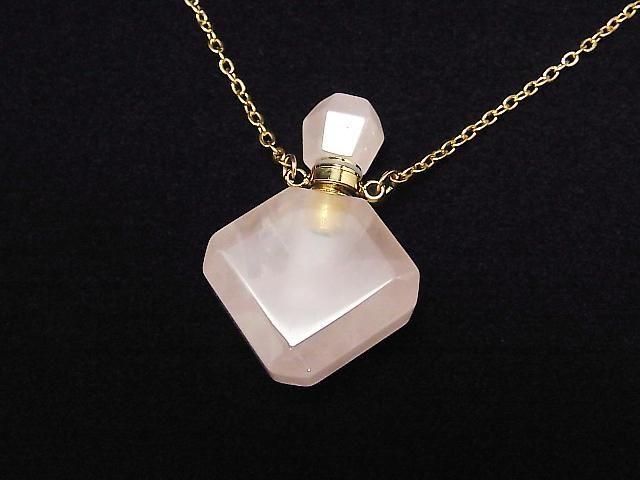
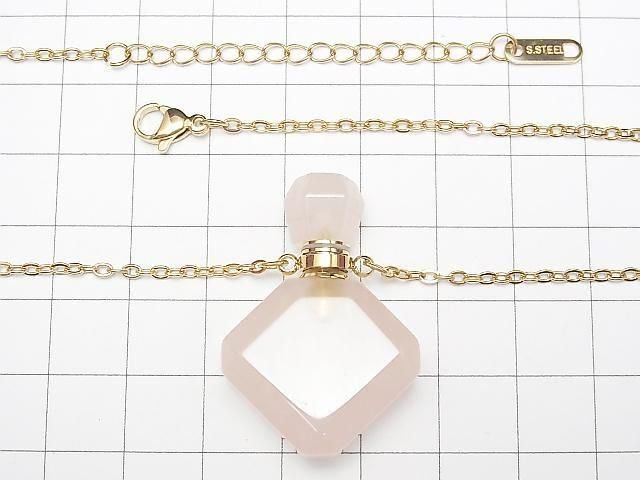
Wearing rose quartz keeps its symbolism with you throughout the day. Necklaces and pendants that rest near the heart are considered the most direct way to work with the stone; bracelets and rings carry loving intention into everyday actions. At Mohs 7, rose quartz is durable enough for daily wear, though it's smart to remove it before workouts, swimming, or heavy chores to preserve the polish.
For jewelry makers, rose quartz beads are a forgiving, affordable material — 6 mm to 10 mm rounds are the most versatile sizes for bracelets and layered necklaces.
Rose Quartz for Jewelry Making

Meditation, Feng Shui, and Home Placement
For meditation, hold a palm stone or place rose quartz over the center of your chest while focusing on the breath — many practitioners pair it with loving-kindness (metta) meditation. In feng shui, rose quartz belongs in the relationship corner of the home (the far-right corner from the entrance) or in the bedroom, where a matched pair of stones is said to nurture partnership. A chunk of raw rose quartz on a desk or nightstand also doubles as calming decor.
What Crystals Pair Well with Rose Quartz?
Rose quartz combines gently with almost every stone. Popular pairings include:
- Clear quartz — said to amplify rose quartz's loving energy
- Amethyst — adds calm and supports emotional balance
- Green aventurine — doubles down on heart-chakra lore and is said to invite luck in love
- Moonstone — associated with intuition and nurturing energy
And don't overthink combinations: because rose quartz's symbolism is soft and harmonizing, there are no traditional "conflicts" to worry about.
How to Cleanse and Charge Rose Quartz
Cleanse rose quartz every few weeks, or whenever it has supported you through a stressful period. Safe methods include:
- A brief rinse under lukewarm running water (pat dry — avoid long soaks and salt water)
- Smoke cleansing with sage or palo santo
- Sound cleansing with a singing bowl or chimes
- Resting it on a selenite plate overnight
To charge rose quartz, place it in moonlight overnight — the full moon is traditional. Keep any direct sun brief: while natural rose quartz color is generally stable, prolonged intense sunlight can slowly weaken the color of some pieces, and gentler methods are kinder to polished surfaces.
How to Tell If Rose Quartz Is Real
Because rose quartz is inexpensive, outright fakes are less common than with rare stones — but dyed glass, dyed quartzite, and imitation "pink crystal" do appear in online marketplaces. Quick checks:
- Look inside: real rose quartz shows a soft haze and subtle color zoning; glass often contains round air bubbles
- Check the color: natural pink is muted and slightly uneven — a flat, vivid bubble-gum pink suggests dye or glass
- Feel it: quartz feels cool to the touch and warms slowly; glass and resin warm quickly
- Test hardness (on a loose stone, never on finished jewelry): quartz scratches glass, not the other way around
- Buy smart: choose established gemstone suppliers that state their sources and sell natural, untreated stone
Is It Natural, Dyed, or Glass? Treatment and Imitation Disclosure
Reputable sellers should tell you exactly what you are buying, and honest naming matters under the FTC Jewelry Guides (16 CFR Part 23). Keep these distinctions in mind:
- Natural rose quartz — untreated pink quartz colored by its natural inclusions. Most quality beads and cabochons are natural and simply cut and polished.
- Dyed material — some very cheap "rose quartz" beads are actually pale quartz or quartzite that has been dyed pink; dye tends to look flat and uniform and may concentrate in cracks. Dye should be disclosed, and dyed stone is not the same as naturally colored rose quartz.
- Glass and resin imitations — bubble-gum-pink "crystals" with internal bubbles are often glass or resin. Glass is not quartz and should never be sold as "rose quartz" without the word imitation.
- Not to be confused with pink aventurine or dyed pink quartzite (aventurescent or granular), which are separate materials, and with heat-treated or irradiated pink quartz sometimes offered as crystalline "pink quartz."
If a listing shows a flat, vivid pink at a bargain price, ask whether the stone is natural, dyed, heated, or glass before you buy. A trustworthy supplier will disclose any treatment. These disclosures are required so shoppers are not misled about what the material is or how it was produced.
Types of Rose Quartz
All rose quartz shares the same basic chemistry, but several natural varieties are recognized in the trade:
- Standard rose quartz — massive, hazy pink material used for beads, cabochons, and carvings
- Star rose quartz — displays a six-rayed star under direct light; the most valuable variety
- Crystalline pink quartz — rare, well-formed pink crystals; light-sensitive and prized by collectors
- Lavender rose quartz — a lilac-toned variety, mostly from Madagascar and Brazil
- Milky rose quartz — very pale, cloudy pink material with a soft, milky translucence; the most affordable grade and a gentle-looking choice for beads (compare with milky quartz)
- Girasol quartz — a milky blue-white to pale pink quartz with a soft glow, often sold alongside rose quartz
In every category, deep pink, translucent material is the most sought after for jewelry. Note that dyed quartzite and pink glass are imitations, not true varieties of rose quartz.

Rose Quartz vs. Pink Quartz and Other Pink Stones
Rose quartz is often confused with "pink quartz" — which is technically a different variety — and with several look-alike pink gemstones. Here's how to tell them apart:
| Stone | Color & Look | Mohs | How It Differs from Rose Quartz |
|---|---|---|---|
| Rose quartz | Hazy pale-to-deep pink, massive | 7 | The classic love stone; color generally stable in everyday light |
| Pink quartz (crystalline) | Transparent, well-formed crystals | 7 | Rare collector variety; colored by aluminum and phosphorus, and it fades with sun exposure |
| Strawberry quartz | Clear quartz with red-pink speckled inclusions | 7 | Speckles of hematite/goethite instead of an even pink |
| Morganite | Transparent peachy pink | 7.5-8 | A pink beryl, not quartz; clearer and considerably pricier |
| Kunzite | Lilac-pink, glassy | 6.5-7 | Pink spodumene; shows different colors from different angles and needs gentler care |
| Rhodochrosite | Raspberry pink with white banding | 3.5-4 | Much softer; banded pattern; not suited to daily-wear rings |
| Rhodonite | Pink with black veins | 5.5-6.5 | Distinctive black manganese-oxide veining |
A note on names: in everyday shopping, "pink quartz meaning" and "rose quartz meaning" are used interchangeably, and most beads and tumbled stones sold as pink quartz are simply rose quartz. The strict distinction — massive rose quartz vs. rare crystalline pink quartz — matters mainly to mineral collectors. If a listing shows a flat, vivid bubble-gum pink at a bargain price, check it against the authenticity tests above before you buy.
How Much Is Rose Quartz Worth?
Rose quartz is one of the most affordable gemstones — that accessibility is part of its appeal. Typical US retail ranges:
- Tumbled stones: about $2-$10 each
- Bead strands (15-16 in): roughly $5-$40 depending on color, size, and cut quality
- Cabochons and palm stones: a few dollars to about $50
- Star rose quartz cabochons: $20-$100+ for sharp, well-centered stars
- Collector specimens: occasionally far higher — the famous rose quartz specimen La Madona Rosa sold for $662,500 at Heritage Auctions in 2013
Color saturation, translucency, and the quality of any star effect drive value far more than size alone.

Rose Quartz Bead Buying Guide (From a Wholesale Supplier)
Buying rose quartz beads for jewelry making? Here's what to look for, based on our experience hand-selecting strands as a wholesale gemstone supplier since 2006.
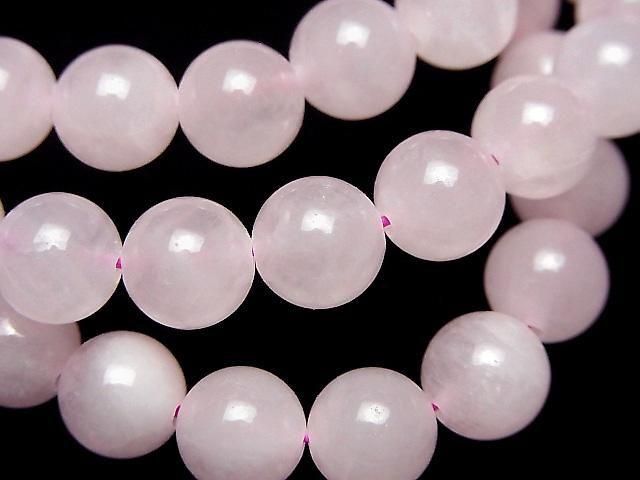
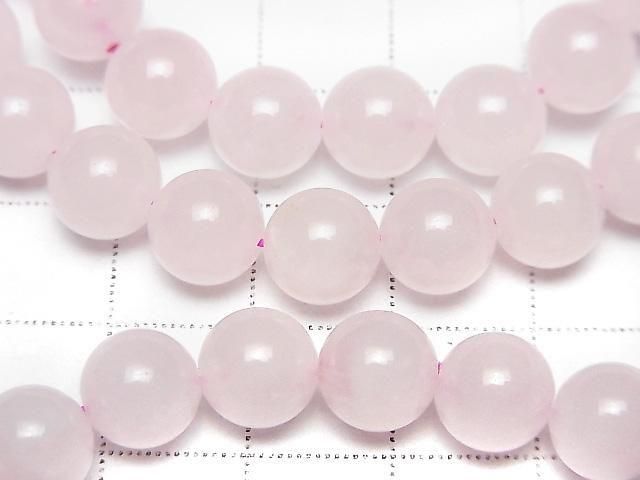
Sizes and strand math. Rose quartz beads are typically sold on strands of about 15.5 inches (39-40 cm). As a rule of thumb: a 6 mm strand holds roughly 63 beads, an 8 mm strand about 48, and a 10 mm strand about 38 — one strand is usually enough for two to three bracelets or the gemstone portion of one necklace.
What separates a good strand from a cheap one:
- Color: even, natural pink from bead to bead — but not a flat, identical hue, which can be a sign of dye
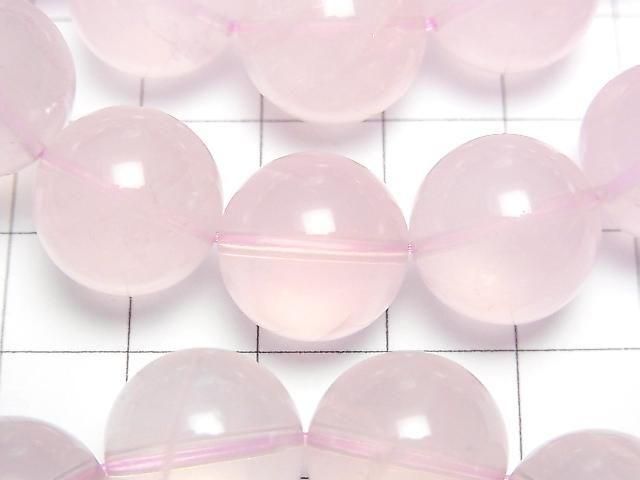
- Translucency: hold the strand to a light; a soft glow beats a dull, chalky look
- Cut and polish: uniform bead shapes, smooth surfaces, no chips around the drill holes
- Drill holes: clean and consistent (typically about 0.8-1 mm) so they don't fray your stringing wire
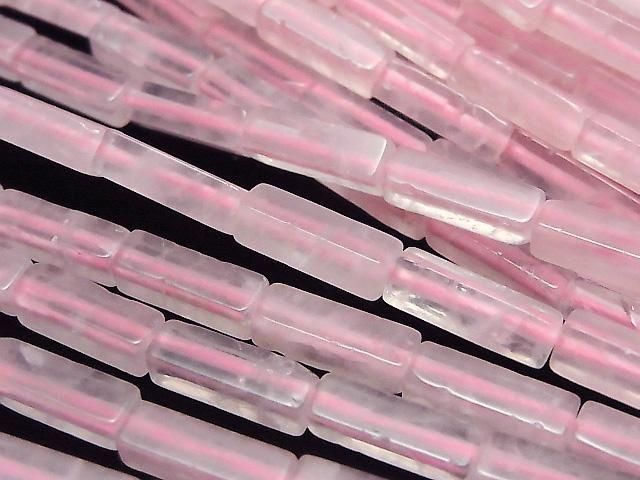
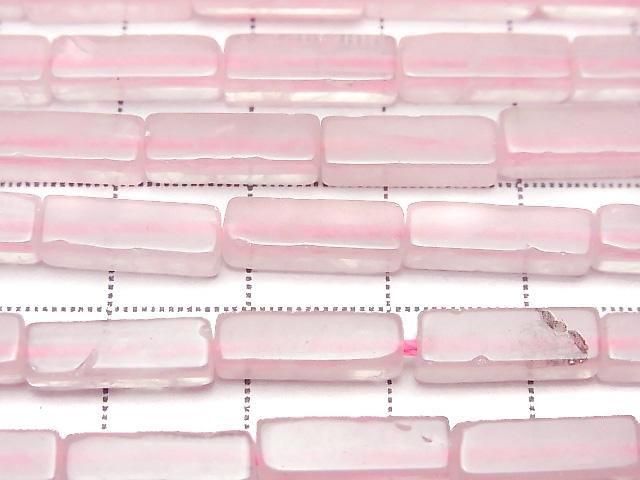
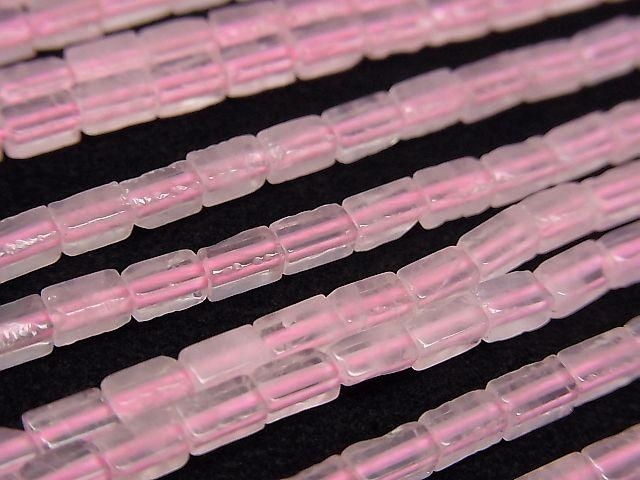
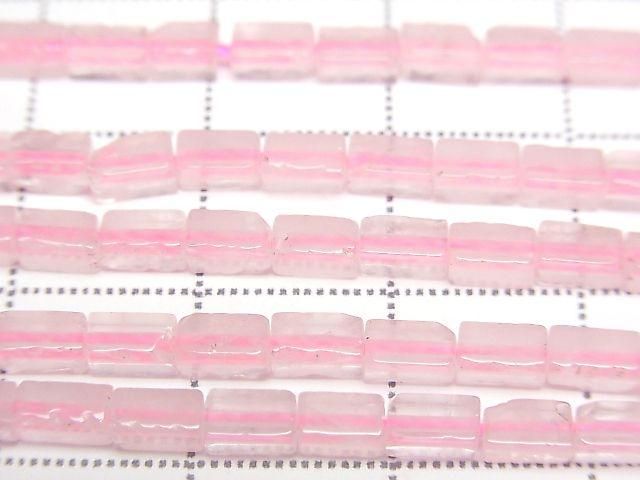
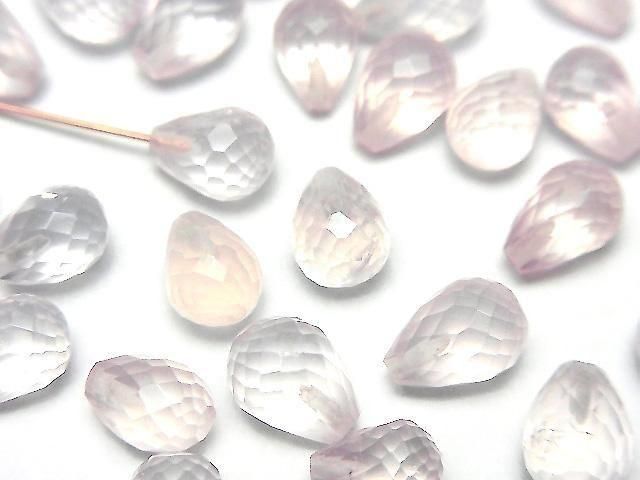
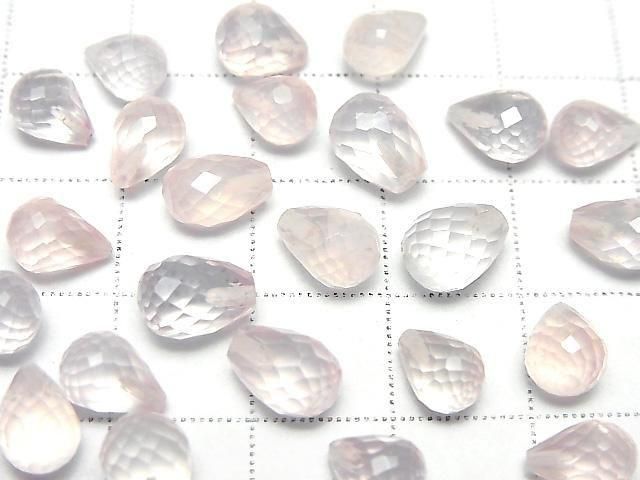
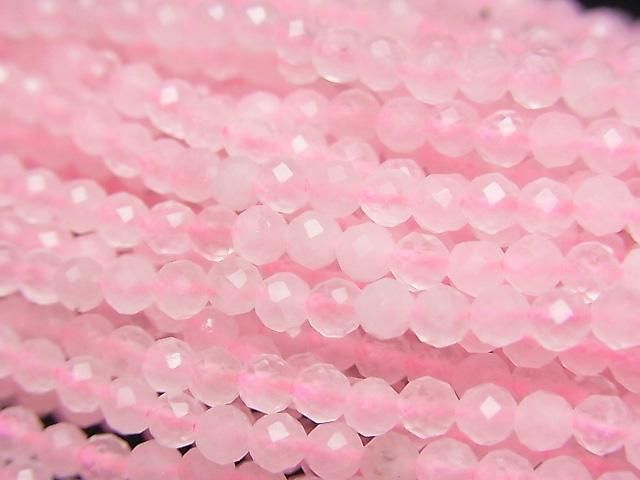
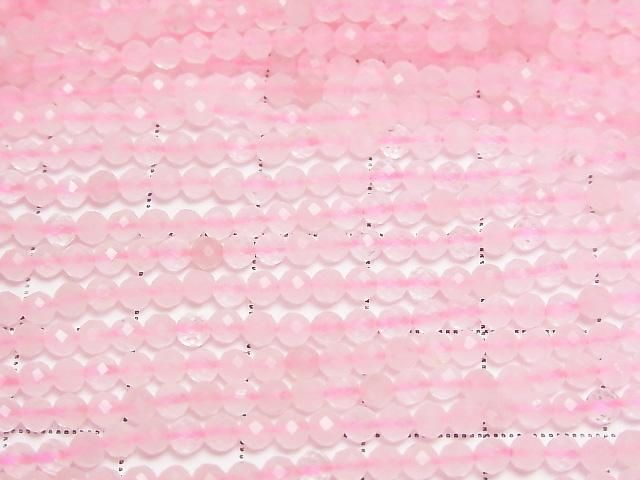
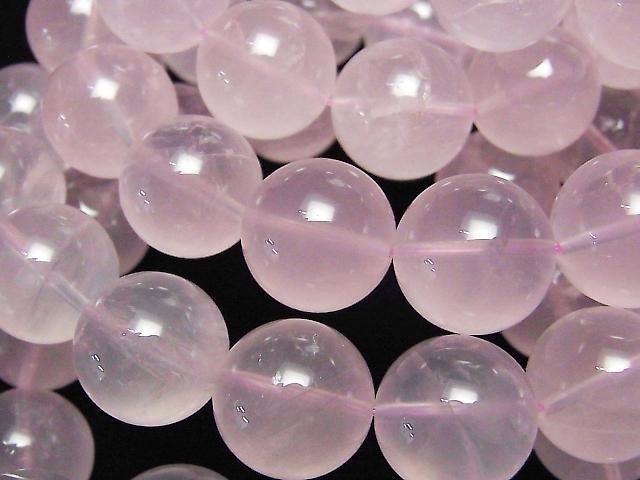
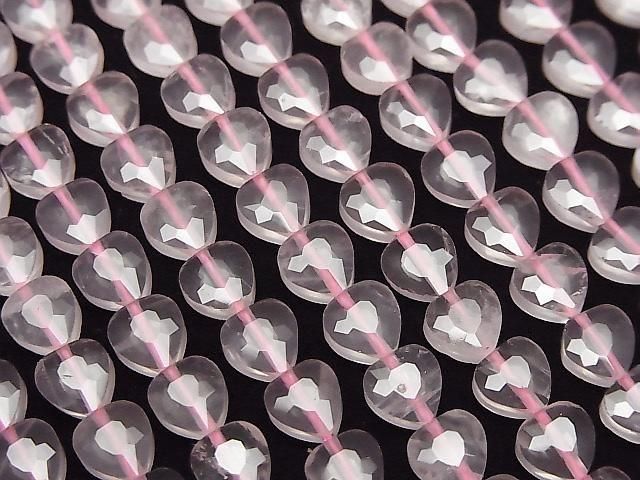
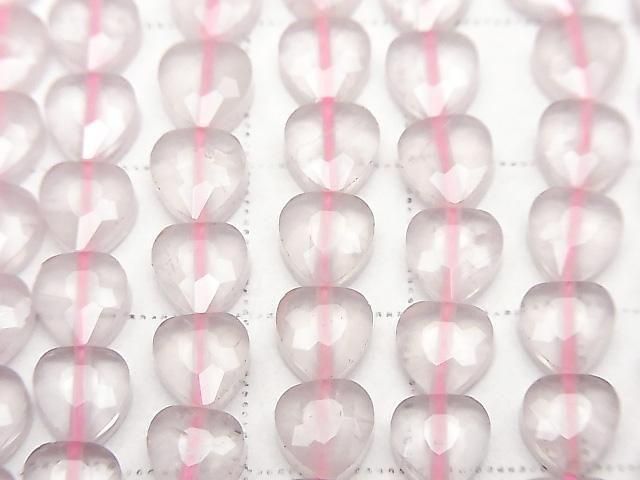
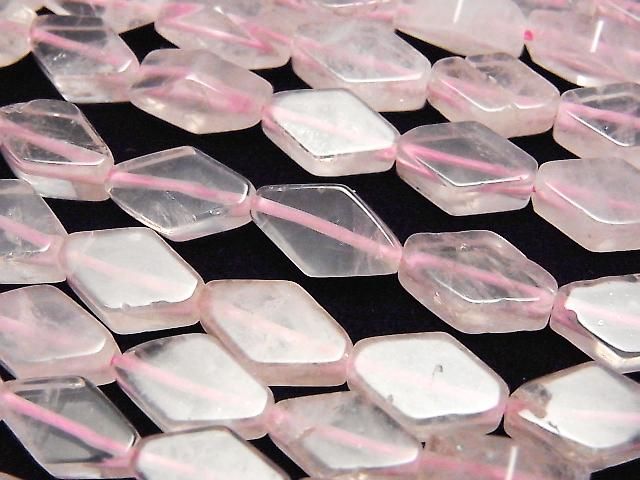
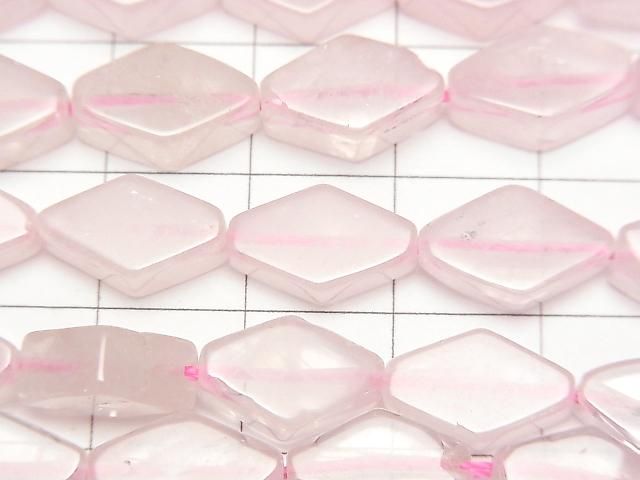
Popular cuts. Smooth rounds are the everyday classic; faceted rounds add sparkle to pale pink; nuggets and chips give an organic, boho look; heart and teardrop shapes suit pendants and Valentine's-season designs.
Typical wholesale-to-retail pricing runs from about $5 for standard pale strands to $40+ for deep, evenly colored Madagascar material — see our value guide above for how color drives price.

Frequently Asked Questions About Rose Quartz
What is rose quartz good for?
In crystal tradition, rose quartz is used to invite love in all forms — self-love, romance, family harmony — and as a comforting focus during stress or grief. It's considered the gentlest, most beginner-friendly crystal for matters of the heart. These are traditional beliefs, not medical claims.
Can rose quartz go in water?
Yes, briefly. At Mohs hardness 7 it tolerates a quick rinse, but avoid prolonged soaking and salt water, which can dull the polish over time.
Where should I place rose quartz in my home?
The bedroom and the relationship corner (the far-right corner from the front door, in feng shui) are traditional spots. A pair of stones on a nightstand is a classic placement for couples.
Is rose quartz rare or valuable?
No — it is abundant and affordable. Most tumbled stones and bead strands cost just a few dollars, while star rose quartz and deep-pink translucent material command higher prices.
Is rose quartz dyed or treated?
Quality natural rose quartz is simply cut and polished, not dyed. However, some cheap "rose quartz" beads are dyed quartz or quartzite, and some bright-pink "crystals" are actually glass or resin. Reputable sellers disclose any dye or treatment, so ask if a stone looks a flat, uniform, vivid pink.
How can I tell if my rose quartz is real?
Real rose quartz looks slightly hazy with uneven color, feels cool to the touch, and will scratch glass. A perfectly uniform, vivid pink stone with round air bubbles inside usually indicates dyed glass.
What is the difference between rose quartz and pink quartz?
In everyday use, the names are interchangeable — most stones sold as pink quartz are rose quartz. Strictly speaking, pink quartz is a rare variety that forms transparent crystals, gets its color from aluminum and phosphorus, and fades in sunlight, while common rose quartz is massive, hazy, and generally color-stable.
Can rose quartz be in the sun?
Brief sunlight is fine; the color of ordinary massive rose quartz is generally stable. Prolonged, intense UV can slowly weaken the color of some material, and the rare crystalline pink quartz variety is light-sensitive, so most practitioners simply prefer moonlight for charging.
What zodiac signs is rose quartz best for?
Taurus and Libra, both ruled by Venus, are the classic matches — but crystal tradition considers rose quartz compatible with every sign.
Is rose quartz a birthstone?
Not officially. Rose quartz is a popular alternative birthstone for January and is sometimes given for 5th wedding anniversaries, and crystal traditions consider it a good match for every zodiac sign.
Shop Rose Quartz Beads, Cabochons, and Loose Stones at KenKenGems
Ready to bring rose quartz into your life — or into your jewelry designs? KenKenGems is a Japan-based gemstone bead supplier trusted by jewelry makers worldwide, and every rose quartz strand in our collection is hand-selected for color and cut quality. You'll find:
- Rose quartz bead strands in rounds, faceted cuts, and fancy shapes
- Star rose quartz cabochons for rings and pendants
- Heart and teardrop pendants, nuggets, and loose stones
Prices are listed in USD, and we ship to the United States and Canada.




![Rosenquarz AA Würfel 6x6x6mm [halb durchbohrtes Loch] 4 Stück](http://store.kenkengems.com/cdn/shop/files/190205696.jpg?v=1771930344&width=640)
![Rosenquarz AA Würfel 6x6x6mm [halb durchbohrtes Loch] 4 Stück](http://store.kenkengems.com/cdn/shop/files/190205696_o1.jpg?v=1771930330&width=640)