
TOC
- 1. What Is Zircon?
- 1-1. Zircon at a Glance: Key Facts
- 2. Zircon Meaning and Symbolism
- 2-1. Zircon Meaning by Color
- 3. Zircon History and Origins
- 4. Zircon vs. Cubic Zirconia vs. Zirconium: What's the Difference?
- 5. Zircon Types and Colors
- 6. Zircon Properties: Hardness, Brilliance, and Durability
- 6-1. Is Zircon Radioactive? What Buyers Should Know
- 7. Zircon Healing Properties and Metaphysical Benefits
- 8. Where Is Zircon Found?
- 9. Zircon Value: How Much Is Zircon Worth?
- 10. How to Clean and Care for Zircon Jewelry
- 11. Zircon FAQ
- 11-1. Is zircon a real gemstone?
- 11-2. Is zircon the same as cubic zirconia?
- 11-3. What is zircon good for spiritually?
- 11-4. What birthstone month is zircon?
- 11-5. Is zircon expensive?
- 11-6. Is zircon safe to wear every day?
- 12. Shop Natural Zircon Beads at Kenkengems

Zircon is a natural gemstone — zirconium silicate (ZrSiO4) — famous for brilliance and rainbow "fire" that rival diamond. It is one of the official December birthstones, and it holds a scientific record: zircon crystals from the Jack Hills of Western Australia have been dated to about 4.4 billion years, the oldest minerals ever found on Earth. Despite the similar name, zircon is not cubic zirconia, a lab-made diamond simulant. In this guide, you'll learn zircon's meaning and symbolism, its colors and types, physical and metaphysical properties, typical value in U.S. dollars, and how to choose and care for natural zircon.
What Is Zircon?
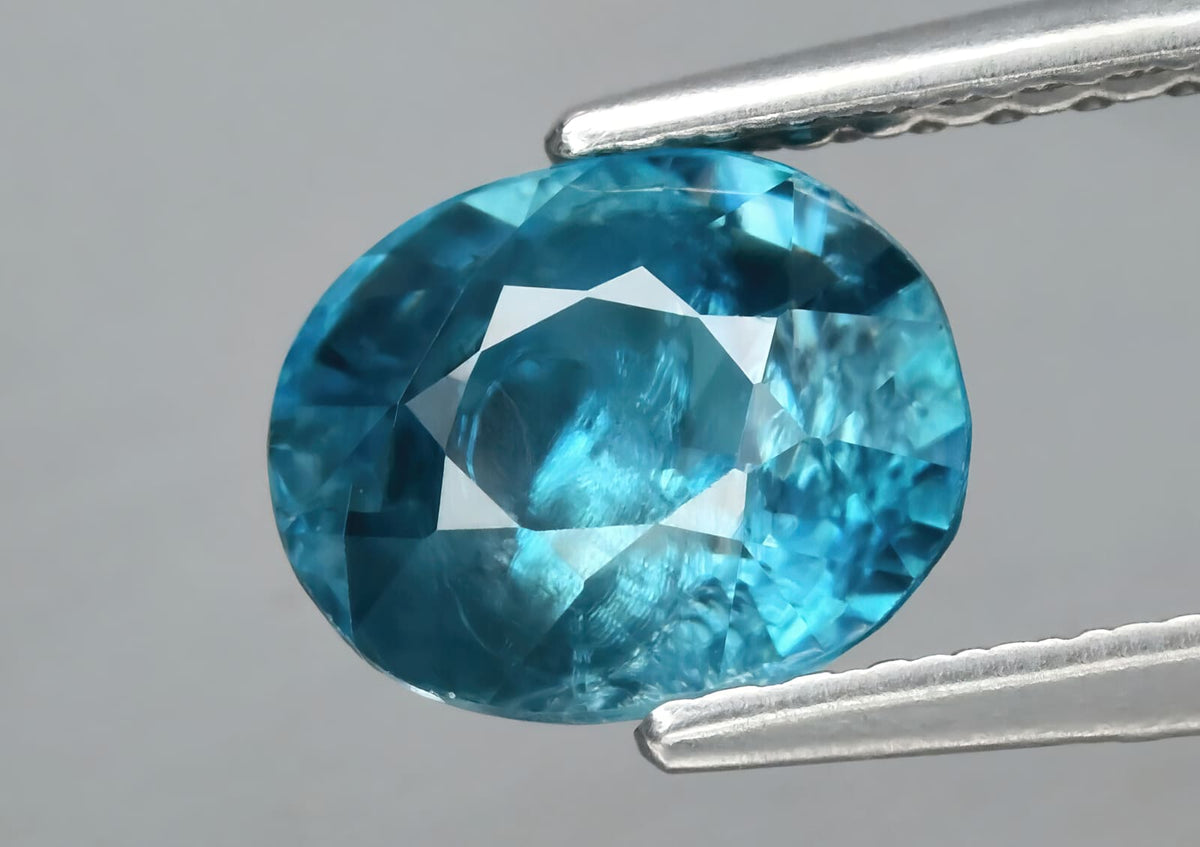
Zircon is a naturally occurring nesosilicate mineral (chemical formula ZrSiO4) that forms in igneous, metamorphic, and sedimentary rocks, and it is the main ore of the metal zirconium. As a gemstone, zircon stands out for a high refractive index (about 1.93–1.98) and strong dispersion, which give faceted stones exceptional sparkle. Colorless zircon served for centuries as a natural diamond alternative, while vivid blue zircon is the most popular variety in the U.S. and Canada today. Together with tanzanite and turquoise, zircon is an official December birthstone.
Zircon at a Glance: Key Facts
| Chemical formula | ZrSiO4 (zirconium silicate) |
| Mohs hardness | 6–7.5 |
| Refractive index | approx. 1.93–1.98 |
| Colors | Blue, colorless (white), yellow, orange, red, brown, green, black |
| Birthstone | December (alongside tanzanite and turquoise) |
| Main gem sources | Cambodia, Sri Lanka, Myanmar, Tanzania, Madagascar, Australia |
| Often confused with | Cubic zirconia (lab-made) and zirconium (a metal) |
Zircon Meaning and Symbolism
The name zircon likely traces back to the Persian word "zargun," meaning gold-colored — a nod to the golden stones early traders knew, even though zircon also occurs in blue, red, green, brown, and black. Across cultures, zircon symbolizes wisdom, prosperity, protection, and confidence. Because zircon crystals are the oldest minerals ever dated, many people also connect the stone with grounding, endurance, and the deep history of the Earth itself. In crystal traditions, zircon is regarded as a stone of clarity: it is said to help the wearer focus intentions, let go of negativity, and attract good fortune in business and travel.
Zircon Meaning by Color
- Blue zircon: wisdom, calm, and honest communication — the most sought-after color and a December birthstone favorite.
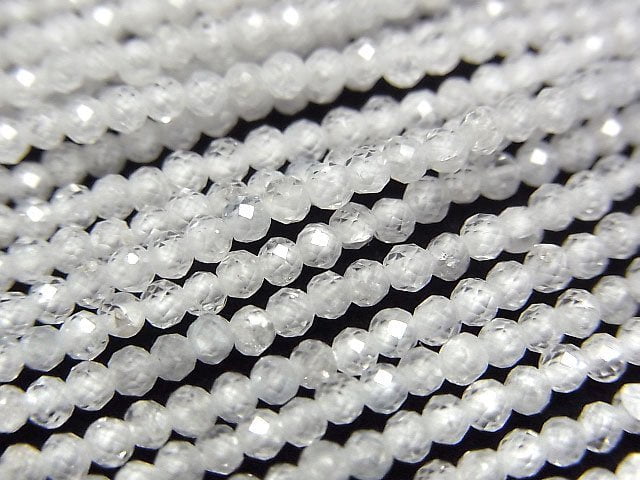
- White (colorless) zircon: clarity, purity, and spiritual insight; historically worn as a diamond alternative.
- Red and hyacinth zircon: vitality, passion, and motivation.
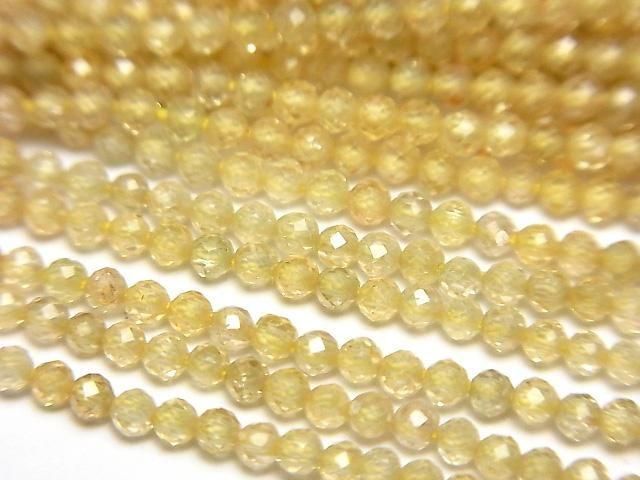
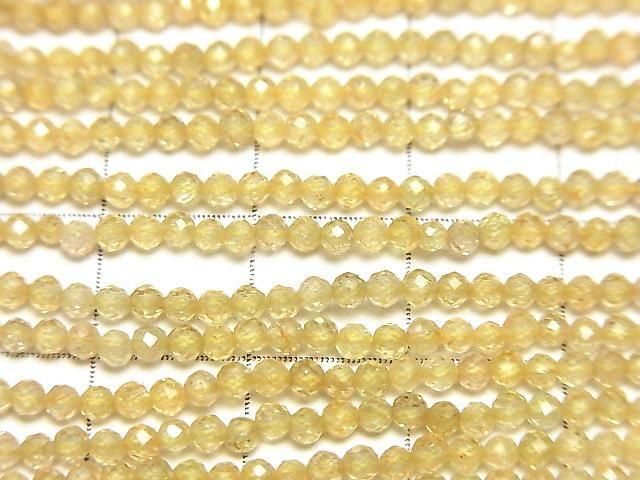
- Yellow and golden zircon: optimism, confidence, and prosperity.
- Green zircon: growth, abundance, and balance; untreated green stones are rare collector's gems.
- Brown and black zircon: grounding, stability, and protection.

Zircon History and Origins
Zircon has been mined from Sri Lanka's gem gravels for well over 2,000 years and appears throughout history under names such as hyacinth and jargoon. In medieval Europe, the stone was believed to ward off evil, protect travelers, and promote restful sleep. Ancient Hindu poetry links zircon to the Kalpa Tree, a mythical wish-granting tree described as bearing leaves of green zircon. Zircon also rewrote science: crystals from the Jack Hills of Western Australia have been dated to about 4.4 billion years, making them the oldest known minerals on Earth — and their chemistry suggests liquid water already existed on the young planet. In 1789, chemist Martin Heinrich Klaproth discovered the element zirconium while analyzing a zircon sample.

Zircon vs. Cubic Zirconia vs. Zirconium: What's the Difference?
Zircon is a natural gemstone; cubic zirconia (CZ) is a lab-created diamond simulant; zirconium is a silvery metal. The three share a name root but are unrelated materials.
| Material | What it is | Key facts |
|---|---|---|
| Zircon | Natural mineral (ZrSiO4) | Mohs 6–7.5; strong fire and brilliance; used in fine jewelry and beads |
| Cubic zirconia | Synthetic zirconium oxide (ZrO2) | Mass-produced in labs since the 1970s; an inexpensive diamond look-alike, not a natural stone |
| Zirconium | A metallic element refined from zircon | Used in industry and in "zirconium" wedding bands |
If a very cheap stone is labeled "zircon," confirm with the seller that it is natural zircon rather than CZ. Natural zircon typically shows visible doubling of facet edges and a distinctive adamantine sparkle.

Zircon Types and Colors
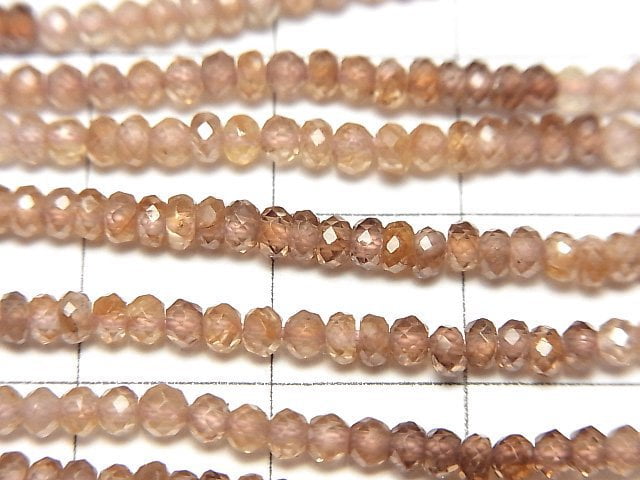
Zircon comes in nearly every color, and several varieties have traditional trade names:
- Matura diamond — colorless zircon, named for Matara, Sri Lanka; a historic natural diamond alternative.
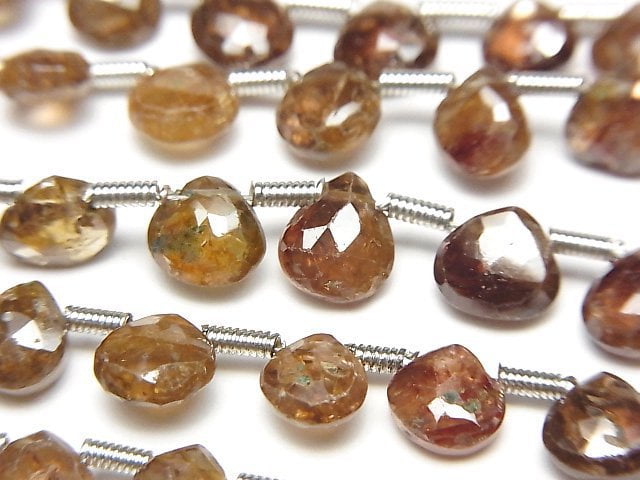
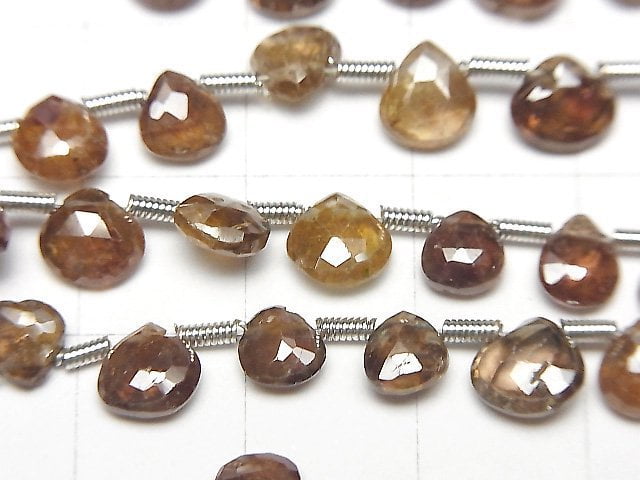
- Hyacinth (jacinth) — transparent orange, red, or reddish-brown zircon.
- Jargoon — pale yellow to golden zircon.
- Starlite — blue zircon; the blue is almost always produced by heat-treating brown Cambodian rough, a stable and industry-accepted treatment.
- Malacon — brown zircon, sometimes with trace radioactive inclusions.
Heat treatment is standard practice: brown crystals are heated to create blue, golden, or colorless stones. Treated colors are generally stable, though a few orange and yellow stones can shift slightly with prolonged sun exposure — reputable sellers disclose treatments.

Zircon Properties: Hardness, Brilliance, and Durability
Zircon measures 6–7.5 on the Mohs hardness scale — hard enough for most jewelry, though its facet edges can chip with rough wear, so earrings, pendants, and beaded designs suit it better than everyday rings. Optically, zircon is exceptional: a refractive index of roughly 1.93–1.98 and strong dispersion give it sparkle and fire that rival diamond. It is also strongly birefringent — look through the top of a faceted zircon and you can often see doubled facet edges, a quick way to distinguish it from cubic zirconia. Trace uranium and thorium in some crystals slowly alter the internal structure over geological time (so-called metamict or "low" zircon), which is why hardness and optics vary between stones — and why geologists prize zircon for dating the Earth's oldest rocks.
Is Zircon Radioactive? What Buyers Should Know
Some zircon contains trace amounts of uranium and thorium. In faceted, gem-quality zircon sold by reputable dealers, these traces are widely considered too small to pose a health concern with normal wear, and heavily altered industrial-grade material does not reach the jewelry market. As a precaution, buy from sellers who disclose treatments and origins, and be cautious with unusually cloudy, dull green stones of unknown source, which are more likely to be metamict.
Zircon Healing Properties and Metaphysical Benefits
In crystal-healing traditions, zircon is believed to boost energy, confidence, and mental focus while shielding the wearer from negativity. Practitioners reach for it to encourage restful sleep, ease stress, and support prosperity and success in business. Because zircon occurs in every chakra color, energy workers often match each hue to its corresponding chakra — blue for the throat, red for the root, yellow for the solar plexus, and so on. These uses are spiritual traditions rather than medicine: zircon is not a treatment for any health condition, and it should never replace care from a qualified healthcare professional.

Where Is Zircon Found?
Gem-quality zircon comes mainly from Cambodia — famous for the Ratanakiri deposits whose brown rough heat-treats to vivid blue — along with Sri Lanka (source of colorless "Matura diamonds"), Myanmar, Tanzania, Madagascar, Vietnam, Nigeria, and Australia. On the industrial side, Australia and South Africa lead world production of zircon sand used in ceramics and foundries. Most blue zircon sold in U.S. and Canadian jewelry stores traces back to Cambodian material.
Zircon Value: How Much Is Zircon Worth?
Zircon is one of the best values among natural gemstones. Prices depend on color, size, clarity, and cut, but as a rough guide for the U.S. market: brown, yellow, and colorless zircon is the most affordable, often from a few dollars to a few tens of dollars per carat; vivid blue zircon commands the highest prices, with fine stones reaching several hundred dollars per carat; rare untreated colors appeal to collectors. Value rises with strong saturation, eye-clean clarity, precise cutting that shows off the fire, and larger sizes — fine blue zircon above 5 carats is genuinely scarce. For jewelry makers, beads sold by the strand or half-strand cost far less per stone than faceted singles, making zircon an accessible way to work with a genuine December birthstone.
How to Clean and Care for Zircon Jewelry
Clean zircon with warm water, mild soap, and a soft brush, then pat dry. Skip ultrasonic and steam cleaners — heat and vibration can damage stones, especially heat-treated blues. Because zircon's facet edges abrade with wear, store pieces separately from harder gems such as sapphire and topaz, and take off zircon rings before housework or workouts. Keep heat-treated stones out of prolonged direct sunlight, as a few can shift color over time.
Zircon FAQ
Is zircon a real gemstone?
Yes. Zircon is a natural mineral that has been mined and worn for more than two thousand years. The confusion comes from cubic zirconia, a lab-made stone with a similar name — natural zircon is the genuine article and one of the December birthstones.
Is zircon the same as cubic zirconia?
No. Zircon is a natural zirconium silicate mineral (ZrSiO4), while cubic zirconia is synthetic zirconium oxide (ZrO2) grown in a laboratory as an inexpensive diamond simulant. They differ in composition, origin, optics, and value.
What is zircon good for spiritually?
In crystal traditions, zircon is believed to promote grounding, confidence, focus, and prosperity, with each color carrying its own emphasis — blue for communication, red for vitality, white for clarity. These are spiritual beliefs, not medical claims.
What birthstone month is zircon?
Zircon is a December birthstone, sharing the month with tanzanite and turquoise. Blue zircon is the most popular December birthstone choice for jewelry.
Is zircon expensive?
Zircon is generally affordable for a natural gem. Earth-toned and colorless stones can cost just a few dollars per carat, while top-quality blue zircon may reach several hundred dollars per carat. Beads and strands cost far less per stone than faceted gems.
Is zircon safe to wear every day?
Faceted gem zircon from reputable dealers is considered safe to wear; any natural radioactivity in jewelry-grade stones is regarded as negligible. Because zircon's edges can chip, it is better suited to earrings, pendants, and necklaces than to daily-wear rings.
Shop Natural Zircon Beads at Kenkengems
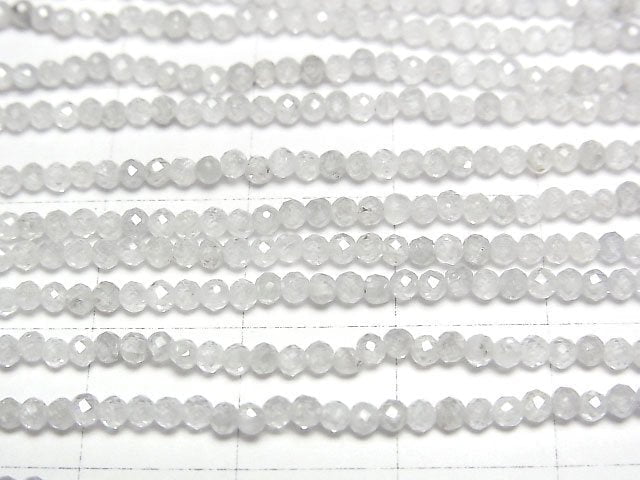
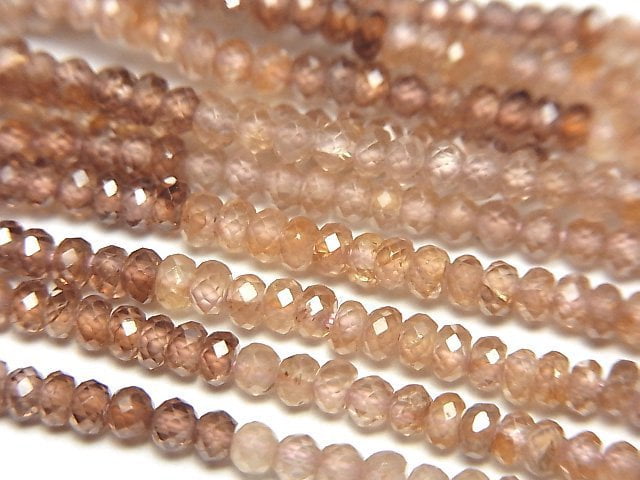
Kenkengems, operated by Japanese gemstone wholesaler midi Co., Ltd. since 2006, supplies natural zircon beads, strands, half-strands, and gold-set stones to jewelry designers across the U.S. and Canada. Prices are shown in USD (CAD and other currencies available at checkout), and orders over USD $300 ship free worldwide. Explore blue, white, golden, and multicolor zircon in our zircon collection, and if you're shopping for a December birthday, see our December Birthstone guide for gift ideas. Every listing is graded under our transparent Quality Rating system.


![[Einzigartig] Hochwertiger rötlich brauner Zirkon AAA- loser Stein facettiert 1 Stück Nr. 27](http://store.kenkengems.com/cdn/shop/files/183631360.jpg?v=1734679868&width=640)
![[Einzigartig] Hochwertiger rötlich brauner Zirkon AAA- loser Stein facettiert 1 Stück Nr. 27](http://store.kenkengems.com/cdn/shop/files/183631360_o1.jpg?v=1734679861&width=640)
![[Einzigartig] Hochwertiger natürlicher blauer Zirkon AAA loser Stein facettiert 1 Stück Nr. 47](http://store.kenkengems.com/cdn/shop/files/190847020.jpg?v=1776776351&width=640)
![[Einzigartig] Hochwertiger natürlicher blauer Zirkon AAA loser Stein facettiert 1 Stück Nr. 47](http://store.kenkengems.com/cdn/shop/files/190847020_o1.jpg?v=1776776334&width=640)
![[Einzigartig] Hochwertiger rötlich brauner Zirkon AAA loser Stein facettiert 1 Stück Nr. 28](http://store.kenkengems.com/cdn/shop/files/183631362.jpg?v=1734680239&width=640)
![[Einzigartig] Hochwertiger rötlich brauner Zirkon AAA loser Stein facettiert 1 Stück Nr. 28](http://store.kenkengems.com/cdn/shop/files/183631362_o1.jpg?v=1734680233&width=640)
![[Einzigartig] Hochwertiger natürlicher blauer Zirkon AAA loser Stein facettiert 1 Stück Nr. 48](http://store.kenkengems.com/cdn/shop/files/190847022.jpg?v=1776776320&width=640)
![[Einzigartig] Hochwertiger natürlicher blauer Zirkon AAA loser Stein facettiert 1 Stück Nr. 48](http://store.kenkengems.com/cdn/shop/files/190847022_o1.jpg?v=1776776304&width=640)
![[Einzigartig] Hochwertiger rötlich-brauner Zirkon AAA- lose Stein facettiert 1 Stück Nr. 34](http://store.kenkengems.com/cdn/shop/files/183631373.jpg?v=1734679628&width=640)
![[Einzigartig] Hochwertiger rötlich-brauner Zirkon AAA- lose Stein facettiert 1 Stück Nr. 34](http://store.kenkengems.com/cdn/shop/files/183631373_o1.jpg?v=1734679932&width=640)
![[Japan] Hochwertiger natürlicher blauer Zirkon AAA Oval facettiert 6x4mm Anhänger [18K Gelbgold] 1 Stück](http://store.kenkengems.com/cdn/shop/files/189339120.jpg?v=1764060771&width=640)
![[Japan] Hochwertiger natürlicher blauer Zirkon AAA Oval facettiert 6x4mm Anhänger [18K Gelbgold] 1 Stück](http://store.kenkengems.com/cdn/shop/files/189339120_o1.jpg?v=1764060765&width=640)
![[Einzigartig] Hochwertiger natürlicher blauer Zirkon AAA loser Stein facettiert 1 Stück Nr. 43](http://store.kenkengems.com/cdn/shop/files/190847016.jpg?v=1776776440&width=640)
![[Einzigartig] Hochwertiger natürlicher blauer Zirkon AAA loser Stein facettiert 1 Stück Nr. 43](http://store.kenkengems.com/cdn/shop/files/190847016_o1.jpg?v=1776776427&width=640)
![[Einzigartig] Hochwertiger natürlicher blauer Zirkon AAA loser facettierter Stein 1 Stück NO.38](http://store.kenkengems.com/cdn/shop/files/188636923_017ac994-8420-480d-9e85-f85f19c15233.jpg?v=1761032326&width=640)
![[Einzigartig] Hochwertiger natürlicher blauer Zirkon AAA loser facettierter Stein 1 Stück NO.38](http://store.kenkengems.com/cdn/shop/files/188636923_o1_b4a84738-e345-4548-8a0a-6a6491cdab93.jpg?v=1761032333&width=640)


