
TOC
- 1. What Is Obsidian Crystal? Quick Facts
- 2. Obsidian Crystal Meaning: Protection, Grounding, and Truth
- 2-1. Obsidian Spiritual Meaning: The Mirror Stone
- 2-2. Obsidian Chakra, Element, and Zodiac Associations
- 3. Obsidian Healing Properties and Benefits
- 3-1. Emotional Healing Properties
- 3-2. Metaphysical and Spiritual Properties
- 3-3. Physical Healing Claims: What to Know
- 3-4. Who Should Not Wear Black Obsidian?
- 4. Types of Obsidian Crystal: Black, Snowflake, Rainbow, and More
- 4-1. Black Obsidian
- 4-2. Snowflake Obsidian
- 4-3. Rainbow Obsidian
- 4-4. Mahogany Obsidian
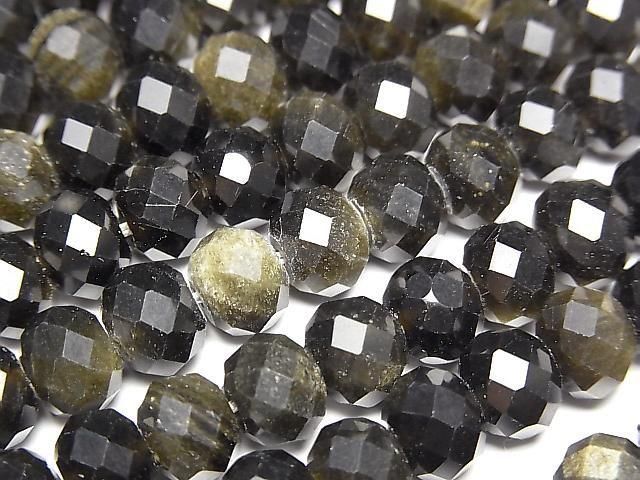
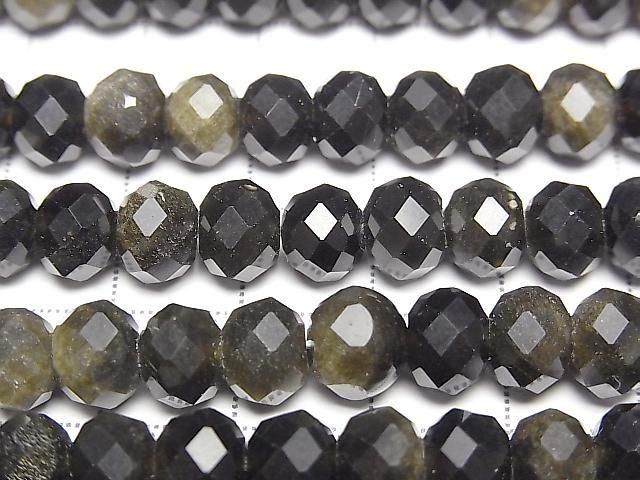
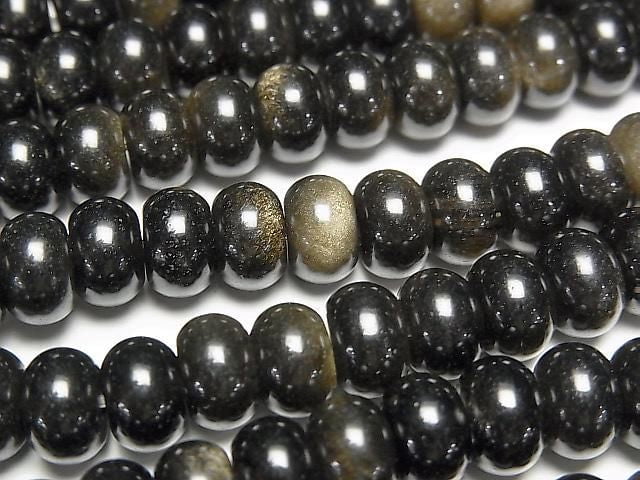
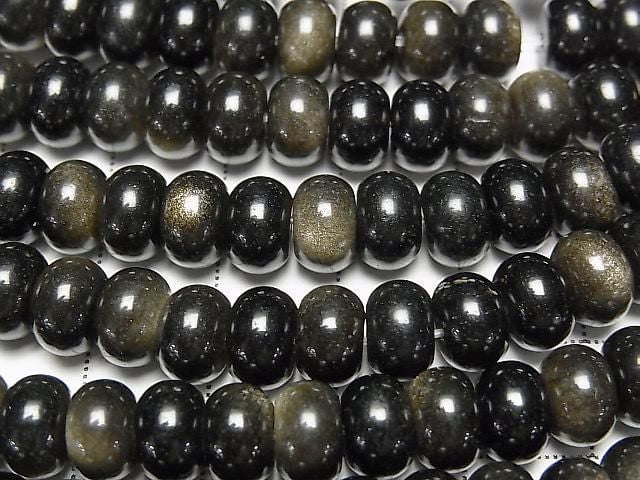
- 4-5. Golden Sheen and Silver Sheen Obsidian
- 4-6. Apache Tears
- 4-7. Peanut Obsidian
- 4-8. Which Type of Obsidian Should You Choose?
- 5. How to Use Obsidian Crystal
- 5-1. Wearing Obsidian Jewelry
- 5-2. Obsidian in the Home and Workspace
- 5-3. Meditation, Scrying, and Shadow Work
- 5-4. Best Crystals to Pair with Obsidian
- 6. How to Cleanse, Charge, and Care for Obsidian Crystal
- 7. The History and Lore of Obsidian: From Stone Age Tools to Aztec Mirrors
- 8. How Is Obsidian Formed and Where Is It Found?
- 9. Physical and Chemical Properties of Obsidian
- 10. Obsidian vs. Other Black Stones: Onyx, Black Tourmaline, and Jet
- 11. Choosing Obsidian Crystal Beads for Jewelry Making
- 12. Obsidian Crystal FAQ
- 12-1. Is obsidian a crystal?
- 12-2. What is black obsidian crystal good for?
- 12-3. Where should I place obsidian in my home?
- 12-4. Can I wear obsidian every day?
- 12-5. Obsidian vs. black tourmaline: which is better for protection?
- 12-6. How can you tell if obsidian is real?
- 12-7. Is obsidian expensive?
- 12-8. Can obsidian go in water?
- 12-9. Can obsidian go in the sun?
- 13. Shop Obsidian Crystal Beads and Stones at KenKenGems

Obsidian Crystal: Meaning, Healing Properties, Types, and How to Use It
Obsidian crystal is natural volcanic glass, valued in crystal healing as a stone of protection, grounding, and truth. Geologically it isn't a true crystal—it cooled too fast to form one—but it has been used as a protective "crystal" for thousands of years, shaped into blades, mirrors, and talismans. In this guide, you'll learn what obsidian crystal means, its healing and metaphysical properties, the main types—from classic black to snowflake and rainbow obsidian—and how to use, cleanse, and choose it for jewelry making.

What Is Obsidian Crystal? Quick Facts
Obsidian is volcanic glass—an igneous rock made of roughly 70% silicon dioxide that cooled too fast for crystals to form. Because it has no crystal structure, it is technically a mineraloid rather than a true mineral or crystal. In the crystal community, though, "obsidian crystal" simply means a polished, tumbled, carved, or bead-cut piece of this stone used for its energy—so both descriptions are correct, depending on who is speaking.
Element: Earth and Fire
Best for: Protection, grounding, shadow work, emotional release
Birthstone: Not a modern birthstone; traditional/zodiac stone for Scorpio and Sagittarius (Capricorn in some lists)
Typical price (USD): From a few dollars for tumbled stones and bead strands; more for fine rainbow or sheen varieties
Obsidian Crystal Meaning: Protection, Grounding, and Truth
Obsidian's meaning centers on protection, grounding, and truth. Across many traditions it is seen as an energetic shield that deflects negativity, and as a dark mirror that reveals what lies beneath the surface—which is why it is a favorite stone for meditation, shadow work, and honest self-reflection.
Connected to the root chakra, obsidian is associated with stability, courage, and staying anchored during change. Many people in the U.S. and Canada wear black obsidian jewelry or keep a stone at home or at their desk as a simple daily reminder to stay grounded and set healthy boundaries.
Obsidian Spiritual Meaning: The Mirror Stone
Spiritually, obsidian is known as a mirror stone. Its meaning in shadow work is to reflect back the fears, habits, and unresolved feelings you would rather not look at—not to punish, but to bring them into awareness so they lose their grip. Practitioners describe it as a stone that "tells the truth," which is why it is usually paired with journaling, breathwork, or quiet self-reflection rather than used casually.
Obsidian is also considered a stone of psychic protection. Worn or carried, it is believed to absorb heavy or draining energy from people and places before it reaches you. This is the same idea behind the polished obsidian mirrors of the Aztecs and the scrying mirrors used in Europe from the 1500s onward—looking into the dark surface to see what ordinary sight misses.
Obsidian Chakra, Element, and Zodiac Associations
Obsidian is a root chakra stone. The root chakra governs safety, stability, and the sense of being anchored, so obsidian is used when life feels chaotic or you feel scattered and ungrounded. Golden sheen obsidian is sometimes linked to the solar plexus (confidence) and rainbow obsidian to the heart, but black obsidian belongs firmly at the root.
Its element is Earth and Fire. Obsidian is born from molten lava (fire) and cooled into dense, heavy stone (earth), which is why it is described as both intensely energizing and deeply grounding.
Astrologically, obsidian is most often matched with Scorpio and Sagittarius; some traditions also list Capricorn. It is not an official modern birthstone for any month, but it is a popular alternative stone for people born in late fall.

Obsidian Healing Properties and Benefits
In crystal healing traditions, obsidian's core benefits are emotional: it is believed to absorb negative energy, release emotional blockages, and bring hidden feelings to the surface so they can be processed. Practitioners often reach for obsidian during periods of stress, transition, or grief, and use it in root-chakra work to feel more grounded and secure.
Commonly cited benefits include:
- Protection from negative energy and draining environments
- Grounding and emotional stability during change
- Clarity and honest self-reflection ("shadow work")
- Support for releasing old attachments and habits
- Psychic protection and a clearer sense of personal boundaries
- A steadier mind during decision-making
Please note: metaphysical properties are traditional beliefs, not medical facts. Obsidian is not a treatment for any physical or mental health condition—always consult a qualified healthcare professional for medical concerns.
Emotional Healing Properties
Emotionally, obsidian is used to release what you have been holding: grief, resentment, old attachments, and self-criticism. In crystal healing it is considered a cathartic stone—people often report that working with it brings feelings up rather than smoothing them over. For that reason, it is usually recommended for people who feel ready to face something, while gentler varieties (snowflake obsidian, Apache tears) are suggested for anyone in the middle of acute loss.
Metaphysical and Spiritual Properties
Obsidian's metaphysical properties center on protection and clarity. It is used to shield against negative energy and psychic attack, to "cut cords" with people or situations that drain you, to ground spiritual practice so you don't feel spacey afterward, and for scrying—gazing into a polished surface for insight. Practitioners often pair it with hematite or smoky quartz to move released energy down into the earth.
Physical Healing Claims: What to Know
Older crystal books also link obsidian to circulation, digestion, and "detoxification." There is no scientific evidence that obsidian affects the body in these ways, and it should never replace medical care. We mention these associations only so you recognize them when you see them elsewhere—treat them as folklore, not health advice.
Who Should Not Wear Black Obsidian?
Anyone can wear obsidian, but crystal practitioners often caution that black obsidian is intense. If you are highly sensitive to energy, grieving, or new to crystal work, its "bring everything to the surface" quality can feel overwhelming. Common advice: start with snowflake obsidian or a small bead bracelet rather than a large stone, take it off at night if it seems to disturb your sleep, and cleanse it regularly. There is no physical harm in wearing obsidian—these are energetic guidelines, not medical ones.

Types of Obsidian Crystal: Black, Snowflake, Rainbow, and More
All obsidian shares the same glassy base, but trace minerals and gas bubbles create distinct varieties. These are the types you'll most often see in jewelry and beads.
Black Obsidian
Black obsidian is the classic, most common form—deep jet-black with a mirror-like polish. Metaphysically it is considered the strongest grounding and protection stone in the obsidian family, tied to the root chakra. It is also the most affordable and widely available variety, making it a staple for bracelets, malas, and everyday protection jewelry.
Black obsidian crystal meaning in one line: protection first. It is said to absorb negativity rather than deflect it, so it needs cleansing more often than black tourmaline. Wear it when you want firmer boundaries—at work, in crowds, or during difficult conversations—and keep a piece near the entrance of your home to "screen" what comes in.
Snowflake Obsidian
Snowflake obsidian shows soft white-to-gray patches of cristobalite scattered across a black base, like falling snow. Much of the material on the market comes from Utah. It is associated with balance and calm—often described as a gentler, more soothing energy than pure black obsidian.
Rainbow Obsidian
Rainbow obsidian reveals bands of green, purple, and gold when polished and viewed under direct light. The iridescence comes from layers of nanoparticle inclusions that scatter light. Mexico is the best-known source. Because the effect depends on the viewing angle, cabochons and larger beads show it best—look for stones photographed under natural light when buying online.
Mahogany Obsidian
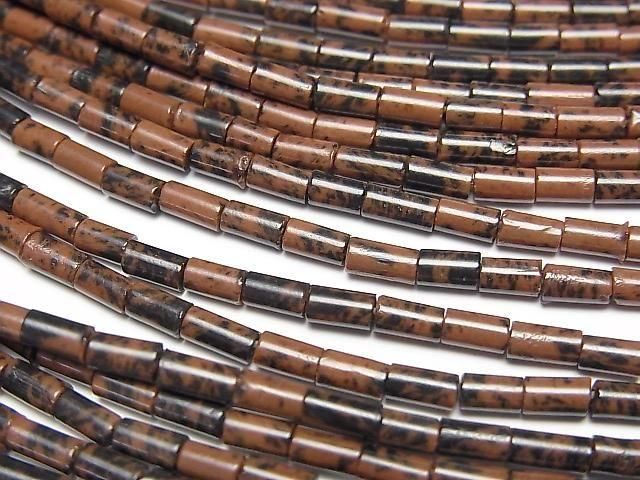
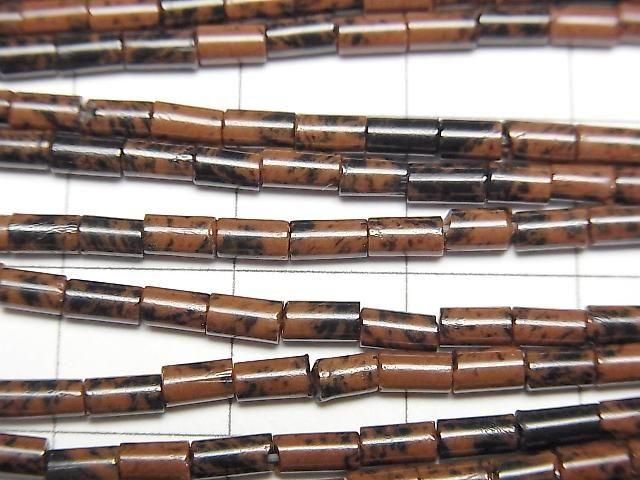
Mahogany obsidian mixes reddish-brown swirls—colored by hematite (iron oxide)—with black bands, resembling polished mahogany wood. It is linked with strength, stability, and steady confidence, and its warm tones pair beautifully with copper and gold-filled findings in jewelry designs.
Golden Sheen and Silver Sheen Obsidian
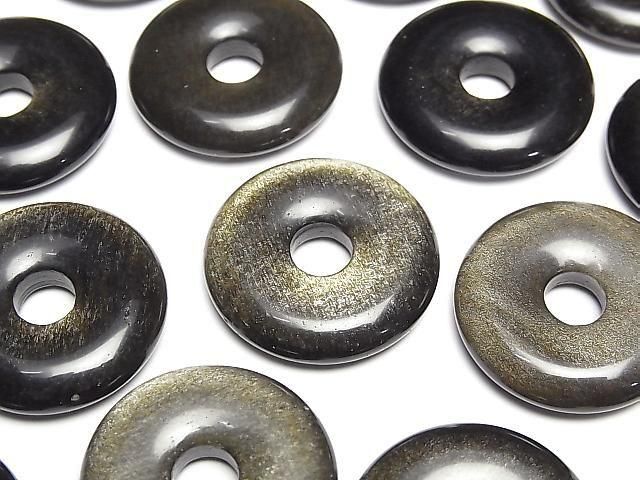
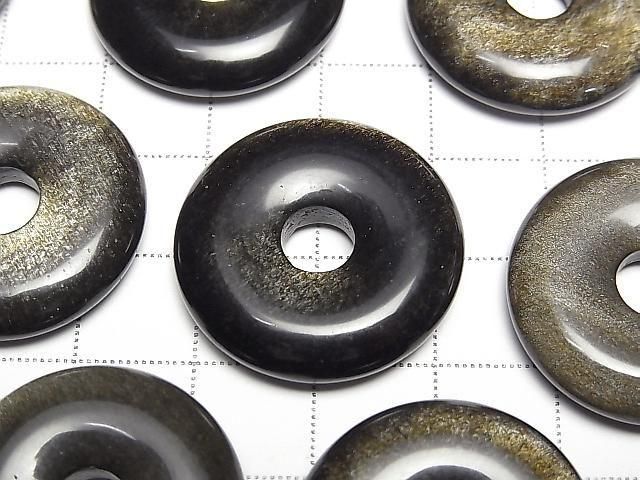
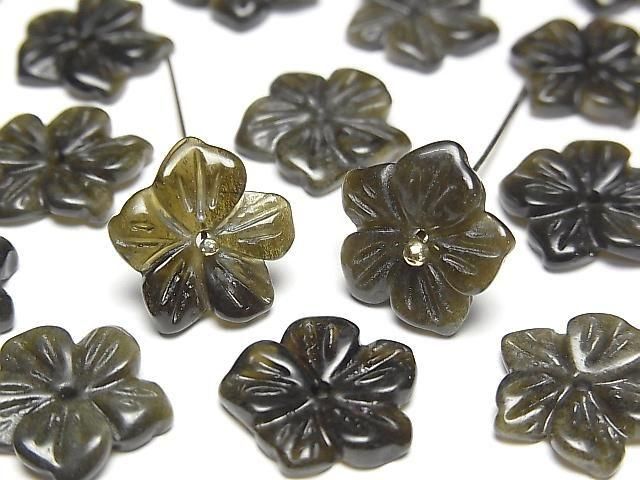
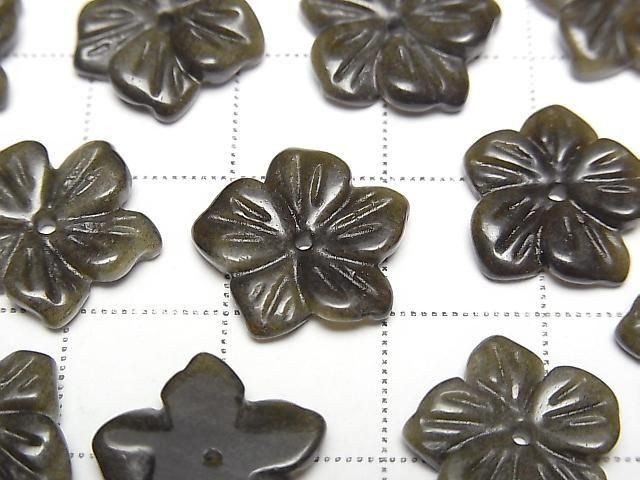
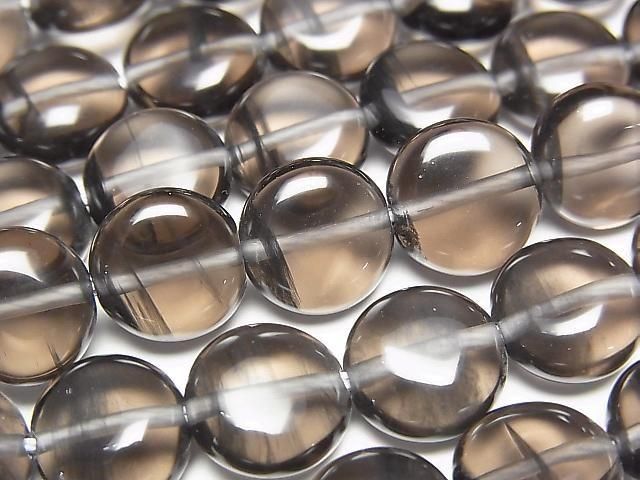
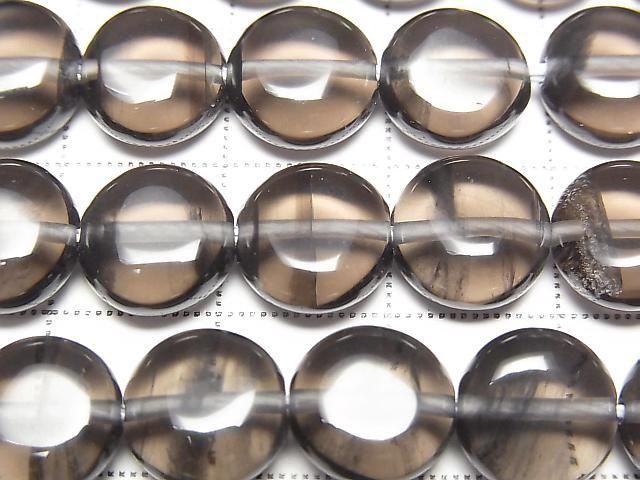
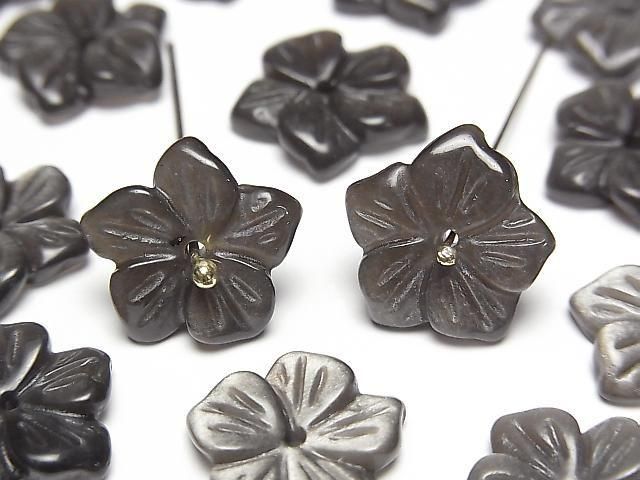
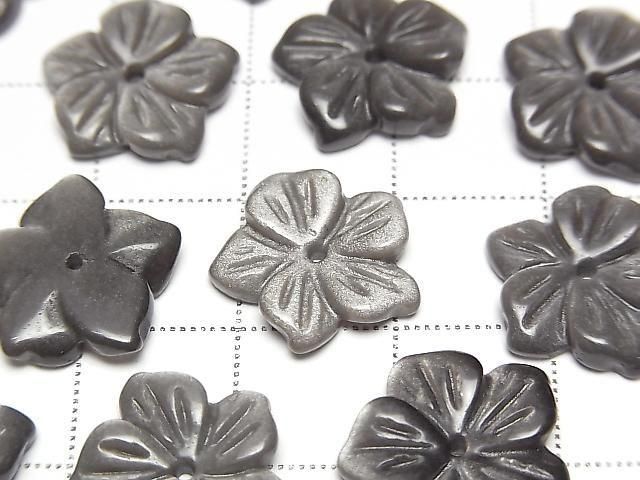
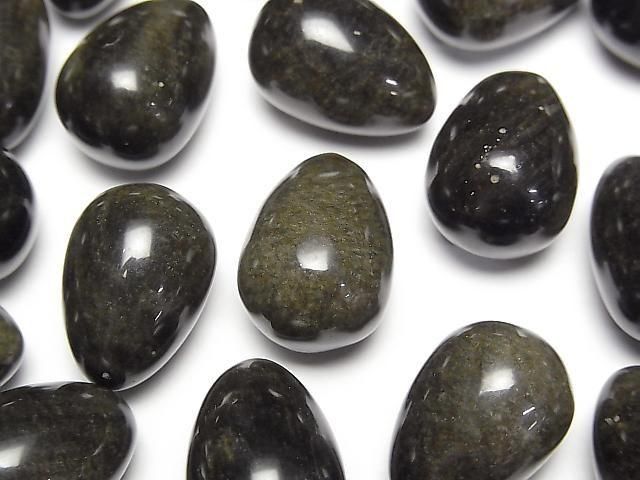
Sheen obsidian glows with a golden or silvery shimmer caused by trails of tiny gas bubbles trapped as the lava cooled. When the sheen aligns in a narrow band, it can create a cat's-eye effect. In crystal traditions, golden sheen obsidian is associated with manifestation and confidence. Silver sheen obsidian is linked to patience and inner reflection, and is a favorite for meditation and scrying.
Apache Tears
Apache tears are small, rounded obsidian nodules found mainly in Arizona and the American Southwest. Often translucent when held to the light, they are traditionally carried as comfort stones for grief and emotional healing—a meaning rooted in the Apache legend described above.
Peanut Obsidian
Peanut obsidian is technically perlite—a close volcanic-glass relative of obsidian—dotted with rounded feldspar inclusions tinted brown by hematite, which really do look like peanuts. It's a fun conversation-piece bead for designers who want something unusual.
Which Type of Obsidian Should You Choose?
If you are unsure, start with black obsidian for protection or snowflake obsidian for a gentler introduction. Use this quick guide:
| Type | Look | Associated meaning | Best for |
| Black obsidian | Deep, mirror-like black | Protection, grounding, truth | Boundaries, shadow work, everyday protection jewelry |
| Snowflake obsidian | Black with white "snowflake" patches | Balance, calm, acceptance | Beginners, sensitive people, gentle grounding |
| Rainbow obsidian | Black with green, purple, and gold sheen | Emotional healing, hope | Heart-centered work, statement pendants |
| Mahogany obsidian | Black with red-brown swirls | Strength, stability, confidence | Motivation, warm-toned designs |
| Golden sheen obsidian | Gold shimmer in black | Manifestation, confidence, insight | Goal-setting, solar plexus work |
| Silver sheen obsidian | Silver shimmer in black | Patience, reflection | Meditation, scrying |
| Apache tears | Small translucent nodules | Comfort in grief | Carrying during loss, sympathy gifts |

How to Use Obsidian Crystal
Obsidian works best when it is close to you—worn, carried, or placed where you spend time. Below are the four most common ways to use it.
Wearing Obsidian Jewelry
The easiest way to work with obsidian is to wear it. A black obsidian bracelet—traditionally worn on the left wrist, the "receiving" side—keeps its grounding energy with you all day, while pendants rest near the heart for emotional steadiness. Can you wear obsidian every day? Yes—there is no rule against it. Because it is glass (Mohs 5–5.5), daily-wear bracelets should use cleanly drilled beads and be kept away from harder stones, and many people rotate it with a lighter stone such as rose quartz.
Obsidian in the Home and Workspace
At home, many people place obsidian near the front door or in a workspace as an energetic "gatekeeper." A tower, sphere, or palm stone on a desk is used to stay grounded during stressful work; in the bedroom, keep it in a corner rather than on the nightstand if you find it disturbs your sleep. In feng shui, black stones belong to the water element and are traditionally placed in the north sector of a home or room, the area linked to career and life path.
Meditation, Scrying, and Shadow Work
For meditation, hold a smooth palm stone or gaze into a polished obsidian surface (the modern echo of ancient obsidian mirrors) while journaling or reflecting. For a simple shadow-work practice, hold the stone, name one thing you have been avoiding, and write about it for ten minutes without editing yourself. Close the session by holding a lighter stone—clear quartz or rose quartz—so you finish grounded rather than raw.
Best Crystals to Pair with Obsidian
Jewelry makers can also design intention-based pieces—pairing obsidian with rose quartz for self-compassion or hematite for extra grounding. Other pairings practitioners recommend:
- Smoky quartz: transmutes the energy obsidian releases
- Clear quartz: amplifies intention and keeps the combination clear
- Selenite: cleanses obsidian—store them together
- Black tourmaline: layered protection (obsidian reveals, tourmaline deflects)
- Lapis lazuli: truth-seeking and insight to go with obsidian's honesty

How to Cleanse, Charge, and Care for Obsidian Crystal
Energetically, obsidian is said to absorb negativity, so regular cleansing is recommended: rinse it briefly under lukewarm running water, leave it in moonlight overnight, or pass it through incense or sage smoke. Avoid long soaks in salt water, which can dull the surface over time.
To charge obsidian, set it on a selenite slab, leave it in moonlight overnight, or hold it while stating your intention. Brief morning sunlight is fine—obsidian does not fade the way amethyst does—but avoid leaving it on a hot windowsill or in a car for hours, because rapid heating and cooling can crack glass.
For physical care, remember that obsidian is glass (Mohs 5–5.5) and brittle. Clean it with a soft cloth and mild soapy water, skip ultrasonic and steam cleaners, and store pieces separately from harder stones like quartz to prevent scratches. Avoid sudden temperature changes, which can crack the stone.

The History and Lore of Obsidian: From Stone Age Tools to Aztec Mirrors
Obsidian's recorded history begins with Roman naturalist Pliny the Elder, who wrote in 77 AD that the stone was named after Obsius, said to have discovered it in Ethiopia. Archaeology pushes the story back much further: Stone Age peoples knapped obsidian into razor-sharp blades and arrowheads, and its conchoidal fracture still produces edges finer than steel—modern researchers have even studied obsidian scalpel blades.
In Mesoamerica, the Maya traded obsidian as a high-value commodity, and the Aztecs linked it to Tezcatlipoca, the "Smoking Mirror" god, crafting polished obsidian mirrors for ritual use. In the American Southwest, rounded obsidian nodules are known as "Apache tears," named for a legend in which the tears of Apache families mourning fallen warriors turned to stone.

How Is Obsidian Formed and Where Is It Found?
Obsidian forms when silica-rich (felsic) lava cools so rapidly that atoms have no time to arrange into a crystal lattice—the molten rock essentially freezes into natural glass. This usually happens at the edges of lava flows, or where lava meets water or air.
Because it forms wherever the right volcanic conditions occur, obsidian is found on every continent. In North America, well-known sources include Oregon (Glass Buttes), California, Utah, Arizona, New Mexico, Idaho, and Wyoming in the U.S., along with major deposits in Mexico. Other notable origins include Iceland, Italy, Armenia, and Japan. If you plan to collect obsidian in the wild, check local regulations first—rockhounding rules differ by state, province, and land type.

Physical and Chemical Properties of Obsidian
Obsidian is an amorphous volcanic glass with a hardness of 5–5.5 on the Mohs scale—harder than a fingernail, but softer than quartz, so it can scratch with rough wear.
Its deep black color comes mainly from fine iron-rich mineral inclusions such as magnetite. Because obsidian is brittle and has no cleavage, it suits earrings, pendants, and necklaces better than rings that take daily knocks.

Obsidian vs. Other Black Stones: Onyx, Black Tourmaline, and Jet
Obsidian is easy to confuse with other black gems, but each is distinct:
Obsidian vs. black tourmaline for protection: both are protection stones, but obsidian is said to absorb and reveal, while black tourmaline deflects and grounds. Many people use both—obsidian for inner work and black tourmaline for everyday shielding.
Quick ID tip: genuine obsidian looks and feels like glass, and chips reveal curved, shell-like fracture surfaces. Vividly colored "blue" or "green obsidian" beads at very low prices are usually man-made glass rather than natural stone.

Choosing Obsidian Crystal Beads for Jewelry Making
As a gemstone bead wholesaler since 2006, here's what we check when grading obsidian. Look for an even, deep color with a clean glassy polish and smooth, chip-free drill holes—because obsidian is brittle, rough drilling causes cracks around the hole. For sheen and rainbow varieties, the effect should be visible when the strand moves under light; well-cut stones are oriented to maximize it.
Popular choices for bracelets and necklaces are 6 mm to 12 mm rounds (about 1/4 in to 1/2 in). Obsidian is one of the most budget-friendly natural stones in USD terms, so it's a smart base material for protection-themed designs—pair it with 14K gold-filled or sterling silver findings for a high-end look at a modest cost.
Typical price ranges on KenKenGems (USD, September 2026):
| Item | Typical price |
| Black obsidian round beads, 6–8 mm, 15-inch strand | about $3–$8 |
| Golden or silver sheen obsidian beads, 8–16 mm strand | about $5–$15 |
| Rainbow or midnight lace obsidian beads and cabochons | about $8–$30 (higher with stronger sheen) |
| Carved shapes (flowers, moons, coins), per pack | about $4–$8 |
Prices vary with size, grade, and sheen quality; check the collection page for current stock.
Obsidian Crystal FAQ
Is obsidian a crystal?
Geologically, no—obsidian is an amorphous volcanic glass—a mineraloid—because it cooled too quickly to form a crystal structure. It is still widely called a "crystal" in the healing community, and "obsidian crystal" is the everyday name for polished stones, beads, and carvings used for protection and grounding.
What is black obsidian crystal good for?
Black obsidian is traditionally used for protection, grounding, and emotional release. People wear it as jewelry, keep it near entryways, or hold it during meditation to feel more stable and shielded from negative energy. It is also a common choice for shadow work and for cutting energetic ties to draining people or situations.
Where should I place obsidian in my home?
Most practitioners place obsidian near the front door or entryway to "screen" incoming energy, or on a desk for grounding during work. If you follow feng shui, the north sector (career) is the traditional spot for black stones. Avoid the nightstand if you find it disturbs your sleep.
Can I wear obsidian every day?
Yes. There is no rule against wearing obsidian daily, and many people wear a bead bracelet all day for grounding. Physically, remember it is glass (Mohs 5–5.5): keep it away from harder stones and hard knocks, and cleanse it regularly since it is said to absorb energy.
Obsidian vs. black tourmaline: which is better for protection?
Neither is "better"—they work differently. Obsidian is said to absorb negativity and reveal hidden truths, which makes it stronger for inner work but means it needs frequent cleansing. Black tourmaline is said to deflect and ground, so it is the easier everyday shield. Many people wear both.
How can you tell if obsidian is real?
Real obsidian has a glassy luster, feels cool and smooth like glass, and chips with curved (conchoidal) fractures. Warning signs of imitation include perfectly uniform bright colors, visible round air bubbles in transparent areas, and prices that seem too good for large, flawless stones.
Is obsidian expensive?
No—obsidian is one of the most affordable natural gemstones. Common black obsidian beads and tumbled stones cost only a few dollars, while rarer varieties like fine rainbow or velvet obsidian command higher prices for strong iridescence. See the price table above for typical USD ranges.
Can obsidian go in water?
Brief rinsing is fine, but avoid long soaks—especially in salt water—and sudden temperature changes. As a natural glass, obsidian won't dissolve, but it is brittle and its polish can dull with harsh treatment.
Can obsidian go in the sun?
Short exposure is fine—obsidian does not fade in sunlight. What damages it is heat shock, so don't leave it on a hot windowsill, in a parked car, or move it from freezing cold into hot water. For charging, a few minutes of morning sun or overnight moonlight is the usual practice.
Shop Obsidian Crystal Beads and Stones at KenKenGems
Ready to work with obsidian? KenKenGems stocks black, snowflake, golden sheen, silver sheen, mahogany, and rainbow obsidian as beads, loose stones, and cabochons—quality-graded, priced in USD, and shipped worldwide from Japan (free shipping on orders over USD $300). Browse the obsidian collection to find the right size, cut, and finish for your next design. You may also like our guides to related black stones—onyx, black tourmaline, and hematite—and to the stones most often paired with obsidian: rose quartz, smoky quartz, and clear quartz. Every KenKenGems lot is graded under our transparent Quality Rating system.



![Silberobsidian Katzenmotiv 10x12mm [vertikales Loch] 2 Stück](http://store.kenkengems.com/cdn/shop/files/189800884.jpg?v=1769507811&width=640)
![Silberobsidian Katzenmotiv 10x12mm [vertikales Loch] 2 Stück](http://store.kenkengems.com/cdn/shop/files/189800884_o1.jpg?v=1769507798&width=640)