TOC
- 1. What Is Aventurine?
- 1-1. Aventurine at a Glance
- 1-2. Aventurine vs. Goldstone: Don't Confuse the Two
- 2. Aventurine Meaning: The Stone of Opportunity
- 3. The History and Legends of Aventurine
- 4. Aventurine Colors and Their Meanings
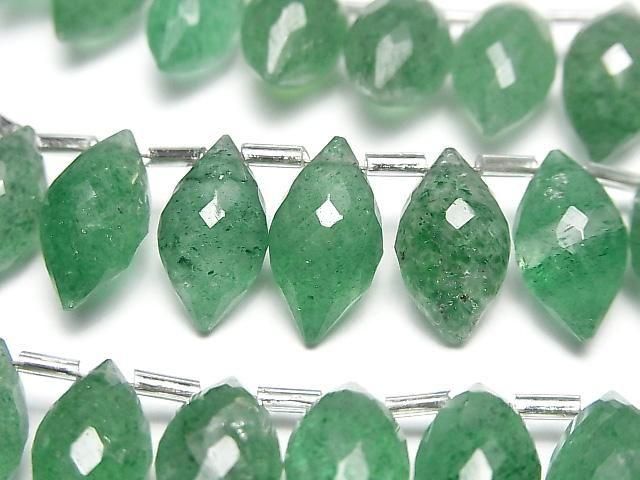
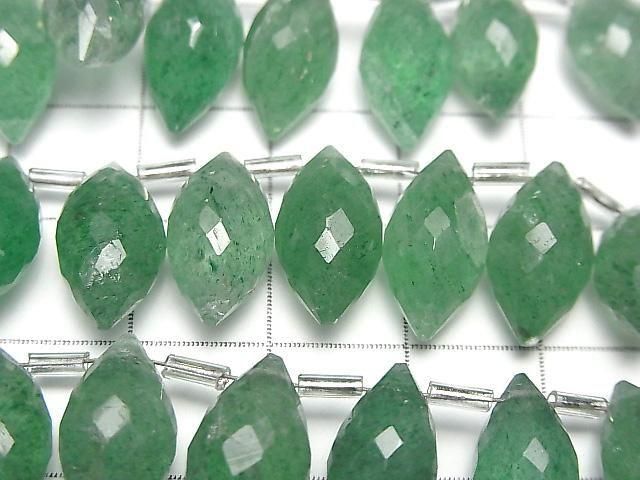
- 4-1. Green Aventurine: The Most Popular Variety
- 4-2. Blue Aventurine
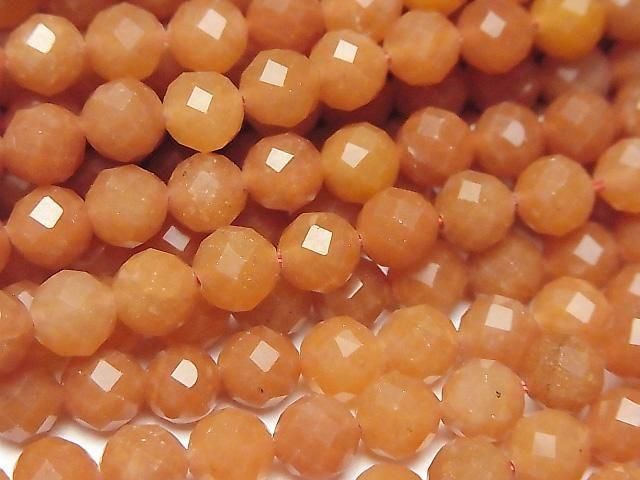
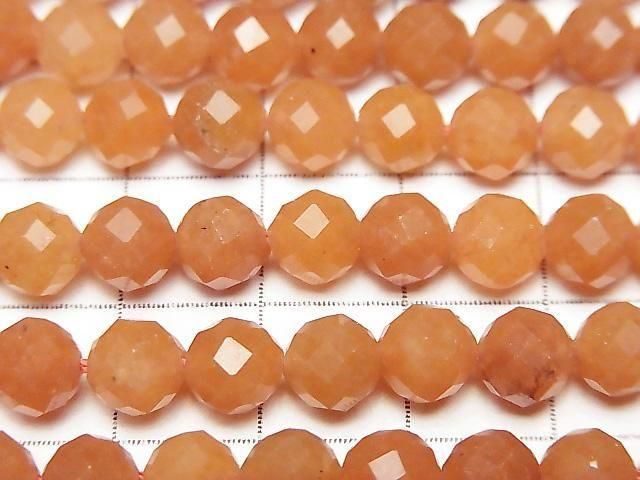
- 4-3. Red, Orange, Peach, and Other Colors
- 5. Physical and Gemological Properties
- 6. Aventurine Healing Properties and Metaphysical Properties
- 6-1. Emotional and Mental Benefits
- 6-2. Aventurine and the Heart Chakra
- 6-3. Zodiac Signs and Birthstone
- 7. How to Use Aventurine
- 7-1. Wearing Aventurine Jewelry
- 7-2. At Home, at Work, and in Meditation
- 7-3. Design Tips for Jewelry Makers
- 8. How to Cleanse and Care for Aventurine
- 9. How to Tell Real Aventurine from Fake
- 10. Aventurine Value: How Much Does It Cost?
- 11. Frequently Asked Questions About Aventurine
- 11-1. What is aventurine stone good for?
- 11-2. Is aventurine the same as jade?
- 11-3. Can aventurine go in water?
- 11-4. What chakra and zodiac signs is aventurine associated with?
- 11-5. How can I tell if my aventurine is real?
- 12. Shop Aventurine Beads and Loose Stones at Kenkengems

What Is Aventurine?
Aventurine is a variety of quartz best known for two things: its natural glittering sheen, called aventurescence, and its reputation as the "Stone of Opportunity." In crystal traditions, aventurine is associated with luck, prosperity, confidence, and emotional calm, and its signature color is a soft, shimmering green. In this guide, you'll learn what aventurine is, what each color means, its healing and metaphysical properties, how to use and cleanse it, and how to tell genuine aventurine from imitations before you buy.
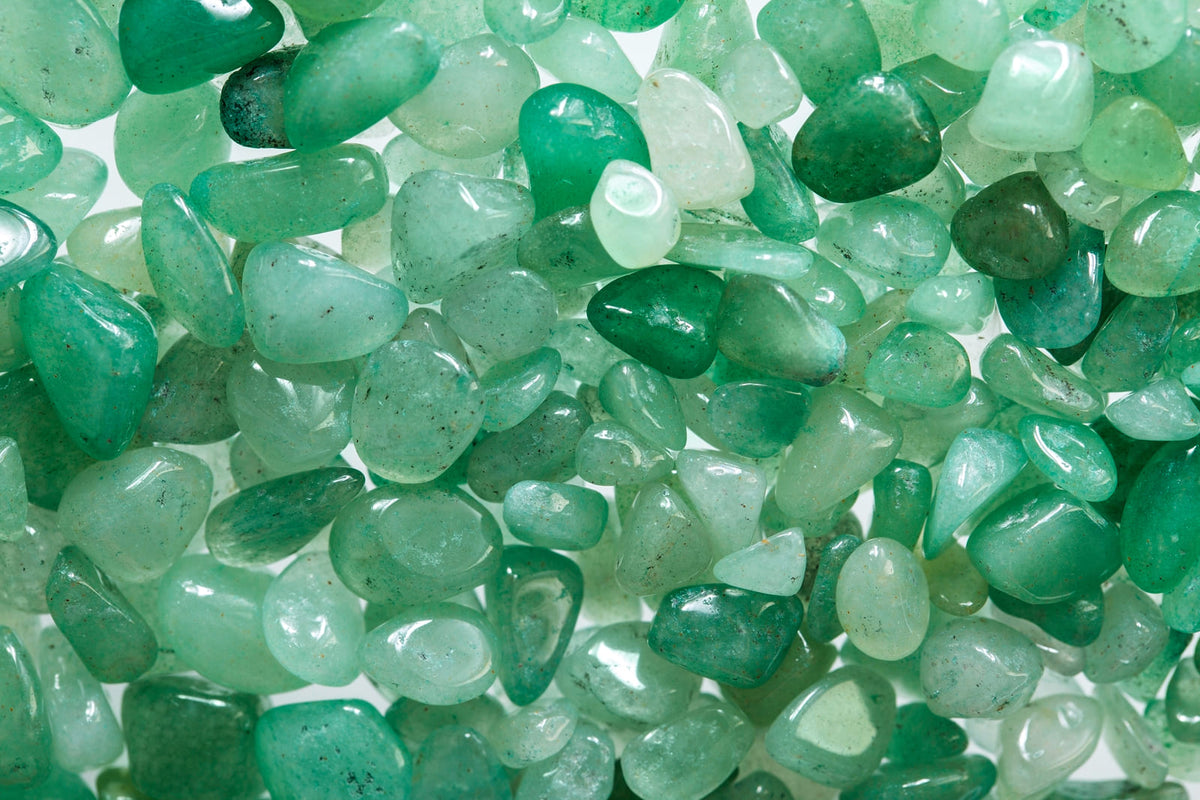
Aventurine is a translucent quartz — technically, most aventurine is quartzite, a rock made of compacted quartz grains — that contains tiny plate-like mineral inclusions. When light hits these inclusions, the stone sparkles from within, an optical effect known as aventurescence. Green is by far the most common color, produced by chrome-bearing fuchsite mica, but aventurine also occurs in blue, red, orange, peach, yellow, purple, and white. With a hardness of 6.5–7 on the Mohs scale, aventurine is durable enough for everyday jewelry, beads, and carvings. Major sources include India, Brazil, Russia, and Tanzania.
Aventurine at a Glance
| Property | Details |
|---|---|
| Mineral family | Quartz (most material is technically quartzite) |
| Colors | Green (most common), blue, red, orange, peach, yellow, purple, white |
| Mohs hardness | 6.5–7 |
| Luster | Waxy to vitreous, with aventurescence |
| Chakra | Heart chakra |
| Zodiac signs | Most often linked to Taurus and Virgo |
| Birthstone | Sometimes used as an alternative August birthstone |
| Main sources | India, Brazil, Russia, Tanzania |
| Common treatment | Some beads are dyed — buy from suppliers who disclose treatments |
Aventurine vs. Goldstone: Don't Confuse the Two
Goldstone is often sold next to aventurine, but it is man-made glass containing copper flecks — in fact, the sparkling Italian glass came first and later lent its name to the natural stone. A quick rule of thumb: if a reddish-brown or deep blue "stone" shows perfectly uniform metallic glitter, it is almost certainly goldstone, not natural aventurine. Natural aventurine's shimmer is softer, subtler, and unevenly distributed.
Aventurine Meaning: The Stone of Opportunity
In modern crystal traditions, aventurine's meaning centers on luck, opportunity, and prosperity — which is why it is nicknamed the "Stone of Opportunity" and the "Gambler's Stone." The name itself comes from the Italian a ventura, meaning "by chance." People carry or wear aventurine as a good-luck companion for new ventures: a job interview, a first date, a business launch, or a fresh start of any kind. Beyond luck, aventurine is associated with optimism, self-confidence, and emotional balance. Many wearers reach for it during periods of change, when they want to release old habits and stay open to new possibilities.
The History and Legends of Aventurine
Aventurine has been treasured since antiquity. In ancient China it was revered alongside jade — an imperial seal was even carved from it — while in India, snake charmers carried aventurine amulets, believing the stone's energy was kindred to that of serpents. Ancient Tibetans set aventurine into the eyes of statues to symbolize enhanced vision, and until the 19th century the gem was called the "Stone of the Amazons," as Brazilian deposits were thought to have adorned legendary warrior queens. The most famous legend, however, belongs to Venice: an Italian glassmaker accidentally spilled copper filings into molten glass, creating a dazzling sparkling material he named for the happy accident — per avventura, "by chance." The name later transferred to the natural stone that resembled it.
Aventurine Colors and Their Meanings
Each color of aventurine gets its hue from a different mineral inclusion, and each carries its own traditional meaning:
| Color | Coloring inclusion | Traditional meaning |
|---|---|---|
| Green | Fuchsite (chrome mica) | Luck, prosperity, heart healing, growth |
| Blue | Dumortierite | Calm communication, clarity, focus |
| Red / Orange / Peach | Hematite or goethite | Vitality, creativity, motivation |
| Yellow | Muscovite mica | Confidence, optimism, personal power |
| Purple / Pink | Lepidolite | Emotional soothing, self-love |
| White / Gray | Dense fine-grained quartz, few impurities | Clarity, new beginnings |

Green Aventurine: The Most Popular Variety
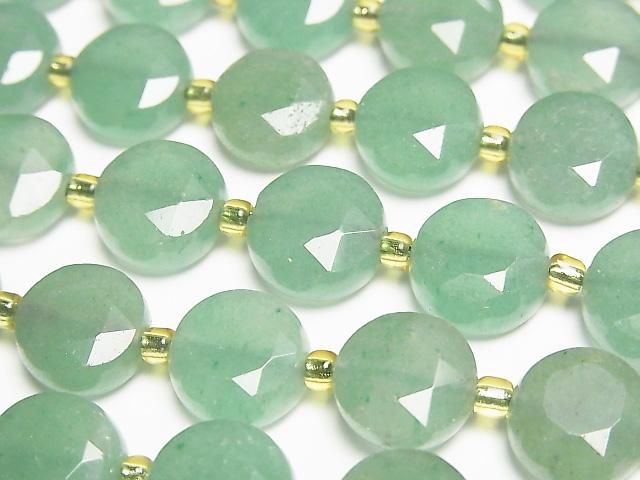
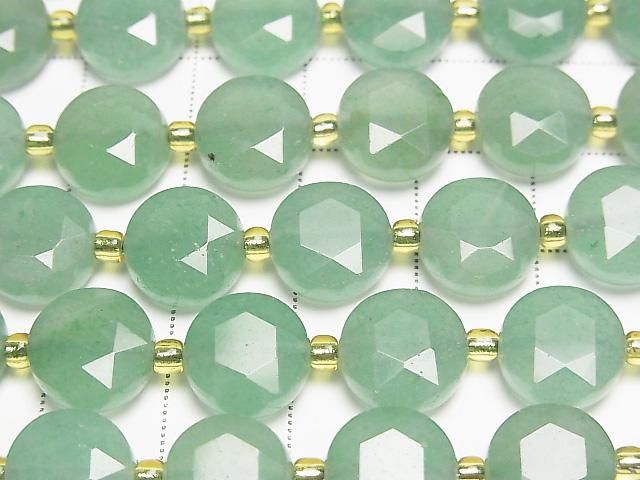
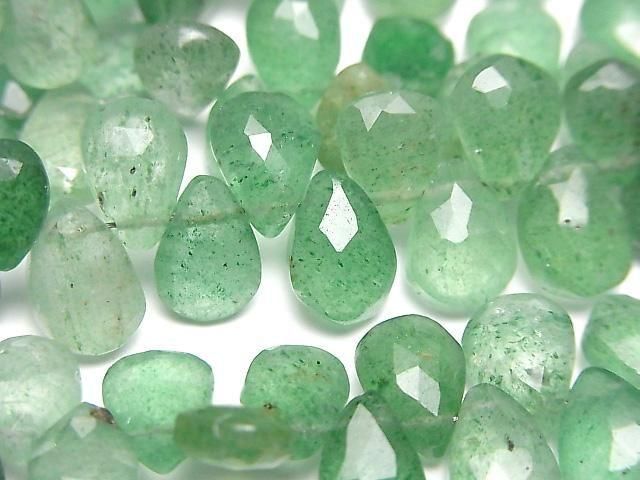
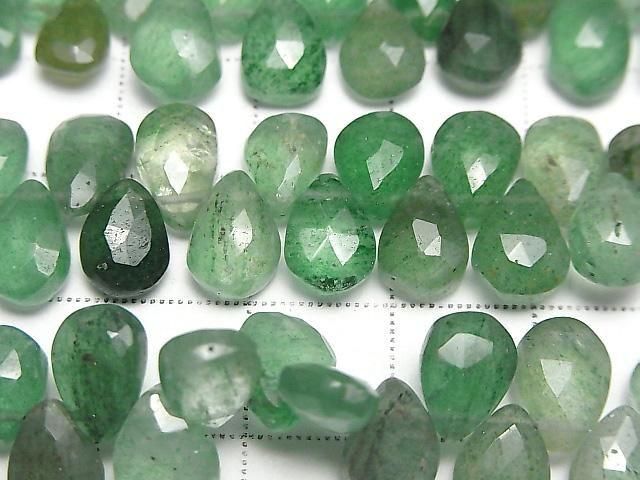
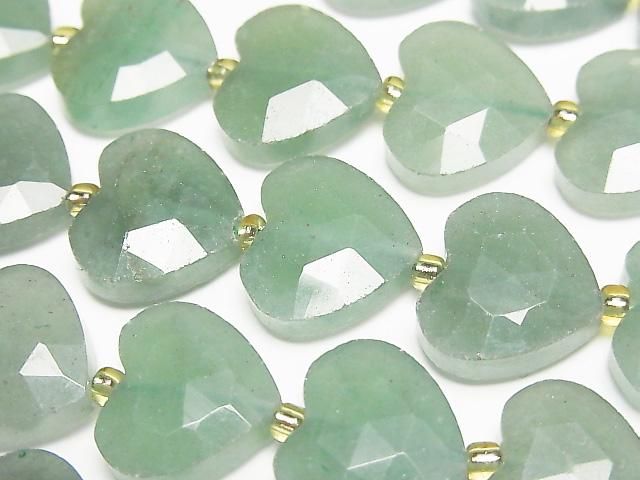
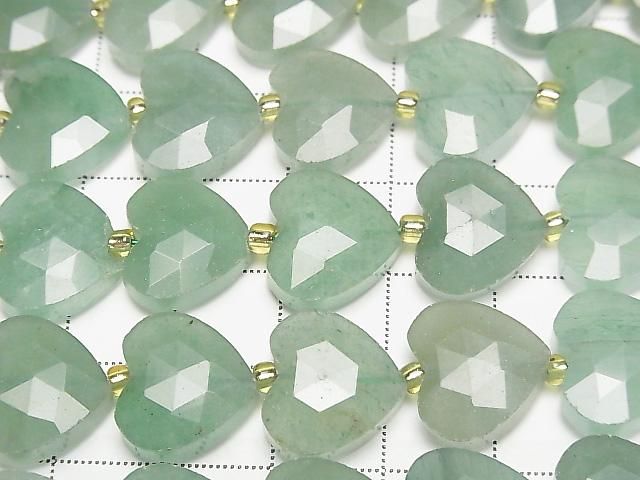
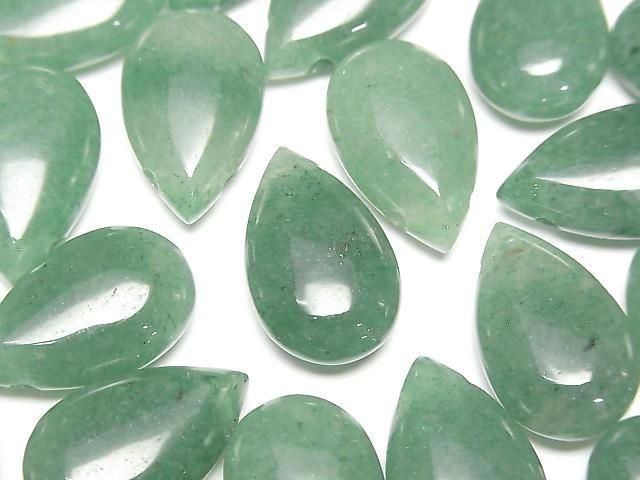
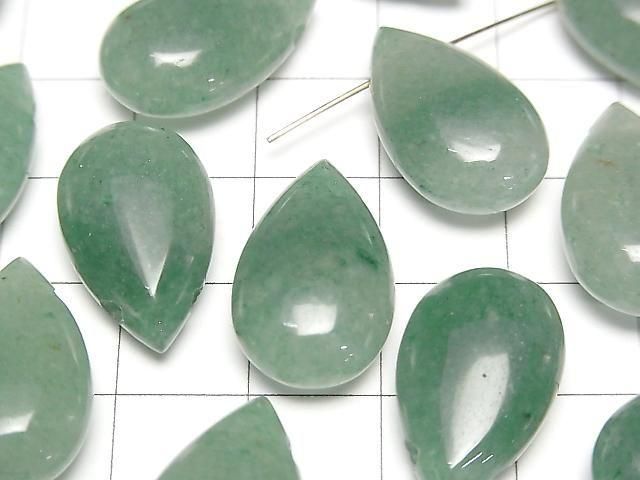
Green aventurine is the classic form of the stone and the one most people picture. Its color comes from fuchsite, a chrome-rich mica, and ranges from pale mint to deep forest green. In crystal traditions it is considered the luckiest of all green stones — a heart-chakra gem for prosperity, emotional healing, and embracing change. Fine green material from India, particularly the region around Chennai, is sometimes traded as "Indian jade," although it is unrelated to true jadeite or nephrite jade.
Blue Aventurine
Blue aventurine owes its velvety, night-sky color to inclusions of dumortierite, dusted with tiny golden sparkles. It is traditionally associated with clear communication and mental focus, making it a popular choice for calming bracelets and everyday pendants.
Red, Orange, Peach, and Other Colors
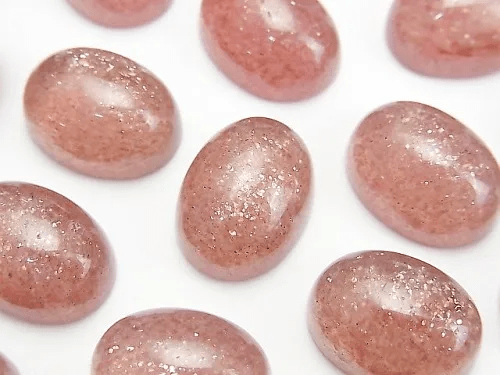
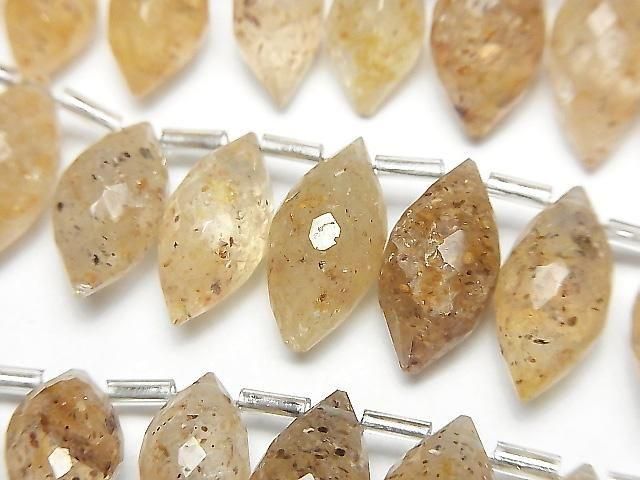
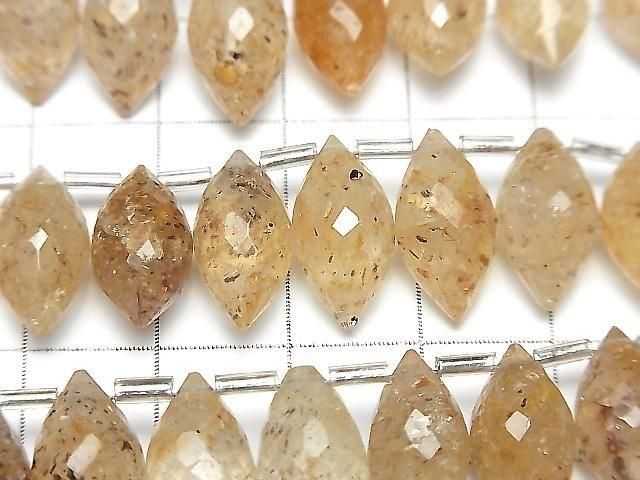
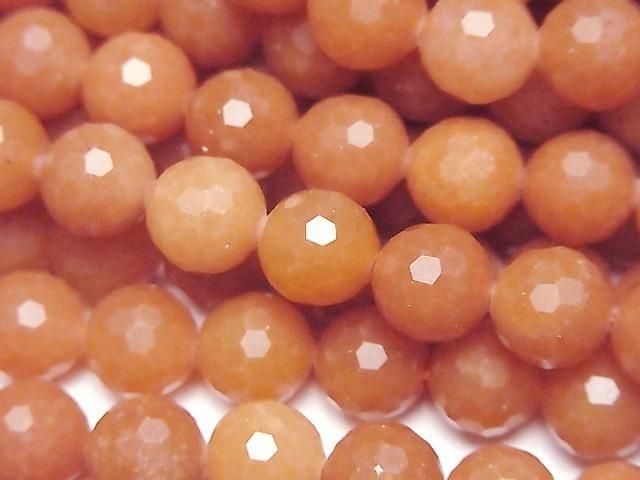
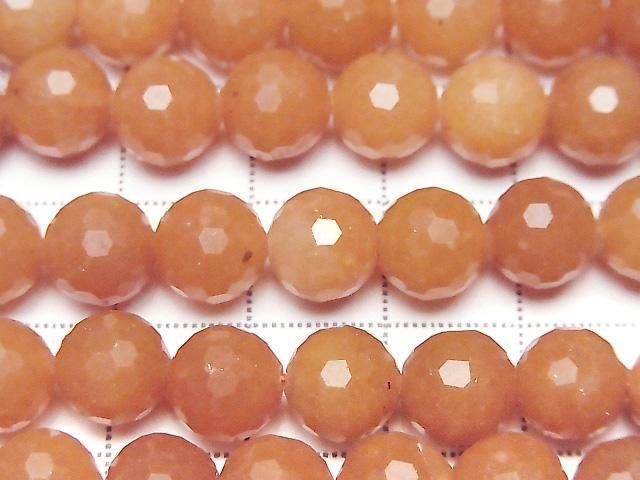
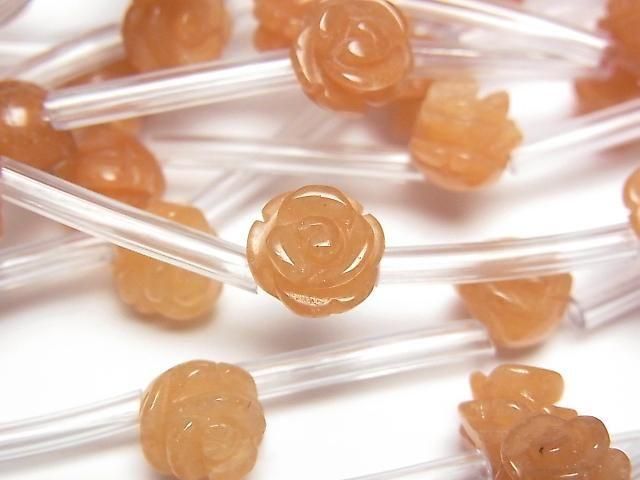
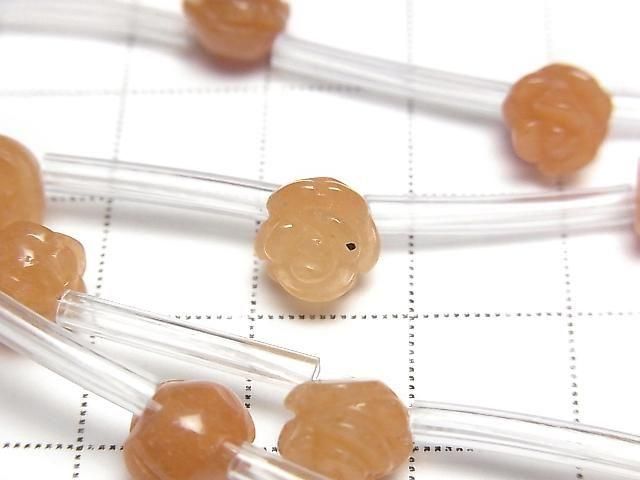
Red, orange, and peach aventurine get their warm tones from hematite or goethite and are linked to vitality, creativity, and motivation. Yellow aventurine, colored by muscovite mica, is associated with confidence and optimism, while purple and pink stones containing lepidolite are favored for emotional soothing. White, gray, and black aventurine are quieter in both shimmer and color, prized for their dense, fine-grained texture and versatility in neutral jewelry designs.
Physical and Gemological Properties
| Property | Details |
|---|---|
| Composition | Silicon dioxide (quartz/quartzite) with platy mineral inclusions |
| Crystal system | Hexagonal (trigonal) |
| Mohs hardness | 6.5–7 |
| Luster | Waxy to vitreous after polishing |
| Transparency | Translucent to opaque |
| Signature effect | Aventurescence — internal glitter from light reflecting off mica, hematite, or goethite platelets |
| Main deposits | India, Brazil, Russia, Tanzania, and China |
At 6.5–7 on the Mohs scale, aventurine is comparable to quartz in durability — hard enough to resist everyday scratching, which is one reason it has been used for beads, carvings, and even tools since antiquity.
Aventurine Healing Properties and Metaphysical Properties
In crystal healing traditions, aventurine is regarded as one of the most positive, all-purpose stones. It is traditionally associated with soothing frustration, easing feelings of irritation, and encouraging a calm, optimistic outlook. In crystal lore it is also believed to support a sense of opportunity and emotional balance during times of change. These are traditional beliefs, not medical claims — crystals are not a substitute for professional medical care, and no scientific evidence supports healing claims. Most people today enjoy aventurine as a mindful reminder of the intentions they set: openness, perseverance, and readiness for opportunity.

Emotional and Mental Benefits
Emotionally, aventurine is considered a comforter and harmonizer. It is said to help release old patterns, disappointments, and self-imposed limitations so that new growth can take place. Mentally, the stone is associated with decisiveness, creativity, and leadership — qualities that make it a favorite desk companion for entrepreneurs, students, and anyone navigating a big decision.
Aventurine and the Heart Chakra
Aventurine — especially the green variety — is one of the primary stones of the heart chakra, the energy center associated with love, compassion, and emotional balance. Practitioners use it in heart-chakra layouts, wear it as a pendant near the chest, or hold it during meditation to encourage forgiveness, trust, and openness to connection. Blue aventurine is instead linked to the throat and third-eye chakras, supporting clear communication.
Zodiac Signs and Birthstone
Aventurine is not a traditional modern birthstone, but it is widely used as an alternative stone for August and is most often associated with the zodiac signs Taurus and Virgo. Grounded, security-minded Taurus is said to benefit from aventurine's prosperity energy, while detail-oriented Virgo is drawn to its calming, decluttering influence on the mind.
How to Use Aventurine
The simplest ways to work with aventurine are also the most popular: wear it, carry it, or place it where you will see it. Because the stone is durable and affordable, it fits naturally into daily life — no elaborate rituals required.
Wearing Aventurine Jewelry
Bracelets, pendants, and earrings keep aventurine's energy close throughout the day. Tradition holds that wearing a bracelet on the left wrist invites incoming luck and opportunity, while a pendant rests naturally near the heart chakra. Aventurine's Mohs hardness of 6.5–7 means it stands up well to daily wear — a practical advantage over softer stones like fluorite or calcite.
At Home, at Work, and in Meditation
Keep a tumbled aventurine on your desk during high-stakes projects, tuck one into a wallet or pocket before an interview, or place a piece near your front door as a traditional welcome for good fortune. In meditation, hold the stone over your heart and focus on a single opportunity you want to invite in — a simple practice many people find grounding regardless of their beliefs.
Design Tips for Jewelry Makers
For beaders and jewelry designers, aventurine is one of the most forgiving gemstones to work with. Its toughness suits stretch bracelets and everyday pieces, and its matte-to-waxy luster pairs beautifully with 14K gold-filled or sterling silver findings. Green aventurine rounds in 6 mm and 8 mm are perennial best-sellers for mala-style and stacking bracelets, while faceted rondelles add sparkle to earrings. When sourcing, check whether the material is dyed — reputable suppliers state typical treatments on the product page. Browse our aventurine beads to compare cuts and colors.

How to Cleanse and Care for Aventurine
Physical care is easy: wash aventurine in warm, soapy water and dry it with a soft cloth. Avoid harsh household chemicals, and keep dyed beads out of prolonged direct sunlight, which can fade their color. For energetic cleansing, popular methods include leaving the stone under moonlight overnight, resting it on a selenite plate, or passing it through the smoke of a cleansing herb. Because aventurine is a hard, non-porous quartz, brief contact with water is safe — unlike softer or water-sensitive stones such as selenite or malachite.
How to Tell Real Aventurine from Fake
Three quick checks will catch most imitations. First, look at the glitter: natural aventurescence is subtle, uneven, and scattered, while goldstone (man-made glass) shows dense, perfectly uniform copper sparkles. Second, check the color: dyed quartzite often shows color concentrated in surface cracks, and unnaturally vivid emerald green is a warning sign. Third, feel and temperature: genuine quartz feels cool and heavy for its size, while glass warms quickly in the hand. When in doubt, buy from a supplier that discloses treatments and origins — transparency is your best assurance.
Aventurine Value: How Much Does It Cost?
Aventurine is abundant, which keeps it refreshingly affordable. In the U.S. and Canada, tumbled stones typically sell for a few dollars each, and full bead strands generally range from about $5 to $30 USD depending on color, cut, size, and quality — with fine, evenly colored, strongly shimmering green material commanding the higher end. Large carvings, spheres, and top-grade translucent stones can cost more. Because prices are modest, aventurine is an excellent entry point for new collectors and a cost-effective staple for jewelry makers buying wholesale.
Frequently Asked Questions About Aventurine
What is aventurine stone good for?
Aventurine is traditionally used to attract luck, prosperity, and new opportunities, and in crystal lore to encourage a calm, optimistic outlook. These are traditional beliefs, not medical claims. Practically speaking, its durability also makes it one of the most affordable and hard-wearing gemstones for everyday jewelry.
Is aventurine the same as jade?
No. Green aventurine is sometimes nicknamed "Indian jade" because of its color, but it is a quartz-family stone, while true jade is jadeite or nephrite — different minerals with different properties and value. Aventurine is far more affordable and shows a glittery shimmer that jade lacks.
Can aventurine go in water?
Yes — brief contact with water is safe because aventurine is a hard, non-porous quartz. That said, avoid long soaks for dyed beads, and always dry the stone afterward to protect any metal findings in finished jewelry.
What chakra and zodiac signs is aventurine associated with?
Green aventurine is a heart-chakra stone, associated most strongly with Taurus and Virgo. Blue aventurine relates to the throat and third-eye chakras.
How can I tell if my aventurine is real?
Check for subtle, unevenly scattered shimmer (natural) versus dense uniform glitter (goldstone glass), look for dye concentrated in cracks, and note that real quartz feels cool and relatively heavy. See the identification section above for a full checklist.
Shop Aventurine Beads and Loose Stones at Kenkengems
Ready to bring some aventurine into your work or your everyday carry? Kenkengems supplies natural aventurine beads, strands and half-strands, cabochons, and one-of-a-kind pieces at wholesale prices, with treatments clearly disclosed and quality graded under our in-house rating system. We ship worldwide — including the U.S. and Canada — with free shipping on orders over $300 USD. Whether you're designing a single bracelet or stocking a studio, you'll find the color, shape, and size you need in our aventurine collection.




![Grüner Aventurin Katzenmotiv 10x12mm [Horizontales Loch] 3Stk](http://store.kenkengems.com/cdn/shop/files/188207726.jpg?v=1759221257&width=640)
![Grüner Aventurin Katzenmotiv 10x12mm [Horizontales Loch] 3Stk](http://store.kenkengems.com/cdn/shop/files/188207726_o1.jpg?v=1759221269&width=640)