
TOC
- 1. What Is Kunzite?
- 2. History and Meaning of Kunzite
- 3. Kunzite Properties: Physical and Chemical
- 4. Kunzite Color and Pleochroism
- 5. Kunzite Treatments: Irradiation and Heat
- 6. Kunzite vs. Morganite and Other Pink Gems
- 7. Kunzite Deposits and Value
- 8. Kunzite Meaning in Crystal Lore
- 9. Kunzite Metaphysical Properties
- 10. Kunzite and the Heart Chakra
- 11. Kunzite Crystal Benefits in Folklore
- 12. How to Care for Kunzite (and Prevent Fading)
- 13. Frequently Asked Questions About Kunzite
- 13-1. What is kunzite?
- 13-2. Is kunzite treated or irradiated?
- 13-3. Does kunzite fade in sunlight?
- 13-4. What does kunzite mean spiritually?
- 13-5. Which chakra is kunzite?
- 13-6. How much is kunzite worth?
- 13-7. Kunzite vs. morganite - which is more durable?
- 13-8. Can kunzite get wet?
- 14. Shop Kunzite at KenKenGems

What Is Kunzite?
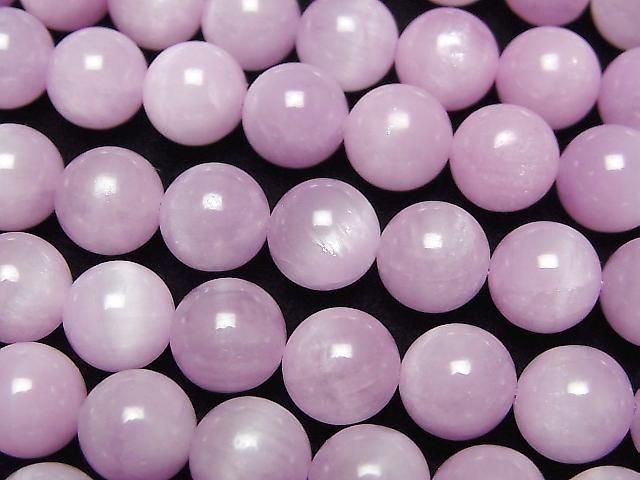
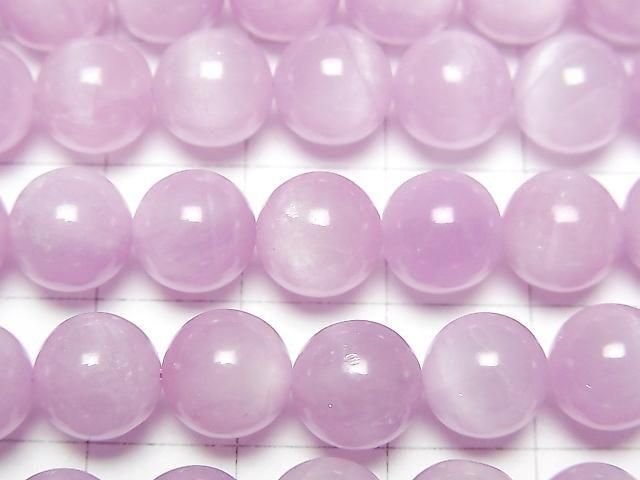
Kunzite is the pink-to-lilac variety of the mineral spodumene, a lithium-aluminum silicate (LiAl(Si2O6)) colored by traces of manganese. Prized for its soft pastel hues and bright, glassy transparency, it is often described as a gentle heart stone. Though far less famous than diamond or sapphire, kunzite has been quietly loved by collectors and jewelry designers since it was first described in 1902 - a modern gemstone that keeps gaining ground as an elegant, affordable choice.
Two facts define how kunzite looks and how you should care for it: its color is often produced or deepened by treatment (see the Treatments section below), and the stone is photosensitive - its color can slowly fade with prolonged light or heat. That is why kunzite is sometimes nicknamed the "evening stone." We cover both points in full so you can buy and wear kunzite with confidence.
History and Meaning of Kunzite
Kunzite is a modern discovery, so it carries no ancient legends - for a long time it was simply mistaken for amethyst or rose quartz. It came to light around 1902, when stones found in the Pala district of California were sent to the renowned gemologist George Frederick Kunz, who recognized a new gem variety. It was named in his honor, and as a Tiffany & Co. gemologist he helped introduce it to society on both sides of the Atlantic.
Its most talked-about moment came in 1996, when a 1960s Van Cleef & Arpels ring set with a 47-carat kunzite - reportedly intended by President Kennedy as a gift for Jacqueline - sold at Sotheby's for $410,000. The Smithsonian also displays an 880-carat faceted kunzite, one of the largest known.
In terms of meaning, kunzite is traditionally associated with love, gentleness, and emotional openness. These are cultural associations rather than scientific facts.
Kunzite Properties: Physical and Chemical
Kunzite is the gem variety of spodumene, a lithium-aluminum silicate. Its pink-to-purple color comes from manganese. It is transparent to translucent, reasonably hard at 6.5-7.0 on the Mohs scale, and strongly pleochroic (dichroic), showing different hues from different viewing directions, often with visible internal striations.
Two cautions matter for jewelry: kunzite has perfect cleavage in two directions and is brittle, which makes it tricky to cut and vulnerable to sharp knocks; and its color can fade with heat or prolonged sunlight. Its color cousins in the spodumene family are green hiddenite and yellowish triphane.
| Property | Value |
|---|---|
| Mineral / species | Spodumene (gem variety: kunzite) |
| Chemical formula | LiAl(Si2O6) |
| Color cause | Manganese |
| Hardness (Mohs) | 6.5 - 7.0 |
| Cleavage | Perfect in two directions; brittle |
| Crystal system | Monoclinic |
| Optical | Transparent to translucent; strong pleochroism |
| Colors | Pink, lilac, violet-pink, occasionally near-colorless |
| Care note | Photosensitive - color can fade in strong sunlight or heat |

Kunzite Color and Pleochroism
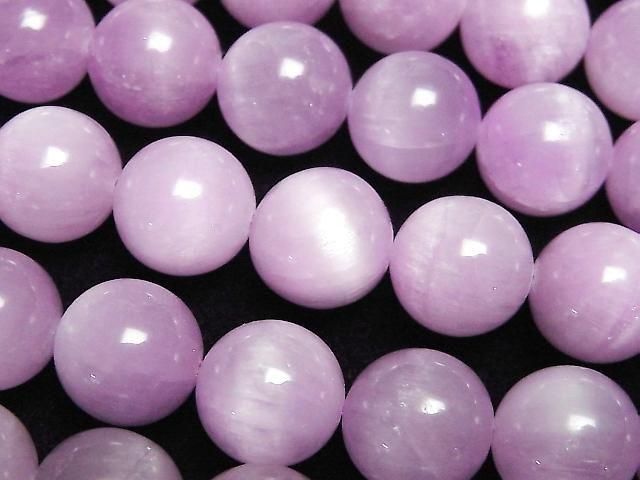
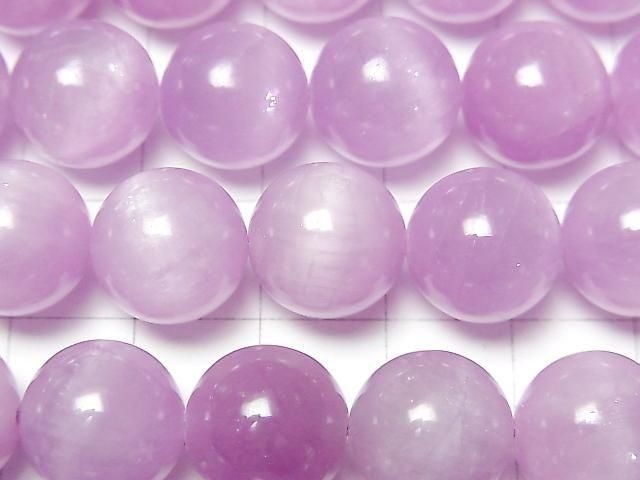
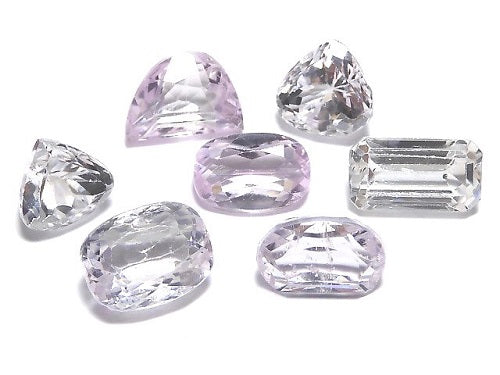
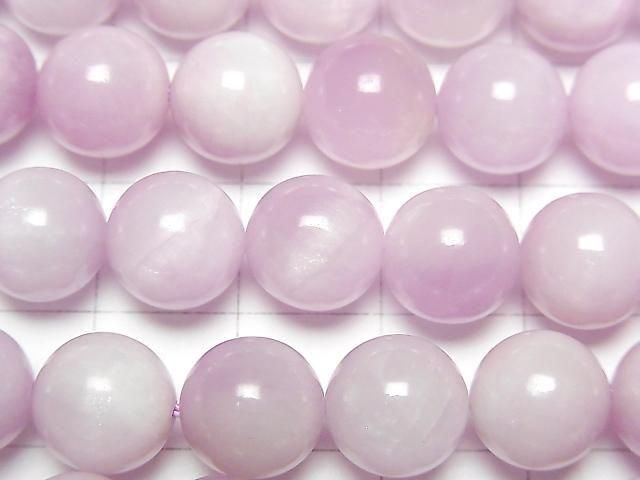
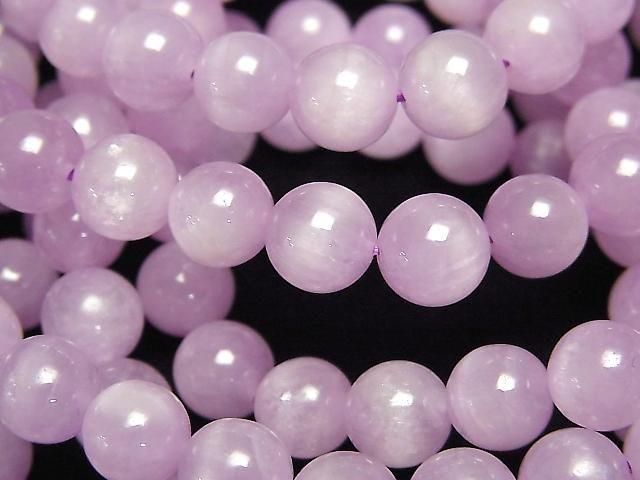
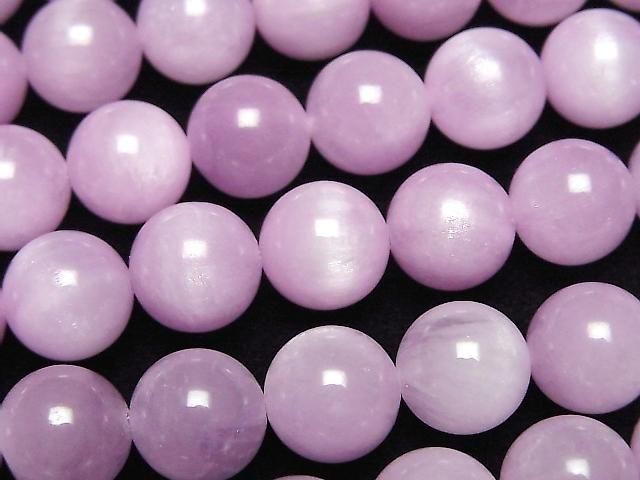
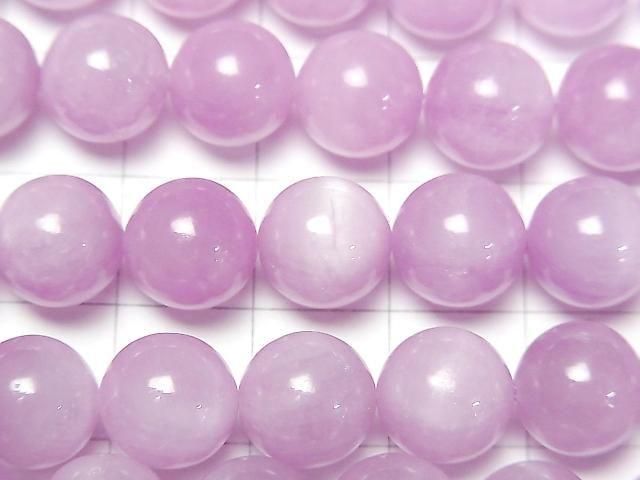
Kunzite's signature look is a delicate pastel that runs from soft pink through lilac and violet-pink. Deeper, more saturated pinks and lilacs are the most sought-after; very pale or near-colorless material is more common and less valuable. Searches for pink kunzite and purple kunzite simply describe where a given stone sits along this range.
Kunzite is strongly pleochroic, meaning it shows different colors depending on the crystal direction you look through - typically the most intense color runs along the length of the crystal. Skilled cutters orient the stone to capture the best face-up color, which is one reason well-cut kunzite can look noticeably richer than rough.
Because the color is light-sensitive, kunzite is nicknamed the "evening stone" - it looks its best in evening or indoor light and should not be left in bright, direct sun. See the Treatments and Care sections for how to protect the color.
Kunzite Treatments: Irradiation and Heat
This is important information every kunzite buyer should have. Kunzite's color is frequently produced or intensified by treatment. Some kunzite reaches the market irradiated, heated, or both:
- Irradiation can create or deepen pink and violet color. Near-colorless spodumene is often turned pink by irradiation, sometimes followed by gentle heating.
- Heat treatment at low temperatures (roughly 100-250 C) can shift violet-pink toward a lighter pink.
- Color that has faded from sun exposure can sometimes be restored by re-irradiation.
Treatment is common and accepted in the trade, but it should be disclosed. Importantly, irradiation-induced and heat-produced color in kunzite is not always permanent - treated stones can be especially prone to fading with light and heat. When you shop, ask the seller whether a stone is natural-color or treated, and treat any kunzite as photosensitive to be safe. At KenKenGems we describe our kunzite as accurately as we can and are happy to share what we know about a given lot.
Kunzite vs. Morganite and Other Pink Gems
Kunzite is often shopped alongside other pink and lilac stones. Here is how it compares with the most common alternatives, so you can pick the right one for your project:
| Gemstone | Species / formula | Mohs | Key differences |
|---|---|---|---|
| Kunzite | Spodumene, LiAl(Si2O6) | 6.5 - 7.0 | Lilac-pink; strong pleochroism; perfect cleavage; photosensitive (can fade) |
| Morganite | Beryl, Be3Al2Si6O18 | 7.5 - 8.0 | Peach-pink; harder and more durable; no easy cleavage; color generally stable |
| Pink tourmaline | Complex borosilicate | 7.0 - 7.5 | Wide pink-to-red range; very durable; strong pleochroism |
| Rose quartz | Quartz, SiO2 | 7.0 | Usually translucent/cloudy pink; very durable; inexpensive |
In short: choose morganite or pink tourmaline for everyday rings that take knocks, and choose kunzite for its uniquely soft lilac-pink color and larger, affordable sizes - ideal for pendants, earrings, and occasional-wear pieces.
Kunzite Deposits and Value
Fine kunzite comes from Brazil (Minas Gerais), the USA (California, especially the Pala district), Madagascar, Afghanistan, Pakistan, and a few other countries. It forms in lithium-rich granite pegmatites, where crystals can grow to remarkable sizes - which is why large, clean kunzite is more available than for many other gems.
Kunzite is relatively affordable for its size and beauty; fine cut stones commonly sell in the range of about $10-$20+ per carat (USD), with fine rough often lower per carat. Value is driven mainly by color saturation (deeper pink and lilac are most desirable), clarity, and cut. Prices vary by seller, size, and quality, and because kunzite can fade, it is best chosen for its color and beauty rather than as an investment. Any AAA or similar grade is a seller's own descriptive scale, not an industry standard, so ask what it means.

Kunzite Meaning in Crystal Lore
In crystal-healing tradition, kunzite is described as a gentle, heart-opening stone traditionally associated with calm, comfort, and emotional openness. In crystal lore, it is believed to encourage self-love and a sense of gentle connection. These are traditional beliefs, not medical claims.
Important: kunzite and other crystals are not medicine. They cannot diagnose, treat, cure, or prevent any illness, they do not replace or enhance any medication, and they are not a substitute for professional medical or mental-health care. Any sense of calm that comes from a mindful routine is a personal experience rather than a property of the stone.
Within those traditions, people simply keep kunzite close as a soothing reminder - for meditation, for winding down, or as a symbol of self-love and openness.

Kunzite Metaphysical Properties
Among its traditional metaphysical associations, kunzite is described as a stone of love, emotional balance, and gentle confidence. In folklore it is linked with supporting meditation, encouraging self-esteem, easing transitions such as a move or a fresh start, and acting as a soft "shield" against negativity - a stone often chosen for sensitive people. These are cultural and spiritual beliefs, not established facts or medical claims.

Kunzite and the Heart Chakra
Kunzite's soft pink color connects it, in crystal tradition, to the heart chakra (Anahata) - described in that tradition as the center of love, compassion, and emotional openness. Practitioners may place kunzite over the heart during meditation, or wear it as a pendant, to focus on self-love and calm connection, and often pair it with other pink stones such as rose quartz. These are traditional beliefs, not medical claims.
Kunzite Crystal Benefits in Folklore
Within crystal lore, kunzite is traditionally associated with:
- A sense of emotional calm and comfort
- Self-love, compassion, and openness
- Support for meditation and gentle focus
- A feeling of gentle protection for sensitive people
These descriptions reflect spiritual traditions and personal experiences, not proven physical or psychological effects, and are not medical claims.
How to Care for Kunzite (and Prevent Fading)
Kunzite rewards a little extra care, especially because both natural and treated color can fade:
- Light and heat: kunzite is photosensitive - prolonged strong sunlight or heat can slowly fade its color (experts note many natural kunzites lose roughly 5-15% of color over years). Store it away from direct light, don't leave it in a sunny window, and avoid wearing it outdoors in bright sun.
- Handling: it has perfect cleavage and is brittle, so protect it from sharp knocks and never use ultrasonic or steam cleaners.
- Cleaning: use lukewarm water, mild soap, and a soft cloth or brush, then dry gently.
- Storage: keep it separate from harder stones to prevent scratches, ideally in a dark, padded box.
With gentle care, kunzite keeps its delicate color and glassy sparkle for years.
Frequently Asked Questions About Kunzite
What is kunzite?
Kunzite is the pink-to-lilac gem variety of the mineral spodumene, a lithium-aluminum silicate colored by manganese. It is transparent, strongly pleochroic, and prized as a gentle, affordable pink gemstone.
Is kunzite treated or irradiated?
Often, yes. Kunzite color is frequently produced or intensified by irradiation, heat, or both. Treatment is common and accepted but should be disclosed, and treated color can be prone to fading. Ask your seller whether a stone is natural-color or treated.
Does kunzite fade in sunlight?
Yes. Kunzite is photosensitive and its color can fade with prolonged sunlight or heat - which is why it is nicknamed the "evening stone." Keep it out of strong, direct light and don't leave it in a sunny window.
What does kunzite mean spiritually?
In crystal lore, kunzite is traditionally associated with love, emotional openness, and calm, and is often linked to self-love. These are traditional beliefs, not medical claims.
Which chakra is kunzite?
In crystal tradition, kunzite's soft pink color is associated with the heart chakra, described as the center of love and compassion. This is a traditional belief, not a medical claim.
How much is kunzite worth?
Kunzite is relatively affordable. Fine cut stones commonly range from about $10 to $20+ per carat (USD), depending on color saturation, clarity, and size. Prices vary by seller and quality.
Kunzite vs. morganite - which is more durable?
Morganite (Mohs 7.5-8, no easy cleavage) is the tougher choice for everyday rings. Kunzite (Mohs 6.5-7 with perfect cleavage) is better suited to pendants and earrings, where it shows off its soft lilac-pink color and larger sizes.
Can kunzite get wet?
Brief contact with water is fine, but avoid ultrasonic and steam cleaners and hard knocks because of its cleavage. Rinse with lukewarm water and mild soap, then dry promptly.
Shop Kunzite at KenKenGems
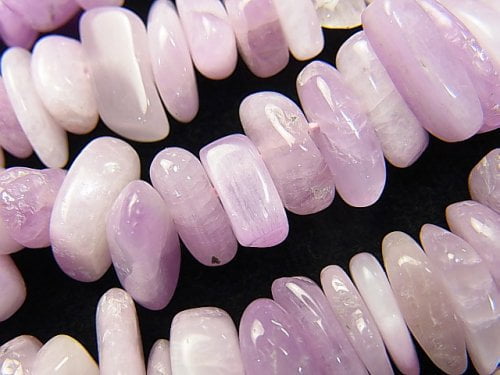
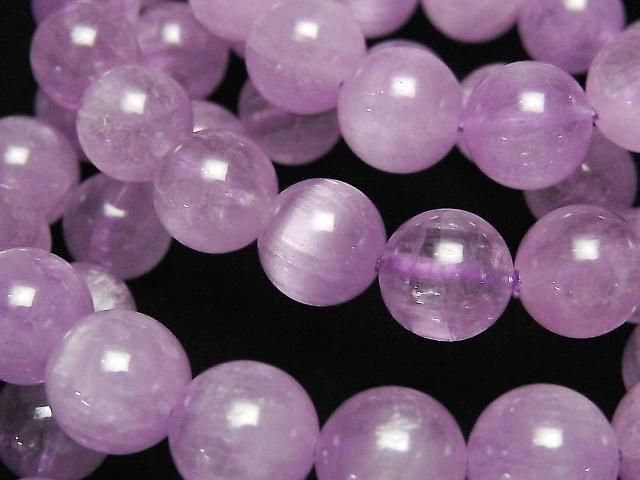
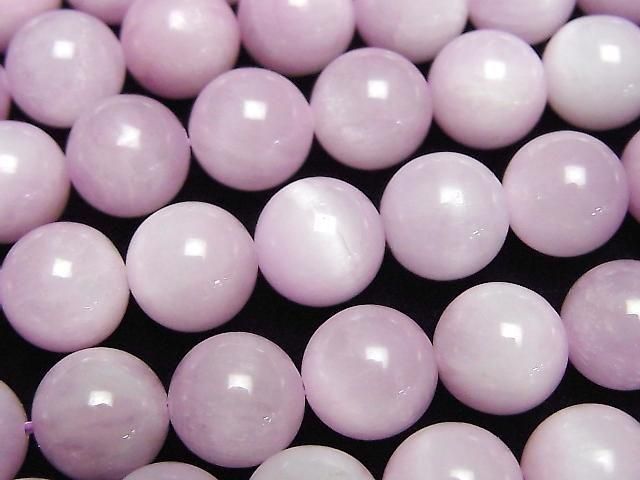
Gentle, elegant, and surprisingly affordable, kunzite is a beautiful choice for jewelry and a lovely addition to any collection. KenKenGems offers kunzite strands, loose stones, hand-picked sets, and large individual stones - opaque or transparent, polished or facet-cut, drilled or undrilled - selected for color and quality, priced in USD, and shipped across the US and Canada. Explore our kunzite collection to find your stone.

Source: https://www.gia.edu/kunzite

![[Einzigartig] Hochwertiges Kunzit AAA- Facettierter Nugget-Armband NO.2](http://store.kenkengems.com/cdn/shop/files/191213394.jpg?v=1776764439&width=640)
![[Einzigartig] Hochwertiges Kunzit AAA- Facettierter Nugget-Armband NO.2](http://store.kenkengems.com/cdn/shop/files/191213394_o1.jpg?v=1776764425&width=640)



![[Einzigartig] Triphan Lose Stein Facettiert 1 Stück NO.13](http://store.kenkengems.com/cdn/shop/files/191120687.jpg?v=1776766512&width=640)
![[Einzigartig] Triphan Lose Stein Facettiert 1 Stück NO.13](http://store.kenkengems.com/cdn/shop/files/191120687_o1.jpg?v=1776766493&width=640)
![[Einzigartig] Triphan Lose Stein Facettiert 1 Stück NO.23](http://store.kenkengems.com/cdn/shop/files/191120708.jpg?v=1776766394&width=640)
![[Einzigartig] Triphan Lose Stein Facettiert 1 Stück NO.23](http://store.kenkengems.com/cdn/shop/files/191120708_o1.jpg?v=1776766371&width=640)

![[Einzigartig] Hochwertiger Kunzit AAA- Facettierter Nugget Armband NO.1](http://store.kenkengems.com/cdn/shop/files/191213382.jpg?v=1776764471&width=640)
![[Einzigartig] Hochwertiger Kunzit AAA- Facettierter Nugget Armband NO.1](http://store.kenkengems.com/cdn/shop/files/191213382_o1.jpg?v=1776764454&width=640)