
TOC
- 1. What Is Tektite Stone?
- 2. How Do Tektites Form?
- 3. Where Are Tektites Found?
- 4. Tektite Meaning and History
- 5. Tektite Properties: Color, Luster, Composition and Hardness
- 6. Common Tektite Shapes
- 7. Types of Tektites and Related Impact Glass
- 8. Tektite Benefits in Crystal Lore
- 9. Black Tektite Benefits, Meaning and Uses
- 10. Tektite vs Meteorite, Obsidian and Volcanic Glass
- 11. How to Choose Tektite Beads for Jewelry Making
- 12. How to Care for Tektite Jewelry
- 13. Tektite for Sale at KenKenGems
- 14. FAQ About Tektite
- 14-1. What is tektite stone?
- 14-2. Is tektite a meteorite?
- 14-3. What are tektite benefits?
- 14-4. What are black tektite benefits?
- 14-5. Where are tektites found?
- 14-6. Is moldavite a tektite?
- 14-7. Is Libyan Desert Glass a tektite?
- 14-8. How can I tell tektite from obsidian or pseudo-tektite?
- 14-9. Can tektite be used in everyday jewelry?
- 14-10. How should I clean tektite beads?

What Is Tektite Stone?
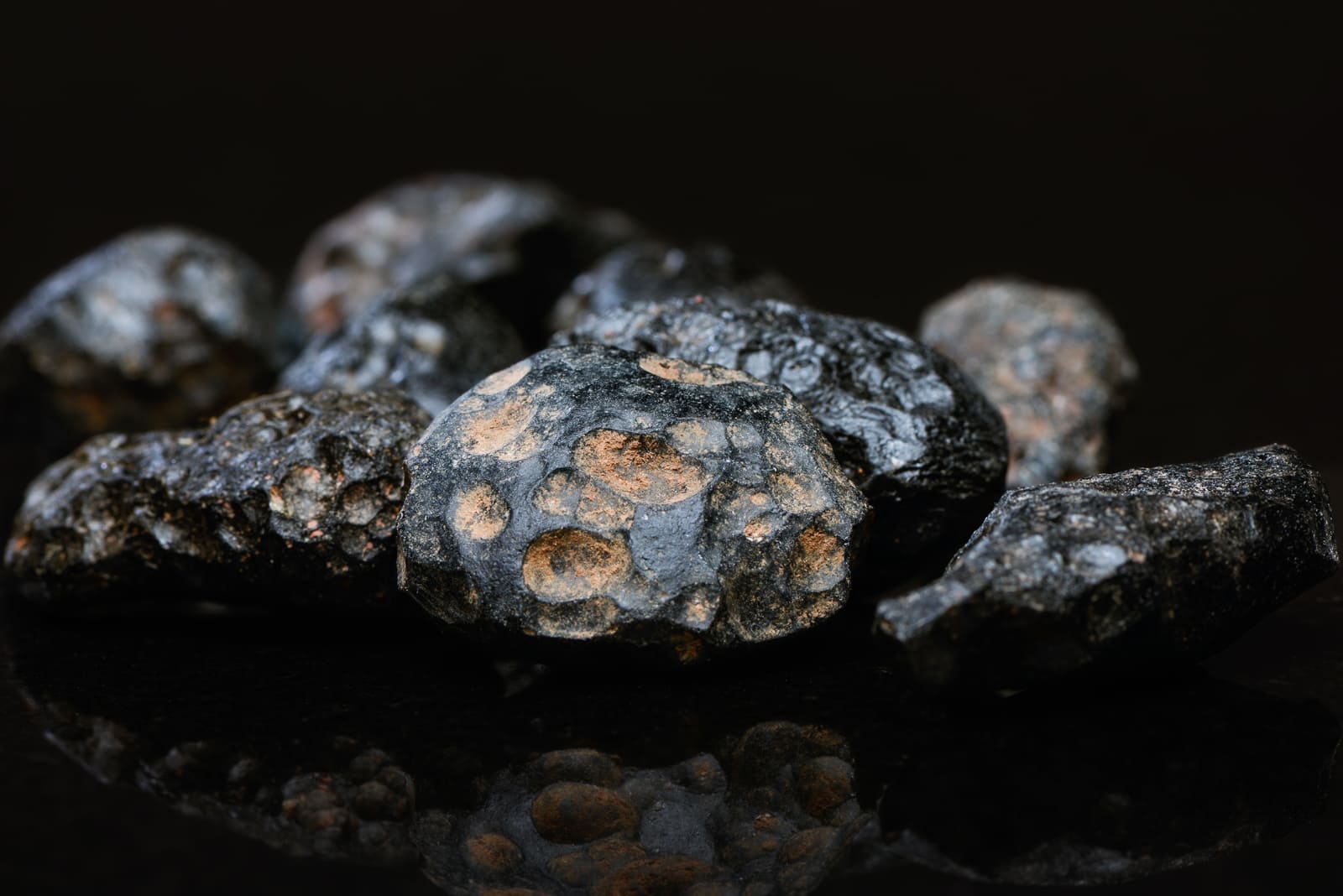
Tektite stone is a naturally occurring silica-rich glass associated with meteorite impact events. Most tektites formed when a large impact generated enough heat and pressure to melt terrestrial rock or soil and send molten material into the air. As this material cooled and fell back to Earth, it became small glassy pieces with pitted surfaces, rounded shapes, and colors ranging from glossy black to brown, yellow-green, or green.
Because tektite begins as melted Earth material rather than a fragment of the meteorite itself, it is usually described as impact glass, not a meteorite. For jewelry makers, tektite is valued for its dramatic origin story, lightweight feel, natural texture, and organic look. Black tektite beads are especially popular for bracelets, necklaces, earrings, and unisex designs.
This guide explains tektite meaning, tektite properties, symbolic tektite benefits, black tektite benefits, common types, and how to choose tektite beads for jewelry making.

How Do Tektites Form?
The most widely accepted explanation is that tektites form during large meteorite or comet impact events. The impact creates extreme heat and pressure, melting silica-rich soil and rock near the surface. Some of that molten material is thrown away from the crater, shaped by flight through the atmosphere, and rapidly cooled into glass.
This process helps explain why tektites often have low water content, glassy luster, pitted or etched surfaces, and splash-like shapes such as teardrops, dumbbells, buttons, disks, and irregular fragments. Some tektites show flow lines or internal features that reflect fast heating, movement, and cooling.
In simple terms: a meteorite impact supplies the energy, Earth material supplies most of the glass, and the atmosphere helps shape the finished tektite stone.
Where Are Tektites Found?
Tektites are found in limited geographic areas known as strewn fields. A strewn field is the region where impact glass from the same event is scattered. Well-known strewn fields include the Australasian, North American, Ivory Coast, and Central European fields, and newer research has also discussed Central American material.
The Australasian strewn field is especially important because it includes many black and brown tektites used in jewelry, such as Indochinite tektite. The Central European field is known for moldavite, a green tektite from the Czech Republic. North American tektites include bediasites and georgiaites. Libyan Desert Glass, a yellow impact glass from the Sahara region, is often discussed alongside tektites because of its impact-related origin.
Adding locality information helps shoppers understand why tektites can look different in color, texture, shape, and value.
Tektite Meaning and History
The word tektite comes from the Greek word tektos, meaning molten. For many years, researchers debated whether tektites came from the Moon, volcanic activity, lightning, or other sources. Today, the terrestrial impact explanation is the most widely accepted: tektites are formed when meteorite impacts melt Earth material and scatter it as natural glass.
In crystal and jewelry culture, tektite meaning is often connected with transformation, perspective, curiosity, and the meeting point between Earth and space. These meanings are cultural and symbolic rather than guaranteed effects. That makes tektite appealing to jewelry makers who want beads with both a natural texture and a cosmic story.
Tektite Properties: Color, Luster, Composition and Hardness
Tektite is natural glass rather than a crystalline mineral. It is generally rich in silica, contains very little water compared with many volcanic glasses, and may include traces of aluminum, iron, magnesium, and other elements depending on where it formed.
| Property | Typical tektite description |
|---|---|
| Material | Natural impact glass |
| Common colors | Black, dark brown, brown, green, yellow-green, yellow impact glass |
| Luster | Vitreous or glassy |
| Surface | Pitted, etched, grooved, rounded, or naturally irregular |
| Hardness | Commonly around 6–7 on the Mohs scale, but individual pieces vary |
| Jewelry use | Beads, pendants, charms, statement pieces, collector specimens |
These properties make tektite visually distinctive: it can look raw and ancient, but still has a clean glassy shine that works well in modern jewelry designs.

Common Tektite Shapes
Tektite shapes are one reason collectors and jewelry makers enjoy this material. Many pieces are irregular, but common forms include:
- Sphere or rounded forms: often smooth and compact.
- Flanged or button forms: flattened shapes with rim-like edges, famously seen in some australites.
- Dumbbell forms: two rounded ends connected by a narrower middle.
- Teardrop or spindle forms: elongated splash shapes created by rotation and stretching.
- Layered or Muong Nong-type forms: blockier, layered pieces found closer to some source areas.
- Microtektites: tiny glass particles, often studied in sediments rather than used in jewelry.
For product photography, show both the full strand and close-up texture so customers can appreciate the natural pitting, grooves, and organic shapes.
Types of Tektites and Related Impact Glass
Tektites are often named after the region where they are found. The short comparison below can help readers and shoppers choose.
| Type or related glass | Typical color | Notes | Jewelry use |
|---|---|---|---|
| Black tektite / Indochinite | Black to dark brown | Commonly used for beads and bracelets | Grounded, minimalist, unisex designs |
| Moldavite | Green | Famous Central European tektite from the Czech Republic | Pendants, focal beads, collector pieces |
| Libyan Desert Glass | Pale yellow to golden | Impact glass often discussed with tektites; classification can vary by source | Bright accent beads and pendants |
| Australite | Dark brown to black | Known for buttons and splash forms | Collectors and statement pieces |
| Bediasite / Georgiaite | Dark to greenish or brownish | North American tektites | Collectors and educational content |
| Ivorite | Dark to brownish | Associated with the Ivory Coast strewn field | Collector specimens |
Explore our tektite , moldavite , and Libyan Desert Glass collections to find the type that fits your design.

Tektite Benefits in Crystal Lore
Searches for tektite benefits usually refer to symbolic or metaphysical meanings in crystal culture, not medical effects. In crystal lore, tektite is often associated with transformation, grounding during change, curiosity, expanded perspective, and a connection between Earth and space.
For jewelry, these symbolic tektite benefits make the stone meaningful for bracelets, necklaces, meditation-style jewelry, and gifts. Tektite is often chosen by crystal lovers who enjoy stones associated with transformation, insight, and cosmic energy.

Black Tektite Benefits, Meaning and Uses
Black tektite benefits are often described in crystal lore as symbolic protection, grounding, focus, and strength during periods of change. These are cultural interpretations rather than guaranteed effects.
From a jewelry-making perspective, black tektite is highly versatile. Its dark color gives designs a grounded, minimalist, and slightly mysterious look. It pairs well with obsidian, smoky quartz, labradorite, hematite, sterling silver, gold-filled findings, leather cord, and matte black beads.
Use black tektite beads for men’s bracelets, layered necklaces, meditation-style bracelets, earrings, and statement pendants. For product pages, combine symbolic meaning with practical details such as bead size, hole size, strand length, finish, and close-up texture.

Tektite vs Meteorite, Obsidian and Volcanic Glass
Tektite is easy to confuse with meteorites, obsidian, and other natural glasses, so the comparison below can help.
| Material | What it is | Key difference |
|---|---|---|
| Tektite | Natural impact glass made mostly from melted Earth material | Formed by impact heat and pressure; usually not the meteorite itself |
| Meteorite | A piece of rock or metal from space that reached Earth | Extraterrestrial material, often heavier and not glassy like tektite |
| Obsidian | Volcanic glass formed from lava | Volcanic origin; can resemble tektite visually but has a different formation story |
| Pseudo-tektite | Glass or stone marketed as tektite but not a true tektite | Requires careful sourcing and clear product descriptions |
This comparison improves trust and helps buyers understand why authentic sourcing matters.
How to Choose Tektite Beads for Jewelry Making
When choosing tektite beads for jewelry making, check both appearance and usability:
- Size: Smaller beads are easy to layer; larger beads work well as focal points.
- Hole size: Confirm the hole fits your wire, elastic cord, or findings.
- Texture: Natural pits and grooves are part of tektite’s appeal, but avoid sharp edges for skin-contact jewelry.
- Color: Black tektite creates earthy, minimalist designs; moldavite and Libyan Desert Glass add brighter accent colors.
- Finish: Choose raw, matte, tumbled, polished, or drilled pieces depending on the project.
- Photos: Close-up images help show natural variation, surface texture, and strand consistency.
For customers in the United States and Canada, include measurements in millimeters and show scale photos so shoppers can confidently select beads for bracelets, necklaces, earrings, and pendants.
How to Care for Tektite Jewelry
Tektite is natural glass, so it should be handled with care even when it feels durable. Avoid dropping tektite jewelry on hard surfaces, hitting it against metal tools, or storing it loose with harder gemstones.
To clean tektite beads or pendants, use a soft cloth and, when needed, a small amount of mild soap and water. Dry the piece completely before storing. Avoid ultrasonic cleaners, steam cleaners, harsh chemicals, bleach, and abrasive cloths. Store tektite jewelry separately in a pouch or compartment to reduce scratches.
This practical care section supports jewelry makers and helps buyers feel confident using tektite in everyday designs.
Tektite for Sale at KenKenGems
Looking for tektite for sale? KenKenGems offers gemstone beads and jewelry-making supplies for designers, collectors, and DIY makers. Browse tektite beads for bracelets and necklaces, or combine them with moldavite, Libyan Desert Glass, quartz, silver, and gold-filled findings to create one-of-a-kind jewelry.
Because each tektite piece formed naturally, color, shape, and texture can vary. Use product photos, bead size, strand details, and close-up images to choose the best tektite stone for your design.

Tektite for Jewelry Making
Moldavite for Jewelry Making
Libyan Desert Glass for Jewelry Making
FAQ About Tektite
Below are quick answers to common questions about tektite, including its meaning, benefits, types, and care.
What is tektite stone?
Tektite stone is natural impact glass associated with meteorite impact events. It forms when intense heat and pressure melt Earth material, which cools into glassy pieces with pitted or rounded surfaces.
Is tektite a meteorite?
Usually, no. A meteorite is material from space that reaches Earth. Tektite is mostly Earth material that melted during an impact event, so it is better described as impact glass.
What are tektite benefits?
In crystal lore, tektite benefits are associated with transformation, grounding, insight, curiosity, and connection between Earth and space. These are symbolic meanings, not medical claims.
What are black tektite benefits?
Black tektite benefits are often described as symbolic protection, grounding, focus, and strength during change. Jewelry makers also value black tektite for its dark color and organic texture.
Where are tektites found?
Tektites are found in strewn fields, or regions where impact glass from the same event is scattered. Well-known examples include Australasian, North American, Ivory Coast, and Central European tektite fields.
Is moldavite a tektite?
Yes. Moldavite is a green tektite from the Central European strewn field, especially associated with the Czech Republic. Its green color makes it popular for pendants and statement jewelry.
Is Libyan Desert Glass a tektite?
Libyan Desert Glass is a yellow impact glass often discussed alongside tektites. Some sources group it with tektite-related materials, while others describe it separately, so use clear wording in product descriptions.
How can I tell tektite from obsidian or pseudo-tektite?
Visual checks can help, but composition and origin matter most. Tektite is impact glass, while obsidian is volcanic glass. Buy from reputable sellers and look for clear locality, photos, and product descriptions.
Can tektite be used in everyday jewelry?
Yes, tektite can be used in bracelets, necklaces, earrings, and pendants. Because it is natural glass, avoid hard impacts and store it separately from harder stones.
How should I clean tektite beads?
Clean tektite beads with a soft cloth and mild soap and water when needed. Avoid ultrasonic cleaners, steam cleaners, harsh chemicals, and abrasive cloths.


