TOC
- 1. What Is Phosphosiderite?
- 2. Phosphosiderite Meaning & History
- 3. Phosphosiderite Properties
- 4. Phosphosiderite Colors, Sources & Value
- 5. Phosphosiderite Treatment, Care & How to Identify
- 6. Phosphosiderite Meaning & Symbolism
- 7. Phosphosiderite FAQ
- 7-1. What is phosphosiderite?
- 7-2. What is the meaning of phosphosiderite?
- 7-3. Is phosphosiderite treated or stabilized?
- 7-4. How hard is phosphosiderite, and is it good for jewelry?
- 7-5. How do I tell phosphosiderite from lepidolite, charoite, or sugilite?
- 8. Shop Phosphosiderite at KenKenGems

What Is Phosphosiderite?
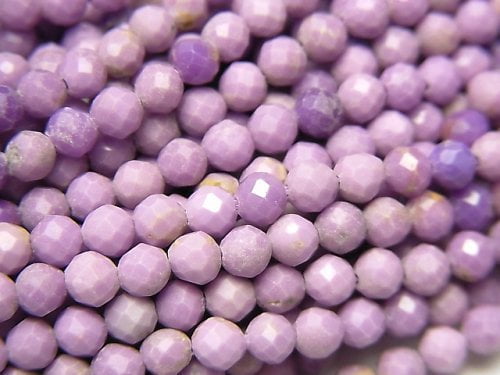
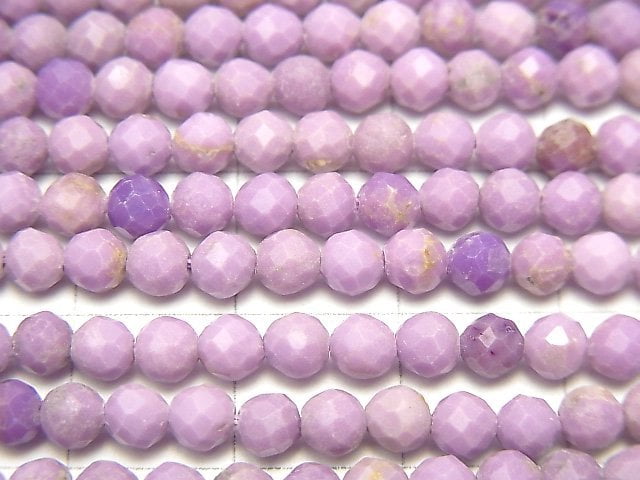
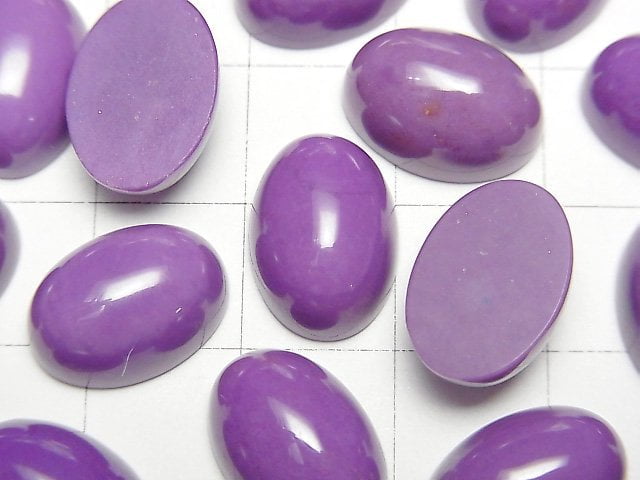
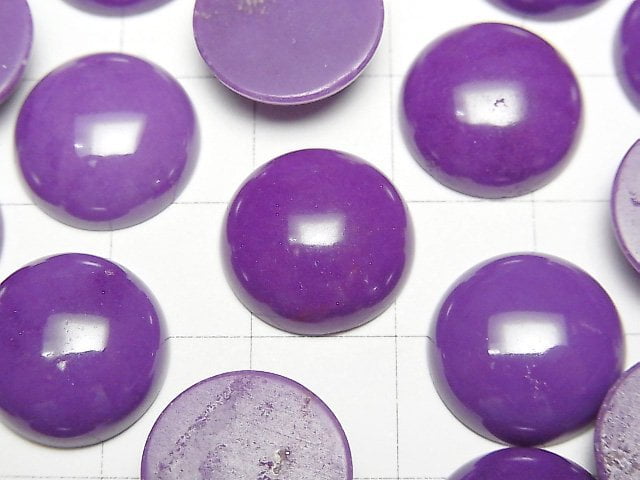
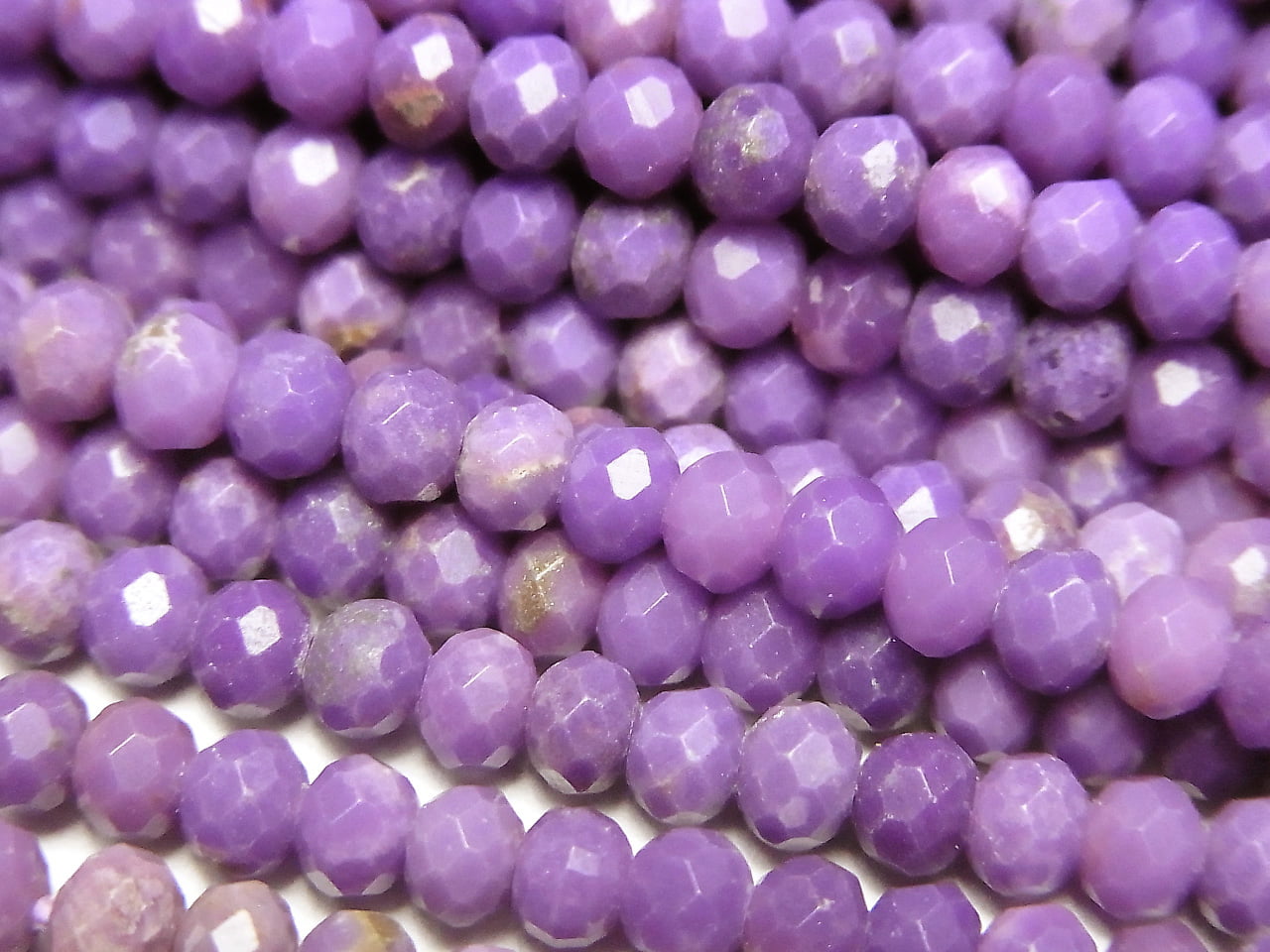
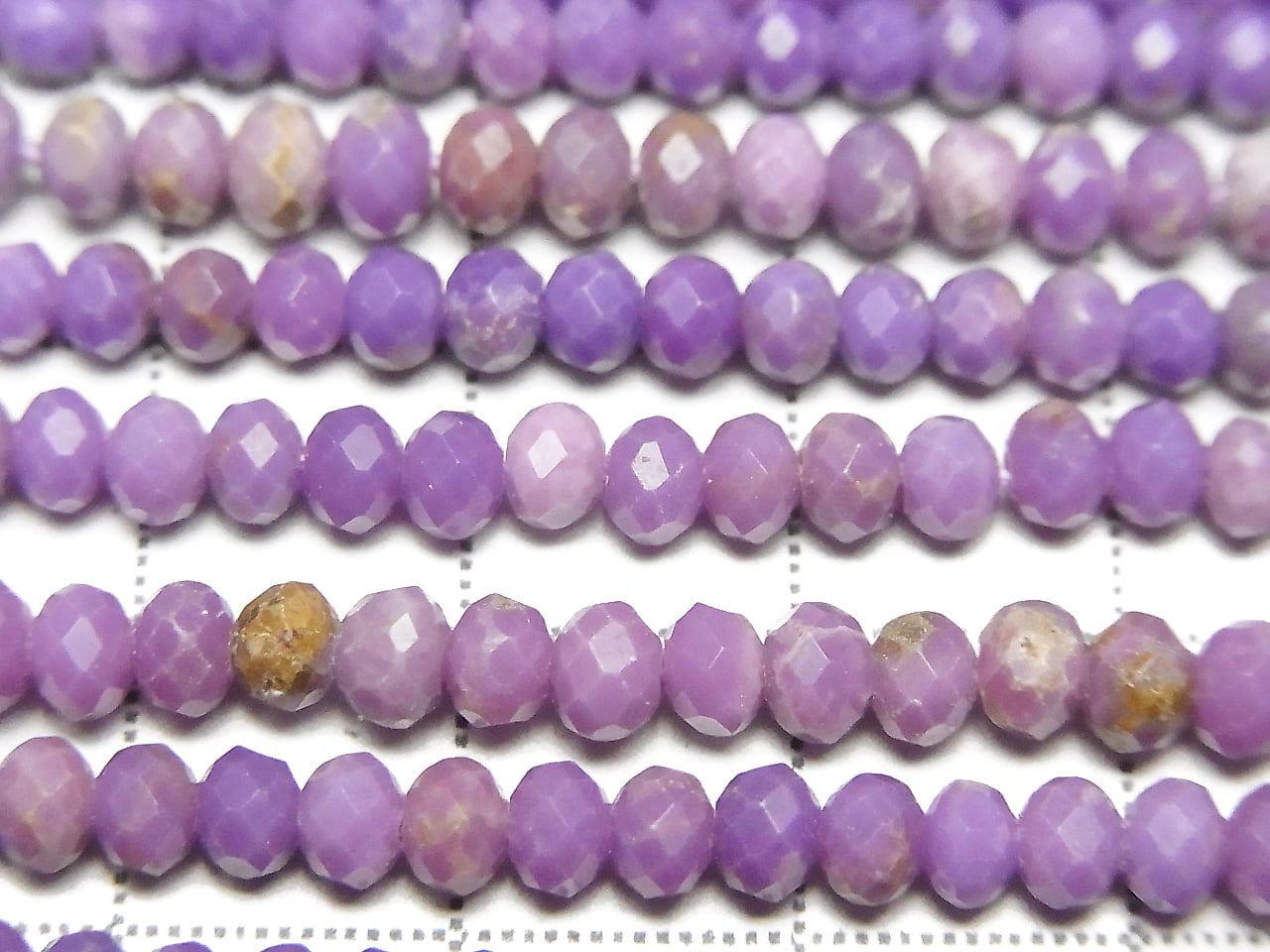
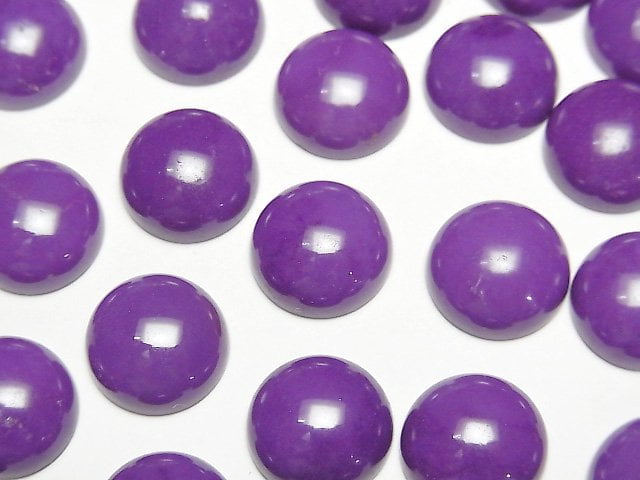
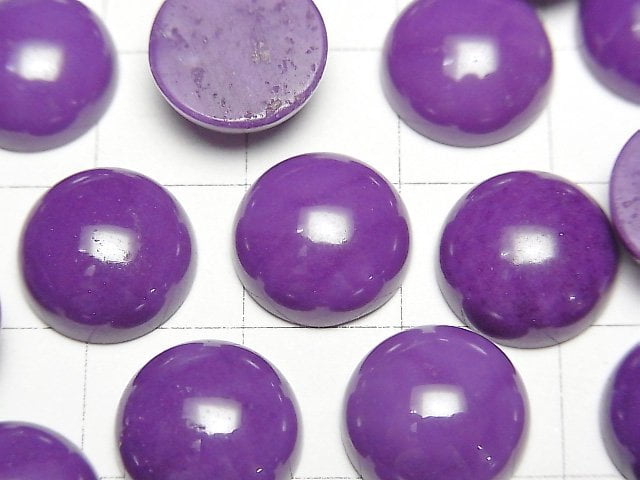
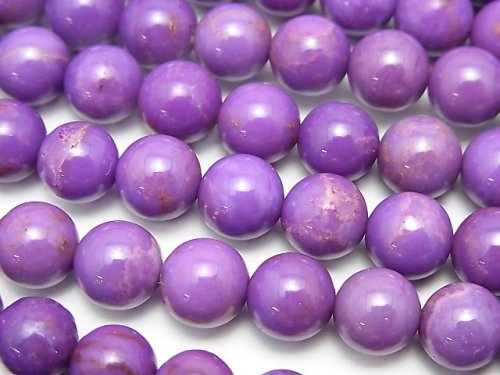
Phosphosiderite is a hydrated iron phosphate mineral with the chemical formula FePO4·2H2O. It is best known for its soft lilac to purple-pink color, often broken up by pale or white patches that give each piece a marbled look. Because those patches and the vein-like markings vary from stone to stone, no two polished pieces look exactly alike.
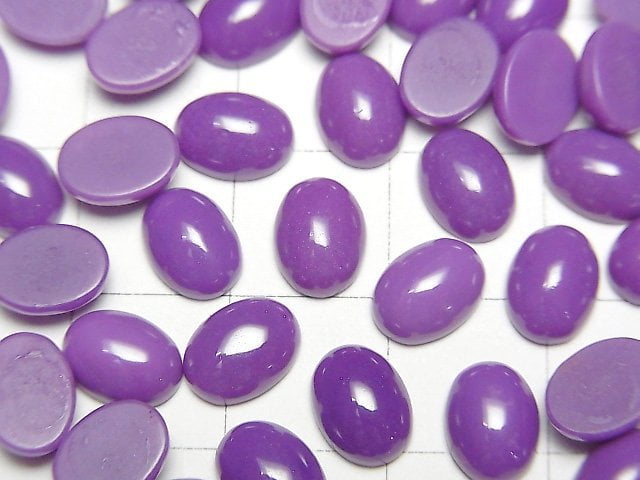
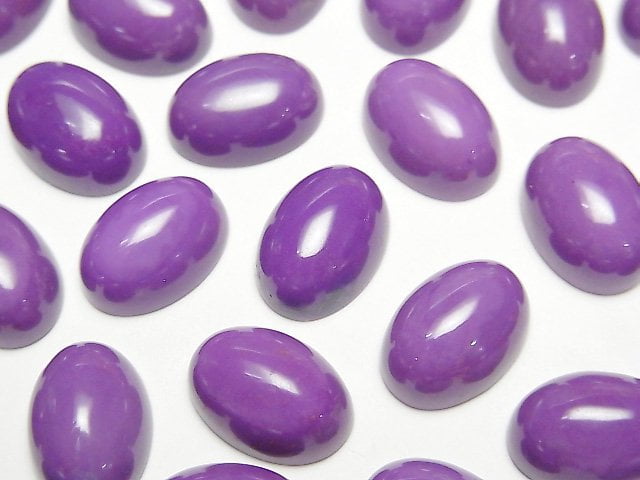
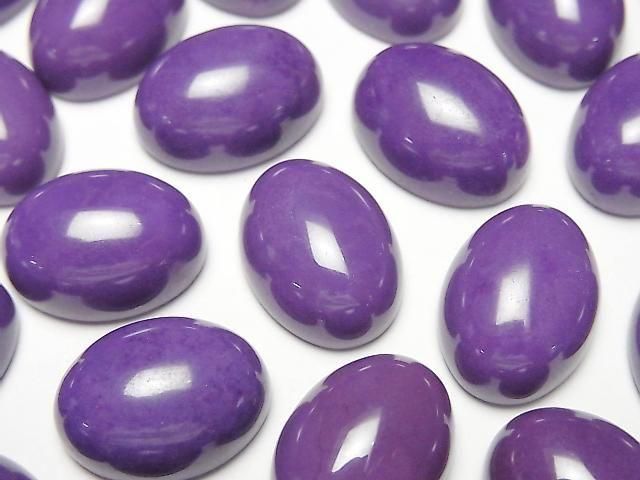
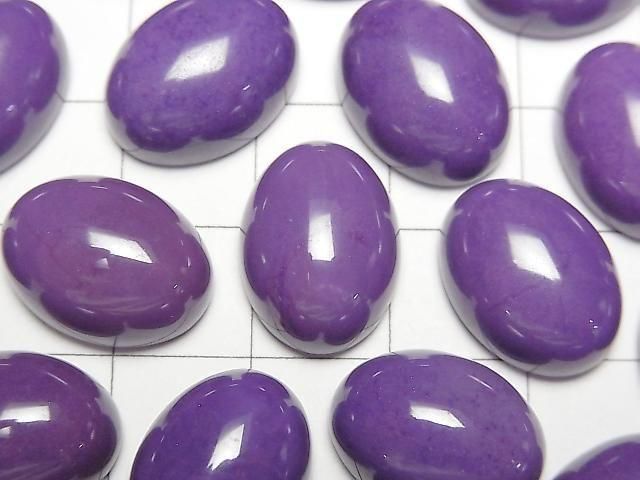
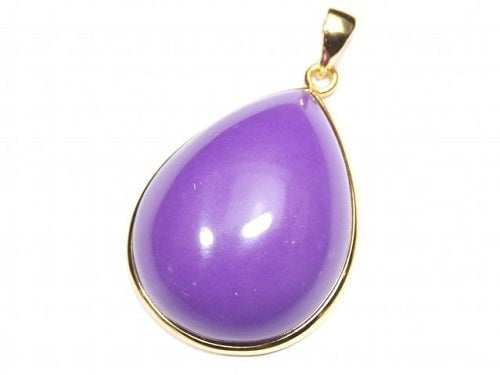
Phosphosiderite is a relatively soft, somewhat porous mineral, so it is chosen mainly for beads, cabochons, pendants, earrings, carvings, and collector specimens rather than for hard-wearing rings. This guide covers phosphosiderite meaning, its mineral properties, colors and sources, value factors, the treatment it commonly receives, how to care for it, and how to tell it apart from similar purple stones.

Phosphosiderite Meaning & History
The name phosphosiderite combines "phospho," from phosphate, and the Greek word "sideros," meaning iron – a direct nod to the mineral's iron-phosphate chemistry. The mineral was first described in the 19th century and received its formal name in 1890, when mineralogists linked it to that phosphate-and-iron composition.
Phosphosiderite forms in phosphate-rich pegmatites and is closely related to the mineral metavariscite, with which it shares the same chemical formula but a different crystal structure. In crystal lore it is traditionally associated with calm, quiet reflection, and meditation. These are cultural and symbolic associations, not statements of fact.

Phosphosiderite Properties
Phosphosiderite is a hydrated iron phosphate. Its defining feature for buyers is that it is soft – only about 3.5 to 4.5 on the Mohs scale – and somewhat porous, which is why it needs gentle handling and is usually set in protected jewelry rather than rings. The table below summarizes its key mineral properties.
| Property | Detail |
|---|---|
| Mineral | Hydrated iron phosphate |
| Chemical formula | FePO4·2H2O |
| Crystal system | Monoclinic |
| Mohs hardness | 3.5–4.5 (soft – handle with care) |
| Luster | Vitreous to slightly waxy |
| Streak | White |
| Color | Lilac to purple-pink, often with pale or white patches; also reddish-violet, rarely greenish or colorless |
| Common inclusions | Yellow vein-like cacoxenite markings |

Phosphosiderite Colors, Sources & Value
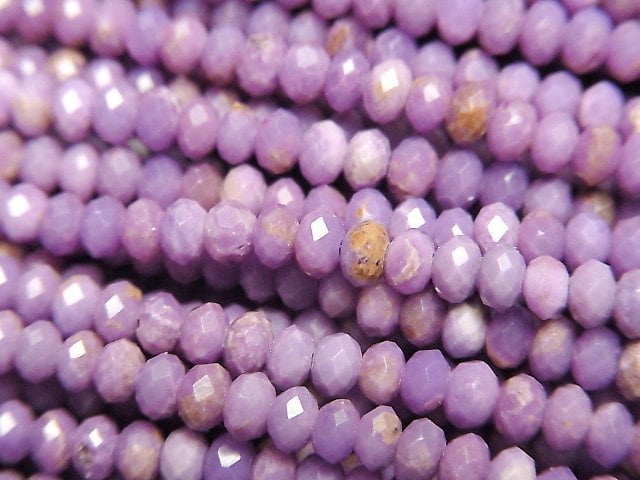
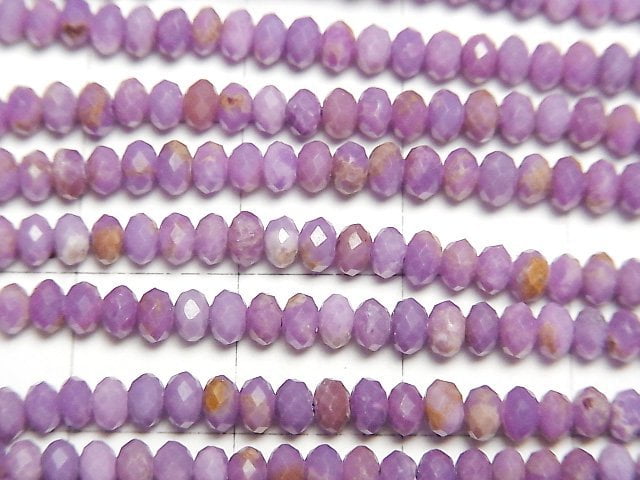
Phosphosiderite's signature look is a soft lilac to purple-pink, frequently mixed with pale or white patches and, in some pieces, fine yellow veining from cacoxenite. Reddish-violet material also appears, while greenish or colorless phosphosiderite is uncommon. Evenly colored lilac and orchid-purple pieces with attractive, well-balanced patterning are the most sought after.
Notable sources include Chile and Argentina, along with the United States, Germany, and Portugal. Value depends on color, evenness, polish, size, translucency, surface condition, and how appealing the patterning is – there is no single fixed price, and figures vary with quality and availability. Because the stone is soft, it is most often cut as cabochons and beads; rough phosphosiderite also appeals to collectors for its natural color zoning.


Phosphosiderite Treatment, Care & How to Identify
Treatment and disclosure. Because phosphosiderite is soft and porous, much of the material sold for jewelry is stabilized or resin-impregnated to strengthen it and improve polish and durability. This is a common and accepted practice, but under gemstone disclosure standards it should be stated clearly. Ask your seller whether a piece is natural (untreated), stabilized/treated, or an imitation, and get the answer in writing when it matters to you. KenKenGems describes treatment on our product pages.
Care. Treat phosphosiderite as a delicate stone. Wipe it with a soft, dry or slightly damp cloth after use. For light cleaning, use cool water, mild soap, and a soft non-abrasive cloth, then dry it completely. Avoid heat, acids, harsh cleaners, steam cleaners, ultrasonic cleaners, and contact with harder stones, and store it separately in a pouch or lined box. Choose protected settings for rings or bracelets and remove jewelry during sports, cleaning, or gardening. Do not use phosphosiderite to make any kind of drink or elixir.
Telling it apart from similar purple stones. Phosphosiderite is sometimes confused with other purple minerals. Lepidolite is a lithium mica with a flaky, layered, often sparkly texture. Charoite typically shows swirling, fibrous purple patterns and is harder. Sugilite is usually a more uniform, opaque grape-purple. Phosphosiderite's soft lilac tone with pale patches and occasional yellow veining, together with its low hardness, is the best clue. When in doubt, compare seller photos, mineral identity, and listed hardness.


Phosphosiderite Meaning & Symbolism
These are traditional beliefs, not medical claims. Phosphosiderite is not medicine and cannot diagnose, treat, cure, or prevent any illness. Consult a qualified professional for any health concern.
In crystal lore, phosphosiderite is traditionally seen as a calm, gentle stone and is often chosen by people who enjoy meditation and quiet reflection. It is sometimes described as a stone of stillness and self-connection. These are symbolic, belief-based associations that people find personally meaningful – not effects that have been demonstrated scientifically.
In chakra tradition, phosphosiderite is usually linked with the heart and third-eye centers. As with all crystal folklore, these associations come from custom and personal practice rather than from science, and phosphosiderite should be enjoyed as a decorative gemstone.
Phosphosiderite FAQ
What is phosphosiderite?
Phosphosiderite is a hydrated iron phosphate mineral with the formula FePO4·2H2O. It is best known for its soft lilac to purple-pink color, often with pale or white patches and occasional yellow veining. It is a relatively soft, somewhat porous stone.
What is the meaning of phosphosiderite?
In crystal lore, phosphosiderite is traditionally associated with calm, quiet reflection, and meditation. These are symbolic, belief-based meanings, not medical claims, and phosphosiderite is not medicine and cannot diagnose, treat, cure, or prevent any illness.
Is phosphosiderite treated or stabilized?
Often, yes. Because it is soft and porous, much phosphosiderite sold for jewelry is stabilized or resin-impregnated for durability and polish. This is common and accepted, but it should be disclosed. Ask your seller whether a piece is natural, stabilized, or an imitation.
How hard is phosphosiderite, and is it good for jewelry?
Phosphosiderite is soft, about 3.5 to 4.5 on the Mohs scale. It works best as beads, cabochons, pendants, and earrings in protected settings rather than in everyday rings. Avoid hard impact, heat, and harsh chemicals, and store it away from harder stones.
How do I tell phosphosiderite from lepidolite, charoite, or sugilite?
Phosphosiderite is a soft iron phosphate with a lilac tone, pale patches, and sometimes yellow veining. Lepidolite is a flaky lithium mica, charoite shows swirling fibrous purple patterns and is harder, and sugilite is usually a uniform opaque grape-purple. Compare texture, hardness, and mineral identity.
Shop Phosphosiderite at KenKenGems
Looking for phosphosiderite for sale? KenKenGems offers phosphosiderite beads, loose stones, and cabochons for designers, collectors, and crystal lovers across the United States and Canada. When choosing a piece, compare color, size, shape, finish, drill hole, and strand length, and review the close-up photos on each product page. We note treatment status where it applies, so you know whether a piece is natural or stabilized.