TOC
seraphinite is a rare green gemstone treasured for its delicate, silvery patterns that resemble feathered wings. Mined almost exclusively in a remote region of Siberia, this striking variety of the mineral clinochlore has captivated collectors, lapidaries, and crystal enthusiasts since the late 19th century.
In this guide, you'll learn what seraphinite is, where it comes from, how to identify quality specimens, what factors influence its value, and the symbolism it carries in metaphysical traditions.

What Is Seraphinite?
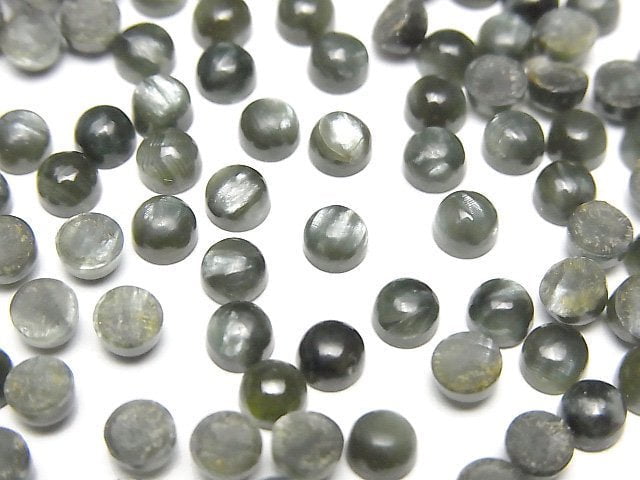
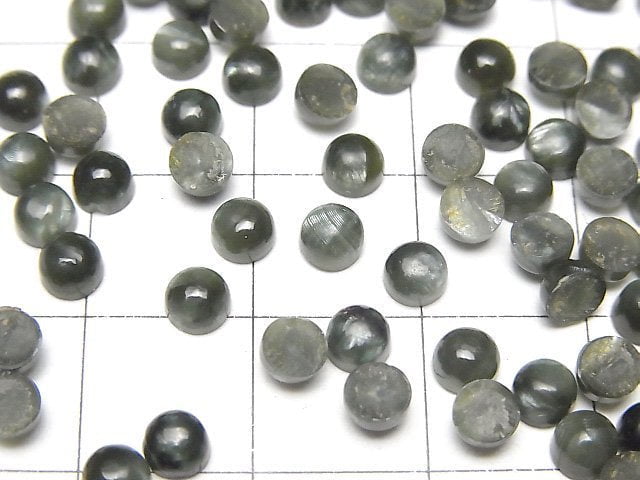
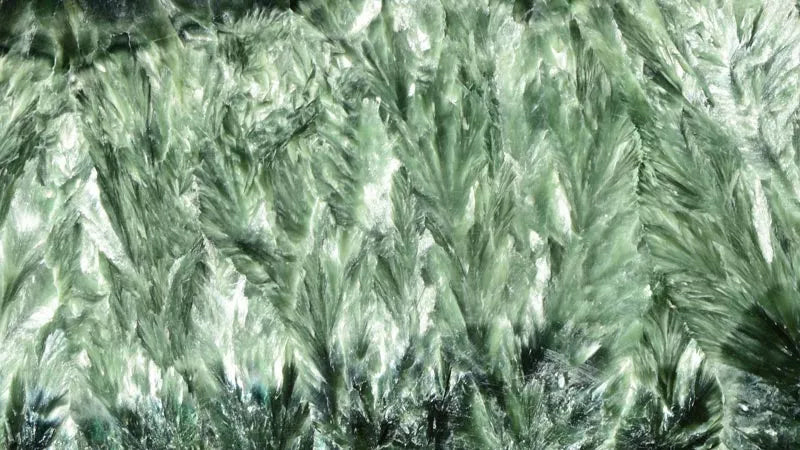
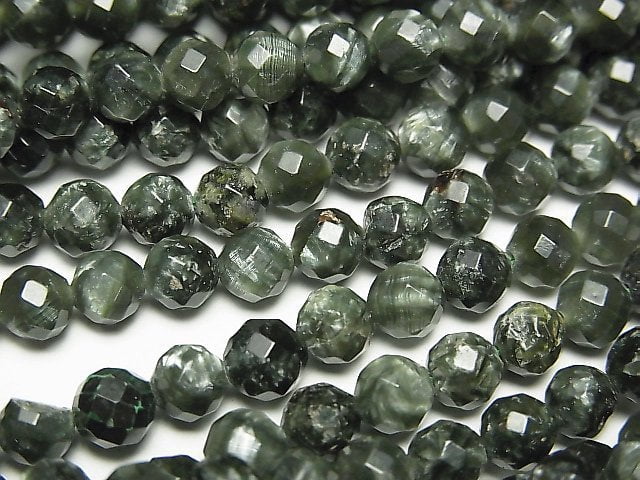
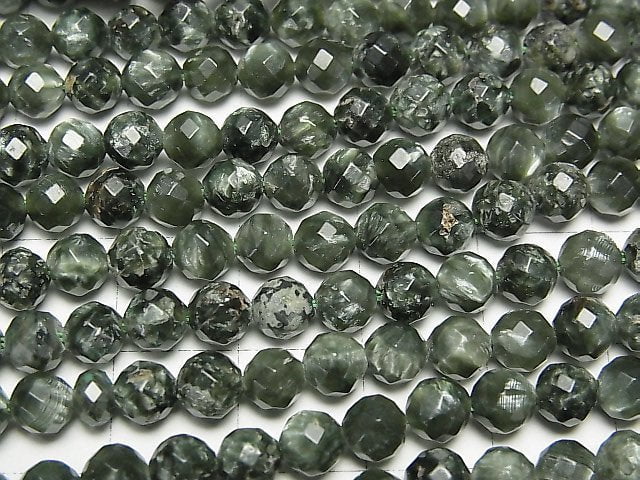
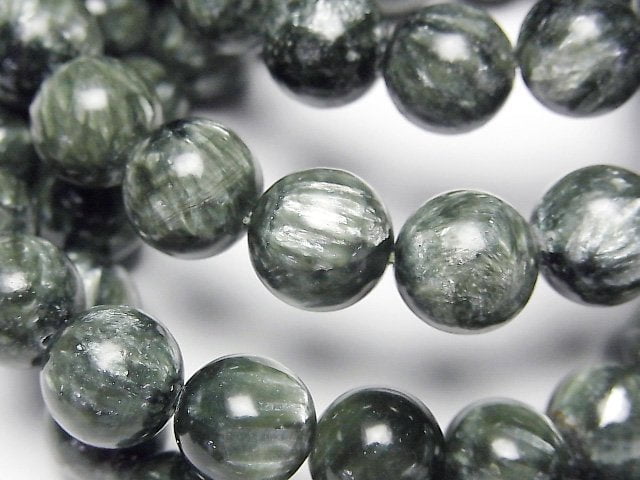
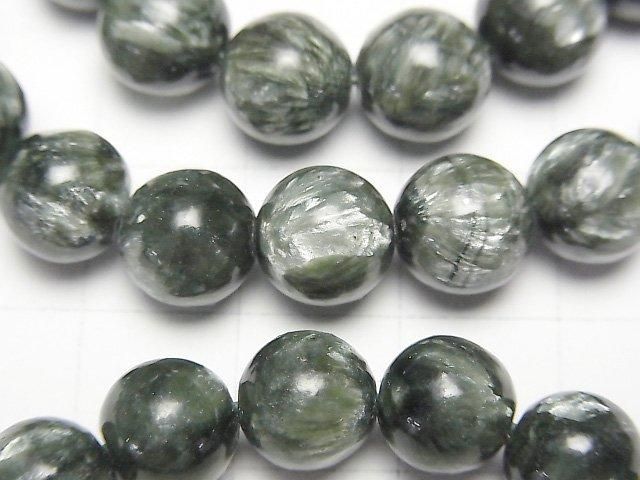
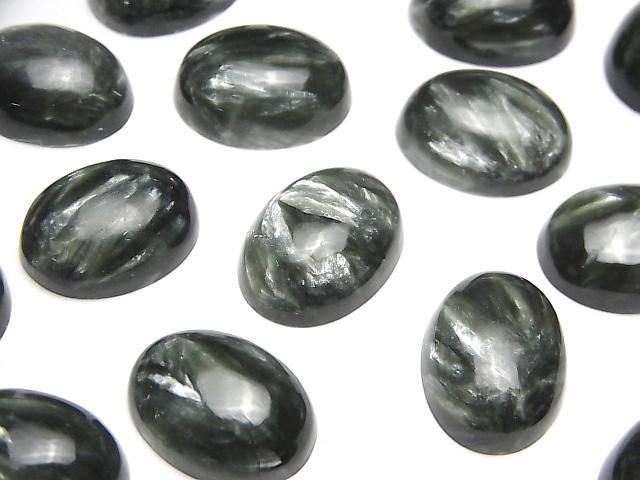
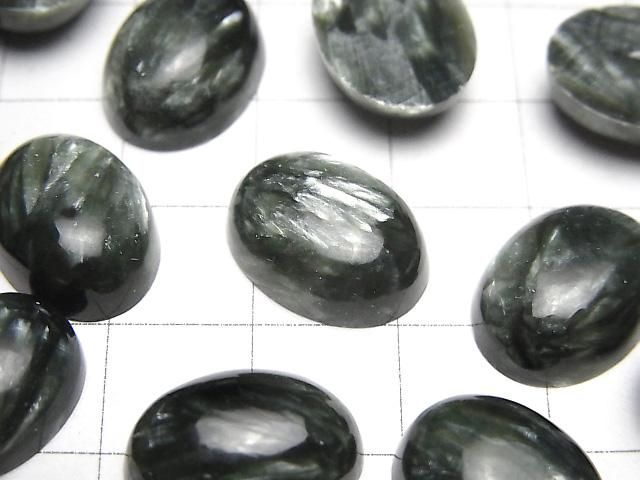
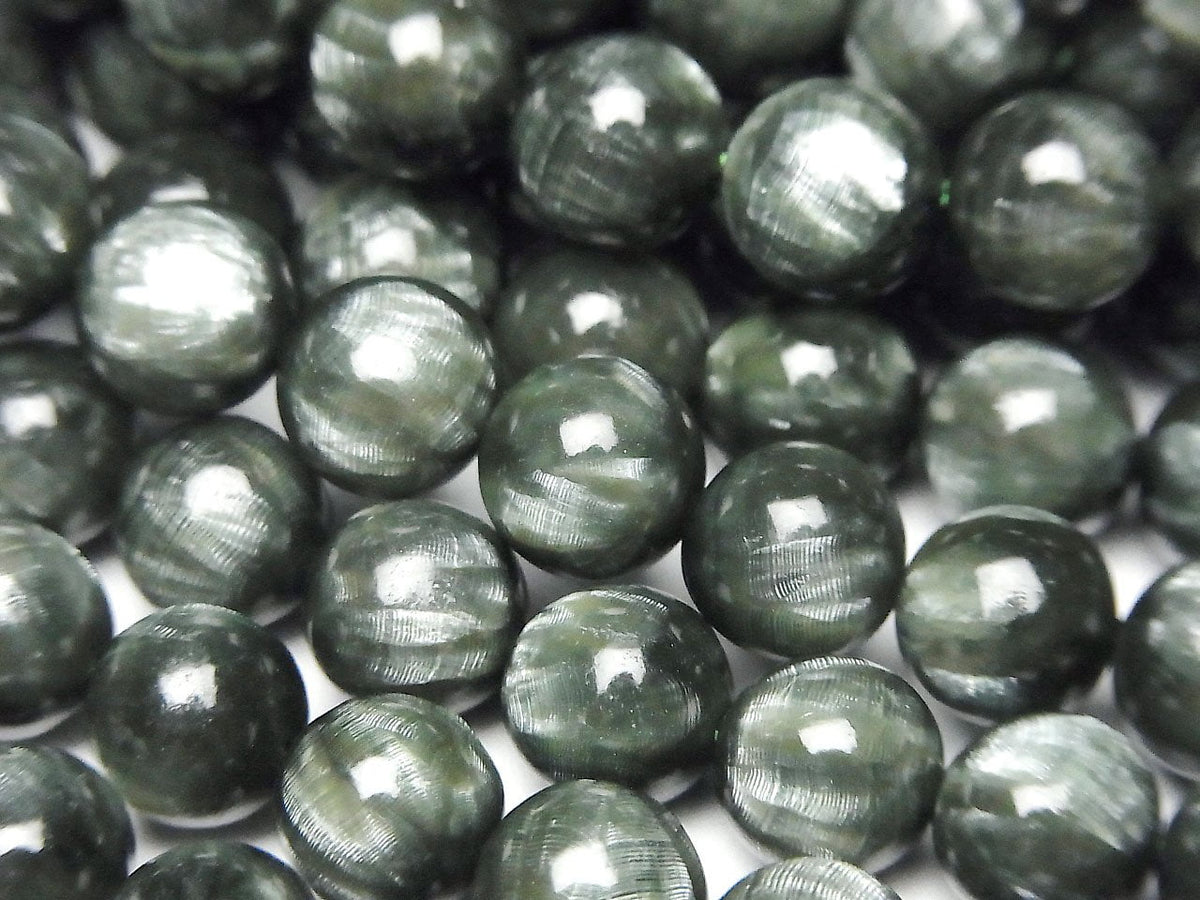
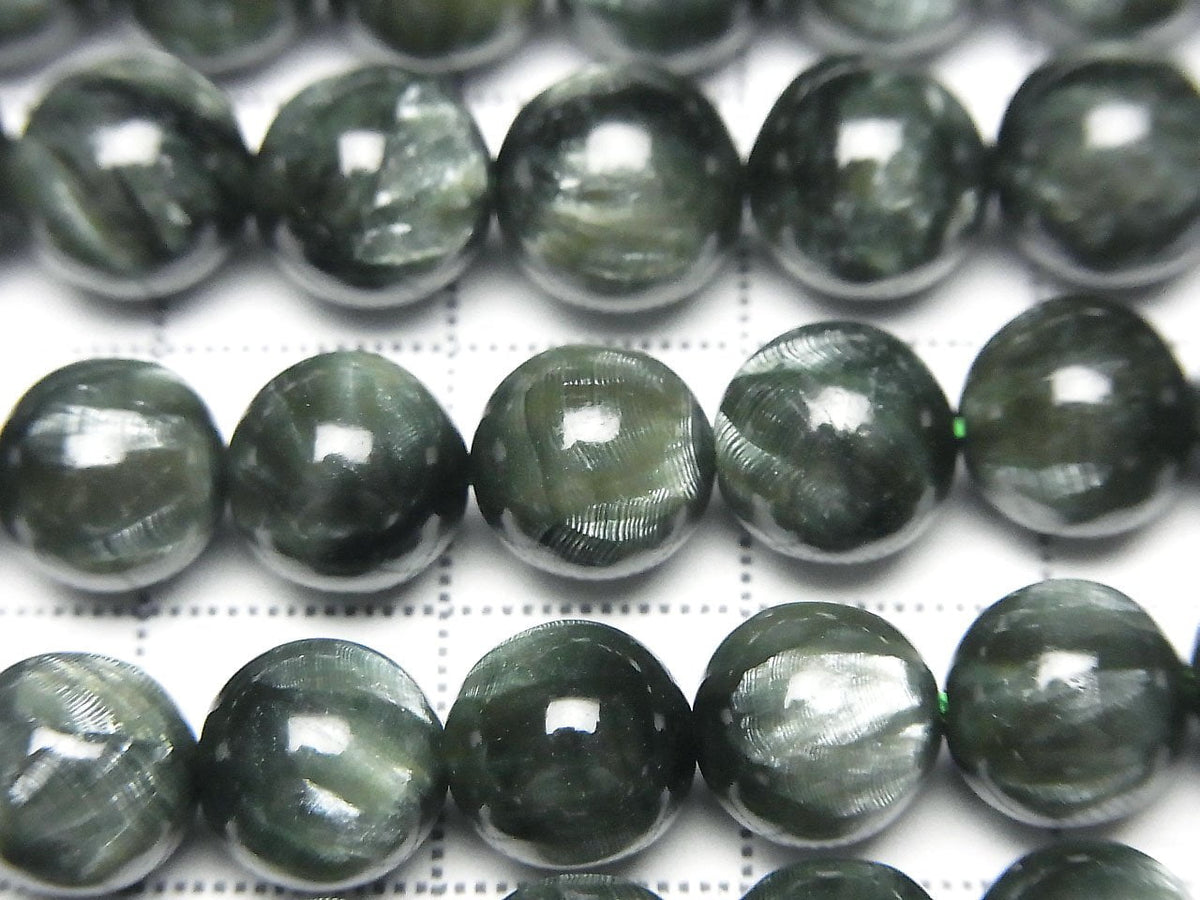
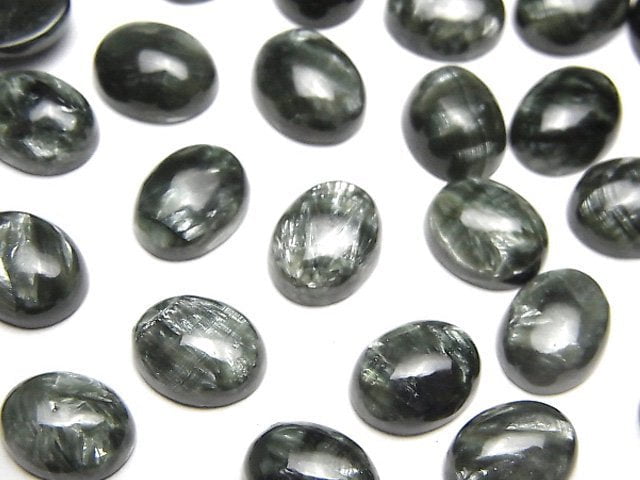
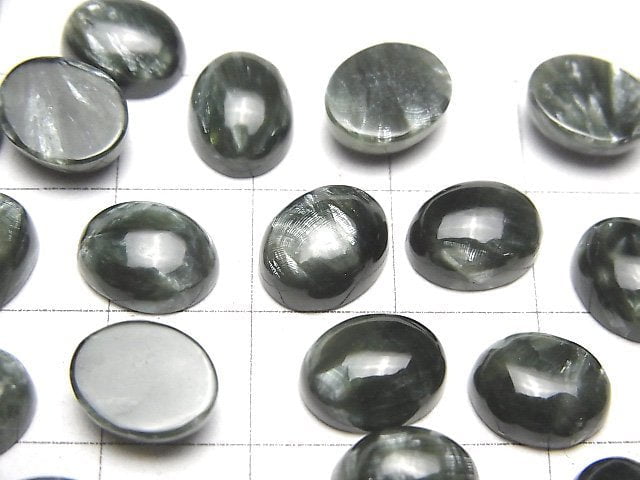
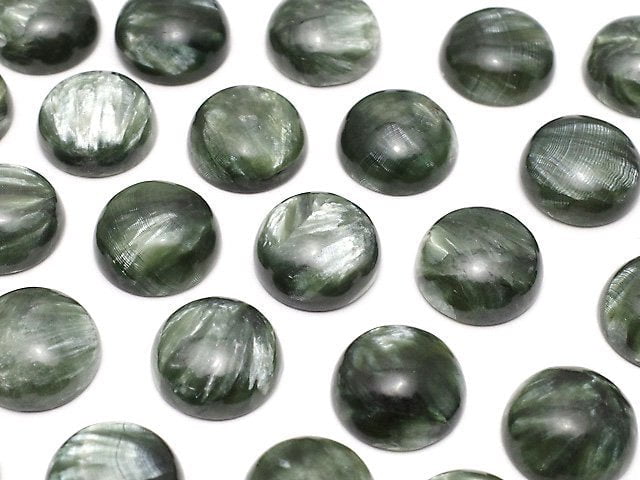
Seraphinite is the trade name for a gem-quality variety of clinochlore, a magnesium-iron-aluminum silicate in the chlorite group of minerals. Its deep forest-green body is laced with shimmering silvery-white plumes that fan out like feathers or wings — a chatoyant effect produced by fine, aligned fibrous structures within the stone rather than by mica. Because it is soft (about 2–4 on the Mohs scale), seraphinite is usually cut into cabochons, beads, and tumbled stones rather than faceted gems.

The History and Discovery of Seraphinite
Seraphinite was first scientifically described in 1888 by the Russian mineralogist Nikolay Koksharov, who documented unusual green stones near Lake Baikal in Siberia and cataloged them in his work on the mineralogy of Russia. The official mineral name, clinochlore, comes from the Greek klino ("to slope") and chloros ("green"), for its color and the inclined arrangement of its crystals. For decades the stone drew only mineral collectors; jewelers recognized its decorative potential after World War II, and the poetic trade name "seraphinite" was coined for the six-winged seraphim of tradition, inspired by the stone's wing-like plumes.
How Seraphinite Got Its Name
The name "seraphinite" comes from the seraphim, the highest order of angels, often depicted with multiple sets of feathered wings. When polished, seraphinite's silvery chlorite fibers radiate outward in feathery patterns that immediately call those wings to mind — making the name as descriptive as it is poetic.
Legends Surrounding the Stone
Several folk legends surround seraphinite. One Russian tale tells of a seraph who wept at a young woman's heartbreak; where his tears touched the earth, green stones with silver feathers appeared. Another describes seraphinite as the petrified feather of a high-ranking angel. These stories are crystal folklore rather than mineralogical fact, but they have shaped the stone's lasting associations with comfort and the spiritual realm.

Seraphinite Properties: Mineralogy and Composition
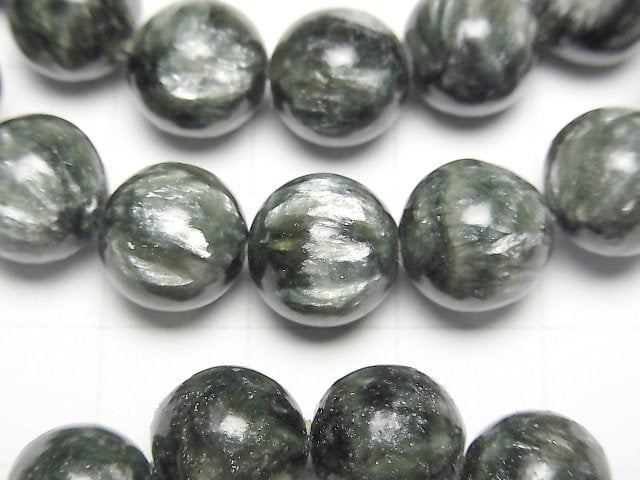
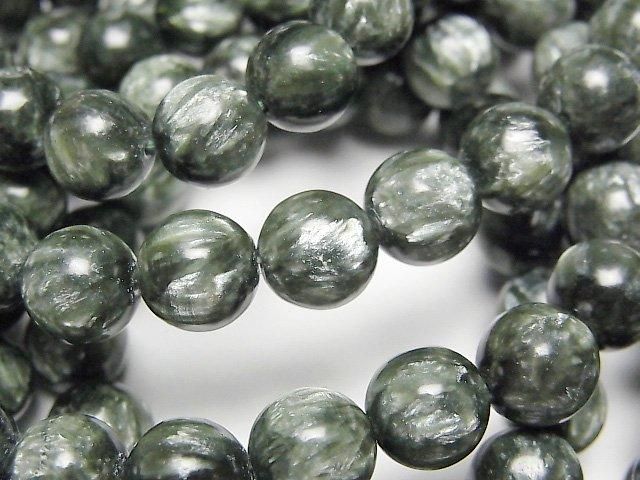
Seraphinite is opaque to slightly translucent, with a vitreous-to-silky luster and, in many cabochons, a subtle chatoyancy — a moving band of light caused by its parallel fibrous structure. Its beauty is a record of directional crystal growth: the finer and more aligned the fibers, the brighter the feathering.
Chemical Composition and Hardness
Chemically, seraphinite is a hydrous magnesium-iron-aluminum silicate — clinochlore, general formula (Mg,Fe)5Al(Si3Al)O10(OH)8. It forms as a hydrothermal and metamorphic alteration product and occurs in chlorite schists, serpentinites, and related rocks. With a Mohs hardness of just 2–4, it is far softer than quartz (7), which is why it needs careful handling and is rarely set in everyday rings.
Color, Pattern, and Chatoyancy
Seraphinite ranges from light olive to deep forest green. Its signature silvery, feather-like plumes come from fine fibrous chlorite growth aligned within the stone; the contrast between the dark green body and the bright, reflective fibers gives seraphinite an almost three-dimensional, glowing look as it moves in the light.

Types and Varieties of Seraphinite
Several closely related clinochlore varieties are sometimes grouped with — or sold alongside — seraphinite:
- Chromian clinochlore (kochubeite): chromium-bearing, with a lilac-green color and pleochroism (green in daylight, purple under incandescent light)
- Sheridanite: an aluminum-rich variety, first identified near Sheridan, Wyoming; lighter green with a gray cast
- Leuchtenbergite: a near-colorless to pale yellow-green, iron-poor variety

Where Is Seraphinite Found?
Gem-quality seraphinite comes almost exclusively from one source: the Korshunovskoye iron deposit in the Irkutsk region of eastern Siberia, near Lake Baikal. Because it is recovered mainly as a byproduct of iron mining, supply is limited and intermittent — a big part of its rarity and collector appeal. Smaller occurrences of related chlorite minerals exist in the United States, Switzerland, and Italy, but none match the Siberian material for pattern quality.

Seraphinite Meaning and Symbolism
In crystal folklore, seraphinite is associated with the heavens, angelic guidance, and renewal of spirit — a symbolic bridge between the everyday world and higher realms, often chosen to represent comfort, hope, and quiet inner strength. These are cultural and spiritual associations, not scientific or medical claims; they reflect how collectors, healers, and artists have interpreted the stone over the past century.

Seraphinite in Metaphysical and Spiritual Traditions
In crystal healing traditions — which are spiritual rather than medical — seraphinite is often grouped with stones linked to the heart chakra and higher consciousness, and it is sometimes called the "angel stone." Any references to its effects on well-being come from metaphysical traditions and personal belief, not from science. Seraphinite is not a substitute for professional medical, psychological, or dental care.
Beliefs About Emotional Well-Being
Within crystal lore, seraphinite is commonly described as a calming, comforting stone, associated with feelings of serenity, gratitude, and emotional release. Some people carry a tumbled piece or keep a cabochon on a desk as a personal reminder of those intentions.
Seraphinite in Meditation Practices
Meditation practitioners sometimes hold a polished seraphinite cabochon during quiet practice, letting its cool touch and feathered pattern serve as a focal point. Beaded seraphinite bracelets and mala-style strands are used the same way. As with any meditation tool, the value comes from the practice itself — the stone simply provides a visual and tactile anchor.

Seraphinite Value: What Determines the Price?
Seraphinite's value comes down to pattern and color rather than a formal grade. In general:
- Pattern quality: sharp, high-contrast silver feathers command more than muted or blurred patterns
- Color saturation: deep, vivid greens are preferred over pale or grayish material
- Size: because good rough is limited, large cabochons (over about 30 mm / 1.2 in) cost more per carat
- Cut and polish: symmetrical, high-polish cabochons show the chatoyancy best
- Origin transparency: verified Siberian material typically commands a premium
As a rough North American guide, polished slabs and small cabochons often start around USD $30–$40 (CAD $40–$55), while larger spheres, fine cabochons, and set pendants commonly run about USD $100–$135 (CAD $135–$185) or more. There is no universal grading system, so treat these as general guidance and rely on sellers who photograph each piece clearly and disclose origin.

How to Care for Seraphinite Jewelry
Because seraphinite is soft (Mohs 2–4), gentle care keeps it beautiful:
- Clean with a soft, slightly damp cloth — avoid ultrasonic cleaners and harsh chemicals
- Store separately from harder stones to prevent scratches
- Remove jewelry before showering, swimming, exercising, or applying lotions and perfumes
- Keep it out of prolonged direct sunlight and extreme temperature changes

How to Tell If Seraphinite Is Real
Authentic seraphinite has a few tells that separate it from look-alikes such as serpentine or dyed chlorite:
- Look for a fine, fibrous, feather-like pattern — not blotchy or painted-on streaks
- Genuine pieces show a subtle chatoyancy when rotated under light
- The surface is cool but soft — it can be scratched by a steel blade, given its low hardness
- Reputable sellers document Siberian origin with clear, high-resolution photos
If a "seraphinite" feels unusually hard, shows uniform color with no natural pattern variation, or is priced suspiciously low, treat it with caution.

Seraphinite vs Serpentine, Malachite, and Jade
Green stones are easy to mix up, but seraphinite's feathered chatoyancy is distinctive:
| Stone | How it differs from seraphinite |
|---|---|
| Serpentine | More uniform or mottled green; lacks the fine silvery feather plumes |
| Malachite | Banded light-and-dark green rings; opaque, harder, and heavier |
| Jade (jadeite/nephrite) | Tougher and denser; even color or mottling, no fibrous feather sheen |
| Aventurine | Sparkly (aventurescence) from mica flakes, not sweeping feather patterns |
Frequently Asked Questions About Seraphinite
Quick answers to the most common questions about seraphinite.

Is seraphinite the same as clinochlore?
Seraphinite is a specific gem-quality variety of clinochlore — the trade name for clinochlore that shows the characteristic silvery, feather-like chatoyancy. All seraphinite is clinochlore, but not all clinochlore is seraphinite.
How is seraphinite spelled?
The correct spelling is seraphinite. Common misspellings include seraphanite, seraphnite, seraphimite, and serphinite, but the standard trade and mineral spelling is seraphinite.
Can seraphinite get wet?
Brief contact with water is generally fine, but avoid prolonged soaking, hot water, and salt water. Because it is a soft chlorite mineral, repeated water exposure can dull its polish — pat it dry with a soft cloth.
What zodiac sign is seraphinite associated with?
In astrological folklore, seraphinite is most often linked with Sagittarius, and sometimes Cancer and Pisces. These associations come from folklore rather than official birthstone authorities.
Is seraphinite rare?
Yes. Gem-quality seraphinite comes almost entirely from one Siberian deposit and is recovered as a byproduct of iron mining, so supply is limited and prices reflect that rarity.
Shop Authentic Seraphinite at KenKenGems
KenKenGems sources seraphinite from established suppliers working with the Siberian deposits, for consistent quality and transparent origin. Our inventory includes polished cabochons in oval, round, and freeform shapes, bead strands in various sizes, and one-of-a-kind collector specimens. Seraphinite is one of the most visually distinctive — and geologically restricted — gem materials on the market, so take your time choosing a piece whose feathered pattern speaks to you, and care for it well: a good seraphinite cabochon can stay beautiful for a lifetime.

![[Einzigartig] Seraphinit AAA Anhänger 18KGP NO.37](http://store.kenkengems.com/cdn/shop/files/190068702.jpg?v=1768890831&width=640)
![[Einzigartig] Seraphinit AAA Anhänger 18KGP NO.37](http://store.kenkengems.com/cdn/shop/files/190068702_o1.jpg?v=1768890818&width=640)
![[Einzigartig] Seraphinit AAA Anhänger Silber925 NO.32](http://store.kenkengems.com/cdn/shop/files/190068697.jpg?v=1768890984&width=640)
![[Einzigartig] Seraphinit AAA Anhänger Silber925 NO.32](http://store.kenkengems.com/cdn/shop/files/190068697_o1.jpg?v=1768890970&width=640)
![[Einzigartig] Seraphinit AAA Anhänger 18KGP NO.11](http://store.kenkengems.com/cdn/shop/files/189175213.jpg?v=1763452546&width=640)
![[Einzigartig] Seraphinit AAA Anhänger 18KGP NO.11](http://store.kenkengems.com/cdn/shop/files/189175213_o1.jpg?v=1763452552&width=640)
![[Einzigartig] Seraphinit AAA Anhänger 18KGP NO.40](http://store.kenkengems.com/cdn/shop/files/190068705.jpg?v=1768890744&width=640)
![[Einzigartig] Seraphinit AAA Anhänger 18KGP NO.40](http://store.kenkengems.com/cdn/shop/files/190068705_o1.jpg?v=1768890730&width=640)