
TOC
Carnelian is the warm red-to-orange crystal that has symbolized vitality, courage, and creativity since antiquity. A fiery variety of chalcedony, it is one of the most popular crystals for motivation and sacral-chakra work — loved by collectors, jewelry makers, and energy practitioners. This guide covers carnelian in full: its meaning, spiritual and metaphysical properties, chakra links, healing benefits, red vs orange varieties, and where to buy authentic stones.
- 1. What Is Carnelian? An Introduction to the Fiery Crystal
- 2. The History and Meaning of Carnelian
- 2-1. Carnelian Spiritual Meaning
- 3. Carnelian Properties: Physical and Chemical
- 4. Carnelian Deposits: Where Is Carnelian Found?
- 5. Carnelian Healing Properties and Benefits
- 5-1. Emotional & Energetic Benefits of Carnelian
- 6. Metaphysical Properties of Carnelian
- 6-1. Carnelian and the Sacral Chakra
- 7. Red vs Orange Carnelian: What's the Difference?
- 8. Frequently Asked Questions About Carnelian
- 9. Shop Authentic Carnelian at KenKenGems

What Is Carnelian? An Introduction to the Fiery Crystal
Carnelian is a warm-colored variety of chalcedony (a form of quartz), ranging from glowing orange to deep red. Associated with fertility by the Egyptians and femininity by the Persians, the carnelian crystal has been treasured for millennia as a stone of energy and passion.
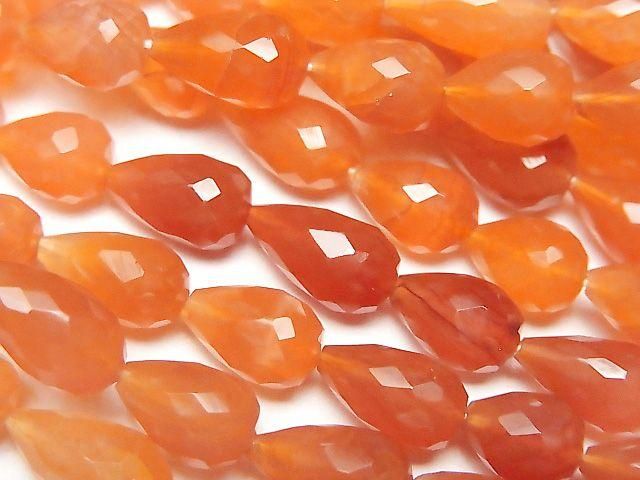
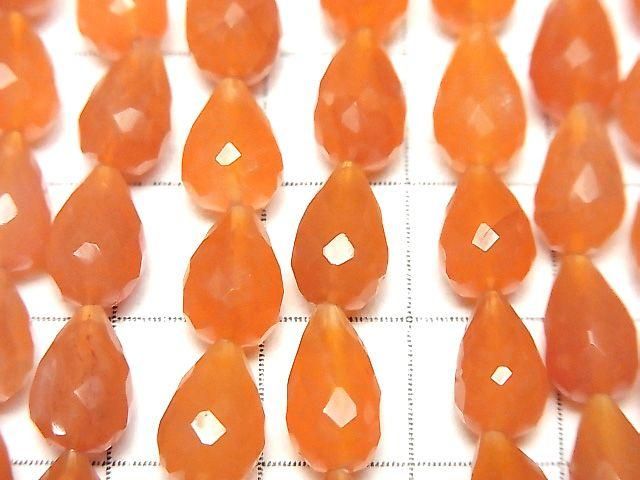
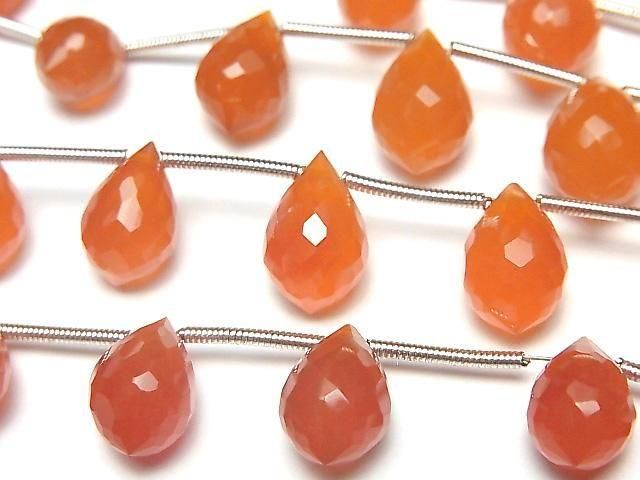
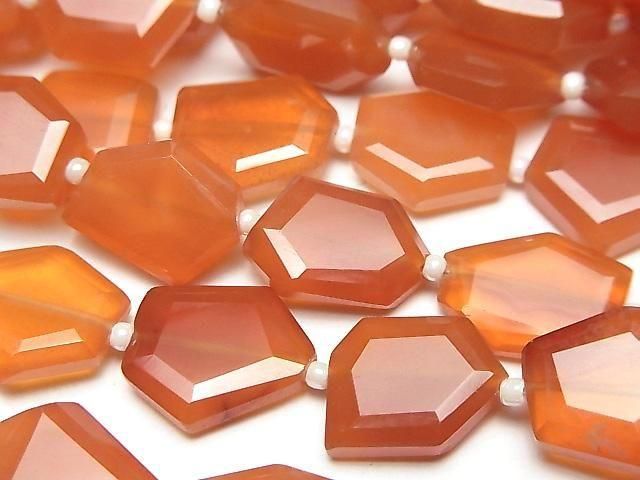
This mineral displays many of the warm colors found in nature. For its predominantly red hues, it is often compared with berries — Egyptians associated it with fertility and Persians with femininity. If you enjoy the noble appearance of polished gems, whether a vivid red carnelian or a bright orange carnelian, carnelian is a rewarding addition to any gemstone collection.

The History and Meaning of Carnelian
The meaning of carnelian centers on vitality, courage, and passion — a stone that has traditionally been seen to ignite motivation and creative fire. Its name comes from the Latin word ‘cornus’, meaning "dogwood berry"; indeed, the berry and the gem share similar reddish waxy colors.
Carnelian has been widely known since antiquity. In Ancient Egypt, it was the stone of the goddess Isis, patroness of love, harmony, motherhood, and femininity. To win her favor, people wore clover-leaf amulets and rings cut from the red mineral, and in Egyptian folk medicine the stone was traditionally believed to stop bleeding and steady the nerves.
In medieval Europe, carnelian earned a reputation as a talisman against witchcraft and curses. Well-off Europeans wore carnelian rings and signets in the hope of increasing their wealth and ensuring protection. In Persia, the stone was believed to benefit women, cherished as a talisman thought to bring beauty and prolong youth.
Ancient Slavs revered carnelian and used it to craft jewelry and objects of religious worship, endowing the stone with magical properties believed to protect them from adversity and anxiety. Single women wore carnelian jewelry hoping to meet their soul mate, and married women relied on it to help maintain love, respect, and understanding in the family.

Carnelian Spiritual Meaning
Spiritually, carnelian is regarded as a stone of life force and bold action. In crystal lore it is believed to reignite passion, banish apathy and self-doubt, and give you the confidence to pursue goals and creative projects. Often called the "artist’s stone" and a stone of courage, carnelian is traditionally used to anchor you in the present and turn ideas into action.
Carnelian Properties: Physical and Chemical
Carnelian is a semi-precious stone of the chalcedony group and one of the varieties of quartz. Among its defining carnelian properties, this silica mineral has a hardness of 6.5–7.0 on the Mohs scale and is either translucent or opaque depending on the intensity of its color. It is easy to cut and acquires a waxy luster after polishing.
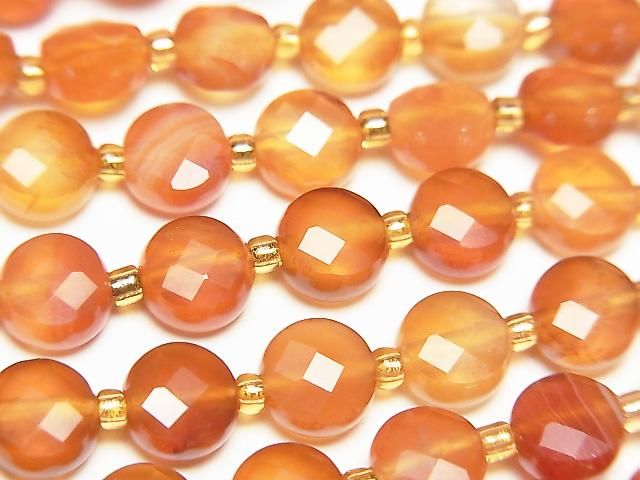
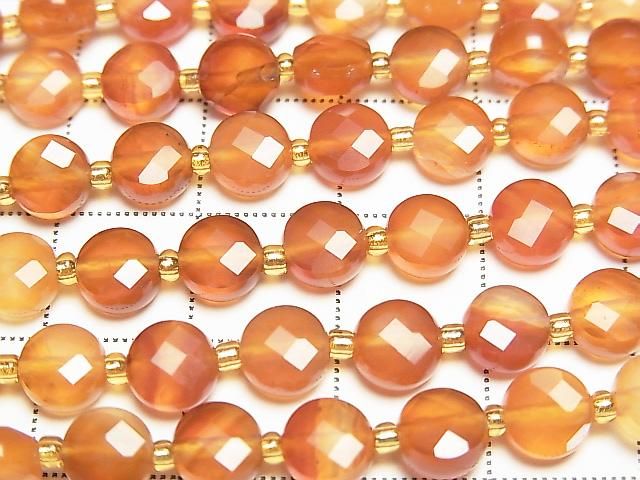
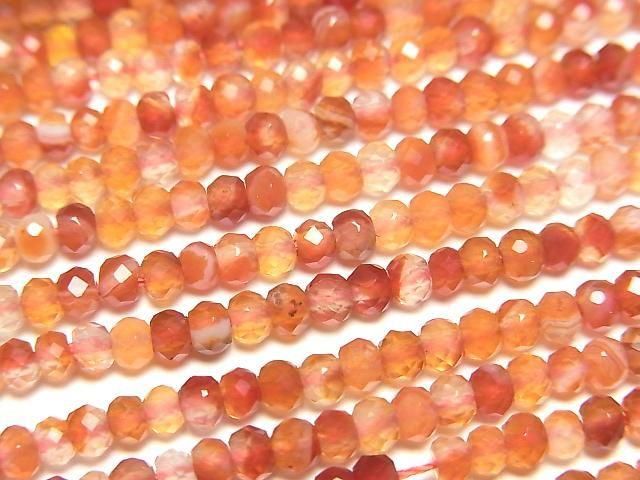
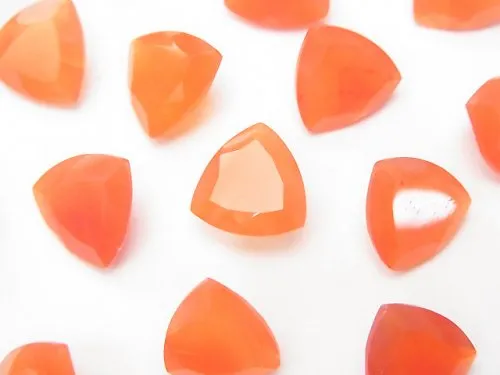
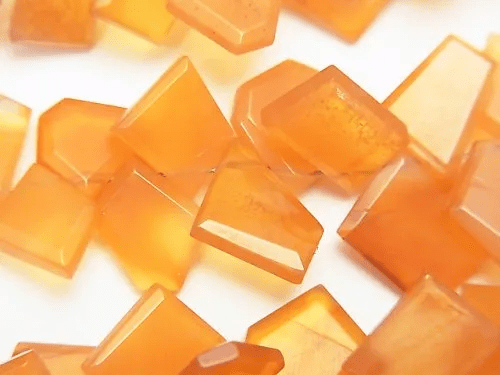
Carnelian offers a wide range of fiery colors: orange, red, reddish-brown, yellowish-brown, peach, and more. The shade depends on the amount of silicon and iron in the composition — large shares of silicon give yellow, red, and brown tones, while high iron content is responsible for red and purple hues. This is why a deep red carnelian and a bright orange carnelian can be the same mineral.
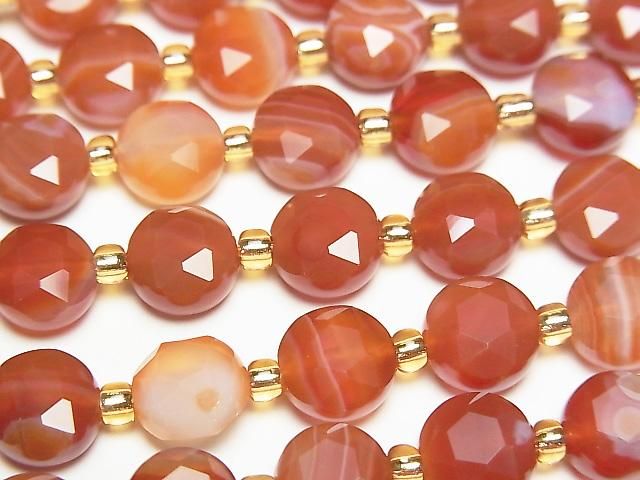
More often than not, the gem has an irregular coloration and concentric patterns formed by bands of white, apricot, or brown. Banded varieties are sometimes called carnelian agate, while carnelians featuring opaque white stripes are called sardonyx. Evenly colored specimens exist too, although they are less common.
| Property | Value |
| Mineral | Chalcedony (microcrystalline quartz) |
| Chemical formula | SiO2 |
| Hardness (Mohs) | 6.5 – 7.0 |
| Color | Orange, red, reddish-brown, peach (from iron) |
| Luster | Waxy to vitreous |
| Transparency | Translucent to opaque |
| Related | Carnelian agate (banded), sardonyx (white bands) |
A note on treatments: because carnelian is chalcedony (a form of quartz), a large share of the material sold as "carnelian" is actually agate that has been dyed and/or heat-treated to deepen its red-orange color. Such treatment is common and generally stable, but it should be disclosed so you can distinguish natural stones from dyed or heat-treated ones. We identify our stones as natural or treated accordingly.
Carnelian Deposits: Where Is Carnelian Found?
Where is carnelian found? Chalcedony and quartz, the cousins of carnelian, are mined in almost every part of the world, but carnelian itself is found less often — though it is by no means a rarity. Some of the finest material is mined in India and the Gobi Desert, where red carnelians form in basaltic rocks filled with post-volcanic solutions. Other major deposits are located in Brazil, Uruguay, Mongolia, the USA, Germany, Kazakhstan, and Russia.

Carnelian Healing Properties and Benefits
Carnelian healing properties have been valued in folklore since antiquity. Traditionally, our ancestors crushed carnelian into powder in the belief that it could ease headaches and soothe the nerves. In crystal lore, red-orange stones are believed to have a calming, energizing influence and are traditionally associated with vitality and healthy circulation. There is even a practice called carnelian therapy — a form of lithotherapy built around these traditional beliefs — and people who wear carnelian jewelry often say it helps them feel restored and energized. In short, this is what gives carnelian its long-standing reputation as a stone of energy and vitality.
These are traditional beliefs, not medical claims.
Emotional & Energetic Benefits of Carnelian
Carnelian is prized as a motivation-and-confidence stone. In crystal lore, practitioners traditionally use it to:
- Boost drive, ambition, and willpower
- Spark creativity and overcome creative blocks
- Build courage and dissolve self-doubt or apathy
- Reignite passion, sensuality, and zest for life
These are traditional beliefs, not medical claims.
Metaphysical Properties of Carnelian
The metaphysical properties of carnelian are, in crystal lore, said to depend largely on its color — the richer the color, the stronger the stone's believed potential, so vibrant red carnelians are considered the most powerful. These metaphysical properties of carnelian tie closely to its wider carnelian crystal meaning of vitality and passion.
Red varieties are traditionally thought to be especially beneficial to women, since they are said to govern feelings. If you want to bolster love in a relationship, strengthen a family bond, or seek the attention of a potential partner, a carnelian bracelet is a popular gift, as the mineral is believed to kindle mutual feelings and offer protection.
Yellowish carnelians are traditionally considered well suited to men, said to act as a beacon for luck and success, especially in business. Carnelian amulets are a popular choice for the ambitious and for creative individuals who wish to be a little bolder — though lore advises caution with minerals bearing dark inclusions, which are believed to attract negativity. Dark-yellow gems are said to suit shy and secretive people, helping them overcome inner blocks and gain self-confidence. Carnelian is often combined with other gems in protective amulets for a synergistic effect.
Carnelian and the Sacral Chakra
Carnelian is the classic sacral-chakra (Svadhisthana) stone. In crystal lore, its warm orange energy is believed to activate the center of creativity, passion, pleasure, and emotional flow, helping to clear blockages associated with low motivation or creative stagnation. It is also said to ground through the root chakra, anchoring vitality in the body. Many practitioners place carnelian over the lower abdomen during meditation to energize this chakra.

Red vs Orange Carnelian: What's the Difference?
Both are the same mineral colored by iron, but the shade shifts the feel and folklore:
- Orange carnelian: bright and uplifting; linked most strongly in lore to creativity, joy, and the sacral chakra
- Red carnelian: deeper and more grounding; associated with courage, passion, and vitality
Keep in mind that much of the "carnelian" on the market is dyed and/or heat-treated agate. Naturally colored stones tend to show uneven, cloudy banding rather than a flat, uniform tone, and reputable sellers should disclose whether a stone is natural or treated.
Frequently Asked Questions About Carnelian
What is carnelian good for?
In crystal lore, carnelian is traditionally used to support motivation, confidence, and creativity, and to encourage vitality and passion. It is a favorite sacral-chakra stone. (These are traditional beliefs, not medical claims.)
What does carnelian do spiritually?
Spiritually, carnelian is said to reignite life force, banish self-doubt, and turn ideas into bold action.
Which chakra is carnelian?
Carnelian is primarily a sacral-chakra stone and is also said to ground through the root chakra.
What is the difference between red and orange carnelian?
They are the same mineral; in lore, orange is linked to creativity and joy, and red to courage and grounding.
Can carnelian go in water?
Carnelian is durable (Mohs 6.5–7) and tolerates brief water contact, but avoid prolonged soaking and harsh chemicals to protect its polish — and note that water can affect dyed or heat-treated stones differently from natural ones.
Shop Authentic Carnelian at KenKenGems
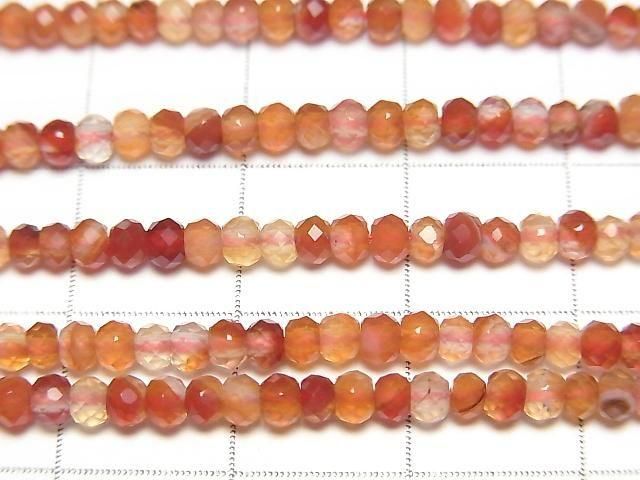
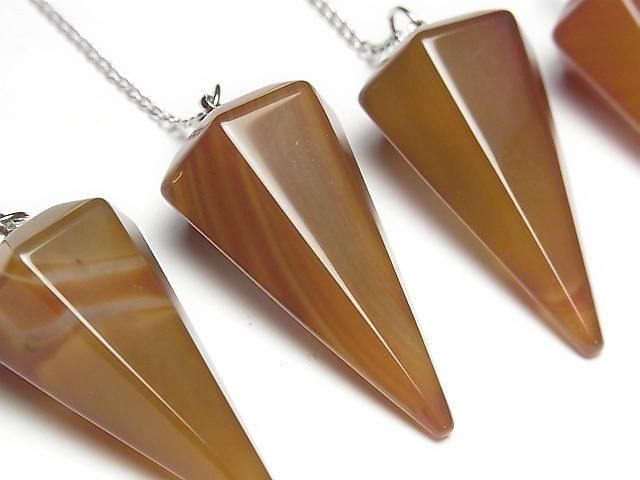
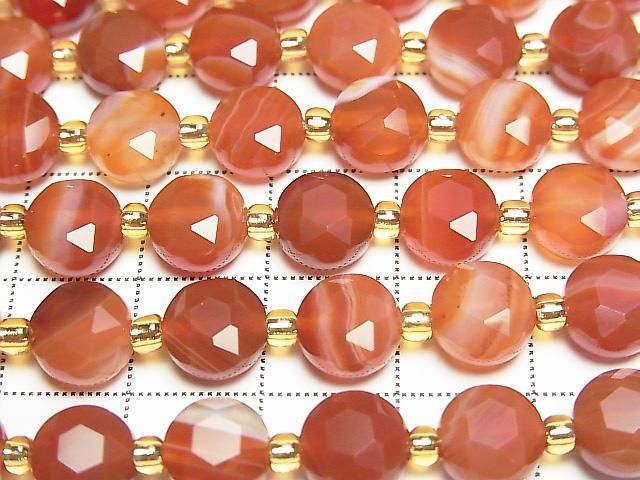
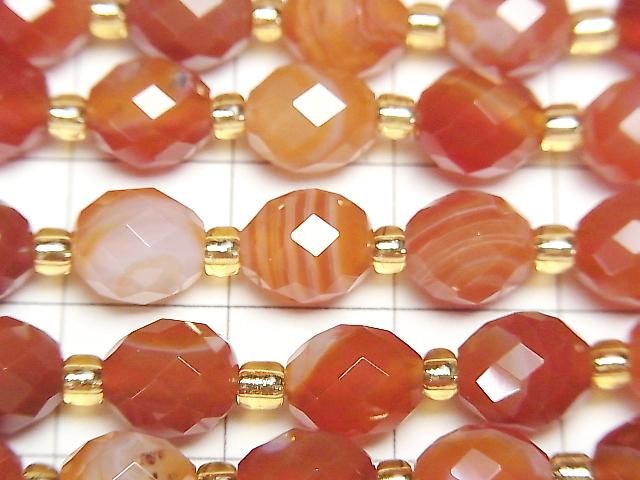
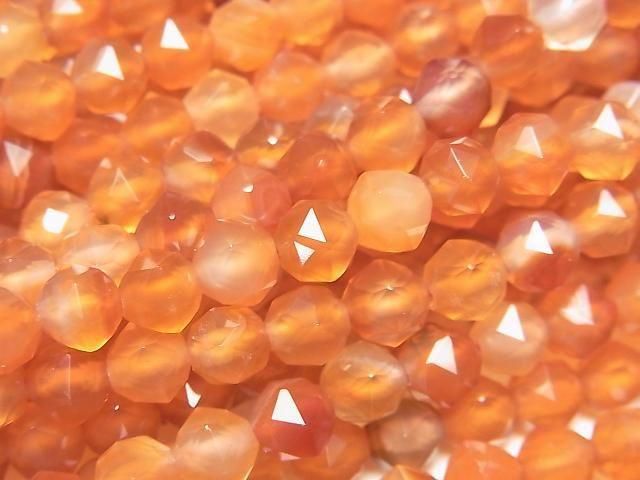
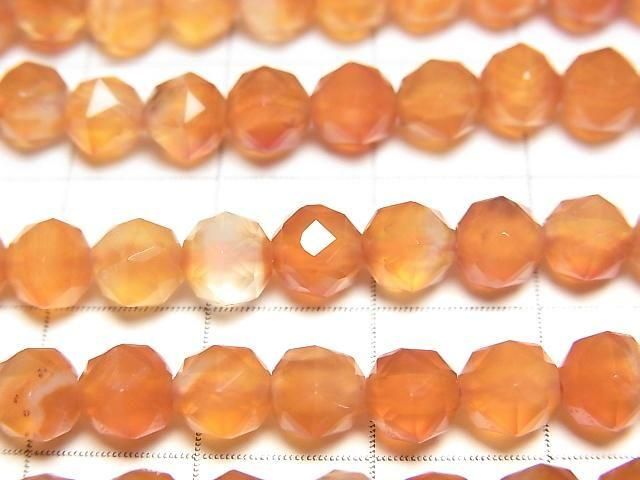
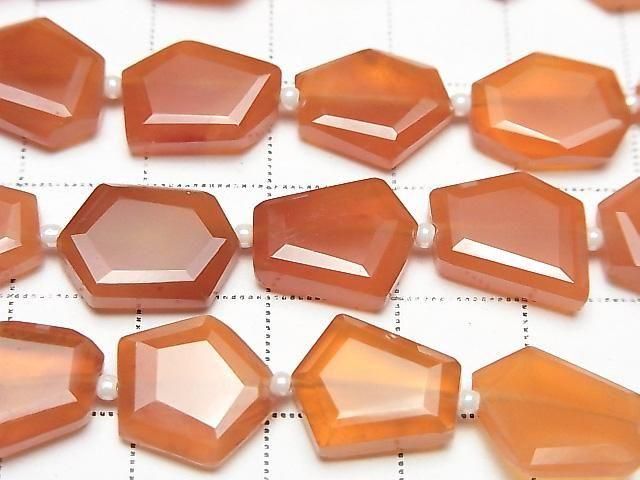
Add the fire of carnelian to your collection. KenKenGems offers hand-selected carnelian — beads and strands, loose stones, one-of-a-kind specimens, pendants, and cabochons or faceted cuts including stars. Each stone is checked for authenticity and clearly described as natural or treated, with fast worldwide shipping so you always know exactly what you are buying.





![Karnelian AA++ Freiform einseitig Rosen-Schliff [Doppel-Loch] 1strang Perlen (12 Stück)](http://store.kenkengems.com/cdn/shop/files/190436972.jpg?v=1774960718&width=640)
![Karnelian AA++ Freiform einseitig Rosen-Schliff [Doppel-Loch] 1strang Perlen (12 Stück)](http://store.kenkengems.com/cdn/shop/files/190436972_o1.jpg?v=1774966071&width=640)