TOC
- 1. What Is Serpentine?
- 2. Serpentine History and Meaning
- 3. Serpentine Physical and Chemical Properties
- 4. Types of Serpentine
- 5. Serpentine and Asbestos: Is It Safe?
- 6. Serpentine Meaning and Symbolism
- 7. Serpentine Value and Price
- 8. How to Care for Serpentine
- 9. Serpentine FAQ
- 9-1. What is serpentine?
- 9-2. Is serpentine dangerous or toxic?
- 9-3. Is serpentine the same as jade?
- 9-4. What does serpentine mean?
- 9-5. How hard is serpentine?
- 9-6. Can serpentine get wet?
- 9-7. Is serpentine valuable?
- 9-8. Where does serpentine come from?
- 10. Buying Serpentine from KenKenGems

What Is Serpentine?
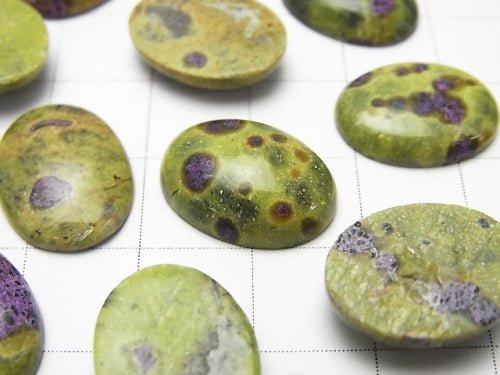
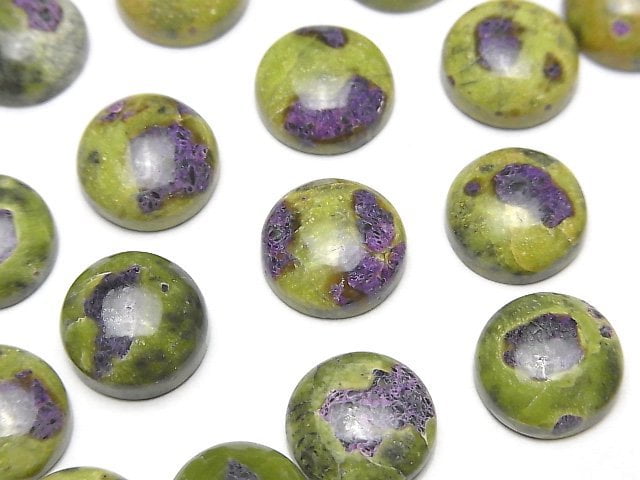
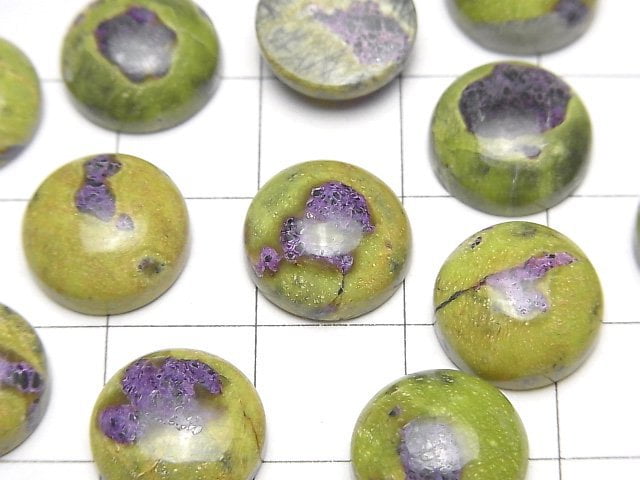
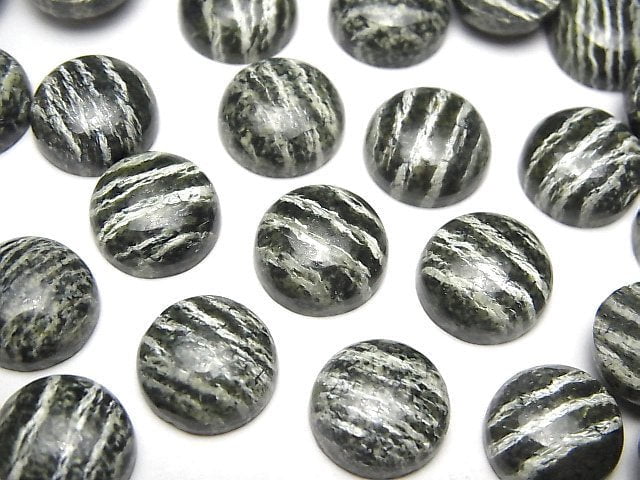
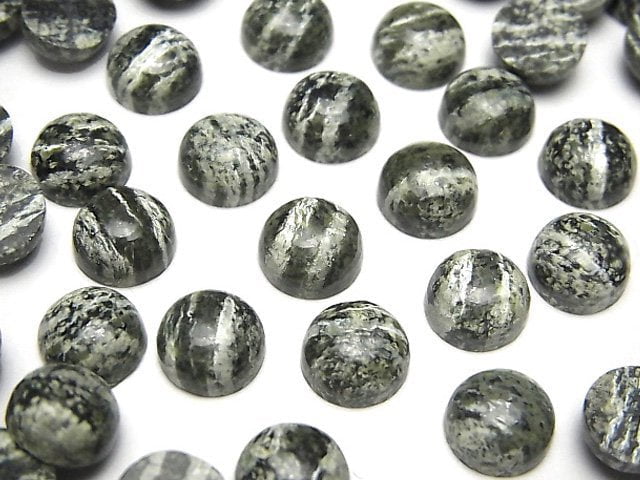
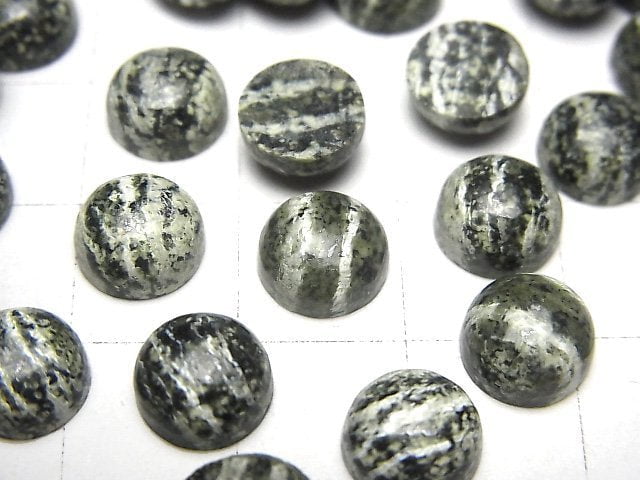
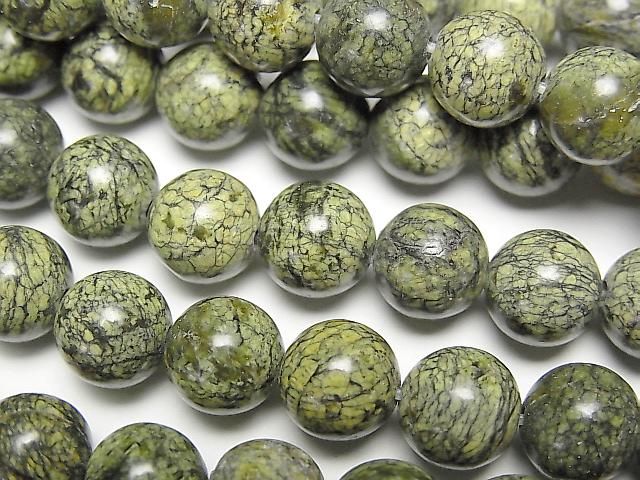
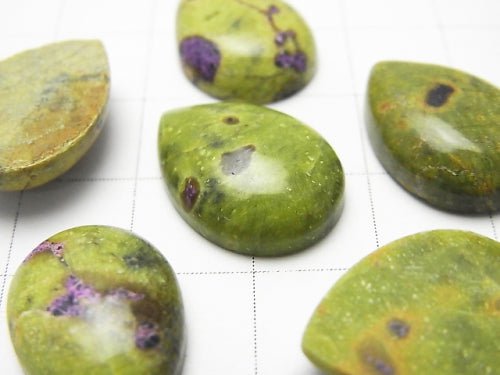
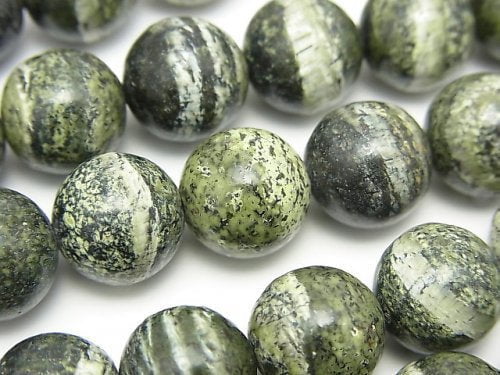
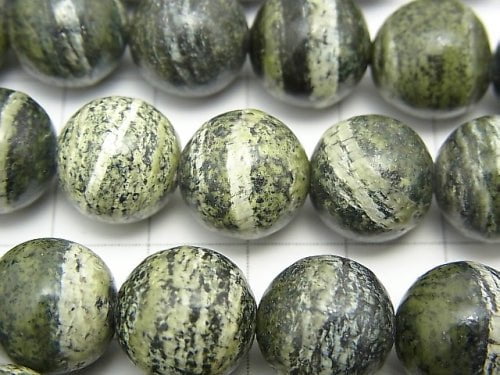
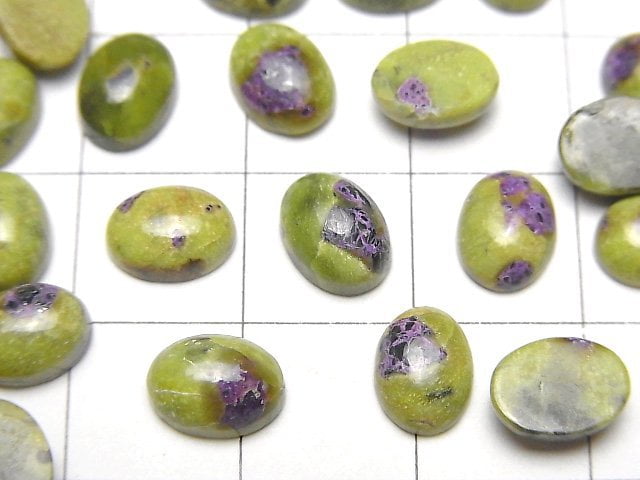
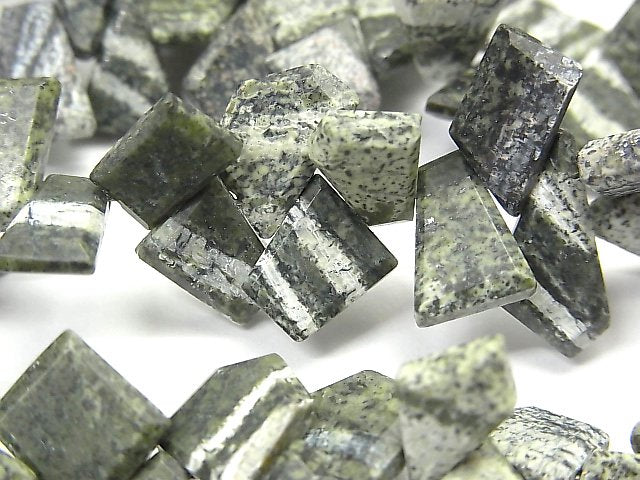
Serpentine is not a single mineral but a group of closely related hydrous magnesium silicate minerals (mainly antigorite, lizardite, and chrysotile) that share a green, often mottled or "snakeskin" appearance. The name itself comes from the Latin for serpent, inspired by those scale-like patterns. As a lapidary material it is soft and easy to carve, which has made it a favorite for beads, cabochons, bowls, and ornaments for thousands of years — and it is the official state rock of California.

Serpentine History and Meaning
Serpentine has been used since antiquity, and its name and lore both trace back to snakes, thanks to its scaly green patterns. Folklore is rich: one legend calls it the petrified skin of a great serpent guarding a cave of gold, promising treasure to whoever found it in the mountains; another links it to the fruit of the Tree of Knowledge, which is why some traditions call it a "stone of knowledge." Practically, fibrous serpentine (chrysotile) can split into threads that were historically woven into fire-resistant cloth, and people long believed the stone offered protection against snakebite. These are traditional stories, shared here as cultural history rather than fact.

Serpentine Physical and Chemical Properties
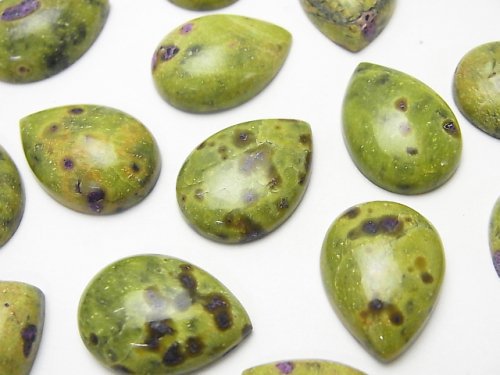
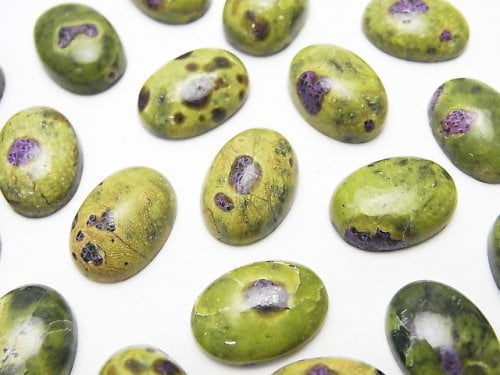
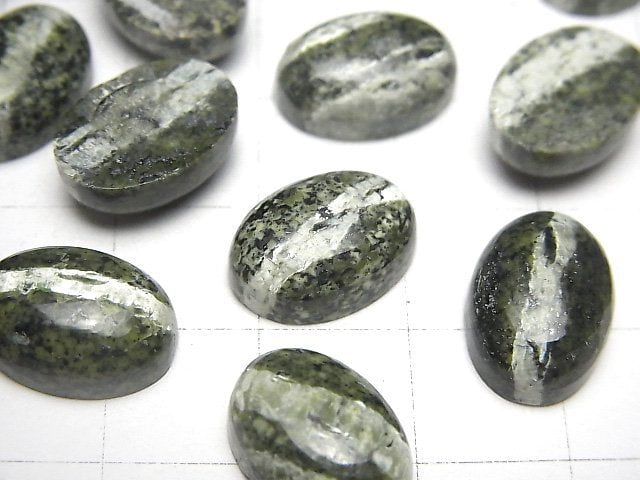
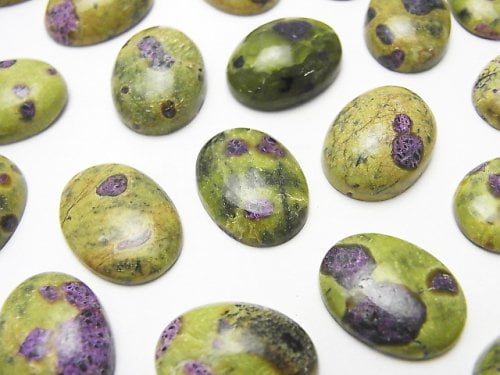
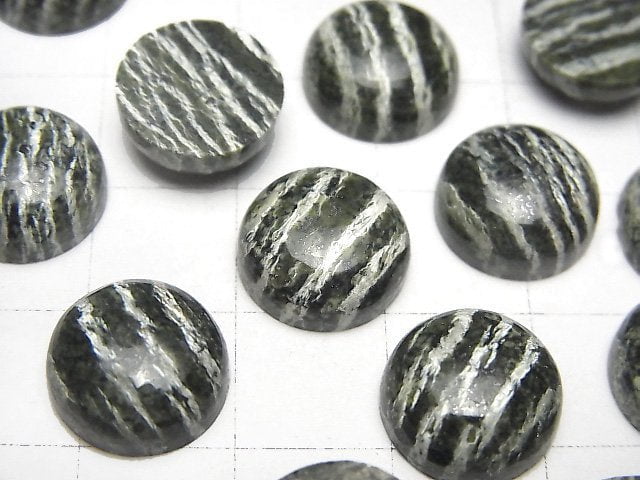
Serpentine is a hydrous magnesium silicate, typically green — from pale yellow-green to near-black — often in striped or snakeskin patterns, with iron, nickel, and aluminum as common impurities. Most stones are opaque to translucent with a greasy or waxy luster; some show a glassy or pearly sheen, and iron-rich pieces can be weakly magnetic. It has no true cleavage (except antigorite), an uneven-to-conchoidal fracture, and a low Mohs hardness of about 2.5–4, so it scratches easily and can be damaged by acids and even salt water. That softness, plus its fibrous nature, makes it best suited to protected settings and gentle wear.

Types of Serpentine
The serpentine group has about 20 members, but a few matter most to buyers:
- Antigorite: a layered, sometimes fibrous serpentine in gray to bluish-green; splits into thin sheets
- Lizardite: a fine-grained serpentine (named for the Lizard peninsula in Cornwall, UK), common in massive green material
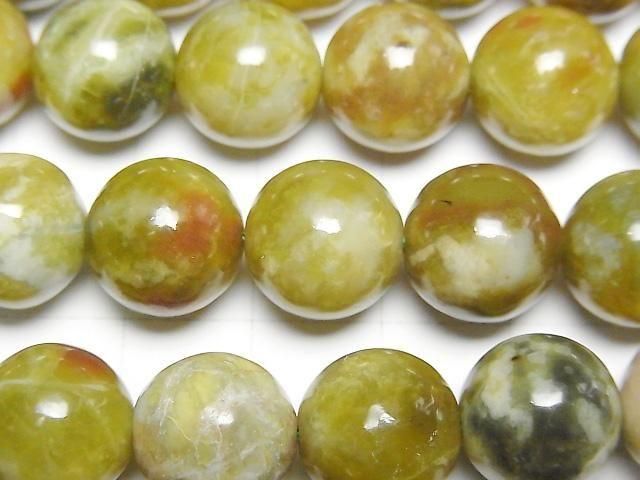
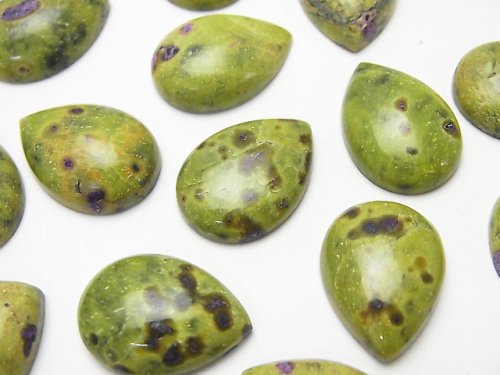
- Ophite (noble serpentine): a dense, slightly translucent, yellow-green stone with a waxy sheen — the classic gem-grade material (from Greek "ophis," snake)
- Chrysotile: a fibrous serpentine — and a form of asbestos (see the safety section below)
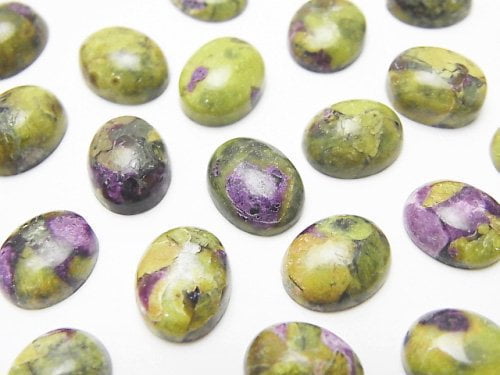
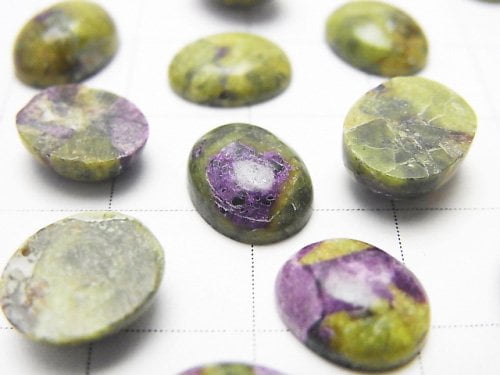
Fine translucent green serpentine is sometimes sold as "new jade" or "Korean jade." Because it is not true jade (jadeite or nephrite), that name should be qualified so buyers are not misled.
Serpentine and Asbestos: Is It Safe?
Here is the honest answer buyers deserve: some serpentine — specifically the fibrous chrysotile variety — is a form of asbestos, a known carcinogen when its fibers are inhaled. Solid, polished, or tumbled serpentine handled normally as jewelry or décor is generally considered low risk, because the danger comes from breathing in airborne fibers, not from touching or wearing the stone. The real caution is for cutting, grinding, sanding, or drilling raw serpentine: that can release fibers, so lapidaries should work wet, use proper dust extraction and respiratory protection, and avoid dry-working fibrous material. If you simply wear or display finished serpentine, keep it intact and do not grind it at home.
Serpentine Meaning and Symbolism
In crystal tradition, serpentine is regarded as an "earth" stone associated with grounding, renewal, and personal growth, and in crystal lore it is often linked with the heart chakra. It is important to be clear that these are cultural and folkloric beliefs, not medical facts: serpentine is not a medicine and does not diagnose, treat, cure, or prevent any condition — including anything related to injuries, blood pressure, sleep, or infection — and it is no substitute for professional care.
- Traditionally associated with grounding, renewal, and steady progress
- In crystal lore, connected with the heart chakra and the natural world
- Historically carried as a protective talisman (for example, against snakebite in folklore)
- Chosen by many simply as an attractive, meaningful green stone
These are traditional beliefs, not medical claims.

Serpentine Value and Price
Serpentine is an affordable stone, valued mostly on color, pattern, and translucency rather than rarity. Even, vivid green material with an attractive snakeskin or "watery" translucent look (the kind sold as "new jade") is the most desirable; dull or heavily veined pieces are inexpensive. As a rough guide, tumbled stones and bead strands often run just a few US or Canadian dollars, while fine carved pieces and translucent cabochons cost more for the craftsmanship. Treat any figure as general guidance rather than a fixed quote, and buy on the beauty of the individual piece.

How to Care for Serpentine
Because serpentine is soft (Mohs 2.5–4), it needs gentle care to stay beautiful.
- Clean with a soft, slightly damp cloth or mild soapy water; dry promptly
- Avoid acids, salt water, and harsh chemicals, which can etch or dull the surface
- Skip ultrasonic and steam cleaners
- Store separately from harder gems to prevent scratches, and protect it from knocks
- Do not grind or sand raw serpentine at home (see the asbestos section)
Serpentine FAQ
Quick answers to the questions people most often ask about serpentine.
What is serpentine?
Serpentine is a group of green hydrous magnesium silicate minerals (mainly antigorite, lizardite, and chrysotile) used for beads, cabochons, and carvings. It is soft, waxy, and named for its snakeskin patterns.
Is serpentine dangerous or toxic?
Solid, polished, or tumbled serpentine worn or displayed normally is generally considered low risk. The concern is fibrous chrysotile serpentine, a form of asbestos, when it is cut, ground, or sanded and its dust is inhaled — so avoid dry-working raw material.
Is serpentine the same as jade?
No. Translucent green serpentine is sometimes sold as "new jade," but it is not true jade (jadeite or nephrite). It is softer and should be described as serpentine.
What does serpentine mean?
In crystal lore, serpentine is associated with grounding, renewal, and the heart chakra. These are traditional beliefs, not medical claims.
How hard is serpentine?
It is soft, about 2.5–4 on the Mohs scale, so it scratches easily and suits protected settings and gentle wear rather than everyday rings.
Can serpentine get wet?
Brief contact with water is fine, but avoid prolonged soaking, salt water, and acids, which can damage the surface. Dry it after cleaning.
Is serpentine valuable?
It is generally inexpensive. Value comes from even color, attractive pattern, and translucency, plus the quality of any carving.
Where does serpentine come from?
Serpentine forms worldwide in altered magnesium-rich rocks. It is abundant in many countries and is the official state rock of California.
Buying Serpentine from KenKenGems
When buying serpentine, choose by color, pattern, and translucency, and remember it is a soft stone best kept in protected settings. KenKenGems offers serpentine as strands, individual stones, and sets in a range of cuts and colors, described accurately (for example, translucent green sold as serpentine rather than true jade). Looking for a specific shade such as yellow serpentine? Explore our serpentine collection.