
TOC
- 1. What Is Onyx?
- 2. Onyx Meaning and History
- 2-1. Onyx Spiritual Meaning
- 3. Onyx Properties: Physical and Chemical
- 4. Onyx Colors and Types
- 4-1. Sardonyx vs. Onyx: What's the Difference?
- 5. True Onyx vs. “Onyx Marble” (Mexican Onyx)
- 6. Is Black Onyx Dyed? Treatments and Disclosure
- 7. Onyx Value: How Much Is It Worth?
- 8. Onyx Healing Properties
- 9. Onyx Metaphysical Properties
- 9-1. Onyx and the Root Chakra
- 9-2. Onyx Benefits
- 9-3. Onyx Birthstone and Zodiac Associations
- 10. Onyx Uses in Jewelry and Decor
- 11. How to Identify and Care for Onyx
- 12. Frequently Asked Questions About Onyx
- 12-1. What is onyx?
- 12-2. Is onyx a real gemstone?
- 12-3. Is black onyx dyed?
- 12-4. What is the difference between onyx and onyx marble?
- 12-5. What is the difference between onyx and sardonyx?
- 12-6. What does onyx mean spiritually?
- 12-7. Which chakra is onyx?
- 12-8. Is onyx a birthstone?
- 12-9. Can onyx get wet?
- 13. Shop Onyx at KenKenGems

What Is Onyx?
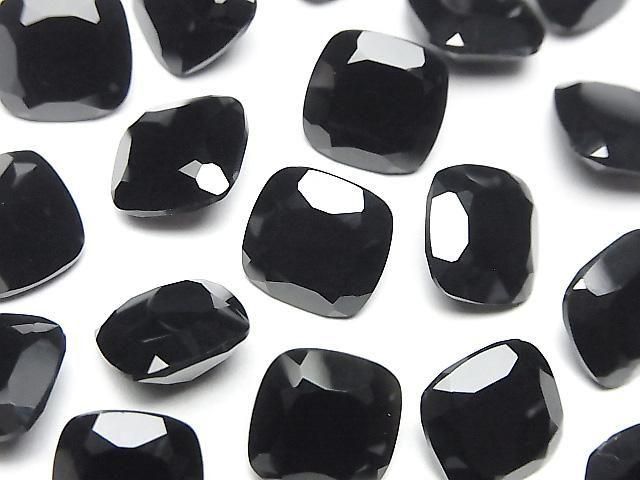
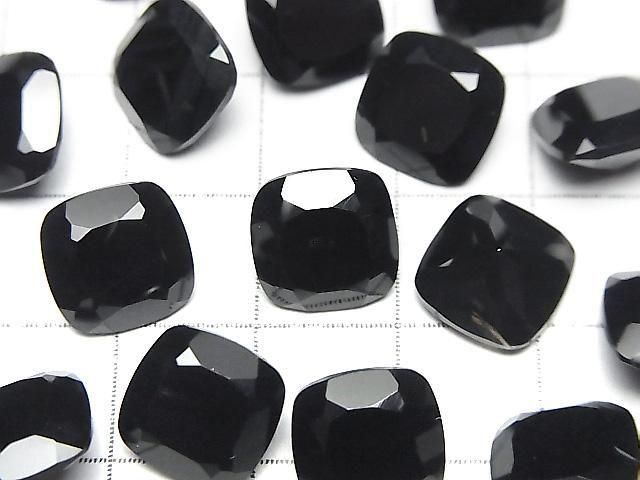
Onyx is a banded variety of chalcedony — a microcrystalline (cryptocrystalline) form of quartz, silicon dioxide (SiO2). Yes, onyx is a genuine gemstone, and its defining feature is the straight, parallel bands that run through it, most famously black layered with white. It has been treasured for millennia for its striking looks and its long-standing reputation, in folklore, as a protective and grounding stone.
Two points are worth knowing before you shop. First, most commercial “black onyx” is chalcedony that has been dyed or color-treated black — solid, naturally black onyx is rare, so reputable sellers disclose any dyeing or heat treatment. Second, true onyx (a quartz, Mohs 6.5–7) is not the same material as “onyx marble” or “Mexican onyx,” which is banded calcite (calcium carbonate) and much softer. Both points are covered in detail below.

Onyx Meaning and History
In gem lore, the meaning of onyx centers on protection, strength, and self-mastery — a stone long associated with standing firm and staying grounded. Onyx is an ancient gem: archaeologists have found vessels, figurines, and carvings made from it in Ancient Egypt and Babylon, some dating back thousands of years, and the Bible names onyx among the precious stones of the ancient world.
Across the ancient Americas, black onyx appears in ceremonial objects, and in many cultures it was regarded as a stone of good fortune. The name itself comes from the Greek word for “nail” or “claw”: in one well-known legend, the god of love trimmed the nails of the sleeping Aphrodite, and the clippings that fell to earth were said to have turned into onyx. These are cultural stories, offered as history and folklore rather than fact.
Onyx Spiritual Meaning
Spiritually, onyx is traditionally described as a stone of protection and inner strength. In crystal tradition it is spoken of as a grounding stone that helps a person feel centered and hold steady through difficult or high-pressure situations. Black onyx in particular is associated, in folklore, with willpower, self-discipline, and confident decision-making. These are traditional beliefs, not medical claims — cultural and spiritual associations rather than scientifically proven effects.
Onyx Properties: Physical and Chemical
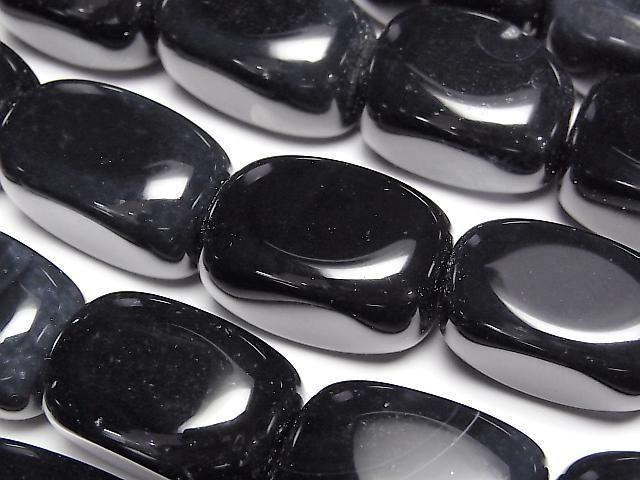
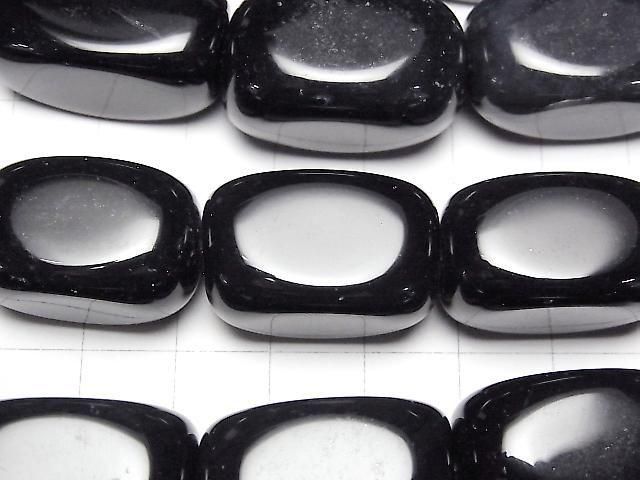
Among its defining properties, onyx is a chalcedony variety of quartz, composed of silicon dioxide (SiO2). Its signature look comes from straight, parallel bands formed by layers of slightly different composition. Onyx has a medium-to-high hardness of 6.5–7.0 on the Mohs scale and is typically opaque — occasionally translucent — with a vitreous (glassy) luster that polishes beautifully.
| Property | Value |
|---|---|
| Mineral class | Chalcedony (microcrystalline quartz) |
| Chemical formula | SiO2 (silicon dioxide) |
| Crystal system | Trigonal (cryptocrystalline aggregate) |
| Hardness (Mohs) | 6.5 – 7.0 |
| Specific gravity | ~2.55 – 2.70 |
| Structure | Straight, parallel banding |
| Transparency | Opaque; occasionally translucent |
| Luster | Vitreous (glassy) |
| Common colors | Black, white, green, brown, red/orange (sardonyx) |
| Common sources | Brazil, India, Uruguay, Madagascar, USA |
Because onyx is a quartz, it is durable enough for everyday jewelry, though its banded and often dyed nature means it still benefits from gentle care (see the care section below).
Onyx Colors and Types
Onyx comes in a range of colors, each with its own appeal:
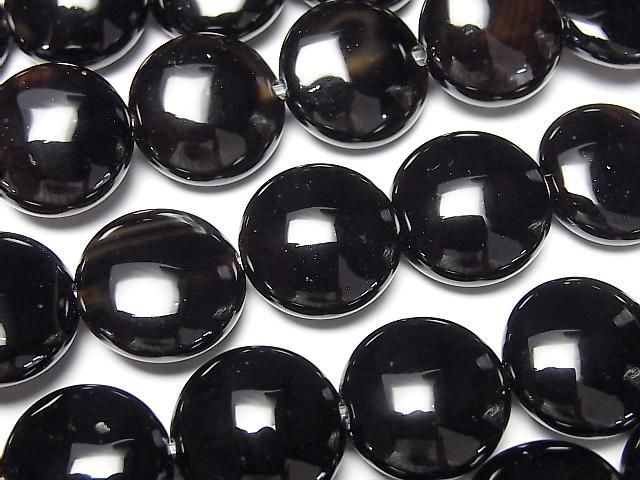
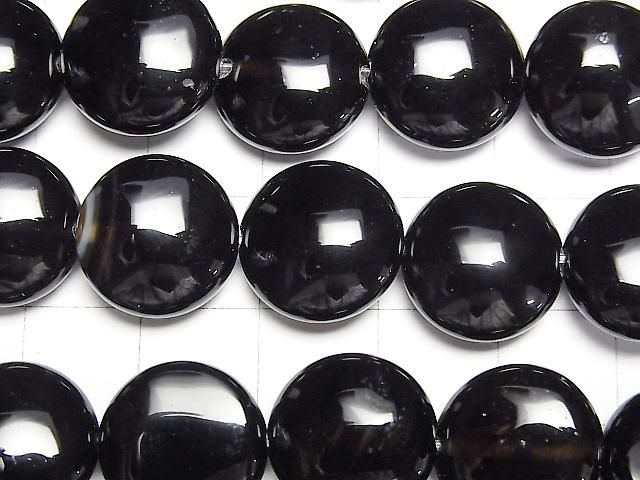
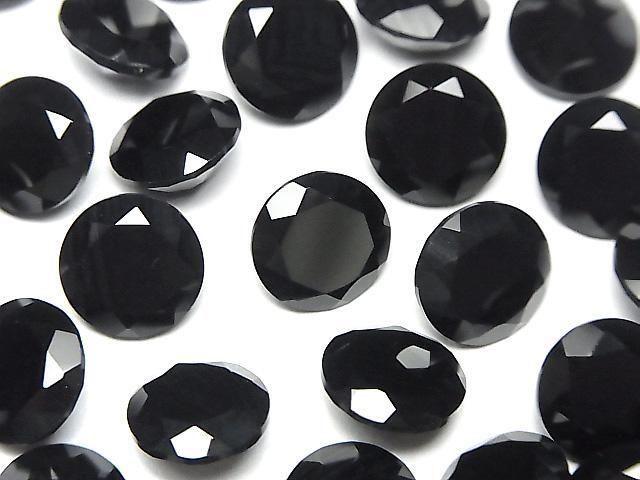
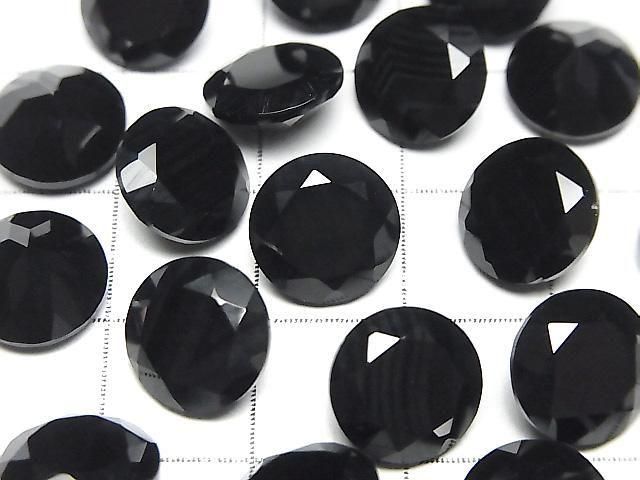
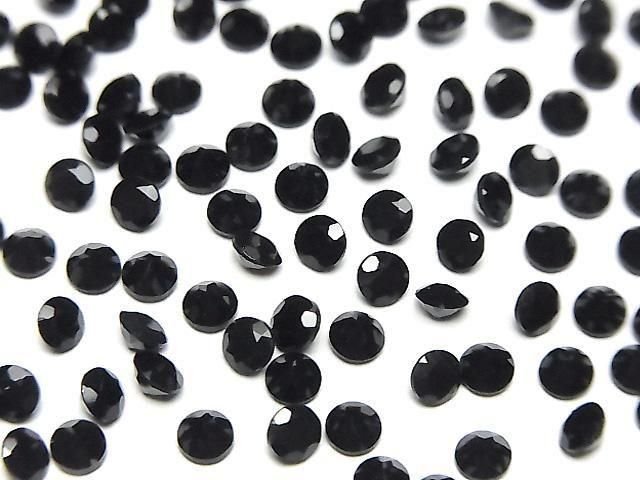
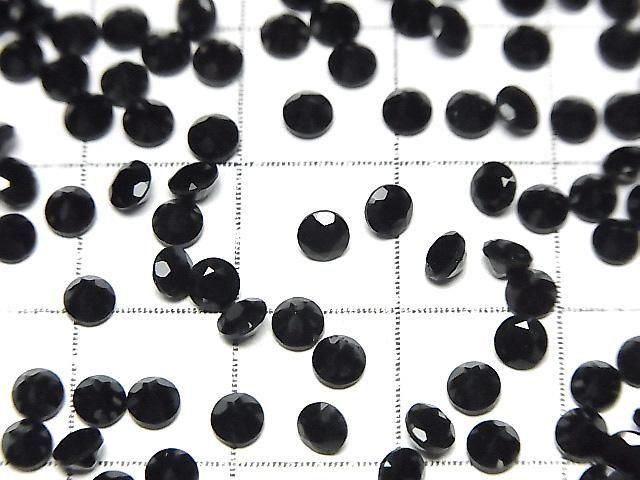
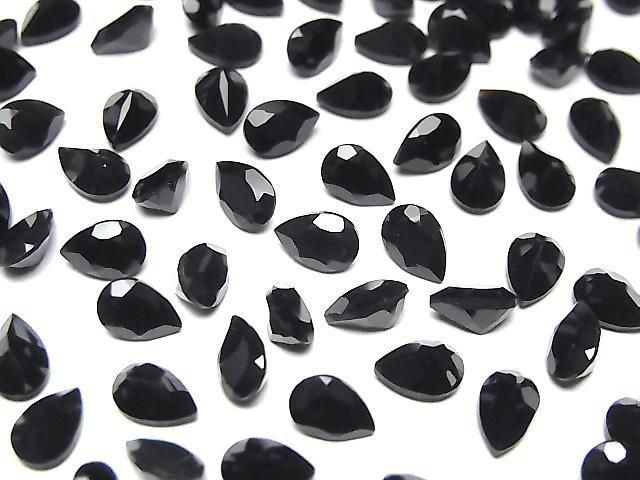
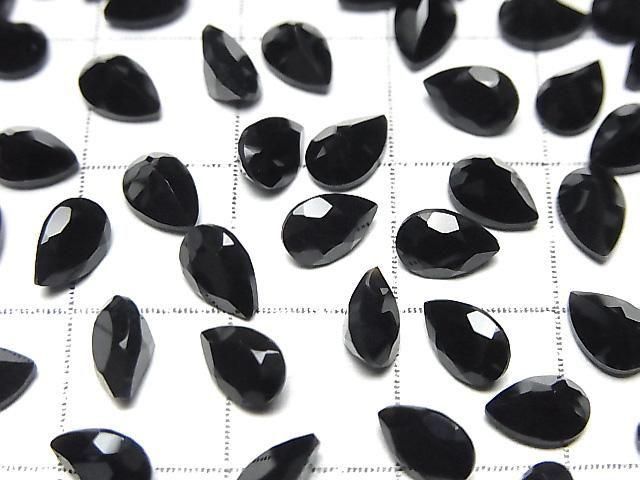
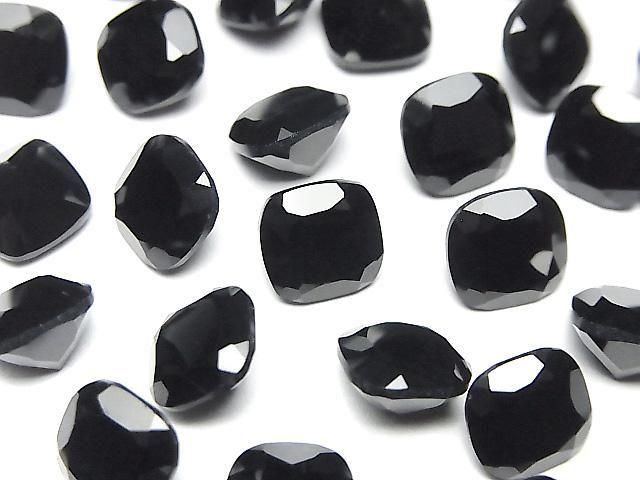
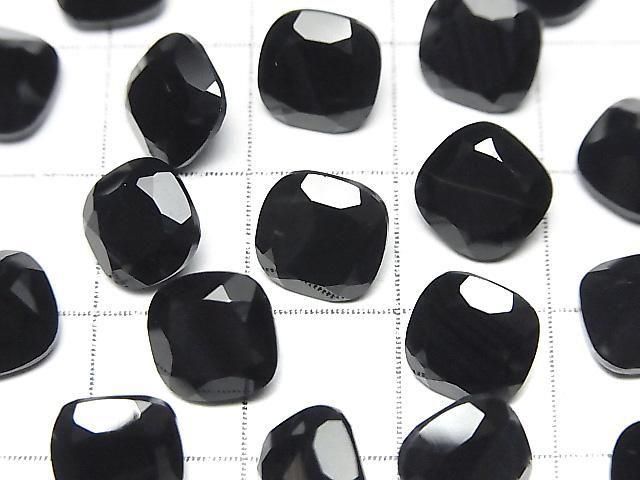
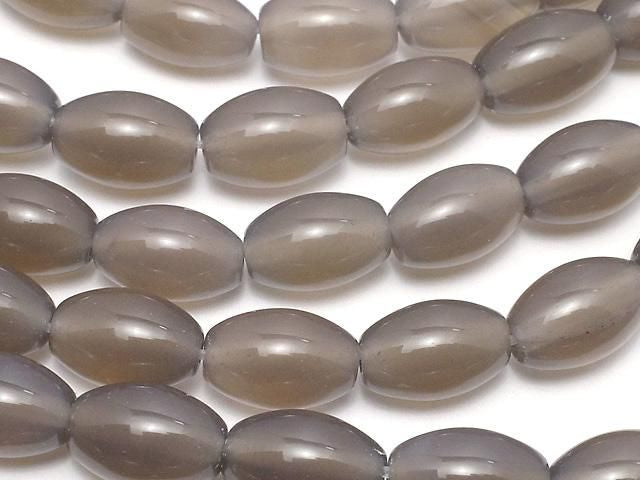
- Black onyx — the best-known and most sought-after variety, sometimes called Arabic onyx; predominantly black, occasionally with white stripes. Most black onyx on the market is color-treated (dyed), as explained below.
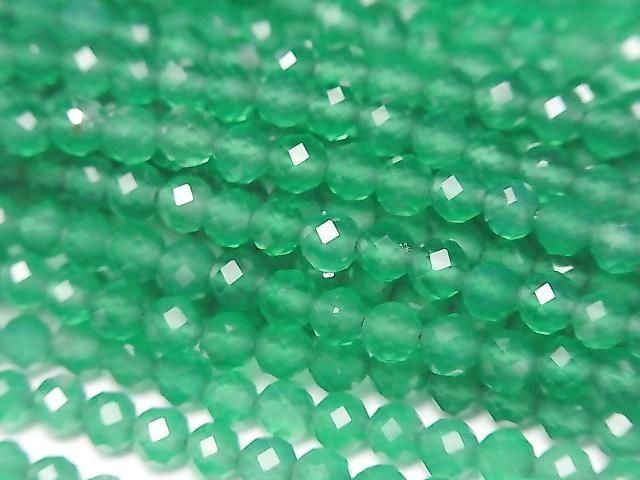
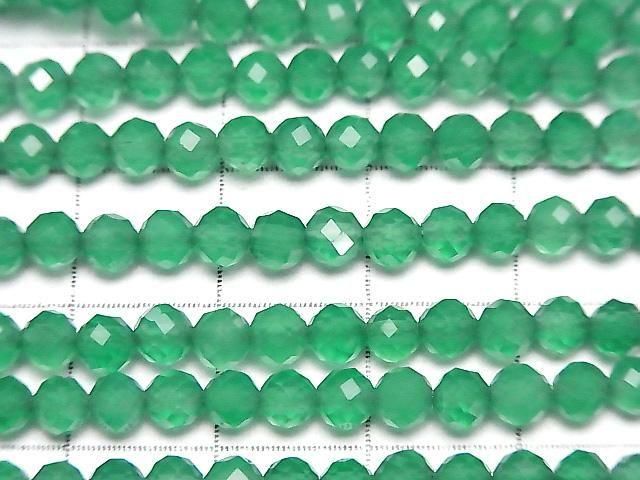
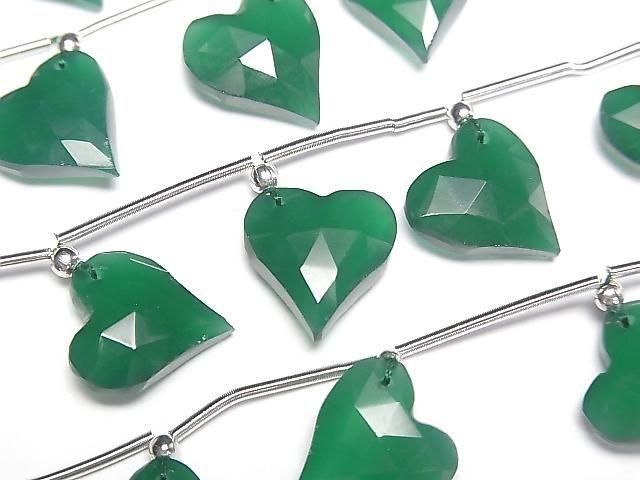
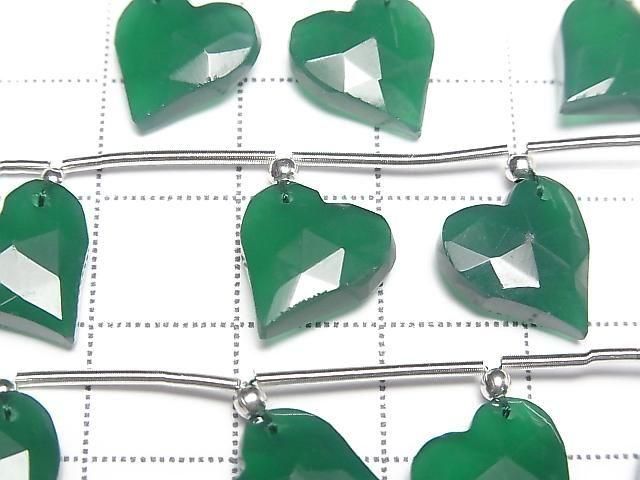
- Green onyx — banded chalcedony from bright to light green, often with thin contrasting veins (the finer the veins, the more prized). Note: softer, more common calcite is sometimes sold as “green onyx” despite being a different material; ask about composition.
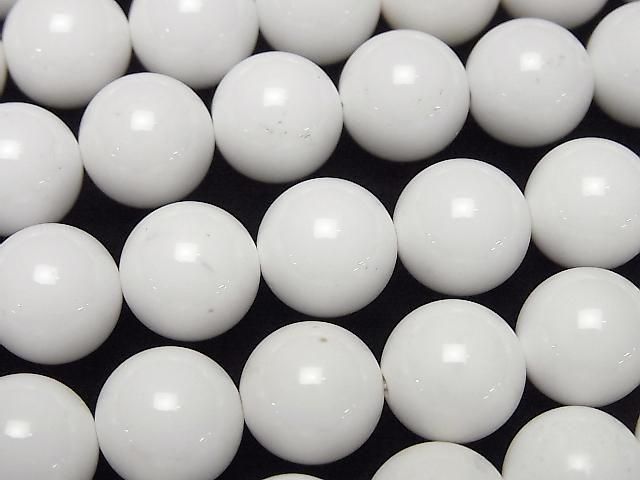
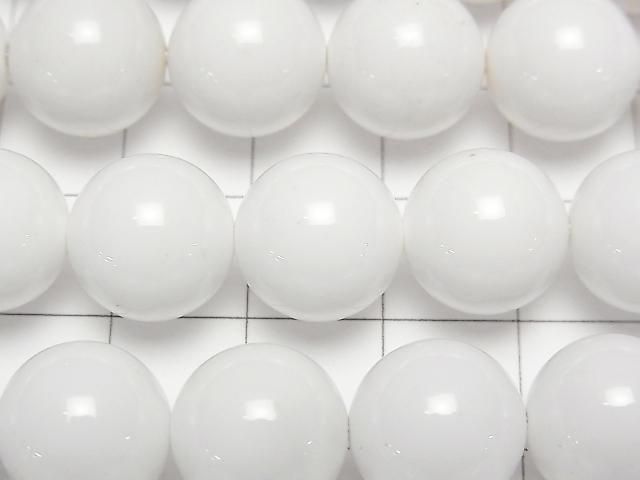
- White onyx — a milky or pinkish background patterned with delicate veins.
- Sardonyx — translucent orange-red and brown banded onyx, a common and historic chalcedony variety (see the comparison below).
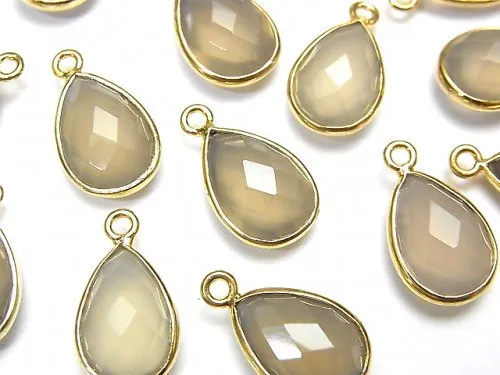
- Other colors — brown, pink, blue, yellow, and beige also occur, often without sharp banding and frequently dyed.
A note for buyers: some material sold as onyx is plain chalcedony or agate treated to imitate it, and much genuine onyx is dyed or heat/acid-treated to deepen or change color. Reputable sellers disclose any treatment — a requirement under the FTC Jewelry Guides.


Sardonyx vs. Onyx: What's the Difference?
Sardonyx and onyx are close relatives — both are banded chalcedony — but the banding color differs. Classic onyx has black-and-white (or single-color) bands, while sardonyx combines the reddish-brown of sard (a form of carnelian) with white bands. Sardonyx has been prized since antiquity for cameos and intaglios because carvers could cut through the contrasting layers to create raised or recessed designs. If a banded stone shows warm brown, orange, or reddish layers, it is generally called sardonyx rather than plain onyx.
True Onyx vs. “Onyx Marble” (Mexican Onyx)
One of the most common points of confusion in the trade is that two very different materials are both called “onyx.” They are not the same stone:
- True onyx (chalcedony onyx) — a variety of quartz (SiO2), Mohs 6.5–7, with straight parallel bands. This is the gemstone used in rings, beads, and pendants.
- “Onyx marble,” “Mexican onyx,” or “cave onyx” — a banded form of calcite or aragonite (calcium carbonate), typically Mohs 3–4, formed in caves and springs. It is much softer, often translucent with swirling honey, green, or cream bands, and is used for carvings, bookends, lamps, tiles, and countertops rather than fine jewelry.
Because calcite “onyx” is soft and reacts to acids, it scratches and etches easily and is not interchangeable with quartz onyx. Under the FTC Jewelry Guides, a material's true identity should be made clear, so a reputable seller will tell you whether an “onyx” item is chalcedony (quartz) or calcite marble.
Is Black Onyx Dyed? Treatments and Disclosure
Yes — the great majority of solid black onyx sold today is color-treated rather than naturally black. Naturally uniform, jet-black onyx is uncommon, so most black onyx begins as pale gray banded chalcedony or agate that is dyed to a deep, even black.
The traditional method, used for well over a century, is a sugar-and-acid treatment: the porous stone is soaked in a sugar solution and then heated in sulfuric acid, which precipitates carbon inside the stone and turns it a stable, permanent black. Other onyx colors (green, blue, red) are frequently produced with dyes, and some material is heat-treated. These treatments are considered stable and are widely accepted in the trade.
What matters for buyers is disclosure. Under the FTC Jewelry Guides (16 CFR Part 23), treatments that affect a gemstone's value or that require special care must be disclosed. So a black onyx that is affordable and perfectly uniform is almost certainly dyed — that is normal and stable, but it should be described honestly as color-treated, and untreated natural black onyx will carry a premium.
Onyx Value: How Much Is It Worth?
Onyx is a semi-precious and generally affordable gemstone, which is part of why it is so popular for both jewelry and decorative pieces. Value is driven mainly by color, color saturation, the crispness and evenness of the banding, and the quality of the cut and polish. Naturally black and white onyx tend to command higher prices because they are less common in nature, and stones with clean, evenly contrasting bands are more desirable than muddy or uneven ones.
Because so much black onyx is dyed, undyed natural material and finely patterned pieces carry a premium, and disclosed-natural stones cost more than treated ones. Prices vary by seller, size, cut, and quality, so choose a stone for its color and pattern that you love rather than as a financial investment; onyx is not a guaranteed store of value.

Onyx Healing Properties
In crystal-healing tradition, onyx is described as a grounding, stabilizing stone associated with calm, focus, and emotional resilience. It is important to understand these as traditional beliefs and personal practices. These are traditional beliefs, not medical claims.
Important: onyx and other crystals are not medicine. They cannot diagnose, treat, cure, or prevent any illness, and they are not a substitute for professional medical or mental-health care.
Within those traditions, people keep onyx nearby as a symbolic anchor — a reminder to slow down and steady the mind. Any sense of calm that comes from a mindful routine is a personal experience rather than a property of the stone itself.
Onyx Metaphysical Properties
Among its traditional metaphysical associations, onyx is described as a protective amulet and a stone of willpower. In folklore it is said to shield its wearer from misfortune and to support people in demanding or high-stakes roles. Black onyx is considered a talisman for business and ambition — linked with focus, perseverance, and confident negotiation — while onyx in general has long been called a “stone of eloquence,” favored by speakers and teachers. These are traditional beliefs, not medical claims — cultural and spiritual beliefs rather than established facts.

Onyx and the Root Chakra
Black onyx is traditionally linked to the root chakra (Muladhara) — the energy center associated, in these traditions, with safety, stability, and feeling grounded — and its deep, earthy color reinforces that connection in crystal lore. Practitioners may place onyx at the base of the body during meditation, or carry a piece through a stressful day, to encourage a settled, focused feeling. These are spiritual practices, not medical claims.
Onyx Benefits
Within crystal lore, onyx is traditionally associated with:
- Protection and a sense of energetic “shielding”
- Grounding and emotional steadiness
- Focus, willpower, and self-discipline
- Confidence in decisions and negotiations
These descriptions reflect spiritual traditions and personal experiences, not proven physical or psychological effects, and are not medical claims.
Onyx Birthstone and Zodiac Associations
Onyx is not a traditional modern birthstone, but it is a mystical/ayurvedic birthstone linked to December in some listings, and it is one of several stones associated with Leo and, in other traditions, Capricorn. Astrologically it is offered as a grounding, steadying companion for these signs. As with all such associations, these are cultural and folkloric attributions rather than facts about the stone.
Onyx Uses in Jewelry and Decor
Onyx's even color and take-a-polish finish make it a favorite for both classic and modern designs:
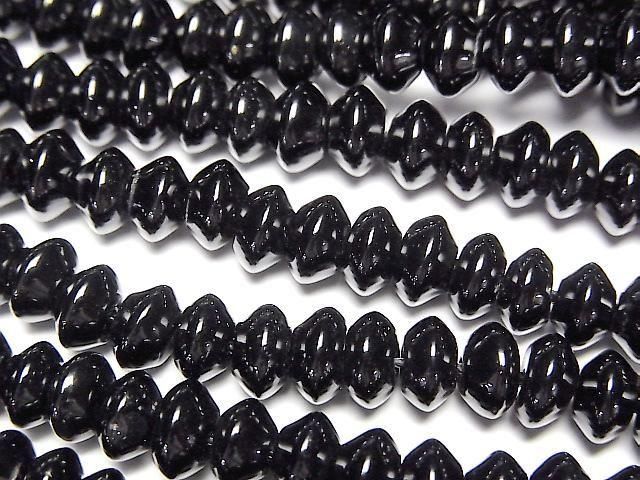
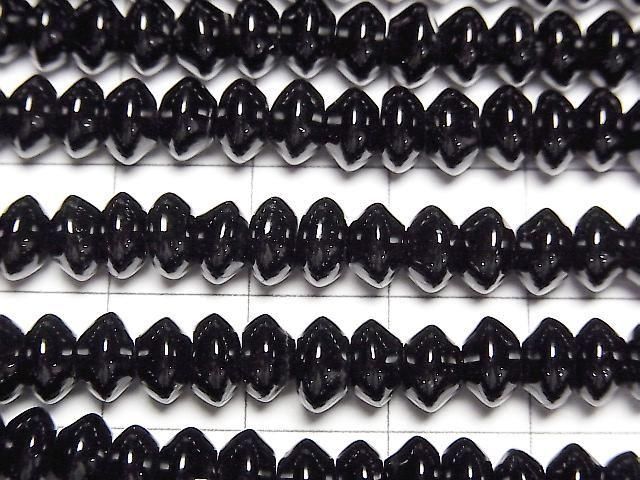
- Jewelry — black onyx is a staple of men's and unisex rings, cufflinks, and signet rings, and of elegant beaded bracelets, necklaces, earrings, and pendants. Its neutral color pairs easily with silver, gold, and diamonds.
- Cameos and intaglios — banded onyx and sardonyx have been carved into layered cameos and seals since antiquity, using the contrasting bands for the raised or recessed design.
- Cabochons and inlay — onyx is cut en cabochon and used as inlay in watches, boxes, and mosaics.
- Home and decor — larger pieces (and calcite “onyx marble”) are shaped into bookends, bowls, spheres, and carvings; in feng shui folklore, black onyx is placed in the home as a protective, grounding accent.
How to Identify and Care for Onyx
Because so much black onyx is dyed and because “onyx” can mean two different materials, a few checks help you know what you are buying:
- Color evenness: naturally solid-black onyx is uncommon, so a perfectly uniform, inexpensive black stone is usually dyed chalcedony or agate. This is normal and stable, but it should be disclosed.
- Banding: genuine onyx shows straight, parallel bands; concentric or wavy bands usually indicate agate instead.
- Hardness: true (chalcedony) onyx is quartz-hard (6.5–7) and will not scratch with a steel blade. If a stone scratches easily, it may be calcite “onyx marble,” not quartz onyx.
- Ask the seller: reputable dealers state whether a stone is natural, dyed, or treated, and whether it is chalcedony or calcite.
Care is easy: clean onyx with mild soap, lukewarm water, and a soft cloth; avoid harsh chemicals and ultrasonic or steam cleaners (which can affect dyed stones); keep it away from hard knocks; and store it separately from harder gems to prevent scratches. Prolonged sunlight is best avoided for dyed material.
Frequently Asked Questions About Onyx
What is onyx?
Onyx is a banded variety of chalcedony quartz (silicon dioxide, SiO2), best known in black but also found in green, white, brown, and red/orange (sardonyx).
Is onyx a real gemstone?
Yes. Onyx is a genuine semi-precious gemstone (a quartz) widely used in jewelry and carvings. Note that much black onyx is color-treated, which reputable sellers disclose.
Is black onyx dyed?
Usually, yes. Most solid black onyx is dyed or color-treated — traditionally with a sugar-and-acid process — because naturally uniform black onyx is rare. It is a stable, accepted treatment that should be disclosed.
What is the difference between onyx and onyx marble?
True onyx is chalcedony (quartz), Mohs 6.5–7, used for jewelry. “Onyx marble” or “Mexican onyx” is banded calcite (calcium carbonate), Mohs 3–4, much softer, and used for carvings and countertops. They are different materials.
What is the difference between onyx and sardonyx?
Both are banded chalcedony. Classic onyx has black-and-white or single-color bands; sardonyx combines reddish-brown sard with white bands and has long been used for cameos.
What does onyx mean spiritually?
In folklore, onyx is seen as a stone of protection, grounding, and inner strength, associated with focus and self-discipline. These are traditional beliefs, not medical claims.
Which chakra is onyx?
In crystal tradition, black onyx is linked to the root chakra, the center of stability and security.
Is onyx a birthstone?
Onyx is not a standard modern birthstone but appears as a mystical/ayurvedic stone for December and is associated with Leo (and, in some traditions, Capricorn). These are folkloric associations.
Can onyx get wet?
Brief contact with water is fine. Avoid long soaks, harsh chemicals, and ultrasonic cleaners — especially for dyed stones — and dry it promptly.
Shop Onyx at KenKenGems
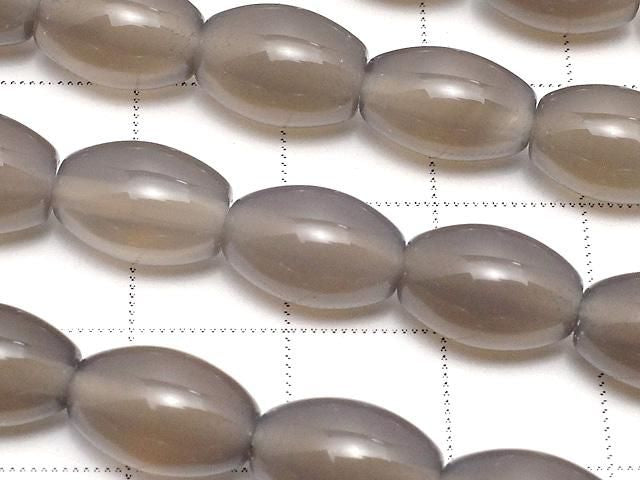
Ready to add onyx to your collection or designs? KenKenGems offers black, white, green, gray, and sardonyx onyx, cut en cabochon and faceted, with the lustrous finish and signature banding onyx is known for. Choose from one-of-a-kind stones, strands, sets, and pendants in silver and gold — hand-selected for color and quality, priced in USD, and shipped across the United States and Canada. Explore the full onyx collection to find the piece that is right for you.