TOC
- 1. What Is Chalcedony?
- 2. Chalcedony History and Meaning
- 3. Chalcedony Physical and Chemical Properties
- 4. Chalcedony Colors and Varieties
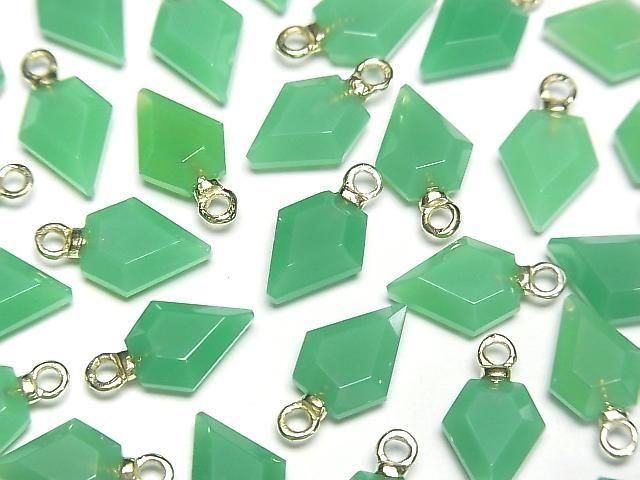
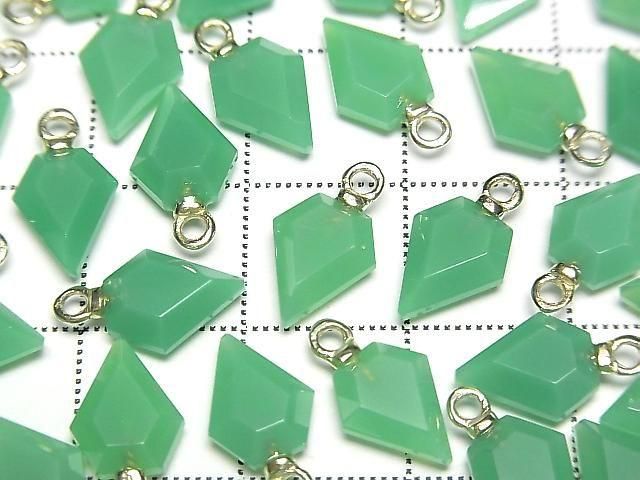
- 4-1. Chrysoprase (Green Chalcedony)
- 4-2. Chrome Chalcedony
- 4-3. Blue Chalcedony (Aqua Chalcedony)
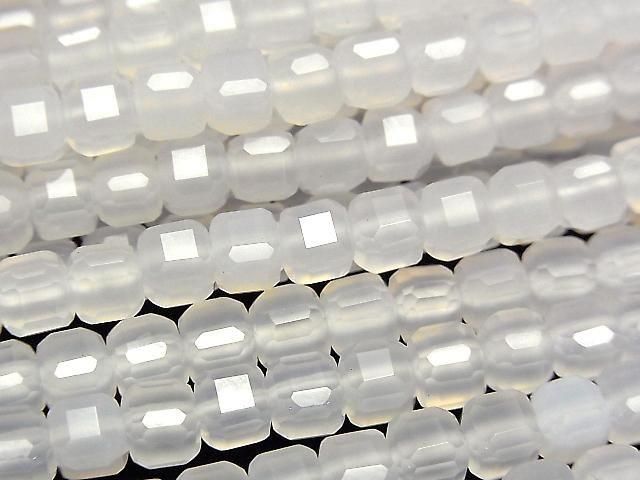
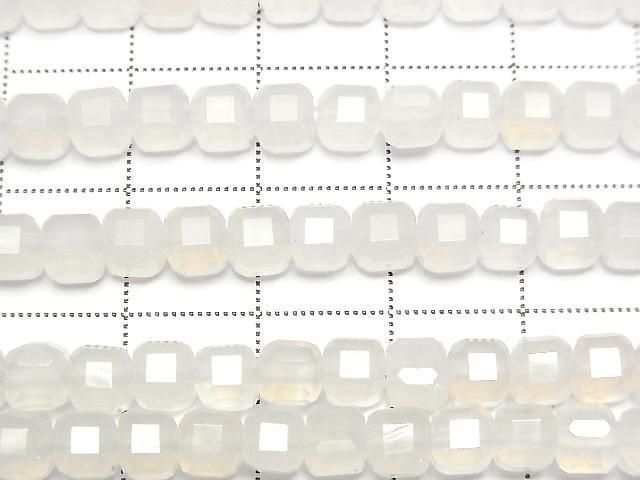
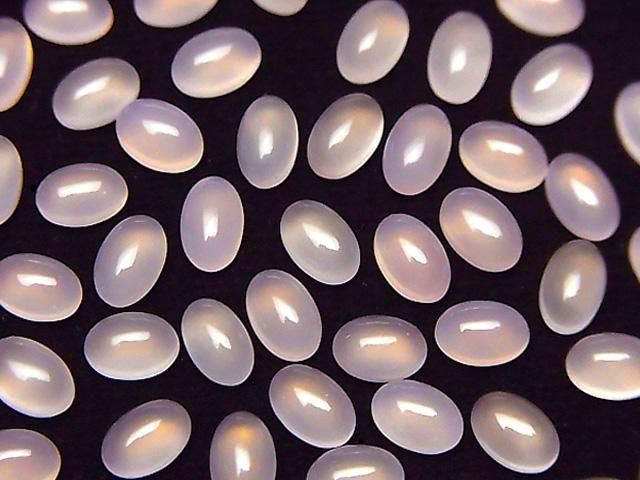
- 4-4. Cacholong (White Chalcedony)
- 4-5. Carnelian (Orange Chalcedony)
- 4-6. Heliotrope (Bloodstone)
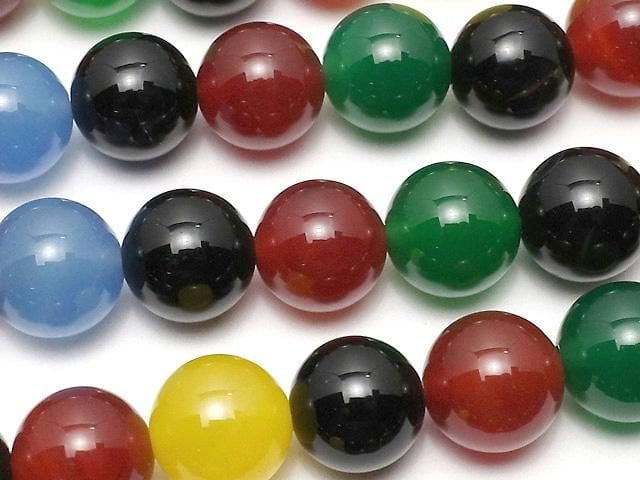
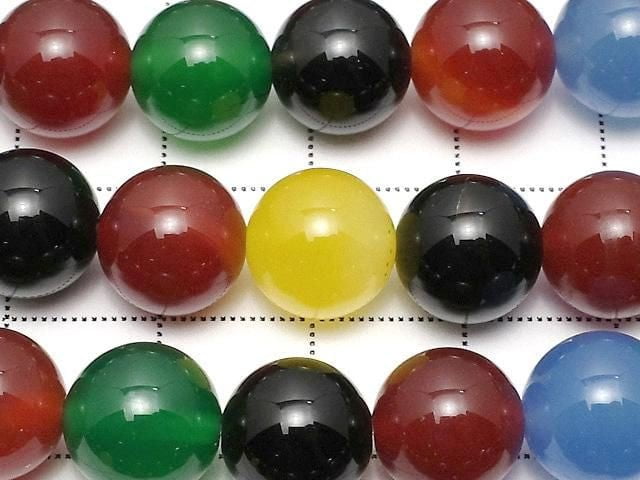
- 4-7. Agate
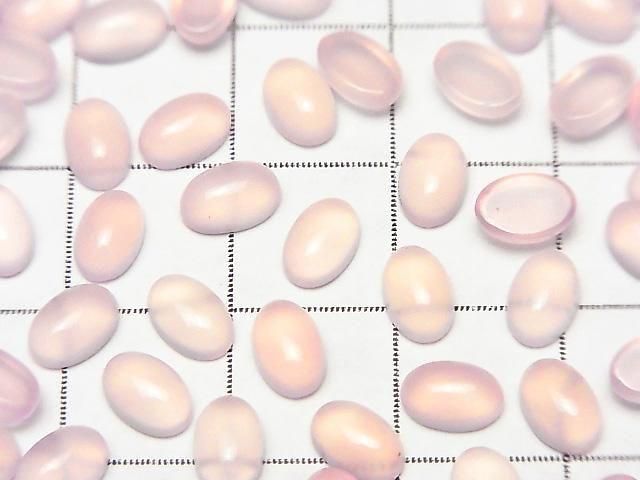
- 4-8. Pink Chalcedony
- 4-9. Onyx
- 4-10. Aquaprase
- 5. Where Is Chalcedony Found?
- 6. Chalcedony Value and Price
- 7. Chalcedony Meaning and Symbolism
- 8. How to Care for Chalcedony
- 9. Chalcedony FAQ
- 9-1. What is chalcedony?
- 9-2. How do you pronounce chalcedony?
- 9-3. Is chalcedony a quartz?
- 9-4. What is chalcedony used for?
- 9-5. Is chalcedony valuable?
- 9-6. Is blue or black chalcedony dyed?
- 9-7. What is the difference between chalcedony and agate?
- 9-8. How do I care for chalcedony?
- 10. Buying Chalcedony from KenKenGems

What Is Chalcedony?
Chalcedony (pronounced kal-SED-uh-nee) is cryptocrystalline silica — a form of quartz made of microscopic quartz crystals intergrown with a related silica mineral called moganite. In the broadest sense it is an umbrella term covering more than 100 varieties, including agate, carnelian, chrysoprase, onyx, and bloodstone. Because it comes in virtually every color and pattern, chalcedony is a favorite of collectors, carvers, and jewelry makers alike.

Chalcedony History and Meaning
Chalcedony has been used since antiquity and takes its name from the ancient port of Chalcedon on the Sea of Marmara, in modern Türkiye. Ancient Greeks and Romans carved it into cameos, seals, and intaglios, favoring blue and green material, and it later appeared in the rings of figures such as Byron and Napoleon. It also features in myth and scripture — for example, chalcedony is named among the foundation stones of the New Jerusalem — giving it a long symbolic association with calm and communication.

Chalcedony Physical and Chemical Properties
Chalcedony shares quartz's core properties: a Mohs hardness of about 6.5–7, a waxy to greasy luster, and no cleavage. It is opaque to translucent, and it is made of tightly packed quartz and moganite. Despite its respectable hardness, it can be brittle, so it should be protected from sharp impacts. Its even texture is what makes it ideal for carving and for smooth cabochons and beads.

Chalcedony Colors and Varieties
Chalcedony's varieties are defined by color and pattern. Here are the ones you are most likely to meet. For the highest-demand colors — blue, pink, purple, and green chalcedony — see the dedicated pages in our chalcedony collection.
Chrysoprase (Green Chalcedony)
Chrysoprase is a bright apple-to-mint green chalcedony colored by nickel. Prized since antiquity, it is one of the most valuable green chalcedonies and a popular choice for cabochons and beads.

Chrome Chalcedony
Chrome chalcedony is green like chrysoprase, but its color comes from chromium rather than nickel. A rare, deep-green form (sometimes with black flecks) known as mtorolite is found only in Zimbabwe.

Blue Chalcedony (Aqua Chalcedony)
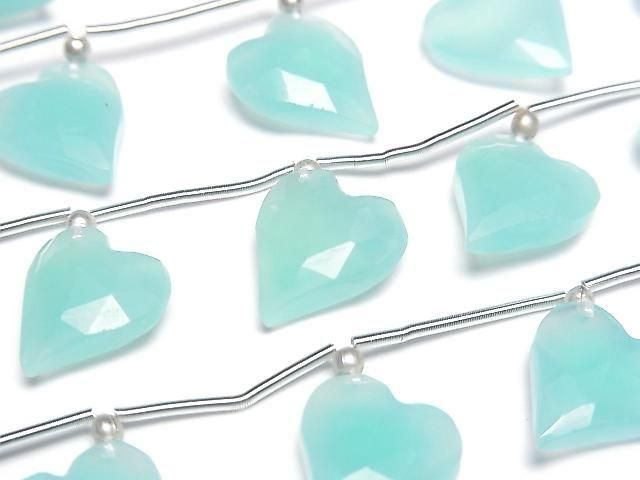
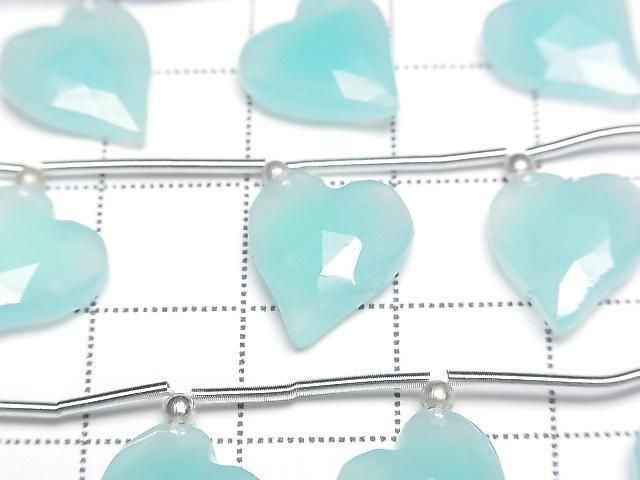
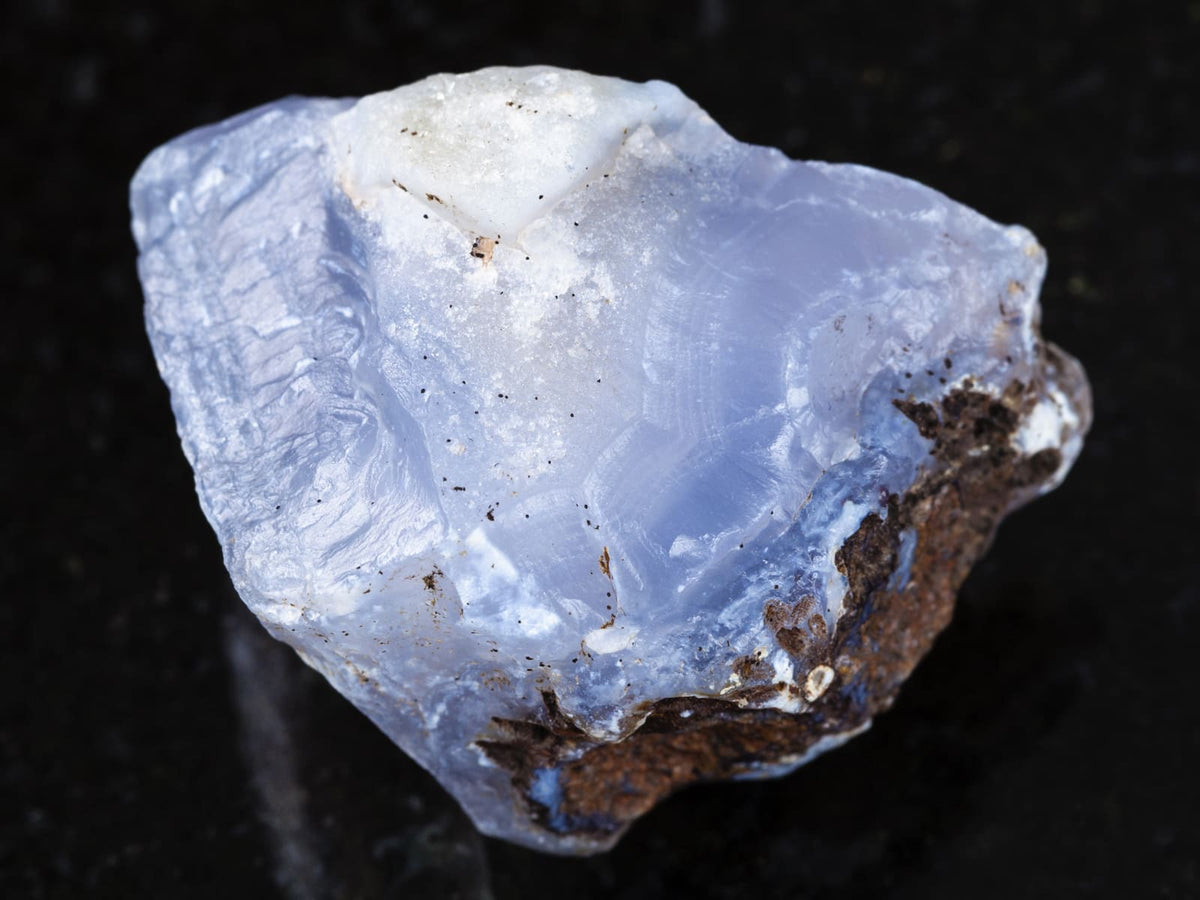
Blue chalcedony is a soft, milky blue variety valued for its gentle glow and layered patterns; some blue material on the market is dyed, which should be disclosed. It is popular enough to have its own guide — see blue chalcedony in our collection.
Cacholong (White Chalcedony)
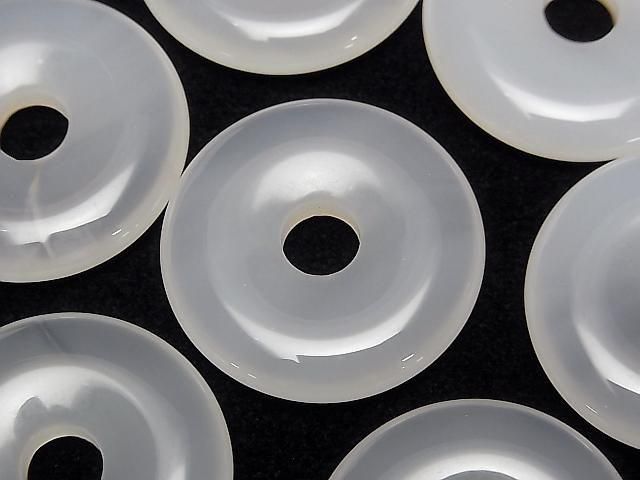
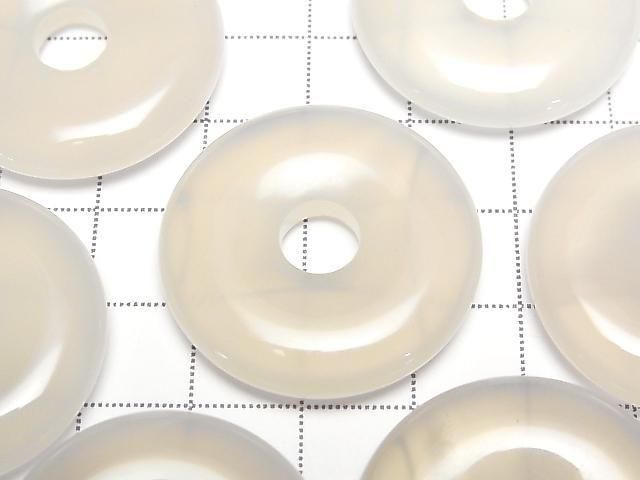
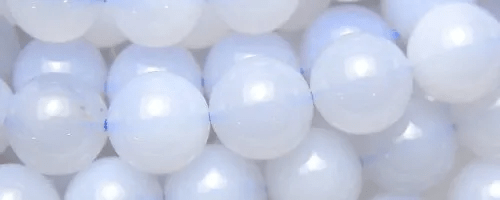
Cacholong is a milky-white, partly opaque variety that is essentially a blend of opal with quartz and chalcedony; some references classify it with opal. In the trade it is often sold under the name "white onyx," so if you see that label, it typically refers to this white chalcedony/opal material rather than true black-and-white onyx.

Carnelian (Orange Chalcedony)
Carnelian is chalcedony in warm reddish tones — red, orange, scarlet, and brown — colored by iron oxide. Its darker brownish cousin is called sard, and banded red-and-white material is sardonyx. All have been favorite carving and signet stones for millennia.

Heliotrope (Bloodstone)
Heliotrope is a dark-green chalcedony flecked with red (and sometimes yellow) spots, far better known by its common name, bloodstone. It is the traditional March birthstone alternative and a classic material for carved seals and men's jewelry.

Agate
Agate is chalcedony with visible banding or patterns, in an enormous range of colors. Named types include moss agate and landscape agate (with dendritic, scenery-like inclusions), blue lace agate, and fire agate — making it one of chalcedony's most collected forms.

Pink Chalcedony
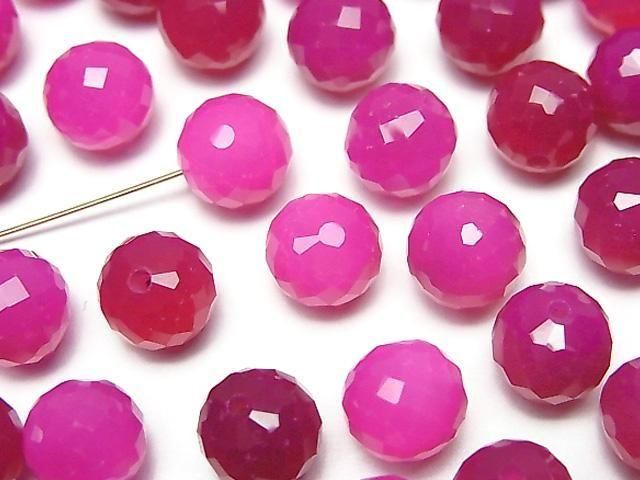
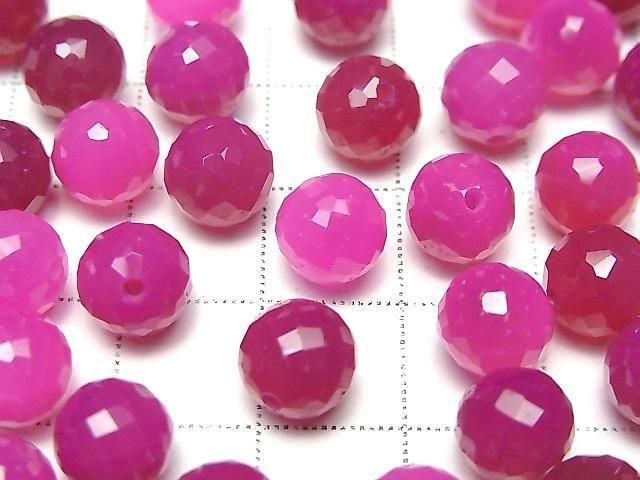
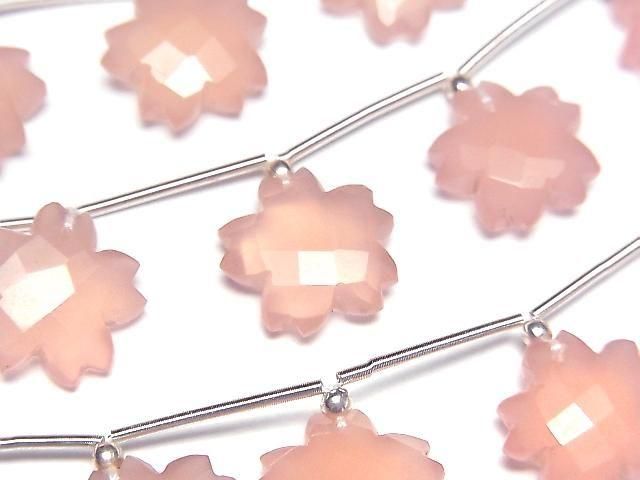
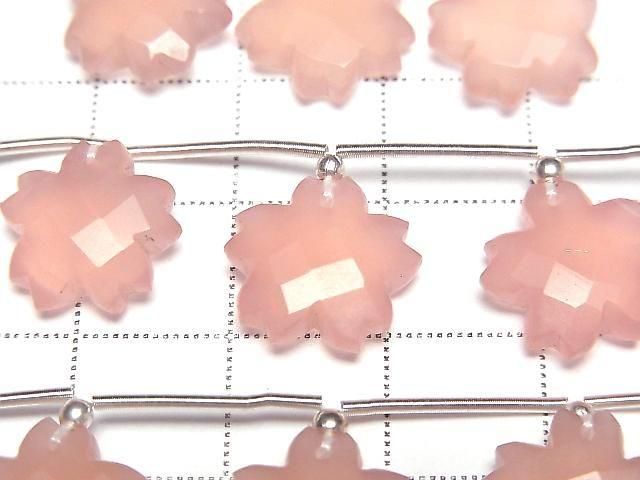
Pink chalcedony is a soft, gentle-pink variety popular in delicate jewelry. It is a sought-after color in its own right — explore pink chalcedony in our collection.

Onyx
Onyx is chalcedony with straight, parallel bands, classically black-and-white but also seen in red, brown, and other combinations. (Uniformly black "onyx" on the market is frequently dyed chalcedony, which should be disclosed.) Its crisp layers make it ideal for cameos and inlay.

Aquaprase
Aquaprase is a relatively new bluish-green chalcedony discovered in Africa in the 2010s. Its distinctive sea-green color has quickly made it a collector favorite.

Where Is Chalcedony Found?
Chalcedony is mined worldwide, including India, Brazil, Uruguay, Madagascar, the United States, and Russia, with additional sources in Sri Lanka, the Czech Republic, and Poland. Germany — especially the historic cutting center of Idar-Oberstein — has long been famous both for its own deposits and for processing chalcedony from around the world.

Chalcedony Value and Price
Most chalcedony is affordable, with value driven by variety, color, clarity, pattern, and craftsmanship. Fine chrysoprase, gem blue chalcedony, and well-patterned agates command the most; common material is inexpensive. As a rough guide, tumbled stones and small cabochons often run a few US/Canadian dollars each, while fine cut stones and designer cabochons reach USD $20–$100+ (CAD $27–$135+). A note on treatments: some chalcedony — especially bright blue and solid black "onyx" — is dyed, and dyeing should be disclosed, so ask whether a color is natural. Treat any price as general guidance rather than a fixed quote.
Chalcedony Meaning and Symbolism
In crystal tradition, chalcedony is thought of as a calming, "communication" stone associated with balance and goodwill. These are cultural and folkloric beliefs, not medical facts: chalcedony is not a medicine and does not diagnose, treat, cure, or prevent any condition — including anything related to blood pressure, circulation, sleep, or the nervous system — and it is not a substitute for professional care.
Described purely as lore, chalcedony is:
- Traditionally associated with calm, open communication, and goodwill
- In crystal lore, linked with the throat chakra (especially blue chalcedony)
- Historically carried as a talisman for travelers and speakers
- Chosen by many simply as a soothing, attractive stone
These are traditional beliefs, not medical claims.

How to Care for Chalcedony
Chalcedony is durable enough for everyday jewelry (Mohs 6.5–7) but still benefits from sensible care, especially if it is dyed.
- Clean with warm water, mild soap, and a soft cloth or brush
- Avoid ultrasonic and steam cleaners, especially on dyed or fracture-prone pieces
- Keep dyed chalcedony out of prolonged direct sunlight, which can fade the color
- Avoid harsh chemicals and sharp impacts; store separately from harder gems

Chalcedony FAQ
Quick answers to the questions people most often ask about chalcedony.
What is chalcedony?
Chalcedony is a form of quartz (cryptocrystalline silica) that includes many varieties such as agate, carnelian, chrysoprase, onyx, and bloodstone. It comes in nearly every color and pattern.
How do you pronounce chalcedony?
It is pronounced kal-SED-uh-nee.
Is chalcedony a quartz?
Yes. Chalcedony is microcrystalline quartz intergrown with a related silica mineral, moganite, so it belongs to the quartz family.
What is chalcedony used for?
It is used for jewelry, cabochons, beads, cameos, and carvings. In crystal lore it is regarded as a calming "communication" stone, not a medical remedy.
Is chalcedony valuable?
Most chalcedony is affordable, but fine chrysoprase, gem blue chalcedony, and well-patterned agates can be more valuable. Color, clarity, pattern, and cut drive the price.
Is blue or black chalcedony dyed?
Often, yes. Bright blue chalcedony and solid black "onyx" are commonly dyed, and reputable sellers disclose it — so ask whether a color is natural.
What is the difference between chalcedony and agate?
Agate is simply chalcedony with visible bands or patterns; plain, single-color chalcedony is unbanded. Both are the same basic material.
How do I care for chalcedony?
Clean with mild soap and water, avoid ultrasonic cleaners and harsh chemicals, keep dyed pieces out of strong sunlight, and store it away from harder stones.
Buying Chalcedony from KenKenGems
When buying chalcedony, start with the variety and color you want — chrysoprase, carnelian, agate, blue, pink, or the new aquaprase — then weigh pattern, clarity, and cut, and check whether any color is dyed. KenKenGems supplies chalcedony as individual stones, pendants set in precious metals, loose stones, and strands, including hard-to-find aquaprase. Explore specific hues such as blue and pink chalcedony in our collection.


![Weißer Chalcedon AAA Rund 6mm [2mm Loch] 1strang Perlen (ca. 15 Zoll/37 cm)](http://store.kenkengems.com/cdn/shop/files/138961525.jpg?v=1761813532&width=640)
![Weißer Chalcedon AAA Rund 6mm [2mm Loch] 1strang Perlen (ca. 15 Zoll/37 cm)](http://store.kenkengems.com/cdn/shop/files/138961525_o1.jpg?v=1761811360&width=640)