TOC
- 1. Emerald
- 2. Emerald Meaning and Symbolism
- 3. Emerald Crystal Meaning in Folklore
- 4. Emerald Metaphysical Associations in Tradition
- 5. Emerald Gemstone Properties
- 6. Emerald Value and the 4Cs
- 7. Types and Origins of Emerald
- 8. Emerald vs. Other Green Gemstones
- 9. Emerald Treatments and Care
- 10. How to Buy an Emerald
- 11. Emerald FAQ
- 11-1. What is the emerald crystal?
- 11-2. What is the meaning of emerald?
- 11-3. How can you tell if an emerald is real?
- 11-4. Are emeralds treated?
- 11-5. Why should you not clean emeralds in an ultrasonic cleaner?
- 11-6. What is the difference between natural and lab-created emerald?
- 11-7. What month is the emerald birthstone?
- 12. Emerald for Sale at KenKenGems

Emerald
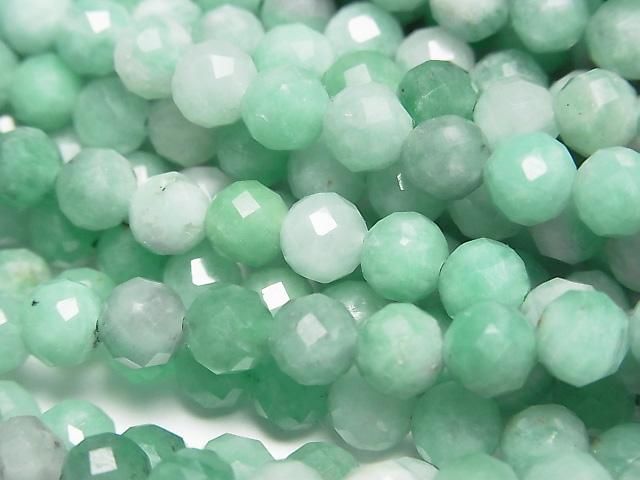
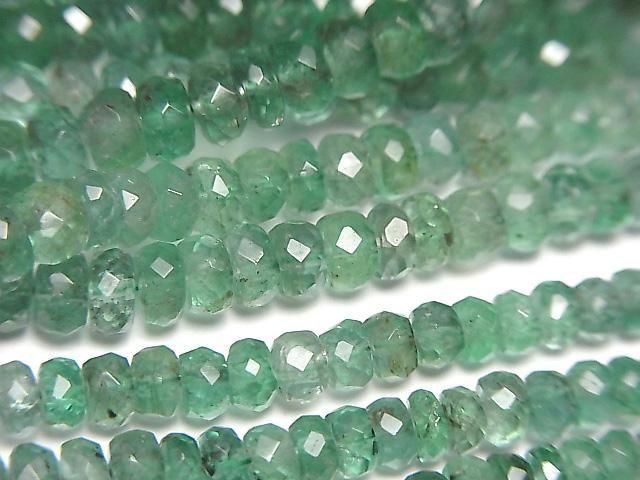
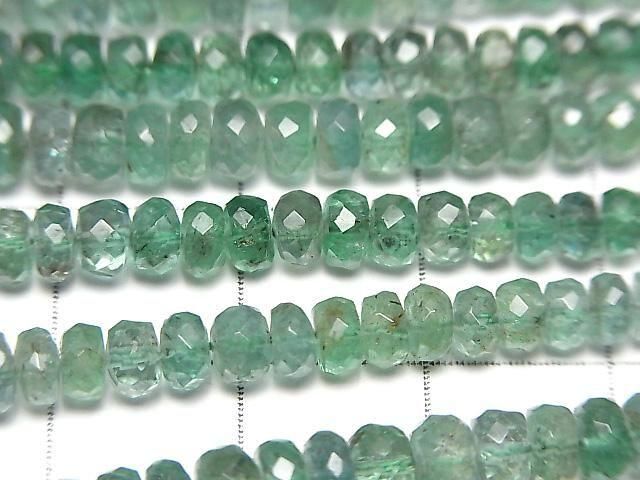
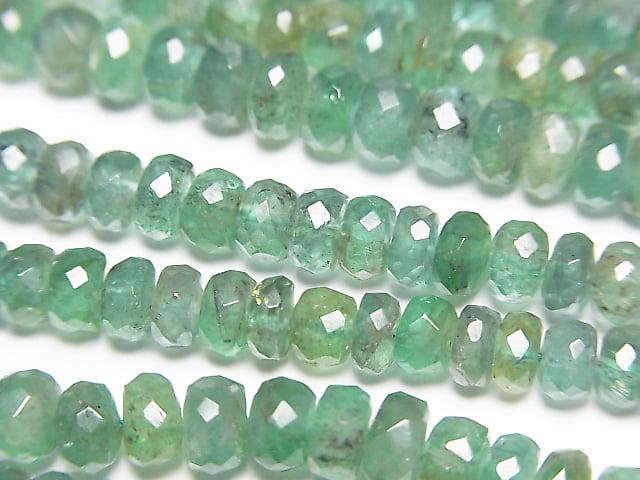
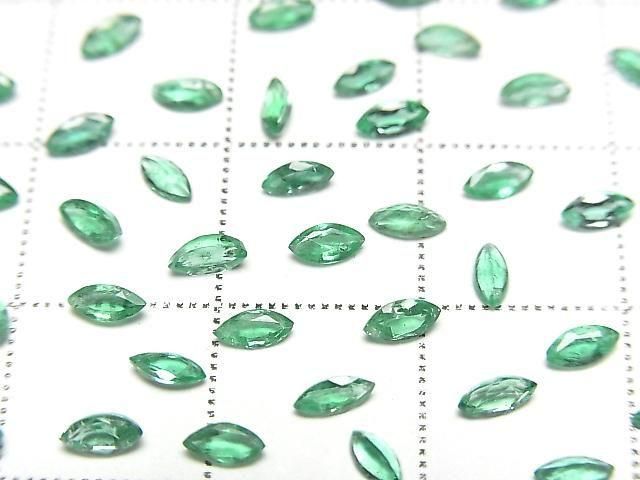
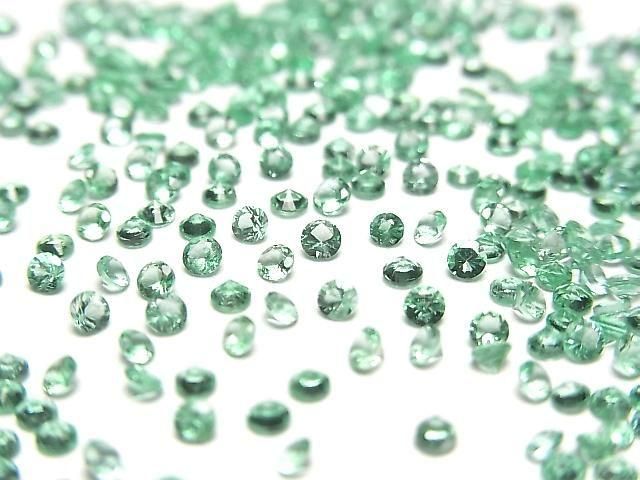
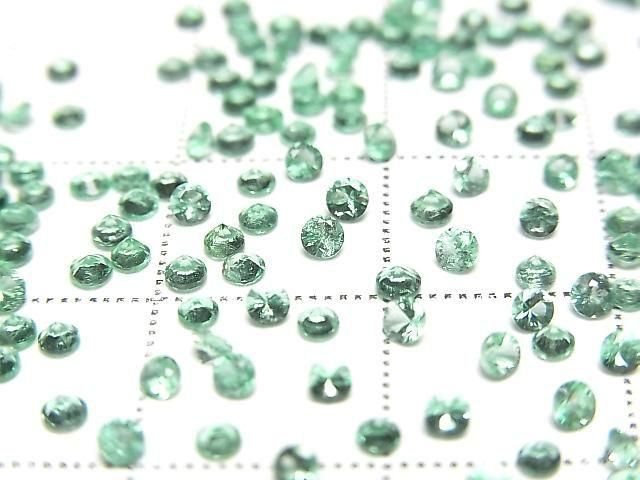
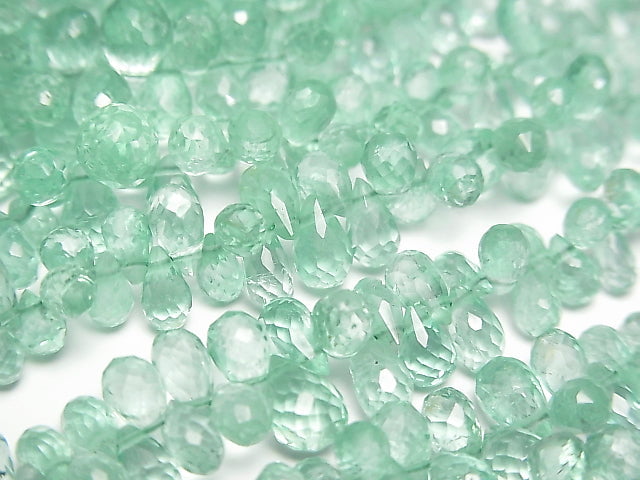
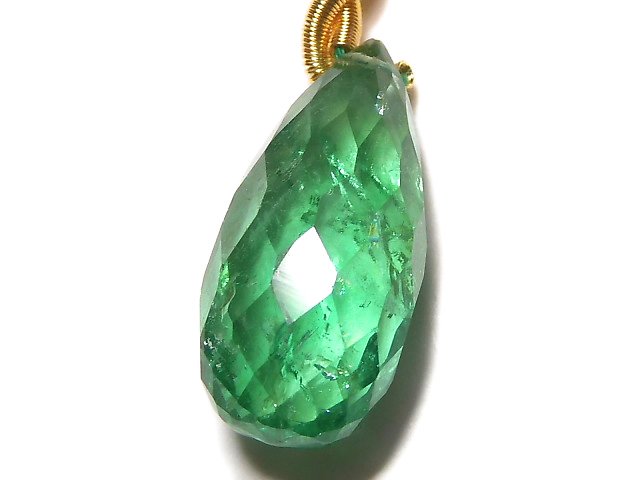
The emerald crystal is one of the most recognizable green gemstones in the world — the classic velvety-green variety of the mineral beryl, prized for centuries by royalty, collectors, and jewelry lovers. Whether you are drawn to emerald for its rich history, its symbolism, or simply its color, this guide covers what an emerald is, what gives it value, how it is treated and cared for, and what to look for when you buy one.
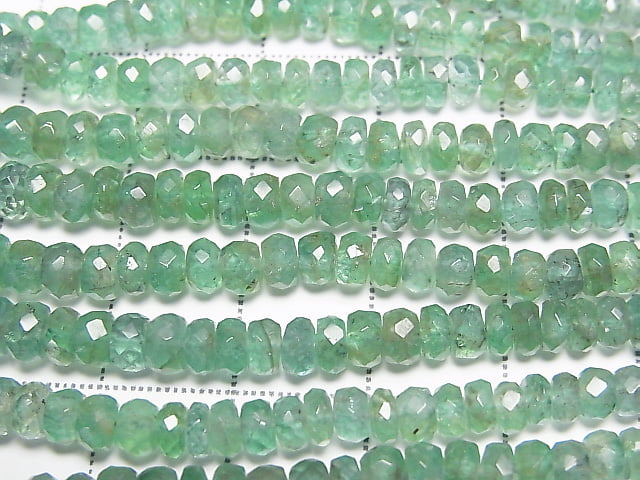
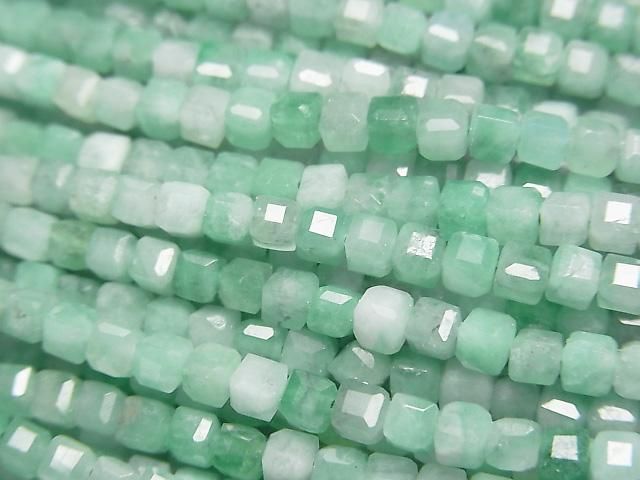
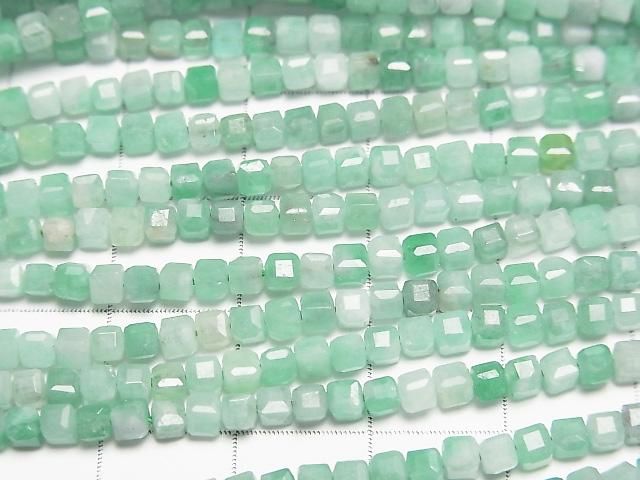
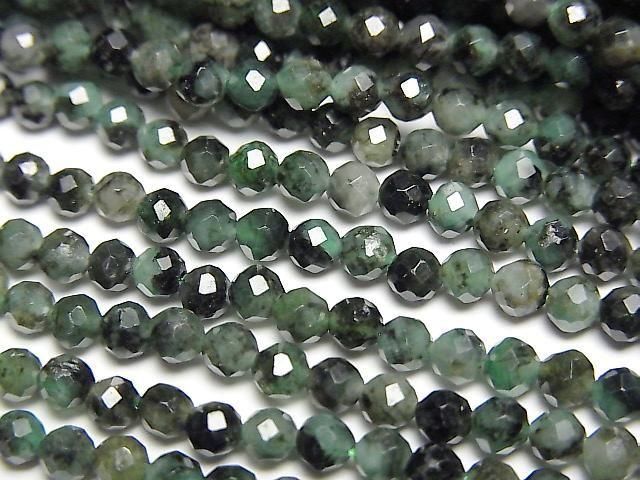
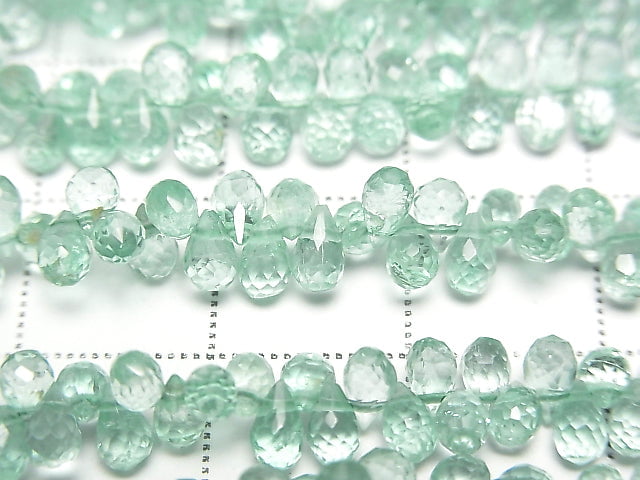
At KenKenGems we carry emerald beads, cabochons, loose stones, and strands at accessible prices, so you can explore this legendary gem without paying a premium. Read on to learn what makes the emerald crystal so enduring.

Emerald Meaning and Symbolism
Emeralds have been known and treasured for thousands of years. The stone was traded in Babylonian markets as far back as the 4th millennium BC, and in Ancient Egypt it was considered a gift from Thoth, the god of wisdom, and a symbol of eternal life. Cleopatra was famously associated with emerald, and Egyptian mines supplied green beryl to the ancient world.
Across many cultures the emerald stone came to symbolize renewal, growth, and truth — a natural link to its spring-green color. The Incas revered it, and it appears among the twelve stones described in the biblical breastplate of Aaron. Prominent rulers and commanders, including Charlemagne and Alexander the Great, are said to have valued emeralds among their treasures.
The name itself reflects the color: emerald derives from the Ancient Greek *smaragdos*, meaning simply a green gem. As the traditional birthstone for May and the gem associated with the 20th and 55th wedding anniversaries, emerald continues to carry meanings of loyalty, new beginnings, and lasting devotion.

Emerald Crystal Meaning in Folklore
Emerald has a long place in crystal lore. The associations below come from folklore and metaphysical tradition; they are cultural beliefs shared here for interest, not statements of fact about the body or health.
- Renewal and vitality: In crystal lore, the green of emerald is traditionally associated with springtime, growth, and a sense of fresh energy.
- Clarity and insight: Emerald has long been linked in folklore with clear seeing, wisdom, and truthful communication — which is one reason it was called the Stone of Truth.
- Calm and balance: Many crystal traditions associate emerald with a feeling of calm, patience, and emotional balance.
- The heart: As a green stone, emerald is commonly connected in metaphysical tradition with the heart chakra and with themes of love and compassion.
These are traditional beliefs, not medical claims. Emerald is not a substitute for medical care, and no gemstone can diagnose, treat, cure, or prevent any condition.

Emerald Metaphysical Associations in Tradition
Beyond its beauty, emerald carries a rich body of metaphysical folklore. These are longstanding cultural traditions, described here as beliefs rather than effects.
- Home and family: Emerald was traditionally regarded as a protector of the home and of marriage, and in some customs a green stone was given to newlyweds as a symbol of harmony.
- Motherhood: In folklore, expectant mothers were said to carry emerald as a protective talisman — a symbolic custom, with no claimed effect on health or childbirth.
- Prosperity and luck: Emerald has long been associated in tradition with abundance, and merchants and travelers carried it as a good-luck talisman.
- Inspiration: Creative and scholarly folklore connects emerald with intuition, focus, and inspiration.
These are traditional beliefs, not medical claims.
Emerald Gemstone Properties
Emerald is the green, chromium- and/or vanadium-bearing variety of beryl. It was the French chemist Louis Vauquelin who, in the 1790s, showed that emerald shares beryl’s chemistry. Chromium and vanadium give emerald its signature green, sometimes with a bluish secondary tone; iron can add a grayish or yellowish cast that generally lowers value.
| Property | Emerald |
|---|---|
| Mineral / species | Beryl |
| Chemistry | Be3Al2Si6O18 (beryllium aluminum silicate) |
| Color | Green to bluish-green (from chromium / vanadium) |
| Crystal system | Hexagonal |
| Mohs hardness | 7.5 – 8.0 |
| Toughness | Poor to fair (inclusions and fractures make it brittle) |
| Refractive index | Approx. 1.565 – 1.602 |
| Specific gravity | Approx. 2.67 – 2.78 |
| Common treatment | Fracture filling with oil or resin (see treatments) |
Gem-quality emerald is rare. Natural crystals typically contain fissures and inclusions — the internal garden, or *jardin*, that gemologists use to help identify a genuine emerald. Highly included or opaque stones are often cut *en cabochon*, and some show a cat’s-eye effect; a rare star variety known as trapiche shows a six-spoke pattern of dark inclusions radiating from the center.
Because those fissures make emerald more brittle than its Mohs hardness alone suggests, the stone is handled carefully during cutting and setting — and is very commonly clarity-enhanced, which we disclose in the treatments section below.
Emerald Value and the 4Cs
For emerald, color is king. Unlike diamonds, where cut and clarity dominate, an emerald’s price is driven first by the quality of its green. Here is how the four Cs apply.
- Color: The most valued emeralds show a pure, vivid green to slightly bluish-green with medium to medium-dark tone and strong saturation. Stones that are too light, too dark, or grayish are valued lower.
- Clarity: Most emeralds are included, so buyers accept eye-visible inclusions that would be unacceptable in other gems. Fewer, less visible inclusions raise value, but a completely “clean” natural emerald is very rare.
- Cut: The rectangular step cut known as the emerald cut was developed for this gem to reduce pressure on the stone and show its color. Good proportions and even color are what to look for.
- Carat weight: Price per carat rises sharply with size for fine-quality material, because large, well-colored emeralds are scarce.
Two other factors strongly affect value: origin (a Colombian origin can command a premium) and treatment level (the less enhancement a natural emerald needs, the more valuable it tends to be). If a seller uses a proprietary grade such as AAA, ask what standard it is based on — such grades are not universal industry definitions.
Types and Origins of Emerald
“Emerald” refers to natural green beryl, but the market also includes lab-created stones and imitations. Under the FTC Jewelry Guides, these must be described accurately — here is what each term means.
- Natural emerald: Mined green beryl. The main sources are Colombia (known for a pure, slightly warm green), Zambia (often a slightly bluish, well-saturated green with good clarity), and Brazil, with additional material from Ethiopia, Zimbabwe, Afghanistan, and beyond.
- Lab-created (synthetic) emerald: Real emerald grown in a laboratory (for example, by flux or hydrothermal methods). It has essentially the same chemistry as natural emerald and must always be disclosed as lab-created or synthetic — never simply “emerald.”
- Emerald simulant (imitation): A different material that merely looks like emerald — such as green glass, green cubic zirconia, or green garnet. A simulant is not emerald and must be labeled as an imitation.
Origin can influence both appearance and price, but a beautiful emerald can come from any source. KenKenGems describes each stone’s material and any treatment plainly so you know exactly what you are buying.
Emerald vs. Other Green Gemstones
Several green gems are sometimes confused with emerald. Knowing the differences helps you shop with confidence.
| Gemstone | Species | Mohs | How it differs from emerald |
|---|---|---|---|
| Emerald | Beryl | 7.5–8.0 | Vivid green from chromium/vanadium; usually included |
| Green sapphire | Corundum | 9 | Harder and tougher; more olive or grayish green |
| Tsavorite garnet | Garnet | 7–7.5 | Bright green, often cleaner and more brilliant |
| Peridot | Olivine | 6.5–7 | Yellowish “lime” green; softer |
| Green tourmaline | Tourmaline | 7–7.5 | Wider range of greens; strong pleochroism |
| Chrome diopside | Diopside | 5.5–6.5 | Deep green but much softer and more fragile |
Emerald stands apart for its distinctive, slightly bluish spring-green and its long history in fine jewelry — qualities that keep it among the most sought-after colored gemstones.
Emerald Treatments and Care
Because natural emerald contains surface-reaching fissures, the vast majority of emeralds on the market are clarity-enhanced by filling those fissures with a colorless oil (traditionally cedarwood oil) or a polymer resin. This is a standard, accepted practice in the trade — but it must be disclosed, and it affects how you care for the stone.
- Disclosure: KenKenGems discloses when an emerald is oiled or resin-treated. Enhancement is normal for emerald; an untreated natural emerald of fine quality is rare and priced accordingly.
- Avoid heat and chemicals: Do not use ultrasonic or steam cleaners, and keep emeralds away from solvents, acetone, and harsh detergents, which can strip the filling.
- Clean gently: Wipe with a soft cloth and, if needed, lukewarm water with mild soap. Dry thoroughly.
- Wear and store with care: Emerald is hard but brittle. Store it separately so harder gems do not scratch it, and remove emerald jewelry before impact-prone activities.
- Re-oiling: Oiled emeralds can dry out over years and may be re-treated by a professional; this is routine maintenance, not a defect.
Ask any seller how a stone has been treated before you buy — it is your right, and reputable dealers will tell you.
How to Buy an Emerald
Whether you want a loose emerald, beads for jewelry making, or a finished piece, a few checks help you buy well:
- Prioritize color: Look for a lively, even green in daylight. Trust your eye — a stone you find beautiful is the right starting point.
- Accept some inclusions: In emerald, a visible garden is normal and even a sign of natural origin; focus on whether inclusions threaten durability rather than on perfect clarity.
- Confirm natural vs. lab-created: Ask, and get it in writing. Both are legitimate; the difference should be clearly stated and reflected in the price.
- Ask about treatment: Expect oiling or resin; ask about the degree of enhancement, especially for higher-value stones.
- Match the shape to the use: Faceted stones suit rings and pendants; cabochons, beads, and strands are ideal for jewelry making and everyday designs.
- Buy from a clear seller: Choose a dealer who states material, origin where known, and treatment plainly.
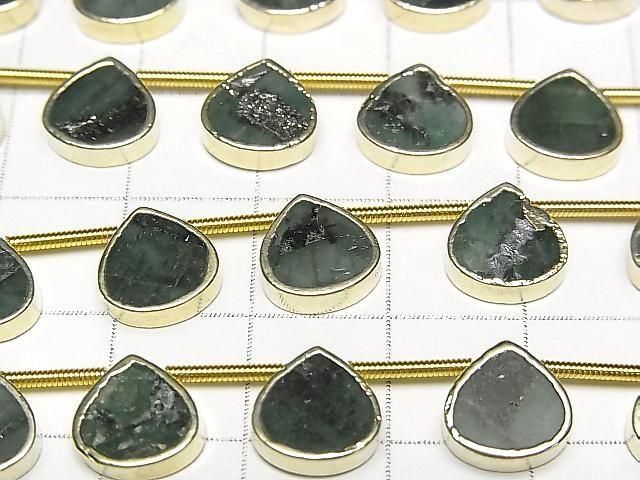
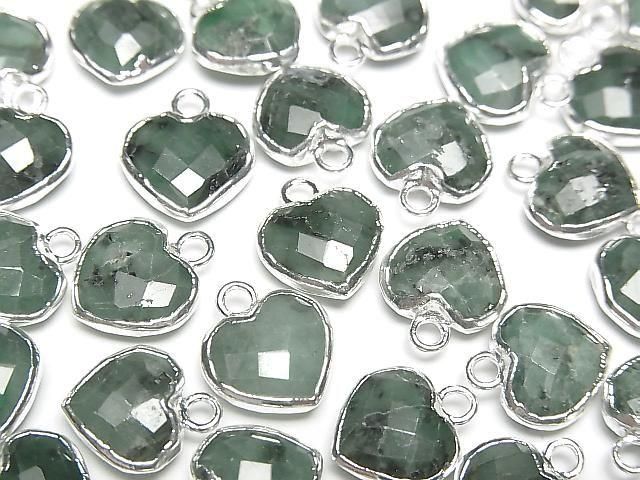
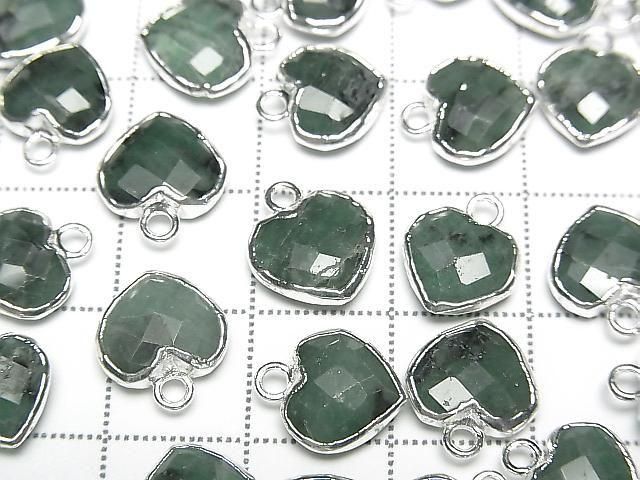
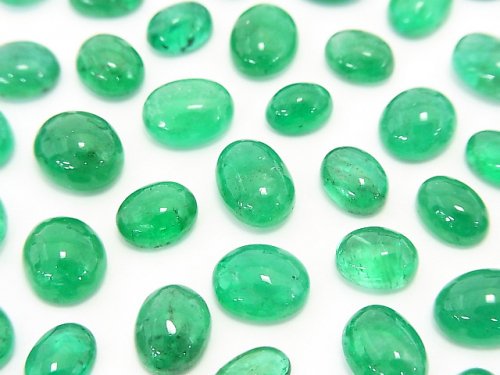
At KenKenGems you’ll find natural emerald beads, cabochons, drilled and undrilled loose stones, strands, and rough nuggets across a wide range of prices.
Emerald FAQ
What is the emerald crystal?
The emerald crystal is the green gem variety of the mineral beryl, colored by chromium and/or vanadium. It is the birthstone for May and one of the most prized colored gemstones.
What is the meaning of emerald?
Emerald has traditionally symbolized renewal, growth, loyalty, and truth. These are cultural and folkloric associations rather than medical or scientific claims.
How can you tell if an emerald is real?
Natural emeralds usually contain inclusions (a jardin) and show a warm to slightly bluish green. A flawless, very inexpensive “emerald” is often glass or a simulant. For valuable stones, ask for a report from an independent gem laboratory.
Are emeralds treated?
Yes — most natural emeralds are clarity-enhanced with oil or resin to fill surface-reaching fissures. This is standard and accepted, but a seller should always disclose it.
Why should you not clean emeralds in an ultrasonic cleaner?
Ultrasonic and steam cleaning, along with solvents, can remove the oil or resin that fills an emerald’s fractures. Clean gently with mild soap and lukewarm water instead.
What is the difference between natural and lab-created emerald?
Both are true emerald (beryl) with essentially the same chemistry; natural emerald is mined, while lab-created emerald is grown in a laboratory. Lab-created stones must be disclosed as synthetic or lab-created and generally cost less.
What month is the emerald birthstone?
Emerald is the birthstone for May and is also associated with the 20th and 55th wedding anniversaries.
Emerald for Sale at KenKenGems
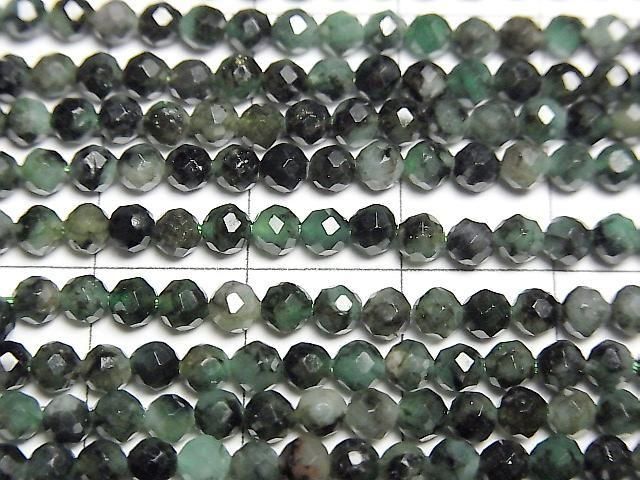
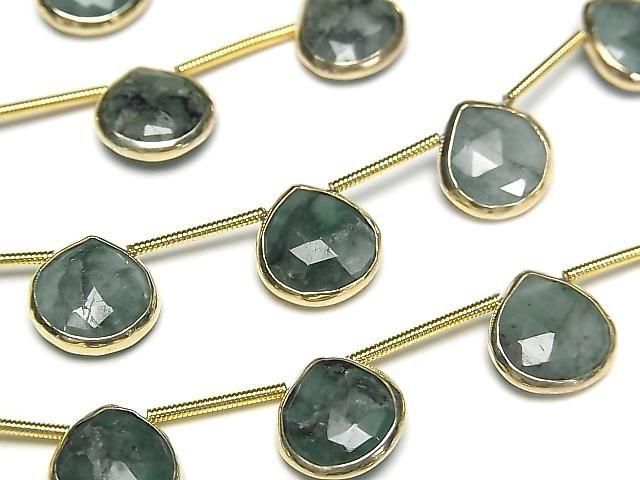
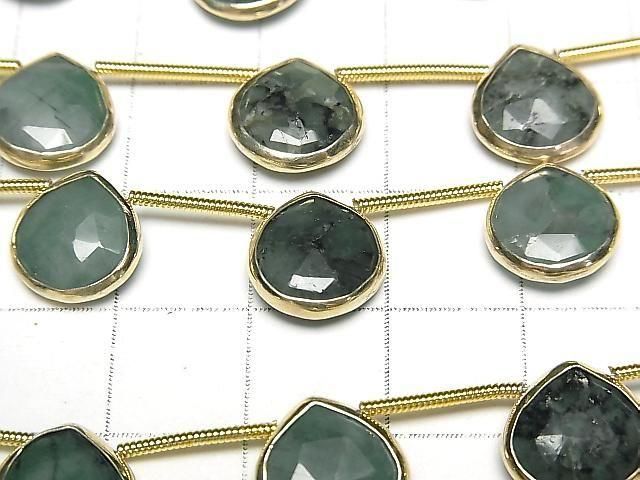
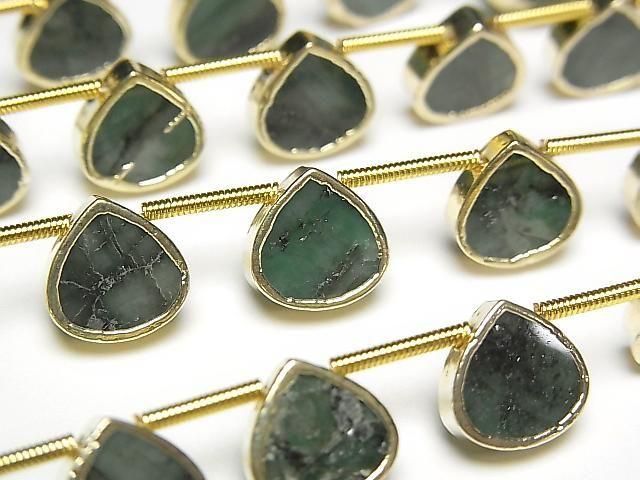
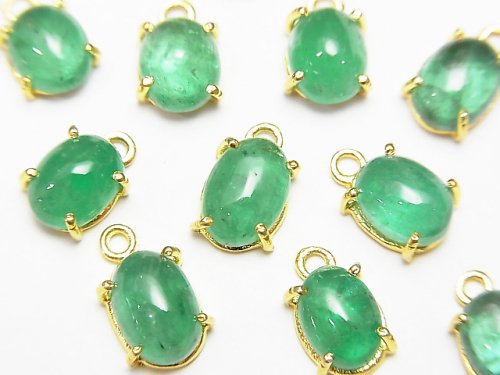
At KenKenGems, our goal is to make emerald accessible. Our collection of natural gemstones includes opaque, translucent, and transparent stones, loose stones (drilled and undrilled), strands, cabochons, beads, and rough nuggets — ideal for collectors and for jewelry making alike.
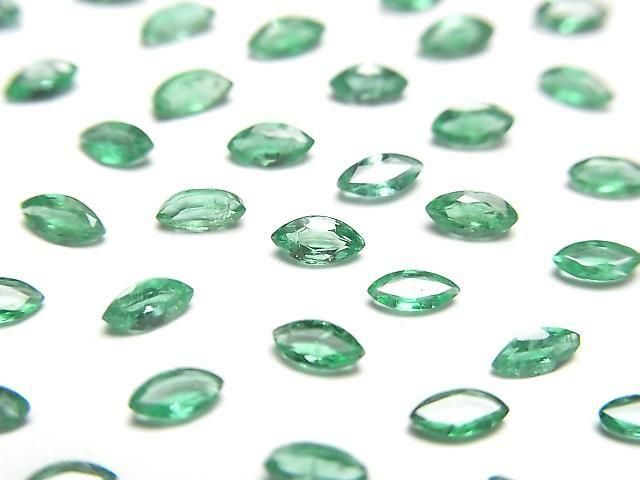
We also offer select emeralds of vibrant color and higher clarity for those seeking a standout stone. Every listing describes the material and any treatment clearly.


![[Einzigartig] Hochwertiger Smaragd AAA Lose Stein Facettiert 1 Stück Nr. 4](http://store.kenkengems.com/cdn/shop/files/188803674_1ab3ff7b-42f2-4709-b365-50be9df9de5c.jpg?v=1761032148&width=640)
![[Einzigartig] Hochwertiger Smaragd AAA Lose Stein Facettiert 1 Stück Nr. 4](http://store.kenkengems.com/cdn/shop/files/188803674_o1_44fadd47-0f74-4cb9-a1d4-76198cef13aa.jpg?v=1761032153&width=640)