TOC
- 1. What Is Scapolite?
- 2. Scapolite Meaning & History
- 3. Scapolite Properties
- 4. Scapolite Colors & Varieties
- 5. Treatment & How to Identify Scapolite
- 6. Scapolite Care
- 7. Scapolite Meaning & Symbolism
- 8. Scapolite FAQ
- 8-1. Is scapolite rare?
- 8-2. What is scapolite used for?
- 8-3. Is scapolite a birthstone?
- 8-4. What colors does scapolite come in?
- 8-5. Is scapolite treated?
- 8-6. How hard is scapolite?
- 8-7. What is the difference between marialite and meionite?
- 9. Buy Scapolite from KenKenGems
![UV Farbwechsel Scapolith Lose Stein Gemischte Form Facettiert [Große Größe] 5 Stück](http://store.kenkengems.com/cdn/shop/files/191609719.jpg?crop=center&height=400&v=1779797320&width=400)
What Is Scapolite?
Scapolite is a group of sodium-calcium aluminosilicate minerals that form a continuous solid-solution series between two end members: marialite (the sodium-rich end) and meionite (the calcium-rich end). Most gem-quality material sits somewhere between the two, an intermediate composition historically called wernerite. This blending is exactly why scapolite appears in such a wide range of colors and properties.
As a gemstone, scapolite is prized for its glassy shine, its warm yellows and soft pinks and violets, and for the rare cat's-eye and star stones it can produce. It is a collector favorite and a striking, affordable choice for jewelry. This guide covers what scapolite is, its meaning and history, its mineral properties, its colors and varieties, how it is treated and identified, and how to care for it.

Scapolite Meaning & History
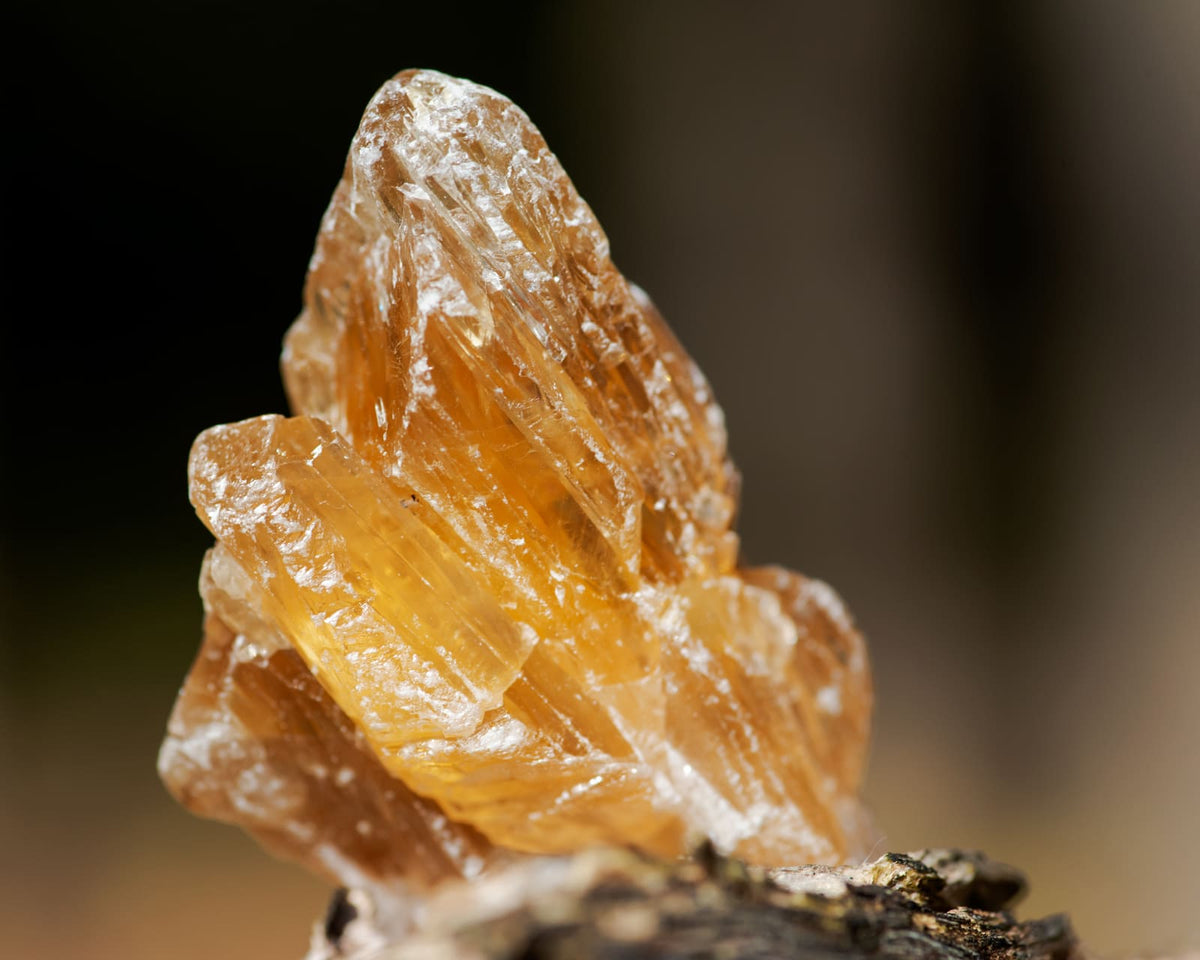
The name "scapolite" was introduced around 1800 for a group of related aluminosilicates. It comes from the Greek "skapos," meaning a rod or shaft, a nod to the long, column-like habit of its crystals. The two named end members followed later: marialite was described in 1866 by the German mineralogist Gerhard vom Rath, who named the snow-white mineral after his wife, Maria Rosa; meionite (from the Greek for "smaller," describing its less pointed crystals) had been named earlier by the crystallographer René Just Haüy.
Over the years, scapolite collected a long list of informal and historical names for its various colors and localities, including algerite, ekebergite, nuttallite, fuscite, glaucolite, and "porcelain spar." These are traditional trade or locality names rather than official mineral species; modern mineralogy recognizes the marialite-meionite series (see the Smithsonian National Museum of Natural History reference collections for the accepted classification).
Gem-quality scapolite was not found until 1913, when Myanmar (then Burma) yielded pink, white, and violet crystals suitable for cutting. Yellow material turned up in Madagascar around 1920 and in Brazil a decade later. Today fine scapolite also comes from Tanzania, Kenya, and Mozambique.
Scapolite Properties
Scapolite is a mineral series rather than a single fixed compound, so its exact chemistry shifts along the marialite-meionite range. Even so, its gemological character is consistent enough to summarize:
| Property | Scapolite |
|---|---|
| Mineral class | Silicate (tectosilicate); marialite-meionite solid-solution series |
| Chemistry | Sodium-calcium aluminosilicate (Na-Ca), marialite (Na-rich) to meionite (Ca-rich); intermediate = wernerite |
| Crystal system | Tetragonal |
| Mohs hardness | 5.5 - 6 |
| Luster | Vitreous (glassy), sometimes pearly on cleavage surfaces |
| Cleavage | Distinct in two directions - handle and set with care |
| Refractive index | Approx. 1.54 - 1.58 |
| Birefringence | Approx. 0.004 - 0.037 (can show pleochroism) |
| Optical effects | Chatoyancy (cat's-eye) and, rarely, asterism (star) |
| Fluorescence | Often strong yellow to orange under UV light |
At Mohs 5.5-6, scapolite is softer than quartz (7) and has distinct cleavage, meaning it can split along flat planes if knocked. That makes it durable enough for pendants and earrings but a stone that rewards gentle handling. Under ultraviolet light many scapolites glow a vivid yellow-orange, and pleochroic stones can flash a second color as you turn them.

Scapolite Colors & Varieties
Scapolite is allochromatic, meaning trace elements rather than its core chemistry give it color, so the palette is broad but usually gently saturated. The color often tracks where the crystal formed:
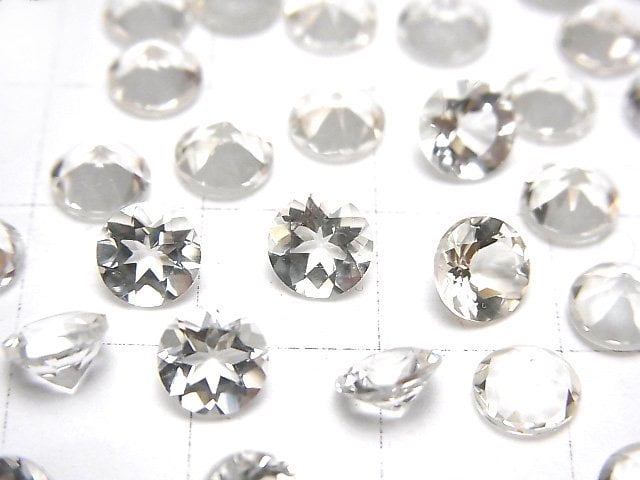
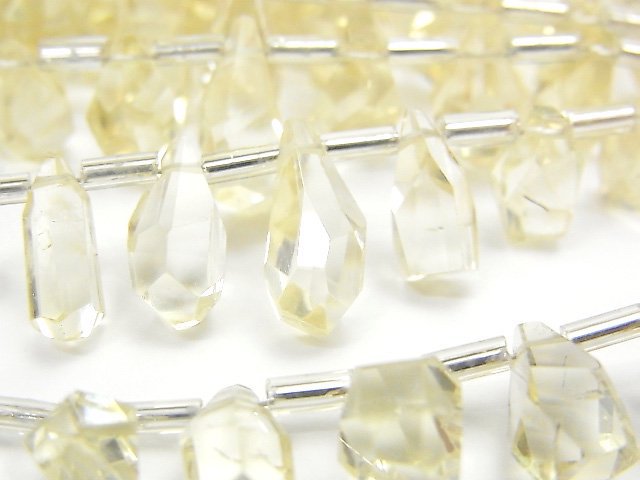
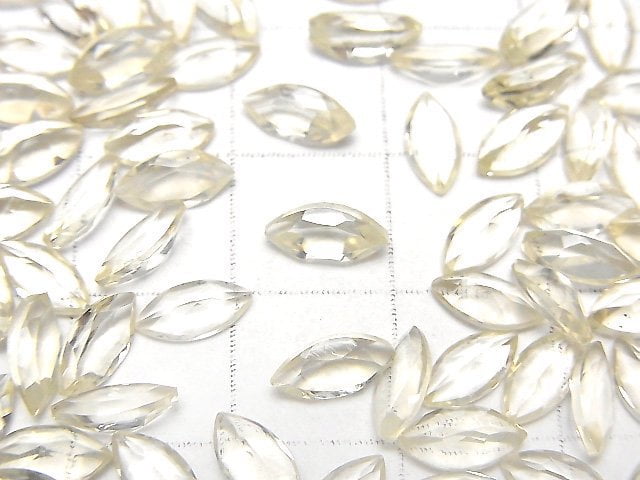
- Yellow to golden - the most familiar gem scapolite, from Madagascar, Brazil, and East Africa; warm and transparent.
- Pink, violet, and purple - highly sought "pink scapolite," typically marialite from pegmatites; violet stones are especially collectible.
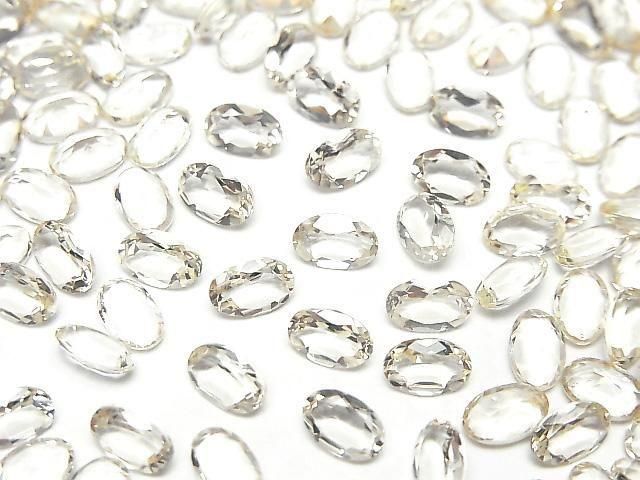
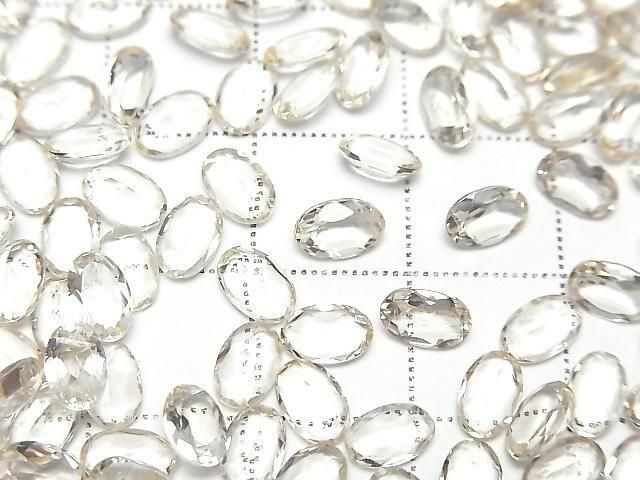
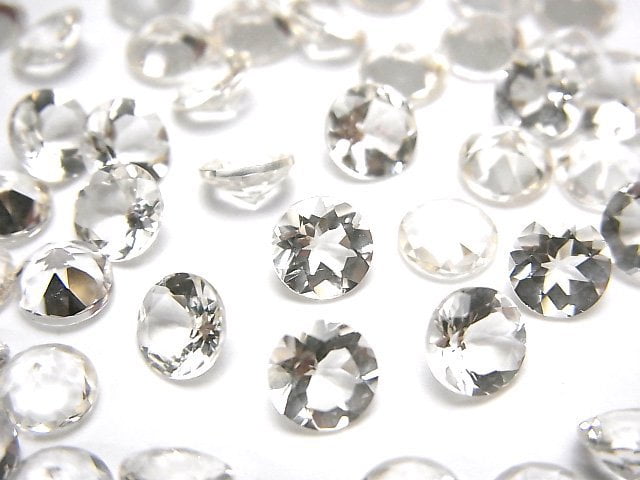
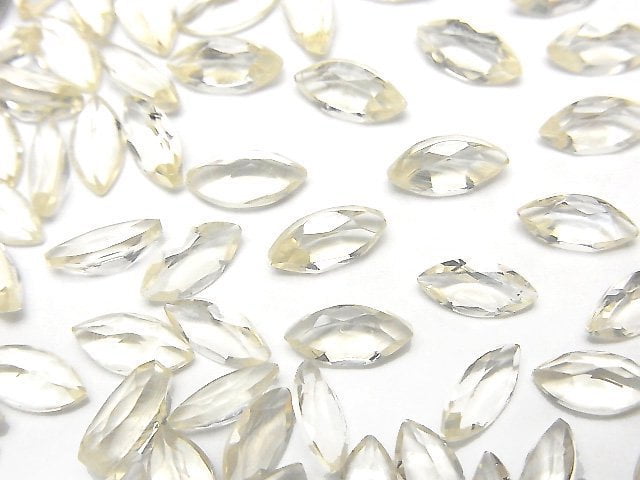
- Colorless - usually from volcanic rocks; clean and bright when faceted.
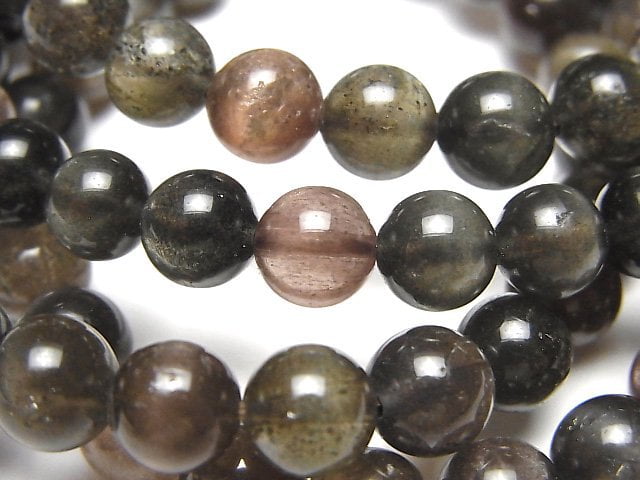
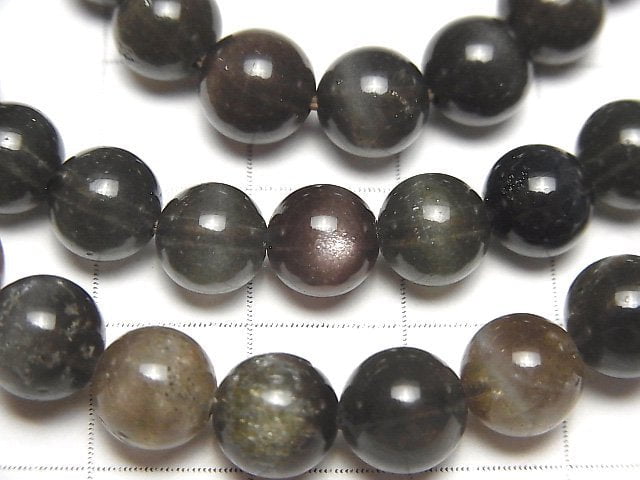
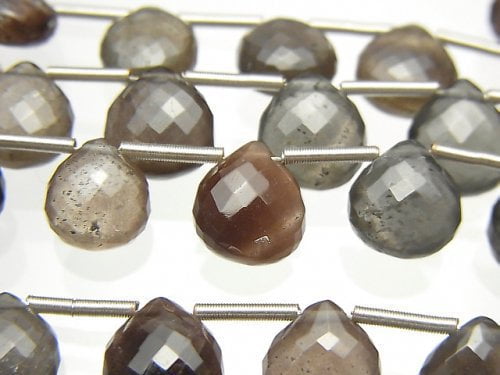
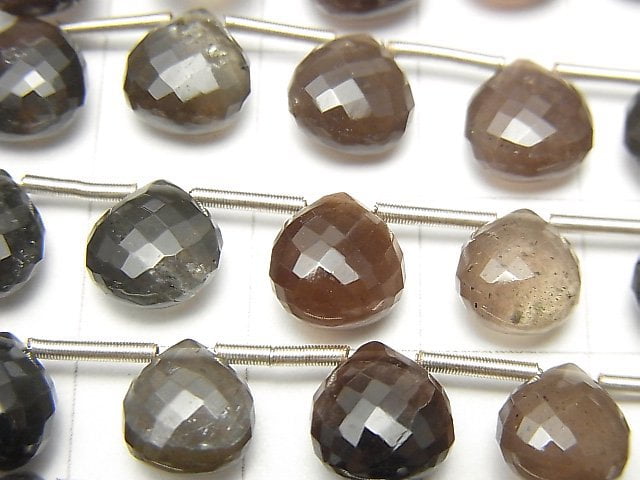
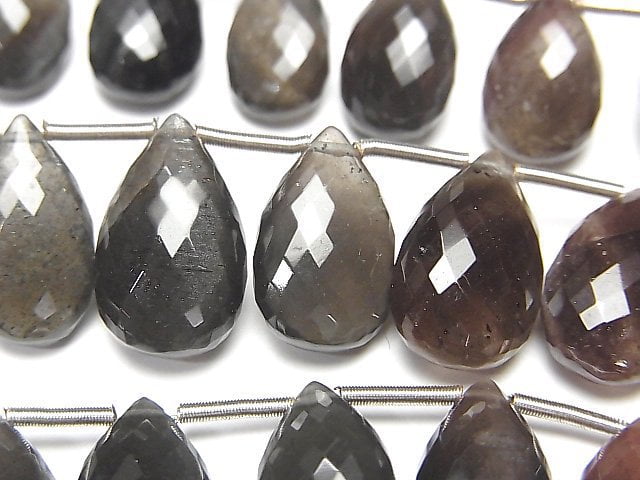
- Gray, blue, and brownish - often formed in schists and limestones, sometimes more opaque.
Many older "varieties" you may see quoted - glaucolite (bluish), stroganovite (straw to gray-green), petschite (purple), sarcolite (red-pink), and others - are informal, historical color names, not separate official species. All are scapolite.
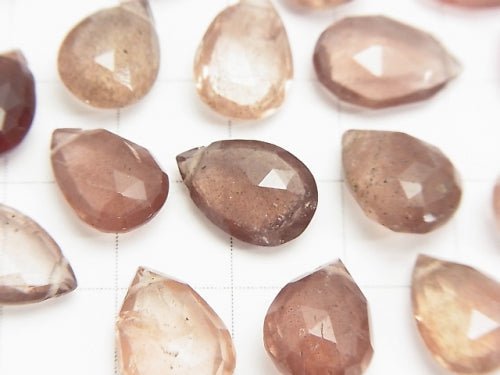
Two optical phenomena make certain stones special. Cat's-eye scapolite shows a single bright band of light (chatoyancy) across a cabochon, caused by tiny parallel channels inside the crystal. More rarely, star scapolite displays asterism, a shimmering star, and these are cut as cabochons to reveal the effect. The market terms "pink scapolite" and "rainbow scapolite" usually refer to these color and cabochon stones rather than to distinct minerals.

Treatment & How to Identify Scapolite
Some scapolite on the market is irradiated (gamma-treated) to create or deepen its color - for example, turning pale yellow material toward violet or lilac. This is a common and accepted practice, but it should always be disclosed, because irradiation-induced color can fade with prolonged exposure to sunlight or strong light. Under the FTC Jewelry Guides (16 CFR Part 23), sellers should disclose treatments that affect a gem's value or care, so ask whether a stone's color is natural or treated before you buy.
To identify scapolite and judge whether it is natural or enhanced:
- Fluorescence - many scapolites glow yellow to orange under UV light, a helpful clue.
- Pleochroism - turn a faceted stone; scapolite often shows a shift of color from different angles.
- Hardness and cleavage - at Mohs 5.5-6 with distinct cleavage, it behaves differently from harder look-alikes like quartz or beryl.
- Cat's-eye and star - a sharp eye or star in a cabochon points to scapolite or a few other chatoyant gems; a lab can confirm the species.
- Ask about treatment - reputable sellers state whether color is natural or the result of irradiation, and note any fade risk.
For a valuable stone, a gemological laboratory report is the surest way to confirm identity and detect treatment.

Scapolite Care
Because scapolite is moderately soft (Mohs 5.5-6) and has distinct cleavage, it needs a little more care than a ring stone like sapphire. A few simple habits keep it looking its best:
- Clean with mild soap, lukewarm water, and a soft cloth or brush - avoid ultrasonic and steam cleaners, which can worsen cleavage or inclusions.
- Keep irradiated (color-enhanced) stones out of prolonged direct sunlight to help preserve their color.
- Avoid hard knocks and pressure along flat planes, since scapolite can cleave.
- Store it separately from harder gems so it is not scratched.
- Remove scapolite jewelry before sports, cleaning, or heavy work.
Scapolite Meaning & Symbolism
These are traditional beliefs, not medical claims. Scapolite is not medicine and cannot diagnose, treat, cure, or prevent any illness; consult a qualified professional for any health concern.
With that in mind, here is how scapolite is described in crystal lore and folklore, purely as cultural symbolism:
- Traditionally regarded as a stone of focus and problem-solving - it has been nicknamed a "student's stone" for its association with concentration and absorbing information.
- Blue and gray stones are, in crystal tradition, linked with clarity, determination, and staying on task.
- Yellow scapolite is folklorically associated with the warmth and energy of the sun, and with a fresh, optimistic outlook.
- It is popularly carried as a symbolic talisman for motivation and for meditation.
Many people simply enjoy scapolite as a meaningful, beautiful stone. Any symbolic meaning is a matter of personal belief and tradition, not a substitute for professional care.

Scapolite FAQ
Quick answers to the questions people most often ask about scapolite.
Is scapolite rare?
Scapolite the mineral is fairly common in nature, but clean, gem-quality crystals large enough to cut are uncommon, and cat's-eye or star stones are rarer still. That makes faceted and chatoyant scapolite a genuine collector gem while keeping most stones affordable.
What is scapolite used for?
Mainly it is cut into faceted gems, cabochons, and beads for jewelry, and collected as crystal specimens. In crystal lore it is also kept as a symbolic stone of focus - a traditional belief, not a medical use.
Is scapolite a birthstone?
Scapolite is not a traditional or modern birthstone. It is enjoyed as a collector and jewelry gem in its own right rather than being tied to a birth month.
What colors does scapolite come in?
Yellow and golden are the most common gem colors, along with pink, violet, and purple, plus colorless, gray, blue, and brownish stones. Some show a cat's-eye or, rarely, a star.
Is scapolite treated?
Some scapolite is irradiated (gamma-treated) to create or deepen color, such as shifting yellow toward violet. This should be disclosed, and treated color can fade in prolonged sunlight, so ask whether a stone is natural or treated.
How hard is scapolite?
Scapolite is 5.5 to 6 on the Mohs scale and has distinct cleavage. It is well suited to pendants and earrings but should be handled gently and protected from hard knocks.
What is the difference between marialite and meionite?
They are the two end members of the scapolite series: marialite is the sodium-rich end and meionite the calcium-rich end. Most gem scapolite is an intermediate blend historically called wernerite.
Buy Scapolite from KenKenGems
When choosing scapolite, start with color - decide whether you want warm yellow, pink and violet, a colorless stone, or a cat's-eye cabochon - then weigh clarity, cut, and size, and ask whether the color is natural or the result of irradiation. KenKenGems offers loose scapolite in a range of colors, cuts, and shapes, including faceted stones, cabochons, and beads for jewelry making and collecting.
Browse the full scapolite collection, and see our gemstone quality ranks to understand how we grade each stone before you buy.

![UV Farbwechsel Scapolith Lose Stein Gemischte Form Facettiert [Große Größe] 5 Stück](http://store.kenkengems.com/cdn/shop/files/191609719.jpg?v=1779797320&width=640)
![UV Farbwechsel Scapolith Lose Stein Gemischte Form Facettiert [Große Größe] 5 Stück](http://store.kenkengems.com/cdn/shop/files/191609719_o1.jpg?v=1779797309&width=640)

![[Einmalig] Hochwertiger lila Scapolith loser Stein facettiert 5 Stück Set Nr. 48](http://store.kenkengems.com/cdn/shop/files/188034930.jpg?v=1758613032&width=640)
![[Einmalig] Hochwertiger lila Scapolith loser Stein facettiert 5 Stück Set Nr. 48](http://store.kenkengems.com/cdn/shop/files/188034930_o1.jpg?v=1758613038&width=640)