
TOC
- 1. What Is Jade?
- 2. Jade Meaning and Symbolism
- 2-1. Jade Spiritual Meaning
- 3. The History of Jade
- 4. The Two Types of Jade: Jadeite and Nephrite
- 4-1. Jadeite: Types and Properties
- 4-2. Nephrite: Types and Properties
- 5. Jade Colors and Their Meanings
- 6. Jade Healing & Metaphysical Properties
- 7. Jade Value and Price: What Makes Jade Expensive
- 8. How to Identify Real Jade (Type A, B, C)
- 9. How to Buy and Care for Jade
- 10. Frequently Asked Questions About Jade
- 10-1. What is jade?
- 10-2. What does jade symbolize?
- 10-3. What does jade represent?
- 10-4. Is jade a crystal?
- 10-5. What is the difference between jadeite and nephrite?
- 10-6. What is jade used for?
- 10-7. Which chakra is jade?
- 10-8. What is Type A jade?
- 10-9. What is the most valuable jade?
- 10-10. Can jade get wet?
- 11. Shop Jade at KenKenGems

What Is Jade?
Jade is a tough, richly colored gemstone treasured across cultures — above all in China, where it has symbolized purity, longevity, and virtue for millennia. Here's the key fact many people miss: "jade" is not one mineral but two. Both jadeite and nephrite are called jade, and while they look similar, they differ in chemistry, structure, and value. Green is the classic color, but jade also appears in white, lavender, black, and more. Beyond its beauty, jade has long been associated in tradition with harmony, protection, and good fortune.

Jade Meaning and Symbolism
The meaning of jade centers on harmony, purity, and good fortune. In Chinese culture it has long been called the "stone of heaven," a symbol of virtue, wisdom, and moral integrity, and it is traditionally given to invite luck, prosperity, and protection. Its significance also touches on balance and serenity — a stone associated with calm relationships and a steady heart. Across Mesoamerica, jade was valued as highly as gold and linked to life and fertility. These are cultural and symbolic meanings that make jade one of the most significant gemstones in history.
Jade Spiritual Meaning
Spiritually, jade is regarded as a stone of the heart — associated in crystal tradition with love, compassion, emotional balance, and gentle protection. It is often described as a calming, harmonizing stone that supports steady relationships and a serene outlook, and as a bringer of good luck and abundance. These are cultural and spiritual associations rather than proven effects.
The History of Jade
Jade's history spans continents. The name comes from the Spanish piedra de ijada, or "stone of the flank/loin," from a time when green jade was believed to help with kidney ailments — a historical etymology rather than a medical claim. In the Americas, indigenous peoples prized jade for carving and ceremony. But jade's deepest cultural home is China, where it was sacred, symbolized longevity, and served as the imperial gem — some ancient burials even featured jade garments believed to preserve the body. For centuries the Chinese and Japanese carved jade into dishes, sculptures, and treasured objects believed to bring health and good fortune. Beyond Asia, nephrite jade holds deep cultural meaning as pounamu ("greenstone") among the Maori of New Zealand and was carved by Indigenous peoples of British Columbia in Canada.

The Two Types of Jade: Jadeite and Nephrite
For a long time, almost any opaque green stone was loosely called "jade" — hence historical trade names like Indian jade (aventurine), Mexican jade, and Amazonian jade (amazonite), none of which are true jade. In 1863, the French scientist Alexis Damour established that real jade is actually two distinct minerals: jadeite and nephrite. Jadeite is generally rarer and more valuable (the source of top "imperial" jade), while nephrite is prized for its exceptional toughness. Understanding the difference is the key to buying jade wisely.
| Feature | Jadeite | Nephrite |
|---|---|---|
| Mineral class | Pyroxene (sodium-aluminum silicate) | Amphibole (calcium-magnesium-iron silicate) |
| Mohs hardness | 6.5 – 7.0 | About 6.0 – 6.5 |
| Luster | Glassy (vitreous) | Waxy to vitreous |
| Toughness | Very tough | Exceptionally tough |
| Colors | Green, white, gray, lavender, black, rare pink | Green, cream/white, yellow, brown, black, rare blue |
| Value | Generally higher (imperial jadeite is the top grade) | Often more affordable; prized for carving |
Jadeite: Types and Properties
Jadeite is a sodium-aluminum silicate with a hardness of 6.5–7.0 on the Mohs scale and a glassy luster. It occurs in every shade of green (bright green from chromium, duller green from iron) plus white, gray, lavender, black, and rare pink, with a granular, "orange-peel" internal texture. Its grades include:
- Imperial jadeite — translucent, vivid emerald-green (with a touch of yellow); the most valuable, called fei cui in China.
- Commercial jadeite — opaque with green veins and translucent spots.
- Utility jadeite — deep green and opaque, used for carving.
Jadeite is also classified by treatment: Type A (natural, untreated), Type B (bleached and polymer-impregnated), and Type C (bleached, impregnated, and dyed). For value and honesty, Type A is the standard to look for.

Nephrite: Types and Properties
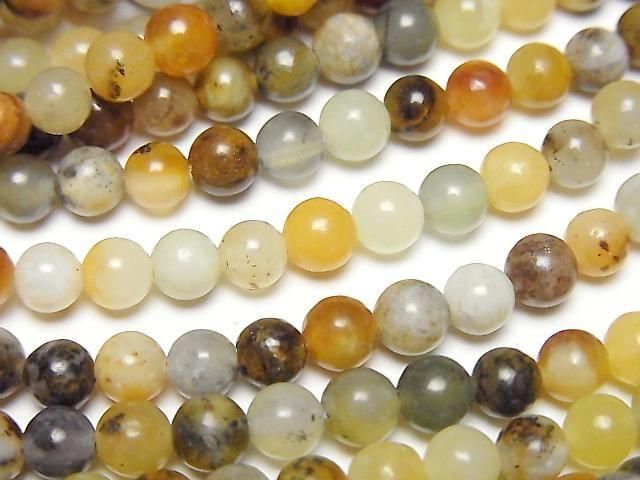
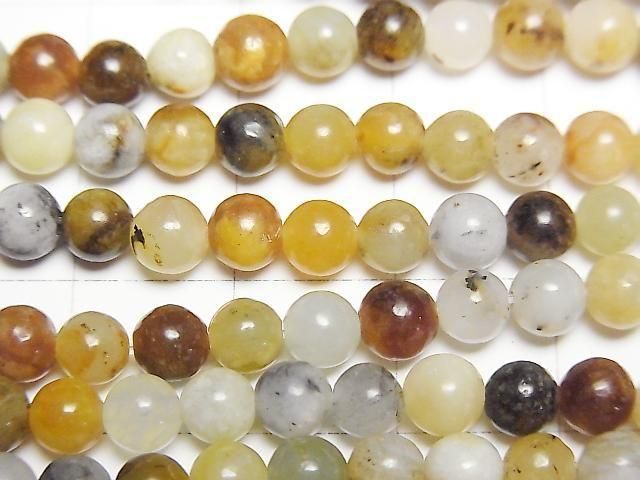
Nephrite is an inosilicate famous for extraordinary toughness — historically strong enough for tools and weapons — with a Mohs hardness up to about 6.5 and a waxy-to-vitreous luster. Its colors depend on trace elements: green nephrite (marsh, apple, emerald, yellowish tones from iron and chromium); white "mutton fat" jade, once reserved for Chinese emperors; opaque "chicken bone" nephrite; rare blue Dianite (found in 1997 and named after Princess Diana); and rare cat's-eye nephrite. By texture, nephrite is grouped as cloudy, uniformly colored, dappled, or banded.

Jade Colors and Their Meanings
Jade appears in a wide range of colors, and in crystal lore each shade carries its own traditional symbolism. Color comes from trace elements and structure, while the meanings below are cultural and folkloric associations, not proven effects. These are traditional beliefs, not medical claims.
| Jade color | What causes it | Traditional association (folklore) |
|---|---|---|
| Green jade | Chromium (vivid) or iron (softer tones) | The classic jade — harmony, growth, prosperity, and balance |
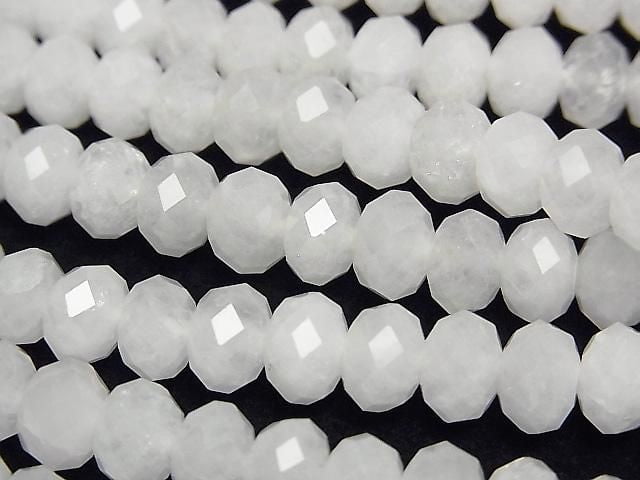
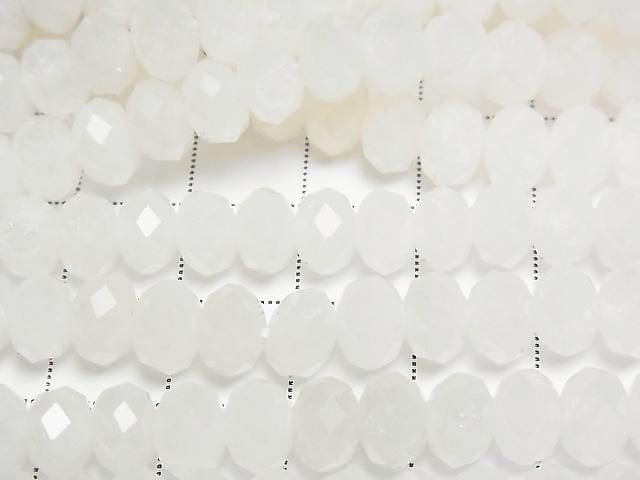
| White jade ("mutton fat") | Low trace-element content | Purity, serenity, and a calm, clear mind |
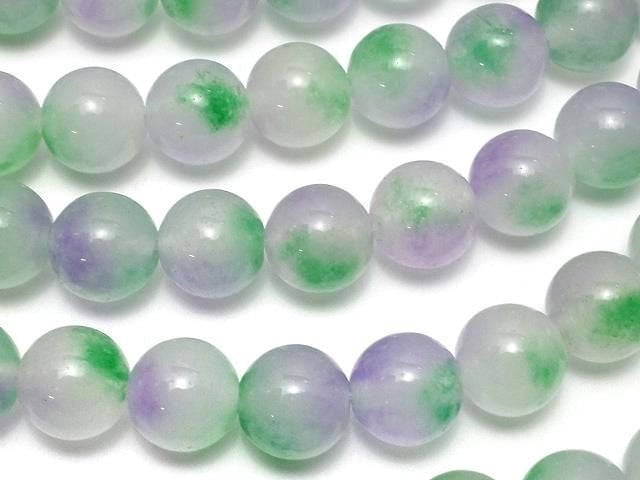
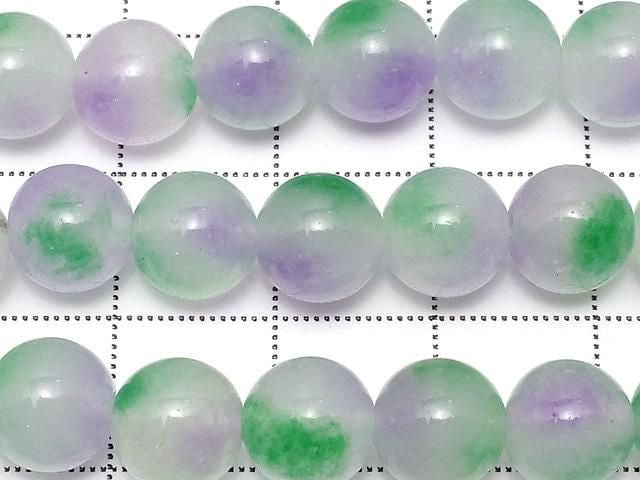
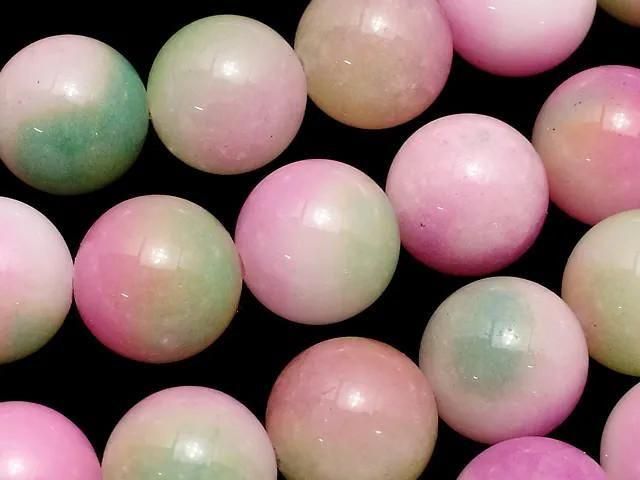
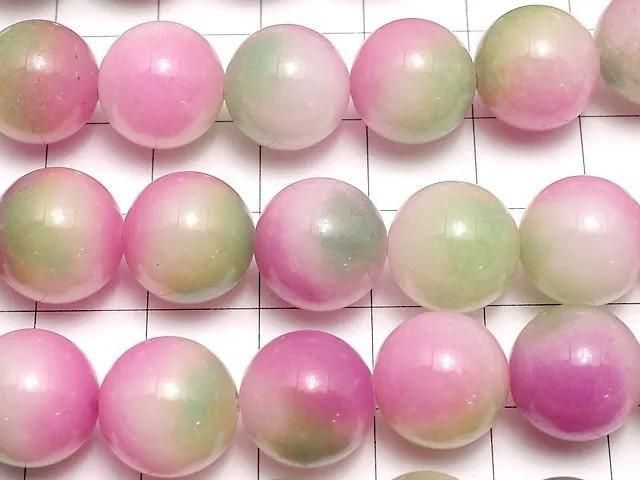
| Lavender / purple jade | Trace iron and manganese | Peace, spiritual awareness, and gentle reflection |
| Black jade | Graphite or iron-rich inclusions | Protection and grounding |
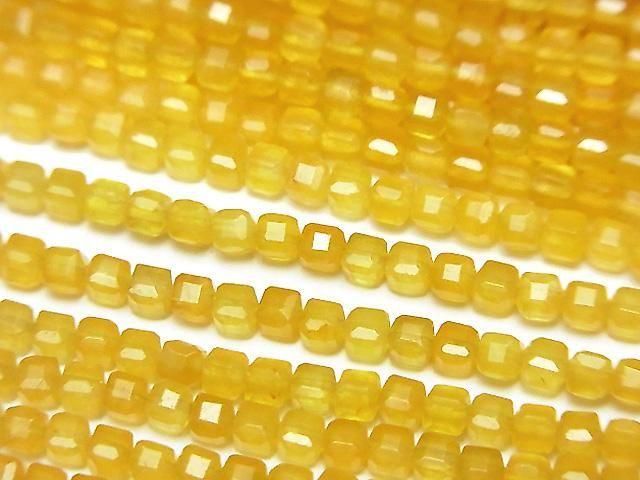
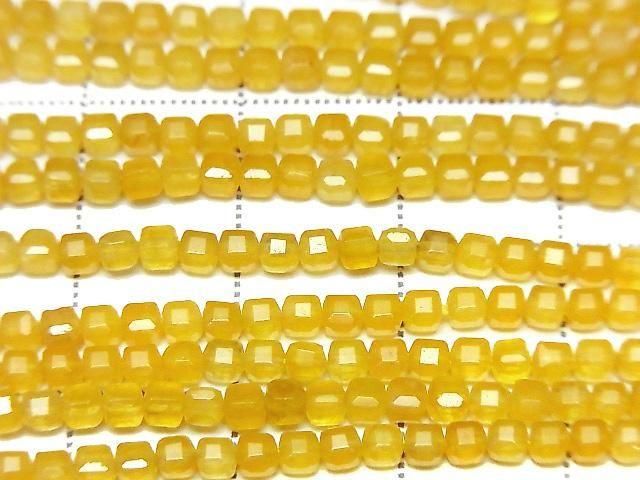
| Yellow / orange jade | Iron oxides | Cheerfulness, energy, and optimism |
| Red / brown jade | Iron oxidation (often near the skin of the stone) | Courage, vitality, and warmth |
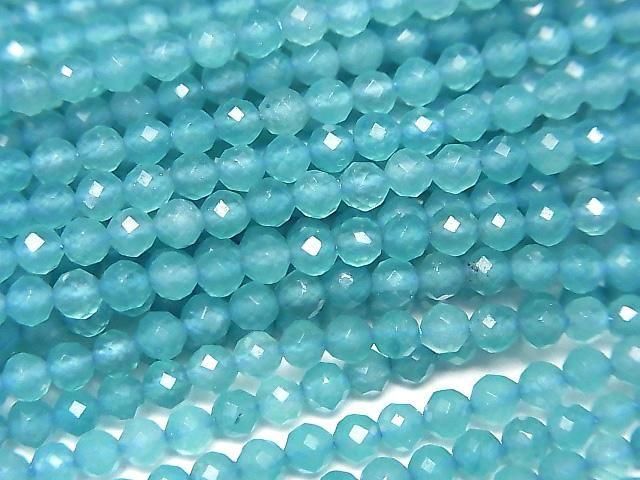
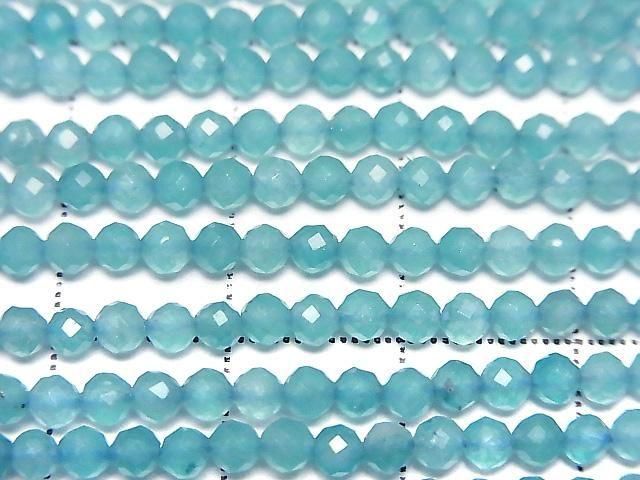
| Blue jade (rare) | Trace elements in nephrite/jadeite | Calm, clarity, and quiet strength |
Among jadeite, vivid translucent green imperial jade is the most prized, while lavender and white jade are highly collectible. Among nephrite, deep green and white "mutton fat" jade are the most sought after. Whatever the color, remember these meanings reflect tradition and personal practice rather than medical or scientific facts.
Jade Healing & Metaphysical Properties
In crystal tradition, jade is described as a heart-centered stone of harmony, love, and good fortune, and is linked to the heart chakra. It is important to understand these as traditional beliefs and personal practices, not medical facts. These are traditional beliefs, not medical claims.
Important: jade and other crystals are not medicine. They cannot diagnose, treat, cure, or prevent any illness, and they are not a substitute for professional medical or mental-health care.
Within those traditions, people keep jade as a symbol of balance, calm relationships, and prosperity — a gentle reminder to stay centered. Jade benefits described in crystal lore include a sense of serenity, emotional steadiness, and protection; these are personal, subjective associations rather than proven effects.
Jade Value and Price: What Makes Jade Expensive
Jade prices range from very affordable to among the highest of any gemstone, and a few key factors explain the difference. Prices vary with quality, market, and craftsmanship, so the points below are general guidance rather than guaranteed values.
| Value factor | What increases value |
|---|---|
| Color | Even, vivid "imperial" emerald-green in jadeite; rich, consistent tones in nephrite |
| Transparency | Higher translucency (light appears to glow from within) is prized, especially in jadeite |
| Texture | Fine, smooth grain with few visible inclusions or cloudiness |
| Treatment | Natural, untreated Type A jade commands a premium over Type B or Type C |
| Type | Fine jadeite (fei cui) generally exceeds nephrite; top imperial jadeite is the most valuable |
| Size & craftsmanship | Larger flawless pieces and skilled carving add value |
The most valuable jade is translucent, natural (Type A) imperial jadeite, historically the source of record auction prices. Fine white "mutton fat" nephrite is also highly prized. Because treatment dramatically affects value, always confirm whether a piece is Type A, and ask for lab certification on high-value stones. Jade is bought for beauty and meaning; it should not be treated as a guaranteed financial investment.
How to Identify Real Jade (Type A, B, C)
Because jade is valuable and widely imitated, knowing the grades matters:
- Type A — natural, untreated jade (only waxed); the gold standard for value.
- Type B — bleached and polymer-impregnated to improve clarity; can degrade over time.
- Type C — bleached, impregnated, and dyed; color may fade or look unnaturally even.
Practical checks: real jade feels cool, dense, and heavy for its size; genuine jadeite shows a fine granular structure; dyed jade often shows color pooling in cracks under magnification. Because natural, untreated jade is the most valuable, buy Type A from sellers who disclose any treatment and, for high-value pieces, provide independent lab certification.
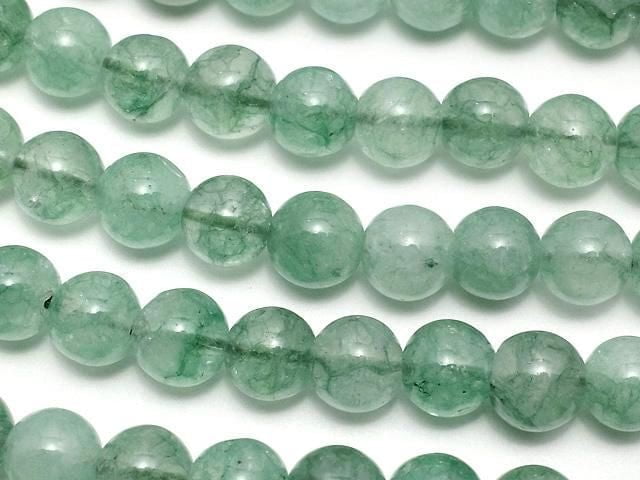
Watch out for lookalikes and misleading trade names — many stones sold as "jade" are not true jadeite or nephrite:
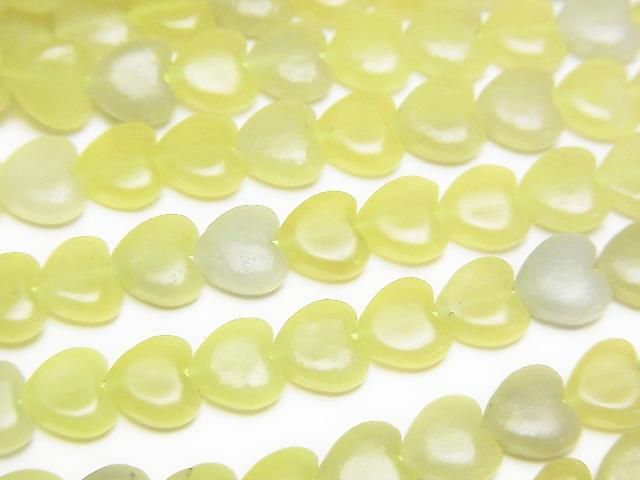
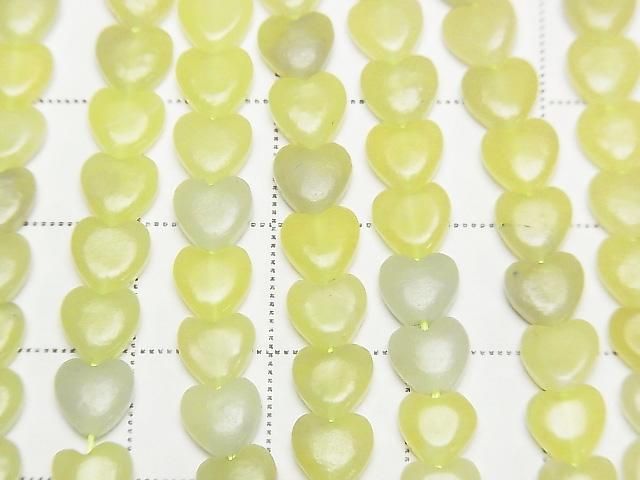
- "New jade" is usually serpentine, a softer, unrelated stone.
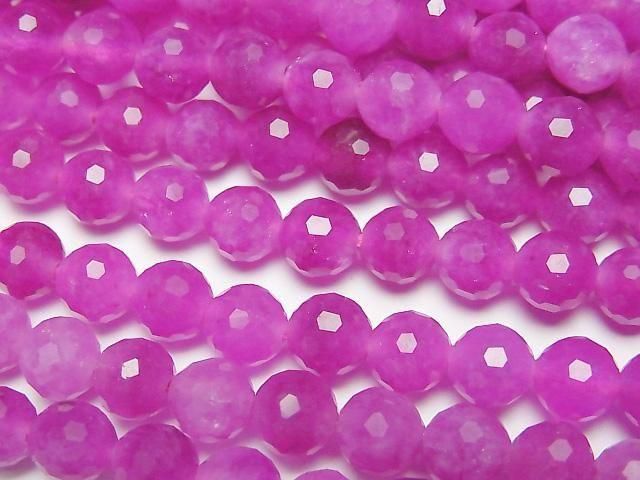
- "Malaysia jade" is typically dyed quartz, not jade at all.
- "Indian jade" is aventurine; "Mexican jade" is often dyed calcite/marble; "Amazonian jade" is amazonite.
- Other common substitutes include dyed quartz, glass, and plastic imitations.

How to Buy and Care for Jade
A little knowledge goes a long way when buying jade. Use these tips to shop with confidence and keep your jade looking its best.
Buying tips:
- Ask whether the piece is Type A (natural), Type B, or Type C, and get the treatment disclosed in writing.
- For high-value jade, request an independent gemological lab report.
- Judge color, translucency, and texture together — not color alone.
- Be cautious of trade names like "new jade," "Malaysia jade," or "Indian jade," which are not true jade.
Care tips:
- Clean with lukewarm water and a soft cloth; mild soap is fine for Type A jade.
- Avoid harsh chemicals, high heat, steamers, and ultrasonic cleaners — especially for Type B and Type C jade, whose polymer or dye can be damaged.
- Store jade separately from harder gems to prevent scratches, and avoid sharp knocks (jade is tough but can chip).
- Dry your jade after cleaning; many owners find jade looks its best when worn and handled regularly.
Frequently Asked Questions About Jade
What is jade?
Jade is a gemstone that is actually two minerals — jadeite and nephrite — long treasured for its color, toughness, and cultural meaning.
What does jade symbolize?
Jade symbolizes harmony, purity, longevity, and good fortune, and is traditionally a stone of the heart and protection.
What does jade represent?
In many cultures jade represents virtue, wisdom, and prosperity. In China it is the "stone of heaven" tied to moral integrity, while in Mesoamerica it represented life and status. These are cultural meanings, not proven effects.
Is jade a crystal?
Jade is not a single crystal but a rock made of tightly interlocking crystals — jadeite (a pyroxene) or nephrite (an amphibole). That aggregate structure is what gives jade its remarkable toughness.
What is the difference between jadeite and nephrite?
Jadeite is generally rarer and more valuable (imperial jade); nephrite is tougher and often more affordable.
What is jade used for?
Jade is used for jewelry (beads, bangles, pendants, and rings), carvings and sculptures, and decorative objects, and it is kept as a symbol of good fortune and harmony in many traditions.
Which chakra is jade?
Jade is associated with the heart chakra, the center of love and balance.
What is Type A jade?
Type A is natural, untreated jade — the most desirable, versus bleached/impregnated (B) or dyed (C) jade.
What is the most valuable jade?
The most valuable jade is translucent, natural (Type A) imperial jadeite — vivid emerald-green fei cui. Fine white "mutton fat" nephrite is also highly prized.
Can jade get wet?
Yes, briefly. Avoid harsh chemicals and prolonged soaking, especially for treated jade, and dry it after cleaning.
Shop Jade at KenKenGems
Once the preserve of emperors and nobility, jade is now within everyone's reach. KenKenGems offers both jadeite and nephrite jade in the colors, shapes, and sizes you need — jade beads, loose stones, large individual pieces, and gems set in precious metals. Every piece is selected for quality and described honestly, priced in USD and shipped across the US and Canada. Explore our jade collection to find the stone that speaks to you.