
TOC
- 1. What Is Blue Lace Agate?
- 2. Blue Lace Agate Meaning
- 3. The History of Blue Lace Agate
- 4. Where Does Blue Lace Agate Come From?
- 5. Blue Lace Agate Physical and Chemical Properties
- 6. Blue Lace Agate Healing Properties
- 7. Blue Lace Agate Metaphysical Properties: Chakra, Zodiac, and Element
- 7-1. Crystal Pairings for Blue Lace Agate
- 8. Blue Lace Agate vs. Blue Agate: What's the Difference?
- 9. Blue Lace Agate Value and Price
- 10. How to Use Blue Lace Agate
- 11. How to Clean and Care for Blue Lace Agate
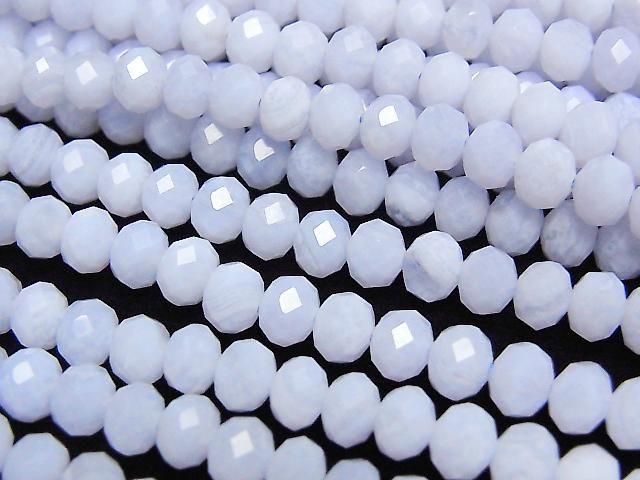
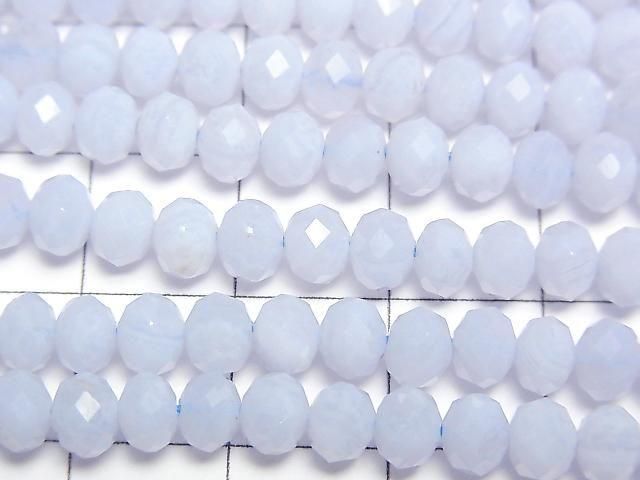
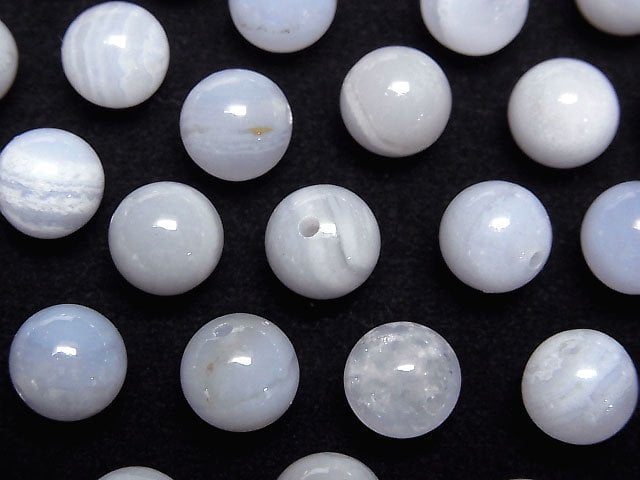
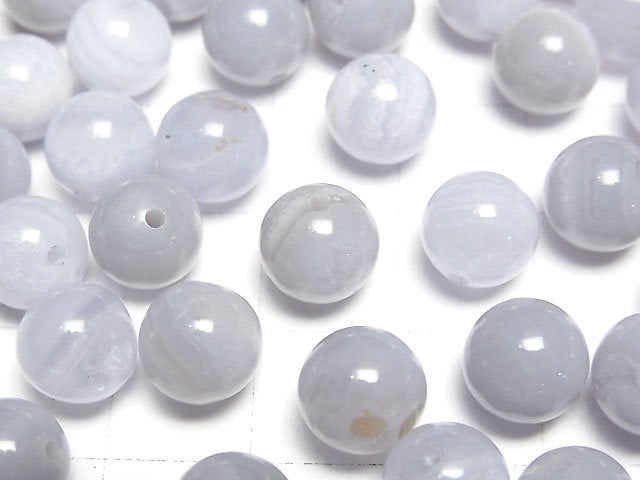
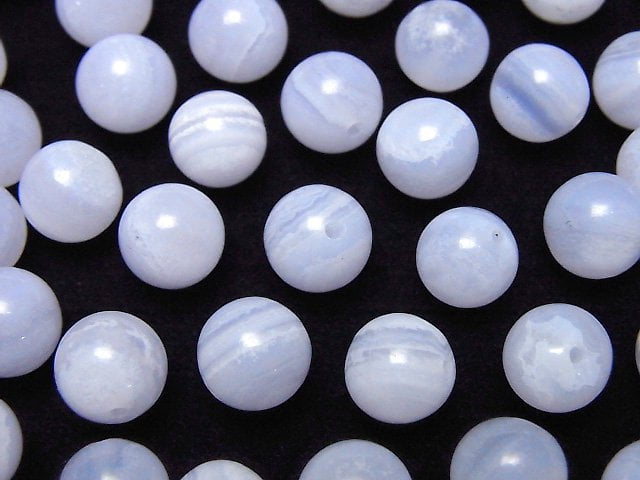
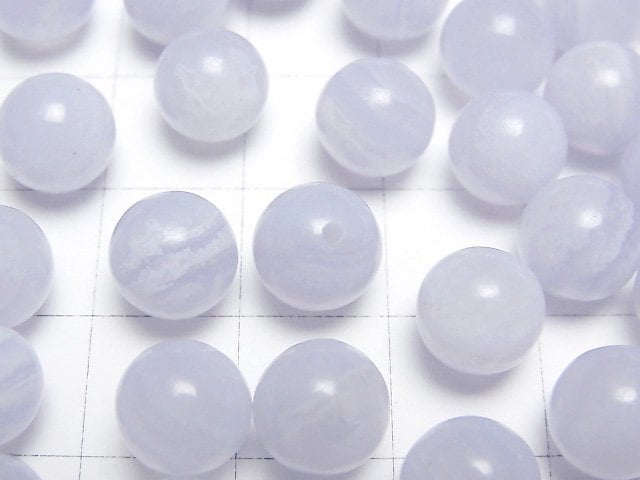
- 12. How to Choose Blue Lace Agate Beads for Jewelry Making
- 13. Blue Lace Agate FAQ
- 13-1. What is blue lace agate good for?
- 13-2. Is blue lace agate rare?
- 13-3. Can blue lace agate go in water?
- 13-4. How can I tell if blue lace agate is real?
- 13-5. What chakra and zodiac signs is blue lace agate associated with?
- 13-6. Is blue lace agate expensive?
- 14. Blue Lace Agate Beads for Sale at Kenkengems

What Is Blue Lace Agate?
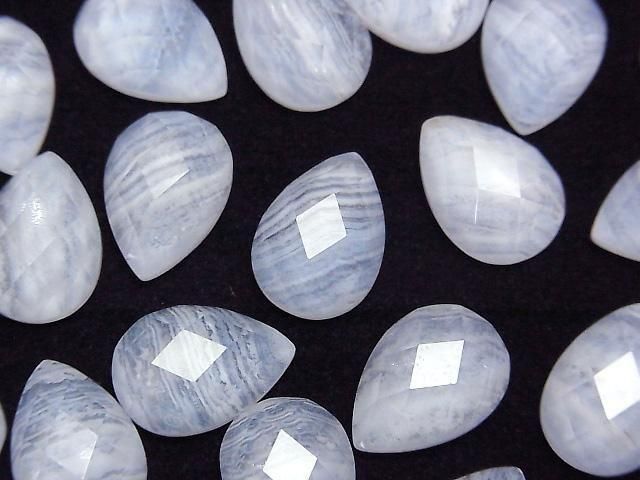
Blue lace agate is a pale blue, banded variety of chalcedony—cryptocrystalline quartz—prized for its delicate, lace-like patterns of blue and white. In crystal traditions it is known as a stone of calm and clear communication, and among jewelry makers it is loved for a soft sky-blue color that pairs beautifully with sterling silver.
For most of its modern history, nearly all fine blue lace agate came from a single mine in Namibia, which closed in 2017—a fact that shapes both its availability and its value today.
This guide covers everything you need to know before you buy or work with this stone: its meaning, healing and metaphysical properties, physical characteristics, value in USD, how to tell it apart from dyed blue agate, and how to choose quality beads for jewelry making.

Blue Lace Agate Meaning
Blue lace agate's meaning centers on calm, clarity, and gentle communication. In crystal healing traditions it is often called the "stone of communication" or the "stone of the diplomat," believed to help its wearer speak honestly and kindly—especially in difficult conversations.
Its soft blue color has long been associated with the sky and water, both symbols of peace and openness. That is why the stone is popular with people seeking stress relief, confidence before public speaking, or a calmer atmosphere at home.
These meanings are spiritual and cultural beliefs rather than scientifically proven effects, but they are the main reason blue lace agate remains one of the most sought-after blue gemstones for talismans, meditation, and everyday jewelry.

The History of Blue Lace Agate
Agate as a family of stones has been used since the Neolithic period, and its name is traditionally traced to the Greek philosopher Theophrastus, who is said to have found agates along the Achates River in Sicily (known today as the Dirillo River).
Blue lace agate itself, however, is a modern discovery. The distinctive sky-blue, lace-banded material entered the world market in the 1960s, after deposits were found in what is now Namibia. Its ethereal look quickly made it a favorite among lapidaries, collectors, and jewelry designers, and it has been sold worldwide as a semiprecious gemstone ever since.
So while agate carries thousands of years of human history, blue lace agate's own story is barely six decades old—one reason the supply of high-grade material is tied so closely to a single African source.
Where Does Blue Lace Agate Come From?
Nearly all of the world's finest blue lace agate came from one place: the Ysterputs Mine in the ǁKaras Region of southern Namibia. The mine operated from 1962 until January 2017 and was the primary global source for decades. There, blue lace agate formed as hydrothermal veins inside dolerite rock dating to the Jurassic period—the geological origin of its tight, wavy "lace" banding (Wicht & Miller, 2020; mindat.org).
Since the mine's closure, no comparable large-scale source has replaced it. Smaller quantities of blue lace agate or similar blue chalcedony are reported from Kenya, Malawi, Zambia, Turkey, and the country of Georgia, and Namibian stock still circulates through cutters and wholesalers.
For buyers, the practical takeaway is simple: fine Namibian blue lace agate is a finite material, and top-quality specimens are gradually becoming harder to find.
Blue Lace Agate Physical and Chemical Properties
Blue lace agate is a banded variety of chalcedony, the cryptocrystalline form of quartz (SiO2). At 6.5–7 on the Mohs hardness scale, it is durable enough for everyday jewelry, with a waxy luster that becomes vitreous when polished.
Its pale blue color is not caused by a coloring element in the usual sense. Research on Namibian material attributes it to Rayleigh scattering—the same optical effect that makes the sky look blue—produced by microscopic cavities and particles within the silica. The color can fade with prolonged high heat, so keep the stone away from torches and extended direct sunlight.
- Category: Chalcedony (quartz variety)
- Chemical composition: SiO2 (silicon dioxide)
- Mohs hardness: 6.5–7
- Specific gravity: approx. 2.6
- Refractive index: 1.530–1.543
- Luster: Waxy; vitreous when polished
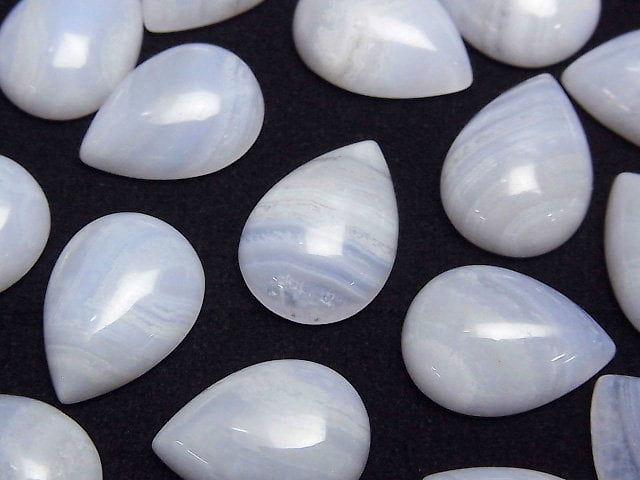
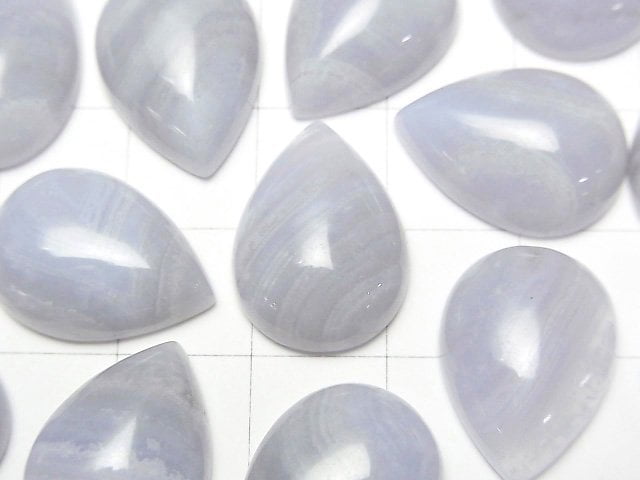
- Color: Pale blue with white lace banding
- Transparency: Translucent to opaque

Blue Lace Agate Healing Properties
In crystal healing traditions, blue lace agate is regarded above all as a calming stone. It is believed to ease stress and anxious thoughts, soften anger, support restful sleep, and help the wearer express feelings without fear of judgment—which is why it is so strongly linked to communication and the throat chakra.
Practitioners commonly reach for blue lace agate before public speaking, job interviews, or difficult conversations, and keep it in shared spaces at home to encourage a peaceful atmosphere.
*Please note: these healing properties are traditional and spiritual beliefs. They are not supported by scientific evidence, and crystals should never replace professional medical care. If you have health concerns, consult a qualified healthcare provider. These are traditional beliefs, not medical claims.*

Blue Lace Agate Metaphysical Properties: Chakra, Zodiac, and Element
Blue lace agate is most strongly associated with the throat chakra (Vishuddha), the energy center of communication and self-expression in many spiritual traditions. Wearing it as a necklace or choker places the stone close to this chakra, which is one reason blue lace agate necklaces are especially popular.
It is commonly linked to the zodiac signs Gemini and Pisces, the element of water, and the planet Mercury—associations that echo its themes of clear thought and gentle speech. In home practice, many people place a piece in living rooms or bedrooms to invite a calm, open atmosphere.
*As with all metaphysical correspondences, these are matters of tradition and personal belief rather than science. These are traditional beliefs, not medical claims.*

Crystal Pairings for Blue Lace Agate
Blue lace agate is often combined with other "communication stones" such as aquamarine, chrysocolla, and lapis lazuli to reinforce honest self-expression. For emotional warmth, rose quartz is the classic partner; for grounding, smoky quartz or hematite work well.
In jewelry design these pairings are practical as well as symbolic: soft sky blue sits beautifully next to pale aqua, deep blue, and blush pink beads, giving designers an easy palette that sells well in North American markets.
Blue Lace Agate vs. Blue Agate: What's the Difference?
Blue lace agate and "blue agate" are not the same stone. Blue lace agate is naturally pale blue with fine white, lace-like banding—genuine material is never dyed. Most solid, vividly blue agate sold today, by contrast, is gray or white banded agate that has been dyed a uniform blue.
Neither is "fake"—dyed agate is a legitimate, inexpensive material—but the two should be labeled honestly and priced differently.
| Property | Lace Agate | Agate |
|---|---|---|
| Color | Soft pale blue with gradations | Saturated, uniform blue |
| Banding | Fine, wavy, lace-like | Broader, more regular bands |
| Treatment | None (natural color) | Dyed |
| Typical price | Higher, rising for top grades | Low |
Quick checks when buying online: genuine blue lace agate shows soft color gradations and irregular banding, while dyed blue agate looks evenly saturated, sometimes with color concentrated in surface cracks. Ask the seller directly whether the material is natural or dyed—reputable wholesalers will always tell you.

Blue Lace Agate Value and Price
Blue lace agate is an affordable semiprecious stone overall, but prices for top-grade material have been rising since the Namibian mine closed in 2017.
As a rough retail guide in USD (prices vary by vendor and grade): tumbled stones typically sell for a few dollars each; bead strands range from about $5–$10 for commercial grades to $30 or more for strands with fine, well-defined banding and even color; and high-grade Namibian rough and cabochons with crisp, tight lacing command a clear premium.
Three factors drive value:
- Color — a soft but distinct sky blue, not gray or washed out
- Banding — fine, well-defined lace patterns across the piece
- Cut and finish — clean polish, symmetrical shapes, clean drill holes on beads
Because the supply of the best material is finite, high-grade blue lace agate is one of the more sensible "buy it when you see it" stones for jewelry makers.
How to Use Blue Lace Agate
The most popular ways to use blue lace agate follow directly from its meaning:
- Wear it as a necklace to keep the stone near the throat chakra, or as a bracelet for a calming touchstone during the day.
- Carry a tumbled stone in your pocket before presentations, interviews, or difficult conversations.
- Place it at home in rooms where conversations happen—living rooms, dining areas, or a home office—or on your nightstand as part of a restful bedtime routine.
- Meditate with it by holding the stone or resting it at the base of the throat while focusing on slow, steady breathing.
None of this requires elaborate rituals. In crystal practice, consistency and intention matter more than method.

How to Clean and Care for Blue Lace Agate
Blue lace agate is easy to care for. Clean it with warm water, mild soap, and a soft brush or cloth, then dry thoroughly—that is all most pieces ever need.
Avoid ultrasonic and steam cleaners, harsh household chemicals, and prolonged high heat, which can fade the blue color. At 6.5–7 on the Mohs scale the stone resists everyday scratches, but store it separately from harder gems such as topaz or sapphire to protect its polish.
If your practice includes energetic cleansing, brief rinses in water and moonlight are both safe for this stone; extended direct sunlight is best avoided to preserve the color.
How to Choose Blue Lace Agate Beads for Jewelry Making
When buying blue lace agate beads, judge quality in this order:
- Banding — the finer and more distinct the lace pattern, the more valuable the strand.
- Color consistency — look for an even sky-blue tone across the strand, without dull gray sections.
- Drill holes — clean edges without chipping.
Common round bead sizes with inch equivalents: 4 mm (about 5/32"), 6 mm (about 1/4"), 8 mm (about 5/16"), and 10 mm (about 3/8"). Most strands are sold in approximately 15.5" (39 cm) lengths. Smaller 4–6 mm beads suit delicate layering necklaces; 8–10 mm beads make statement bracelets.
Design-wise, blue lace agate pairs beautifully with sterling silver and other light-toned metals, with pastel stones such as rose quartz and aquamarine, and as a soft base for warm accents like carnelian or amber.
Finally, confirm with your supplier that the material is natural, undyed blue lace agate—an honest wholesaler will state this clearly.
Blue Lace Agate FAQ
What is blue lace agate good for?
In crystal traditions it is used for calm, stress relief, and confident communication. Practically, it is a durable, affordable gemstone that is easy to work with in jewelry. These are traditional beliefs, not medical claims.
Is blue lace agate rare?
The stone is still widely available, but its primary source—the Ysterputs Mine in Namibia—closed in 2017. Fine, well-banded material is becoming scarcer and gradually more expensive.
Can blue lace agate go in water?
Yes. Brief contact with water is safe for cleaning or rinsing. Avoid prolonged soaking, harsh chemicals, and high heat, which can dull or fade the color.
How can I tell if blue lace agate is real?
Genuine stones show soft pale-blue gradations with irregular, lace-like banding. A uniform, saturated blue usually indicates dyed agate. Ask your seller whether the material is natural.
What chakra and zodiac signs is blue lace agate associated with?
It is traditionally linked to the throat chakra and to the zodiac signs Gemini and Pisces.
Is blue lace agate expensive?
No—most tumbled stones and bead strands are affordable in USD terms. Only top-grade Namibian material with exceptional banding commands premium prices.
Blue Lace Agate Beads for Sale at Kenkengems
Kenkengems supplies natural blue lace agate beads and cabochons directly to jewelry designers, with wholesale pricing and shipping to the United States and Canada.
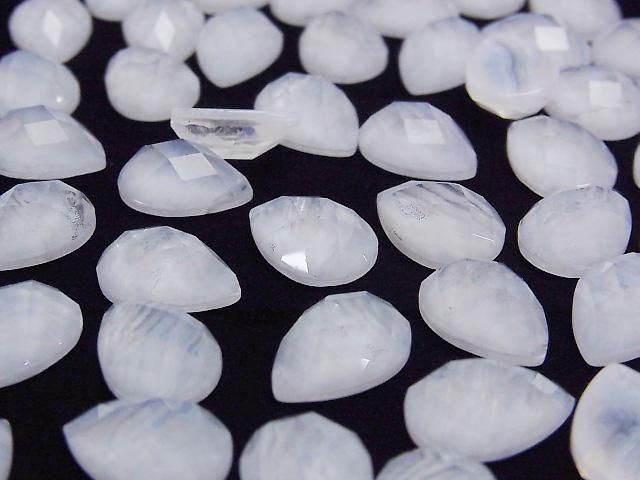
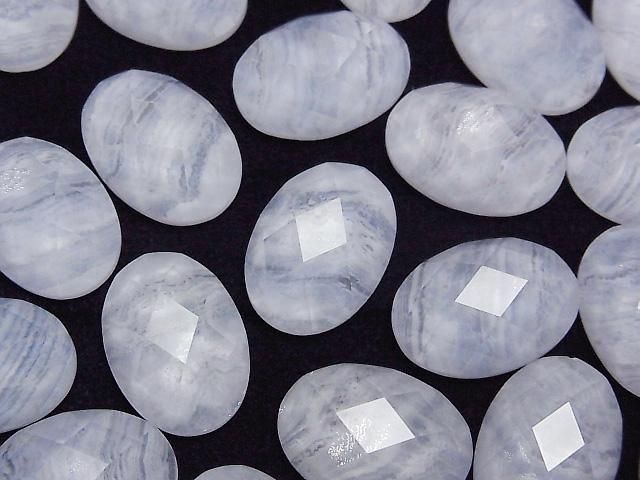
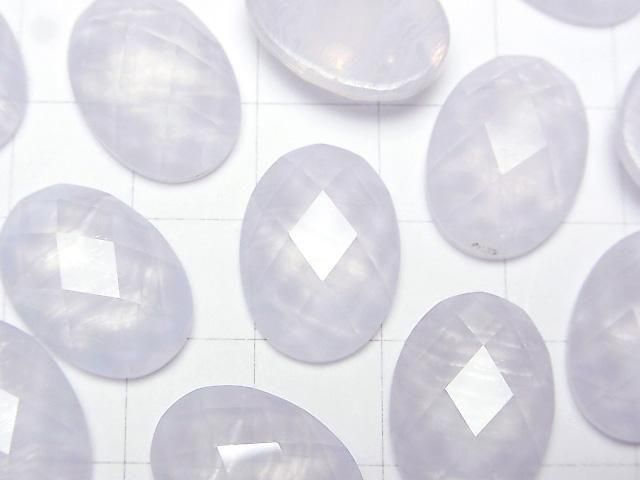
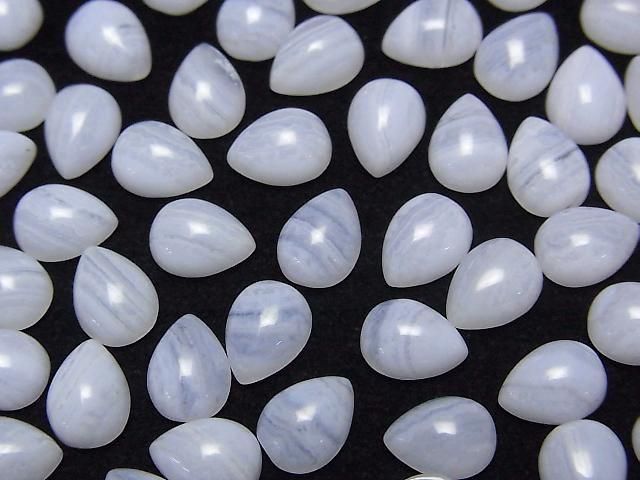
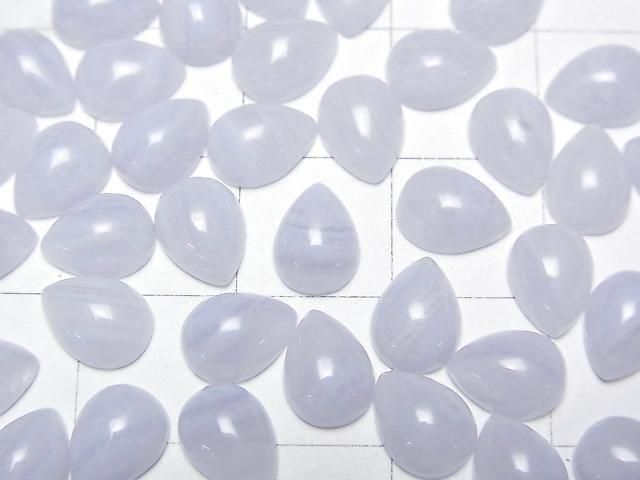
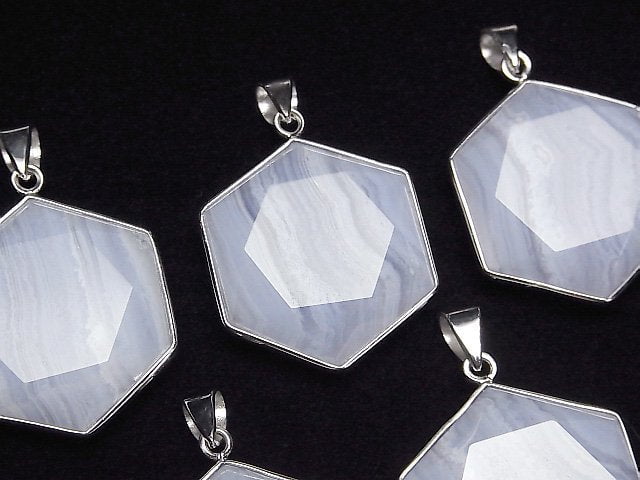
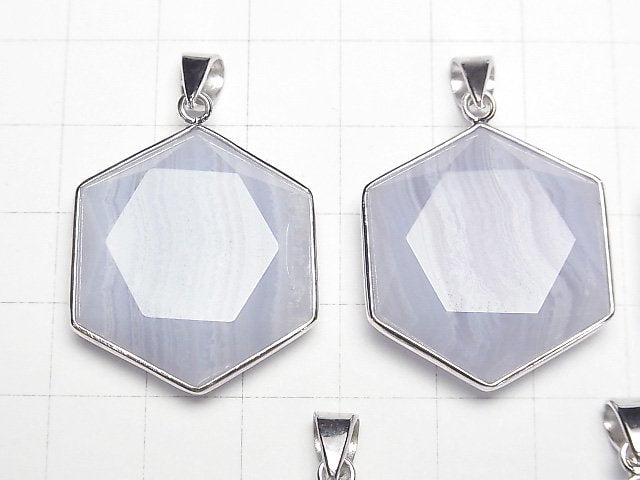
Our selection includes round beads in multiple sizes, ovals, chips, cubes, and specialty carved shapes such as roses, wings, and crosses—sold in strands and sets ready for your next design. Every listing shows detailed photos of the actual material so you can judge the banding quality before you buy.
Browse the blue lace agate collection to find the strand that fits your project.


![Blauer Spitzenachat AAA Herz 10x10mm [Vertikales Loch] 2 Stück](http://store.kenkengems.com/cdn/shop/files/181432400.jpg?v=1726672628&width=640)
![Blauer Spitzenachat AAA Herz 10x10mm [Vertikales Loch] 2 Stück](http://store.kenkengems.com/cdn/shop/files/181432400_o1.jpg?v=1726672621&width=640)
![Blauer Lace Agate AA++ Katzenmotiv 10x12mm [Halbohrung (Rückseite)] 2 Stück](http://store.kenkengems.com/cdn/shop/files/187469709.jpg?v=1756197227&width=640)
![Blauer Lace Agate AA++ Katzenmotiv 10x12mm [Halbohrung (Rückseite)] 2 Stück](http://store.kenkengems.com/cdn/shop/files/187469709_o1.jpg?v=1756197233&width=640)
![Blauer Spitzenachat AA++ Herz 12x12mm [Vertikales Loch] 2 Stück](http://store.kenkengems.com/cdn/shop/files/181434165.jpg?v=1726672760&width=640)
![Blauer Spitzenachat AA++ Herz 12x12mm [Vertikales Loch] 2 Stück](http://store.kenkengems.com/cdn/shop/files/181434165_o1.jpg?v=1726672753&width=640)
![Blaue Spitzenachat AA Katzenmotiv 10x12mm [Vertikales Loch] 2 Stück](http://store.kenkengems.com/cdn/shop/files/189801812.jpg?v=1769512540&width=640)
![Blaue Spitzenachat AA Katzenmotiv 10x12mm [Vertikales Loch] 2 Stück](http://store.kenkengems.com/cdn/shop/files/189801812_o1.jpg?v=1769512525&width=640)