TOC
- 1. What Is a Diamond?
- 2. History and Meaning of Diamond
- 3. Physical and Chemical Properties of Diamond
- 4. Colors of Diamonds
- 5. Diamond 4Cs and Value
- 6. Natural vs Lab-Grown Diamonds
- 7. Ethical Sourcing and Conflict-Free Diamonds
- 8. How to Tell a Real Diamond
- 9. Diamond Meaning and Symbolism
- 10. How to Care for Diamonds
- 11. Diamond FAQ
- 11-1. What do diamonds symbolize?
- 11-2. Are lab-grown diamonds real diamonds?
- 11-3. What are the 4Cs of a diamond?
- 11-4. How can you tell a real diamond?
- 11-5. What are conflict-free diamonds?
- 11-6. How much is a diamond worth?
- 11-7. Where can I buy loose natural diamonds?
- 12. Buying Diamonds from KenKenGems
![[Einzigartig] Diamant lose Steine facettiert 1 Stück Nr. 5](http://store.kenkengems.com/cdn/shop/files/191070270.jpg?crop=center&height=400&v=1776768445&width=400)
What Is a Diamond?
A diamond is a gem made of pure carbon, famous for shimmer, brilliance, and unmatched hardness. It is the hardest naturally occurring material known and the most popular gemstone in the world. In this guide you will learn what other virtues the world's hardest mineral has, and why — surprisingly — it was overlooked for millennia before becoming the ultimate symbol of love and luxury.

History and Meaning of Diamond
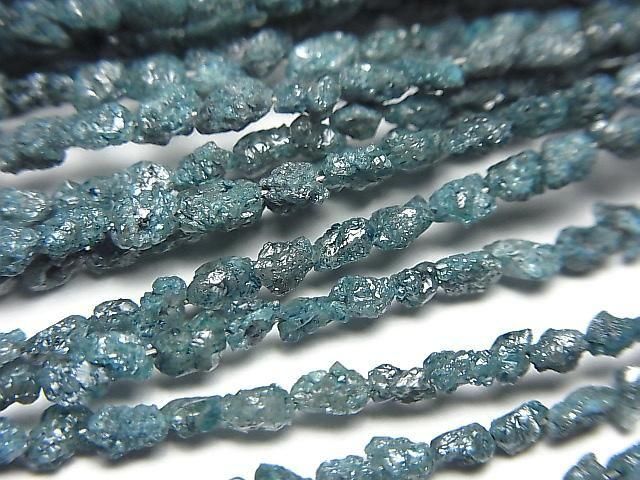
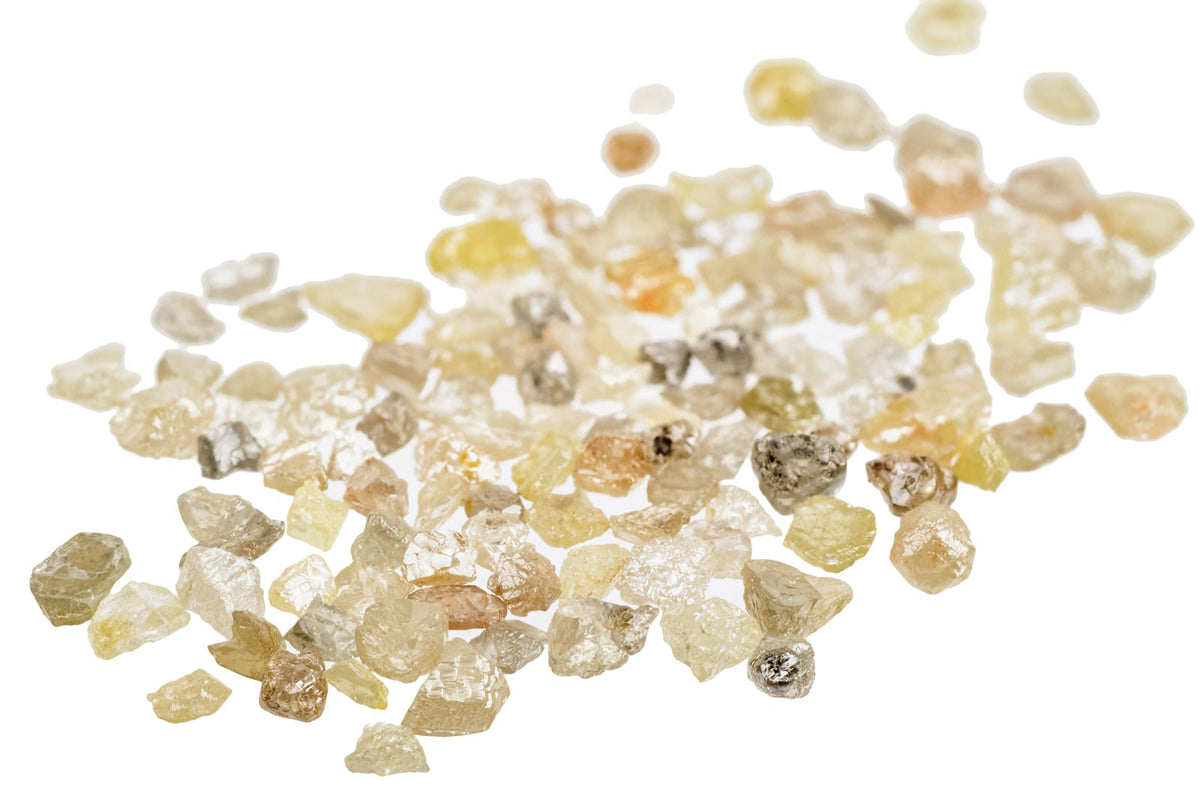
The word "diamond" comes from the ancient Greek "adamas," meaning invincible or unconquerable — originally used for the hardest metals and only later for the gem. The first diamond-like stones described in India around the 4th century BC drew little interest, because rough diamonds look gray and crusted; instead they were valued as talismans said to protect travelers and give soldiers courage. Pliny the Elder noted diamonds were used as cutting tools.
By the 13th century people learned to cut diamonds, though many were left uncut for fear of diminishing their supposed powers. The first faceted diamond was made in 1454 for Charles the Bold, Duke of Burgundy, and French court fashion soon spread "diamond mania" across Europe — though the stones remained the preserve of the wealthy, since Europe had no deposits and gems came from India and Indonesia. The discovery of the Kimberley deposits in South Africa in the later 19th century, the recognition of kimberlite pipes, and De Beers' famous marketing turned the diamond into the modern symbol of engagement and enduring love.

Physical and Chemical Properties of Diamond
Of all gemstones, diamond has the simplest composition: it is almost entirely carbon (jewelry-grade stones are about 99.8% carbon, with roughly 0.2% trace elements). Its most famous property is extreme hardness — a perfect 10 on the Mohs scale. That scale is only relative, though: in absolute terms diamond is dramatically harder than corundum, the next stone down. A common myth is that diamonds cannot break; in fact hardness resists scratching, but diamonds are brittle and a sharp blow can cleave one along its grain. Diamond also has the highest refractive index of any gemstone (about 2.417–2.421), which is what gives cut stones their signature fire and brilliance.
| Property | Detail |
|---|---|
| Composition | Carbon (C), ~99.8% in gem-grade stones |
| Mohs hardness | 10 (hardest natural material) |
| Refractive index | 2.417 – 2.421 (highest of any gem) |
| Specific gravity | ~3.52 |
| Crystal system | Cubic (isometric) |
| Cleavage / fracture | Perfect octahedral cleavage; brittle, conchoidal fracture |
| Birthstone | April |

Colors of Diamonds
Perfectly colorless, impurity-free diamonds are extremely rare; most stones carry a faint tint of yellow, brown, or blue. Diamonds with a distinct, desirable color — "fancy colors" — make up only about 1% of stones mined. Canary yellow, green, mauve, pink, and blue are highly prized, red is the rarest of all with only a few offered at auction each year, and vivid purple stones can exceed USD $1 million per carat. Black diamonds, once dismissed as a by-product, are now valued as bold, contemporary gems. Color within a single stone is rarely uniform, often showing lighter and more intense zones.

Diamond 4Cs and Value
Diamond prices range enormously — from a few dozen dollars per carat for small commercial stones to over a million for rare flawless gems. Each diamond is unique and is graded by the Gemological Institute of America (GIA) using the 4Cs: Cut, Color, Clarity, and Carat weight. The main GIA scale grades colorless diamonds (treating yellow or brown tints as a downgrade), while fancy-colored diamonds are graded on a separate scale where color is the prized feature.
| The 4Cs | What it measures |
|---|---|
| Cut | Proportions and finish that control sparkle — often the biggest factor in beauty |
| Color | Graded D (colorless) to Z (light yellow/brown) for white diamonds |
| Clarity | Inclusions and blemishes, from Flawless (FL/IF) down to Included (I / "pique") |
| Carat | Weight; price per carat rises steeply at popular size thresholds |
Clarity describes the number, size, and visibility of inclusions such as graphite, garnet, or feathers. Flawless (FL) and Internally Flawless (IF) stones are rare; most cut gems have minor inclusions. Because heavy or dark inclusions lower value, a larger but heavily included diamond can cost less than a smaller, cleaner one. Treat all figures as general guidance rather than a fixed quote.

Natural vs Lab-Grown Diamonds
Lab-grown diamonds (also called laboratory-created, laboratory-grown, or synthetic) are real diamonds with the same chemical, physical, and optical properties as mined stones — they are grown by HPHT or CVD processes rather than formed in the Earth. Under the U.S. FTC Jewelry Guides, sellers must clearly disclose when a diamond is lab-grown, and must not imply that a mined diamond is superior simply because it is natural. The practical differences are origin and price: lab-grown diamonds are typically much less expensive than comparable natural stones.
Some diamonds are also treated to improve appearance — for example HPHT treatment, irradiation to create color, laser drilling, or fracture filling to reduce the look of inclusions. These treatments should be disclosed too. At KenKenGems, natural, lab-grown, and any treated material are described accurately so you always know what you are buying.
Ethical Sourcing and Conflict-Free Diamonds
For many buyers, where a diamond comes from matters as much as the 4Cs. "Conflict diamonds" (or "blood diamonds") are rough diamonds mined in war zones and sold to finance armed conflict. The Kimberley Process, an international certification scheme launched in 2003, was created to keep conflict diamonds out of the legitimate supply chain, and most diamonds traded today are certified through it. Because the Kimberley Process has limits, many sellers and buyers also look for stronger guarantees of responsible, traceable sourcing — and lab-grown diamonds offer another conflict-free option. When buying, it is reasonable to ask a seller about origin and certification.
How to Tell a Real Diamond
A few checks can suggest whether a diamond is genuine, though only a gemologist can be certain. Diamond conducts heat exceptionally well, so a thermal ("diamond") tester quickly separates it from most simulants such as cubic zirconia; because moissanite also passes a thermal test, jewelers use a combined thermal-and-electrical-conductivity tester to tell them apart. Simple home checks (fog test, water test) are unreliable. The surest confirmation is an independent grading report from a respected laboratory such as the GIA, which identifies whether a stone is natural, lab-grown, or treated. Note that this "real vs fake" question is different from "natural vs lab-grown": a lab-grown diamond is a real diamond, while cubic zirconia and glass are imitations.
Diamond Meaning and Symbolism
In folklore and crystal tradition, the diamond is a symbol of love, strength, purity, and invincibility — fitting for the hardest gem and the classic engagement stone. It has long been carried as a talisman said to protect its owner and to reflect clarity and commitment.
- Traditionally associated with enduring love, fidelity, and commitment
- A long-standing symbol of strength, purity, and clarity
- Historically carried as a protective talisman in many cultures
- The April birthstone and the traditional 60th and 75th anniversary gem
Colorful legends surround the diamond — that a stone would dim before a guilty person and shine for the innocent, or that diamonds could influence health, childbirth, or a child's wellbeing. These are historical beliefs and stories, not facts. A diamond is not a medicine and does not diagnose, treat, cure, or prevent any illness, and it has no effect on pregnancy, children, or mood. These are traditional beliefs, not medical claims.

How to Care for Diamonds
Diamonds are tough enough for daily wear but still need sensible care.
- Clean with warm water, mild dish soap, and a soft brush to restore sparkle
- Avoid sharp knocks against hard surfaces, since diamond can chip along a cleavage plane
- Store diamonds separately — they can scratch other gems and even other diamonds
- Have prong settings checked periodically so stones are not lost
- Ultrasonic cleaning is usually safe for untreated diamonds but avoid it for fracture-filled or heavily included stones
Diamond FAQ
Quick answers to the questions people most often ask about diamonds.
What do diamonds symbolize?
In tradition, diamonds symbolize enduring love, strength, purity, and commitment, which is why they are the classic engagement stone. These are traditional beliefs, not medical claims.
Are lab-grown diamonds real diamonds?
Yes. Lab-grown diamonds have the same chemical and physical properties as mined diamonds; they differ only in origin and price. Sellers must disclose when a diamond is lab-grown.
What are the 4Cs of a diamond?
Cut, Color, Clarity, and Carat weight — the GIA grading factors that together determine a diamond's quality and value.
How can you tell a real diamond?
A thermal-and-electrical conductivity tester separates diamond from simulants like cubic zirconia and moissanite, and a GIA report is the surest confirmation. Home tests are unreliable.
What are conflict-free diamonds?
Diamonds sourced outside war zones and traded through the Kimberley Process certification scheme; lab-grown diamonds are another conflict-free option.
How much is a diamond worth?
Anywhere from a few dozen dollars per carat for small commercial stones to over a million for rare flawless or fancy-colored gems, depending on the 4Cs.
Where can I buy loose natural diamonds?
KenKenGems offers loose natural diamonds — including wholesale lots, rough stones, and a range of shapes — described honestly as natural, lab-grown, or treated.
Buying Diamonds from KenKenGems
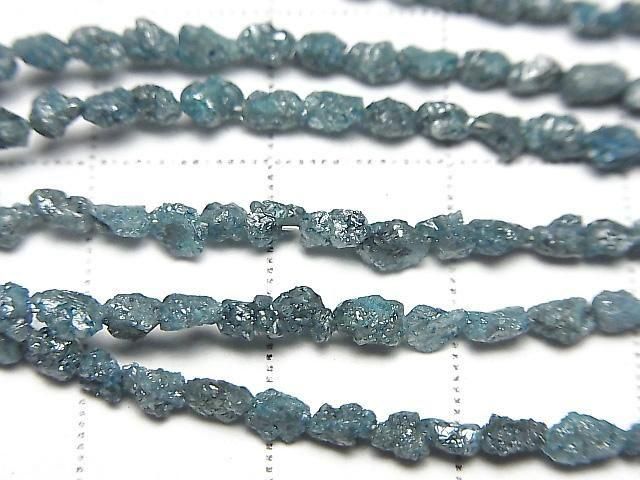
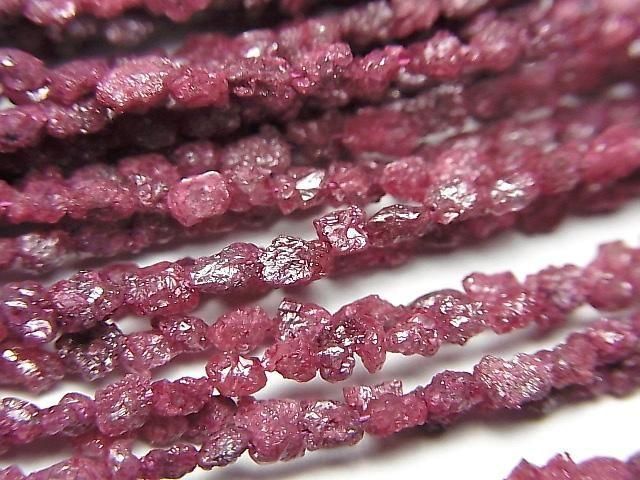
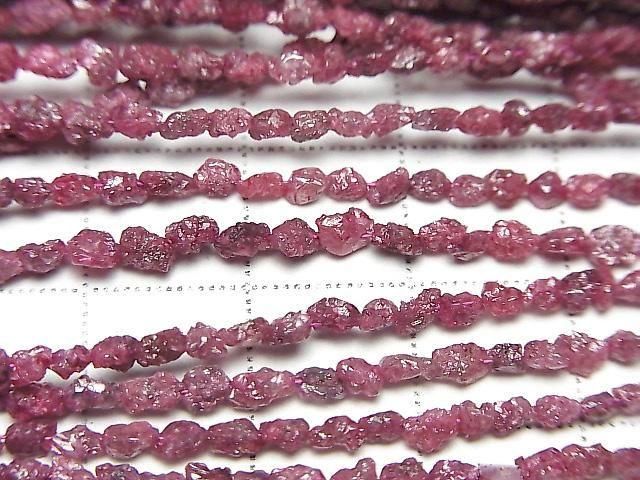
KenKenGems shows that diamonds do not have to cost a fortune. We offer loose natural diamonds — including wholesale lots and rough stones in a range of colors — plus one-of-a-kind faceted diamonds, beads, strands, charms, and pendants, and a variety of shapes (including specialty cuts such as concave shapes). Every stone is described honestly as natural, lab-grown, or treated, so whether you are sourcing loose natural diamonds wholesale or looking for a statement piece, you know exactly what you are getting. Browse our diamond collection to find the right stone for your jewelry or collection.


![[Einzigartig] Rötlich brauner Diamant Tropfen facettiert Briolette 1 Strang Perlen (ca. 11 Zoll/27 cm)](http://store.kenkengems.com/cdn/shop/files/189289479.jpg?v=1763454112&width=640)
![[Einzigartig] Rötlich brauner Diamant Tropfen facettiert Briolette 1 Strang Perlen (ca. 11 Zoll/27 cm)](http://store.kenkengems.com/cdn/shop/files/189289479_o1.jpg?v=1763454094&width=640)
![[Einzigartig] Natürlicher Diamant Lose Stein Brillant Schliff 3 Karat NO.3](http://store.kenkengems.com/cdn/shop/files/189827766.jpg?v=1768899086&width=640)
![[Einzigartig] Natürlicher Diamant Lose Stein Brillant Schliff 3 Karat NO.3](http://store.kenkengems.com/cdn/shop/files/189827766_o1.jpg?v=1768899072&width=640)
![[Einzigartig] Diamant Lose Stein Facettiert 1 Stück NO.121](http://store.kenkengems.com/cdn/shop/files/189573789.jpg?v=1768901319&width=640)
![[Einzigartig] Diamant Lose Stein Facettiert 1 Stück NO.121](http://store.kenkengems.com/cdn/shop/files/189573789_o1.jpg?v=1768901305&width=640)
![[Einzigartig] Diamant lose Stein facettiert 10 Stück Set NO.1](http://store.kenkengems.com/cdn/shop/files/189288630.jpg?v=1763454010&width=640)
![[Einzigartig] Diamant lose Stein facettiert 10 Stück Set NO.1](http://store.kenkengems.com/cdn/shop/files/189288630_o1.jpg?v=1763454016&width=640)
![[Einzigartig] Diamant Lose Stein Facettiert 1 Stück NO.115](http://store.kenkengems.com/cdn/shop/files/189573780.jpg?v=1768901498&width=640)
![[Einzigartig] Diamant Lose Stein Facettiert 1 Stück NO.115](http://store.kenkengems.com/cdn/shop/files/189573780_o1.jpg?v=1768901484&width=640)
![[Einzigartig] Diamant lose Stein facettiert 5 Stück Set NO.107](http://store.kenkengems.com/cdn/shop/files/189281315.jpg?v=1763453944&width=640)
![[Einzigartig] Diamant lose Stein facettiert 5 Stück Set NO.107](http://store.kenkengems.com/cdn/shop/files/189281315_o1.jpg?v=1763453949&width=640)
![[Einzigartig] Diamant lose Steine facettiert 1 Stück Nr. 5](http://store.kenkengems.com/cdn/shop/files/191070270.jpg?v=1776768445&width=640)
![[Einzigartig] Diamant lose Steine facettiert 1 Stück Nr. 5](http://store.kenkengems.com/cdn/shop/files/191070270_o1.jpg?v=1776768430&width=640)
![[Einzigartig] Diamant Lose Stein Facettiert 1 Stück NO.118](http://store.kenkengems.com/cdn/shop/files/189573784.jpg?v=1768901412&width=640)
![[Einzigartig] Diamant Lose Stein Facettiert 1 Stück NO.118](http://store.kenkengems.com/cdn/shop/files/189573784_o1.jpg?v=1768901392&width=640)
![[Einzigartig] Diamant lose Stein facettiert 5 Stück Set NO.109](http://store.kenkengems.com/cdn/shop/files/189281317.jpg?v=1763453973&width=640)
![[Einzigartig] Diamant lose Stein facettiert 5 Stück Set NO.109](http://store.kenkengems.com/cdn/shop/files/189281317_o1.jpg?v=1763453967&width=640)
![[Einzigartig] Diamant lose Stein facettiert 5 Stück Set NO.108](http://store.kenkengems.com/cdn/shop/files/189281316.jpg?v=1763453955&width=640)
![[Einzigartig] Diamant lose Stein facettiert 5 Stück Set NO.108](http://store.kenkengems.com/cdn/shop/files/189281316_o1.jpg?v=1763453961&width=640)