
TOC
- 1. Chrysocolla at a Glance: Quick Facts
- 2. Chrysocolla Meaning and History: The "Gold Glue" Stone
- 2-1. Where the Name Comes From
- 2-2. Chrysocolla in Ancient Egypt, Israel, and Rome
- 3. Chrysocolla Physical Properties: Hardness, Luster, and Composition
- 3-1. Hardness and Durability: Why Chrysocolla Isn't a Ring Stone
- 3-2. Chrysocolla Luster and Appearance
- 3-3. Is Chrysocolla a True Mineral? The Silica-Gel Debate
- 4. Chrysocolla Colors, Varieties, and Where It's Found
- 4-1. What Determines Chrysocolla's Color
- 4-2. Gem Silica (Chrysocolla Chalcedony): The Most Valuable Variety
- 4-3. Other Named Varieties and Blends
- 4-4. Where Chrysocolla Is Found: Arizona, Peru, and Beyond
- 5. Chrysocolla vs. Turquoise and Malachite: How to Tell Them Apart
- 6. Treatments, Imitations, and How to Buy Chrysocolla Safely
- 7. Chrysocolla Metaphysical Properties and Folklore (Beliefs, Not Medicine)
- 7-1. Communication, Calm, and Emotional Balance (Traditional Beliefs)
- 7-2. Chakras, Zodiac Signs, and Birthstone
- 8. How Much Is Chrysocolla Worth?
- 9. How to Use and Care for Chrysocolla Jewelry
- 9-1. Best Jewelry Uses for a Soft Stone
- 9-2. Cleaning and Care
- 10. Chrysocolla FAQ
- 10-1. Is chrysocolla the same as turquoise?
- 10-2. What is chrysocolla, and how hard is it?
- 10-3. Can chrysocolla go in water?
- 10-4. Is chrysocolla rare or expensive?
- 10-5. How can I tell real chrysocolla from an imitation?
- 10-6. Is chrysocolla safe to wear?
- 10-7. What is chrysocolla used for?
- 11. Shop Chrysocolla Beads and Stones at Kenkengems

Chrysocolla at a Glance: Quick Facts
Chrysocolla is a blue-green copper silicate mineral prized for its vivid, turquoise-like color and swirling patterns. Soft and porous at roughly 2.5–3.5 on the Mohs hardness scale (harder when naturally intergrown with quartz or chalcedony), it is best suited to pendants, earrings, and beads rather than everyday rings. This guide covers what chrysocolla means, its physical and mineralogical properties, its folklore, how it compares with turquoise and malachite, how to spot treatments and imitations, what it is worth in USD, and how to care for it.

| Property | Chrysocolla details |
|---|---|
| Mineral family | Hydrous copper (aluminum) phyllosilicate; IMA-approved species (symbol Ccl) |
| Chemistry | Cu(2-x)Al(x)(H2Si2O5)(OH)4·nH2O — a hydrated copper silicate, often colored silica gel |
| Crystal system | Orthorhombic; almost always massive, botryoidal, or nodular (rarely visible crystals) |
| Color | Blue, cyan, blue-green, teal, green; often swirled with brown or black matrix |
| Mohs hardness | 2.5–3.5 typical; up to ~7 when heavily silicified (gem silica) |
| Luster | Vitreous (glassy) to waxy, dull, or earthy |
| Streak / transparency | White to pale blue-green streak; opaque, occasionally translucent |
| Specific gravity | About 1.9–2.4 (light for its size) |
| Refractive index | Roughly 1.50–1.64 (variable; often measured near 1.50 on cabochons) |
| Major sources | Arizona (USA), Peru, DR Congo, Mexico, Chile, Israel, Russia |
| Birthstone | Not official — a popular, affordable alternative to December's turquoise |
| Chakra (folklore) | Throat and heart (traditional belief, not a medical claim) |
| Typical price (USD) | A few dollars for tumbled stones and beads; $100+ per carat for fine gem silica |
Chrysocolla Meaning and History: The "Gold Glue" Stone
Chrysocolla's name literally means "gold glue," and its long history runs from ancient goldsmithing to modern lapidary. Here is where the name and its reputation come from.

Where the Name Comes From
The name chrysocolla comes from the Ancient Greek chrysos ("gold") and kolla ("glue"). The Greek philosopher Theophrastus recorded the term around 315 BC because goldsmiths of his era used the copper-rich material as a flux or solder — literally a "glue" — for joining gold. Over the centuries the stone has also been called mountain green, copper malachite, and copper green.
Chrysocolla in Ancient Egypt, Israel, and Rome
Chrysocolla has been valued since antiquity. In ancient Egypt it was ground into blue pigment for frescoes and used as eye makeup; Cleopatra is traditionally said to have worn chrysocolla jewelry, and the stone earned the folk nickname "wise stone" for its association with calm negotiation. In the ancient kingdom of Israel, the copper mines linked to King Solomon near the Gulf of Eilat produced copper ore alongside chrysocolla — which is why the blue-green rock blend of chrysocolla, turquoise, and malachite from that region is still called Eilat stone, the national stone of Israel. The Roman emperor Nero reportedly dusted his chariot arena with ground green chrysocolla in honor of his racing faction.
Chrysocolla Physical Properties: Hardness, Luster, and Composition
Chrysocolla is a soft, porous copper silicate — Mohs 2.5–3.5 in typical material — with a luster that ranges from glassy to earthy. Silica content is the single biggest factor in how hard, durable, and wearable a given piece will be.

Hardness and Durability: Why Chrysocolla Isn't a Ring Stone
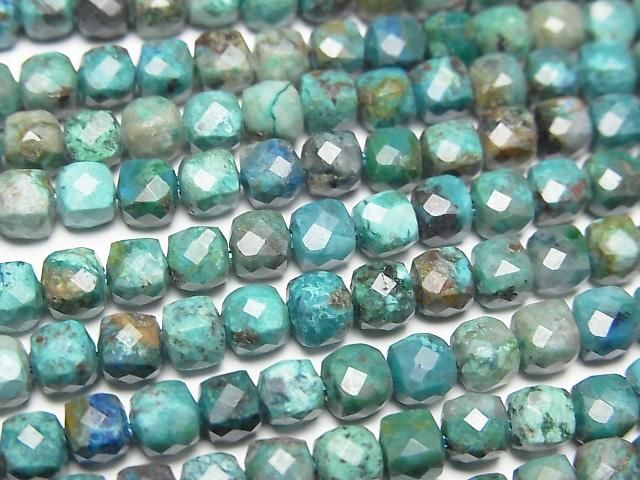
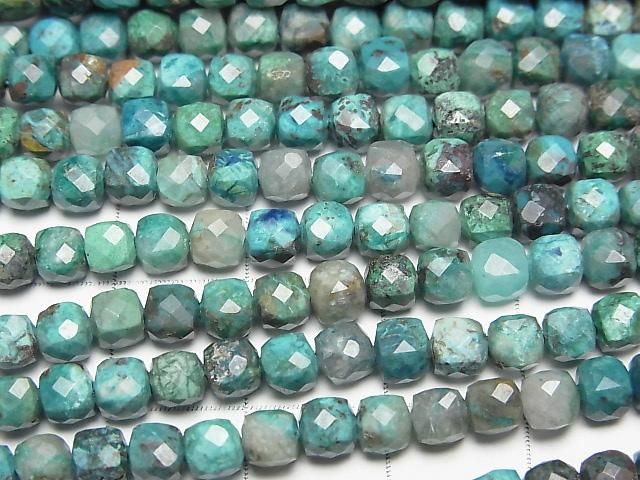
Pure chrysocolla rates only about 2.5 to 3.5 on the Mohs scale — softer than window glass and roughly as hard as a fingernail to a copper coin — so it scratches, chips, and abrades easily. It is also sensitive to acids, household chemicals, and cleaning products. That makes chrysocolla a poor choice for rings and bracelets that take daily knocks, but an excellent choice for pendants, earrings, and beaded designs. When chrysocolla forms together with quartz or chalcedony, the added silica raises its hardness considerably — cyan and blue-green material can approach Mohs 6, and gem silica reaches about 7.
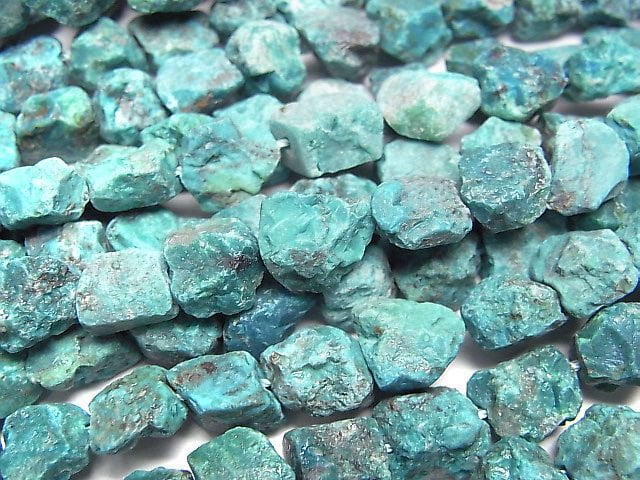
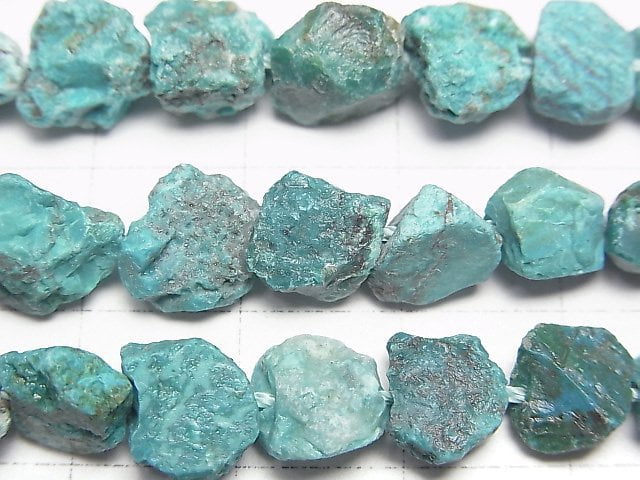
Because natural chrysocolla is porous, most commercial beads and many cabochons are stabilized — impregnated with a clear resin or polymer so they can be safely drilled, cut, and worn. Stabilization is a standard, accepted treatment, but under U.S. and Canadian rules it should be disclosed at the point of sale. Reputable sellers state whether material is natural, stabilized, or dyed so you know exactly what you are buying.
Chrysocolla Luster and Appearance
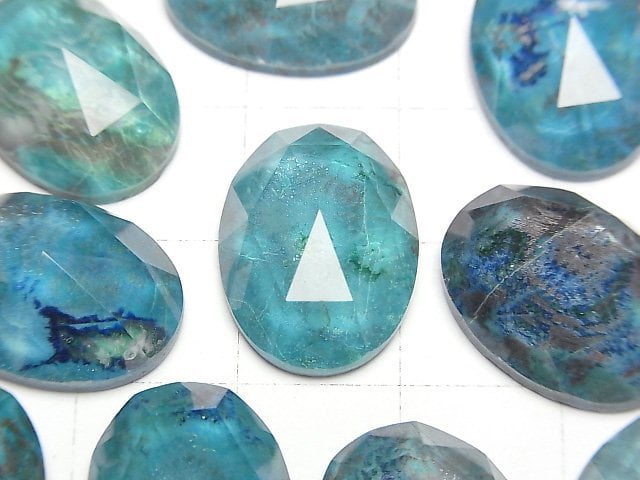
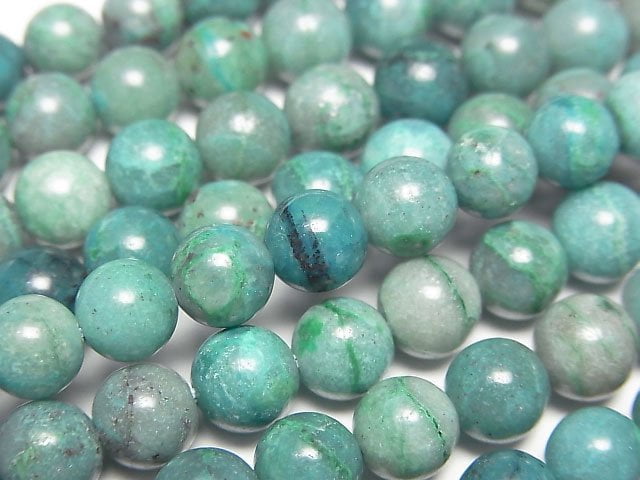
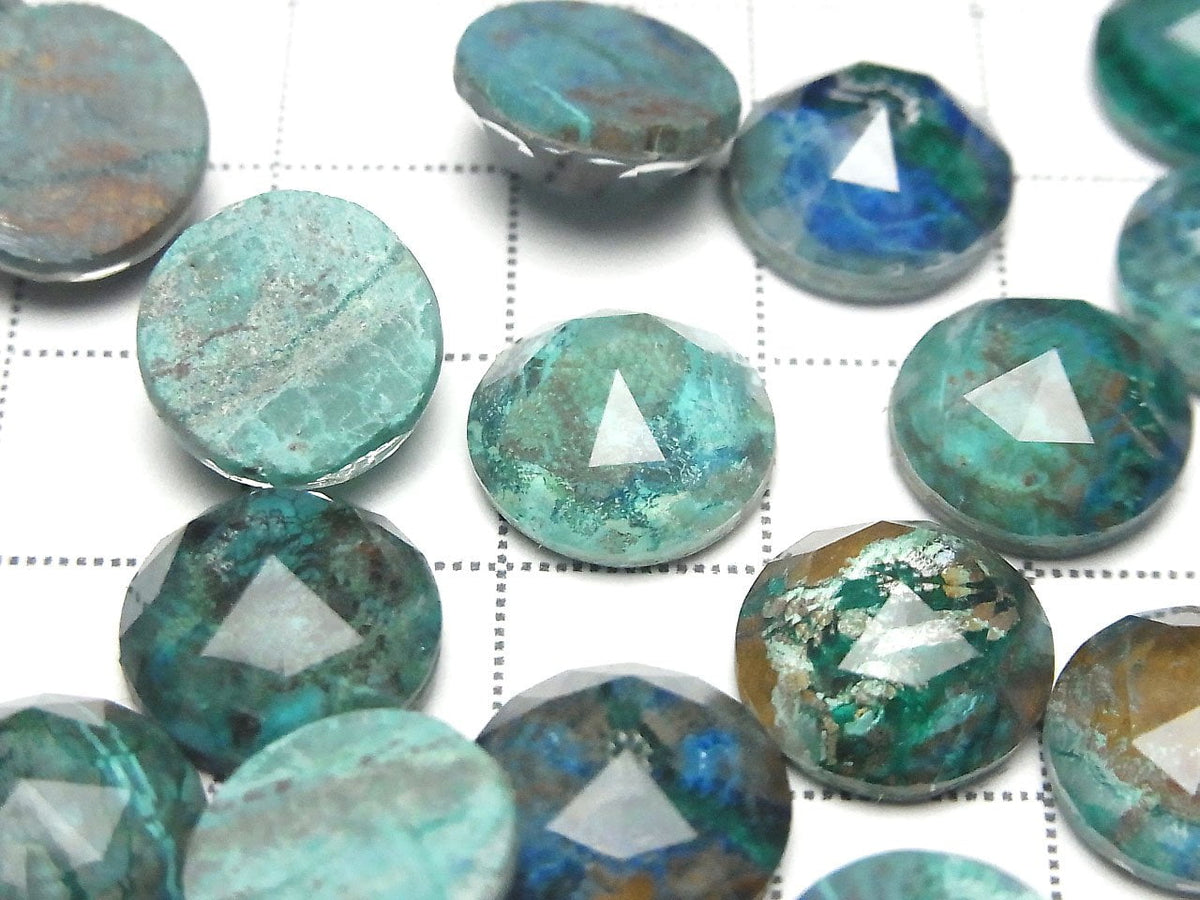
Chrysocolla's luster ranges from vitreous (glassy) to waxy, dull, or earthy, depending on how much silica the specimen contains. Silica-rich material takes a bright, glass-like polish, while porous, low-silica chrysocolla can look chalky even after polishing. Most specimens are opaque, though areas fused with chalcedony or quartz can be translucent. If a polished blue-green stone shows a distinctly glassy luster and good translucence, it may be gem silica — the most valuable form of chrysocolla.
Is Chrysocolla a True Mineral? The Silica-Gel Debate
Yes — chrysocolla is recognized as a mineral by the International Mineralogical Association (IMA), but it has an unusual identity. It lacks a single fixed chemical formula and typically forms as an amorphous, gel-like mass rather than visible crystals, which is why many researchers describe much of it as a hardened silica gel colored by copper. A 2006 spectrographic study went further, suggesting that some material sold as "chrysocolla" is really a microscopic mixture of the copper-hydroxide mineral spertiniite, amorphous silica, and water. Chemically it is a hydrated copper (and aluminum) silicate that forms in the oxidized zones of copper deposits, frequently intergrown with malachite, azurite, turquoise, cuprite, and quartz. Because it reliably signals copper nearby, geologists treat chrysocolla as an indicator mineral when prospecting.
Chrysocolla Colors, Varieties, and Where It's Found
Chrysocolla comes in every shade from sky blue to deep teal, and it appears under several named varieties — including gem silica, the most valuable of all.

What Determines Chrysocolla's Color
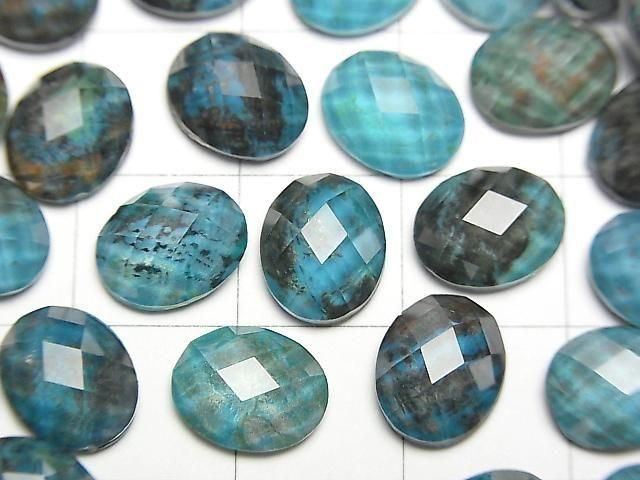
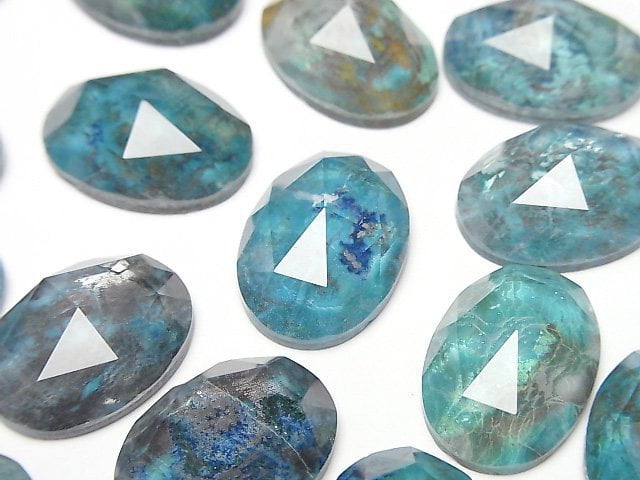
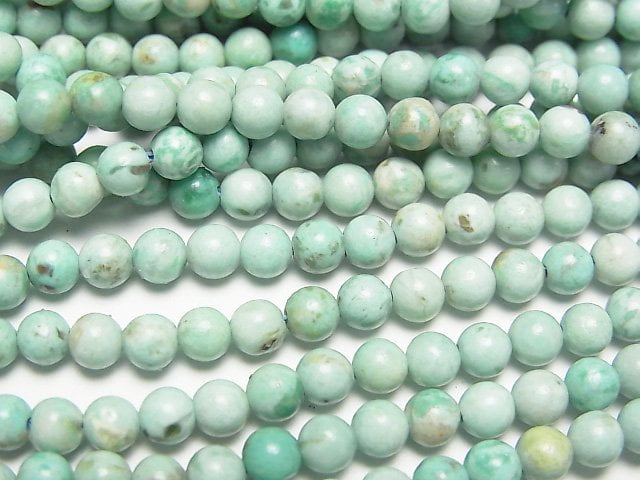
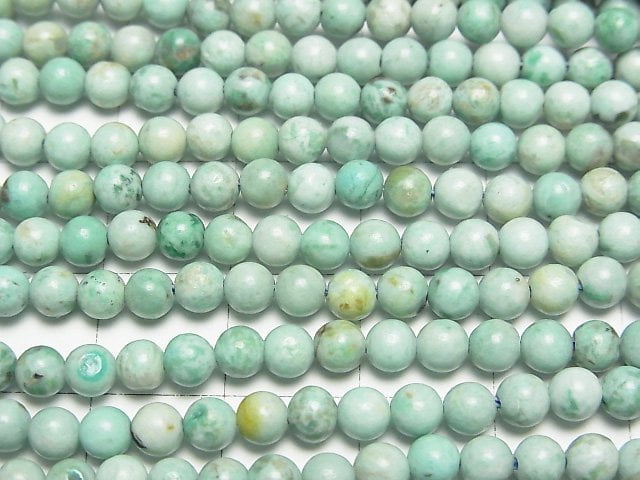
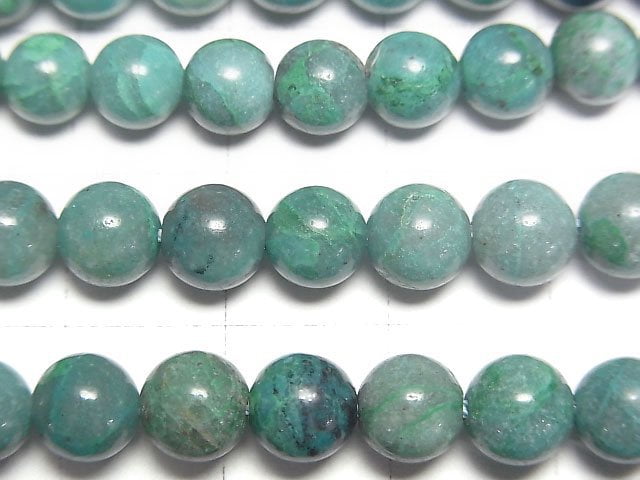
Chrysocolla's palette runs from sky blue and robin's-egg blue to teal, cyan, and green. Copper produces the signature blue-green tones; iron shifts the color toward green, while manganese and matrix inclusions add brown and black. Many stones display several colors at once, swirled with black, brown, or coppery matrix — patterns that make each cabochon and bead one of a kind. In general, deep navy-blue chrysocolla is the softest, while cyan and blue-green material tends to carry more silica and takes a better polish.
Gem Silica (Chrysocolla Chalcedony): The Most Valuable Variety
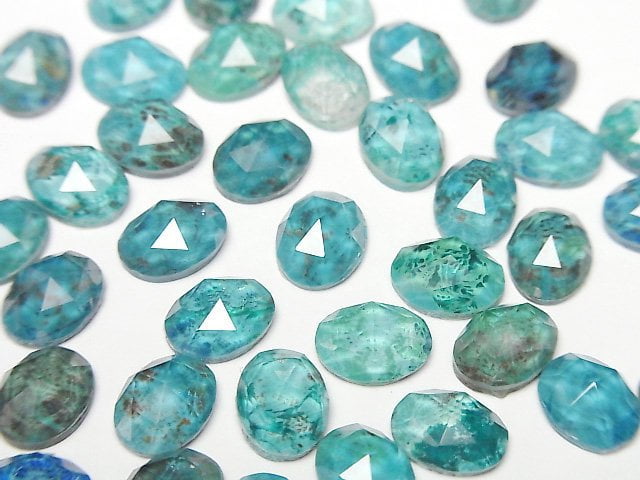
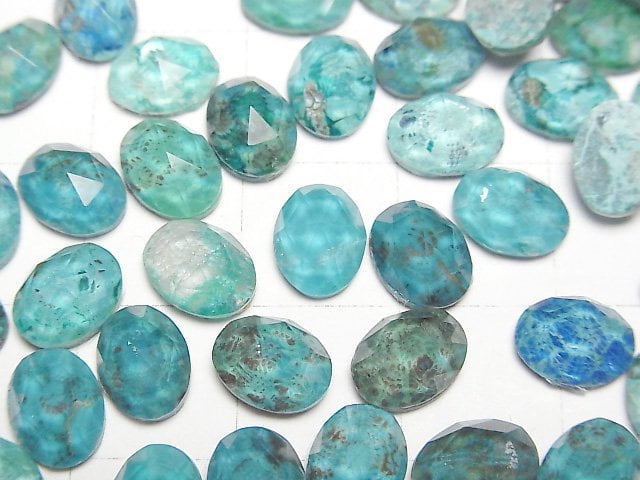
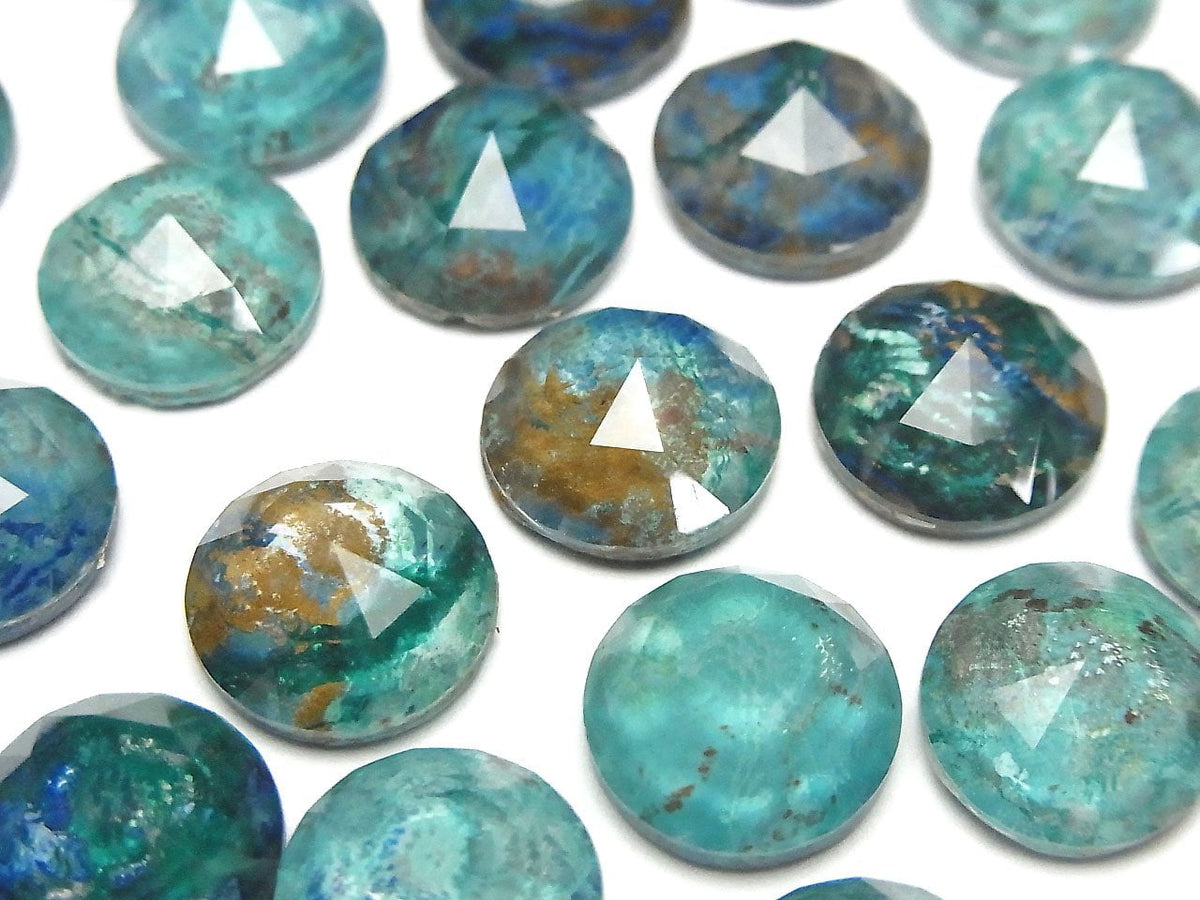
Gem silica — also called chrysocolla chalcedony — is chalcedony (microcrystalline quartz) colored an intense blue-green by chrysocolla. Because the quartz gives it a hardness of about 7 and a bright, translucent body, gem silica is widely considered the most valuable type of chalcedony; fine material from Arizona mines such as Ray and Inspiration can sell for well over $100 per carat. An important naming point for buyers: if you ever see a faceted "chrysocolla," it is almost always gem silica, because pure chrysocolla is far too soft to facet. Under FTC jewelry-naming rules, silicified material should be described accurately as gem silica or chrysocolla chalcedony rather than implying it is ordinary chrysocolla.
Other Named Varieties and Blends
Several trade names describe chrysocolla blends you will see in the North American market. Each is a mixture or rock rather than a single mineral, so it is best sold under its blend name:
- Stellarite (chrysocolla quartz) — a light-blue mix of chrysocolla and quartz.
- Parrot wing — chrysocolla combined with jasper and other minerals in mottled green-brown tones.
- Eilat stone — the blue-green blend of chrysocolla, turquoise, and malachite from Israel.
- Chrysocolla with shattuckite / plancheite — chrysocolla intergrown with these deep-blue copper silicates, popular with collectors for its rich color.
- Demidovite — a rare phosphorus-rich variety that grows on malachite, first found in Russia's Ural Mountains.
Where Chrysocolla Is Found: Arizona, Peru, and Beyond
Chrysocolla occurs wherever large copper deposits are mined. In North America, Arizona is the classic source — the Globe-Miami district, Ray Mine, Morenci, and Bisbee have produced both ornamental chrysocolla and top-grade gem silica. Other important sources include Peru (prized for richly patterned blue-green material), the Democratic Republic of the Congo, Mexico, Chile, Russia, and Israel. Origin affects value: Arizona gem silica and vivid Peruvian chrysocolla are especially sought after by U.S. and Canadian buyers.
Chrysocolla vs. Turquoise and Malachite: How to Tell Them Apart
Chrysocolla is often mistaken for turquoise, but they are different minerals with different properties. Turquoise is a copper phosphate with a hardness of 5–6 and a waxy luster; chrysocolla is a softer copper silicate (Mohs 2.5–3.5) with a more variable, often glassier luster and stronger green streaking. Price is another clue: natural, untreated turquoise generally costs far more than common chrysocolla. Malachite, a frequent companion in the same deposits, is easy to distinguish by its banded, purely green color.
| Stone | Mineral type | Mohs hardness | Typical color | Luster | Relative price |
|---|---|---|---|---|---|
| Chrysocolla | Copper silicate | 2.5–3.5 | Blue-green mixes | Vitreous to earthy | $ |
| Turquoise | Copper phosphate | 5–6 | Sky blue to green | Waxy | $$$ |
| Malachite | Copper carbonate | 3.5–4 | Banded green | Silky to vitreous | $$ |
| Gem silica | Chrysocolla chalcedony | ~7 | Vivid blue-green | Vitreous, translucent | $$$$ |
A simple lapidary field test: lightly touch a clean, dry specimen with a slightly damp fingertip. Porous, low-silica chrysocolla often feels faintly "sticky" or tacky as it grips the moisture, while dense turquoise and gem silica do not. It is only a hint, not proof — visible fractures, a duller luster, and green streaking all point toward chrysocolla rather than turquoise.
Treatments, Imitations, and How to Buy Chrysocolla Safely
Because chrysocolla is soft and porous, the market includes treated material and outright imitations. Knowing what to ask for protects your money and keeps you compliant with how gems should be described in the U.S. and Canada.
- Stabilized / impregnated — most beads and many cabochons are impregnated with clear resin or polymer to harden and seal them. This is legitimate and common, but it should be disclosed. Ask whether beads are natural or stabilized.
- Dyed — pale or gray material is sometimes dyed to deepen the blue-green. Dye should be disclosed; it can fade or transfer.
- Dyed magnesite or howlite — inexpensive white magnesite and howlite are frequently dyed blue or blue-green and sold as "chrysocolla" or "turquoise." These are imitations, not chrysocolla, and must be labeled as such.
- Gem silica sold as "chrysocolla" — silicified, faceted, or highly translucent stones are gem silica (chrysocolla chalcedony). Accurate naming matters for both value and disclosure.
- Blends named as one mineral — Eilat stone, parrot wing, and stellarite are mixtures; they should be sold under their blend names, not as pure chrysocolla.
Buying checklist: ask for the mineral name and origin, confirm whether the piece is natural, stabilized, or dyed, and favor sellers who publish a transparent quality-rating system and disclose every treatment in writing.
Chrysocolla Metaphysical Properties and Folklore (Beliefs, Not Medicine)
In crystal-healing traditions, chrysocolla is described as a stone of communication, calm, and feminine energy. The associations below reflect folklore and metaphysical belief only. These are traditional beliefs, not medical claims, and no gemstone is a substitute for care from a qualified healthcare professional.

Communication, Calm, and Emotional Balance (Traditional Beliefs)
In folklore, chrysocolla is associated above all with gentle, truthful self-expression. Crystal practitioners have traditionally reached for it before difficult conversations and public speaking, and it is a long-standing favorite of teachers, speakers, and musicians who want to "find their voice." In ancient Egypt it was called the "wise stone" and worn during negotiations. The stone is also linked in tradition with feminine energy and life transitions, which makes it a popular symbolic gift for new mothers and grandmothers in the crystal community. These are cultural and metaphysical associations, not statements of medical or psychological effect.

Chakras, Zodiac Signs, and Birthstone
In these traditions chrysocolla is most often paired with the throat chakra (communication) and the heart chakra (love and forgiveness). Astrologically it is linked with Gemini, and some traditions add Taurus and Virgo; its associated planet is often given as Mercury or Venus. Chrysocolla is not an official birthstone, but its color makes it a favorite — and more affordable — alternative to turquoise, December's birthstone. All of these correspondences are folklore rather than proven properties.
How Much Is Chrysocolla Worth?
Common chrysocolla is affordable: tumbled stones, cabochons, and bead strands typically sell for a few dollars to a few tens of dollars (USD). Value rises with color saturation, attractive patterning, silica content (harder material polishes better and survives wear), translucence, and size. At the top of the market, translucent gem silica in vivid robin's-egg blue commands gem-level prices — often $100 or more per carat. When you compare prices, always check whether the material is natural, stabilized, or a dyed imitation such as colored howlite or magnesite, because treatment and identity have a large effect on fair value. Reputable sellers disclose treatments and name the material accurately rather than using vague superlatives.
How to Use and Care for Chrysocolla Jewelry
Chrysocolla rewards careful handling. Choose protected designs, clean it gently, keep it away from water and chemicals, and it will hold its color for decades.
Best Jewelry Uses for a Soft Stone
Because chrysocolla is soft, design around protection. It shines in pendants, earrings, and brooches, where it will not take knocks; for bracelets, choose stabilized beads and expect gentler wear. Bezel settings protect edges better than prongs. When drilling or stringing chrysocolla beads, work slowly and keep the stone cool with water — and, as with any copper-bearing mineral, wear a dust mask and wash your hands after handling rough material so you do not breathe cutting dust.
Cleaning and Care
Clean chrysocolla with a soft, slightly damp cloth and mild soap only. Never use ultrasonic or steam cleaners, and avoid prolonged soaking — porous, low-silica material can absorb water and discolor. Keep it away from perfume, hairspray, direct sunlight for long periods, and household chemicals. Put jewelry on last when dressing, and store pieces separately in a soft pouch so harder stones do not scratch them.
Chrysocolla FAQ
Is chrysocolla the same as turquoise?
No. They share a blue-green color, but turquoise is a copper phosphate with a hardness of 5–6, while chrysocolla is a softer copper silicate at Mohs 2.5–3.5. Natural turquoise is also usually far more expensive.
What is chrysocolla, and how hard is it?
Chrysocolla is a hydrous copper silicate mineral that forms in the oxidized zones of copper deposits. Its Mohs hardness is typically 2.5–3.5, rising toward 6–7 when it is naturally intergrown with quartz or chalcedony (gem silica).
Can chrysocolla go in water?
Brief contact is fine, but avoid soaking and never use ultrasonic or steam cleaners. Low-silica chrysocolla is porous and can absorb water, turn dull, or discolor. Wipe it with a damp cloth and dry it right away.
Is chrysocolla rare or expensive?
Ordinary chrysocolla is common and affordable — most beads and tumbled stones cost just a few dollars. Only gem silica (chrysocolla chalcedony) is rare and expensive, sometimes exceeding $100 per carat.
How can I tell real chrysocolla from an imitation?
Watch for dyed magnesite or howlite sold as "chrysocolla" or "turquoise," and remember that faceted or very translucent stones are usually gem silica. Buy from sellers who name the mineral, state the origin, and disclose whether it is natural, stabilized, or dyed.
Is chrysocolla safe to wear?
Yes. Polished, sealed, or stabilized chrysocolla is safe to wear and handle. The main caution is for lapidaries: avoid breathing cutting dust from any copper mineral, and wash your hands after working with rough stone.
What is chrysocolla used for?
Practically, it is used for cabochons, beads, and ornamental carvings. In metaphysical traditions it is associated with calm communication and emotional balance, often worn near the throat. Those associations are traditional beliefs, not medically proven effects.
Shop Chrysocolla Beads and Stones at Kenkengems
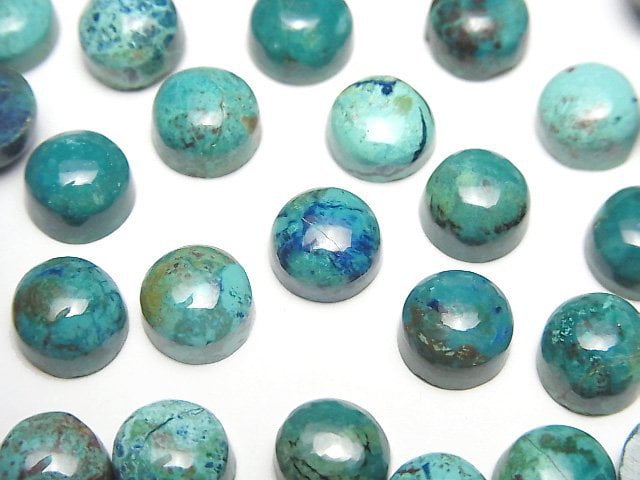
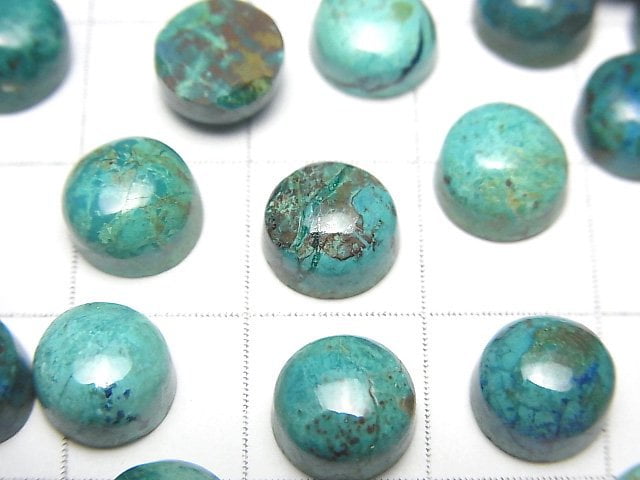
Looking for chrysocolla you can actually design with? Kenkengems supplies jewelry makers across the U.S. and Canada with one-of-a-kind chrysocolla cabochons and loose stones, strands and half-strands of beads in multiple shapes and sizes, matched sets of 2–3 stones, and pendants set in gold and silver. Our chrysocolla comes primarily from Peru and the DR Congo, every treatment is disclosed, and each lot is graded under our transparent quality-rating system. Orders over USD $300 ship free worldwide. Browse the collection to find the exact color and pattern for your next design.


![[Einzigartig] Chrysokoll AAA-Anhänger Silber925 Nr. 95](http://store.kenkengems.com/cdn/shop/files/187939581.jpg?v=1755585005&width=640)
![[Einzigartig] Chrysokoll AAA-Anhänger Silber925 Nr. 95](http://store.kenkengems.com/cdn/shop/files/187939581_o1.jpg?v=1755585013&width=640)