TOC
- 1. What Is Sphene?
- 2. Sphene Meaning and History
- 3. Sphene Properties
- 4. Where Is Sphene Found?
- 5. Sphene Colors and Value
- 6. Sphene Care and How to Identify It
- 7. Sphene Meaning and Symbolism
- 8. Sphene FAQ
- 8-1. Is sphene the same as titanite?
- 8-2. What makes sphene special as a gemstone?
- 8-3. Is sphene hard enough for jewelry?
- 8-4. What colors does sphene come in?
- 8-5. Is sphene treated or heated?
- 8-6. How much is sphene worth?
- 8-7. What is the spiritual meaning of sphene?
- 9. Shop Sphene at Kenkengems

What Is Sphene?
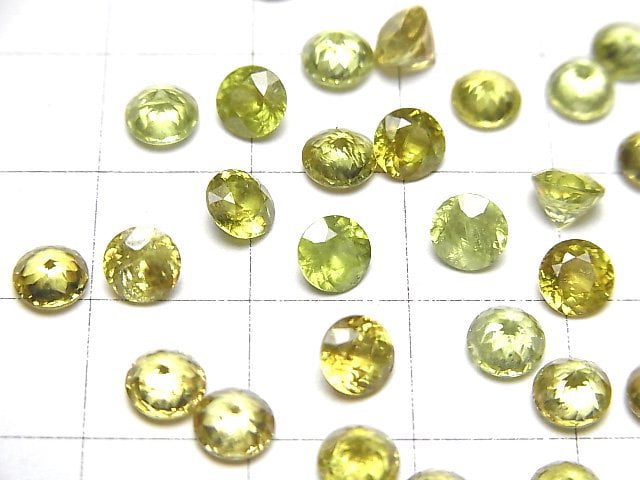
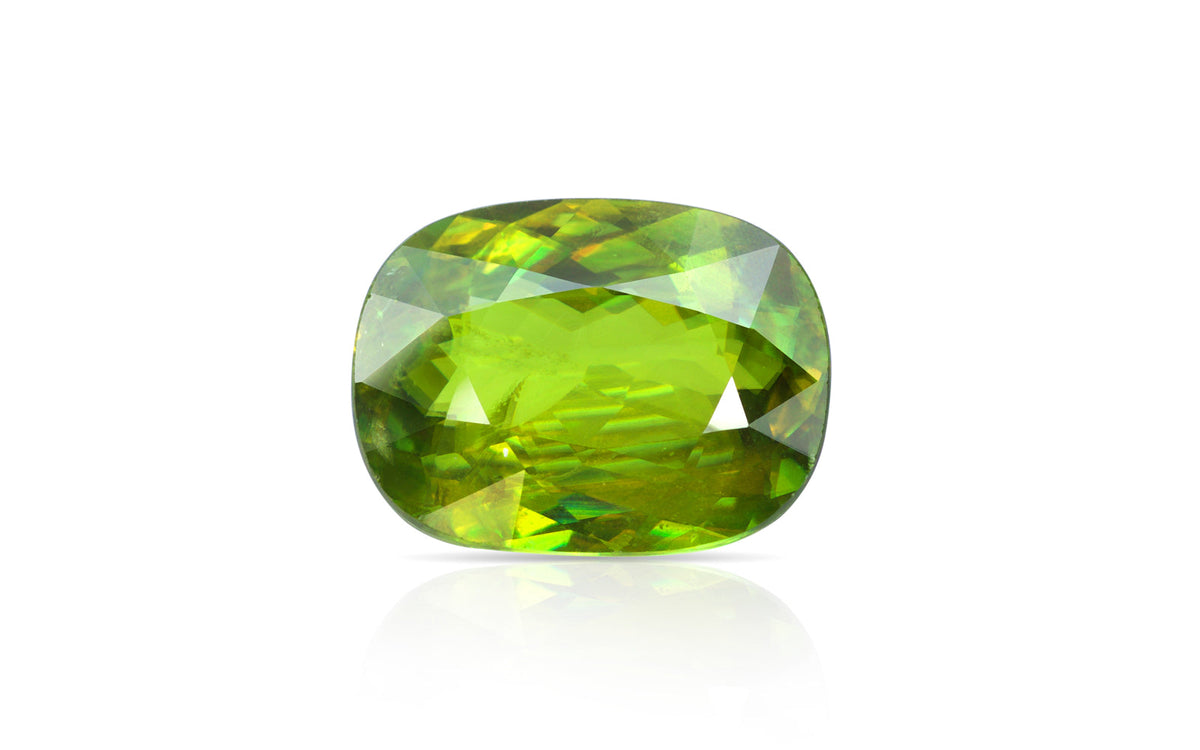
Sphene is the gem name for the mineral titanite, a calcium titanium silicate (CaTiSiO5). It is a natural gemstone best known for its "fire" — an intense play of rainbow color caused by dispersion that is higher than diamond's. Faceted sphene also shows an adamantine (diamond-like) luster and strong pleochroism, meaning it can flash different colors as you turn it. Sphene is relatively soft and has distinct cleavage, so it is a prized collector and jewelry stone that rewards careful setting and wear. In this guide you will learn what sphene is, its meaning and history, its gemological properties, where it is found, its colors and value in U.S. dollars, and how to care for and identify it.

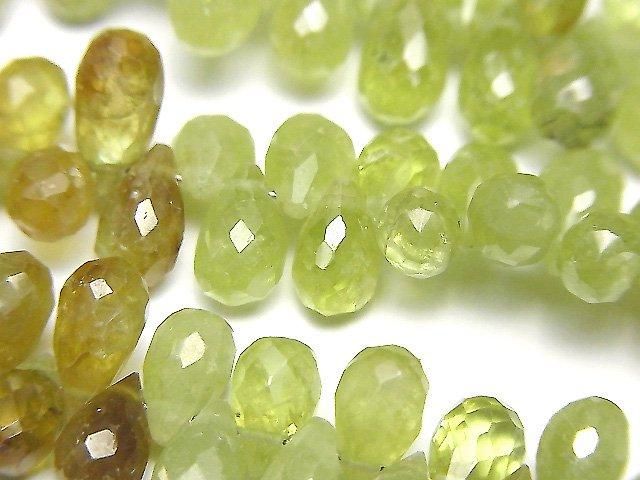
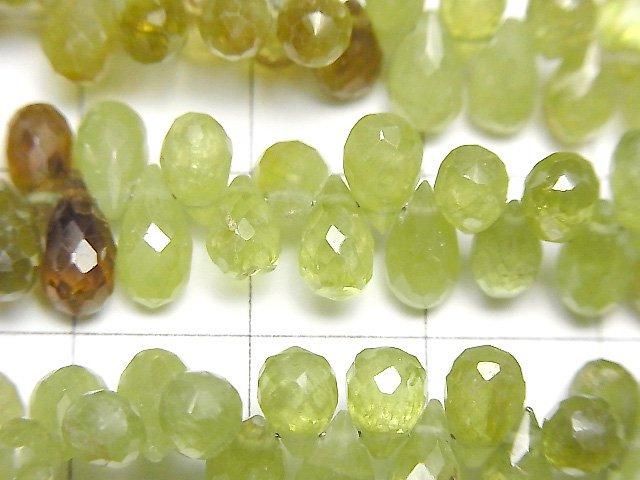
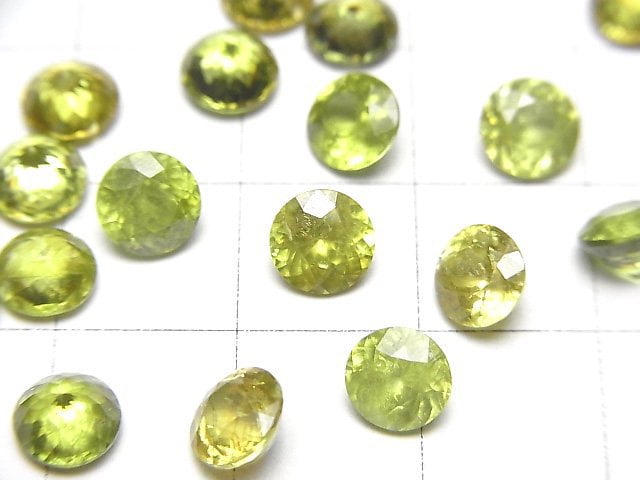
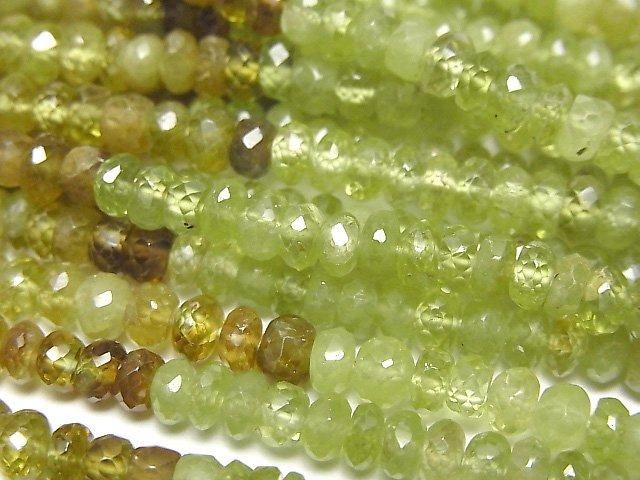
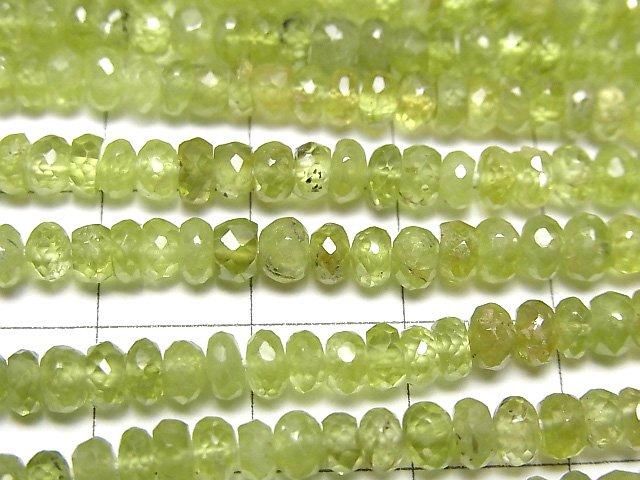
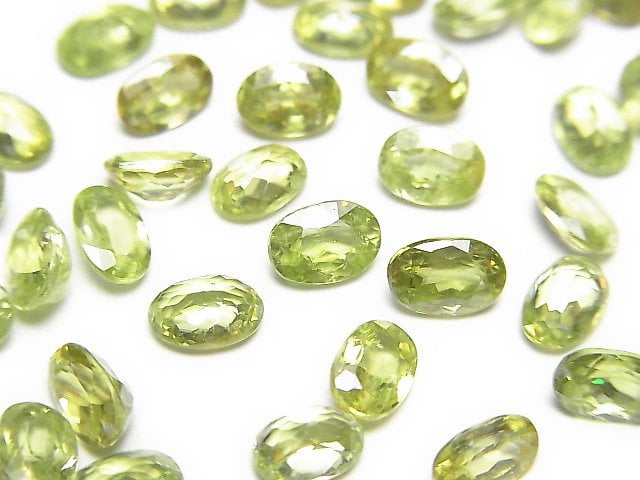
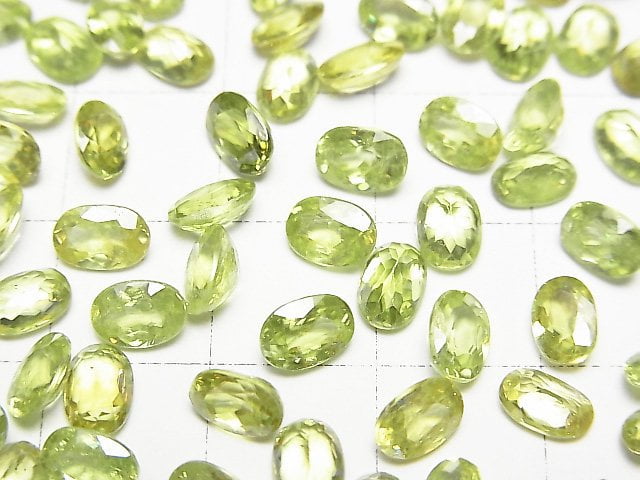
The names sphene and titanite refer to the same mineral and are used interchangeably in the trade. "Sphene" comes from the Greek sphenos ("wedge"), after the stone's characteristic wedge-shaped crystals, while "titanite" points to the titanium in its chemistry. Most sphene on the market is green, yellow-green, or chartreuse, with warmer yellow, orange, and brown stones also seen. Because gem-quality transparent crystals are uncommon and the stone is soft, faceted sphene is comparatively scarce and valued by collectors and designers.
Sphene Meaning and History
Sphene was named in 1801 by the French mineralogist René Just Haüy, who drew on the Greek word "sphenos" (wedge) to describe the mineral's signature wedge-shaped crystals. A few years earlier, in 1795, the chemist Martin Heinrich Klaproth had proposed the name titanite because the mineral contains titanium — not, despite the sound of it, a reference to the Titans. Today the terms sphene and titanite are used interchangeably for the same species. The gem is sometimes also called ligurite, after deposits in Liguria, Italy, and greenovite.
Sphene has been known for a very long time. In ancient Egypt the stone was associated with the sun and with protection: it appears in old accounts linked to temple settings and to amulets, and its bright, fiery flashes were poetically described as a fragment of sunlight brought down to Earth. These stories are part of the gem's cultural history rather than statements of fact about what the stone does.
Sphene Properties
Sphene (titanite) is a calcium titanium silicate, CaTiSiO5, and belongs to the titanite group of silicate minerals. Its standout gemological trait is very high dispersion — the splitting of white light into spectral colors — which gives well-cut stones more "fire" than diamond. Sphene is also strongly pleochroic (often trichroic), showing different colors from different viewing directions, and it has a bright adamantine to resinous luster. The trade-offs are hardness and toughness: sphene is soft at about 5 to 5.5 on the Mohs scale and has distinct cleavage, so it needs thoughtful cutting, setting, and wear.
| Property | Detail |
|---|---|
| Gem name | Sphene (the gem name for the mineral titanite) |
| Chemical formula | CaTiSiO5 (calcium titanium silicate) |
| Mineral group | Titanite group; silicate |
| Mohs hardness | 5–5.5 (soft; scratches and chips more easily than quartz) |
| Cleavage | Distinct — handle and set with care |
| Dispersion ("fire") | Very high, exceeding that of diamond |
| Pleochroism | Strong, often trichroic (multiple colors by direction) |
| Luster | Adamantine to resinous |
| Transparency | Transparent (gem grade) to translucent or opaque |
| Common colors | Green, yellow-green, chartreuse; also yellow, orange, brown |
| Typical treatment | Usually untreated; heat is occasionally used but is uncommon |

Color in sphene is influenced by trace elements: iron is associated with many yellow, brown, and green stones, chromium with the vivid green "chrome sphene," and other elements with rarer hues. Green and yellow-green chrome sphene is generally the most sought-after. Sphene occurs widely as a minor mineral, but transparent crystals large and clean enough to facet are far less common, which is why faceted sphene jewelry is relatively rare.
Where Is Sphene Found?
Sphene occurs widely as an accessory mineral in igneous and metamorphic rocks such as granites and andesites, typically as small, flattened, wedge-shaped crystals or twinned intergrowths, and occasionally as needle-like or granular aggregates. Even where the mineral is common, concentrations large enough for gem cutting tend to be small.
Some of the finest gem-quality titanite comes from the Alpine regions of Austria, Switzerland, and Italy, where the veins yield clear, pale green crystals; larger yellow and reddish stones have historically come from the Piedmont area of Italy. Other well-known sources include the United States (California, Massachusetts, and Colorado, among others), Canada, Brazil, India, Pakistan, Myanmar, Madagascar, and Sri Lanka.

Sphene Colors and Value
The most common sphene colors are green, yellow-green, and chartreuse, with warmer yellow, orange, and brown stones also available. Vivid, well-saturated green "chrome sphene" and stones that show intense fire and strong pleochroism are generally the most desirable. Value depends chiefly on color, clarity, cut quality, and — because the fire is so much of the appeal — how well the cutter has brought out the dispersion.
As an approximate guide for the U.S. market, small sphene stones under about one carat are the most widely available and affordable, while clean, well-cut stones above roughly two carats are noticeably scarcer and command higher per-carat prices. Per-carat value tends to rise with size and with stronger, cleaner color, so larger fine green stones sit at the top of the range. Prices vary by source and quality, so treat any figure as an estimate rather than a fixed value.

Sphene Care and How to Identify It
Because sphene is soft (Mohs 5–5.5) and has distinct cleavage, it needs gentler handling than harder gems. It is better suited to earrings, pendants, and brooches than to rings that take daily knocks; if you do set sphene in a ring, choose a protective setting and reserve it for occasional wear.
- Clean gently: use warm water, mild soap, and a soft brush, then pat dry. Avoid ultrasonic and steam cleaners, which can worsen cleavage or cause chipping.
- Avoid impact and abrasion: store sphene separately from harder stones so it is not scratched, and remove it before sports, cleaning, or manual work.
- Limit harsh chemicals and sudden temperature changes, which can stress the stone.
To identify sphene, look for its unusually strong fire (dispersion higher than diamond), strong pleochroism showing more than one color as you turn the stone, and an adamantine to resinous luster. Sphene is also strongly doubly refractive, so under magnification you may see doubling of the back facet edges. These optical clues, together with its softness, help separate sphene from look-alikes such as chrysoberyl, peridot, or demantoid garnet.
Sphene Meaning and Symbolism
These are traditional beliefs, not medical claims. Sphene is not medicine and cannot diagnose, treat, cure, or prevent any illness; consult a qualified professional for any health concern.
In crystal lore, sphene is associated with clarity of thought and the pursuit of knowledge. It is traditionally regarded as a stone of the mind and is said by practitioners to be helpful for study, focus, and creative work — a fitting symbolism for a gem so full of light and color. Because of its brilliant fire, sphene has long carried solar and protective symbolism, and some collectors simply enjoy it as a stone that lifts the spirits.
In metaphysical traditions, sphene is also linked to intuition, organization, and manifesting goals, and is said to be a supportive talisman for people who work with ideas. Astrologically it is often described as versatile and suited to any zodiac sign. All of these are cultural and spiritual traditions offered for interest and enjoyment; they are not statements of medical or physical effect.

Sphene FAQ
Is sphene the same as titanite?
Yes. Sphene is simply the gem-trade name for the mineral titanite, a calcium titanium silicate (CaTiSiO5). The two names are used interchangeably for the same species.
What makes sphene special as a gemstone?
Sphene has very high dispersion, so a well-cut stone shows more rainbow "fire" than diamond. It is also strongly pleochroic and has an adamantine luster, which together give it a distinctive, lively appearance.
Is sphene hard enough for jewelry?
Sphene is soft, at about 5 to 5.5 on the Mohs scale, and has distinct cleavage. It is well suited to earrings, pendants, and brooches, but rings need a protective setting and gentle, occasional wear.
What colors does sphene come in?
Most sphene is green, yellow-green, or chartreuse, with warmer yellow, orange, and brown stones also available. Vivid green "chrome sphene" is especially prized.
Is sphene treated or heated?
Sphene is usually sold untreated. Heat is occasionally used but is uncommon; reputable sellers disclose any treatment.
How much is sphene worth?
As a rough guide, small stones under a carat are the most affordable, while clean, well-cut stones above about two carats are scarcer and cost more per carat. Prices vary with color, clarity, cut, and size, so treat any figure as an estimate.
What is the spiritual meaning of sphene?
In crystal traditions, sphene is associated with clarity, focus, and creativity. These are traditional beliefs, not medical claims.
Shop Sphene at Kenkengems
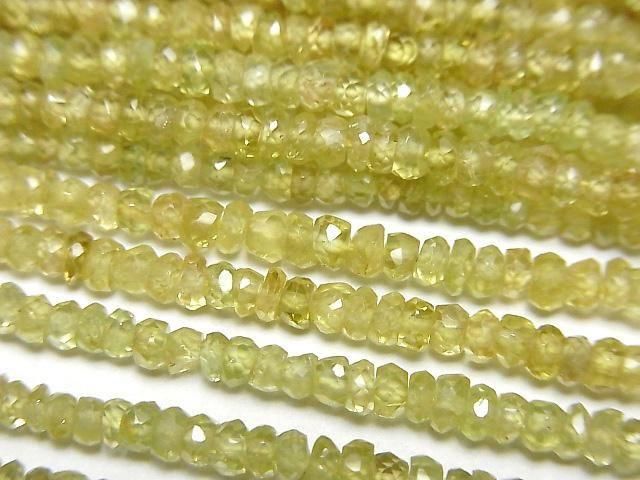
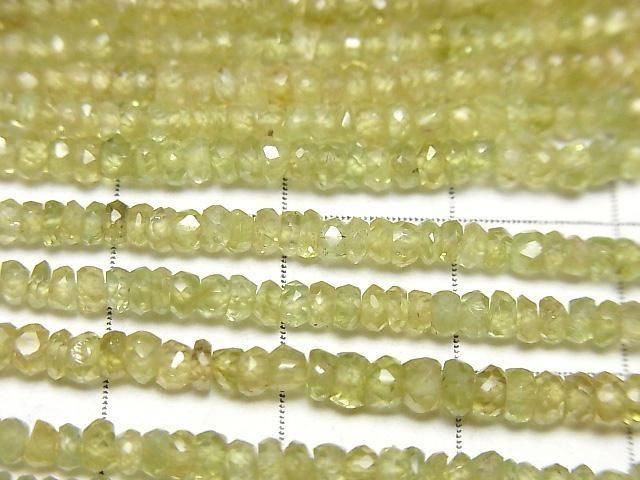
Kenkengems, operated by the Japanese gemstone wholesaler midi Co., Ltd. since 2006, supplies natural sphene (titanite) to jewelry designers and collectors across the U.S. and Canada. We source stones from a range of origins to offer the green, yellow-green, and warmer colors — and the lively fire — that titanite is known for, whether you are looking for loose stones or strands. Prices are shown in USD, with other currencies available at checkout.
Explore the full selection in our sphene collection, and note that every listing is graded under our transparent Quality Rating system so you know exactly what you are buying.



![Hochwertiger Sphene AAA Anhänger 6x6x4mm [K10 Gelbgold] 1Stück [Japan]](http://store.kenkengems.com/cdn/shop/files/162272163.jpg?v=1782900879&width=500)