TOC
- 1. What Is Mother of Pearl?
- 2. Mother of Pearl vs. Pearl: What Is the Difference?
- 3. Mother of Pearl Properties
- 4. Colors & Types of Mother of Pearl
- 5. Where Mother of Pearl Comes From
- 6. Uses of Mother of Pearl
- 7. Care & How to Identify Mother of Pearl
- 8. Mother of Pearl Meaning & Symbolism
- 9. Mother of Pearl FAQ
- 9-1. Is mother of pearl real?
- 9-2. Is mother of pearl the same as pearl?
- 9-3. Is mother of pearl dyed?
- 9-4. Can mother of pearl get wet?
- 10. Shop Mother of Pearl at KenKenGems

What Is Mother of Pearl?
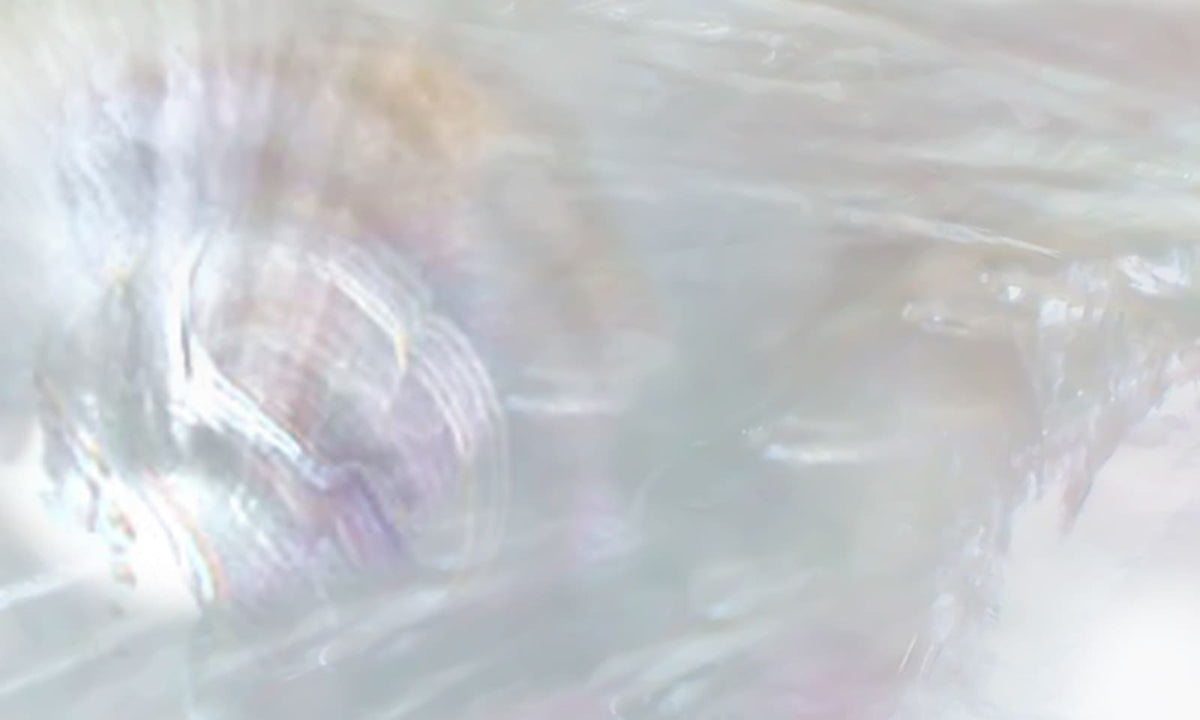
Mother of pearl is the iridescent inner lining of many mollusk shells. Its scientific name is nacre. The animal secretes nacre in fine layers to coat and smooth the inside of its shell, and those layers are what give the surface its rainbow-like shimmer. In short, mother of pearl is a natural, organic gem material rather than a mineral species.
Chemically, nacre is built from microscopic platelets of aragonite (a form of calcium carbonate) held together by an organic binder called conchiolin. This layered structure scatters light and produces the shifting colors we call iridescence. People have valued mother of pearl for thousands of years to decorate jewelry, furniture, boxes, and instruments, and it is referenced in many old cultural and religious texts.

Mother of Pearl vs. Pearl: What Is the Difference?
Mother of pearl and pearls are closely related but not the same thing. Both are made mostly of nacre, so they share the same building blocks, yet they form differently and look different.
- Mother of pearl is the nacre layer that lines the inside of a shell. It is flat sheet material harvested from the shell itself.
- A pearl is a whole, rounded gem that grows inside a mollusk when it coats an irritant with layer after layer of nacre.
A simple way to remember it: the shell lining is the "mother" that produces the same material found in a pearl. Mother of pearl is generally more affordable and is usually cut, carved, or shaped into beads, cabochons, and inlay, while pearls are used whole.
Mother of Pearl Properties
Mother of pearl is prized for its soft glow and iridescence rather than for hardness. Because it is an organic material, it is relatively soft and needs gentle handling. The table below summarizes its key characteristics.
| Property | Detail |
|---|---|
| Also known as | Nacre |
| Material type | Organic gem material (not a mineral species) |
| Composition | Aragonite (calcium carbonate) platelets bound by conchiolin |
| Mohs hardness | About 2.5 – 4.5 (soft; scratches easily) |
| Optical effect | Iridescence and a pearly luster |
| Transparency | Translucent to opaque |
| Common colors | White, cream, gray, black, pink, gold, and blue/green tones |
Its low hardness is the main reason mother of pearl should be kept away from abrasion, acids, and harsh chemicals, which we cover in the care section below.

Colors & Types of Mother of Pearl
Mother of pearl comes in a wide range of colors. The most common is white or cream with a soft rainbow sheen, but you will also find gray, black, pink, gold, and blue-green varieties. The exact color depends largely on the species of mollusk and, in colored goods, on treatment.
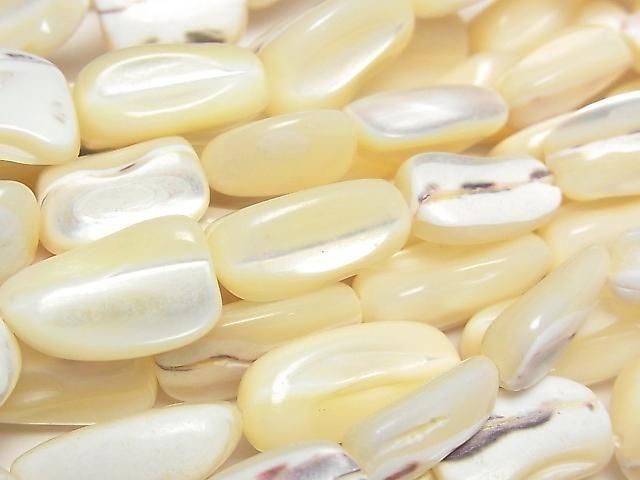
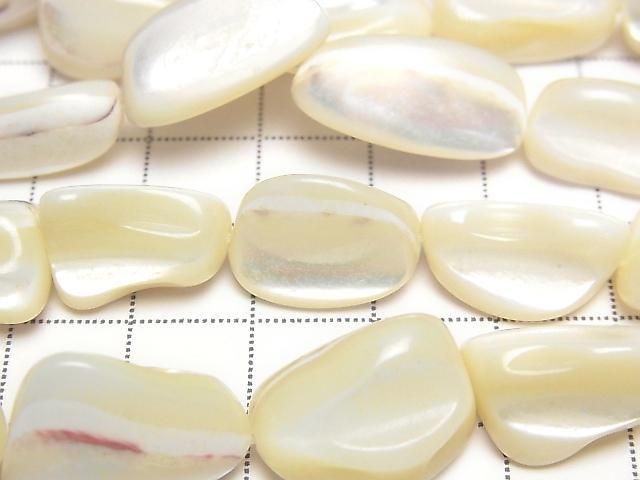
- White & cream – the classic look, produced by several pearl oysters and freshwater shells.
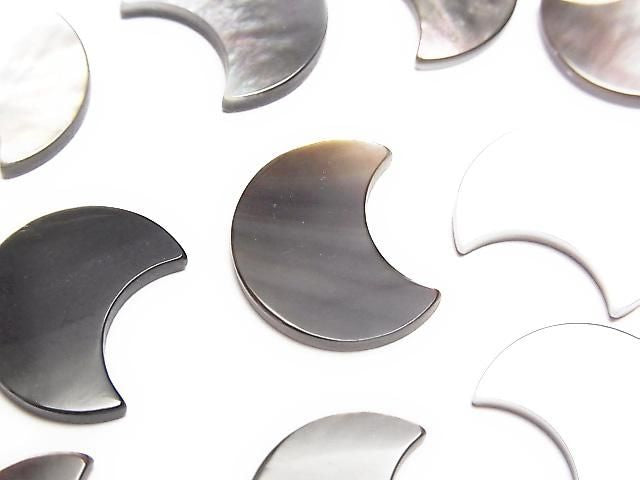
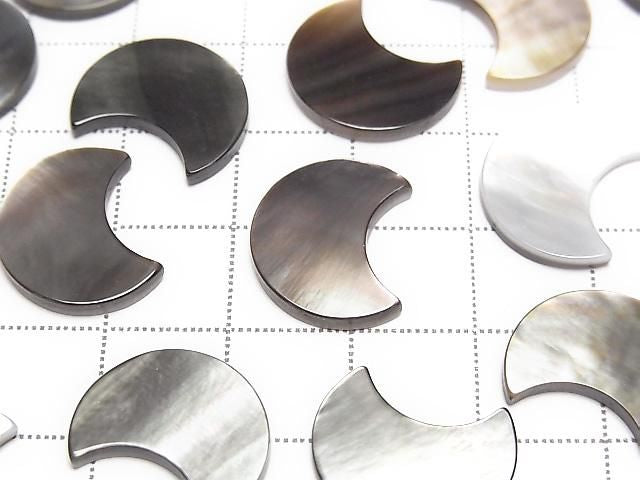
- Black & gray – darker tones associated with certain oysters and shells; often the most dramatic.
- Pink & peach – frequently seen in conch and some other shells.
- Gold – warm tones associated with gold-lipped oysters.
- Abalone (paua) – vivid blue, green, and violet iridescence from Haliotis (abalone) shells.
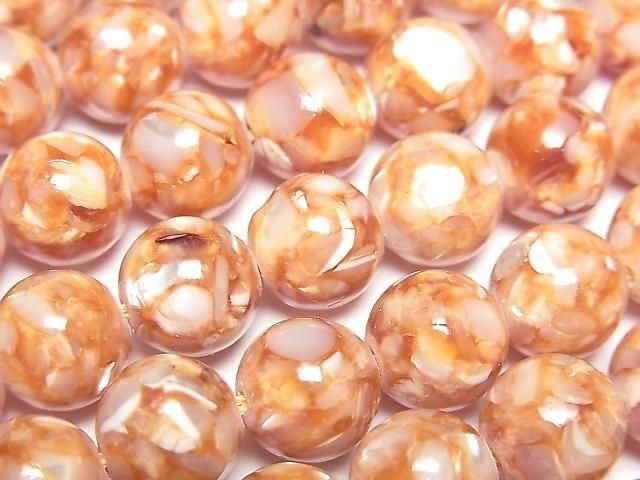
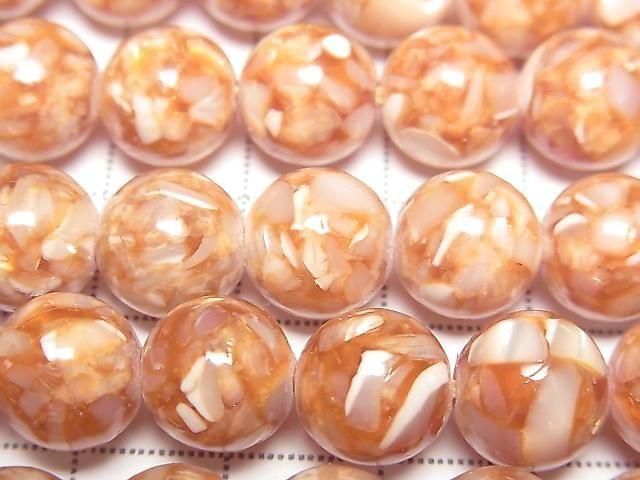
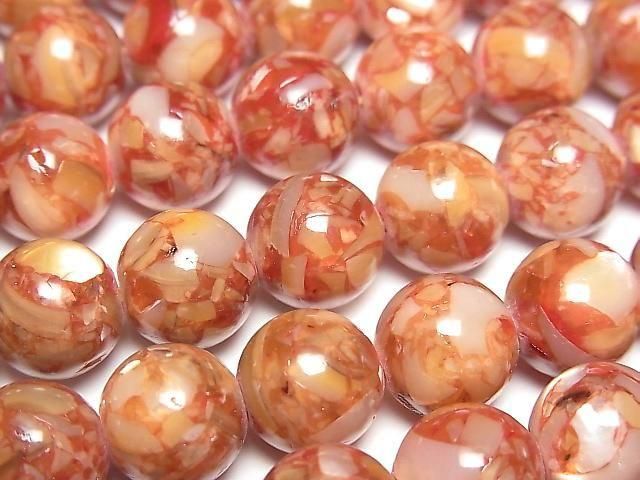
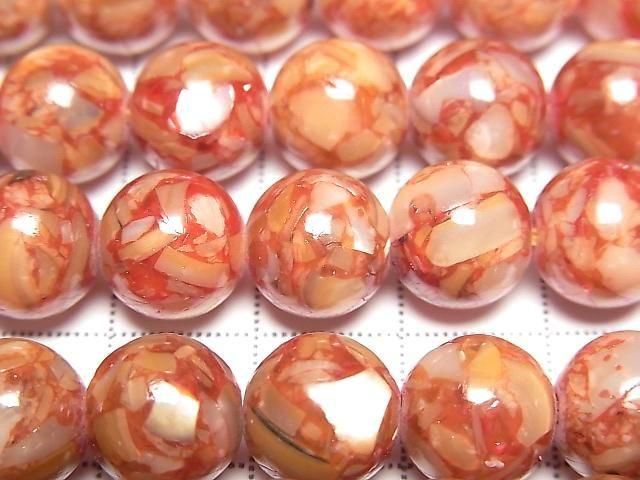
Natural vs. dyed disclosure: Much of the mother of pearl on the market is bleached, and naturally white or cream material is often dyed to achieve bright or unusual colors. Dyed material is genuine mother of pearl that has been color-treated, and its value is generally lower than comparable naturally colored nacre. There are also imitations sold as "mother of pearl" or "shell pearl," including plastic, resin, and reconstituted shell. Reputable sellers disclose whether goods are natural, dyed, or imitation, and KenKenGems labels its beads accordingly.

Where Mother of Pearl Comes From
Mother of pearl is produced by shell-forming mollusks, mainly marine species such as pearl oysters (Pinctada), abalone (Haliotis), and various tropical shells, as well as some freshwater mussels. Historically it was gathered by divers in regions including the Persian Gulf, the Red Sea, and the tropical Pacific.
Today, a large share of the supply comes from shell farming and the wider pearl industry. Because farmed shells are harvested in quantity, mother of pearl is now more widely available and more affordable than in the past. Nacre is fragile to work with, so cutting and finishing still take skill.

Uses of Mother of Pearl
Mother of pearl's shimmer and workability make it popular across many crafts and industries:
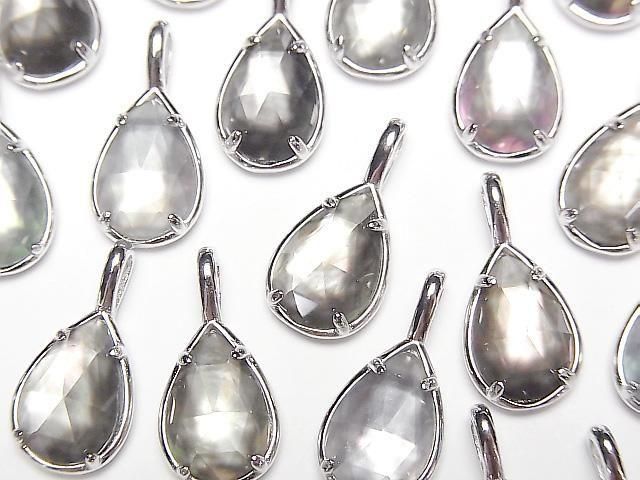
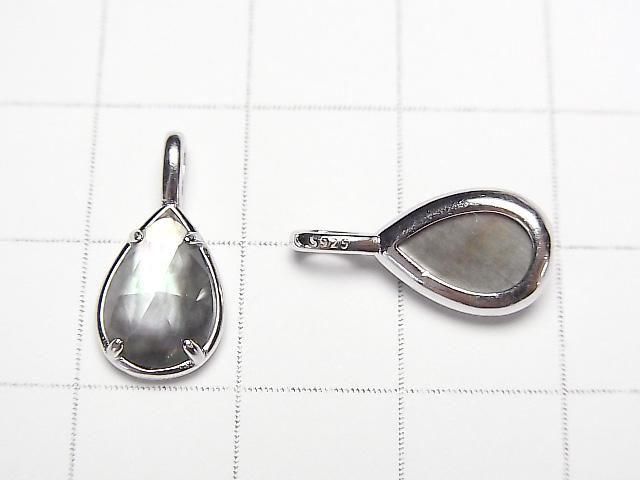
- Jewelry – pendants, earrings, rings, and bracelets that showcase its iridescence.
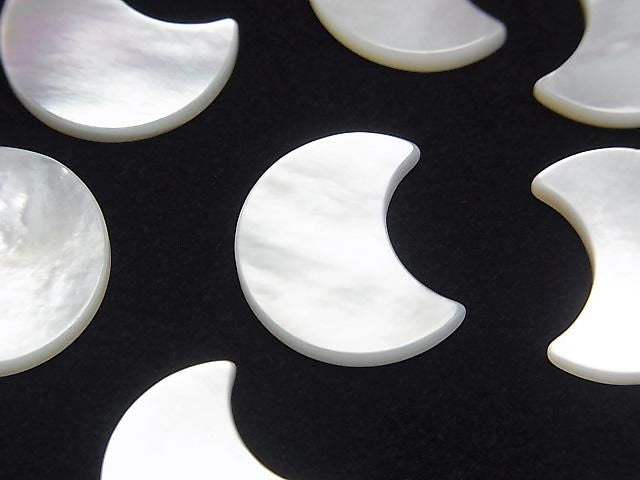
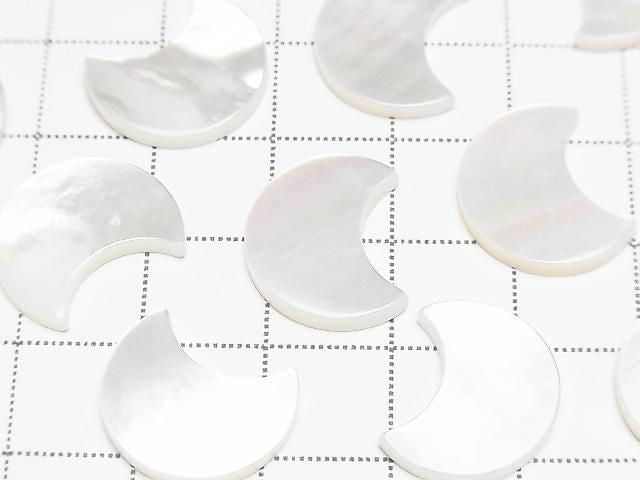
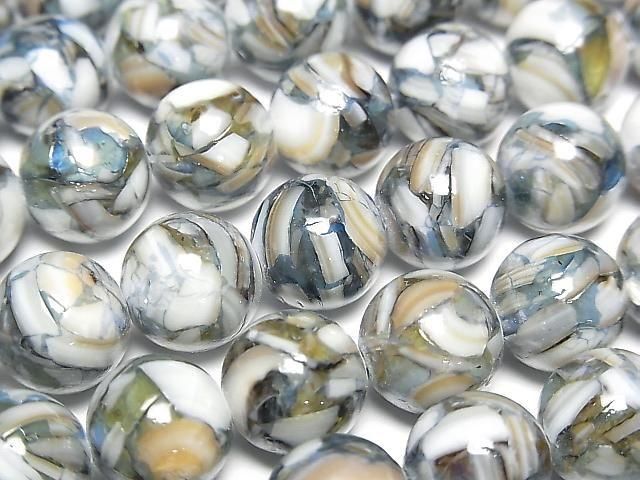
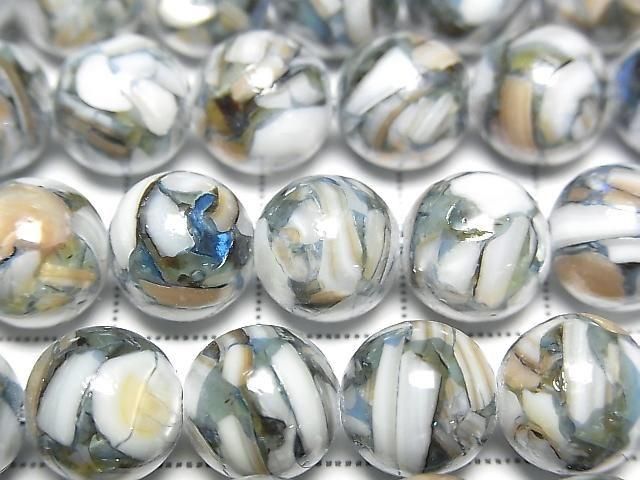
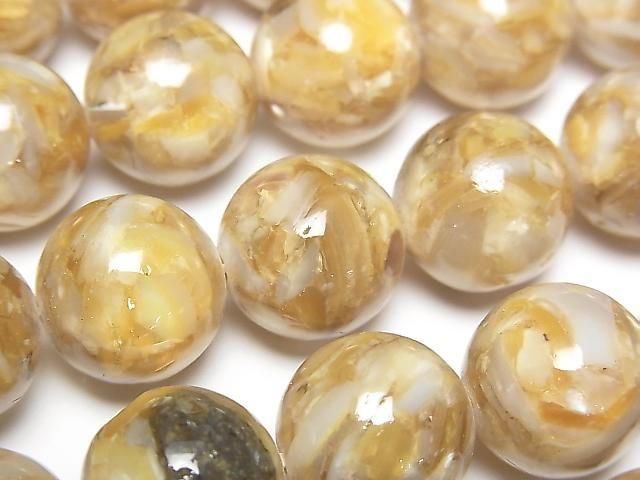
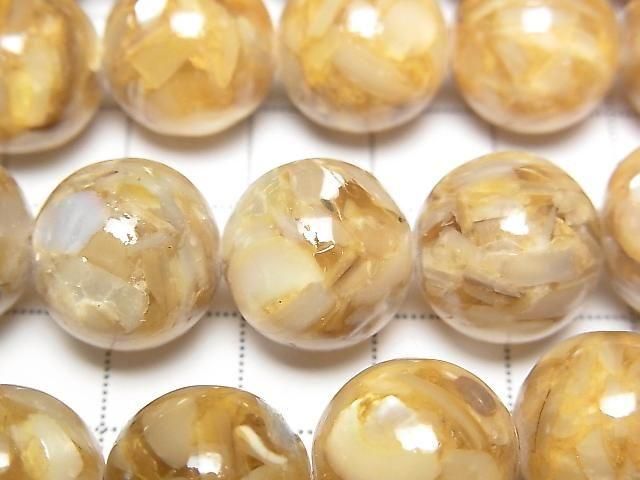
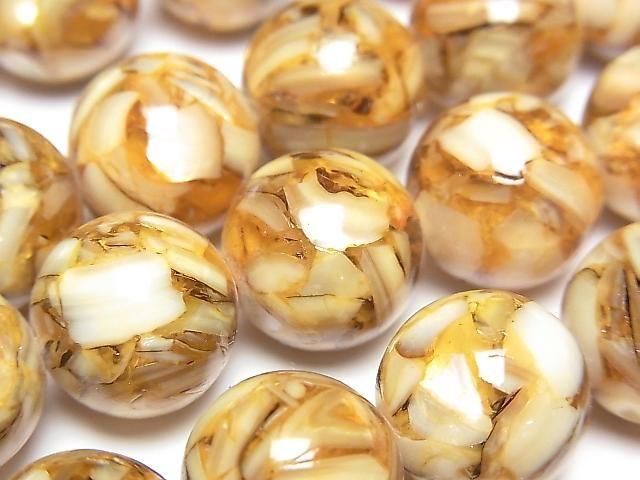
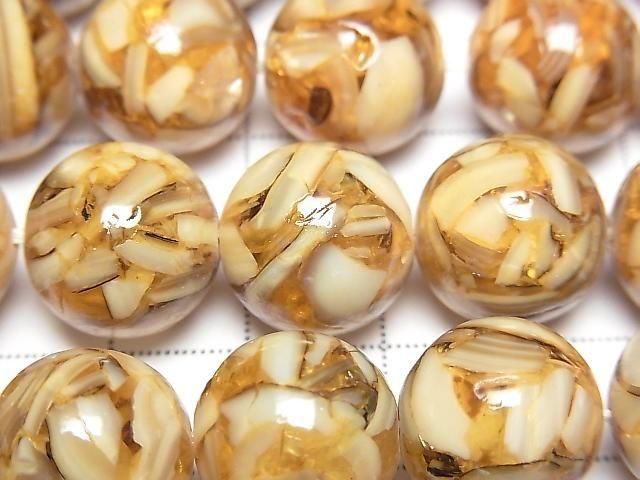
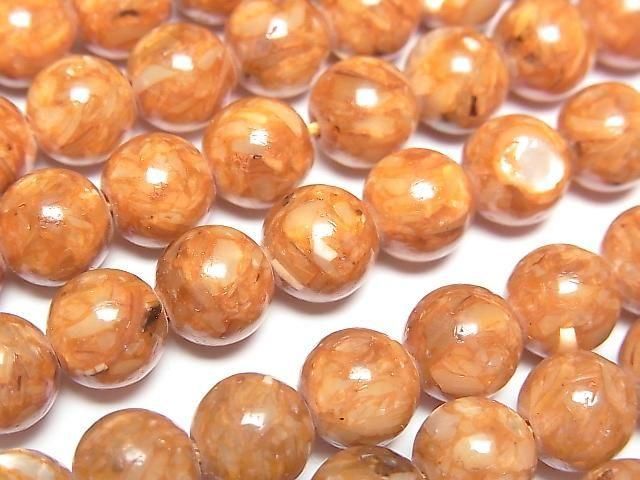
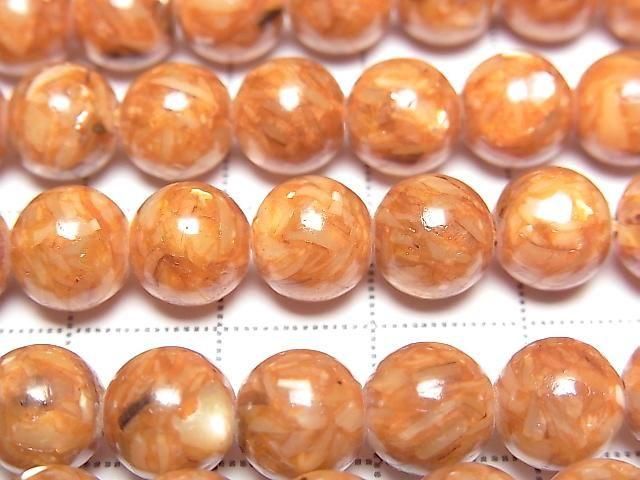
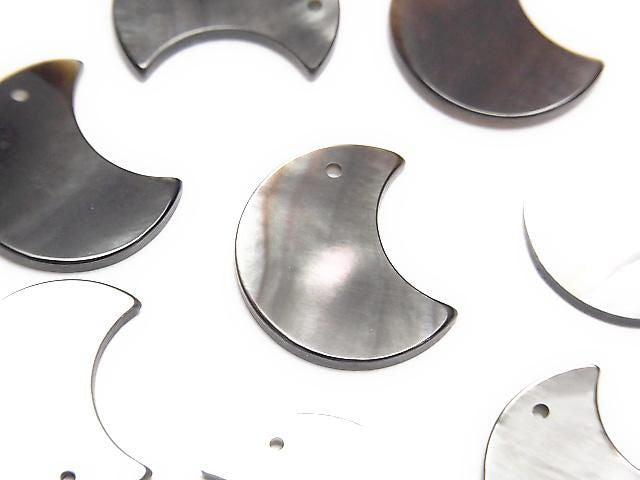
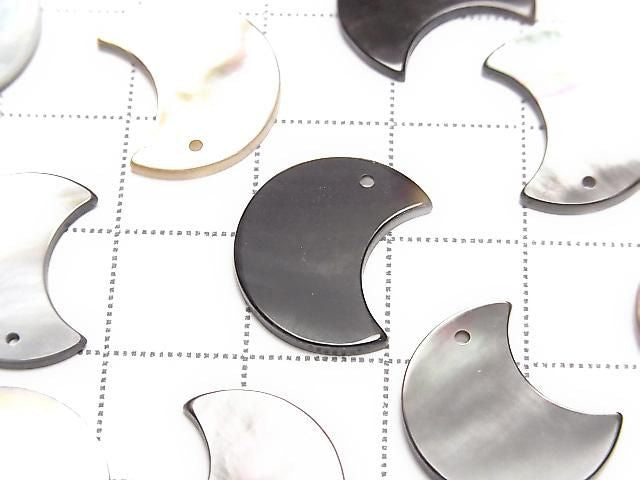
- Beads & cabochons – round beads, carved shapes, and flat-backed cabochons for jewelry making.
- Inlay – decorative inlay in watch dials, boxes, furniture, and musical instruments.
- Buttons & accessories – classic shell buttons and small decorative fittings.
For makers, mother of pearl beads and shell beads offer an easy way to add a natural, luminous accent to designs.
Care & How to Identify Mother of Pearl
Because nacre is soft and organic, a little care keeps it looking its best:
- Keep mother of pearl away from acids, household chemicals, perfume, and hairspray.
- Avoid high heat, steam, and ultrasonic cleaners, which can damage the surface.
- Wipe gently with a soft, slightly damp cloth and dry it; brief contact with water is fine, but avoid prolonged soaking.
- Store it separately so harder gems and metal do not scratch it.
Telling natural, dyed, and imitation apart: Natural mother of pearl usually shows subtle, uneven iridescence and slight variation between pieces. Very uniform, intense color can indicate dyeing, and color may concentrate in cracks or drill holes. Imitations made of plastic or resin often feel warmer and lighter, lack true depth of luster, and may show mold seams or repeating patterns. When in doubt, ask the seller for disclosure of any treatment; a trustworthy supplier will tell you whether an item is natural, dyed, or imitation.

Mother of Pearl Meaning & Symbolism
These are traditional beliefs, not medical claims. Mother of pearl is not medicine and cannot diagnose, treat, cure, or prevent any illness. If you have a health concern, consult a qualified professional. The notes below describe folklore and symbolism only.
Across many cultures, mother of pearl has long been linked with the sea, with calm, and with new beginnings. In crystal and folklore traditions it is often associated with intuition, protection during travel, and a sense of soothing, gentle energy. In ancient Rome it was traditionally connected with wisdom and good fortune.
In these traditions people also associate mother of pearl with motherhood and nurturing, and some keep it as a token believed to encourage calm and positive feeling. These meanings are cultural and symbolic; they are not statements about physical or mental health, and mother of pearl should never be used in place of professional care.

Mother of Pearl FAQ
Is mother of pearl real?
Genuine mother of pearl is real, natural nacre from mollusk shells. However, some products sold as "mother of pearl" or "shell pearl" are imitations made of plastic, resin, or reconstituted shell, so it is worth buying from a seller who discloses whether an item is natural, dyed, or imitation.
Is mother of pearl the same as pearl?
Not exactly. Both are made mostly of nacre, but mother of pearl is the iridescent layer lining the inside of a shell, while a pearl is a whole, rounded gem that grows inside the mollusk. Think of the shell lining as the source of the same material found in a pearl.
Is mother of pearl dyed?
Often, yes. Mother of pearl is commonly bleached, and naturally white or cream material is frequently dyed to produce bright or unusual colors. Dyed pieces are still genuine nacre; reputable sellers disclose the treatment, and naturally colored material generally commands a higher value.
Can mother of pearl get wet?
Brief contact with water is fine, and you can wipe it with a slightly damp cloth. Avoid prolonged soaking, hot water, steam, ultrasonic cleaners, and contact with acids or chemicals such as perfume, since nacre is soft and can be damaged.
Shop Mother of Pearl at KenKenGems
KenKenGems offers a broad selection of mother of pearl beads and cabochons for jewelry making. Our range includes many colors, shapes, and sizes, from traditional round beads to carved crosses, leaves, flowers, and stars, and we clearly note whether beads are natural or dyed. We also carry a variety of shell beads to complement your designs.
Browse the full mother of pearl collection to see what is in stock.