TOC
- 1. What Is Morganite?
- 2. Morganite Meaning & History
- 3. Morganite Properties
- 4. Morganite Colors, Treatment & Value
- 5. Where Morganite Comes From
- 6. Morganite Care & How to Identify
- 7. Morganite Meaning & Symbolism
- 8. Morganite FAQ
- 8-1. What is morganite?
- 8-2. Is morganite heat-treated?
- 8-3. What is the difference between morganite and aquamarine?
- 8-4. What makes morganite valuable?
- 9. Shop Morganite at KenKenGems

What Is Morganite?
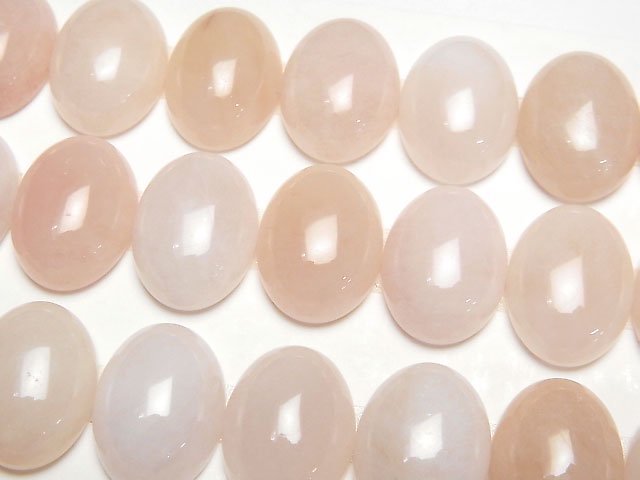
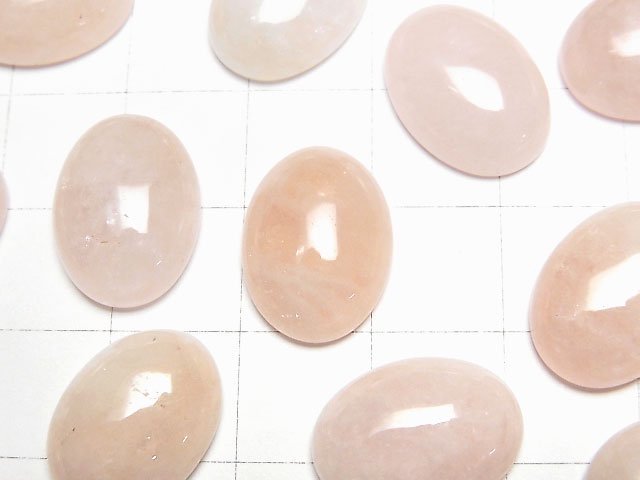
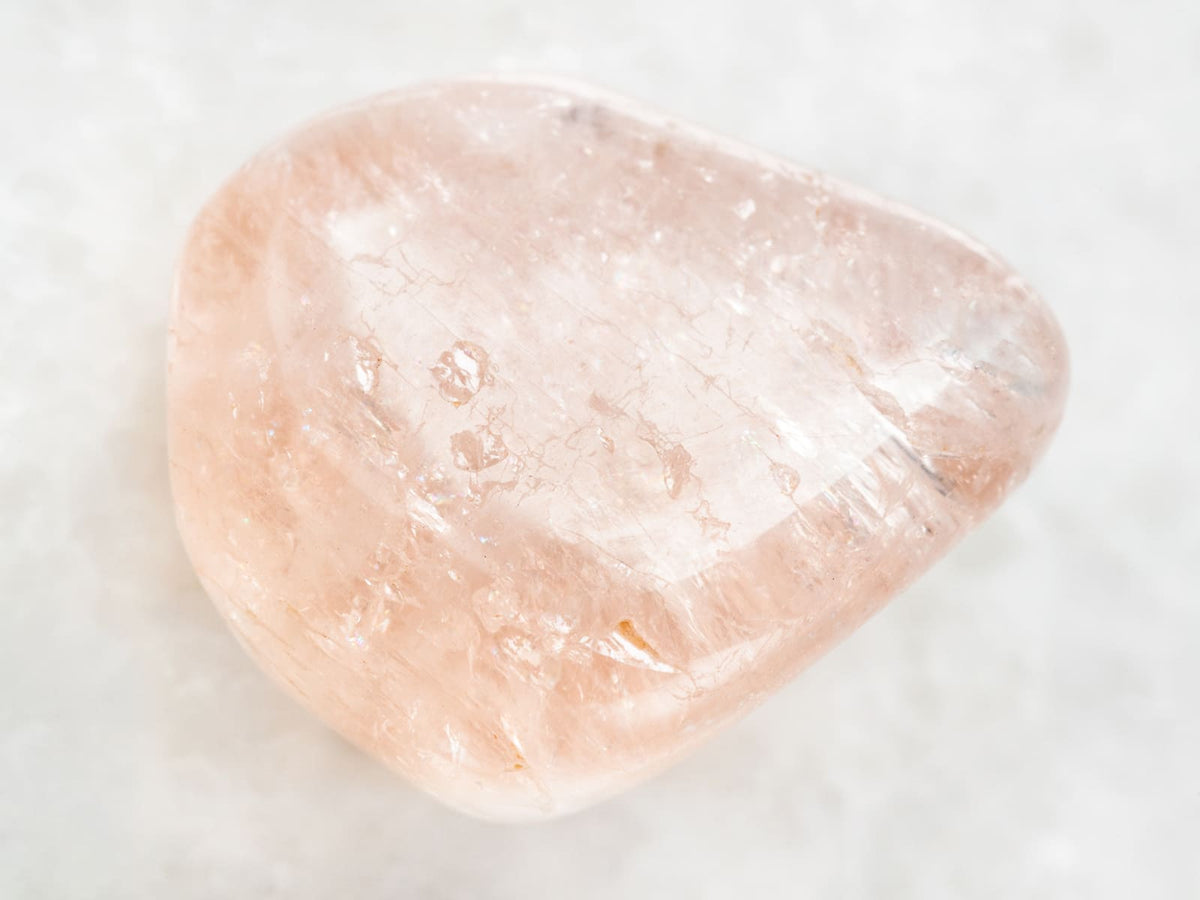
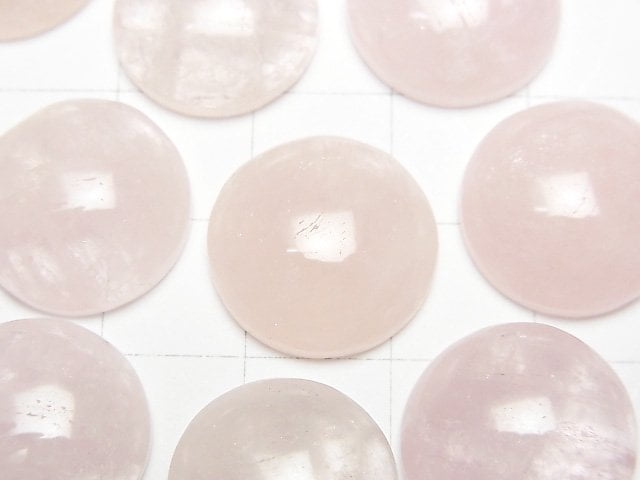
Morganite is the pink-to-peach colored variety of beryl, the same mineral family that gives us emerald and aquamarine. Its soft, romantic color comes from traces of manganese in the crystal, and its shades range from delicate baby pink through salmon and peach to a warmer rose. Because it belongs to the beryl family, it is also a hard, durable gem well suited to everyday jewelry.
In short, if you have seen a pale pink engagement stone that looks like a gentler cousin of aquamarine, you have almost certainly seen morganite. It is prized for its clean clarity, its gentle color, and its good hardness, which together make it a practical yet elegant choice for rings, pendants, and earrings.

Morganite Meaning & History
Morganite first came to wider attention around 1910, when notable pink beryl was recovered from Madagascar and, soon after, from Pala in California. In 1911 the celebrated gemologist George F. Kunz, working for Tiffany & Co., proposed the name morganite in honor of the American banker and gem collector J.P. Morgan (John Pierpont Morgan), one of Kunz’s most important clients and patrons.
The stone has carried a few other names over the years. In Russia it was historically called vorobyevite, after the mineralogist Victor Vorobyev, who studied pink beryl from the Ural Mountains. You may occasionally see morganite marketed as "pink emerald," but that term is misleading under jewelry-industry guidelines because morganite is not emerald; the correct name is simply morganite, or pink beryl.
In crystal lore, morganite has long been thought of as a stone of the heart and of gentle, compassionate love. These are traditional associations rather than statements of fact, and we cover them in more detail further down the page.

Morganite Properties
Morganite is a variety of beryl, a beryllium aluminum silicate, so it shares beryl’s core physical properties. It is hard and durable – 7.5 to 8 on the Mohs scale – and typically eye-clean, which is one reason it faceted so beautifully. Its defining feature is color: the pink to peach range is caused by small amounts of manganese, while any yellow or orange tint usually comes from iron. You can learn how we grade our stones on our quality guide.
| Property | Detail |
|---|---|
| Species | Pink-to-peach variety of beryl |
| Chemical formula | Be3Al2Si6O18 (beryllium aluminum silicate) |
| Color cause | Manganese (Mn) produces the pink; iron (Fe) adds yellow-orange tints |
| Mohs hardness | 7.5–8 (hard and durable, good for everyday wear) |
| Specific gravity | Approximately 2.6–2.9 |
| Crystal system | Hexagonal |
| Related beryls | Aquamarine (blue) and emerald (green) |
| Main sources | Brazil, Madagascar, Afghanistan, Pakistan, Mozambique, Namibia, USA |

Morganite Colors, Treatment & Value
Morganite colors run from pale, cool pink to warmer salmon and peach. Cool, purer-pink stones are generally the most sought after, and because color is subtle in this gem, larger stones tend to show it best. Clarity is usually high – fine morganite is typically eye-clean – so value is driven mainly by the strength and purity of the color, the clarity, the quality of the cut, and the carat size. Prices vary widely with the market; use any figures you see, including ours, as approximate ranges rather than fixed quotes.
Treatment disclosure: much of the morganite on the market is heat-treated. Gentle heating drives off the yellow-to-orange component (caused by iron) to leave a purer, more stable pink, and this change is permanent. Less commonly, some material is irradiated to deepen color. Reputable sellers should disclose treatment, so always ask whether a stone is natural or treated. Heat treatment is standard, widely accepted, and stable, but you deserve to know.
- Natural morganite – pink beryl whose color has not been enhanced.
- Treated morganite – natural beryl that has been heat-treated (and occasionally irradiated) to improve or purify the pink; this should be disclosed.
- Synthetic (lab-grown) beryl – has the same chemistry as natural morganite but is grown in a laboratory; it must be described as synthetic or lab-grown.
- Imitation – glass or other pink materials sold to look like morganite; these are not beryl and should be labeled as imitation or simulant.

Where Morganite Comes From
Gem-quality morganite is mined in several parts of the world. Brazil, especially the state of Minas Gerais, and Madagascar are long-standing sources of fine material, and Afghanistan and Pakistan produce attractive stones as well. Additional deposits are found in Mozambique, Namibia, China, and the United States, where California (notably the Pala district) and Maine have historically produced pink beryl.
Origin can influence a stone’s typical color and size, but it is not a guarantee of quality on its own. As with any colored gem, judge each morganite on its own color, clarity, cut, and carat rather than on locality alone.
Morganite Care & How to Identify
Morganite is hard (Mohs 7.5–8) and stands up well to daily wear, but it is not indestructible. Clean it with warm water, mild soap, and a soft brush, then dry it with a soft cloth. Because heat and sudden temperature changes can affect some treated stones, it is safest to avoid steam cleaning and to be cautious with ultrasonic cleaners; when in doubt, clean by hand. Store morganite away from harder gems such as diamond and sapphire so it does not get scratched.
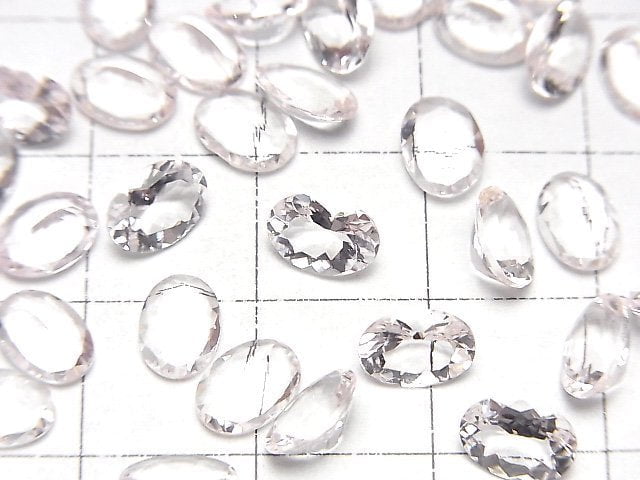
To identify morganite, start with color and clarity: genuine morganite shows a soft, even pink-to-peach hue and is usually very clean, without the bubbles or swirl marks typical of glass imitations. Distinguishing natural, treated, and lab-grown beryl reliably requires gemological testing, so for an important purchase ask the seller to state the mineral identity and any treatment in writing, and consider an independent laboratory report for higher-value stones.

Morganite Meaning & Symbolism
These are traditional beliefs, not medical claims. Morganite is not medicine and cannot diagnose, treat, cure, or prevent any illness. For any health concern, please consult a qualified healthcare professional.
In crystal lore, morganite is best known as a stone of the heart. It is traditionally believed to be associated with compassion, gentle love, and emotional calm, and many people simply enjoy carrying or wearing it as a meaningful, comforting keepsake. Because of its soft pink color, it is often chosen as a romantic gift and a symbol of tenderness.
In folklore and astrology, morganite is sometimes linked with the water signs – Pisces, Cancer, and Scorpio – as well as with Libra and with those drawn to heart-centered stones. In chakra tradition it is usually associated with the heart center. All of these associations come from tradition and personal practice, not from science, and none of them describe a medical effect.

Morganite FAQ
What is morganite?
Morganite is the pink-to-peach colored variety of beryl, the same mineral family as emerald and aquamarine. Its color comes from traces of manganese, and at 7.5 to 8 on the Mohs scale it is hard enough for everyday jewelry.
Is morganite heat-treated?
Often, yes. A large share of the morganite on the market is heat-treated to remove yellowish or orange tints and produce a purer pink, and some material is irradiated. This is standard and stable, but reputable sellers should disclose it, so always ask whether a stone is natural or treated.
What is the difference between morganite and aquamarine?
Both are varieties of beryl and share the same basic hardness and durability. The difference is color and its cause: morganite is pink to peach from manganese, while aquamarine is blue to blue-green from iron. You can browse our aquamarine at https://store.kenkengems.com/collections/aquamarine.
What makes morganite valuable?
Value depends mainly on color strength and purity, clarity, cut, and carat size. Cooler, purer pinks are generally most prized, and because the color is subtle, larger stones often show it best. Prices vary with the market and should be treated as approximate.
Shop Morganite at KenKenGems
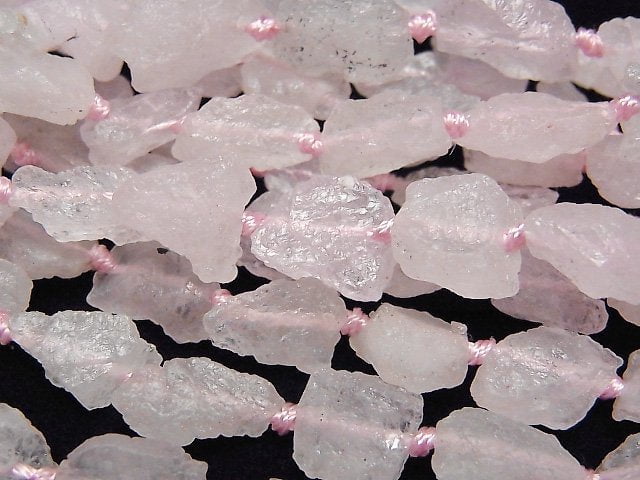
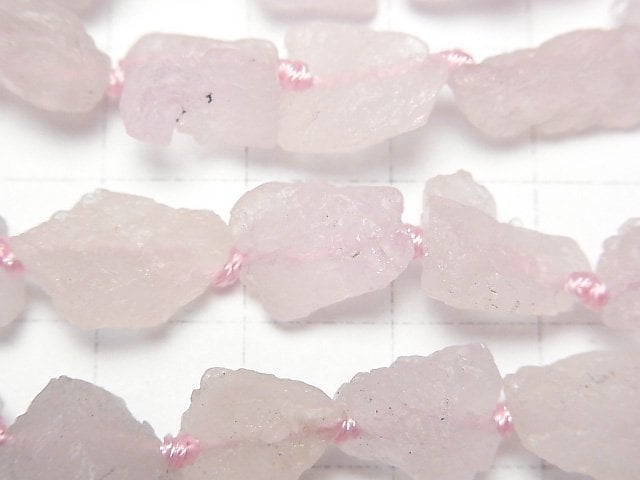
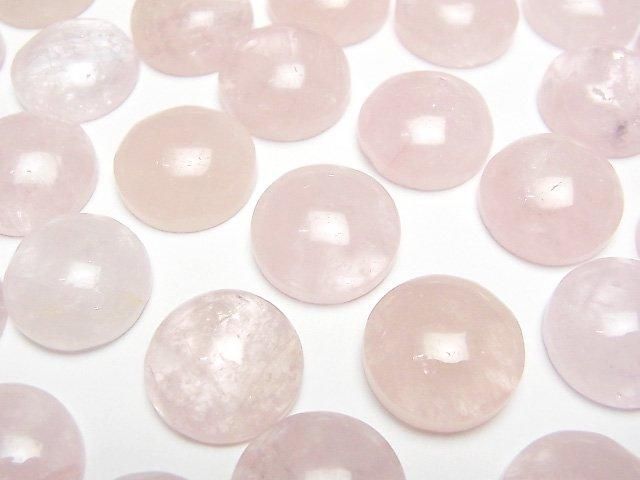
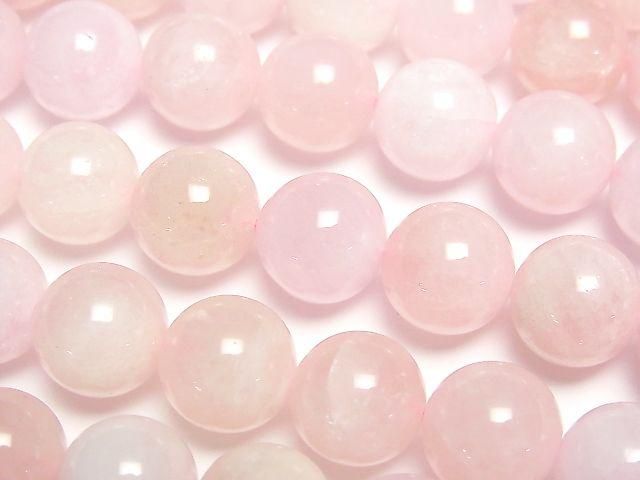
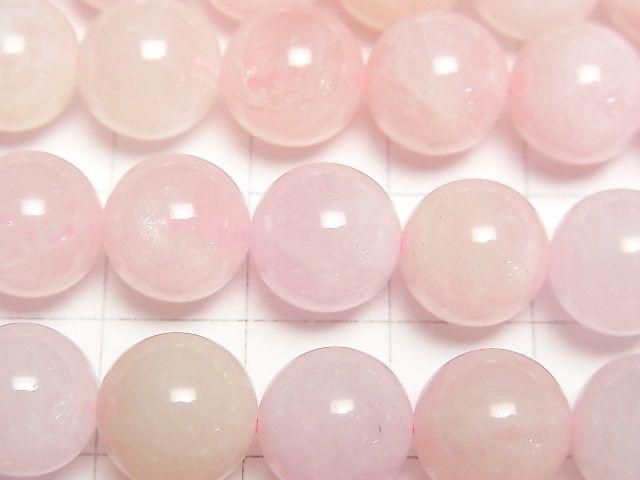
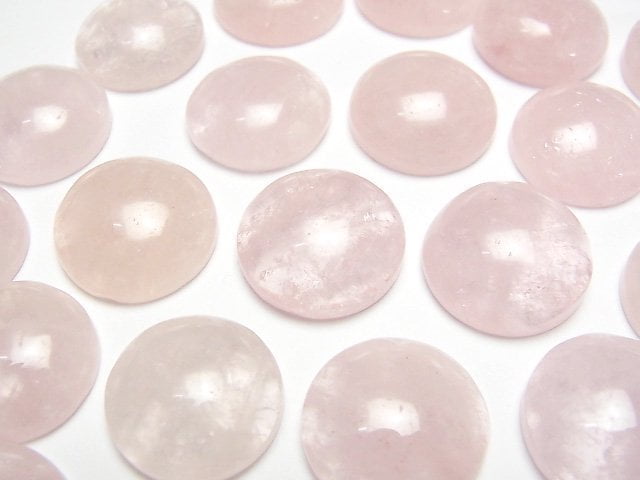
Our morganite collection includes loose stones, beads, and pendants in a range of pink and peach tones, chosen for clean clarity and pleasing color. Whether you are designing a piece of jewelry or looking for a soft, romantic gemstone to add to your collection, morganite is an easy stone to love. Explore the current selection below and find one that suits your project.


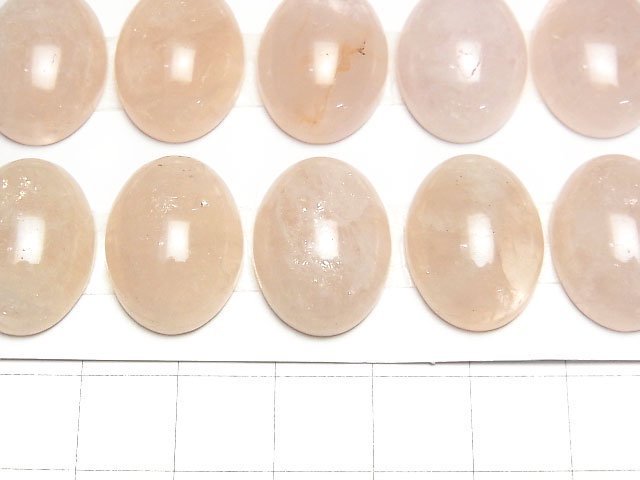
![[Einmalig] Morganit AAA- Geformter loser Stein 5er Set Nr. 10](http://store.kenkengems.com/cdn/shop/files/188560528_23ac251f-47bc-450b-99ec-f50b39036850.jpg?v=1761027346&width=640)
![[Einmalig] Morganit AAA- Geformter loser Stein 5er Set Nr. 10](http://store.kenkengems.com/cdn/shop/files/188560528_o1_01ea40e2-ccb4-41ea-a5d3-5f75b0ffc62d.jpg?v=1761027352&width=640)
![[Einzigartig] Morganit AAA Anhänger Silber925 NO.108](http://store.kenkengems.com/cdn/shop/files/181948899.jpg?v=1726481718&width=640)
![[Einzigartig] Morganit AAA Anhänger Silber925 NO.108](http://store.kenkengems.com/cdn/shop/files/181948899_o1.jpg?v=1726481714&width=640)
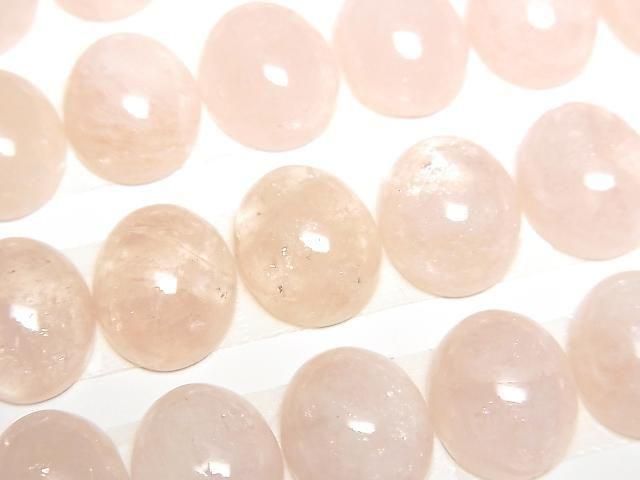
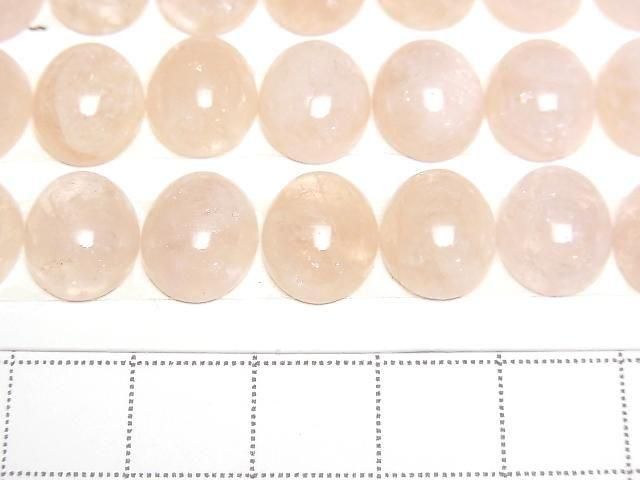

![[Einmalig] Morganit AAA- Geformter loser Stein 5er Set Nr.6](http://store.kenkengems.com/cdn/shop/files/188560522_285173fd-6c79-47d4-9cbd-f7b9cc20ebda.jpg?v=1761027298&width=640)
![[Einmalig] Morganit AAA- Geformter loser Stein 5er Set Nr.6](http://store.kenkengems.com/cdn/shop/files/188560522_o1_c4007b08-9bb0-4859-ac65-1a6f389c6b29.jpg?v=1761027305&width=640)

![[Einzigartig] Morganit AAA Anhänger Silber925 NO.125](http://store.kenkengems.com/cdn/shop/files/183384975.jpg?v=1737531902&width=640)
![[Einzigartig] Morganit AAA Anhänger Silber925 NO.125](http://store.kenkengems.com/cdn/shop/files/183384975_o1.jpg?v=1737531895&width=640)