
TOC
- 1. Bronzite at a Glance
- 2. What Does Bronzite Mean?
- 3. The History and Name of Bronzite
- 4. Physical and Chemical Properties of Bronzite
- 5. Bronzite vs. Hypersthene and Tiger’s Eye
- 6. Bronzite Benefits and Healing Properties
- 7. Metaphysical Properties and Chakras
- 8. How to Use and Pair Bronzite
- 9. How to Clean and Care for Bronzite
- 10. Bronzite Value and Buying Guide
- 11. Where Is Bronzite Found?
- 12. Bronzite FAQ
- 12-1. What is bronzite good for?
- 12-2. Is bronzite a real gemstone?
- 12-3. What chakra is bronzite associated with?
- 12-4. Can bronzite go in water?
- 12-5. Is bronzite the same as hypersthene?
- 12-6. Is bronzite natural, or is it dyed or treated?
- 12-7. How much does bronzite cost?
- 12-8. Is bronzite good for jewelry?
- 12-9. What zodiac sign and element is bronzite?
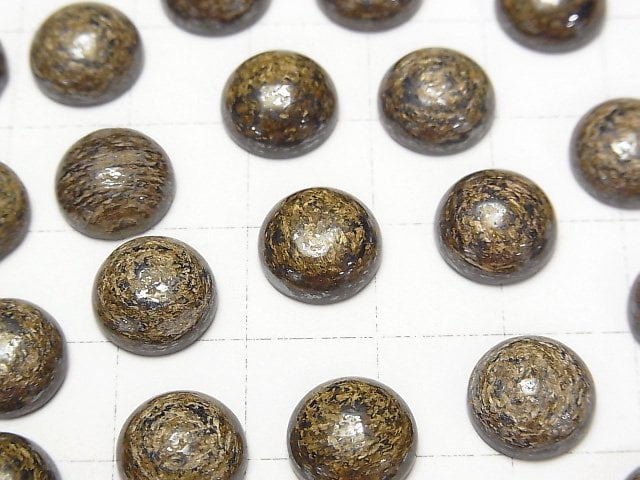
- 13. Shop Bronzite Beads and Loose Stones at Kenkengems

Bronzite at a Glance
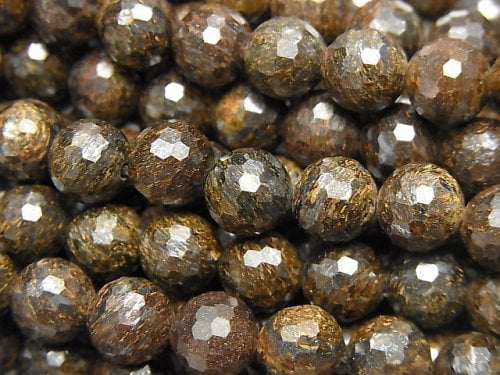
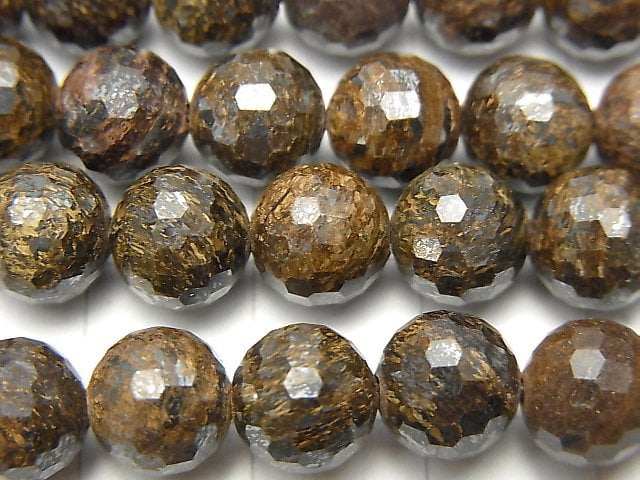
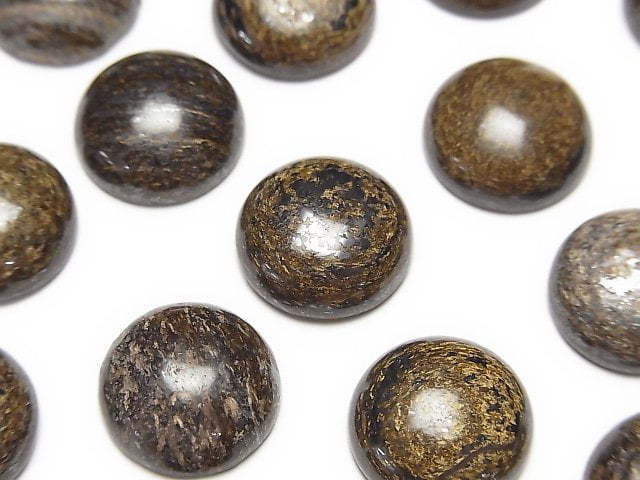
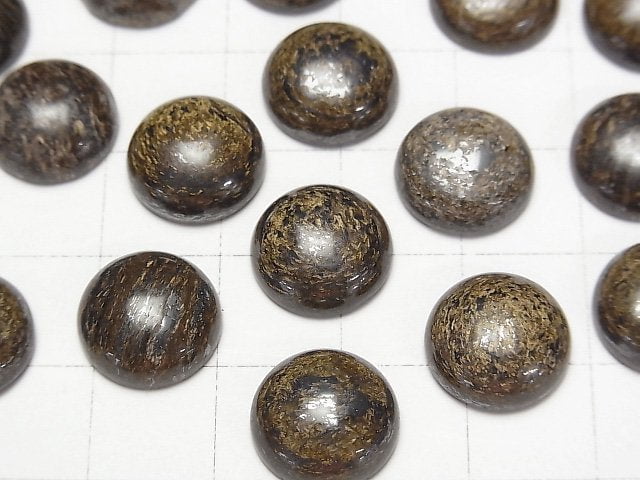
Bronzite is a bronze-colored variety of the mineral enstatite, best known in the crystal community as a grounding stone for courage, confidence, and focus. Despite the name, it contains no actual bronze—its warm metallic sheen comes from iron-rich layers inside the stone. In this guide you'll learn what bronzite means, its folkloric healing and metaphysical associations, how to use and care for it, how it compares with hypersthene and tiger's eye, and what to look for when buying bronzite beads or jewelry.
| Property | Detail |
|---|---|
| Mineral family | Pyroxene group (orthopyroxene); iron-rich variety of enstatite |
| Chemical formula | (Mg,Fe)SiO3 |
| Mohs hardness | 5.5–6 |
| Specific gravity | ~3.3–3.4 |
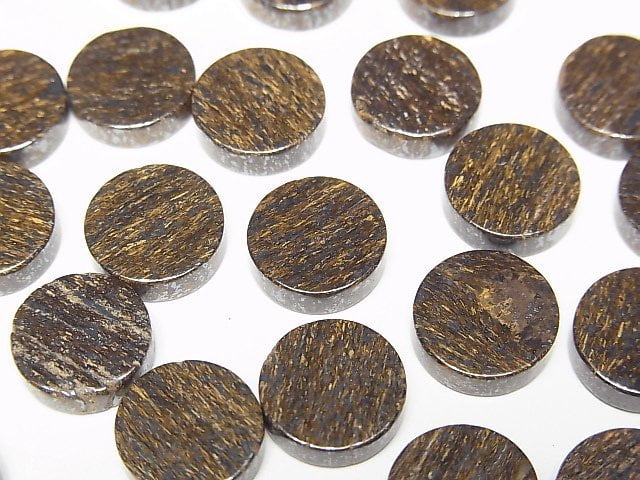
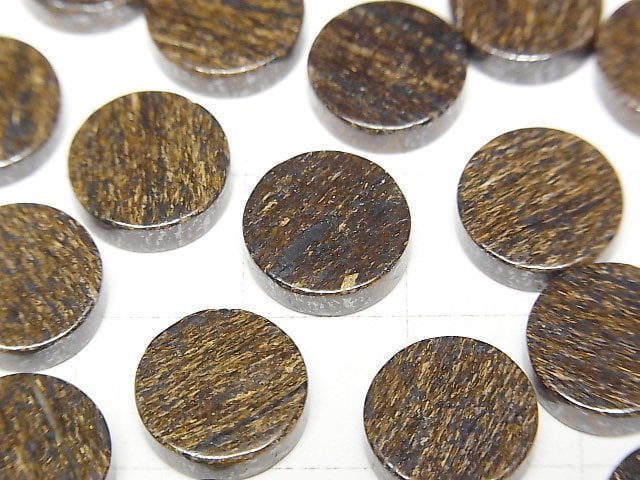
| Color | Bronze-brown to greenish brown with a metallic "schiller" sheen |
| Luster | Submetallic to silky; opaque |
| Chakras (crystal lore) | Root and Sacral |
| Zodiac (crystal lore) | Leo |
| Element (crystal lore) | Earth |
| Main sources | Brazil, Austria, Germany, Madagascar, the United States |
| Popular for | Beads, cabochons, tumbled stones, carvings |
What Does Bronzite Mean?
Bronzite's core meaning is grounded strength. In crystal lore it is widely known as a "stone of courtesy" and self-assurance, believed to help you stay calm, polite, and decisive under pressure. Practitioners reach for bronzite when they want steadier confidence in social situations—job interviews, presentations, first dates—or a sense of protection from negative energy. Its bronze-like glow has long been associated in folklore with inner resilience: strength that doesn't need to shout.

The History and Name of Bronzite
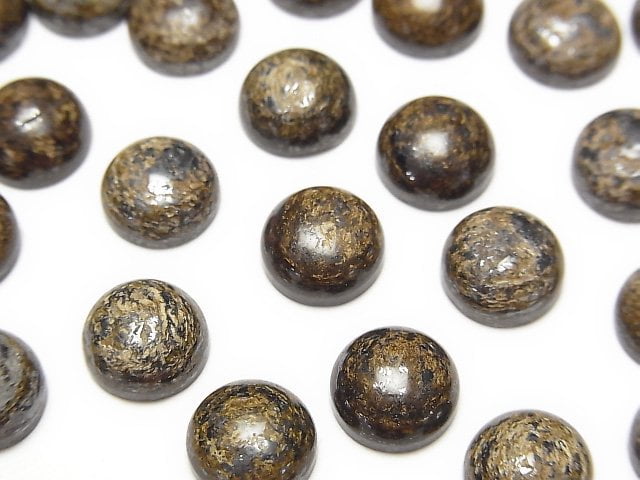
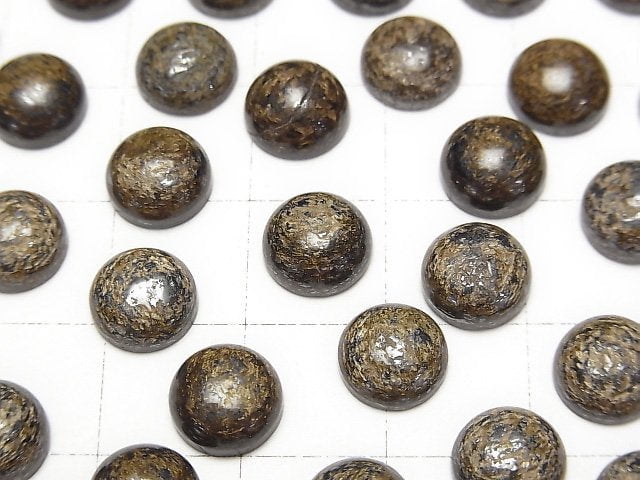
Bronzite owes its name to German mineralogist Dietrich Ludwig Gustav Karsten, who noted the stone's resemblance to darkened bronze and cataloged it as "bronzite" in 1807. Long before that, iron-rich pyroxenes appear in old mineralogical records under various names. Today bronzite is a popular ornamental stone: it is usually cut en cabochon or shaped into beads for bracelets, necklaces, and pendants, and larger pieces are carved into decorative objects.
Physical and Chemical Properties of Bronzite
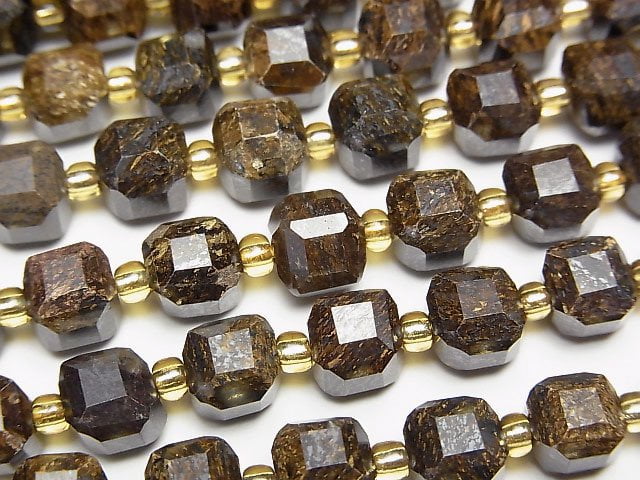
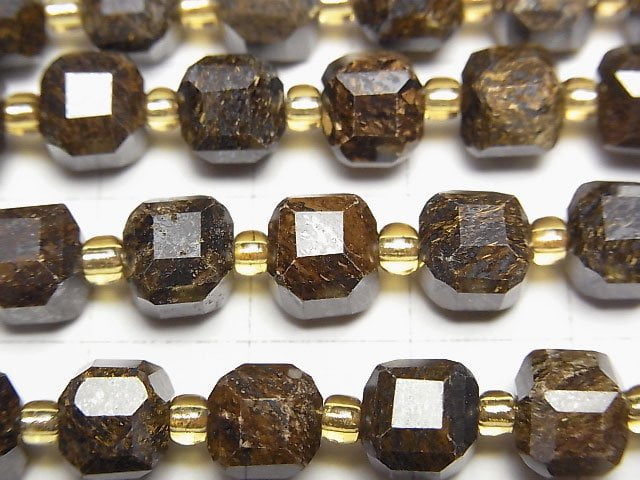
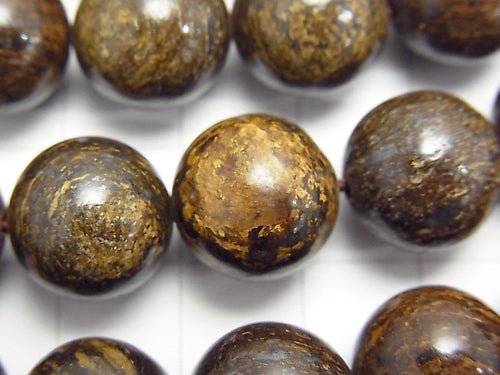
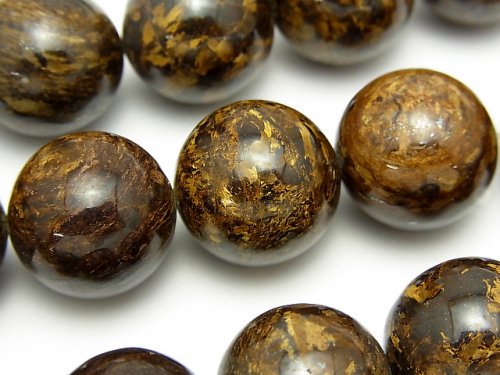
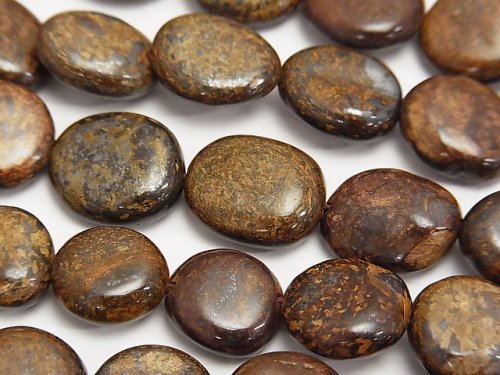
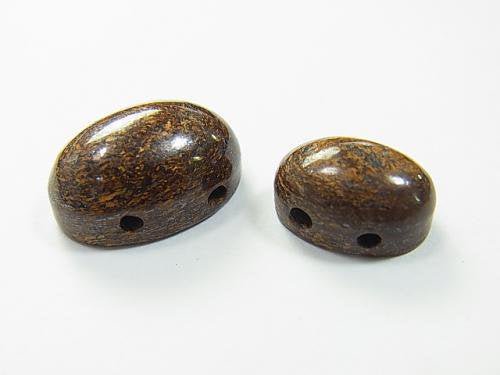
Bronzite is not a separate mineral species but an iron-rich variety of enstatite, a magnesium silicate in the orthopyroxene group. When roughly 12–30% of the magnesium is replaced by iron, the stone is classified as bronzite; with even more iron it grades into hypersthene. Its signature metallic sheen—called schiller—forms when fine films of iron oxides develop along the stone's cleavage planes, a process known as schillerization. Bronzite is opaque, ranges from golden brown to greenish brown, and has a Mohs hardness of 5.5–6 with a specific gravity around 3.3–3.4. It shows good prismatic cleavage, and some polished stones display a subtle cat's-eye effect (chatoyancy).
| Mineral | Iron content | Appearance |
|---|---|---|
| Enstatite | Low iron | Pale green to brownish, little to no schiller |
| Bronzite | FeO about 12–30% | Bronze-brown with metallic schiller |
| Hypersthene | High iron | Darker, with a stronger silvery schiller |
Bronzite vs. Hypersthene and Tiger’s Eye
Bronzite is often confused with two other bronze- or gold-toned stones. Here is how they differ in mineralogy and appearance:
| Stone | What it is | Look | Mohs |
|---|---|---|---|
| Bronzite | Iron-rich enstatite (orthopyroxene), (Mg,Fe)SiO3 | Bronze-brown, warm metallic schiller | 5.5–6 |
| Hypersthene | More iron-rich orthopyroxene on the same series | Darker gray-brown, stronger silvery-blue schiller | 5–6 |
| Tiger's eye | Quartz with fibrous inclusions (silicified crocidolite) | Golden bands with silky, moving chatoyancy | ~7 |
In short: bronzite and hypersthene are the same mineral family separated by iron content—bronzite is lighter and browner, hypersthene darker with a flashier sheen. Tiger's eye, by contrast, is a quartz and is both harder and more chatoyant, with distinct golden banding rather than bronzite's speckled metallic layers. If a "bronzite" bead looks glassy and hard with sharp golden stripes, it is more likely tiger's eye.
Bronzite Benefits and Healing Properties
In crystal lore, bronzite is valued for emotional and spiritual associations rather than physical effects. These are traditional beliefs, not medical claims. Commonly cited bronzite associations include:
- Grounding under pressure – in crystal lore, carrying bronzite is believed to help you feel steadier and more composed during high-pressure moments like interviews, travel, or public speaking.
- Confidence and self-esteem – it is traditionally associated with the courage to speak up and act on your goals.
- Focus and follow-through – practitioners use it to cut through indecision and stay on task.
- Protection – folklore describes bronzite as a grounding "shield" said to turn negative energy away from its bearer.
- Calming ritual – some keep a stone near the bed as part of a quiet, calming bedtime routine.
Note: Crystal healing is a complementary spiritual practice, not medicine. These are traditional beliefs, not medical claims. There is no scientific evidence that any crystal treats, cures, or prevents health conditions—always consult a qualified healthcare professional for medical concerns.
Metaphysical Properties and Chakras
In crystal lore, bronzite is linked to the root chakra (grounding, security) and the sacral chakra (drive, creativity), which is why it is traditionally described as a "doing" stone—one that turns intention into action. Astrologically it is associated with Leo and the Earth element. Metaphysical practitioners also tie it to fair dealing and healthy boundaries: rather than promising windfalls, it is said to reward consistent effort, helping you negotiate, resolve conflict, and communicate with quiet authority.

How to Use and Pair Bronzite
The easiest ways to work with bronzite:
- Wear it – a bronzite bead bracelet or pendant keeps the stone in contact with your skin throughout the day; many people wear it to interviews or stressful events.
- Carry a tumbled stone – keep one in your pocket or bag as a touchstone through a demanding day.
- Meditate with it – hold a stone at the base of your spine or lower abdomen to focus on the root and sacral chakras.
- Pair it – in crystal lore, combine bronzite with rose quartz for emotional healing, black tourmaline for extra grounding and protection, or tiger's eye for motivation and drive.
- Create with it – bronzite beads pair beautifully with gold, brass, and copper findings, making them a favorite among jewelry designers.
Because bronzite is often described as a stone that pulls higher-vibration energy down to an earthly, usable level, crystal practitioners like to combine it with calming or heart-centered stones so its grounding quality balances the pairing. As always, these pairings reflect crystal tradition, not medical advice.

How to Clean and Care for Bronzite
With a Mohs hardness of 5.5–6, bronzite is softer than quartz—which means everyday grit can scratch it over time, and a hard knock can chip it along its cleavage. To keep bronzite jewelry looking its best:
- Wipe it with a soft, slightly damp cloth and dry immediately; avoid prolonged soaking, since its iron content makes long water exposure inadvisable, and never use salt water.
- Skip ultrasonic and steam cleaners, harsh chemicals, and household cleaners.
- Store it separately from harder gems like quartz, topaz, or sapphire to prevent scratches.
- Choose low-impact settings – bronzite is ideal for earrings, pendants, and necklaces; for daily-wear rings, expect faster surface wear.
- When cutting or grinding rough bronzite, work wet and avoid inhaling the dust, as with most silicate minerals.
Bronzite Value and Buying Guide
Bronzite is an affordable, widely available stone, so most of the price you pay reflects cut, finish, and bead consistency rather than rarity. Approximate market ranges to use as a rough guide:
- Rough / raw specimens – among the least expensive ways to buy bronzite, typically a small amount per gram.
- Cabochons – inexpensive per carat, with cleaner, high-schiller stones commanding a modest premium.
- Beaded strands – usually sold ready-made and priced by strand or by the inch, depending on bead size and grade.
- Rings and pendants – vary mostly with the metal and setting rather than the stone itself.
When buying bronzite, look for even bronze-brown color, a bright, consistent schiller across the surface, a smooth high polish with no pits, and well-matched beads within a strand. Genuine bronzite is a natural, typically untreated stone; its metallic sheen occurs naturally, so be cautious of unusually cheap "bronzite" that is actually dyed stone, reconstituted material, or glass—reputable sellers disclose any dyeing, stabilization, or imitation. Under U.S. and Canadian jewelry-marketing standards, treatments and imitations should be clearly stated, so ask before you buy.
Where Is Bronzite Found?
Notable bronzite sources include Brazil and Madagascar (major bead-grade material), the Kraubath area of Styria, Austria, and Germany's Fichtel Mountains—two classic ornamental localities—plus deposits in the United States, such as Maryland and the bronzitite layers of Montana's Stillwater complex. Most bronzite beads on the market today are cut from Brazilian rough.
Bronzite FAQ
What is bronzite good for?
In crystal lore, bronzite is used as a grounding and confidence stone. People carry or wear it to feel calm and composed under pressure, to support self-esteem and focus, and for a sense of protection from negative energy. It is especially popular for job interviews, travel, and other demanding situations. These are traditional beliefs, not medical claims.
Is bronzite a real gemstone?
Yes. Bronzite is a natural, iron-rich variety of the mineral enstatite in the pyroxene group. It isn't dyed or man-made—its metallic bronze sheen occurs naturally through a process called schillerization.
What chakra is bronzite associated with?
In crystal lore, bronzite is associated with the root chakra, which governs grounding and security, and the sacral chakra, which governs drive and creativity.
Can bronzite go in water?
Brief contact with water is fine, but avoid soaking bronzite. Its iron content and layered structure make prolonged water exposure inadvisable, and it should never go in salt water. Cleanse it with a soft damp cloth instead.
Is bronzite the same as hypersthene?
No, but they're closely related. Both are orthopyroxene minerals; bronzite contains roughly 12–30% iron oxide, while hypersthene contains more. Hypersthene tends to look darker with a stronger silvery schiller.
Is bronzite natural, or is it dyed or treated?
Most bronzite on the market is natural and untreated—its bronze schiller forms naturally. Some inexpensive material may be dyed or imitated with glass or reconstituted stone, so buy from sellers who clearly disclose any treatment or imitation.
How much does bronzite cost?
Bronzite is an affordable stone. Rough and cabochons are inexpensive, while beaded strands are usually priced by strand or by the inch based on bead size and grade. Rings and pendants vary mainly with the metal and setting rather than the stone.
Is bronzite good for jewelry?
Yes. At Mohs 5.5–6 it is durable enough for beaded bracelets and necklaces, cabochon pendants, earrings, and carvings, and it pairs beautifully with gold and copper. Because it is softer than quartz and can chip along its cleavage, it is less ideal for everyday rings.
What zodiac sign and element is bronzite?
In crystal lore, bronzite is associated with the zodiac sign Leo and the Earth element, reflecting its reputation as a grounding, action-oriented stone.
Shop Bronzite Beads and Loose Stones at Kenkengems
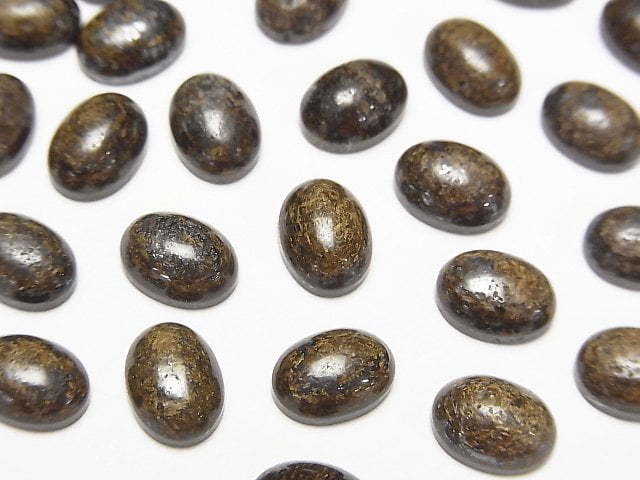
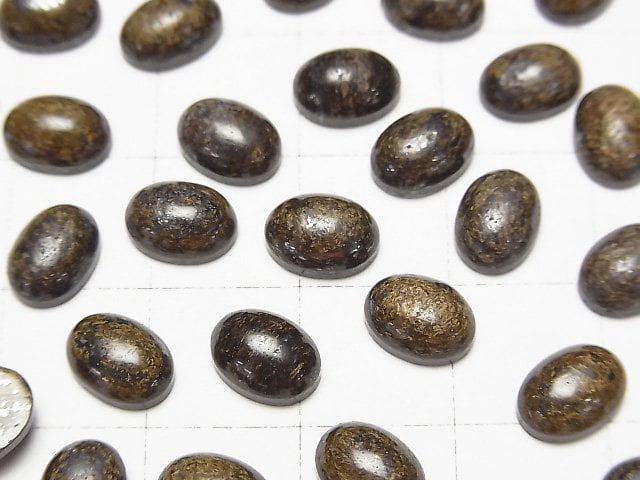
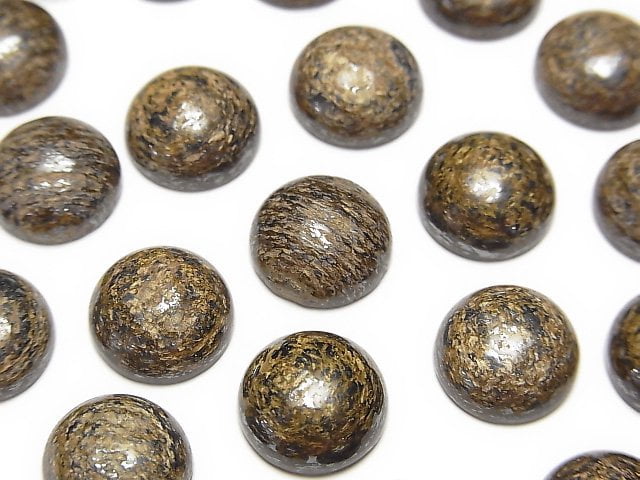
Ready to work with bronzite? Kenkengems, a Japanese gemstone wholesaler trusted by jewelry designers across the US and Canada since 2006, carries bronzite beads and loose stones in a range of shapes and sizes—from classic rounds to faceted cuts. Every strand is photographed and graded under our transparent quality-rating system, prices are shown in USD or CAD at checkout, and orders over $300 ship free worldwide. Browse the bronzite collection to find the perfect stones for your next design.




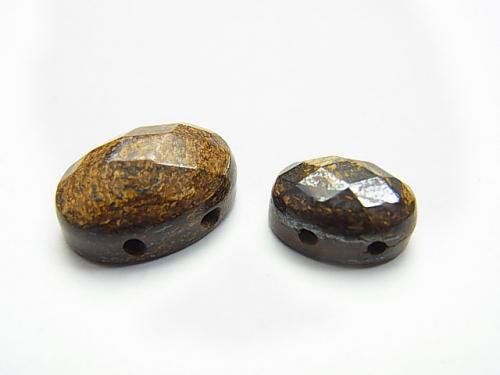
![Bronzit [zwei Löcher] Facettierter Cabochon [14 x 10] [18 x 13] 2 Stück 2,79 $](http://store.kenkengems.com/cdn/shop/files/44339240_o1.jpg?v=1716768789&width=544)
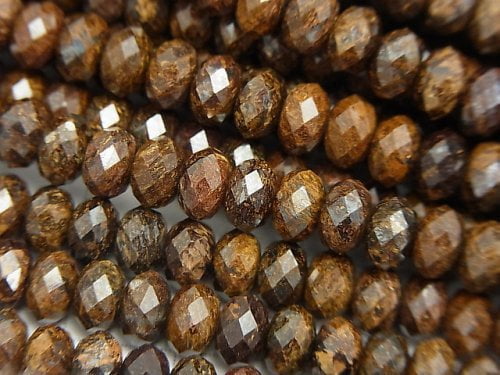
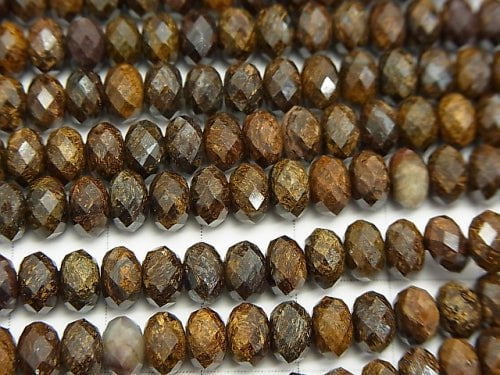
![2 Stück 2,39 $ Bronzit [zwei Löcher] Cabochon [14 x 10] [18 x 13] 2 Stück](http://store.kenkengems.com/cdn/shop/files/44437891_o1.jpg?v=1716769030&width=544)