TOC
- 1. What Is Peridot?
- 2. Peridot Meaning & History
- 3. Peridot Properties
- 4. Peridot Colors & Types
- 5. Peridot Value & Price
- 6. Peridot Care & How to Identify
- 7. Peridot Meaning & Symbolism
- 8. Peridot FAQ
- 8-1. What is peridot?
- 8-2. What color is peridot?
- 8-3. Is peridot the August birthstone?
- 8-4. Is peridot treated?
- 8-5. How much is peridot worth?
- 8-6. How can you tell if peridot is real?
- 8-7. What does peridot symbolize?
- 8-8. Is peridot the same as olivine or chrysolite?
- 9. Shop Peridot at KenKenGems

What Is Peridot?
Peridot is the gem-quality form of the mineral olivine, a magnesium iron silicate with the formula (Mg,Fe)2SiO4. It is one of the few gemstones that occurs in only one color — a distinctive yellow-green to olive green — and it is the modern August birthstone. This guide covers what peridot is, its meaning and history, its physical properties and colors, what it is worth, how to care for it, and how to tell a natural stone from an imitation.
Peridot is described as idiochromatic, meaning its green color comes from an essential ingredient of the mineral itself — iron — rather than from trace impurities. That is why every peridot is some shade of green. With a Mohs hardness of about 6.5 to 7, it is durable enough for everyday jewelry with reasonable care, and it has been treasured for thousands of years, from ancient Egypt to the present day.

Peridot Meaning & History
The name peridot is usually traced to the Arabic word "faridat," meaning "gem," while the stone has carried many names over the centuries. Historically it was often called chrysolite — an old synonym for peridot that the modern gem trade discourages because it was also used loosely for other yellow-green stones. Peridot and olivine were once thought to be different minerals, but gemologists later confirmed that gem peridot is simply the finest, transparent olivine.
Peridot has been prized for more than 3,500 years. The historic source was Zabargad (also spelled Zeberged or St. John’s Island) in the Red Sea off Egypt, whose volcanic stones glowed a warm green and were poetically nicknamed the "evening emerald." Peridot has been linked to Cleopatra’s legendary emeralds and set in religious and royal objects across the ancient world. As the August birthstone, it remains a popular choice for summer birthdays today.
In crystal lore, peridot is traditionally associated with light, warmth, abundance, and renewal. These are cultural and folkloric associations rather than statements of fact.

Peridot Properties
Peridot is gem-quality olivine, part of the forsterite–fayalite mineral series, and its green color is caused by iron that is built into the crystal itself. It has a glassy (vitreous) luster with a slightly oily quality, and it shows strong double refraction — you can often see a doubling of the back facets through the top of a cut stone, which is a helpful identification clue. The table below summarizes its key gemological properties.
| Property | Detail |
|---|---|
| Mineral | Gem-quality olivine (forsterite–fayalite series) |
| Chemical composition | (Mg,Fe)2SiO4 — magnesium iron silicate |
| Color | Yellow-green to olive green (idiochromatic — caused by iron) |
| Crystal system | Orthorhombic |
| Mohs hardness | 6.5–7 |
| Luster | Vitreous, slightly oily |
| Optical | Strong double refraction (doubling of back facets) |
| Main sources | San Carlos, Arizona (USA); Pakistan (Kashmir region); Myanmar; China; historic Zabargad (Red Sea, Egypt); also found in pallasite meteorites |
| Treatment | Usually untreated |
Because peridot is not among the hardest gems and can be sensitive to sharp knocks and sudden temperature changes, it rewards a little care in wear and cleaning (see the care section below).

Peridot Colors & Types
Peridot is a single-color gemstone: it always appears in some shade of green, ranging from a bright lime or lemon-green through the classic grass green to a deeper, brownish olive. The most prized stones show a pure, saturated grass-green with a slight golden warmth and little brown; color depth generally increases with size. A handful of distinctive types and phenomena also appear on the market.
- San Carlos peridot — bright yellow-green stones from the San Carlos Apache Reservation in Arizona, one of the world’s major sources.
- Kashmir / Pakistan peridot — large, richly colored crystals from the mountains of northern Pakistan, prized for fine, saturated green.
- Star peridot — a rare variety, chiefly from Myanmar, that shows asterism (a star effect) from needle-like inclusions when cut as a cabochon.
- Cat’s-eye peridot — an uncommon stone that displays chatoyancy, a single band of light, when cut en cabochon.
Deeper "olive" stones and pale "lime" stones are simply color descriptions rather than separate species; all are peridot (olivine).

Peridot Value & Price
Color is the main driver of peridot’s value, followed by clarity, cut, and carat weight. A vivid, pure grass-green with no brownish tint is the most desirable, and because deeper color usually comes with size, larger fine stones command a premium per carat. Clean, eye-flawless material and well-proportioned cutting also raise value, and large fine crystals from Pakistan or historic Zabargad can be especially sought after.
As rough general guidance, commercial peridot often runs from a few dollars up to about USD $50 per carat (roughly CAD $7 to $70), while fine, larger stones with top color can reach around USD $150–$450+ per carat (roughly CAD $200–$620+). Treat these as approximate market ranges rather than fixed quotes — actual prices vary with quality, size, source, and availability.
Peridot Care & How to Identify
Peridot is usually not treated, which is part of its appeal — most stones show their natural color straight from the ground. That is a genuine selling point, though you should still confirm treatment and origin with your seller for higher-value stones rather than assuming.
Natural peridot can be confused with, or imitated by, several look-alikes, so it helps to know the difference:
- Glass imitations — green glass can mimic the color but lacks peridot’s strong double refraction and often contains round gas bubbles.
- Green sapphire, green tourmaline, or chrome diopside — other green gems sometimes sold alongside peridot; a gemologist can separate them by hardness and optical properties.
- Synthetic (lab-grown) material — genuine olivine grown in a lab is real peridot but should be disclosed as lab-created, not natural.
- "Chrysolite" — an old synonym for peridot that was also applied to other yellow-green stones, so treat the term with caution.
For care, clean peridot with warm water, mild soap, and a soft brush. Avoid ultrasonic and steam cleaners, sudden temperature changes, and harsh chemicals, and store it separately so harder gems do not scratch it. Remove peridot rings before heavy work to prevent chips.

Peridot Meaning & Symbolism
Across many cultures, peridot has been seen as a stone of light, warmth, and positive energy. In crystal lore it is traditionally associated with abundance, renewal, and lifting the mood, and its sunny green color has long linked it to nature and new beginnings. As the August birthstone, it is also given as a symbol of friendship and good fortune.
- Traditionally believed to bring feelings of warmth, optimism, and abundance
- In crystal lore, associated with renewal, growth, and fresh starts
- Historically worn as a protective amulet and a symbol of good fortune
- The August birthstone and a popular gift for summer birthdays
These are traditional beliefs, not medical claims. Peridot is not medicine and cannot diagnose, treat, cure, or prevent any illness. Nothing here is a substitute for professional medical care.
Peridot FAQ
Quick answers to the questions people most often ask about peridot.
What is peridot?
Peridot is the gem-quality form of the mineral olivine, a magnesium iron silicate ((Mg,Fe)2SiO4). It is one of the only gemstones that occurs in a single color — yellow-green to olive green — caused by iron within the crystal, and it is the August birthstone.
What color is peridot?
Peridot is always green, ranging from bright lime and lemon-green through classic grass green to deeper olive. The most valued stones are a pure, vivid grass-green with little to no brown tint.
Is peridot the August birthstone?
Yes. Peridot is the modern birthstone for August, which makes it a popular choice for late-summer birthdays and gifts.
Is peridot treated?
Peridot is usually not treated, so most stones show their natural color. That is one of its attractions, but it is still wise to confirm treatment and origin with your seller for higher-value pieces.
How much is peridot worth?
It varies with color, clarity, cut, carat, and source. Commercial stones may run from a few dollars up to around USD $50 per carat, while fine larger stones with top color can reach roughly USD $150–$450+ per carat. Treat these as general guidance rather than fixed prices.
How can you tell if peridot is real?
Genuine peridot shows strong double refraction (a visible doubling of the back facets), a slightly oily luster, and a green color that comes from iron. Glass imitations often contain round bubbles and lack that doubling, and other green gems can be separated by a gemologist.
What does peridot symbolize?
In folklore peridot is traditionally associated with light, warmth, abundance, and renewal. These are cultural beliefs, not medical claims.
Is peridot the same as olivine or chrysolite?
Peridot is the gem-quality variety of olivine, so they are the same mineral. "Chrysolite" is an old synonym for peridot that was also used loosely for other yellow-green stones, so the modern trade prefers the term peridot.
Shop Peridot at KenKenGems
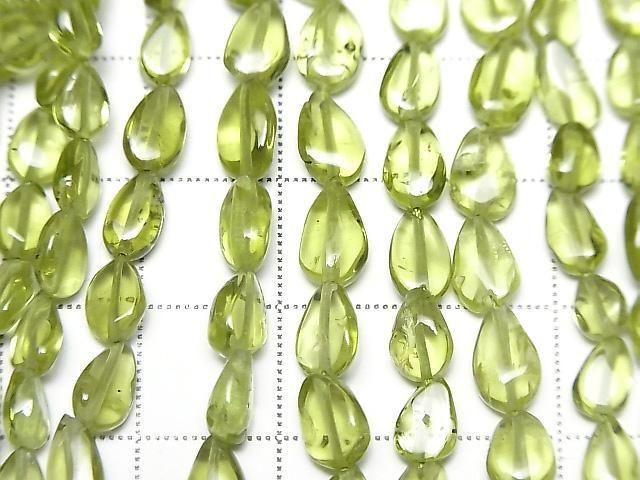
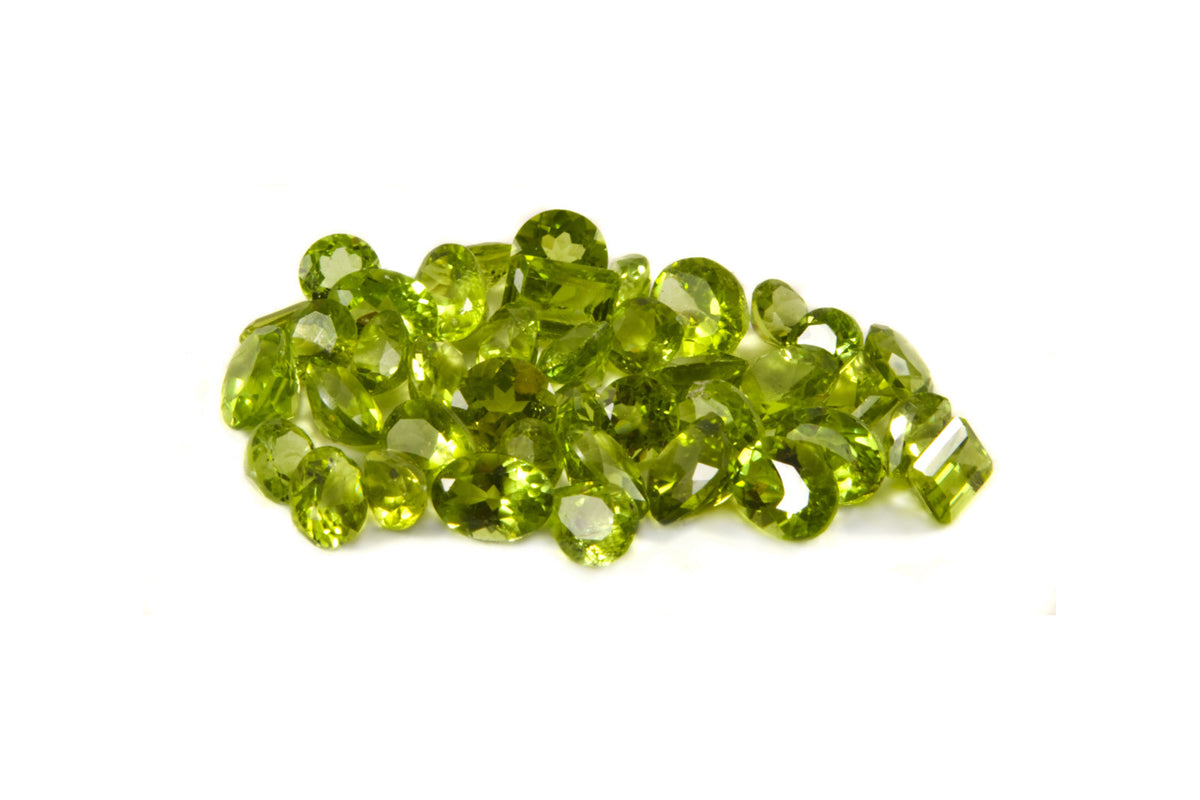
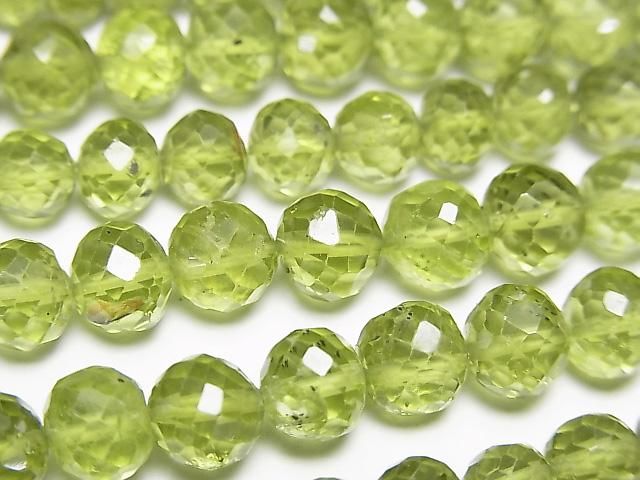
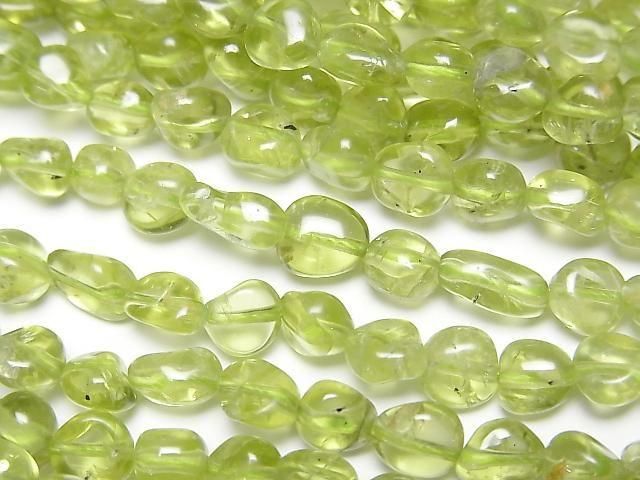
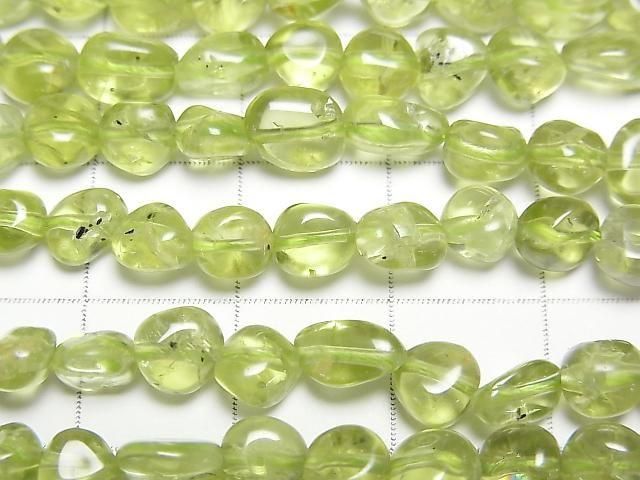
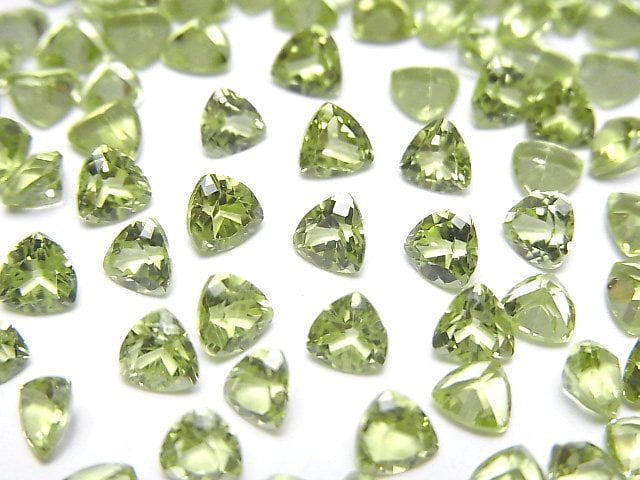
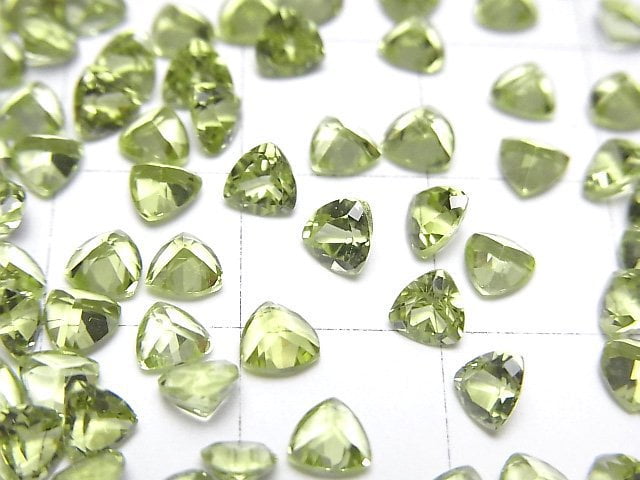
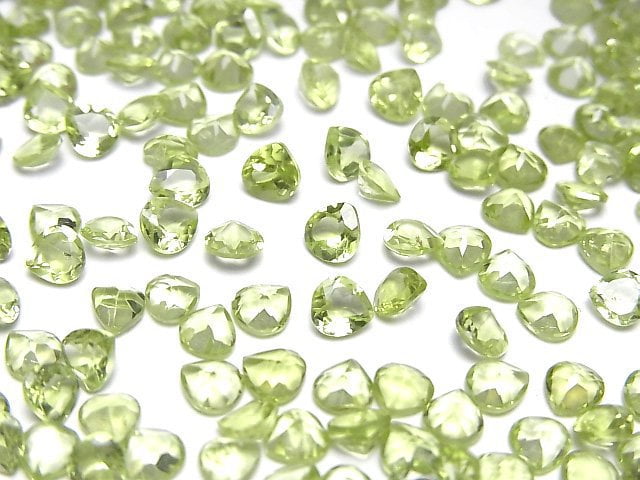
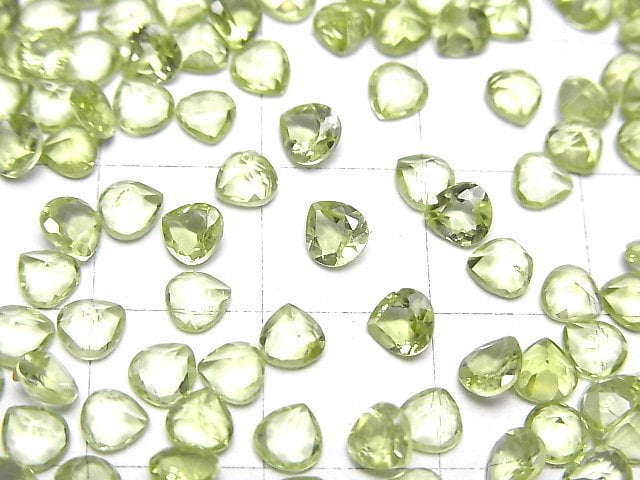
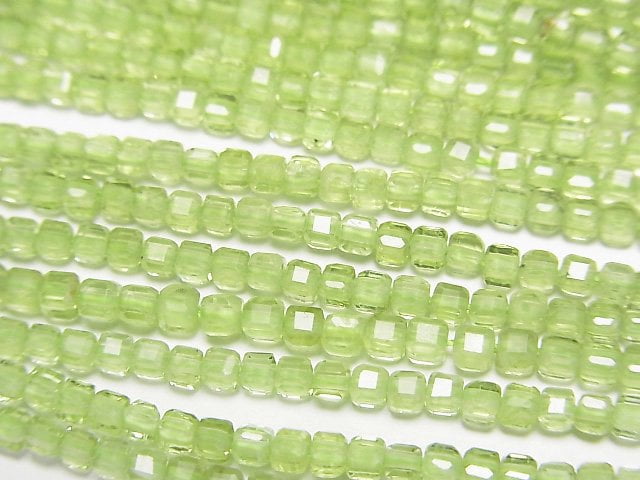
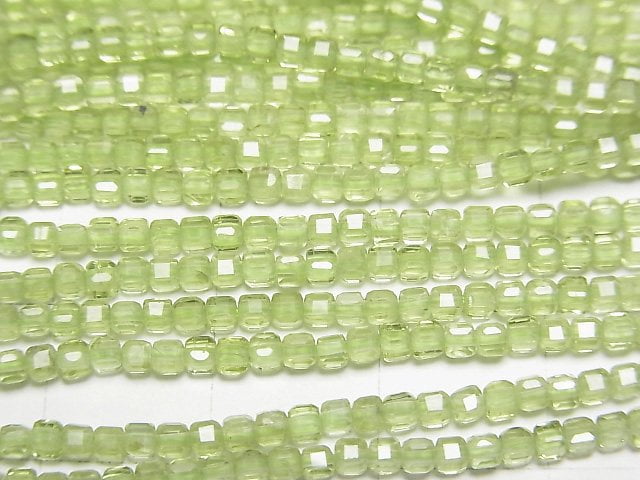
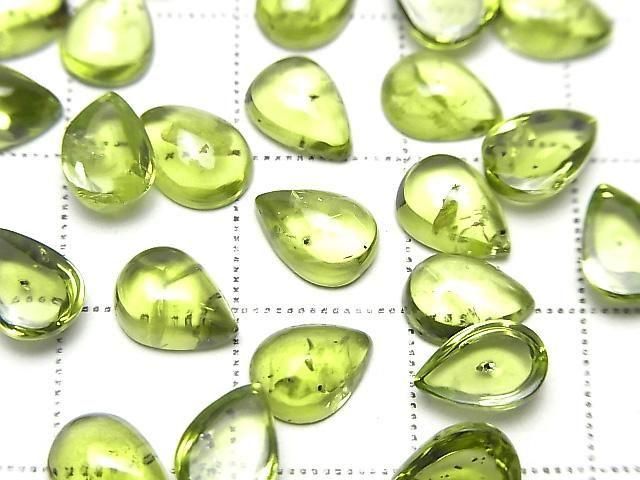
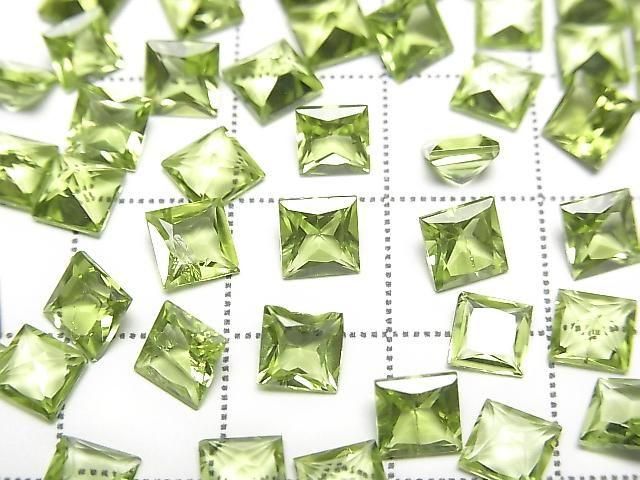
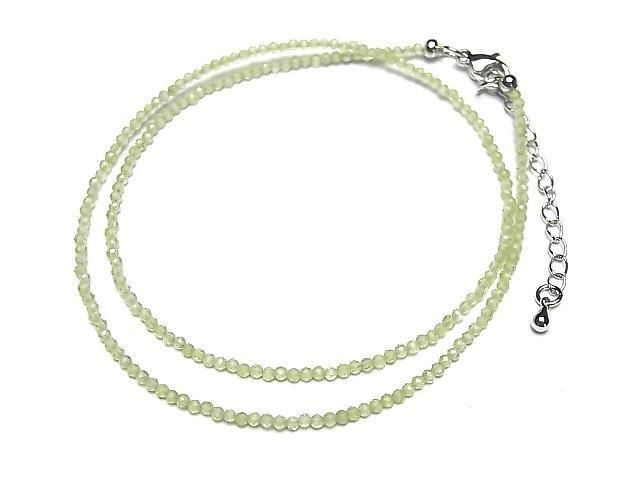
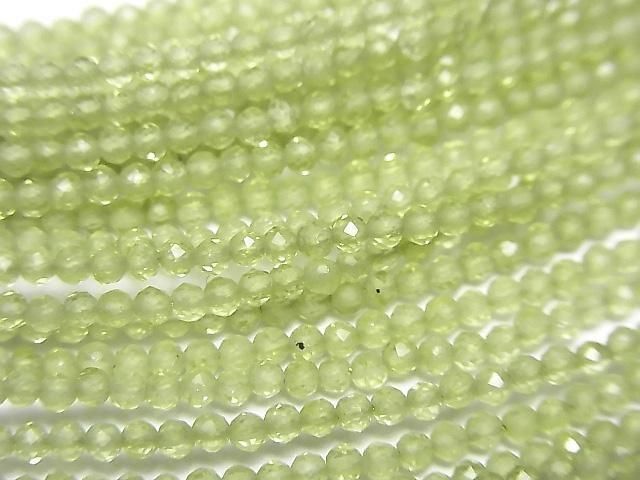
Our peridot collection features natural stones chosen for their bright, even green color. We carry peridot as loose faceted gems and beads — in cuts such as oval, round, pear, and marquise, plus cabochons and drilled and undrilled strands — so you can find the right stones for a pendant, ring, or your next jewelry-making project. Browse the current selection and add a genuine August birthstone to your collection.






![[Einzigartig] Peridot AA++ Rund 7.5mm Armband NO.21](http://store.kenkengems.com/cdn/shop/files/190491747.jpg?v=1772526473&width=640)
![[Einzigartig] Peridot AA++ Rund 7.5mm Armband NO.21](http://store.kenkengems.com/cdn/shop/files/190491747_o1.jpg?v=1772526460&width=640)