TOC
- 1. What Is Spinel?
- 2. Spinel Meaning and History
- 3. Spinel Physical and Chemical Properties
- 4. Spinel Colors and Types
- 5. Spinel vs Ruby: How to Tell Them Apart
- 6. Natural vs Synthetic (Lab-Created) Spinel
- 7. Spinel Value and Price
- 8. Where Is Spinel Found?
- 9. Spinel Meaning and Symbolism
- 10. How to Care for Spinel
- 11. Spinel FAQ
- 11-1. What is spinel?
- 11-2. Is spinel a ruby?
- 11-3. Is spinel a birthstone?
- 11-4. Is spinel valuable?
- 11-5. How can I tell natural from synthetic spinel?
- 11-6. How hard is spinel?
- 11-7. What is the most valuable spinel color?
- 11-8. How do I care for spinel?
- 12. Buying Spinel from KenKenGems
![Hochwertiger schwarzer Spinell AAA Tropfen Facettierte Briolette [Größe M] mit halb oder einem Strang Perlen (ca. 6 Zoll/16 cm)](http://store.kenkengems.com/cdn/shop/files/192255154.jpg?crop=center&height=400&v=1782836156&width=400)
What Is Spinel?
Spinel is a magnesium aluminum oxide (MgAl2O4) gemstone that forms brilliant, single-crystal stones in a wide range of colors. It is best known as history's most famous ruby look-alike: because fine red spinel and ruby occur side by side and look nearly identical, several "rubies" in the British and other royal collections turned out, centuries later, to be spinel. Unlike ruby (a corundum), spinel is its own mineral, and it is valued today for its vivid color, brightness, and durability.

Spinel Meaning and History
Spinel's name likely comes from the Latin "spina" (thorn), for its sharp octahedral crystals, or the Greek word for spark. For most of history it was not recognized as separate from ruby: Marco Polo described the red gems of Badakhshan, and stones sold as "Balas rubies" were in fact spinel. The most famous examples are the Black Prince's Ruby and the Timur Ruby in the British Crown Jewels — both spinel, not ruby. As a symbol, spinel has long been linked with vitality and protection in folklore, and it is now embraced simply as a beautiful collector and jewelry gem.

Spinel Physical and Chemical Properties
Spinel is magnesium aluminum oxide (MgAl2O4) that crystallizes in the cubic (isometric) system, which is why it forms sharp octahedral crystals and is singly refractive. Trace elements set its color: chromium and iron for red and pink, cobalt and iron for blue. Some stones show asterism (a star) when cut as cabochons. Spinel is hard and durable at 7.5–8 on the Mohs scale, though like any gem it can chip on a sharp blow, so it still deserves reasonable care.

Spinel Colors and Types
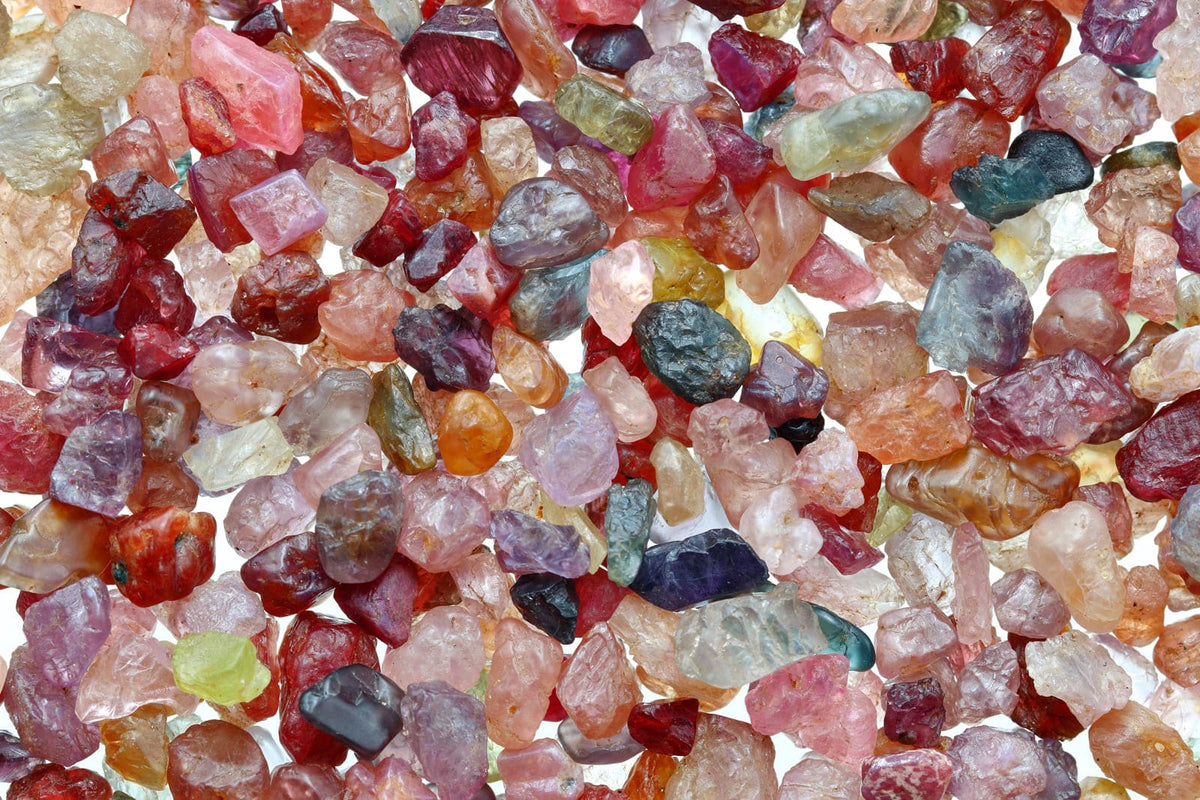
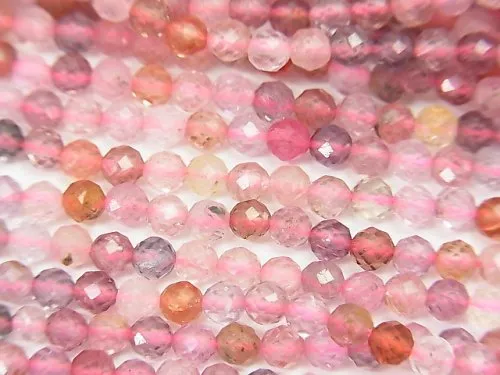
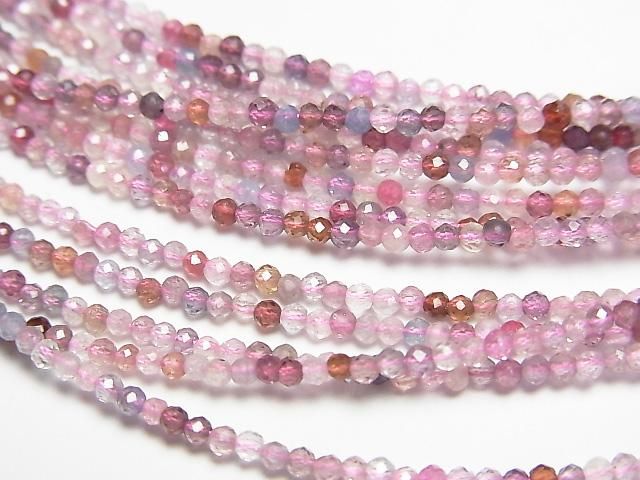
Spinel occurs in many colors, and value follows hue and saturation. The headline colors are:
- Red: the classic, ruby-like color; vivid pure reds are the most prized
- Cobalt blue: an intense, electric blue (notably from Vietnam) — rare and highly valued
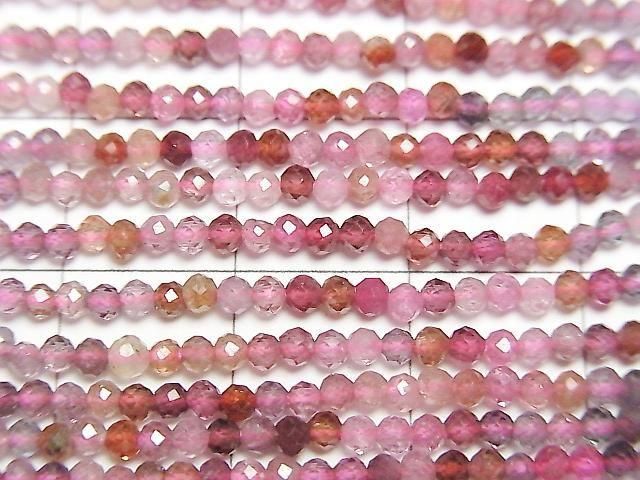
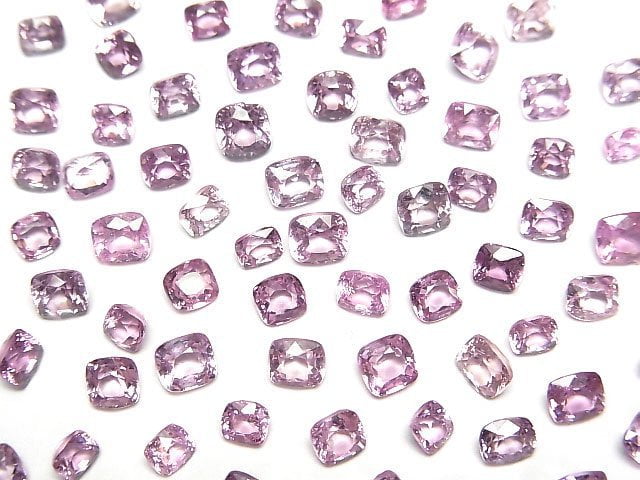
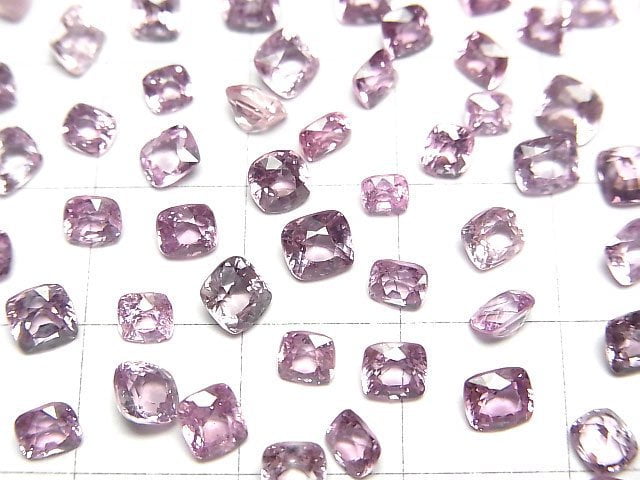
- Pink and hot pink: popular and often more affordable than red
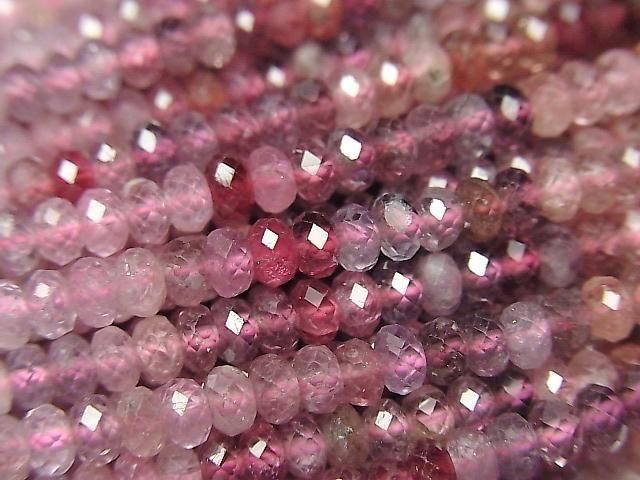
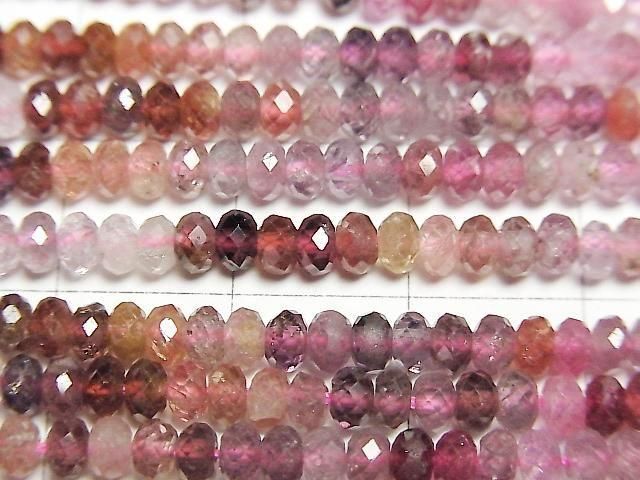
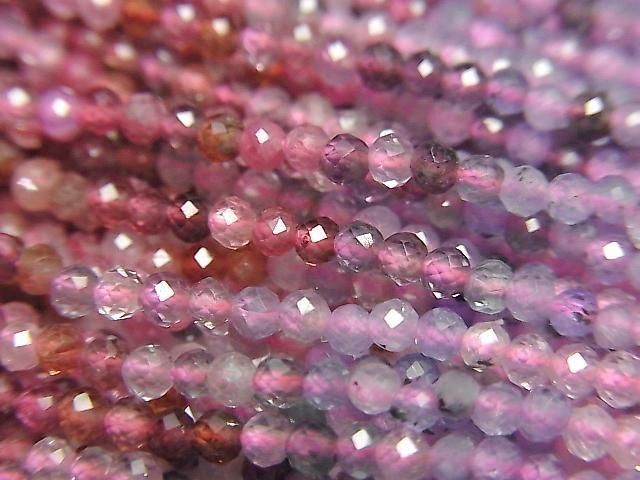
- Purple, lavender, and mauve: elegant and increasingly sought after
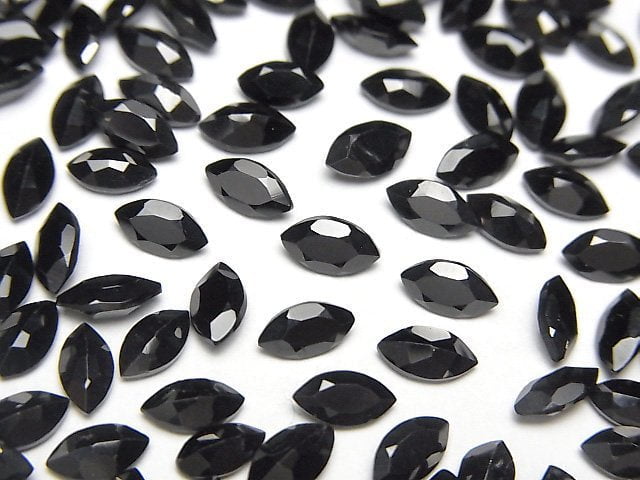
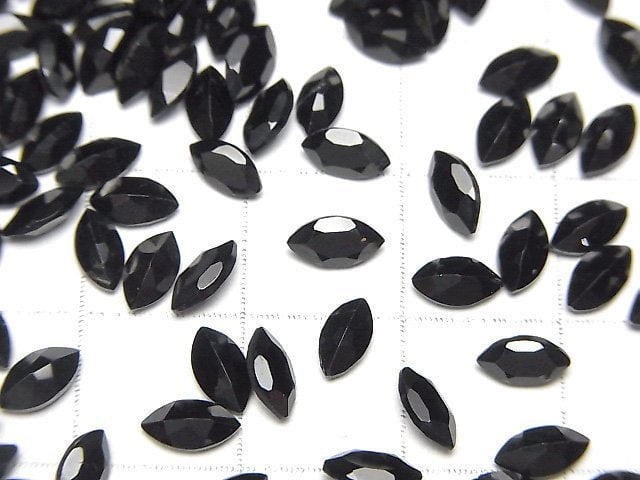
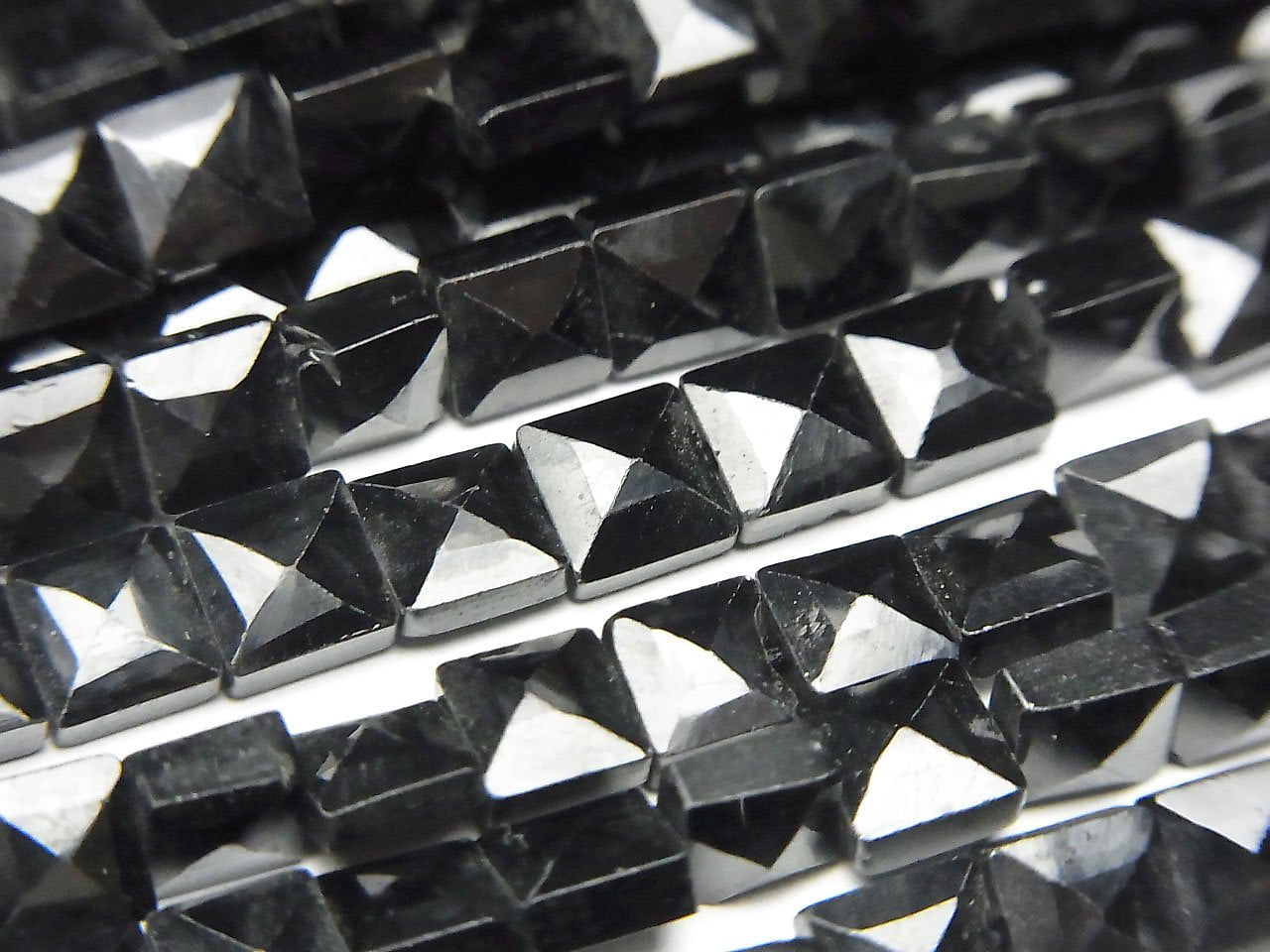
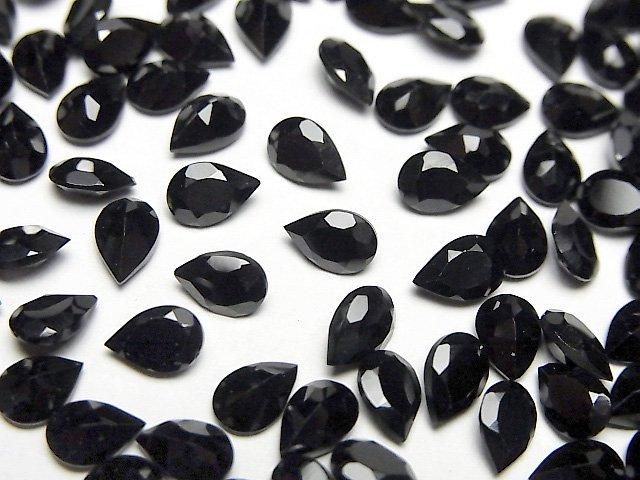
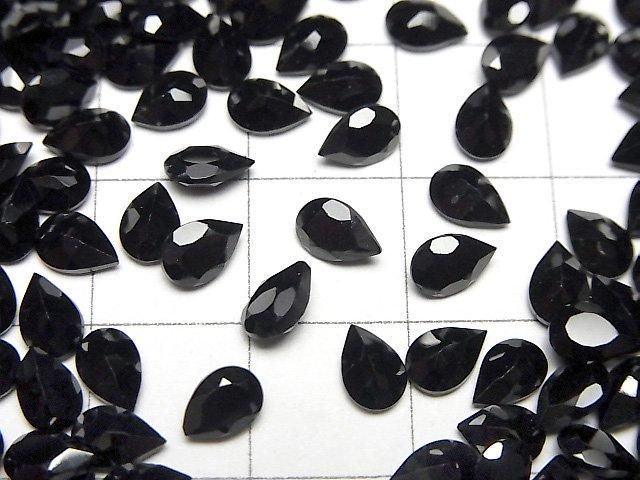
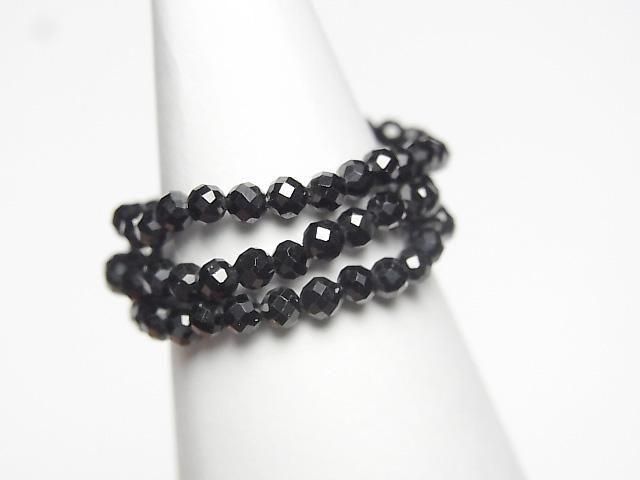
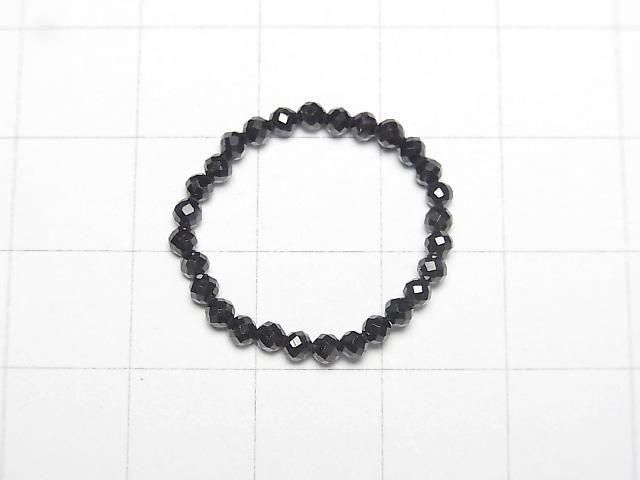
- Black: opaque; used for beads and men's jewelry
Traditionally, jewelers separated "noble" (gem-quality, transparent) spinel from "common" spinel — including the dark iron-rich varieties ceylonite (pleonaste) — and chrome spinel. Large, clean, richly colored crystals are rare, which is a big part of spinel's appeal to collectors.

Spinel vs Ruby: How to Tell Them Apart
Spinel and ruby can look identical, but they are different minerals with a few reliable differences. Ruby is corundum (harder, at Mohs 9) and doubly refractive; spinel is a magnesium aluminum oxide (Mohs 7.5–8) and singly refractive, so a gemologist can separate them with simple optical tests. Historically, spinel usually forms as a single, evenly colored crystal, while ruby often shows growth lines and stronger color zoning. Practically, spinel is typically more affordable than fine ruby of similar size and color — one reason it is such a smart choice for a red gem. For any valuable stone, a lab report settles the identity for certain.
| Feature | Spinel | Ruby |
|---|---|---|
| Mineral | Magnesium aluminum oxide (MgAl2O4) | Corundum (Al2O3) |
| Mohs hardness | 7.5–8 | 9 |
| Optics | Singly refractive | Doubly refractive |
| Typical color zoning | Even, single crystal | Often zoned / banded |
| Price (similar look) | Generally lower | Generally higher |
Natural vs Synthetic (Lab-Created) Spinel
Lab-created (synthetic) spinel has been produced for over a century — originally by accident, while trying to make synthetic sapphire. It shares natural spinel's chemistry and is a genuine spinel, not glass, but it is far less valuable than natural stones and must be disclosed as "lab-created" or "synthetic" under the FTC Jewelry Guides. Synthetic spinel is common in inexpensive birthstone jewelry and simulants. When buying, ask whether a stone is natural or lab-created, and treat a very low price on a "large, flawless, vivid" spinel as a sign it may be synthetic.
Spinel Value and Price
Spinel value is driven by color first, then clarity, cut, and carat weight. Vivid, pure red and electric cobalt blue command the highest prices; bright "hot pink" (including Mahenge material from Tanzania) is also premium, while gray, pale, or included stones are modest. As a rough guide, commercial spinel starts around USD $50–$150 per carat (CAD $70–$205), fine reds and cobalt blues run into the many hundreds or thousands per carat, and larger clean stones rise sharply because they are rare. Lab-created stones cost a fraction of natural. Treat these as general guidance, not fixed quotes.

Where Is Spinel Found?
Spinel usually forms alongside other minerals, especially ruby, in marble and gem gravels. The finest pink and red stones come from Mogok in Myanmar; Sri Lanka yields blue and violet; the Pamir mountains of Tajikistan are the historic source of the "Balas" red spinels; Vietnam produces rare cobalt blue as well as pink and red-violet; and Tanzania (notably Mahenge) is known for vivid hot-pink to red. Gem-quality spinel is also found in Afghanistan, Cambodia, Thailand, Brazil, and Australia.

Spinel Meaning and Symbolism
In crystal lore, spinel is traditionally associated with energy, encouragement, and renewal, and it is a modern August birthstone (added in 2016 alongside peridot). These are cultural and symbolic associations, not medical facts: spinel is not a medicine and does not diagnose, treat, cure, or prevent any condition, and it is no substitute for professional care.
- Traditionally seen as a stone of vitality and motivation
- In folklore, associated with protection and reassurance for travelers
- A modern August birthstone, alongside peridot
- Black spinel is popular as a sleek, protective-feeling talisman in lore
These are traditional beliefs, not medical claims.
How to Care for Spinel
Spinel is durable enough for everyday jewelry but still benefits from sensible care. At Mohs 7.5–8 it resists scratches well, and it is not typically treated, so it is low-maintenance compared with many gems.
- Clean with warm water, mild soap, and a soft brush; ultrasonic cleaners are usually safe for untreated spinel but avoid them if unsure
- Avoid hard knocks, which can still chip any faceted gem
- Store separately from diamonds and sapphires, which can scratch it
- Remove rings during heavy manual work
Spinel FAQ
Quick answers to the questions people most often ask about spinel.
What is spinel?
Spinel is a magnesium aluminum oxide gemstone (MgAl2O4) that occurs in red, blue, pink, purple, and black. It is a natural gem in its own right and a famous ruby look-alike.
Is spinel a ruby?
No. Many historic "rubies," like the Black Prince's Ruby, are actually spinel, but spinel and ruby are different minerals. Spinel is singly refractive and slightly softer (Mohs 7.5–8) than ruby (9).
Is spinel a birthstone?
Yes. Spinel became an official August birthstone in 2016, alongside peridot.
Is spinel valuable?
It can be. Vivid red and cobalt blue spinel are highly valuable, sometimes rivaling ruby, while gray or pale stones are affordable. Lab-created spinel is inexpensive.
How can I tell natural from synthetic spinel?
They share the same chemistry, so a gemologist uses inclusions and optics to tell them apart. Synthetic spinel is much cheaper and must be disclosed as "lab-created" or "synthetic."
How hard is spinel?
Spinel is 7.5–8 on the Mohs scale — durable enough for everyday jewelry, though it can still chip on a sharp impact.
What is the most valuable spinel color?
Vivid, pure red and electric cobalt blue are the most valuable, followed by bright "hot pink" such as Tanzanian Mahenge material.
How do I care for spinel?
Clean with warm soapy water and a soft brush, avoid hard knocks, and store it away from harder gems like diamond and sapphire.
Buying Spinel from KenKenGems
When buying spinel, choose color first — red, cobalt blue, pink, or black — then weigh clarity, cut, and size, and confirm whether a stone is natural or lab-created. KenKenGems offers spinel in many colors as individual stones, 3- and 5-piece sets, strands, and half-strands, in faceted and cabochon cuts, with 18K gold bezel settings available for handmade jewelry, cut and finished with care.


![[Einzigartig] Hochwertiger Blauer Spinell AAA- Lose Stein Facettiert 1 Stück NO.9](http://store.kenkengems.com/cdn/shop/files/190763594.jpg?v=1776776787&width=640)
![[Einzigartig] Hochwertiger Blauer Spinell AAA- Lose Stein Facettiert 1 Stück NO.9](http://store.kenkengems.com/cdn/shop/files/190763594_o1.jpg?v=1776776772&width=640)

![[Einzigartig] Hochwertiger Blauer Spinell AA++ Lose Stein Facettiert 1 Stück NO.19](http://store.kenkengems.com/cdn/shop/files/191609613.jpg?v=1779180654&width=640)
![[Einzigartig] Hochwertiger Blauer Spinell AA++ Lose Stein Facettiert 1 Stück NO.19](http://store.kenkengems.com/cdn/shop/files/191609613_o1.jpg?v=1779180641&width=640)


![[Einzigartig] Hochwertiger Blauer Spinell AAA- Lose Stein Facettiert 1 Stück NO.1](http://store.kenkengems.com/cdn/shop/files/190763581.jpg?v=1776776933&width=640)
![[Einzigartig] Hochwertiger Blauer Spinell AAA- Lose Stein Facettiert 1 Stück NO.1](http://store.kenkengems.com/cdn/shop/files/190763581_o1.jpg?v=1776776920&width=640)