TOC
- 1. What Is Chrysoprase?
- 2. Chrysoprase Meaning and Symbolism
- 3. The History of Chrysoprase
- 4. Chrysoprase Properties
- 5. Chrysoprase Colors, Types, and Varieties
- 6. Where Is Chrysoprase Found?
- 7. Chrysoprase Healing Properties (Traditional Beliefs)
- 8. Chrysoprase Metaphysical Properties, Chakra, and Zodiac
- 9. Natural vs. Dyed Chrysoprase: How to Tell the Real Stone
- 10. Chrysoprase vs. Jade, Aventurine, and Emerald
- 11. How Much Is Chrysoprase Worth?
- 12. How to Care for Chrysoprase
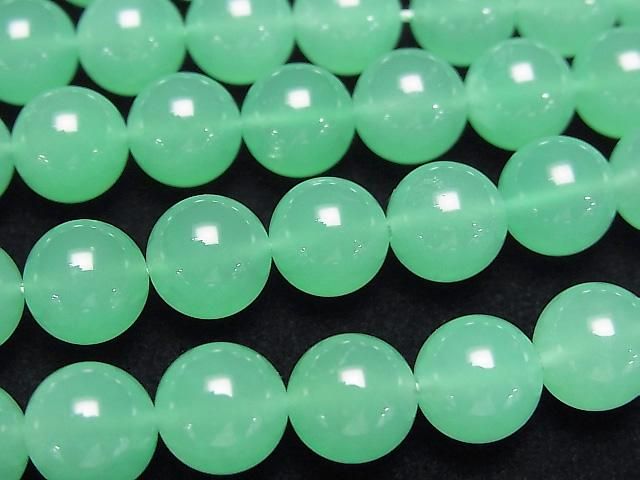
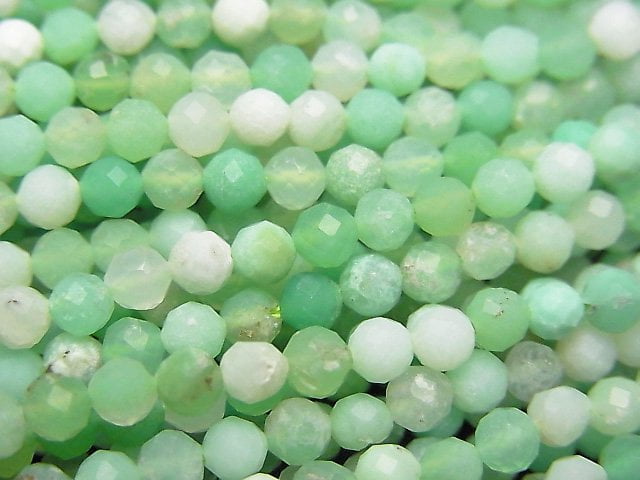
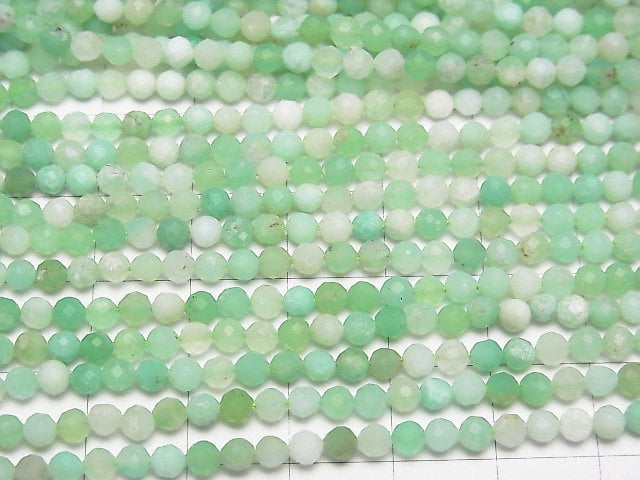
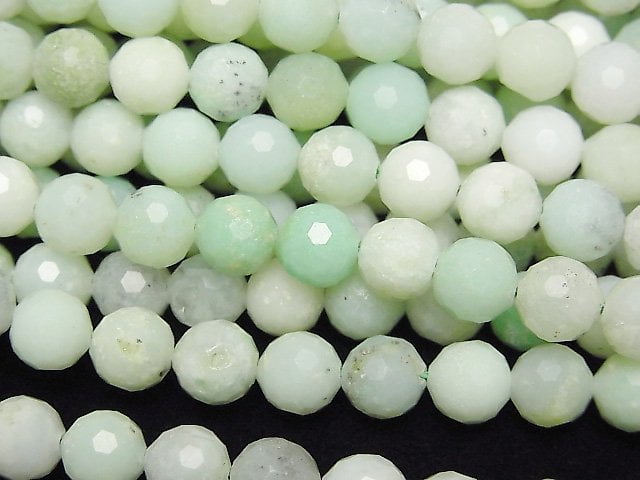
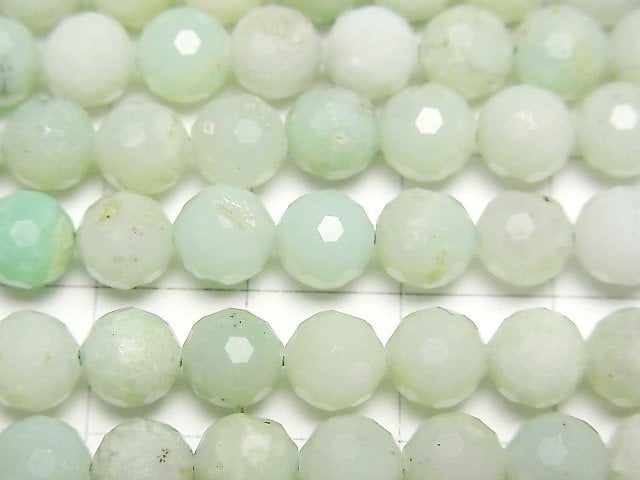
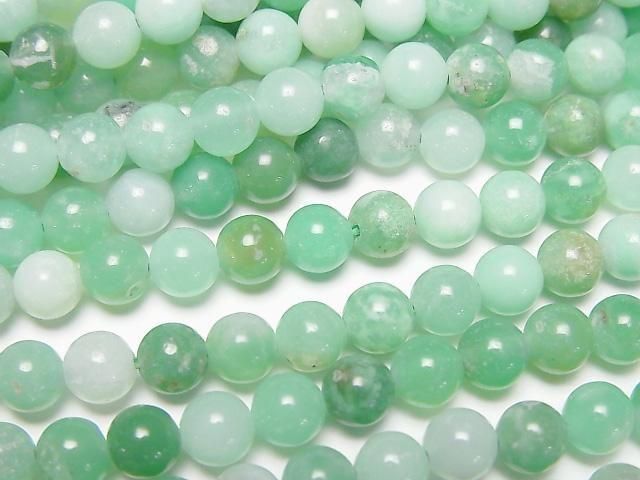
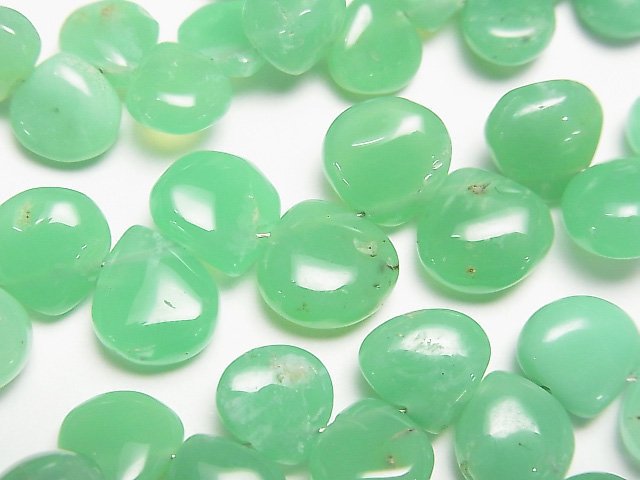
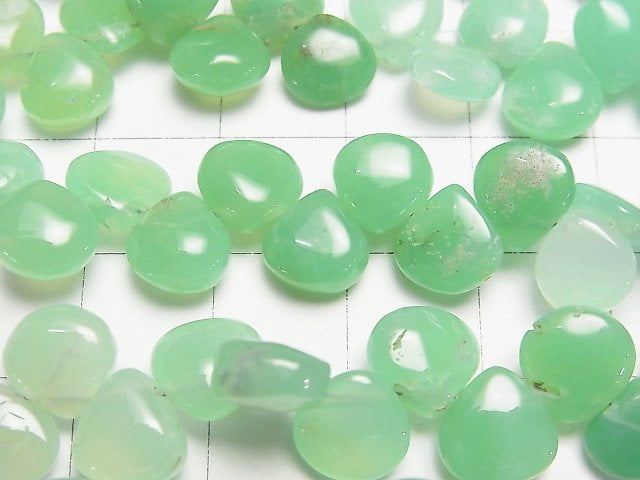
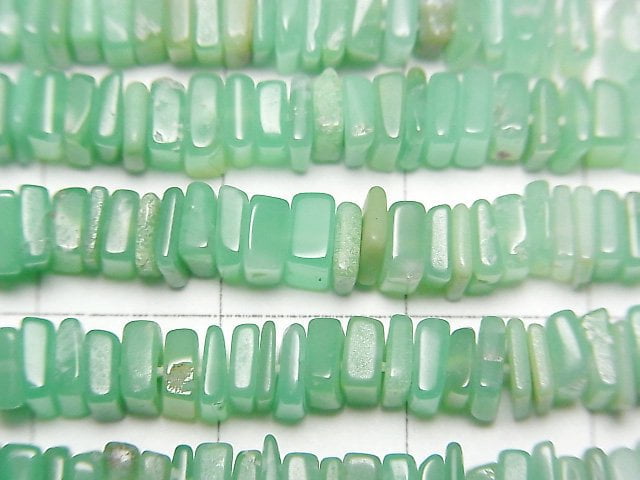
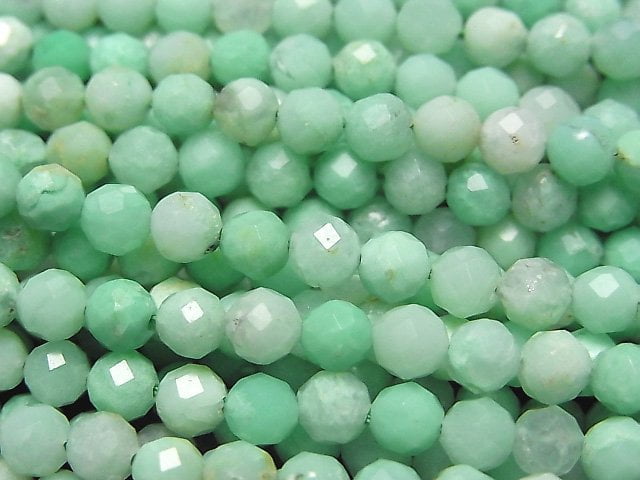
- 13. Choosing Chrysoprase Beads and Slabs for Jewelry Making
- 14. Chrysoprase FAQ
- 14-1. What is chrysoprase good for?
- 14-2. Is chrysoprase the same as jade?
- 14-3. Is chrysoprase rare?
- 14-4. How can you tell if chrysoprase is real?
- 14-5. Is lemon chrysoprase real chrysoprase?
- 14-6. Does chrysoprase fade?
- 14-7. Can chrysoprase go in water?
- 14-8. What chakra and zodiac sign is chrysoprase associated with?
- 15. Chrysoprase for Sale at KenKenGems

What Is Chrysoprase?
Chrysoprase is an apple-green variety of chalcedony, a cryptocrystalline (microcrystalline) form of quartz whose crystals are too small to see even under normal magnification. It belongs to the same mineral family as agate, carnelian, and onyx, but unlike those banded stones, chrysoprase is prized for its pure, even green color. It is widely regarded as one of the most valuable of all the chalcedonies.

What makes chrysoprase green? Unlike emerald, whose color comes from chromium, chrysoprase owes its color to trace amounts of nickel compounds dispersed through the quartz. This makes it one of very few gemstones colored by nickel—a genuinely uncommon trait in the gem world. Because it is cryptocrystalline, chrysoprase takes a smooth polish and is most often cut as cabochons, beads, and carvings rather than faceted gems.
Chrysoprase quick facts:
- Mineral family: Chalcedony (cryptocrystalline quartz)
- Chemical formula: SiO2 (silicon dioxide)
- Color: Apple green to deep green; also minty and lemon-yellow material
- Cause of color: Trace nickel compounds
- Mohs hardness: 6.5–7
- Birthstone: An alternative birthstone for May
- Chakras (in crystal lore): Heart and solar plexus
- Zodiac (in tradition): Libra
You may also see the older spellings *chrysophrase* and *chrysoprasus*—all refer to the same stone.
Chrysoprase Meaning and Symbolism
In gemstone tradition, chrysoprase has symbolized joy, optimism, and fresh starts for more than two thousand years. Its name comes from the Ancient Greek *chrysos* ("gold") and *prason* ("leek"), a nod to its golden-green hue. Across cultures it has been carried as a token of good fortune and worn as a protective talisman.
The stone's soft, living green is why so many of its traditional meanings center on the heart, renewal, and hope. In crystal lore it is often called a stone of new beginnings—associated with letting go of the past and moving forward with a lighter outlook. These are cultural and spiritual associations rather than scientifically demonstrated effects.

The History of Chrysoprase
Stones matching chrysoprase appear in the records of ancient Egypt, Greece, and Rome, where the material was carved into seals, signets, and jewelry. According to legend, Alexander the Great wore chrysoprase into battle, believing it would keep him safe—one story claims his fortunes turned after he lost the stone in a river.
Centuries later, Frederick the Great of Prussia set chrysoprase in his ring and crown, and the stone decorated grand European interiors, including inlaid tables at Sanssouci Palace in Potsdam and decorative elements at St. Wenceslas Cathedral in Prague, which survive to this day. Much of that early European material came from the Szklary deposit in Lower Silesia, Poland, mined from the Middle Ages onward and historically Europe's largest chrysoprase source.
Chrysoprase saw major revivals during the 18th-century classicist era, in Art Nouveau jewelry around 1900, and again in fine jewelry during the 1980s—when the discovery of rich Australian material renewed interest worldwide.
Chrysoprase Properties
Chrysoprase is durable enough for everyday jewelry, with a Mohs hardness of about 6.5–7 and no cleavage. As a cryptocrystalline quartz it is tough and takes a smooth, waxy polish. Its key gemological properties are summarized below.
| Property | Chrysoprase |
|---|---|
| Mineral class | Chalcedony (cryptocrystalline quartz) |
| Chemical formula | SiO2 (silicon dioxide) |
| Crystal system | Trigonal (microscopic quartz crystals) |
| Mohs hardness | 6.5 – 7 |
| Specific gravity | 2.58 – 2.64 |
| Luster | Waxy to greasy; vitreous when polished |
| Fracture | Conchoidal |
| Transparency | Translucent to nearly opaque |
| Cause of color | Trace nickel compounds |
| Common cuts | Cabochons, beads, slabs, carvings |
Because chrysoprase is cryptocrystalline, it takes a smooth polish but rarely a mirror-like faceted finish, which is why most chrysoprase is cut as cabochons, beads, hearts, and carvings. Faceted chrysoprase exists but is uncommon and commands a premium.
Translucency matters: semi-transparent stones that seem to glow when held to the light are the most prized, while opaque material with visible inclusions is more affordable and widely used for beads and carvings.

Chrysoprase Colors, Types, and Varieties
Chrysoprase ranges from minty blue-green to deep apple green, and each shade has its own character and market value. A few related trade names are attached to green material that is not always true chrysoprase—so knowing the terms helps you buy with confidence.
- Apple-green chrysoprase: The classic, most sought-after color—a vivid, even green with no brown or gray. Top-grade Australian material defines this standard.
- Deep green (prase): Darker stones are sometimes called *prase*, though that ancient term is loosely applied to many green quartzes and is not exclusive to chrysoprase.
- Minty or bluish green: Lighter, cooler tones; a slight blue secondary hue is generally considered more desirable than a yellowish one.
- Yellow chrysoprase (citron/lemon chrysoprase): A yellow-green material widely sold under these names. Much of it is actually nickel-bearing magnesite, not chalcedony, so it is softer (Mohs ~3.5–4.5) and priced lower. "Lemon magnesite" is the more accurate name; reputable sellers disclose this distinction.
Chrome chalcedony (mtorolite) looks similar but is colored by chromium instead of nickel and is classified as a separate gem variety. Likewise, Aquaprase™ is a trademarked blue-green chalcedony from Africa—a different named material, not chrysoprase. When a green chalcedony has been color-enhanced, it should be described as dyed green chalcedony, not chrysoprase (see the identification section below).
Where Is Chrysoprase Found?
Australia is the world's leading source of gem-quality chrysoprase today. The Marlborough district in Queensland produces the vivid, stable apple-green material that sets the market standard—which is why fine chrysoprase is sometimes nicknamed "Australian jade." New South Wales, South Australia, and Western Australia are other producers.
Other notable sources include:
- Poland: The historic Szklary deposit in Lower Silesia, Europe's largest early source.
- Tanzania: The Haneti deposits in central Tanzania, in steady production since the 1980s.
- Indonesia: An increasingly important source of commercial-grade material.
- Brazil, Kazakhstan, Russia, India, Madagascar: Additional commercial sources.
- United States: Smaller deposits occur in California and Arizona.
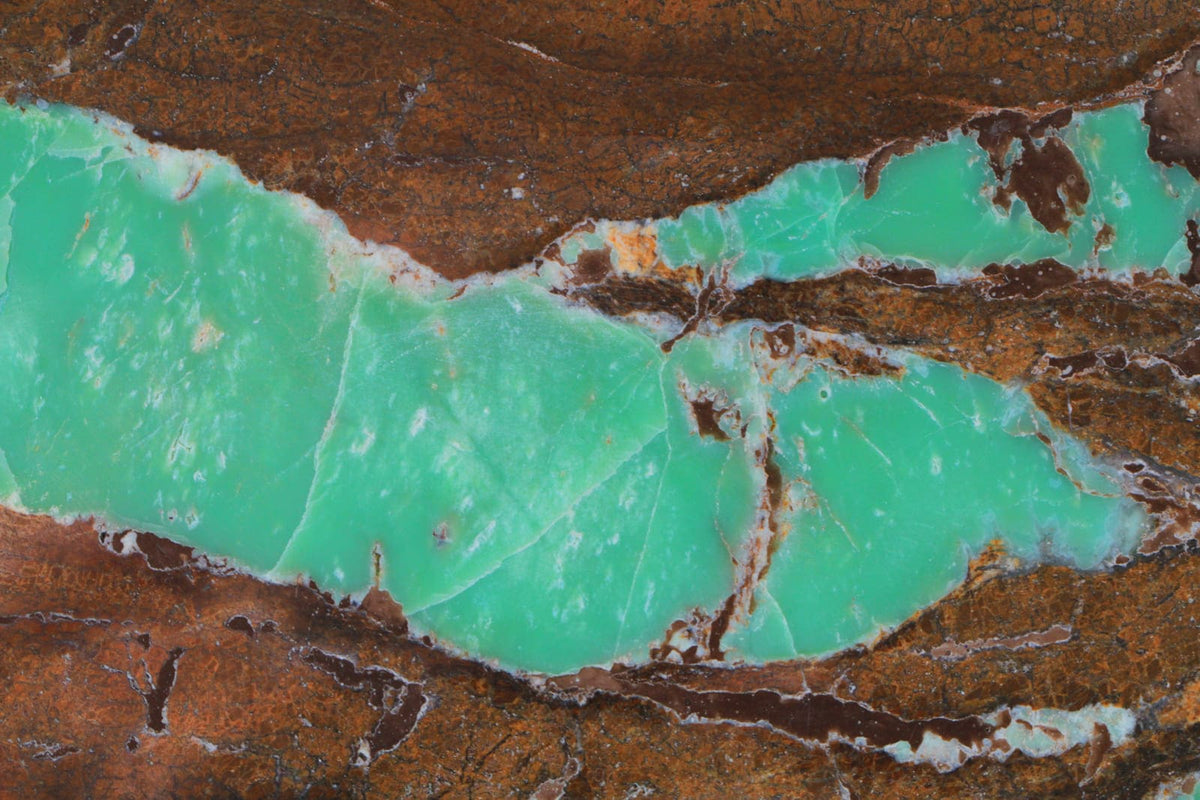
Chrysoprase typically forms where nickel-rich rocks such as serpentinite and peridotite weather deeply, so deposits are often found near nickel-mining regions—usually as veins and fracture fillings only a few centimeters wide. Gem-grade material with even, saturated color remains genuinely scarce, and chrysoprase is mined by the kilogram rather than the ton.

Chrysoprase Healing Properties (Traditional Beliefs)
In crystal-healing tradition, chrysoprase is described as a nurturing, heart-centered stone. The following are traditional and spiritual beliefs, not medical claims, and are shared here for cultural interest only:
- Emotional comfort: traditionally associated with releasing old hurts and encouraging forgiveness and a positive outlook.
- Joy and optimism: long considered, in folklore, a stone of happiness, hope, and new beginnings.
- Calm: its gentle green color is linked in color-symbolism traditions to a sense of relaxation and balance.
- Self-acceptance: said in lore to support compassion toward oneself and others.
These are traditional beliefs, not medical claims. Chrysoprase is not a treatment for any physical or mental health condition and should never replace professional care. If you have any health concern, please consult a qualified healthcare provider.
*A safety note on "gem water":* we do not recommend drinking water in which chrysoprase (or any nickel-bearing stone) has been soaked. If you enjoy crystal rituals involving water, use the indirect method—place the stone outside a sealed glass container—so it never contacts your drinking water.

Chrysoprase Metaphysical Properties, Chakra, and Zodiac
In metaphysical tradition, chrysoprase is known as a stone of good luck, prosperity, love, and new beginnings. Practitioners have long associated it with a hopeful, forward-looking mindset—qualities said in lore to be strongest when the stone is set in silver. These associations are matters of belief and cultural tradition.
Chakra associations: Chrysoprase is linked primarily to the heart chakra, the traditional center of love, compassion, and emotional balance. Many practitioners also connect it to the solar plexus chakra, associating the stone with confidence and the drive to act on what the heart desires.
Zodiac sign: Chrysoprase is most closely associated with Libra, and some traditions also link it to Taurus and Gemini. It is recognized as an alternative May birthstone, alongside emerald.
How people traditionally use chrysoprase:
- Wear it as a necklace or bracelet to keep it near the heart
- Hold or place it during meditation focused on release and renewal
- Keep a piece in a workspace as a personal reminder of optimism and fresh starts
*As with all metaphysical properties, these are matters of tradition and personal belief rather than scientific fact—not medical claims.*

Natural vs. Dyed Chrysoprase: How to Tell the Real Stone
Genuine chrysoprase gets its color naturally from nickel, and fine natural material is scarce. Because of that, a large amount of dyed green chalcedony or dyed agate is sold—sometimes honestly, sometimes labeled simply as "chrysoprase." Under the U.S. FTC Jewelry Guides, any color treatment such as dyeing should be disclosed, and green chalcedony that has been dyed is most accurately called dyed green chalcedony, not chrysoprase. Here is how to tell the difference:
- Check the color pattern: Genuine chrysoprase usually shows slightly uneven, natural color with soft variation. Dyed material often looks unnaturally uniform, and dye can concentrate along surface cracks.
- Consider the price: Vivid apple-green stones sold extremely cheaply are a red flag—top-color natural chrysoprase is not inexpensive.
- Watch for glass: Glass imitations may contain tiny round gas bubbles and can feel warmer to the touch than stone.
- Know the trade names: "Lemon chrysoprase" is usually nickel magnesite, and "Australian jade" is chrysoprase, not jade. Honest sellers state the actual mineral.
- Ask about treatment: A reputable supplier will tell you whether material is natural or dyed. At KenKenGems we label our chrysoprase accurately and disclose any treatment.
There is no known lab-grown (synthetic) chrysoprase in commercial trade; the main concerns are dyeing and misnaming, not synthesis. When in doubt, buy from a seller who will name the exact mineral and any treatment in writing.
Chrysoprase vs. Jade, Aventurine, and Emerald
Chrysoprase is often confused with other green stones—especially jade, since it is marketed as "Australian jade." They are entirely different minerals. This table shows how chrysoprase compares with the green gems shoppers most often mix it up with:
| Stone | Mineral | Colored by | Mohs | Typical look |
|---|---|---|---|---|
| Chrysoprase | Chalcedony (quartz) | Nickel | 6.5–7 | Even apple-green, waxy, translucent to opaque |
| Jadeite jade | Pyroxene | Chromium / iron | 6.5–7 | Subtle color zoning, dense texture |
| Nephrite jade | Amphibole | Iron | 6–6.5 | Fibrous, often darker or creamier green |
| Green aventurine | Quartz (with fuchsite) | Chromium mica flecks | 6.5–7 | Sparkly (aventurescence), often mottled |
| Emerald | Beryl | Chromium / vanadium | 7.5–8 | Transparent, crystalline, included |
The quickest tells: emerald is transparent and crystalline; green aventurine shows a glittery shimmer from tiny mica flecks; jade has a denser, more granular or fibrous texture; and fine chrysoprase shows a smooth, even, waxy green. If you are comparing green gemstones for a design, our guides to aventurine, jade, and malachite can help you weigh the options.
How Much Is Chrysoprase Worth?
As a general guide, chrysoprase prices range from a few dollars per carat for commercial-grade material to roughly $20–$30 USD per carat for fine large stones, and exceptional top-color Australian material can command well over $100 per carat. Finished chrysoprase jewelry typically retails from about $30 to a few hundred dollars depending on the setting. Prices vary with the market, so treat these as approximate ranges rather than fixed quotes.
Four factors drive chrysoprase value:
- Color: A vivid, even apple green with no brownish or yellowish secondary hue is the top grade. Slight bluish hues are acceptable; yellow or gray tones lower value.
- Translucency: Semi-transparent stones that glow with internal light command clear premiums over opaque material.
- Size: Fine color becomes increasingly rare above about 10 carats, so large top-grade pieces carry steep premiums.
- Origin: Australian material—especially from Queensland's Marlborough district—commands a premium for its color stability and saturation.
For jewelry makers, this pricing structure is good news: bead-, slab-, and cabochon-grade chrysoprase delivers the stone's signature green at accessible wholesale prices, while investment-grade gem material occupies a separate market tier.
How to Care for Chrysoprase
Chrysoprase is easy to care for: clean it with mild soap, warm water, and a soft brush, then pat it dry. Avoid harsh chemicals, ultrasonic cleaners on heavily included stones, and all steam cleaning.
Heat and sunlight: Keep chrysoprase away from prolonged heat and direct sun. Some material—particularly European-origin stones and dyed pieces—can fade or dry out with extended sun or heat exposure, while fine natural Australian chrysoprase is known for more stable color. Take special care during jewelry repair, since a jeweler's torch can fade the color. If a stone does fade, storing it with a damp cloth in a dark place is a traditional remedy some collectors use to help it regain color.
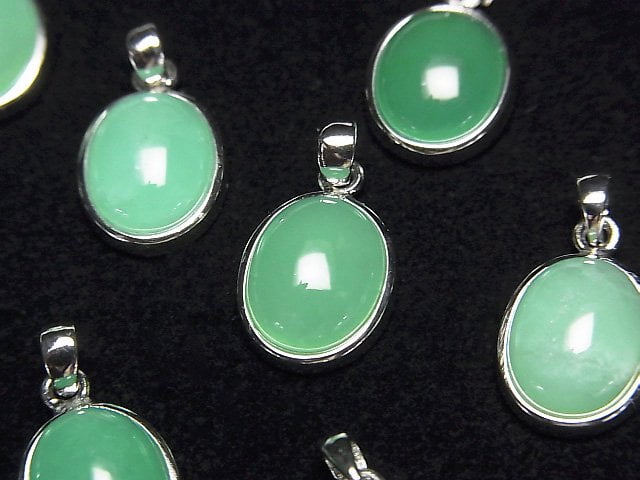
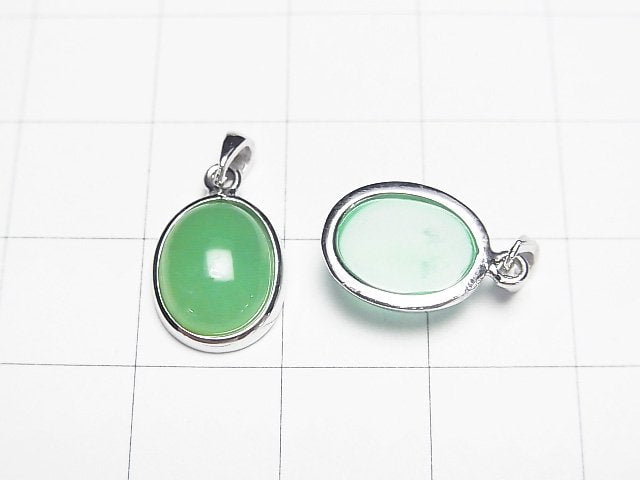
Everyday wear: With a hardness of 6.5–7 and no cleavage, chrysoprase suits necklaces, earrings, and bracelets well. For rings, choose a protective setting such as a bezel, since airborne dust (which contains quartz) can slowly scratch stones softer than 7. Put jewelry on after applying perfume, hairspray, or lotion, and store pieces separately from harder gems like sapphire or topaz to prevent scratches.
Choosing Chrysoprase Beads and Slabs for Jewelry Making
For jewelry designers and lapidary artists, chrysoprase offers a rare combination: a prestigious gem-quality green at bead- and slab-friendly prices. Here is what to look for.
Common bead sizes:
- 4mm (about 5/32"): delicate stacking bracelets, spacers
- 6mm (about 1/4"): everyday necklaces and bracelets
- 8mm (about 5/16"): statement strands, mala-style designs
- 10mm (about 3/8") and up: bold focal strands
Most strands run approximately 15.5 inches (about 39 cm).
Slabs and rough: Chrysoprase slabs let cutters choose their own cabochons and inlay pieces. Look for even color across the slab and check both faces for hidden fractures, since chrysoprase often forms as thin vein fillings. Because natural color can vary from lot to lot, buy slabs and matching strands from the same lot at the same time—reordering later rarely yields an exact match.
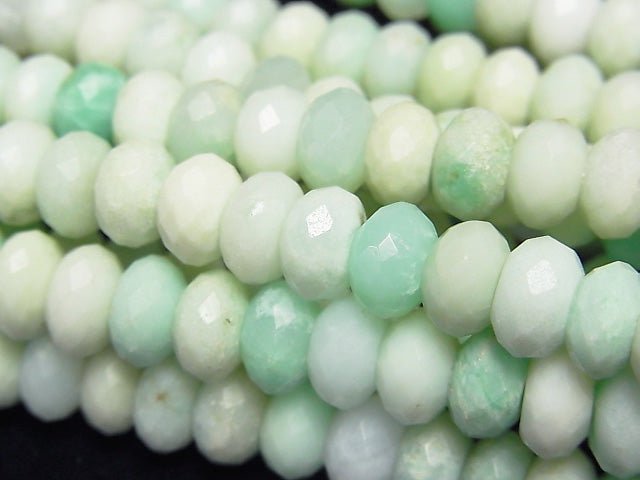
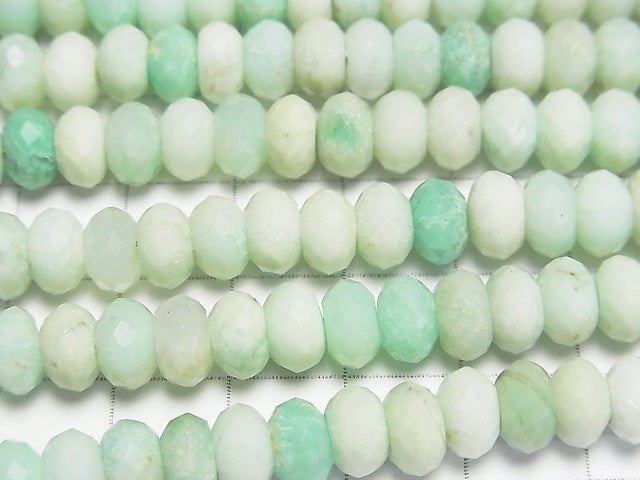
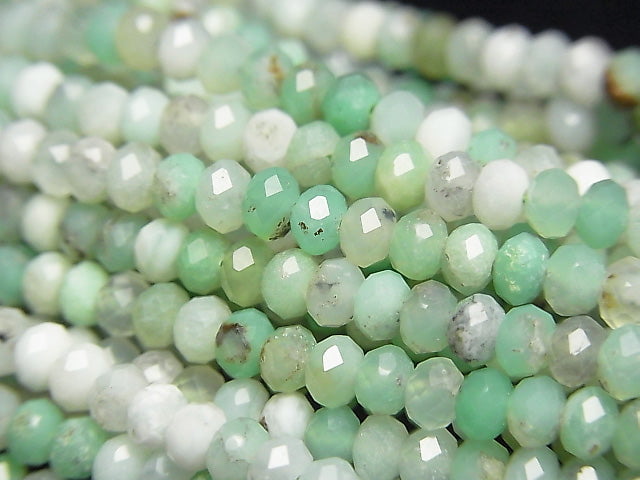
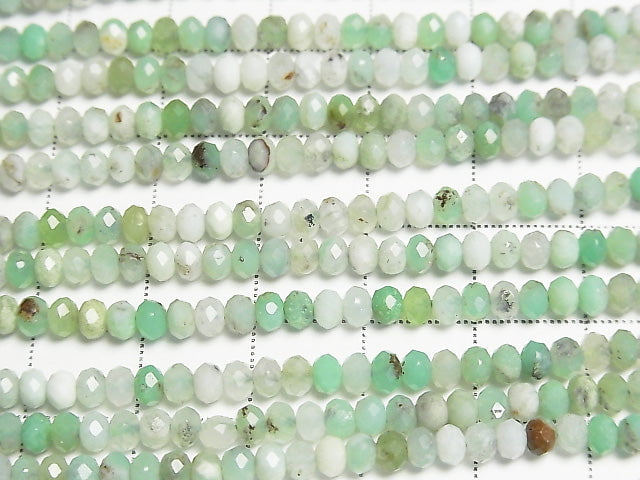
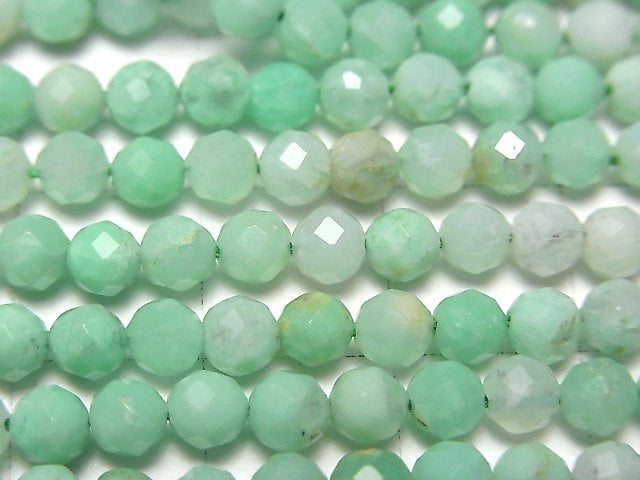
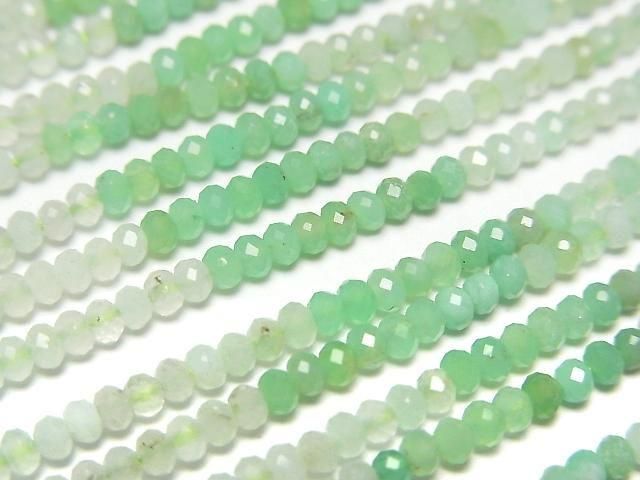
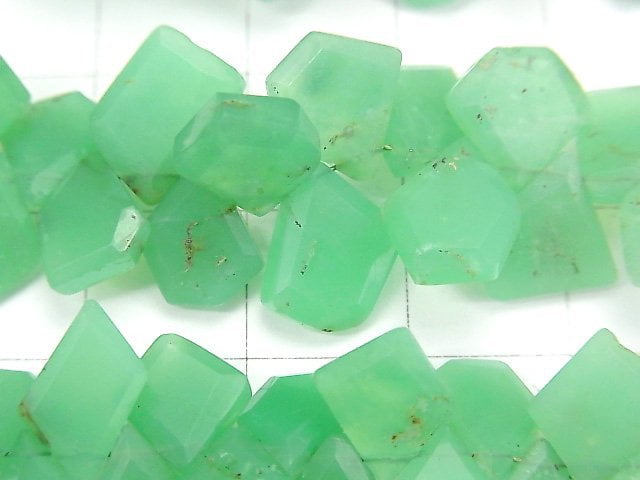
Shapes: Smooth rounds and faceted rondelles are the staples; nuggets, chips, cabochons, and slab-cut cabs suit organic, raw-look designs. Because chrysoprase is rarely faceted as a gemstone, faceted beads showcase its glow at a fraction of faceted-gem prices.
- Design pairings: Apple green pairs beautifully with gold and gold vermeil for a luxe look, with sterling silver for a fresh, modern feel, and with white gems like moonstone or freshwater pearls for contrast.
- Durability: At Mohs 6.5–7, chrysoprase holds up well in necklaces, earrings, and most bracelets; for heavy-wear designs, knotting between beads reduces abrasion.
Chrysoprase FAQ
What is chrysoprase good for?
Practically, chrysoprase is a durable, attractive green stone that is excellent for everyday jewelry. In crystal tradition it is associated with optimism, forgiveness, and new beginnings—these are traditional beliefs, not medical facts.
Is chrysoprase the same as jade?
No. Chrysoprase is a nickel-colored variety of chalcedony (quartz), while jade refers to two different minerals, jadeite and nephrite. The nickname "Australian jade" describes chrysoprase's jade-like look, not its identity.
Is chrysoprase rare?
Commercial-grade chrysoprase is widely available, but gem-grade material with vivid, even apple-green color and good translucency is genuinely scarce—especially in sizes above 10 carats.
How can you tell if chrysoprase is real?
Look for natural, slightly varied color; dyed green chalcedony tends to be unnaturally uniform, and glass may show tiny bubbles. Suspiciously cheap vivid-green stones warrant questions. Buy from suppliers who disclose the mineral name and any treatment.
Is lemon chrysoprase real chrysoprase?
Usually not. Most "lemon" or "citron chrysoprase" is nickel-bearing magnesite, a softer material more accurately called lemon magnesite. It is attractive and legitimate to sell, but it should be named accurately.
Does chrysoprase fade?
It can. Prolonged heat and direct sunlight may fade some chrysoprase—particularly dyed pieces and certain European-origin material—while fine natural Australian stone is more color-stable. Store it away from heat and strong sun.
Can chrysoprase go in water?
Brief contact during cleaning is fine—wash it with mild soap and warm water. Avoid long soaking, and do not drink water in which the stone has been immersed, as chrysoprase contains nickel compounds.
What chakra and zodiac sign is chrysoprase associated with?
In tradition, chrysoprase is linked to the heart chakra (and secondarily the solar plexus) and to the zodiac sign Libra. It is also an alternative May birthstone.
Chrysoprase for Sale at KenKenGems
Ready to work with chrysoprase? KenKenGems supplies natural chrysoprase beads, strands, slabs, cabochons, and loose stones at wholesale prices, shipped worldwide from Japan. Every listing states the stone's actual identity and any treatment, so you always know exactly what you are buying.
Browse our chrysoprase collection to find rounds, rondelles, nuggets, and slabs in sizes from delicate 4mm (5/32") accents to bold statement beads—all selected for the even green color that makes this stone a designer favorite.