
TOC
- 1. What Is Iolite?
- 2. Iolite Meaning & Symbolism
- 3. The History of Iolite: The Viking's Compass
- 4. Iolite Physical & Chemical Properties
- 5. Pleochroism: Iolite's Signature Feature
- 6. Iolite Colors & Varieties
- 7. Where Is Iolite Found? Iolite Deposits
- 8. Iolite vs. Sapphire, Tanzanite & Amethyst
- 9. Iolite Value & How to Buy
- 10. Iolite Metaphysical & Spiritual Properties
- 10-1. Iolite and the Third-Eye Chakra
- 11. How to Care for Iolite
- 12. How to Identify Iolite
- 13. Frequently Asked Questions About Iolite
- 13-1. What is an iolite crystal?
- 13-2. Is iolite the same as cordierite?
- 13-3. Is iolite a real sapphire?
- 13-4. What is iolite's pleochroism?
- 13-5. What does iolite mean spiritually?
- 13-6. Which chakra is iolite?
- 13-7. How hard and durable is iolite?
- 13-8. Can iolite get wet, and how do I clean it?
- 13-9. Is iolite expensive?
- 14. Shop Iolite at KenKenGems
![Hochwertiger Iolith AA++ Tropfen facettiert Briolette [mittel-dunkle Farbe] halb oder 1Strang Perlen (ca. 6 Zoll/16 cm)](http://store.kenkengems.com/cdn/shop/files/192049870.jpg?crop=center&height=400&v=1782839681&width=400)
What Is Iolite?
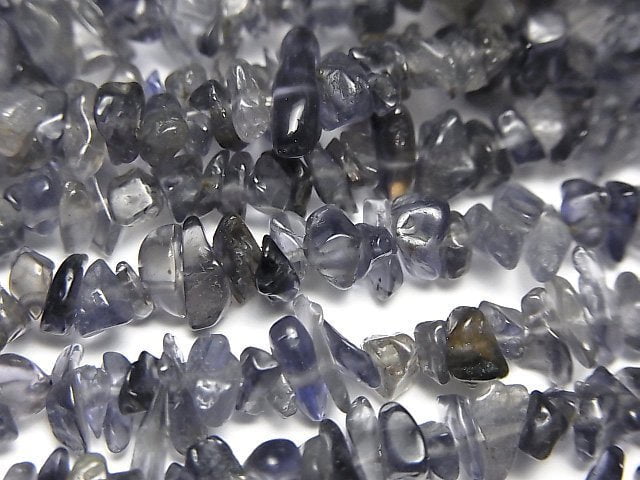
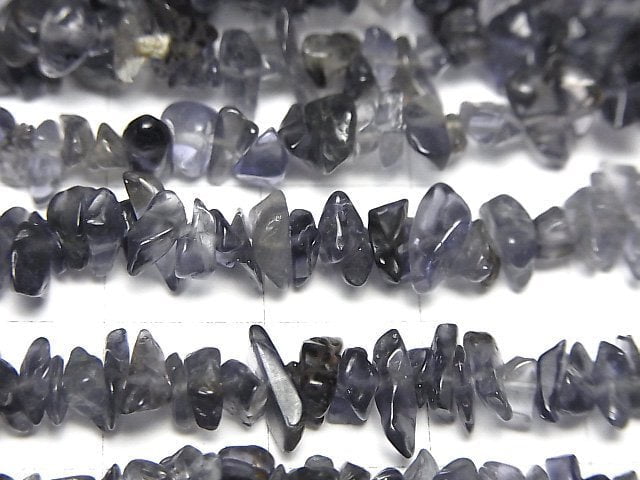
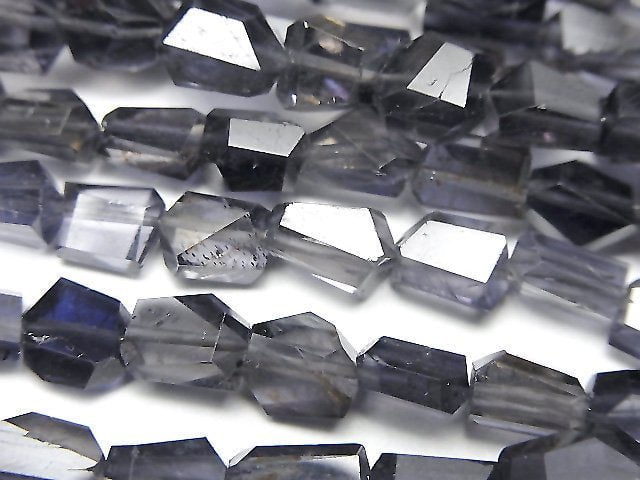
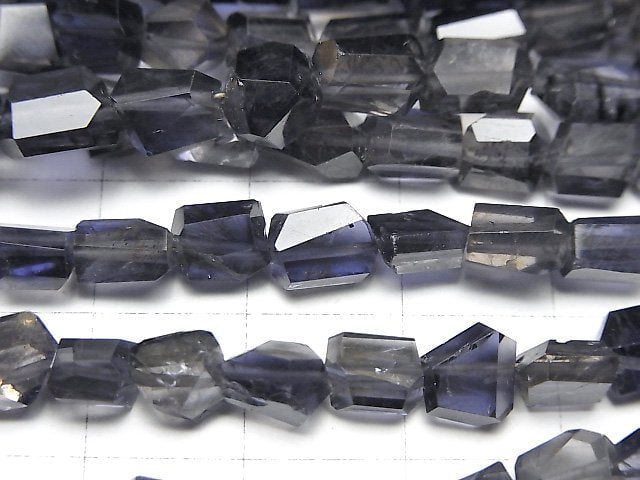
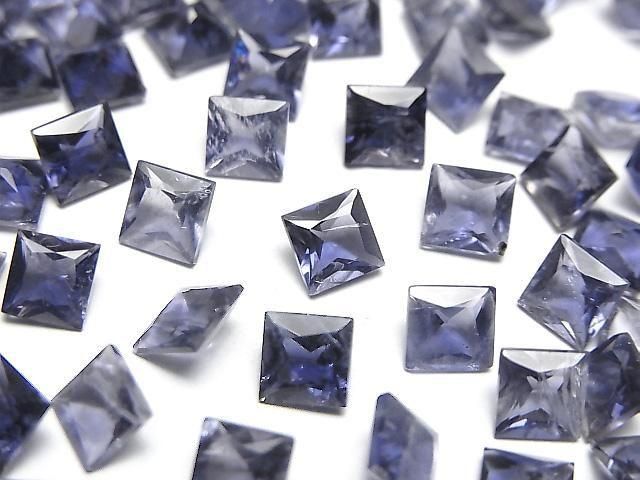
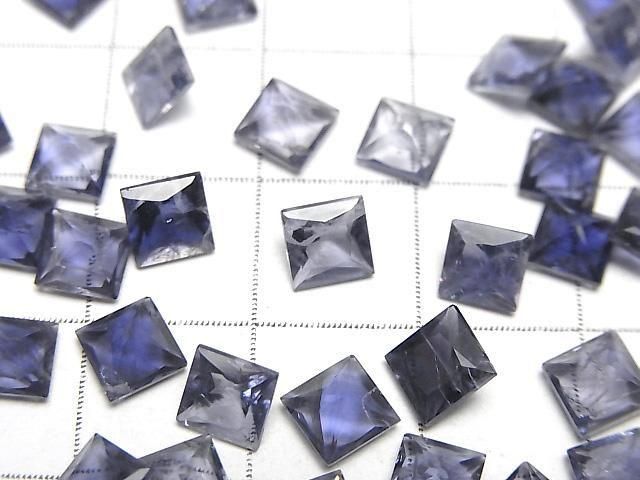
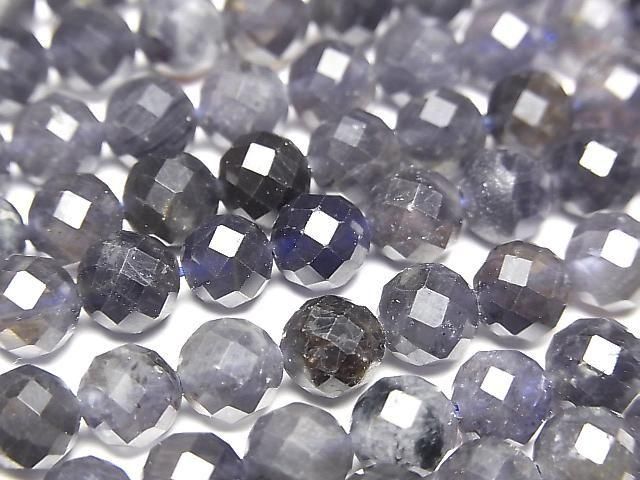
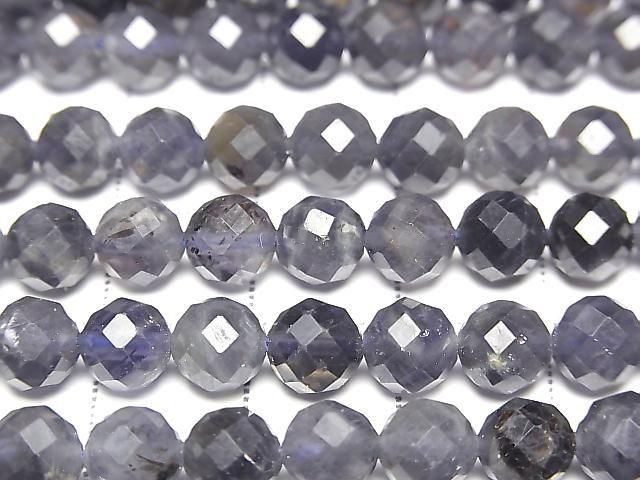
Iolite is a violet-to-blue gemstone whose correct name is iolite — the gem variety of the mineral cordierite. An iolite crystal is best known for one dramatic trick of the light: pleochroism, the way a single stone can show two or three different colors depending on the angle you view it from. Because a fine iolite can look richly violet-blue, it is often chosen as an affordable, sapphire-like blue gem.
You may also see iolite sold under older trade nicknames such as water sapphire, lynx sapphire, dichroite, or violet stone. These are nicknames only. Iolite is not a sapphire (which is the mineral corundum); it is cordierite, a softer and much more affordable material. We use the correct name, iolite (cordierite), throughout this guide and note the nicknames only for reference.
- Gem name: iolite
- Mineral name: cordierite (a magnesium-iron aluminosilicate)
- Signature feature: strong pleochroism (color shift by viewing angle)
- Typical colors: violet-blue and blue, shading to near-colorless
- Not a sapphire: the nicknames "water sapphire" and "lynx sapphire" describe color only

Iolite Meaning & Symbolism
The meaning of iolite is tied to vision, direction, and clear sight — a natural fit for a gem linked in legend to the Viking navigators who used it to find the sun. In crystal tradition, iolite is nicknamed the "stone of the muses" and a stone of finding your way, and its deep blue-violet color is associated with imagination and inner focus.
In folklore, an iolite crystal is described as a companion for people navigating change, creative work, or a new direction — something to hold while you gather your thoughts. These are traditional cultural and spiritual associations, not medical claims, and they are a big part of why iolite is so meaningful to collectors and crystal enthusiasts.
The History of Iolite: The Viking's Compass
Iolite's story is inseparable from the sea. The gem name comes from the Greek *ios* (violet) and *lithos* (stone), while the mineral name cordierite honors the French geologist Louis Cordier, who studied its color-shifting behavior. As a mineral, cordierite was first described in the early 1800s.
Most famously, iolite is remembered as the "Viking's Compass." Scandinavian legend — and later study — suggests that Norse navigators used thin slices of the stone as a polarizing filter to locate the sun through cloud and haze, and the Icelandic sagas of Leif Erikson's voyages toward North America are often linked to the tale. This is a historical and cultural story about how iolite has been valued; it is not a claim about what the stone can do today.

Iolite Physical & Chemical Properties
An iolite crystal is the gem form of cordierite, a magnesium-iron aluminosilicate that grows as prismatic crystals with a rectangular cross-section. It is usually transparent to translucent with a glassy (vitreous) luster, and some stones show a cat's-eye effect. Perfectly clean iolite is uncommon; most stones carry inclusions, and tiny particles of zircon and apatite can create characteristic yellow sparks that are a sign of genuine iolite. Its standout property, though, is strong pleochroism.
| Property | Detail |
|---|---|
| Gem / mineral | Iolite (gem name) / cordierite (mineral name) |
| Chemical formula | (Mg,Fe)₂Al₄Si₅O₁₈ |
| Mineral class | Magnesium-iron aluminosilicate (cyclosilicate) |
| Crystal system | Orthorhombic |
| Crystal habit | Prismatic |
| Hardness (Mohs) | 7 – 7.5 |
| Cleavage | Distinct in one direction — protect from sharp knocks |
| Specific gravity | 2.57 – 2.66 |
| Refractive index | approx. 1.53 – 1.58 |
| Luster | Vitreous (glassy) |
| Transparency | Transparent to translucent |
| Key optical effect | Strong pleochroism (dichroism / trichroism) |
| Colors | Violet-blue and blue to near-colorless |

Pleochroism: Iolite's Signature Feature
If iolite has one calling card, it is pleochroism — the ability of a single crystal to show different colors from different directions. Iolite is so strongly pleochroic that it was once called dichroite, from the Greek for "two-colored." Look down one axis and a fine stone glows deep violet-blue; turn it 90 degrees and it can fade to a smoky, watery pale blue or nearly colorless; along a third direction it may look pale yellow-grey.
This is a real optical property, not a treatment or an effect that fades. It happens because cordierite absorbs light differently along each of its crystal directions. For cutters it is both a challenge and an opportunity:
- Cutting matters: the stone must be oriented so the richest violet-blue faces up through the table. A poorly oriented iolite looks washed out.
- A built-in ID test: rotate an iolite in good light and you will see the color shift — a quick, reliable clue that a blue stone really is iolite and not glass or a lookalike.
- A selling point: the living, angle-dependent color is exactly why collectors love iolite.
Iolite Colors & Varieties
Gem-quality iolite ranges from statement violet to deep, saturated blue, and thanks to pleochroism a single faceted stone can shift toward near-colorless as you turn it. Several trade names describe these looks. Note that names containing the word "sapphire" refer to color only — iolite is cordierite, not sapphire. Notable varieties include:
- Water sapphire — a nickname for lighter, water-blue iolite (not a true sapphire).
- Lynx sapphire — a nickname for deep-blue iolite (not a true sapphire).
- Bloodshot iolite — cherry-red flashes from lepidocrocite inclusions, with sparkling aventurescence.
- Iolite sunstone — iolite intergrown with sunstone, blue or purple on one side and yellow-orange on the other.
- Ink iolite — very dark, almost black stones.

Where Is Iolite Found? Iolite Deposits
Iolite is a semi-precious gemstone mined in several parts of the world. Some of the most admired material — noted for luster, color intensity, and large crystals up to about 12 cm — comes from Norway, with stones also mined in Russia. Other significant sources include Brazil, the United States, and Canada, while Tanzania, India, Namibia, and Madagascar supply stones of excellent clarity and color. The rare bloodshot iolite is associated with Sri Lanka.

Iolite vs. Sapphire, Tanzanite & Amethyst
Iolite is often shopped alongside other blue and violet gems. The table below shows why iolite stands on its own — and why, despite the "water sapphire" nickname, it is a distinct, more affordable stone than sapphire.
| Gem | Mineral | Mohs | What sets it apart | Relative price |
|---|---|---|---|---|
| Iolite (cordierite) | Cordierite | 7 – 7.5 | Strong pleochroism: violet-blue to near-colorless by angle | Affordable |
| Sapphire | Corundum | 9 | Much harder; weak pleochroism; premium blue | Premium |
| Tanzanite | Zoisite | 6 – 7 | Blue-to-purple pleochroism but softer and pricier | Higher |
| Amethyst | Quartz | 7 | Purple, but lacks iolite's blue directional flash | Affordable |
In short: sapphire is harder and far more expensive; tanzanite shares the color-shift idea but is softer and costlier; amethyst is purple but has no blue flash. Iolite delivers a rich, sapphire-like blue with unique pleochroism at a friendly price.
Iolite Value & How to Buy
Iolite is valued as an affordable way to enjoy a sapphire-like blue. As with any gem, quality and price come down to a few factors:
- Color: the most prized iolite shows a deep, even violet-blue face-up. Stones that look pale or grey from the top are less valuable.
- Clarity: cleaner stones command more, though light inclusions are normal and can help confirm natural iolite.
- Cut & orientation: a well-oriented cut that puts the best pleochroic color up is essential to an iolite's beauty.
- Size: clean, richly colored iolite in larger sizes is less common and priced accordingly.
Iolite is generally not routinely treated, which is part of its appeal. Even so, a reputable seller should always disclose any treatment (such as fracture filling) and be able to describe a stone's origin. When you buy, ask about both — clear, honest disclosure is the standard we hold ourselves to.

Iolite Metaphysical & Spiritual Properties
Among its traditional metaphysical properties, iolite is described in crystal lore as a stone of emotional balance and creative vision. Folklore says it helps steady the emotions, dispel fear, and find a way out of difficult situations, while its "stone of the muses" nickname ties it to imagination and thinking outside the box. It is also traditionally linked to harmony in relationships.
In crystal-healing tradition, people simply hold or gaze at an iolite crystal to encourage a few quiet, focused minutes — a mindful pause rather than a treatment. Any sense of calm is a personal experience, not a property of the stone itself.
*These are traditional beliefs, not medical claims. Iolite and other crystals are not medicine: they cannot diagnose, treat, cure, or prevent any illness, and they are not a substitute for professional medical or mental-health care. Do not make or drink "crystal-infused water" as a remedy; minerals can contain unsafe elements.*

Iolite and the Third-Eye Chakra
Iolite's blue-violet color connects it, in crystal tradition, to the third-eye chakra (Ajna) — the center associated in that tradition with intuition and imagination. Practitioners may place an iolite crystal on the brow during meditation or keep it nearby while journaling or planning, as a focus for reflection. As with all crystal lore, these are traditional beliefs rather than proven effects.
How to Care for Iolite
Iolite is durable enough for everyday jewelry at 7–7.5 on the Mohs scale, but it has a distinct cleavage direction, so a sharp knock can chip or split a stone. A little care keeps an iolite crystal looking its best:
- Clean gently: warm water, mild soap, and a soft brush or cloth. Rinse and dry.
- Avoid harsh chemicals: keep iolite away from bleach, acids, and strong solvents.
- Skip ultrasonic and steam cleaners: vibration and heat can be risky for a stone with cleavage.
- Store separately: harder gems can scratch iolite, so keep it in its own pouch or compartment.
- Protect from hard blows: remove iolite rings for sports, gardening, or heavy chores.
- Do not drink "crystal water": never soak iolite to make water for drinking.
How to Identify Iolite
A few simple checks help confirm a genuine iolite crystal and tell it apart from lookalikes:
- Pleochroism: rotate the stone in good light — real iolite shifts from violet-blue to nearly colorless as the angle changes. This is its signature test.
- Yellow sparks: tiny zircon or apatite inclusions can produce yellow flashes, a sign of natural iolite.
- Vs. sapphire and tanzanite: sapphire is much harder and shows only weak color shift; tanzanite shows blue-to-purple pleochroism but is softer and pricier. Amethyst is purple but lacks iolite's directional blue flash.
- Hardness: iolite is 7–7.5 Mohs — durable, but still worth protecting from hard knocks.
When buying, ask the seller about origin and whether any treatment has been applied.
Frequently Asked Questions About Iolite
What is an iolite crystal?
An iolite crystal is the gem form of the mineral cordierite — a violet-to-blue stone famous for pleochroism, the way it shows different colors depending on the viewing angle.
Is iolite the same as cordierite?
Yes. "Iolite" is the gem name and "cordierite" is the mineral name for the same material.
Is iolite a real sapphire?
No. Iolite is nicknamed "water sapphire" or "lynx sapphire" for its color, but it is a different mineral (cordierite) — softer than sapphire and much more affordable.
What is iolite's pleochroism?
Pleochroism is iolite's signature optical property: a single stone can look deep violet-blue from one direction and nearly colorless from another. It is a natural effect, not a treatment.
What does iolite mean spiritually?
In crystal tradition, iolite is associated with vision, intuition, and finding your way, and is nicknamed the "stone of the muses." These are traditional beliefs, not medical claims.
Which chakra is iolite?
In crystal lore, iolite's blue-violet color links it to the third-eye chakra, associated with intuition and imagination.
How hard and durable is iolite?
Iolite is 7–7.5 on the Mohs scale, hard enough for everyday jewelry, but it has a distinct cleavage, so protect it from sharp knocks.
Can iolite get wet, and how do I clean it?
Yes, briefly. Clean iolite with warm water, mild soap, and a soft brush; avoid harsh chemicals, ultrasonic cleaners, and long soaks — and never drink crystal-infused water.
Is iolite expensive?
Iolite is generally affordable, which is a big part of its appeal. Price rises with deep, even violet-blue color, good clarity, precise cutting, and larger size.
Shop Iolite at KenKenGems
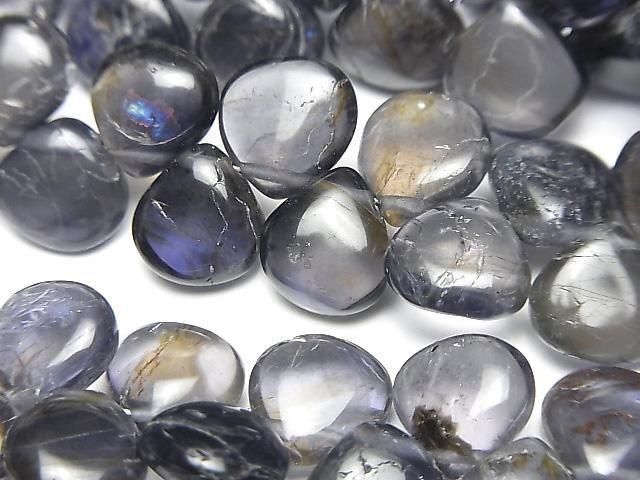
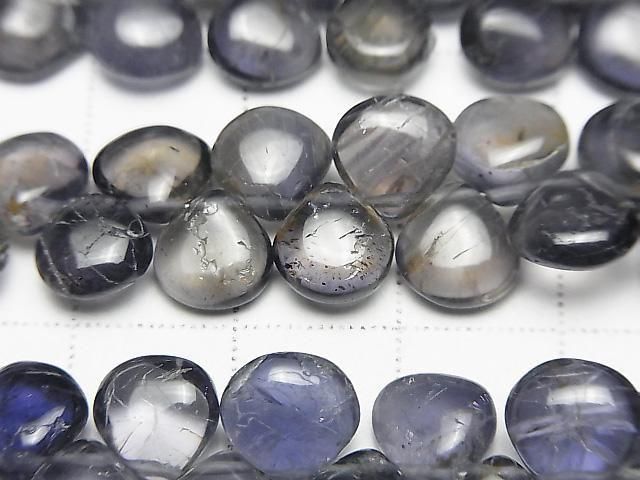
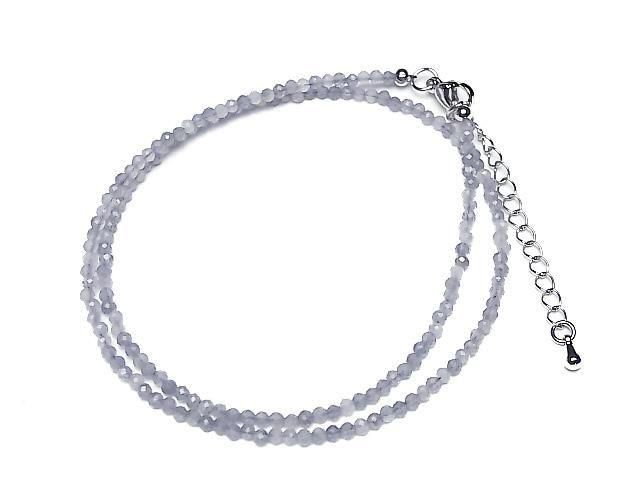
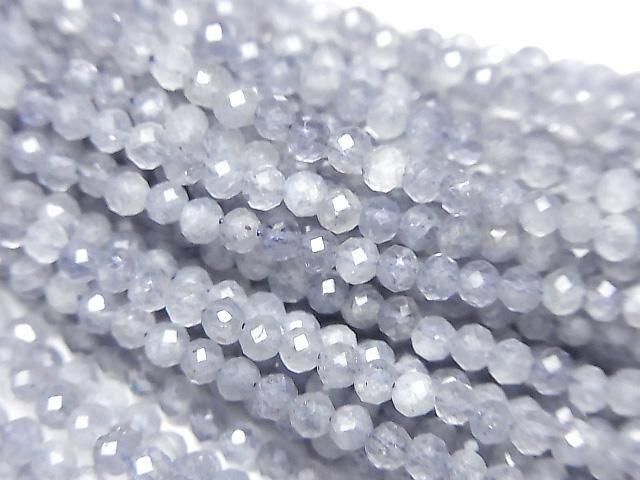
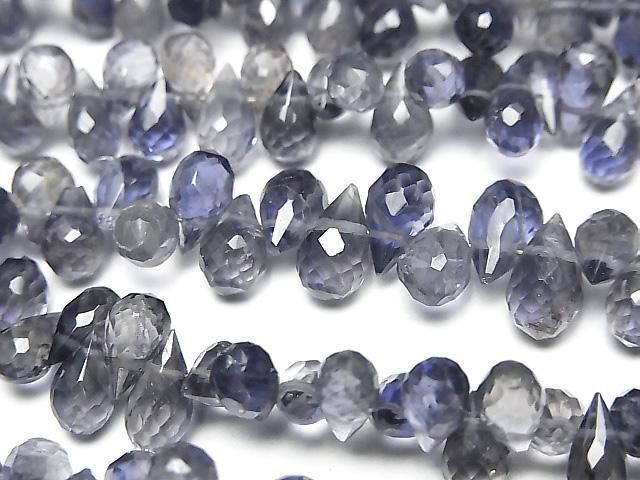
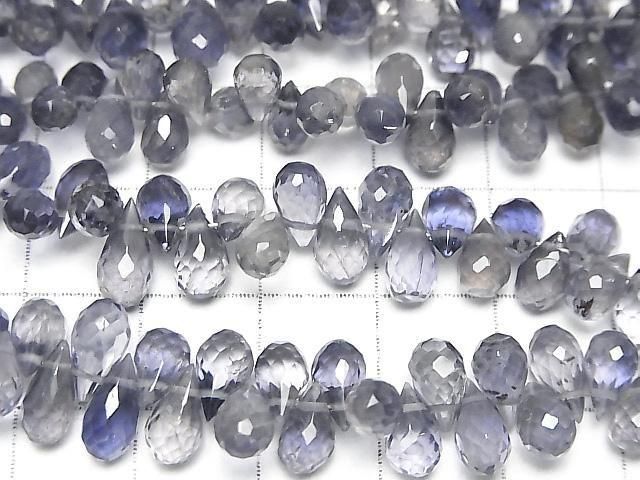
Iolite is a beautiful, affordable way to enjoy a sapphire-like blue. KenKenGems offers iolite, bloodshot iolite, and iolite sunstone — including large one-of-a-kind stones with mesmerizing color transitions and pronounced pleochroism — plus a wide selection of loose gems, strands, half-strands, and iolite in silver settings, in both cabochon and faceted cuts. Priced in USD and shipped across the US and Canada, our iolite is ready for your jewelry or your collection.


![[Einzigartig] Hochwertiger Iolith Sonnenstein AAA Lose Steine Facettiert 10 Stück Set NO.296](http://store.kenkengems.com/cdn/shop/files/186356287.jpg?v=1747386054&width=640)
![[Einzigartig] Hochwertiger Iolith Sonnenstein AAA Lose Steine Facettiert 10 Stück Set NO.296](http://store.kenkengems.com/cdn/shop/files/186356287_o1.jpg?v=1747386061&width=640)
![[Einzigartig] Hochwertiger Iolith Sonnenstein AAA Lose Stein Facettiert 10 Stück Set NO.301](http://store.kenkengems.com/cdn/shop/files/186356292.jpg?v=1747386115&width=640)
![[Einzigartig] Hochwertiger Iolith Sonnenstein AAA Lose Stein Facettiert 10 Stück Set NO.301](http://store.kenkengems.com/cdn/shop/files/186356292_o1.jpg?v=1747386122&width=640)
![[Einzigartig] Iolith Sonnenstein AAA- Cabochon 1 Stück NO.1](http://store.kenkengems.com/cdn/shop/files/186669160_c67be82f-29b8-43f8-a75e-46eebf1849ff.jpg?v=1753352936&width=640)
![[Einzigartig] Iolith Sonnenstein AAA- Cabochon 1 Stück NO.1](http://store.kenkengems.com/cdn/shop/files/186669160_o1_ba06b07c-7246-40be-8c22-14cd68a55a45.jpg?v=1753352940&width=640)
![[Einzigartig] Hochwertiger Iolith Sonnenstein AAA Lose Stein Facettiert 10 Stück Set NO.300](http://store.kenkengems.com/cdn/shop/files/186356291.jpg?v=1747386102&width=640)
![[Einzigartig] Hochwertiger Iolith Sonnenstein AAA Lose Stein Facettiert 10 Stück Set NO.300](http://store.kenkengems.com/cdn/shop/files/186356291_o1.jpg?v=1747386109&width=640)